博客

  • 40 scholarships offered by Morocco to Haitian high school graduates (2026-2027)

    40 scholarships offered by Morocco to Haitian high school graduates (2026-2027)

    In a tangible gesture of bilateral educational cooperation following a high-level diplomatic visit, the government of Morocco has approved 40 full additional scholarships for recent Haitian high school graduates seeking higher education for the 2026-2027 academic cycle. The opportunity comes directly after Haitian Foreign Minister Raïna Forbin’s official working mission to the Kingdom of Morocco on May 20, 2026, which paved the way for expanded educational partnerships between the two nations.

    Aspiring candidates must meet a clear set of eligibility requirements to be considered for the award. All applicants must be under the age of 23, have completed their secondary education in 2025 with a minimum cumulative grade average of 6.00 out of a 10-point grading scale, and hold a range of official documentation to verify their status. Required documents include an official government-issued birth certificate, a valid high school diploma and official academic transcripts, a final-year report card, a valid passport, and a clean criminal record certificate issued by the Court of First Instance in the applicant’s residential jurisdiction.

    The application window for the scholarships closes on Thursday, July 16, 2026, and interested students can submit their materials through three approved channels. In-person submissions are accepted at two locations across Haiti: the Ministry of Foreign Affairs and Worship office at 15 Rue Mangonès, Pétion-Ville, Port-au-Prince, and the Northern Departmental Office of the Ministry of Foreign Affairs, housed in the Vaudreuil administrative complex in Cap-Haitien. Applications can also be submitted electronically via email to the official dedicated address: bourses.maec@diplomatique.ht.

    Following the close of applications, entrance selection exams will be administered on Saturday, July 18, 2026, with testing centers running simultaneously in three Haitian cities: Port-au-Prince, Cap-Haïtien, and Les Cayes to accommodate applicants from different regions of the country.

  • PM says free movement uptake modest

    PM says free movement uptake modest

    As leaders of the Caribbean Community (CARICOM) concluded their 51st annual summit in Saint Lucia this week, Prime Minister Mia Mottley of Barbados released key early data on the bloc’s landmark enhanced free movement initiative, pushing back against pre-implementation warnings that the policy would unleash an unprecedented flood of cross-border migration.

    Launched on October 1 last year by four founding participating states — Barbados, Belize, Dominica, and St. Vincent and the Grenadines — the regime represents a major step forward in CARICOM’s decades-long push for deeper regional integration. Enshrined in the Enhanced Cooperation Protocol of the Revised Treaty of Chaguaramas, the arrangement grants eligible nationals from participating member states the right to live and work indefinitely across any participating country without requiring a formal work permit.

    When the policy was first proposed, it sparked heated debate across the region. Proponents framed the initiative as a targeted solution to widespread labour and skills gaps across smaller Caribbean economies, arguing that free movement of workers would unlock shared economic growth and strengthen regional supply chains. But critics raised urgent alarms, warning that open movement would overwhelm local job markets, strain public housing and social services in more desirable destination countries, and displace native workers.

    Speaking to reporters on the final day of the summit, Mottley shared the first official public uptake figures: fewer than 1,000 people across the four founding states have utilized the regime to relocate for work so far, contradicting the most dire predictions from opponents. The vast majority of movers have chosen to relocate to Barbados, a trend Mottley says aligns perfectly with the island nation’s core economic needs.

    Barbados has long grappled with structural labour and skills shortages driven by its relatively small native population, Mottley explained, noting that addressing this gap was a primary motivation for the country’s early participation in the initiative. “As I’ve said over and over, Barbados has a skills deficit, and therefore, to that extent, one of the reasons why we signed on to the Revised Treaty of Chaguaramas in the first place was to facilitate the movement of people to bridge the fact that inherently our population numbers are low and by extension our skills levels are low,” she said.

    Far from stalling after its initial launch, the free movement regime is now set to expand, Mottley confirmed. Two additional CARICOM member states are moving forward with accession: Grenada has already formally submitted its letter of intent to join, while host nation Saint Lucia has publicly signaled it will begin the domestic process to join the arrangement in the near future.

    Mottley framed this gradual, wave-based expansion as a natural parallel to CARICOM’s own 50-year history of incremental growth. The bloc was originally established in 1973 as a successor to the Caribbean Free Trade Association (CARIFTA), launching with just four founding members: Barbados, Guyana, Trinidad and Tobago, and Jamaica. Over the following decades, as Eastern Caribbean states gained independence and more regional economies joined, CARICOM grew to its current size of 15 full members, including Haiti and Suriname. The Bahamas remains a participant only in CARICOM’s functional cooperation framework and has never joined the bloc’s common market or the CARICOM Single Market and Economy (CSME).

    “It has been a good experience so far,” Mottley told reporters. Echoing her long-standing rejection of large-scale migration fears, she noted, “The numbers show that there are less than 1,000 people who have used it so far, and that’s why we said this is not going to open floodgates.” She added that the regime continues to gather momentum, matching the incremental, steady growth that has defined CARICOM since its founding: “So I expect that this will, just like CARICOM started in 1974 with four countries, then another six or seven joined, and then another one and another two. So these things happen in waves, but we’re happy with it.”

  • CARICOM Endorses Haiti’s Efforts to Restore Security and Hold Elections

    CARICOM Endorses Haiti’s Efforts to Restore Security and Hold Elections

    Against the backdrop of ongoing political and security instability in Haiti, regional leaders from the Caribbean Community (CARICOM) have issued a formal statement of unified support for the Haitian people and their transitional government, wrapped up the 51st Regular Meeting of the Conference of Heads of Government in Castries, Saint Lucia on July 8, 2026.

    CARICOM’s head of states opened the statement by reaffirming their unshakable solidarity with Haiti, emphasizing that the regional bloc remains fully committed to backing the Caribbean nation’s efforts to reclaim widespread security, rebuild fractured democratic institutions, and restore a functional constitutional order. The leadership specifically welcomed progress made by Haiti’s transitional government under Prime Minister Alix Didier Fils-Aimé, highlighting the administration’s work to shore up national security frameworks, move forward long-delayed electoral planning, and lay the groundwork for what the bloc describes as free, credible, inclusive and peaceful national elections.

    While commending the incremental gains the Haitian government has already delivered, CARICOM leaders encouraged the continuation of these targeted efforts to advance the transition. The conference underscored that a successful conclusion to Haiti’s current transitional period is non-negotiable for enabling Haitian citizens to exercise their democratic right to select their own leaders through a legitimate, transparent electoral process. Leaders also echoed support for the transitional government’s continued focus on the country’s most pressing immediate priorities: reestablishing baseline security across the country, cementing broad political stability, and pushing the electoral process across the finish line.

    A core pillar of CARICOM’s support centers on strengthening Haiti’s domestic security institutions. The bloc repeated its call for the full operational deployment of the multinational Gang Suppression Force (GSF) and the renewal of its mandate, stressing that security and stability in Haiti are inextricably linked to the safety and prosperity of the entire Caribbean region. Uncontrolled gang violence and political collapse in Haiti would create spillover effects that threaten all neighboring CARICOM member states, the statement implied.

    CARICOM further reaffirmed its commitment to ongoing close collaboration with Haitian national authorities, the United Nations, the Organization of American States, and a broad coalition of other international partners. The goal of this coordination is to support Haiti in overcoming its deepening current crisis and create the stable conditions needed to deliver free and credible elections and long-term sustained stability. The bloc also called on all international and regional partners to pursue constructive engagement with Haiti’s current transitional leaders and all key national stakeholders, urging a coordinated, unified approach that centers the interests, safety and long-term future of the Haitian people in all collective action.

    In closing, CARICOM leadership expressed confidence that with sustained national commitment from Haitian stakeholders and continued targeted support from both the regional bloc and the broader international community, Haiti will successfully build a secure, stable and democratic future that benefits not only its own people but the entire Caribbean Community.

    Founded in 1973 via the Treaty of Chaguaramas, CARICOM revised its founding framework in 2001 to establish a regional single market and economy. Today, the bloc counts 15 full Member States and six Associate Members, representing a combined population of roughly 16 million people, 60 percent of whom are under the age of 30. CARICOM organizes its work around four core pillars: economic integration, coordinated foreign policy, human and social development, and cross-border security cooperation. The bloc’s ultimate vision is to build an integrated, inclusive, and resilient regional community driven by knowledge, innovation, excellence, and productivity; one that acts as a unified competitive force globally, guarantees human rights and social justice for all citizens, and creates shared opportunity for every resident to reach their full potential. Widely regarded as one of the most successful examples of regional integration in the developing world, CARICOM’s central administrative body, the CARICOM Secretariat, is headquartered in Georgetown, Guyana.

  • Natural Resources Minister denies Opposition Leader’s claim of ruptured natural gas pipeline

    Natural Resources Minister denies Opposition Leader’s claim of ruptured natural gas pipeline

    On Wednesday, 8 July 2026, a public dispute erupted between Guyana’s opposition leader and the ruling government’s natural resources minister over the status of the country’s high-profile US$1 billion natural gas pipeline project, triggering new scrutiny of the $1 billion infrastructure development tied to ExxonMobil’s energy operations in the region.

    Opposition Leader Azruddin Mohamed made the explosive allegation while aboard a vessel on the Atlantic Ocean off Guyana’s coast, claiming a major rupture had occurred on the undersea pipeline three months prior to his statement. According to Mohamed, the break sits approximately two miles offshore behind the Georgetown Marriott Hotel, at a depth of 30 feet near the pipeline’s route, and that the damage has already caused visible pollution in the surrounding waters. He pointed to the vessel he was aboard as positioned directly above the site of the alleged rupture.

    Natural Resources Minister Vickram Bharrat issued an immediate and full denial of the opposition’s claims just hours after Mohamed made the allegation public. In a statement released Wednesday night, Bharrat confirmed that there are no official reports of any rupture or damage to the pipeline infrastructure. He also added key context to the project’s current status: the pipeline is not yet activated, and no natural gas is currently flowing through the line. Bharrat noted that any activity at the site is likely related to routine pre-operational testing work being carried out ahead of the pipeline’s launch.

    The pipeline at the center of the dispute is a core component of Guyana’s expanding energy sector, designed to transport natural gas from offshore production sites to key onshore infrastructure at Wales on West Bank Demerara: a 300-megawatt power generation facility and a dedicated natural gas liquids processing plant. Prior project updates from ExxonMobil, the major energy operator leading the development, confirmed that the pipeline has been filled with inert nitrogen as a placeholder, in preparation for the transition to operational natural gas supply once construction and pre-launch checks are complete.

    An independent disaster response expert with knowledge of the project also told Demerara Waves Online News that they had no information confirming any damage to the pipeline, aligning with the minister’s denial. As of Wednesday evening, ExxonMobil had not yet issued an official response to requests for comment on the opposition’s allegation.

  • Fifty-Four Invoices, One Supplier, and a $435,000 Question

    Fifty-Four Invoices, One Supplier, and a $435,000 Question

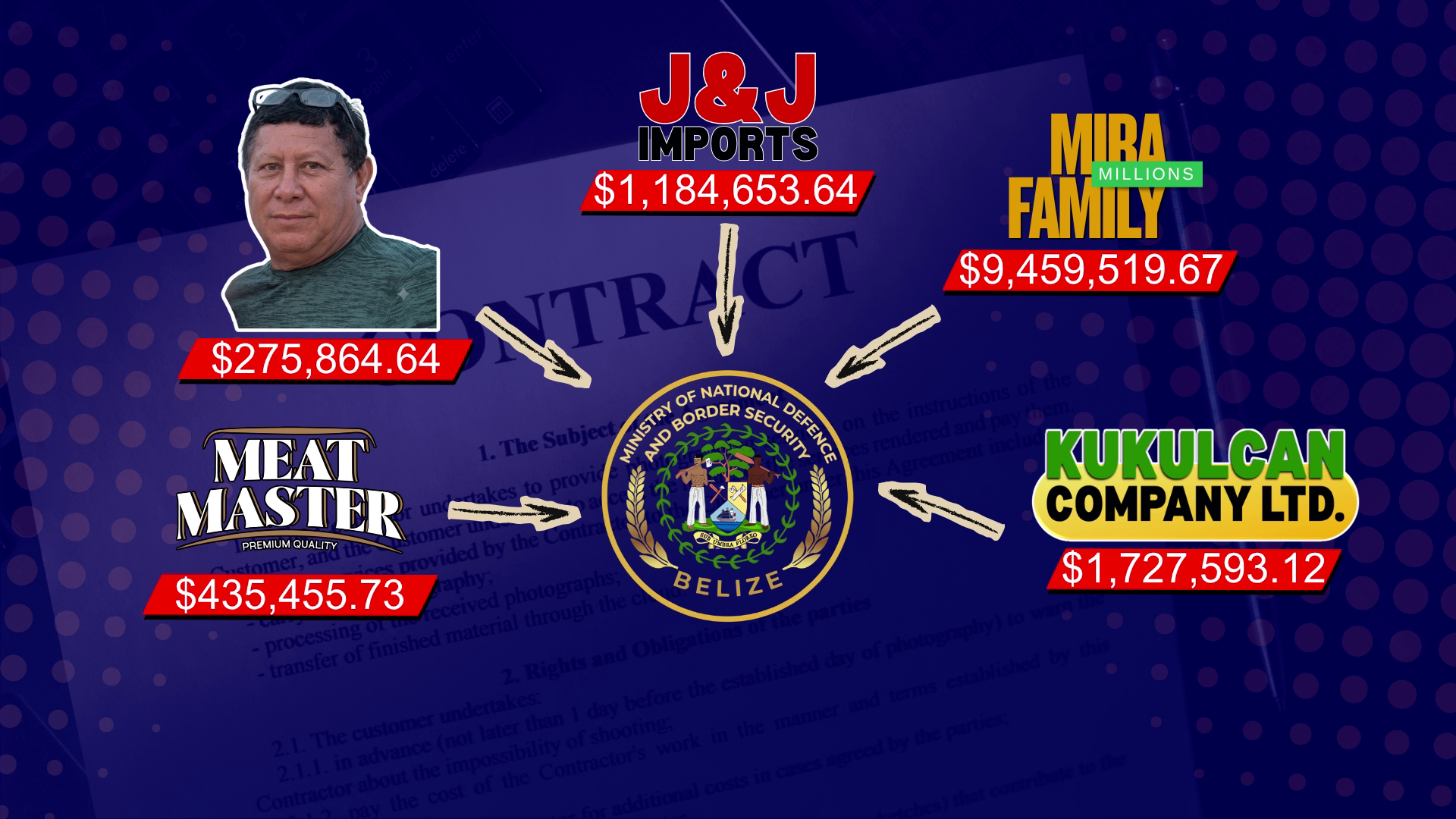
    A new controversy has erupted over government procurement practices at Belize’s Ministry of Defense, as a politically connected meat supplier has been revealed to receive more than $435,000 in public funds via a highly unusual structure of 54 split invoices, each falling just below a key spending threshold designed to trigger higher-level oversight. The case, first reported by journalist Paul Lopez for News Five on July 8, 2026, centers on Orange Walk-based meat supplier Meat Master, a company owned by the wife’s cousin of Ministry of Defense Chief Executive Officer Francis Usher. Over just two months—April and May 2026—the company accumulated $435,455.73 in payments from the ministry, with every single invoice submitted for amounts under $10,000. The most alarming detail to emerge is a single day of payouts on May 11, 2026, when the ministry disbursed more than $300,000 to Meat Master split across 35 separate invoices, all kept just below the $10,000 limit that would require additional authorization from the national treasury and ministry of finance. This is not an isolated incident: the supplier is the latest in a growing list of defense contractors linked to close relatives and associates of high-ranking Belizean government officials, including Ministers Oscar Mira, Florencio Marin Junior, and Ramon “Monchi” Cervantes, all of whom have been named in previous reporting on questionable procurement deals. In an on-the-record interview with Lopez, Usher acknowledged the family connection but defended the ministry’s actions, insisting that all procurement processes were followed strictly in line with the law. The CEO argued that vendors themselves choose to split larger orders into smaller invoices to speed up government payment processing, noting that smaller transactions below the $10,000 threshold are processed more quickly by the ministry’s internal accounting department. When challenged on the $300,000 single-day payout, which would normally require formal approval from national financial authorities above the defense ministry’s own accounting department, Usher maintained that all delivered goods were verified and all required procedural steps were completed. “Invoices would not have been paid if the necessary requirements were not met,” Usher stated, adding that he sees nothing questionable about the transaction because the process included full accountability and transparency. He further explained that Meat Master remains an active ministry supplier because standard government vendor contracts are active for 12 months once awarded. Critics of the arrangement, however, argue that the structure of the invoices can only be interpreted as a deliberate effort to sidestep official procurement safeguards designed to prevent corruption and mismanagement of public funds. The case has reignited broader calls for independent audits of defense ministry contracting, as questions mount over whether the pattern of politically connected suppliers and threshold-avoiding invoice practices indicates systemic gaps in accountability rather than isolated coincidence. This report is a transcribed adaptation of an evening television broadcast from News Five.

  • $9,425 Here, $9,750 There: What’s Behind the Pattern?

    $9,425 Here, $9,750 There: What’s Behind the Pattern?

    On July 8, 2026, public scrutiny has emerged around a controversial payment pattern at Belize’s Ministry of Finance, where a single vendor received more than $300,000 in government funds via 35 separate invoices processed in a single business day. An independent review of the payment records uncovered recurring identical amounts across multiple invoices, most notably $9,425 and $9,750, leading to widespread speculation that the large total contract was intentionally split into thousands of smaller sub-payments to evade public transparency and financial accountability requirements.

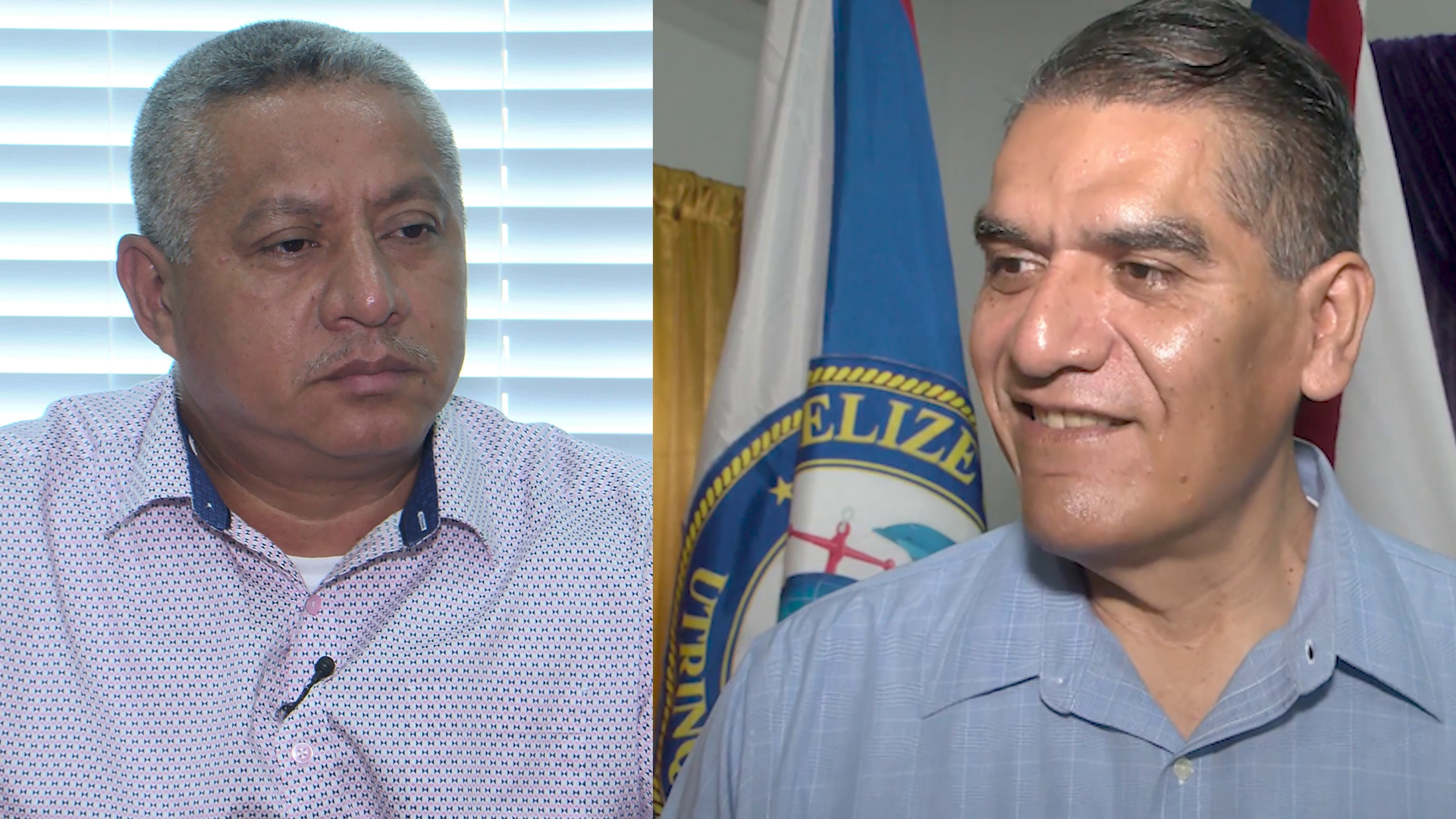
    In an official response to media inquiries, Francis Usher, Chief Executive Officer of the Ministry of Finance, has pushed back against claims of improper activity, outlining the administrative practice that led to the clustered payment structure. According to Usher, the multiple same-value invoices did not represent an attempt to split a large contract. Instead, he explained, vendors routinely consolidate delivery documentation for batch submission to the ministry’s accounting department, rather than filing separate payment requests after every individual delivery.

    The payments in question, Usher confirmed, correspond to supplies delivered to the Belize Defence Force (BDF) and the Belizean Coast Guard by local vendor Meat Master, covering completed orders spanning a full two-month period. The standard procurement process requires every delivery to follow strict verification protocols: suppliers start with a formal quotation, receive an official purchase order, complete delivery, then have the order jointly certified as matching the purchase order by both the vendor and the receiving agency (the BDF or Coast Guard) via a signed waybill. Instead of submitting payment requests for each small delivery immediately, vendors accumulate all completed order paperwork to submit in a single bi-monthly or monthly batch, leading to dozens of invoices being processed for payment on the same day when the batch is cleared.

    Despite Usher’s denials of intentional wrongdoing, widespread public concern over the perception of a lack of transparency has pushed the Ministry of Defense to implement immediate changes to its payment processing policies. The longstanding practice of processing repeated individual payments of less than $10,000 will be discontinued immediately. Going forward, the ministry’s accounting team will consolidate all outstanding invoices from a single vendor into one single combined payment, a reform that many public accountability advocates argue should have been in place from the beginning.

    Usher acknowledged that the public has interpreted the small, repeated payment pattern as an attempt to avoid disclosure and oversight, but he reaffirmed that no such intent existed. He explained that vendors had developed the practice of requesting small individual payments because they received cleared funds faster, which helped small businesses maintain the working capital they need for ongoing operations. Now, even when individual invoices still come in below $10,000 per delivery, the ministry will aggregate all invoices per vendor before issuing a single combined payment to strengthen clarity and eliminate any perception of improper activity.

    “If anything we welcome the scrutiny and accountability and we want to demonstrate that it is a transparent process,” Usher said.

    As of July 8, an official audit into the payment practices remains ongoing, and Usher confirmed that the Ministry of Defense continues to cooperate fully with auditors conducting the review.

    This report is adapted from a transcribed evening television newscast, with original Kriol language remarks standardized to English for publication.

  • Tight restrictions on digital devices for very young children- Human Services Minister

    Tight restrictions on digital devices for very young children- Human Services Minister

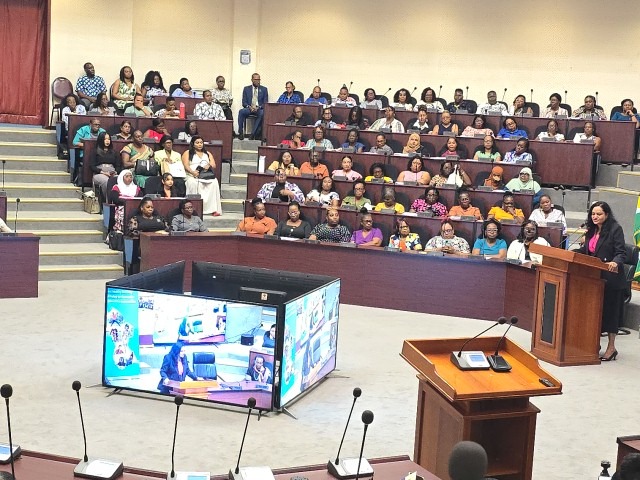
    On Wednesday, July 8, 2026, Guyana’s national Early Childhood Development Conference opened in Georgetown, bringing together policymakers, international partners, community caregivers and child welfare advocates to advance the country’s early childhood development (ECD) agenda. The event, hosted by Guyana’s Childcare and Protection Agency (CPA) in partnership with UNICEF and the Government of Canada, delivered new public health guidance for young children while highlighting progress on the country’s landmark National Integrated Early Childhood Development Policy.

    Speaking to attendees at the conference opening, Minister of Human Services and Social Security Dr. Vindhya Persaud issued a clear public warning: children under 2 years old must be completely barred from using smartphones, tablets and other personal digital devices, citing critical developmental risks during this period of early brain growth.

    “Many parents reach for a phone or tablet to calm an active or fussy young child, but this habit carries real long-term consequences,” Dr. Persaud told delegates. “The first two years of life are a foundational period for brain development. Every stimulus a child encounters shapes their long-term cognitive and social growth, and unregulated screen time from digital devices is not a healthy input. If you are giving young children these devices, it is time to stop.” For children older than two, the minister recommended capping total screen time to just two hours per week to balance exposure with healthy developmental activity.

    Beyond screen time guidance, the conference highlighted the government’s ongoing investment in accessible, high-quality community-based early childhood care across the country. A core pillar of this work is the GY$1.2 billion ECD co-investment initiative, which provides financing to local care centre owners to upgrade facilities, purchase child-friendly learning furniture, access professional training, and expand sustainable operations. To date, 700 care providers have already registered to access the funding, which is designed to build safe, welcoming learning and play spaces while keeping care affordable for working families.

    Dr. Persaud emphasized that the initiative’s core requirement for receiving public co-investment is that services remain accessible to all community members. “Locating these centres in the heart of local communities eliminates transportation barriers for parents, and lets families build trust with the caregivers looking after their children,” she explained. “Our goal is to make high-quality early care affordable and accessible for every family, regardless of income.”

    As of the conference, Guyana has formally licensed 352 early childhood care centres, with another 376 providers completing registration. Twenty-five facilities have been designated as Centres of Excellence, staffed by specially trained ECD professionals. The government has already disbursed the equivalent of GY$10 million to 100 centre owners to support their upgrade to the higher Centres of Excellence standards. Additionally, 460 families with children enrolled in registered, licensed care centres have received three months of financial support totaling GY$25 million, to help families access safe, regulated care arrangements.

    Levine Gouveia, Director of Children Services at CPA, outlined the five core pillars of Guyana’s National Integrated Early Childhood Development Policy: cross-sectoral collaboration and coordination, child safety and security, universal access, service quality, and inclusive care for all children. The policy also integrates targeted work across child health and nutrition, parenting and family support, ECD research, and infrastructure expansion, Gouveia explained. “All these work streams come together to build a robust child protection and development system for our youngest children, from birth through the pre-nursery years up to age three,” she said.

    Adam Loyer, Chargé D’Affaires at Canada’s High Commission to Guyana, noted that Canadian support has helped expand quality ECD services to more than 48,000 children and over 35,000 parents and caregivers across Guyana. ECD programming has now reached 156 Guyanese communities, exceeding the original outreach target set when the policy initiative launched. Loyer called the formal adoption of Guyana’s National Integrated Early Childhood Development Policy one of the most significant milestones of the partnership to date.

    Anna Azaryeva Valente, UNICEF Representative for Guyana and Suriname, echoed partners’ commitments to advancing ECD work, while noting that significant gaps remain to be addressed. While Guyana has made notable progress addressing systemic social challenges affecting children, Valente said many vulnerable communities still lack access to quality ECD services, and service quality can be improved across multiple regions.

    “There are still key milestones ahead of us: improving child health, nutrition and protection across all communities, empowering parents and caregivers with information and ongoing support rather than just assigning responsibility, grounding our work in evidence, and securing sustainable long-term public investment in early childhood services backed by clear policy and guidelines,” Valente said. She urged conference attendees, including ECD experts, caregivers, parents and service providers, to engage actively throughout the event: identify unmet needs, critique existing frameworks, ask critical questions, and help set collective priorities for future ECD investment across the country.

  • Did “Human Error” Leave Belize’s Defenders Behind?

    Did “Human Error” Leave Belize’s Defenders Behind?

    In the small Central American nation of Belize, a $13 million financial controversy tied to the ruling People’s United Party (P.U.P.) administration has thrown the government’s credibility into crisis, with opposition voices and even long-time party supporters questioning the official explanation of simple human error for improper payments funneled to political allies and relatives of elected officials. The scandal first came to public light following a series of Smart Stream data leaks, and it has already led to the controversial overnight arrest of prominent opposition figure Alberto August, former deputy chairman of the United Democratic Party (UDP).

    Over the weekend of July 8, 2026, Prime Minister John Briceño addressed growing public anger during the P.U.P.’s National Party Council meeting, leaning on a familiar framing for the misallocated funds that passed through the Ministry of Defense. “I will be the first to admit that we’re not perfect, we make mistakes. And that’s natural, that’s human nature,” Briceño told party supporters. His line of reasoning was echoed by embattled Belmopan Area Representative Oscar Mira, who faced questioning over his complaint against August. “I think we can always reflect on what has happened in the past. We are humans and we can always look back and see how it could have been done better,” Mira stated in comments from July 1.

    But for many Belizeans, a sum as large as $13 million cannot be written off as an accidental clerical error. The scandal has eroded public trust in the P.U.P., which campaigned on a promise of cleaner governance than its predecessors. Even loyal party allies have raised alarm: Major Lloyd Jones, a retired Belize Defence Force (BDF) officer and former P.U.P. candidate for Belize Rural North, said the scandal breaks the core promises the party made to voters. “We promised that we were going to be different. We promised we were going to do better and hopefully this is the extent of it and it does not go to other ministries. But, it is troubling for me as a supporter of the party,” Jones explained.

    Top financial officials have also cast doubt on the “human error” narrative. Financial Secretary Joseph Waight described the irregular payments as suspicious in comments from June 23, noting, “Certainly it does not look good. In my view somebody dropped a ball, fell asleep or they moved together on it.”

    August, the opposition figure who was arrested amid the unfolding scandal, argued that the exposure of the payments is a rare turning point for Belize’s public accountability. “This is by Belizeans, as somewhat of a blessing in disguise, all of this was happening unknown to the Belizean people, unknown to the taxpayers of this country who are being saddled with increasing cost of living, increasing prices of fuel, and here we have these people engaging in this kind of activity,” August said.

    Beyond the political fallout, the greatest harm of the misallocated funds may fall on the BDF personnel tasked with protecting Belize’s borders and territorial waters. Jones, drawing on his decades of experience with the force, explained that the millions earmarked for defense supplies have not reached the frontline troops. “If you speak with soldiers they will tell you what they are seeing on the news in terms of the quantum, the millions they spent, that is not being translated on their plates. So somewhere along the line we are losing value. And if you don’t feed your soldiers well, you lose morale. You undermine the morale of a soldier who is away from his family, I want to remind you that these are our children, your brother, your sister, your friend. Parents send their children to the BDF with the hope that those who are in command will look after them.”

    As the controversy continues to dominate national public discourse, the core question lingers: if the misallocation was nothing more than innocent human error as the prime minister claims, why are ordinary service members, taxpayers, and the cause of good governance paying the price for the mistake? This report is a transcript of an evening television broadcast from News Five, reported by Paul Lopez.

  • Espat on Cabinet Turmoil After Mira and Marin Jr. Step Aside

    Espat on Cabinet Turmoil After Mira and Marin Jr. Step Aside

    In a significant political shakeup rocking Belize’s ruling administration dated July 8, 2026, two senior cabinet members—National Defense Minister Florencio Marin Jr. and Home Affairs head Oscar Mira—have stepped aside amid escalating fallout from a leaked internal document scandal originating from the Ministry of Defense. Following the departures, incumbent Infrastructure Development and Housing Minister Julius Espat has been appointed to hold the additional Home Affairs portfolio, expanding his responsibilities within the cabinet.

    The controversy, triggered by the unauthorized release of internal defense ministry files, has thrown the government into turmoil, forcing the reshuffle just weeks after the first allegations came to light. In an exclusive interview with journalist Shane Williams, Espat opened up about the mood among cabinet members following the two high-profile departures.

    When asked about the collective reaction to the latest resignation, Espat described the prevailing sentiment across the cabinet as one of sadness. “Sad. You would wish that nothing like this ever happens,” he stated, noting that the unfolding situation is now a matter for Prime Minister John Briceño to resolve, as he gathers full information and verifies the facts surrounding the leak.

    As a longstanding advocate for anti-corruption reforms within the current administration, Espat acknowledged that temptation for misconduct is a universal human challenge, and it falls to the government to put safeguards in place to minimize such risks. He expressed full confidence in the prime minister’s ability to reach a conclusion that will align with the expectations of all Belizean citizens. “We are all concerned. At the end of the day all of us are human beings and temptation exists. So it is the responsibility of the government to make sure that it is minimized. And that’s why we have a Prime Minister. That’s why we have a Cabinet and the people of Belize. And I know he will make a good decision. I believe in that,” Espat said.

    When pressed for details on his expectations for the ongoing official audit into the defense ministry’s activities, Espat declined to comment, stating that any formal updates should come directly from the prime minister. Prime Minister Briceño has previously confirmed that the independent audit will examine ministry records covering a full decade, from 2015 through 2025, to get to the bottom of the controversy.

    This report is a transcribed excerpt from an evening television newscast, with all Kriol-language remarks rendered using a standardized orthography system for accuracy.

  • New campaign warns: Harbouring criminals will cost you

    New campaign warns: Harbouring criminals will cost you

    Barbados’ government is taking a proactive, community-centered step to curb gang-related violence and organized crime, launching a nationwide public education campaign designed to deter citizens from harboring fugitive gang members and assisting criminal gang operations. The initiative comes directly on the heels of the recent passage of the landmark Criminal Gangs (Prevention and Control) Act, legislation that introduces harsh, mandatory penalties for a range of gang-connected offenses to disrupt criminal networks across the island.

    Under the new law, a broad set of gang-specific activities have been formalized as criminal offenses, with nearly all carrying mandatory minimum prison sentences ranging from 10 to 25 years. For particularly severe offenses – including targeted attacks on law enforcement personnel, and individuals holding leadership roles or providing critical organizational support to gangs – maximum sentences can stretch up to 35 years behind bars.

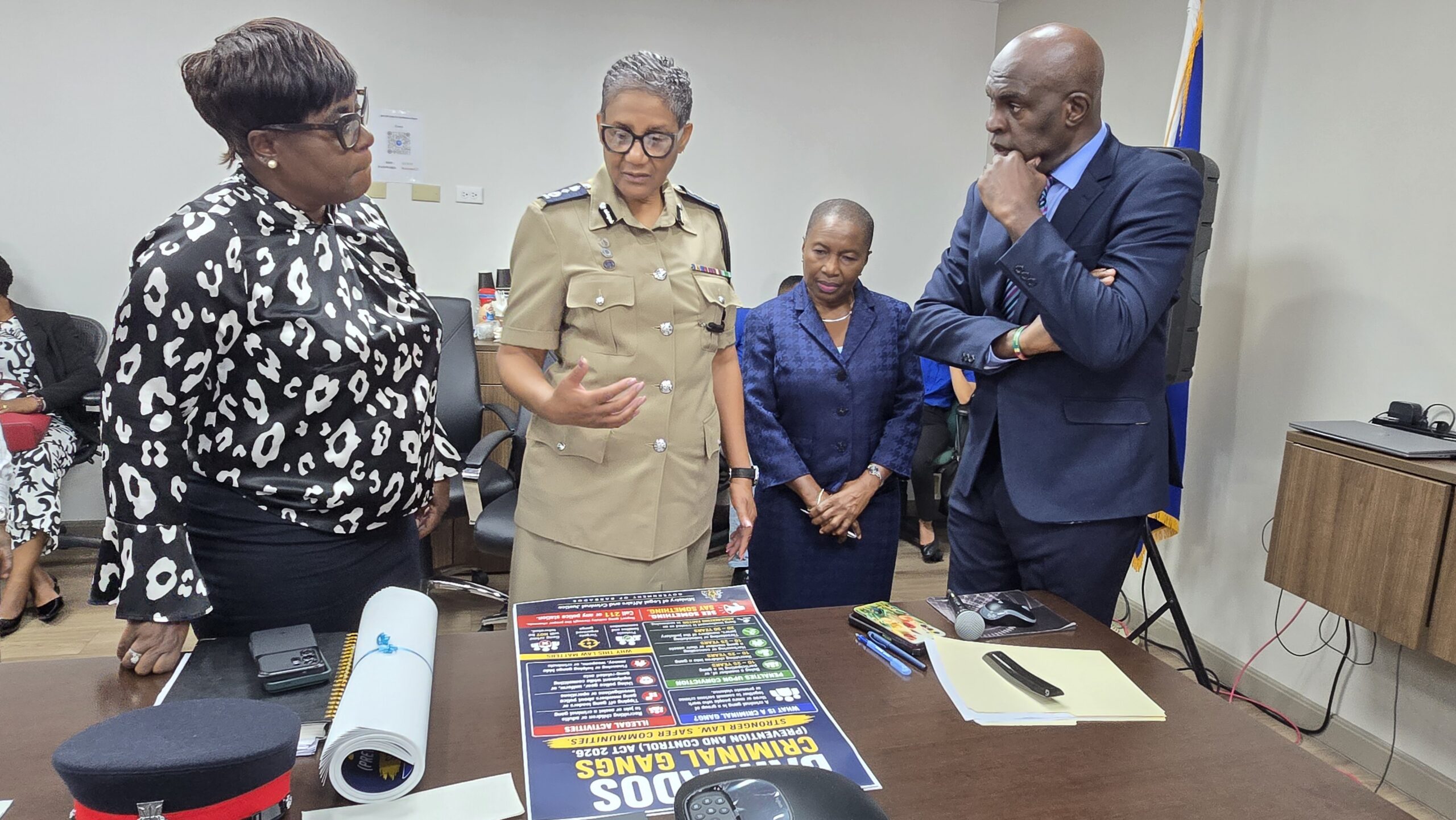
    The official launch of the campaign was hosted at the Office of the Attorney General, drawing attendance from newly appointed Commissioner of Police Sonia Boyce, senior ministry officials, and representatives from the Barbados Association of Principals of Public Secondary Schools, who accepted batches of campaign posters to distribute across secondary institutions nationwide. A photo from the event captured Lashley and Boyce unveiling the campaign’s central public awareness poster (Credit: Lourianne Graham/Barbados TODAY).

    Minister of Legal Affairs and Criminal Justice Michael Lashley outlined the structure of the multi-channel campaign, which forms a core component of the national government’s broader crime prevention strategy. At its center are two distinct public service announcements (PSAs): one that breaks down the specific provisions and penalties outlined in the new Criminal Gangs Act, and a second that delivers a general message about the legal risks of harboring wanted gang members. Lashley emphasized that the new legislation imposes “very stiff penalties” for anyone found hiding gang affiliates or facilitating recruitment of new members into criminal organizations.

    Beyond broadcast PSAs, the campaign will expand into communities across the country, deploying printed posters, in-person outreach to secondary schools, local community groups, and national service clubs. Lashley stressed that cross-sector collaboration is critical to the initiative’s success, noting that every stakeholder with a role in crime prevention must be brought into the effort. To maximize reach, particularly among younger audiences, the campaign will also leverage major social media platforms including WhatsApp, Instagram, and Facebook to spread its message.

    Notably, community members played a central role in developing the two PSAs, a deliberate choice that Lashley says marks the start of a broader community-centered engagement strategy. He encouraged all Barbadians to see the campaign not just as a formal warning about legal consequences, but as a collective call to action to join the national fight against organized crime.

    Lashley also expressed full confidence in newly appointed Police Commissioner Sonia Boyce’s leadership, while underlining that law enforcement action alone cannot solve Barbados’ gang crime crisis. “We cannot solve it by just enforcement,” he explained. “You have to solve it by reaching into communities and getting persons who are at the brink of touching the criminal justice system, and persons who are young. That we believe are vulnerable, who might not be part of the criminal justice system but might be vulnerable to gang leaders and drug dealers.”

    The outreach to secondary schools reflects this focus on prevention: by engaging young people early, the government hopes to cut off recruitment pipelines that gangs rely on to expand their membership and criminal operations across the island.