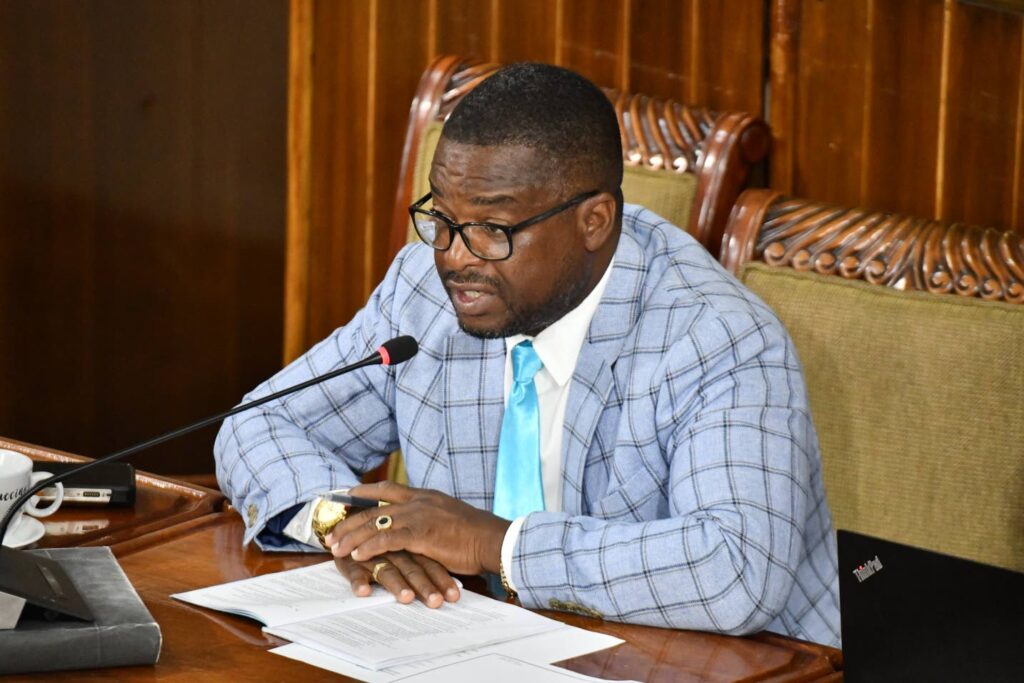
A contentious dispute over procedural boundaries and parliamentary decorum disrupted Wednesday’s session of Jamaica’s Public Administration and Appropriations Committee (PAAC), exposing deep divisions regarding the committee’s oversight authority. The confrontation emerged when Opposition members confronted Government MP Heroy Clarke of St James Central over his persistent interruptions during questioning of state entity representatives. The committee had convened specifically to review the National Water Commission’s recovery operations following Hurricane Melissa, but proceedings quickly devolved into a heated debate about the very nature of the PAAC’s constitutional role. Opposition parliamentarians accused Clarke of systematically undermining their legitimate oversight function by repeatedly challenging questions he deemed outside the committee’s purview. Clarke defended his interventions as necessary to maintain discipline and fairness, arguing that extended questioning by individual members could marginalize others and that infrastructure discussions properly belonged to other committees. The debate revealed fundamental disagreements about interpretation of the PAAC’s mandate, with St Mary Central MP Omar Newell citing specific constitutional provisions that authorize broad examination of government efficiency and administration. Newell called for a reset in committee conduct, emphasizing that “we can’t just bully and shout out to get our own way” and that disagreements should be resolved through proper points of order rather than loud interruptions. St James Southern MP Nekeisha Burchell countered Clarke’s position by asserting that public assets and performance—including infrastructure—fall squarely within the PAAC’s responsibility to ensure value for public expenditure. Committee Chairman Peter Bunting intervened to remind members of their shared objective to serve Jamaican citizens regardless of political affiliation, while subtly referencing Clarke’s former role as Deputy Speaker to underscore expectations of decorum. The exchange highlighted ongoing tensions between government and opposition members regarding parliamentary oversight mechanisms and the appropriate boundaries of committee authority in examining state administration.
博客
-

FIX THE BOWLING!
The West Indies cricket team’s impressive five-match winning streak at the ICC Men’s T20 World Cup came to a crushing halt on Thursday, suffering a decisive nine-wicket defeat against South Africa in their Super Eight Group 1 encounter in Ahmedabad. The loss has prompted serious concerns about the team’s bowling capabilities and batting strategy from veteran commentator Joseph ‘Reds’ Perreira.
Despite posting a competitive total of 176/8 from their 20 overs, thanks largely to a record eighth-wicket partnership of 89 runs between Romario Shepherd (52 not out) and Jason Holder (49), the Caribbean side proved unable to defend their score. South Africa’s commanding chase saw them reach 177/1 in just 16.1 overs, with captain Aiden Markram leading the charge with a spectacular 82 runs from 46 deliveries.
Perreira characterized the West Indies bowling performance as ‘ragged’ and called for immediate improvements from head coach Daren Sammy and his staff. ‘The bowling was ragged and Daren Sammy and company will have to look at how they can improve this bowling,’ Perreira told the Jamaica Observer. He particularly expressed disappointment in fast bowler Shamar Joseph’s performance and questioned whether pacer Jayden Seales should be brought in from the reserves bench.
The batting approach also came under scrutiny after the top order collapsed to 83/7 before Shepherd and Holder’s recovery effort. Perreira noted a apparent lack of execution despite pre-match planning, stating ‘They discussed a plan last night and this morning, but when you go out there and you take guard, the batsmen are responsible for executing that plan.’
The result leaves both West Indies and India level on two points in Group 1, though the Caribbean side maintains a significantly superior net run rate of 1.791 compared to India’s -0.1. This sets up a crucial final Super Eight match between the two teams on Sunday, with a semi-final berth hanging in the balance.
-

More money for refs?
Jamaica’s emergence as a powerhouse for producing elite football referees may soon be accompanied by improved financial incentives on the domestic front. Gregory Daley, the newly appointed General Secretary of the Jamaica Football Federation (JFF) and a former referee himself, has indicated that increasing match fees for local officials is under serious consideration.
This development comes as Jamaican referees continue to earn international recognition, with 21 currently on the FIFA panel—one of the highest representations in the CONCACAF region. These officials, who earn approximately $10,000 per match in Jamaica’s Premier League plus a $75-per-mile travel allowance, have become what Daley describes as “the best-kept secret” of Jamaican football excellence.
Despite the constant focus on the Reggae Boyz national team, Daley emphasizes that refereeing represents one of Jamaica’s most consistently successful football departments internationally. His comments highlight the paradox between Jamaica’s refereeing prestige and the lack of domestic appreciation for these achievements.
The proposed compensation review would extend beyond match fees to include training sessions and other professional commitments. Daley acknowledges the significant personal investment referees make, often traveling across the island at their own expense while maintaining the highest professional standards required for international competitions.
Jamaica’s refereeing success story finds further validation with two officials—Daneon Parchment and Oshane Nation—currently in contention for selection to officiate at the 2026 FIFA World Cup. Both are VAR-certified, with Nation’s potential selection automatically including his Assistant Referee Ojay Duhaney.
This would continue Jamaica’s legacy in World Cup officiating that began with Owen Powell (1998), followed by Peter Prendergast (2002), and several officials at Women’s and age-group World Cups.
Beyond financial improvements, Daley stresses the importance of enhanced communication and engagement with match officials to prevent past disruptions and build a more collaborative relationship moving forward.
-

Eight China medical team arrives at QEH
The Queen Elizabeth Hospital (QEH) has formally received the eighth contingent of medical experts from China, marking a significant milestone in international healthcare collaboration. This specialized team of seven seasoned professionals will integrate into the hospital’s clinical framework beginning Thursday, February 26, focusing on elevating specialist services and advancing patient care standards.
The delegation brings together exceptional expertise across critical medical disciplines: Dr. Cui Kun, a distinguished Cardiologist, leads the team as Captain alongside Dr. Yu Yang, Cardiovascular Surgeon; Dr. Cui Hong, Anaesthesiologist; Dr. Hu Kei, Joint Surgeon; Dr. Li Huanhuan, Nuclear Medicine Physician; Dr. Xiao Yang, Ultrasound Diagnostic Physician; and Dr. Mou Qiujie, Acupuncturist.
Their deployment will foster extensive interdepartmental collaboration, particularly enhancing capabilities in cardiovascular treatment, orthopaedic surgery, advanced anaesthesia protocols, precision diagnostic imaging, nuclear medicine applications, and integrative complementary therapies. This initiative is strategically designed to facilitate profound knowledge exchange and sustained skills transfer between the visiting specialists and QEH’s clinical staff.
Dr. Carlos Chase, Director of Medical Services, personally welcomed the delegation, conducting an comprehensive orientation tour through pivotal hospital departments. This introductory session aimed to acclimatize the team with institutional operations, patient management systems, and existing clinical workflows to ensure seamless integration.
The hospital administration expressed profound appreciation for this ongoing international partnership, emphasizing its transformative potential for elevating clinical outcomes, enriching service delivery quality, and fostering long-term advancements in specialized medical care through shared expertise and cross-cultural medical dialogue.
-

Minister condemns violent act against elderly man
The Barbadian government has announced sweeping reforms to protect elderly citizens following a recent violent incident against a senior. Minister with responsibility for the elderly declared the nation’s unwavering commitment to ensuring the welfare, dignity, and security of older persons who built modern Barbados.
The government will soon introduce the Older Persons (Care and Protection) Bill, which establishes comprehensive legal protections against physical, sexual, emotional, and financial abuse, plus neglect and abandonment. The legislation mandates severe penalties including fines up to $100,000, imprisonment for up to five years, or both, sending a clear message of zero tolerance for elder abuse.
Complementing these legal measures, the Ministry of People Empowerment and Elder Affairs has launched the Social Empowerment Agency (SEA), operational since January 2, 2026. This innovative agency consolidates five core social services into a unified, person-centered organization dedicated to holistic support, skills development, and capacity-building for vulnerable populations including seniors.
The Elder Affairs Programme forms the cornerstone of Barbados’ agenda for promoting healthy, active, and dignified aging. As the population of older citizens grows steadily, the program reflects government’s commitment to creating opportunities for meaningful contribution to national development while ensuring seniors live safer, more fulfilling lives.
Government officials emphasized that Barbados stands at a pivotal moment in its journey toward becoming a truly inclusive society that values every citizen throughout their lifespan. The nation’s seniors, described as pillars of society who shaped post-Independence Barbados, deserve not only gratitude but comprehensive protection and support during their golden years.
-
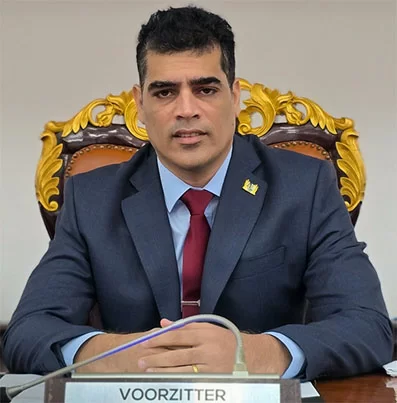
Assembleevoorzitter: Hof bereid te kijken naar rationalisering geldelijke voorzieningen rechterlijke macht
In a significant development for Suriname’s governance structure, National Assembly Chairman Ashwin Adhin has confirmed ongoing consultations with the Judiciary regarding financial provisions within the judicial system. The dialogue marks a cooperative effort between two crucial branches of government to address compensation structures for judicial officials.
Chairman Adhin disclosed to Starnieuws that he conducted formal discussions in his official capacity with the Court of Justice, particularly engaging with Court President Iwan Rasoelbaks. This diplomatic exchange has subsequently been followed by written correspondence from the judiciary, solidifying the commitment to mutual understanding.
The constitutional framework allows every Assembly member to initiate proposals within this context, though Adhin emphasized his role as presiding officer to conduct more focused negotiations with the judicial branch. These smaller-scale discussions aim to meticulously examine proposals, insights, and factual information before reaching any determinations.
Adhin reassured the public that the matter is being treated with appropriate seriousness between state powers, operating under the fundamental principle that financial provisions for the judiciary must be governed by statutory regulations. This approach ensures constitutional compliance while maintaining the dignity of judicial institutions.
The Assembly leadership has deliberately separated two parallel processes to avoid procedural conflicts: the ongoing modernization of judicial infrastructure through parliamentary bills, and the separate consideration of financial provisions including judicial remuneration and emoluments. This sequential treatment allows each initiative to receive dedicated preparation and attention.
Furthermore, Adhin highlighted that the 2026 national budget remains on the parliamentary agenda, confirming that authorities are maintaining a rigorous yet orderly schedule for these complementary governance initiatives.
-

South Africa continue winning run with nine-wicket victory over Windies
South Africa delivered a commanding performance against West Indies on Thursday, securing a comprehensive nine-wicket victory in the ICC Men’s T20 World Cup Super Eights stage. The match between the tournament’s last remaining unbeaten teams turned into a one-sided affair at Ahmedabad’s Narendra Modi Stadium, with the Proteas effectively booking their semifinal berth through clinical execution.
The victory was forged through exceptional bowling precision followed by explosive batting dominance. The pace duo of Lungi Ngidi (3-30) and Kagiso Rabada (2-22) engineered a dramatic West Indies collapse, reducing the Caribbean side to 83-7 within 11 overs. Their devastating spell threatened to bundle out the hosts for a subpar total until a record-breaking rescue mission emerged.
Jason Holder and Romario Shepherd scripted the highest eighth-wicket partnership in T20 International history, adding 89 crucial runs to lift West Indies to a competitive 176-8. Holder’s brisk 49 off 31 deliveries complemented Shepherd’s maiden T20I half-century, an unbeaten 52 from 37 balls featuring four sixes and three boundaries.
South Africa’s response was nothing short of spectacular. Captain Aiden Markram orchestrated the chase with an authoritative unbeaten 82 from just 46 deliveries, hammering seven fours and four sixes in a masterclass of power hitting. He received formidable support from Quinton de Kock, who blazed 47 off 24 balls before departing, and Ryan Rickelton’s unbeaten 45 ensured the Proteas reached their target of 177 with 23 balls remaining.
The match witnessed several turning points, including dropped chances that proved costly for West Indies. Brandon King spilled a difficult opportunity to dismiss Markram early in the innings, while earlier reprieves for Shimron Hetmyer and Sherfane Rutherford failed to alter the match’s ultimate trajectory.
This victory marks South Africa’s second consecutive win in the Super Eights stage, positioning them strongly for semifinal qualification while ending West Indies’ previously unblemished tournament record.
-

Antigua and Barbuda approves nationwide street lighting upgrade
The Cabinet of Antigua and Barbuda has greenlit a comprehensive national initiative to enhance street and community lighting across the nation. This decision follows a detailed briefing from the Electricity Manager of the Antigua Public Utilities Authority (APUA), who was specifically summoned to address mounting public apprehensions regarding insufficient illumination in numerous neighborhoods.
Maurice Merchant, the Director General of Communications within the Office of the Prime Minister, confirmed the development. The Cabinet conducted a thorough review of conditions prevalent in residential zones, major thoroughfares, and public areas, systematically pinpointing locations deemed critically deficient and in need of immediate intervention to boost visibility and bolster public security.
In response, APUA has formally committed to executing the necessary repairs and systemic upgrades. The utility authority asserts it possesses the full technical expertise, workforce, and requisite equipment to finalize the entire project within a sensible and efficient timeframe.
The sweeping improvement program encompasses a multi-faceted approach: installation of brand-new streetlights, restoration of malfunctioning units, substitution of impaired fixtures, and complete system modernization where existing infrastructure is obsolete. Execution will be prioritized based on the severity of the deficiencies, ensuring the most affected areas are addressed first.
Government officials project that the augmented lighting will yield significant multifaceted benefits. These include a substantial reinforcement of road safety for motorists and pedestrians, a powerful bolstering of crime prevention initiatives, and a tangible contribution to overarching national security objectives and broader community development goals.
-
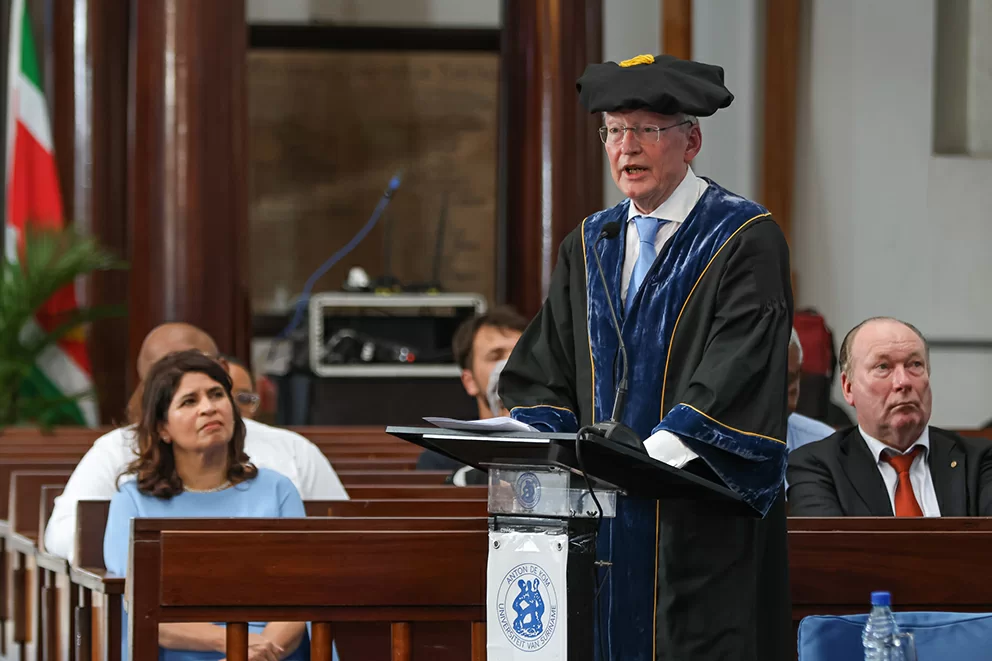
Heldere visie op rol en taken van business controller in veranderende organisaties
The Anton de Kom University of Suriname marked a significant academic milestone on February 25, 2026, with Professor Arno Geurtsen RC delivering his inaugural address upon assuming the prestigious Chair in Governance & Control. The ceremony at the university’s Interfaculty for Graduate Studies and Research centered on redefining the evolving role of business controllers in modern organizational structures.
Professor Geurtsen identified a critical gap in contemporary business practice: widespread ambiguity regarding the precise expectations, responsibilities, and competencies required of business controllers. “Every organization interprets the role differently,” Geurtsen observed, “creating substantial challenges in establishing standardized educational objectives for future professionals.”
The academic framework presented incorporated three foundational pillars: organizational governance theory, digital transformation impacts, and controller role conceptualization. A novel addition to existing scholarship was the concept of ‘knowledge of inertia’—referring to organizational resistance and stagnation that controllers must navigate to implement successful transformations.
Geurtsen’s theoretical approach integrated Simons’ ‘levers of control’ model, advocating for reflective control systems that incorporate social context and organizational culture alongside traditional processes. This comprehensive perspective aims to transform governance from theoretical aspiration to practical implementation, ensuring sustainable organizational improvements.
The address traced the historical evolution of organizational governance, noting the traditional dominance of financial information while acknowledging critiques of this narrow focus. Geurtsen discussed emerging performance measurement frameworks, including Kaplan & Norton’s Balanced Scorecard, and examined contemporary insights regarding behavioral and cultural controls as supplementary management tools.
Looking toward the future, Professor Geurtsen envisioned the business controller as a hybrid professional—combining analytical expertise with sophisticated social skills to navigate complex human dynamics within organizations. This duality, he argued, forms the essential foundation for functioning as both legitimate and effective business partners.
The establishment of this academic chair underscores Suriname’s commitment to advancing professional education and research in governance and control, aiming to develop controllers capable of guiding organizations through increasingly complex and digitalized business environments.
-

Liat Air to Launch Direct Guadeloupe–Antigua and Guadeloupe–Montego Bay Flights in May and July 2026
In a significant development for regional aviation, Liat Air and Guadeloupe Maryse Condé International Airport have jointly announced the establishment of two new non-stop flight services from Pointe-à-Pitre. This strategic expansion reconnects Antigua while introducing a novel pathway to Montego Bay, Jamaica, substantially enhancing intra-Caribbean travel options and facilitating improved connections to international hubs in the United States and United Kingdom.
The relaunched Antigua route commences operations on May 1st, initially featuring two weekly rotations utilizing ATR 42 aircraft with 48-seat capacity. Service frequency will further intensify from July 2026 with the addition of two weekly flights employing Embraer ERJ 145 jets accommodating 50 passengers, establishing year-round connectivity.
Concurrently, the Montego Bay corridor launches during the first week of July, strategically timed to accommodate travelers attending Jamaica’s renowned Reggae Sumfest festival. This route will maintain two weekly rotations aboard Embraer ERJ 145 aircraft, operating consistently throughout the year.
Alain Bievre, Chairman of Guadeloupe Maryse Condé Airport’s Board, emphasized this development represents a pivotal advancement in the airport’s strategic diversification initiative. “The restoration of Antigua services and inauguration of Montego Bay connectivity constitute substantial progress in positioning our facility as an instrumental catalyst for Guadeloupe’s economic and tourism development,” Bievre stated, highlighting the coordinated efforts between airport authorities and local partners.
Liat Air CEO Hafsah Abdulsalam expressed enthusiasm regarding the network expansion, noting: “Reestablishing Antigua connectivity revitalizes essential inter-island linkages that strengthen familial bonds, stimulate economic exchange, and enhance cultural integration across the Caribbean region. Simultaneously, our new Montego Bay service creates seamless access to one of the Caribbean’s most dynamic tourism markets, benefiting both regional travelers and visitors from European gateways.”
The new routes offer distinct experiential opportunities for travelers. Antigua presents ideal short-stay possibilities with its picturesque bays, historic Shirley Heights overlook, vibrant marketplaces, and renowned pottery traditions. Montego Bay serves as the gateway to Jamaica’s diverse attractions, combining pristine beaches, energetic nightlife, rich cultural heritage, and breathtaking natural landscapes ranging from coastal areas to the majestic Blue Mountains.
Tourism authorities have welcomed these aviation developments. Rodrigue Solitude, General Director of Guadeloupe Islands Tourism Board, noted: “Enhanced air connectivity consistently generates positive impacts for our archipelago by fostering not only tourism exchange but also deeper cultural, historical, and traditional interconnections. We anticipate continued expansion of regional network linkages to additional Caribbean destinations.”