博客

  • Clearer water but poor roads frustrate St Lucy folk

    Clearer water but poor roads frustrate St Lucy folk

    Residents of two northern Barbados communities, Checker Hall and Six Men’s in the parish of St. Lucy, are finally seeing tangible improvements to their drinking water quality and supply pressure after months of complaints about discolored, low-flow water. However, long-running grievances over dangerously deteriorated roads leading to the nearby settlement of Pie Corner continue to go unresolved, leaving local motorists and pedestrians at constant risk.

    The progress on water services follows a site visit to the Barbados Water Authority (BWA)’s Alleynedale treatment facility last week, where agency officials met with community representatives to address ongoing concerns. At that meeting, BWA leadership confirmed that the tap water that had been turning brown for local households still meets all World Health Organization (WHO) safety standards for drinking, even when discolored. BWA Water Resources Manager Alex Ifill explained that the authority has rolled out a dual strategy to target the discoloration issue, and that the situation has improved dramatically across the district since interventions began.

    When Barbados TODAY reporters visited Checker Hall this week, many local residents confirmed the noticeable upgrades to their water service. Long-time resident Valerie Husbands said the change has transformed daily life for her household. “You see a little improvement, but some days, for a few hours sometimes, it may come a little brown, but not like before,” Husbands explained. “It’s good now because we’re getting plenty of water right now. I can wash clothes now. We couldn’t wash clothes before. The last two months right here it come clear so we can wash.”

    Fellow resident Michael Husbands echoed that positive assessment, noting that water is now consistently clear and supply pressure has returned to a usable level after years of low pressure. “Some days it’d be a little off…like with the smell a little. I ain’t got no filter or anything and it’s clear,” he said. “The pressure is pretty good too, because before the water pressure was real low, you know, and the quality of the water was like brown. There’s one or two areas that I still hear people complain. That’s a little minority though.”

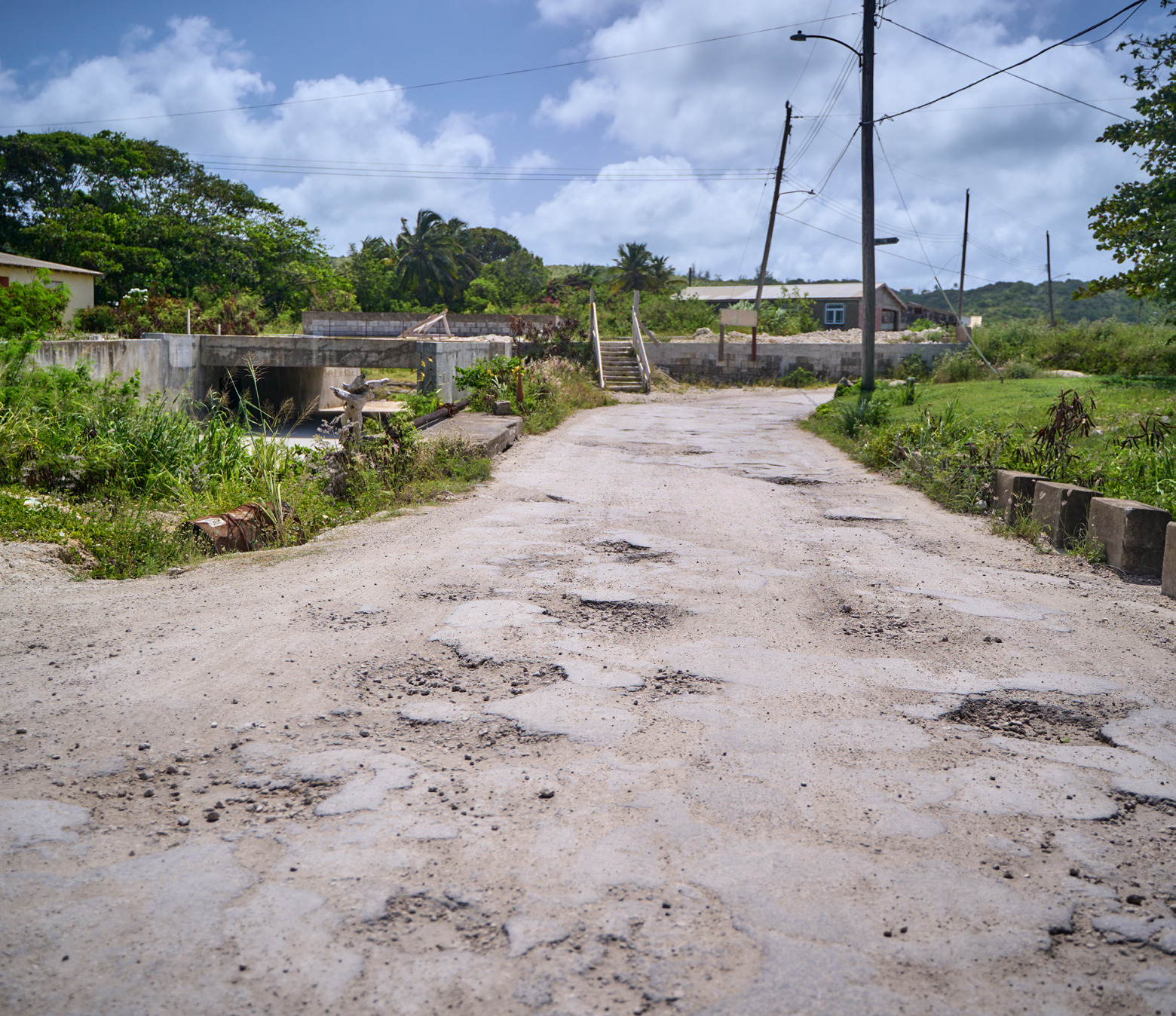
    Despite this widespread progress on water services, the unresolved state of the roads leading into Pie Corner has continued to frustrate local resident Roger Feliciano, who says the dangerous conditions pose a daily threat. While Feliciano acknowledged the incremental improvements to water service, noting occasional minor discoloration that residents have learned to adapt to, he emphasized that the road crisis demands urgent government action. “However, the roads are awful. The roads are awful straight up to Pie Corner,” Feliciano said.

    He explained that the dangerous conditions were created months ago, when crews from the Ministry of Transport and Works (MTW) excavated sections of the roadway for infrastructure work, but never completed repairs or refilled the excavated trenches. The unmarked pits create a major hazard for drivers, who often do not see the hazard until it is too late to avoid it. “What I find is that MTW men dug out about five to six inches of the road straight across the road, they don’t put the cones to show you that they dug out anything, and they have not refilled them or anything like it… didn’t patch them or anything like it,” Feliciano said. “Sometimes you are driving in and you forget and [drop] into a hole. The roads in Pie Corner are terrible.”

  • TPS : Poignant appeal from Bishop Dumas to President Trump

    TPS : Poignant appeal from Bishop Dumas to President Trump

    In the wake of the Trump administration’s termination of Temporary Protected Status (TPS) for Haitian migrants, the United States has seen a sharp spike in forced deportations of Haitian nationals back to their crisis-stricken home country. Designed as a humanitarian safeguard, the TPS program has long offered protection to foreign-born migrants whose home nations face catastrophic conditions — from armed conflict and natural disasters to large-scale humanitarian collapse — that make safe repatriation impossible. Now, facing what he calls an ongoing public and humanitarian emergency, one of Haiti’s senior Catholic leaders has issued a urgent, public plea to former U.S. President Donald Trump to reverse course on the TPS cancellation.

    Bishop Pierre-André Dumas, who leads the Diocese of Anse-à-Veau-Miragoâne and serves as vice president of Haiti’s Episcopal Conference, recently outlined the urgency of the crisis in an interview with Vatican News, explaining why he felt compelled to break his public silence and deliver a formal letter to Trump directly. “The core question we must answer is this: Is Haiti today a country where any person can be deported safely?” Dumas said. “The reality on the ground gives us a devastating, undeniable answer: No.”

    In his formal appeal to the former president, Dumas emphasized that Haiti’s ongoing political, economic, and security collapse leaves it completely unfit to absorb large numbers of returning deportees. “Mr. President, we respectfully ask you to reconsider the status of all Haitian migrants impacted by the suspension of TPS, and to deploy every legal and humanitarian tool at your disposal to halt forced repatriations for as long as Haiti remains in this gravely unstable, dangerous state,” his letter reads.

    Dumas went on to highlight the deep social and economic contributions Haitian TPS beneficiaries have made across the United States, noting that these migrants work full-time jobs, contribute to federal and local tax systems, raise their families, participate actively in local faith and community groups, and add tangible value to American society every day. Many of these migrants, he added, are parents to U.S.-born children who hold American citizenship by birthright.

    The bishop stressed that the appeal does not seek to violate U.S. law or undermine national border security. “We are not asking the United States to abandon its own laws, nor are we asking the United States to compromise the security of its borders,” he wrote. “We are simply asking the United States to apply its own frameworks with humanity when human lives hang in the balance.”

    The termination of Haitian TPS followed a 2025 Supreme Court ruling that cleared the way for the Trump administration to revoke the protected status, triggering a wave of deportation operations that have already seen multiple repatriation flights carry Haitian migrants back to their home country. Regional and international human rights bodies, including the Inter-American Commission on Human Rights, have already raised public alarms over the policy, with multiple reports documenting abusive treatment of deportees during transport back to Haiti.

  • Government reaffirms commitment to strengthening primary healthcare

    Government reaffirms commitment to strengthening primary healthcare

    The Caribbean island of Dominica is advancing its long-term goal of building a healthier, more climate-resilient nation by placing primary healthcare at the center of its public investment strategy, according to the country’s Minister of Finance, the Honourable Dr. Irving McIntyre.

    Dr. McIntyre made his remarks during an official ceremony to commission the newly renovated Savanne Paile Health Centre, which has been formally renamed the Nurses’ Parillon and Peter Health Centre to honor the contributions of local nursing and community health leaders. The event marks another milestone in the government’s island-wide initiative to overhaul Dominica’s community healthcare infrastructure, a program that has already delivered more than 12 newly constructed or fully upgraded modern health and wellness centers across rural and urban communities.

    Speaking to attendees at the ceremony, Dr. McIntyre outlined the core principle guiding the government’s public health investment: that high-quality essential healthcare must be accessible to every Dominican, no matter their geographic location or economic standing. For decades, many community health facilities across the island suffered from outdated design, limited space, and inadequate infrastructure that could not meet the growing and changing health needs of local populations. Under the current initiative, these aging facilities are being either replaced with new purpose-built centers or extensively renovated to align with 21st-century public health standards.

    The Nurses’ Parillon and Peter Health Centre is a model example of this transformation. The upgraded facility now features expanded, improved spaces for a full range of community-focused health services, including general patient consultations, maternal and child health care, routine immunization programs, public health education outreach, and ongoing management of chronic conditions. Beyond better care for patients, the renovation also addresses longstanding gaps in working conditions for local healthcare staff, providing them with safer, more functional environments to carry out their duties.

    However, Dr. McIntyre emphasized that building a robust, effective primary healthcare system requires far more than just modern physical infrastructure. To deliver consistently high-quality care to patients, medical personnel need access to well-maintained, up-to-date medical equipment, a steady supply of essential medicines, reliable administrative and clinical systems, and consistent institutional support from the government. The finance minister stressed that the true success of the government’s investment will not be measured by the size or appearance of new facilities, but by the standard of care that patients experience when they access services at these centers.

    “A 21st-century health system that serves all people can only be achieved when we pair upgraded infrastructure with skilled, dedicated professionals and a patient-centered approach rooted in compassion and efficiency,” Dr. McIntyre said, reaffirming the government’s commitment to continuing investments in public health across Dominica.

  • Bedrijfsleven wil 10 tot 15 MW extra zonne-energie realiseren

    Bedrijfsleven wil 10 tot 15 MW extra zonne-energie realiseren

    Suriname is facing a persistent and worsening national electricity crisis that has forced ongoing rolling blackouts for businesses and households, with peak-hour power deficits exceeding 30 megawatts (MW) amid drought-related strain on hydropower infrastructure. In response to the emergency, the country’s private sector has launched a collaborative initiative alongside financial institutions and the national government to add 10 to 15 MW of new generating capacity, leaning into expanded solar power paired with battery storage to let businesses meet a large share of their own energy demand.

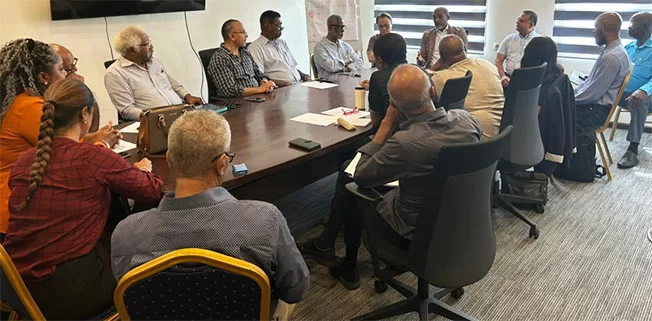
    The urgent plan was formally presented during an emergency emergency consultation convened by the Suriname Energy Chamber (SEC) on Thursday at Paramaribo’s Het Park venue. Stakeholders in attendance included representatives from national utility giant N.V. Energiebedrijven Suriname (EBS), energy regulator the Energie Autoriteit Suriname (EAS), private industry associations, civil society groups, organized labor, and independent energy experts.

    SEC Chair Orlando Olmberg emphasized that the country’s long-running electricity shortages can no longer be addressed through fragmented, siloed action. He argued that sustained, structural solutions will only emerge from coordinated collaboration between the national government, the formal energy sector, financial institutions, and private industry.

    Meeting participants unanimously confirmed that ongoing rolling blackouts have inflicted widespread, significant economic and daily harm to both commercial operations and residential households. In the current crisis, EBS is forced to continuously monitor real-time consumption to prevent the entire national grid from collapsing under unsustainable strain.

    A core pillar of the private sector’s proposal is expanding on-site self-generation for businesses, with a primary focus on solar energy integrated with utility-scale Battery Energy Storage Systems. Battery storage allows excess solar power generated during off-peak daylight hours to be stored and deployed during periods of high grid demand, reducing strain on the centralized network. Negotiations with the national government, EBS, and financing partners are now underway to finalize the regulatory and financial terms that will enable the private sector to deliver the targeted 10 to 15 MW of new capacity. The SEC confirmed that multiple private companies have already advanced project planning for an initial pipeline of developments that would deliver roughly 2 MW of capacity in the near term.

    EAS representative Anand Kalpoe echoed the broad consensus that rapid expansion of national generating capacity is a non-negotiable priority. Meeting participants also called for the release of reliable, up-to-date, audited data for the entire energy sector, including EBS’s full annual reports and clear disclosures of actual operational generating capacity across the country’s infrastructure. Stakeholders also put forward a proposal to open up more space for private investors to develop power generation from alternative energy sources, under a model that would keep distribution operations under EBS control while allowing multiple independent power producers to supply the national grid. Energy experts noted that any market restructuring would need to account for the country’s existing energy subsidy regime and current tariff structure to avoid unintended harm to consumers.

    The urgent push for new capacity is also driven by projected growth in electricity demand that will exacerbate existing shortages without proactive action. Business associations including ASFA, SHATA, AKMOS, KKF, VES, and the Suriname Business Forum have agreed that businesses will share early projections of their future energy needs to support long-term grid planning. Planned tourism development alone, which includes the construction of 6 to 9 new hotels, is projected to require at least 10 MW of additional generating capacity. Without timely, targeted planning, this new demand will only increase pressure on an already overstretched electricity system.

    A small technical working group of energy experts has now been convened to assess how the private sector and government can deliver the new capacity in the shortest possible timeline, integrating both near-term business demand projections and the government’s existing long-term structural energy plans into the final framework.

    Meeting participants stressed that expanding generation alone will not be enough to resolve the crisis; energy conservation must also be a core component of the national response. The proposal calls for the national government to develop and publish a national energy conservation plan within 2 to 3 months, with regular monitoring to ensure conservation targets are met.

    Proposed conservation measures include turning off unnecessary air conditioning units in public and commercial spaces, and outfitting the rooftops of all government buildings with solar panels to offset public sector energy demand. Participants also called on the national government and all parastatal organizations to settle their outstanding unpaid utility debts to EBS, which have strained the utility’s ability to maintain and expand infrastructure. Organized labor additionally called for greater transparency around water management for the key Afobaka Dam, which has seen its hydropower output constrained by ongoing drought that requires careful stewardship of remaining water reserves. Labor has also urged residential consumers to adopt intentional, reduced energy use during peak demand periods to ease strain on the grid.

    Short-term emergency measures are designed to lay the groundwork for broader, long-term reform of the entire electricity sector. The SEC confirmed that the government is currently finalizing a national Electricity Sector Plan, which will set a clear strategic direction for the future development of the country’s electricity supply. Olmberg emphasized that the emergency consultation must now be followed up with binding concrete agreements and immediate implementation. The cumulative economic damage caused by repeated rolling blackouts makes it essential, he argued, for government and industry to not only pursue temporary fixes but also invest in sufficient long-term generation capacity to support sustained economic growth.

  • New agriculture scholarship awarded to three BCC students

    New agriculture scholarship awarded to three BCC students

    Three associate degree students at Barbados Community College (BCC) have become the first beneficiaries of a newly launched agriculture scholarship that will cover all remaining registration fees for their programs, opening new doors for young talent invested in the island’s agricultural future.

    Named the Lion Roy Ward Scholarship, the initiative was developed through a year-long partnership between BCC and the Lions Club of Barbados North, created to honor the club’s founding charter president, the late Elkins Leroy Ward—universally known as Lion Roy—who spent decades advancing Barbados’ agricultural sector. The scholarship was formally awarded during an official presentation ceremony held Wednesday.

    The three selected recipients are Delano Lorde, Traude Walton and Joshua Yearwood. Each brought diverse agricultural interests that reflect the modern evolution of the industry: one focuses on dairy farming, another on entomology, and the third on integrating artificial intelligence into agricultural practices.

    Dr. Arlyn Linton-Jones, Acting Senior Tutor in BCC’s Division of Natural Sciences, explained that the project filled a longstanding gap for agriculture students at the institution, which had not previously offered a dedicated scholarship for the field. Over 12 months, the college and the Lions Club worked to finalize eligibility criteria, selection processes and funding structures to bring the award to fruition. “We have worked on this scholarship, getting all the requirements in place… where we can officially reward these students,” she noted.

    Louis Ifill, chair of the Lions Club of Barbados North Special Projects Committee, said advancing agricultural development and strengthening Barbados’ food security were core motivations for creating the scholarship, a mission directly aligned with Ward’s life’s work. “He was deeply involved in the production of sugar cane, various ground provisions, vegetables and also dairy farming as well,” Ifill shared. Beyond crop production, Ward helped grow the island’s iconic Sea Island cotton industry, was once Barbados’ largest dairy farmer, and counted among the first milk suppliers to the prominent local brand Pine Hill Dairy. He also made his mark in agricultural leadership: he was the first appointed chairman of the Barbados Agricultural Development Company and contributed to a landmark government project that launched the national school meals programme back in 1962. Most importantly, Ifill added, nurturing the next generation of agricultural professionals was one of Ward’s greatest passions.

    To earn the award, applicants were required to hold a minimum grade point average of 3.0 and submit a detailed essay outlining their long-term career plans for agriculture in Barbados. Shortlisted candidates then moved forward to personal interviews with the Lions Club selection panel before the three winners were chosen.

    Ward’s daughter, Linda Ward-Bowen, called the scholarship a perfect tribute to her father’s lifelong dedication to the sector. She recalled his core belief that still resonates amid ongoing conversations about food sovereignty: “One of the things he used to say all the time was ‘you should grow what you eat and eat what you grow, that way you would never starve.’”

    BCC Deputy Principal Samuel Bowen framed the scholarship as more than just immediate financial relief for students; it is a strategic investment in Barbados’ agricultural future. He noted the launch comes at a particularly meaningful moment, as the first cohort of students officially began studies this week at the new Hope Agricultural Training Institute in St Lucy, marking a broader push to expand agricultural education across the island.

    Speaking on behalf of the three recipients, Traude Walton expressed gratitude to BCC staff and the Lions Club for recognizing the students’ potential and investing in their education. “Having our registration cost covered throughout the remainder of our associate degree was a major help to us and it will allow us to focus even more on our studies,” he said, adding that all three awardees plan to apply their education to drive growth and innovation in Barbados’ agricultural sector.

  • UWP women demand justice and stronger protection systems following Jerbiah Paul’s murder

    UWP women demand justice and stronger protection systems following Jerbiah Paul’s murder

    The brutal, senseless killing of Jerbiah Paul has sparked widespread grief and urgent calls for action from the Women’s Wing of the United Workers Party (UWP), who are pushing for sweeping overhauls to Saint Lucia’s child protection and public safety systems in the wake of the tragedy.

    In an official statement released following Paul’s death, the group expressed deep sorrow and unreserved outrage over the violent loss of the young life, extending their full condolences to Paul’s family, friends and all who are mourning the devastating loss. The organization emphasized that the killing cannot be allowed to fade from public discourse, nor can it be met with the silence and indifference that have allowed similar tragedies to repeat.

    For the women of the opposition-aligned UWP, Paul’s death is far more than an isolated act of violence: it is a painful warning that exposes critical gaps in the existing systems tasked with protecting children and other vulnerable members of national society. The group is calling for full justice, complete investigative transparency, and clear accountability from authorities handling the case, arguing that the tragedy must act as a catalyst for a full, unflinching review of how the state protects its most at-risk citizens.

    Pointing to unaddressed weaknesses across law enforcement and child rights protection frameworks, the UWP Women’s Wing outlined its policy priorities should the party return to national office. The organization says it would center its efforts on strengthening every tier of child protection infrastructure, from prevention and early intervention agencies to ongoing support services for vulnerable children and families. Critically, the group stresses that future reforms must ensure that public safety and child protection agencies receive the funding, staffing, and cross-system coordination required to act on early warning signs and reports of risk, rather than ignoring red flags that could prevent future violence.

    The statement closed with a firm rebuke of the pattern that sees high-profile violent tragedies of children fade from public and political attention within weeks of their occurrence. The organization reaffirmed its solidarity with Paul’s grieving family, and renewed its commitment to building a national community where every child and vulnerable person is treated with dignity, valued, and kept safe from harm. Calling on the public and political leaders to turn collective grief into lasting action, the group concluded: “Let’s remember Jerbiah with dignity and compassion, honoring her memory and advocating for change. We mourn. We stand together. We demand justice for Jerbiah.”

  • The Secretary General of the OAS presents his report on the situation in Haiti to the Permanent Council

    The Secretary General of the OAS presents his report on the situation in Haiti to the Permanent Council

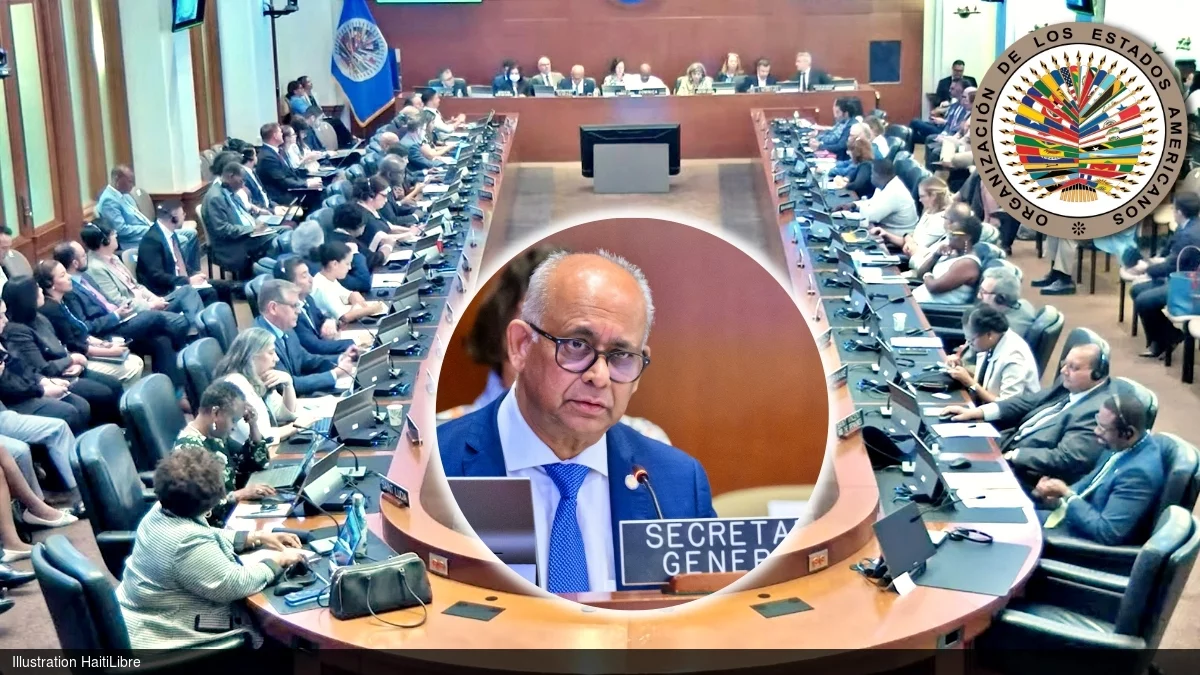
    At a formal meeting of the Organization of American States Permanent Council held on September 3, 2026, OAS Secretary General Albert R. Ramdin delivered a comprehensive update on Haiti’s ongoing crisis, drawing firsthand insights from a high-level international delegation visit to the Caribbean nation he led between August 16 and 19.

    Opening his address, Ramdin emphasized that Haiti has reached a defining crossroads, with two interconnected priorities demanding immediate, coordinated action from both domestic Haitian leadership and the global community: stabilizing the country’s collapsing security landscape and holding a transparent, credible electoral process to rebuild legitimate democratic institutions.

    “Our responsibility is clear: to strengthen security efforts, advance electoral preparations, deliver on the commitments already made, and ensure that international cooperation translates into tangible improvements in the daily lives of the Haitian people,” Ramdin told council members.

    On the security front, the OAS chief outlined a multi-layered strategy to curb widespread gang violence that has paralyzed much of the country. He stressed that the multinational Gang Suppression Force (GSF) must receive adequate staffing, sustained funding, robust logistical backing, and enhanced operational capabilities to produce meaningful results. Parallel to deploying the GSF, Ramdin added, long-term stability requires investment to strengthen the Haitian National Police and reform the country’s fractured criminal justice system.

    Turning to elections scheduled for December 13, Ramdin acknowledged incremental progress from Haiti’s Provisional Electoral Council (CEP) and National Identification Office (ONI) but warned that preparation timelines need to be accelerated to meet the polling date. He confirmed that the OAS has received an official invitation to field an international election observation mission, and preliminary logistical and planning work for the deployment is already underway.

    Beyond the core priorities of security and elections, Ramdin highlighted new development and humanitarian advances stemming from the delegation visit. In partnership with the Pan American Health Organization and local stakeholders, the OAS will establish dedicated trauma centers to treat police officers injured in gang-related violence. The organization also announced it had facilitated Haiti’s accession to the Development Bank of Latin America and the Caribbean (CAF), a milestone that unlocks approximately $168 million in development financing, technical assistance, and planning resources for the country. A new cooperation agreement with Brazilian non-governmental organization Viva Rio was also launched to create economic opportunities for youth and women displaced by systemic violence.

    During the council session, Haitian Foreign Minister Raina Forbin reaffirmed her government’s commitment to restoring security and constitutional order, echoing Ramdin’s call for urgent, tangible action from international partners. “We must now move from solidarity to action, from commitments to implementation, and from promises to results,” Forbin said. “Two urgent priorities guide our actions today: security and elections.”

    Carla Barnett, Secretary-General of the Caribbean Community (CARICOM), also addressed the session, stressing that all regional and international interventions must center the priorities of the Haitian people. “Our objective must remain to support the Haitian people in their search for solutions to the current crises of insecurity and governance, so that they can focus on long-term investment planning, job creation, and access to essential social services,” Barnett noted.

    To sustain momentum for these efforts, Ramdin unveiled a series of new follow-up initiatives led by the OAS. These include an upcoming environmental technical mission to address unmet ecological needs, regular coordination meetings with partner international organizations, and a convening of the Group of Friends of Haiti to mobilize additional political, technical, and financial support. The OAS will also facilitate a visit from a private sector delegation to assess untapped investment opportunities that can create much-needed jobs, particularly for vulnerable youth.

  • Major Airlines show interest as Dominica’s international airport takes shape

    Major Airlines show interest as Dominica’s international airport takes shape

    As construction of Dominica’s long-awaited new international airport moves forward, the Caribbean nation is ramping up proactive efforts to lock in reliable commercial air services, with multiple leading global carriers already showing formal interest in launching new routes to the island.

    In a media briefing this Wednesday, Samuel Johnson, Chief Executive Officer of the International Airport Development Company (IADC), the public entity overseeing the project, outlined the multi-agency strategy being deployed to secure airline partnerships ahead of the airport’s opening. Route development work is being carried out in close coordination with three key stakeholders: the Dominica Air and Seaports Authority, the national tourism board Discover Dominica Authority, and the cross-sector Access Technical Committee.

    Johnson emphasized that securing long-term airline commitments is every bit as critical to the project’s success as the physical construction of the airport. “No matter how modern or well-designed the infrastructure is, the facility will only deliver economic benefits for the country if it supports consistent, high-volume passenger services,” he explained.

    Work to strengthen existing airline ties is already well underway ahead of the new airport’s completion. Johnson told local reporters that American Airlines will boost its capacity to Dominica starting this December, when it will swap its current smaller aircraft for an Airbus A319 on its existing service to Dominica’s Douglas-Charles Airport from the United States. The upgrade will increase seating capacity on the route from approximately 76 seats per flight to roughly 134, opening up more travel options for visitors and locals alike.

    Separately, United Airlines plans to resume its popular seasonal nonstop service between New York and Dominica this October. The route will operate twice weekly, using Boeing 737 aircraft to accommodate passenger demand during the island’s peak tourism season.

    Beyond expanding existing partnerships, IADC has also initiated active discussions with a roster of other major global carriers, including JetBlue, Delta Air Lines, British Airways and Virgin Atlantic, as officials work to build a diverse network of international connections to the new airport.

    Johnson noted that early engagement with airlines is a deliberate strategic choice, given that launching new commercial air routes requires years of advance planning, operational preparation and long-term financial commitments from carriers. To keep prospective partners informed and address potential barriers early, IADC provides regular updates on the airport’s design evolution, construction milestones and opening timeline, allowing airlines to resolve any operational concerns long before the facility welcomes its first passengers.

    The end goal of this early outreach, Johnson said, is to have a full slate of pre-negotiated routes ready to launch the moment the new international airport opens its doors. That preparedness will allow Dominica to immediately transition from the construction phase to unlocking the full economic benefits of expanded global air connectivity, boosting tourism, trade and access for the island nation.

  • MTW outlines road repairs for St Joseph in coming weeks

    MTW outlines road repairs for St Joseph in coming weeks

    After an on-site inspection of damaged infrastructure this Wednesday, government officials from Barbados’ Ministry of Transport and Works (MTW) have confirmed multiple road rehabilitation projects will soon break ground in the parish of St Joseph, bringing relief to local residents who have endured years of decaying transportation networks. The inspection tour was led by area Member of Parliament Ryan Brathwaite and MTW head Kirk Humphrey, who walked the routes to assess which sites required the most urgent intervention.

    Humphrey confirmed that pre-construction preparations are already underway for the high-priority Spa Hill project: the ministry has finalized all construction blueprints, and work orders have been issued to contractor teams. The only remaining pre-requisite is the relocation of existing utility poles, after which physical construction will kick off in November. Plans are also moving forward for a second project at Braggs Hill, with work orders already issued, while patching works for damaged roads in Chimborazo are scheduled for completion within seven days.

    This announcement comes after years of growing frustration among St Joseph residents, particularly those in the wider Scotland District, who have struggled with steadily worsening road conditions and the cascading impacts of failing infrastructure. A major blow came in August last year, when the Melvin’s Hill Bridge—a critical cross-parish connecting route—collapsed, forcing locals to add dozens of minutes to their daily commutes via alternate, longer routes. To date, the slow pace of ongoing reconstruction has left many community members feeling disillusioned with government progress.

    Addressing the delays and unique challenges of working in the region, Humphrey acknowledged that road repairs in St Joseph are far more complex than in other parts of Barbados, due to the area’s distinct geographic conditions. “St Joseph falls within the Scotland District and that is characterised by weak soils and underground water which makes road works not as simple as other places may be,” he explained. Despite these hurdles, the minister emphasized that the government is prioritizing the parish’s infrastructure backlog, and that the new projects will deliver tangible quality of life improvements for local people.

    Brathwaite added that the purpose of this week’s inspection was to give ministerial leadership direct, on-the-ground insight into the daily struggles of St Joseph residents. “There’s some issues that require immediate intervention, and I’m happy that I was able, along with the Minister of Transport and Works, Mr Humphrey, to see these issues so that we could actually bring some tangible timelines and solutions to the table,” the MP said.

    Looking ahead, the MTW plans to conduct another assessment tour of St Joseph once the three initial projects are wrapped up, to identify additional roads in need of rehabilitation. For now, Humphrey sought to reassure the community that the parish’s infrastructure needs have not fallen off the government’s agenda. “I want to give the residents in the area [the message] that St Joseph has not been forgotten,” he said.

  • Dominica updates management plans for Morne Trois Pitons and Morne Diablotin

    Dominica updates management plans for Morne Trois Pitons and Morne Diablotin

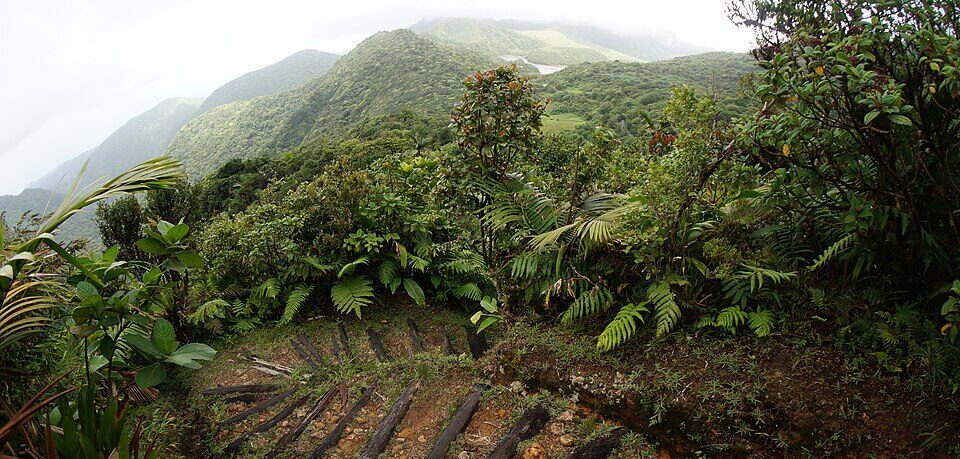
    The Caribbean island nation of Dominica has launched a comprehensive update of management frameworks for two of its most ecologically critical protected areas: Morne Trois Pitons National Park and Morne Diablotin National Park. The entire review and revision process is scheduled to take approximately nine months to complete, with the private environmental consultancy Environment Direct Consulting Inc. leading the initiative.

    The core goal of this project is to align the current management governance of the island’s protected lands with 21st-century national priorities, balancing robust conservation targets with the country’s broader social and economic development goals. Dr. Camille David, leading the project on behalf of Environment Direct Consulting, emphasized that the Dominican government has formally recognized these protected natural areas as irreplaceable strategic national assets.

    Dr. David highlighted the outsized ecological importance of the parks, which serve as the island’s primary watersheds, host globally significant endemic biodiversity, and sustain a wide range of critical ecosystem services that support both local communities and national economic activity. He further noted that any updated management plan must intentionally integrate sustainable tourism development alongside protection of these fragile ecological systems, ensuring the parks deliver both environmental and economic value to the nation.

    To build a collaborative, inclusive plan, a national stakeholder consultation was held earlier the same day at the island’s Fisheries Complex, giving civil society groups, local community representatives, government agencies, tourism operators and conservation advocates an early opportunity to share their perspectives and priorities for the revised plans. Dr. David explained that the entire revision process will center input from this diverse cross-section of stakeholders, a deliberate approach designed to ensure the final documents are practical, all-encompassing, and directly responsive to the unique needs of Dominica.

    Over the nine-month timeline, the consulting team will conduct a deep review of multiple dimensions of current park management, addressing gaps and updating protocols to create plans that deliver on both conservation commitments and tangible contributions to Dominica’s national development strategy.