
In a groundbreaking achievement for Barbados and Caribbean football, Tricia Forde, a member of the Barbados Football Association (BFA) Executive Board, has been appointed to the FIFA Youth Girls’ Competitions Committee for the 2025–2029 term. This historic appointment marks Forde as the first Barbadian woman to serve on a FIFA Standing Committee, a significant milestone for the nation and the region. Her role will involve representing Barbados and the Caribbean on the global stage, contributing to the development and governance of international youth women’s football tournaments. The appointment was officially confirmed by the FIFA Council, the strategic body responsible for shaping the vision of FIFA and global football. Forde expressed her honor at the appointment, stating that it provides an unparalleled opportunity to influence global policies and initiatives aimed at fostering growth, inclusivity, and excellence in youth girls’ football. She emphasized her commitment to ensuring the voices of young female footballers are heard at the highest levels of the sport. Additionally, Forde highlighted that her position will bring invaluable insights, best practices, and resources to support the BFA in implementing advanced development programs for female football in Barbados. BFA President Randy Harris congratulated Forde on her achievement, reaffirming the Association’s dedication to the growth of women’s football both locally and globally. Forde, who also chairs the BFA Women’s Committee and serves as interim team manager of the National Senior Women’s Team, has a strong background in football administration, including participation in the FIFA Women’s Football Regional Workshop and the Barbados Olympic Association’s Sports Administrators Course.
博客
-

News : Zapping…
Haiti is currently navigating a complex landscape of security challenges and educational opportunities. The Embassy of Haiti in Brazil has announced that the University of Santa Cruz do Sul (UNISC) is offering fully-funded Masters and Doctorate scholarships for international students for the academic year 2026. Applications are open until November 17, 2025, with eligibility requiring a License for Master’s programs and a Master’s degree for Doctorate programs. Interested candidates can apply via the UNISC website.
Meanwhile, Haiti continues to grapple with escalating security issues. Jocelyne Colas, Director of the Episcopal Commission for Justice and Peace, reported a surge in kidnappings, particularly in Delmas and Pétion-ville. In a recent clash in Desarmes, more than a dozen armed bandits were killed by law enforcement and self-defense groups, with no casualties reported among the police or civilians.
In a related development, U.S. Ambassador to Haiti, Henry Wooste, emphasized the challenges in deploying the new Gang Repression Force (FRG). He acknowledged public impatience but highlighted the complexity of assembling a multinational force of over 5,000 personnel.
On the political front, Jacques Desrosiers, President of the Provisional Electoral Council, announced that elections could be held within eight months, contingent on restored security and adequate funding. The UN Secretary-General, António Guterres, also presented a comprehensive report on Haiti’s situation to the Security Council, detailing recent developments since June 2025.
-
Pharmacies to patients: Alternatives available despite supply issues
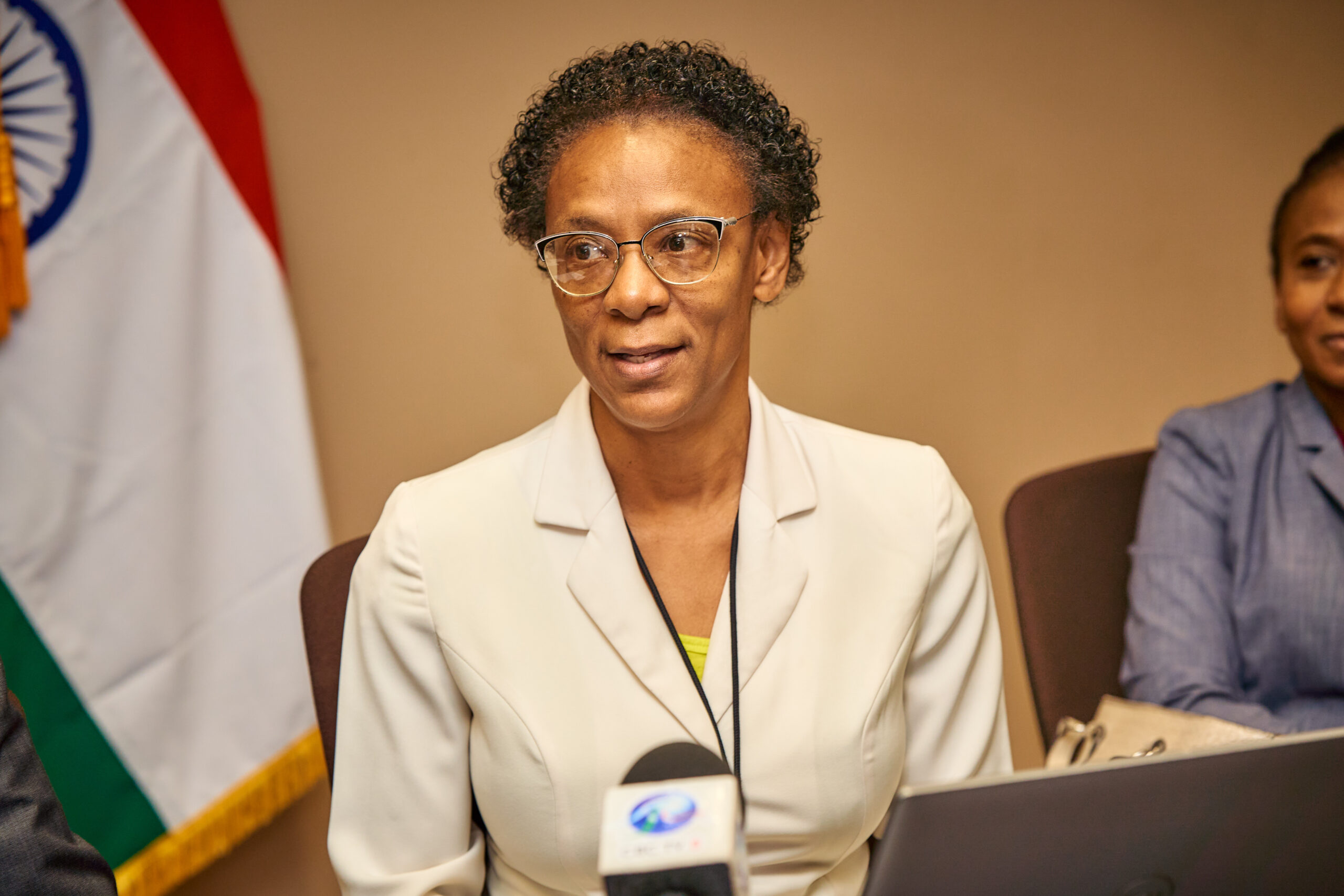
Private pharmacists in Barbados are stepping up to reassure citizens that intermittent shortages of prescription medications, including those for chronic conditions, are being effectively managed. While alternative drugs are available, patients may face higher costs at private pharmacies compared to the subsidized prices offered through the Barbados Drug Formulary, administered by the Barbados Drug Service. The shortages have been attributed to global supply chain disruptions exacerbated by geopolitical tensions, including the COVID-19 pandemic and the war in Ukraine. Marlon Ward Rogers, President of the Barbados Pharmaceutical Society, emphasized that while brand-name medications may be temporarily unavailable, generic alternatives often remain accessible. He noted that private pharmacies frequently stock non-formulary medications, albeit at higher prices, ensuring patients can still obtain necessary treatments. Former Health Minister Donville Inniss highlighted broader concerns about access to basic medicines within the public health system, particularly at polyclinics and hospitals. Ward Rogers acknowledged the challenges but stressed that pharmacists are committed to finding solutions, even if it means sourcing from non-traditional suppliers. Despite the hurdles, he assured that medications are typically restocked within one to two weeks, minimizing prolonged shortages.
-

Dominican Consulate in New Jersey to hold Mobile Operation on October 25
The Consulate General of the Dominican Republic in New Jersey has unveiled plans for a Mobile Operation scheduled for Saturday, October 25, 2025. The event will take place at the Hudson Multipurpose Building, located at 515 54th St., West New York, NJ 07093, from 9:00 a.m. to 4:00 p.m. This initiative is designed to offer a comprehensive suite of consular services to Dominican nationals residing in the United States. Services will include passport issuance and renewal, affidavits, citizenship procedures, notarial certificates, translations, apostilles, contracts, consular IDs, and access to SENASA insurance. Consul José Santana highlighted the operation’s goal of making consular services more accessible to the Dominican diaspora, ensuring efficient, transparent, and reliable document processing. This effort is part of the consulate’s broader strategy to provide practical and secure solutions for Dominicans living abroad, reinforcing its commitment to supporting its citizens in the U.S.
-
Reparations for Slavery – Reality or Fantasy?
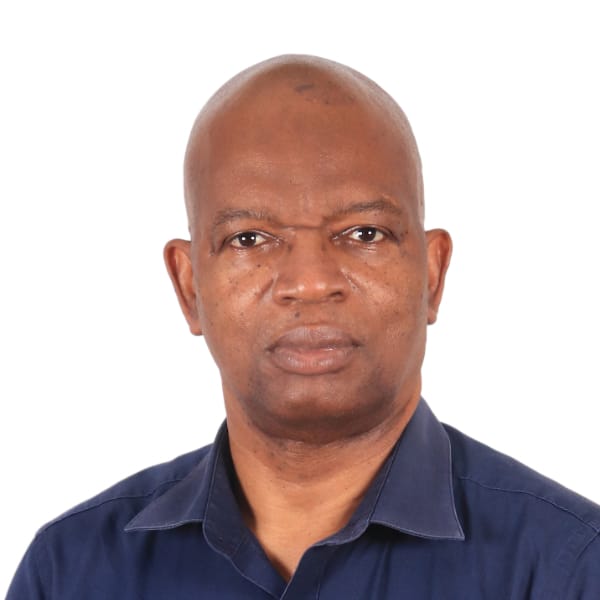
The debate over reparations for slavery continues to spark intense discussions globally. Dr. Lenworth W. Johnson, a prominent advocate and member of the Antigua and Barbuda Reparations Support Commission (ABRSC), argues that reparations are not only a moral imperative but also a practical and achievable solution to address the atrocities committed during the transatlantic slave trade. While many view reparations as an unattainable dream, Dr. Johnson challenges this perspective by highlighting historical precedents where other groups have received compensation for injustices. Examples include Germany’s payments to Israel for the Holocaust, the US’s reparations to Japanese Americans, and settlements with Native American tribes and Indigenous peoples in Canada, Australia, and New Zealand. These cases demonstrate that reparations are not unprecedented. The Caricom Reparations Commission (CRC) has proposed a comprehensive framework focusing on developmental initiatives rather than direct cash payments. These include formal apologies, cultural rehabilitation, public health improvements, education, and debt cancellation. Critics argue that slavery was legal at the time and that descendants of enslavers should not bear responsibility for historical crimes. However, Dr. Johnson counters that slavery, particularly chattel slavery, was never legal under international law and that its legacy continues to affect descendants today. He also emphasizes that calls for reparations have persisted since emancipation, with movements like the Haitian Revolution and Pan-Africanism advocating for justice. The global momentum for reparations is growing, as evidenced by recent international conferences and UN resolutions. Dr. Johnson remains optimistic that justice will prevail, asserting that reparations are not just a moral obligation but a necessary step toward reconciliation and healing.
-
Bij 80 jaar VN: DNA benadrukt noodzaak multilaterale samenwerking
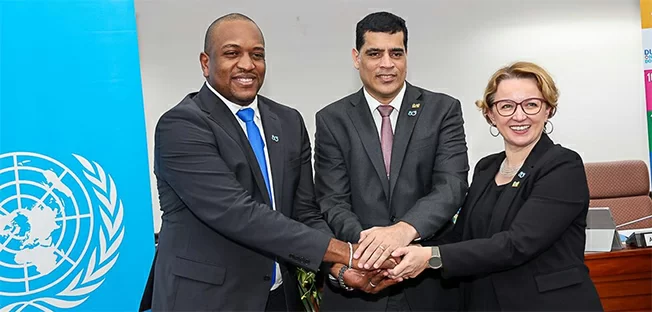
The United Nations (UN) marked its 80th anniversary on Thursday, coinciding with Suriname’s 50th year as a member state. The National Assembly of Suriname held a special session to commemorate these dual milestones, emphasizing the nation’s commitment to dialogue, multilateralism, and international responsibility in a world increasingly marred by conflict. Parliament Speaker Michael Adhin highlighted Suriname’s admission as the 146th UN member on December 4, 1975, and its role in translating UN principles into national legislation. UN Resident Coordinator Joanna Kazana praised Suriname as a ‘small nation with significant moral conviction,’ referencing President Jennifer Simons’ recent UN speech advocating for hope, shared responsibility, and climate justice. Foreign Minister Melvin Bouva underscored the UN’s strategic importance for Suriname’s development, noting efforts toward a potential Security Council candidacy by 2043. Parliamentary factions unanimously stressed the UN’s enduring relevance, with calls for fairness in multilateralism and the preservation of peace, justice, and human dignity. Leaders from various parties echoed the sentiment that Suriname’s diversity exemplifies the UN’s ideals, proving that peace is not just an abstract concept but a lived reality.
-
Society : «Hunger is not inevitable, it is a collective challenge» says Minister Joseph
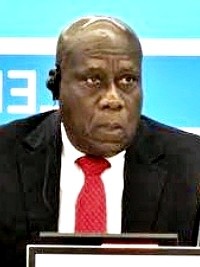
From October 20 to 24, 2025, Vernet Joseph, Haiti’s Minister of Agriculture, Natural Resources, and Rural Development, participated in the 53rd session of the Committee on World Food Security (CFS) in Rome, Italy. Addressing the assembly, Minister Joseph highlighted the dire food crisis in Haiti while expressing optimism that the nation could overcome its challenges through effective policies and global solidarity. He underscored that nearly 5.7 million Haitians, including 2.8 million children, faced acute food insecurity as of June 2025, representing almost half the population. Despite these staggering figures, Joseph emphasized that hunger is not inevitable but a collective challenge that Haiti is determined to tackle. He outlined the government’s integration of the CFS Framework for Action into its policies, supported by international organizations such as the FAO, WFP, and World Bank. These efforts focus on strengthening family farming, promoting rural entrepreneurship, improving market access, and enhancing nutrition and school feeding programs. Joseph highlighted the success of the National School Meals Program, benefiting 1.2 to 1.6 million students, and a $10 million nutrition initiative in northern Haiti. He called for increased international cooperation, funding, and community involvement to transform Haiti’s food systems and build resilience locally.
-
Melissa saturates Dominican soils, forcing alerts in popular tourist regions
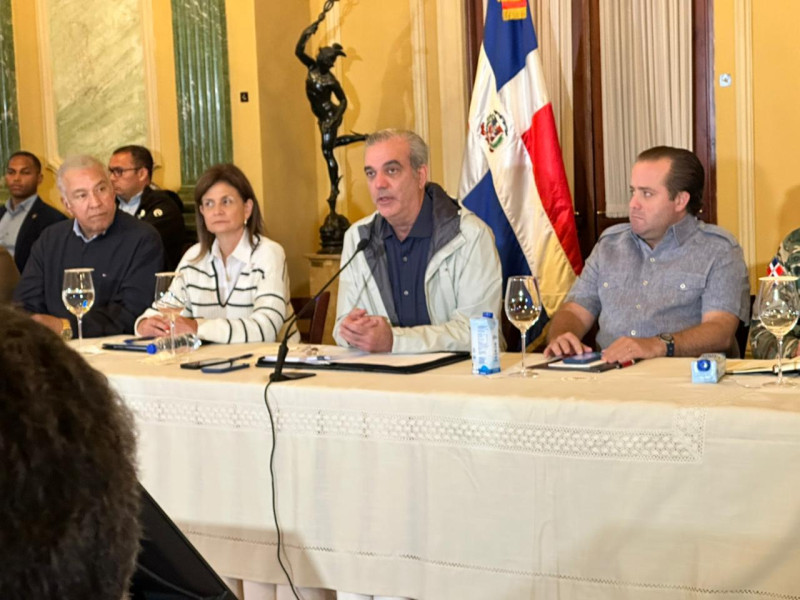
The Dominican government has declared a suspension of work activities this Friday in multiple provinces placed under red alert due to the ongoing impact of Hurricane Melissa. The storm has brought relentless heavy rainfall, prompting authorities to urge heightened vigilance. Juan Manuel Méndez, Director of the Emergency Operations Center, stressed the need for minute-by-minute monitoring, highlighting the heightened risks of flooding and landslides caused by already saturated soil. Provinces under red alert include La Romana, Barahona, San Cristóbal, Santo Domingo, the National District, San José de Ocoa, San Juan, Azua, Peravia, Pedernales, San Pedro de Macorís, and Monte Plata. Meanwhile, La Altagracia, home to the popular tourist destination Punta Cana, is under yellow alert, along with La Vega, Hato Mayor, El Seibo, Samaná, Monseñor Nouel, Sánchez Ramírez, Elías Piña, Independencia, and Bahoruco. The government continues to emphasize the importance of public safety as the storm persists.
-
Blockage and fuel shortage: is there a connection?
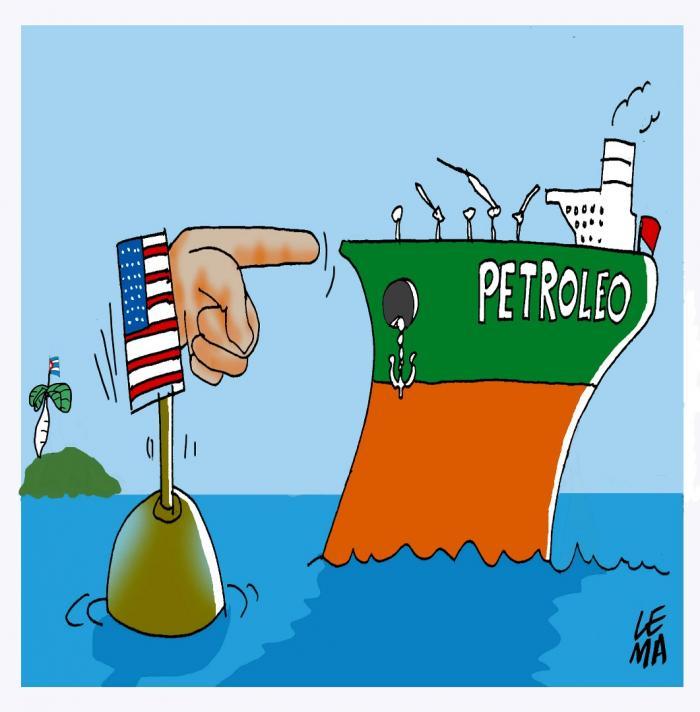
The ongoing economic blockade against Cuba has intensified financial constraints, severely limiting the country’s ability to repair its thermoelectric power plants and acquire essential technology and fuel for critical sectors of its economy. This has led to a significant reduction in foreign suppliers willing to engage with Cuba, further exacerbating the nation’s energy crisis. Dayana Beyra Fernández, director of the Petroleum Engineering and Projects Company, highlights the profound impact of these sanctions on everyday life, from frequent blackouts to transportation challenges and the rising cost of living. She recounts specific instances where foreign companies withdrew from contracts due to U.S. pressure, forcing Cuba to invest in costly alternatives to maintain operations. The blockade has also hindered access to spare parts and technology, making it increasingly difficult to keep thermoelectric plants running. Despite these challenges, Cuban professionals continue to seek innovative solutions and international support to mitigate the effects of this ‘inhumane policy.’ The financial toll is staggering, with the Energy and Mining sector alone suffering damages exceeding $496 million in just three months. The blockade’s ripple effects extend beyond energy, affecting Cuba’s ability to trade and access global markets, ultimately stifling the nation’s economic growth and development.
-

USA : The Mayor of Cap
In a significant step towards fostering international collaboration, Angie Bell, the Mayor of Cap-Haitien, actively participated in the Florida International Trade & Cultural Expo (FITCE 2025) on October 22 and 23, 2025. The event, hosted at the Broward County Convention Center in Florida, was orchestrated by the Broward County Office of Economic & Small Business Development, attracting municipal leaders, investors, diplomats, and economic stakeholders from over fifty nations. Mayor Bell was a featured speaker on a panel discussing investment opportunities in the Caribbean and Latin America. During her address, she underscored Cap-Haitien’s strategic advantages, including its youthful population, proximity to the U.S. market, and potential in sectors like light processing, agribusiness, and cultural tourism. ‘Cap-Haitien is a historic city, globally oriented, and eager to forge lasting partnerships rooted in trust, innovation, and respect for our identity,’ she remarked. Beyond the panel, Mayor Bell engaged in productive dialogues with private sector representatives, Broward County officials, and influential members of the Haitian diaspora dedicated to Haiti’s economic progress. This participation aligns with Cap-Haitien’s broader strategy of decentralized cooperation and municipal diplomacy, aiming to strengthen ties with the diaspora and unlock sustainable growth opportunities for the city.