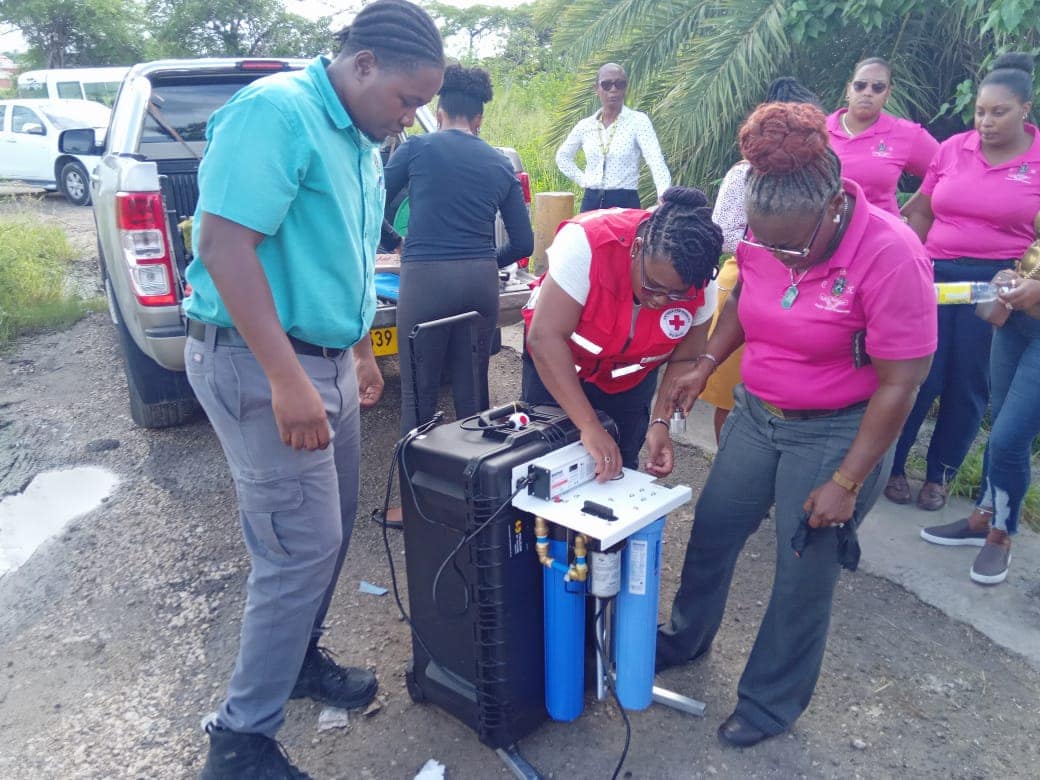
In a strategic move to enhance disaster response capabilities, the National Office of Disaster Services (NODS) of Antigua and Barbuda has joined forces with an international humanitarian organization to strengthen the nation’s Water, Sanitation, and Hygiene (WASH) infrastructure. This collaboration, initiated after a comprehensive consultation with local stakeholders in August, culminated in a three-day intensive training program earlier this month. The training focused on critical areas such as freshwater treatment and water quality testing, equipping participants with essential skills to address public health and disaster management challenges. The program saw the participation of 32 representatives from key institutions, including the Central Board of Health (CBH), Department of Analytical Services, Antigua Public Utilities Authority (APUA), Antigua and Barbuda Red Cross, National Solid Waste Management Authority, and Department of Environment. As part of the practical training, attendees visited vital facilities such as Caribbean Water Treatment, the APUA Water Testing Lab, the Ivan Rodrigues Reverse Osmosis Plant, and Potworks Dam. Additionally, they engaged in field water testing exercises at Lightfoot Pond. This initiative underscores NODS’s commitment to bolstering national preparedness and resilience in disaster response and public health management, ensuring that Antigua and Barbuda is better equipped to handle future crises.
博客
-
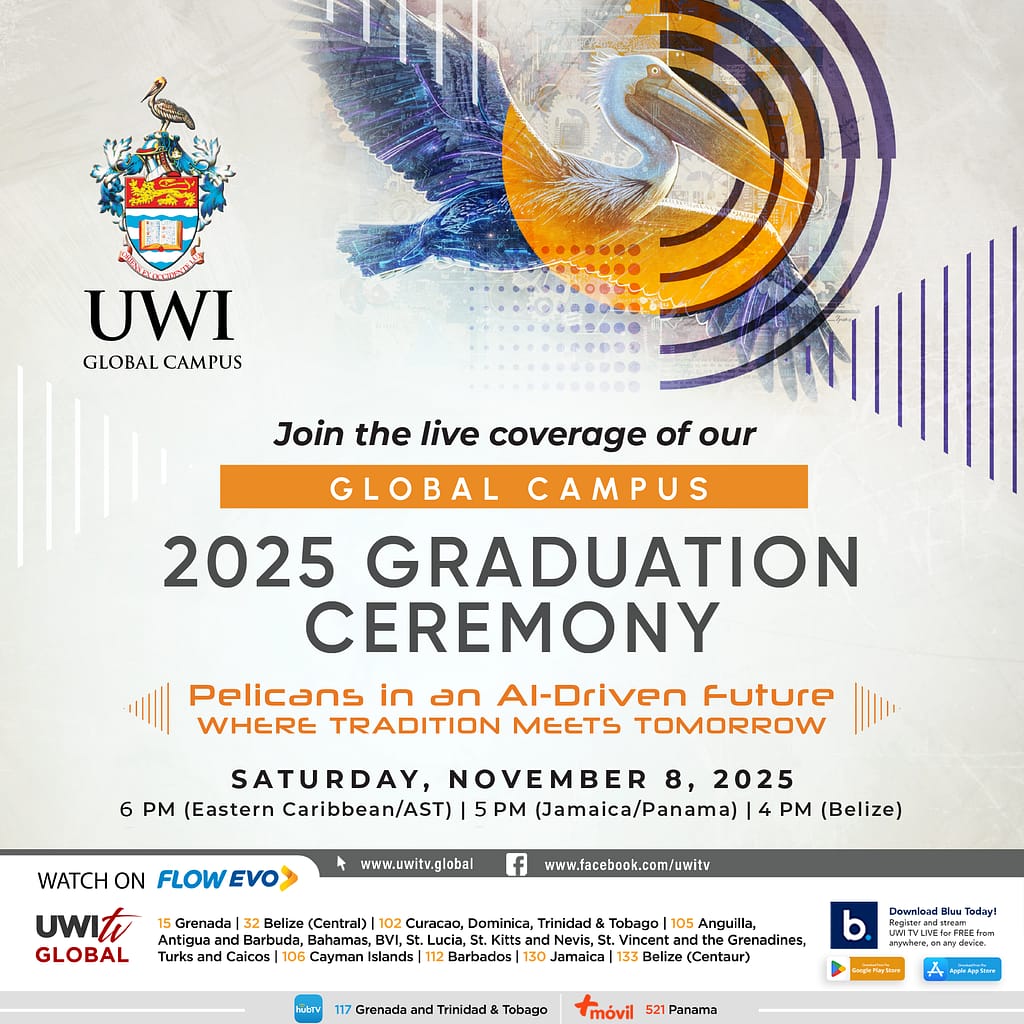
The UWI Global Campus to Celebrate Class of 2025 in Virtual Graduation Ceremony
The University of the West Indies (UWI) Global Campus is poised to celebrate the remarkable achievements of its Class of 2025 in a virtual graduation ceremony on Saturday, November 8, 2025, at 6:00 pm Eastern Caribbean Time. The event will be broadcast live on UWItv.global, Flow EVO channels, and the Flow’s Bluu mobile app, allowing graduates and their loved ones to participate from across the Caribbean and beyond. This year’s theme, “Pelicans in an AI-Driven Future – Where Tradition Meets Tomorrow,” reflects the resilience and forward-thinking mindset of the graduates, who began their academic journeys during a period of rapid digital transformation. The Class of 2025 comprises 1,268 graduands, including 219 postgraduates and 1,046 undergraduates, marking the largest graduating class in the Campus’s history. Among them is the first-ever PhD graduand, a testament to the institution’s growing academic excellence. The ceremony will honor graduates from diverse disciplines, including Doctorates, Master’s, Bachelor’s, and Associate degrees, as well as Certificates and Diplomas. Distinguished attendees, including Heads of State, the Chancellor, Vice-Chancellor, and senior university officials, will join families and friends in celebrating the graduates’ accomplishments. A highlight of the event will be the conferral of an Honorary Doctor of Laws (LLD) degree upon Sir Calixte George, a renowned Saint Lucian agronomist, educator, and statesman, for his exceptional contributions to science, governance, and regional development. The valedictorian, Mr. Alex Anderson, a Jamaican educator graduating with First Class Honours in Educational Leadership and Management, will deliver the valedictory speech, embodying the spirit of academic excellence and leadership. Dr. Francis O. Severin, Pro Vice-Chancellor and Principal, emphasized the significance of the ceremony as a representation of the university’s mission to empower individuals across the Caribbean. The event will conclude with the graduates reciting the UWI Alumni Pledge and a musical rendition of the university song, “There is a Light.” UWI, a cornerstone of Caribbean development for 75 years, continues to lead in education, innovation, and regional progress, with a global presence and a commitment to addressing critical global challenges through the United Nations Sustainable Development Goals.
-

Over 500 Prescription Glasses Arrive for Distribution Following Health Fair Commitment
The Ministry of Health, Wellness, Environment, and Civil Service Affairs has successfully honored its pledge to the public, following the Health Fair held in July 2025 at the Multipurpose Cultural and Exhibition Centre. After months of meticulous processing and manufacturing, over 500 prescription glasses have been produced and are now ready for distribution. This achievement was made possible through the collaborative efforts of United Hands Incorporated and the Seventh-day Adventist Church, whose generosity and partnership have been instrumental in bringing this vision project to fruition. The Ministry has expressed profound gratitude to these organizations for their invaluable contribution, which has not only restored sight but also enhanced the confidence, dignity, and quality of life for hundreds of citizens. The distribution of the prescription glasses is scheduled to take place at 39ers Square, Ministry of Health Headquarters, with specific time slots allocated based on surnames. Recipients are required to present a valid form of identification to collect their glasses. Minister of Health, Sir Molwyn Joseph, emphasized the significance of this initiative, stating that it underscores the Ministry’s unwavering commitment to providing accessible and quality healthcare, including essential dental and vision services. He remarked, ‘When we open our eyes, we open our hearts to the world around us,’ reaffirming the Ministry’s dedication to ensuring that every citizen can see more clearly and live more fully.
-
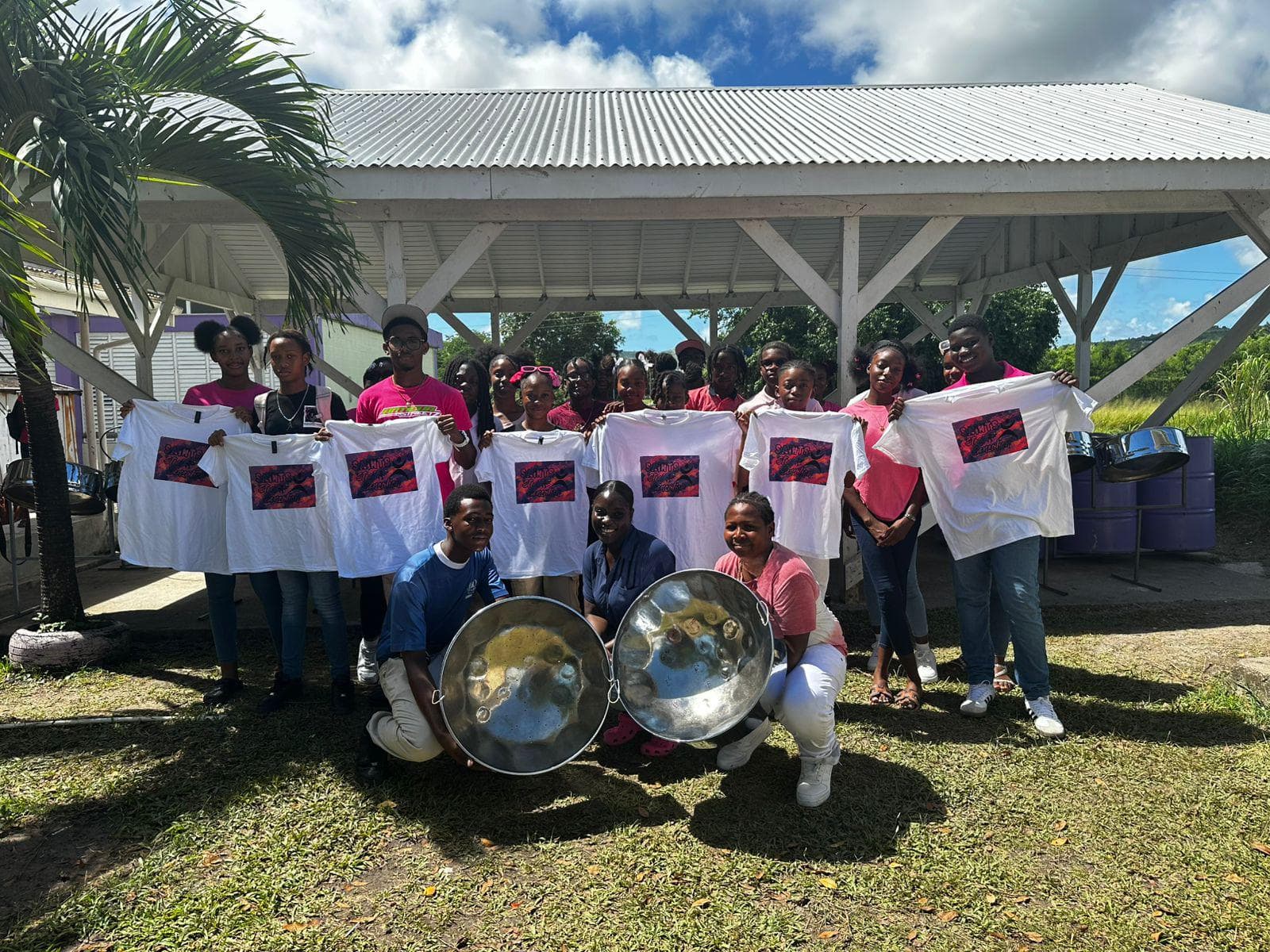
New York All Saints Reunion Team Sponsors T-Shirts for All Saints Secondary School Pan Team
In a heartwarming gesture of community support, the New York All Saints Reunion Team has stepped forward to sponsor T-shirts for the All Saints Secondary School Pan Team. This initiative aims to bolster the school’s cultural and musical endeavors, particularly in the realm of steelpan music, which holds significant cultural importance in the Caribbean community. The sponsorship not only provides the team with a sense of unity and identity but also highlights the enduring connection between the diaspora and their roots. The reunion team, composed of former students now residing in New York, has consistently demonstrated a commitment to giving back to their alma mater. This latest effort underscores their dedication to fostering talent and preserving cultural heritage among the younger generation. The All Saints Secondary School Pan Team, known for its vibrant performances, is expected to benefit greatly from this support, enabling them to participate in upcoming events with renewed vigor and pride.
-
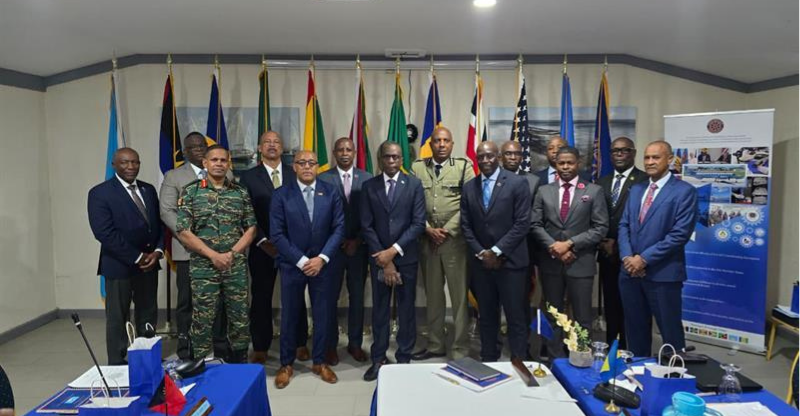
Regional security challenges discussed in Saint Lucia
The Regional Security System (RSS) remains a cornerstone in safeguarding the eastern Caribbean, particularly as regional tensions escalate due to the increased presence of US military forces. This sentiment was echoed by Saint Lucia’s Prime Minister, Philip J. Pierre, and Commissioner of Police, Verne Garde, during the recently concluded RSS Biannual Security Chiefs Meeting in Saint Lucia. Pierre, who also chairs the RSS, emphasized the organization’s critical role in addressing pressing challenges such as cybersecurity threats, organized crime, climate-induced instability, and gang violence. He underscored the importance of maintaining the Caribbean as a ‘Zone of Peace’ and highlighted the RSS’s indispensable contribution to regional safety, stability, and prosperity. Pierre reaffirmed Saint Lucia’s commitment to the RSS and advocated for enhanced collaboration with international partners, including the United Kingdom, Canada, the European Union, and the United States. He also expressed support for expanding the RSS’s reach within CARICOM to bolster regional resilience. Garde, meanwhile, emphasized the RSS’s role as a vital platform for coordination, resource sharing, and mutual support, particularly in tackling transnational crime, illegal trafficking, cyber threats, maritime vulnerabilities, and natural disasters. Brigadier Omar Khan, Chief of Defence Staff of the Guyana Defence Force, reiterated the importance of regional collaboration in ensuring Caribbean stability and security. The three-day meeting, which marked the RSS’s 43rd anniversary, brought together law enforcement and defense personnel from the eight RSS member states—Saint Lucia, Antigua and Barbuda, Barbados, Dominica, Grenada, Saint Kitts and Nevis, St. Vincent and the Grenadines, and Guyana—along with regional and international partners. Although not formally on the agenda, the meeting followed a recent CARICOM statement expressing concerns over the increased security buildup in the Caribbean and its potential impacts. CARICOM leaders reaffirmed their commitment to combating narco-trafficking and the illegal trade in small arms, while supporting the sovereignty and territorial integrity of regional nations.
-
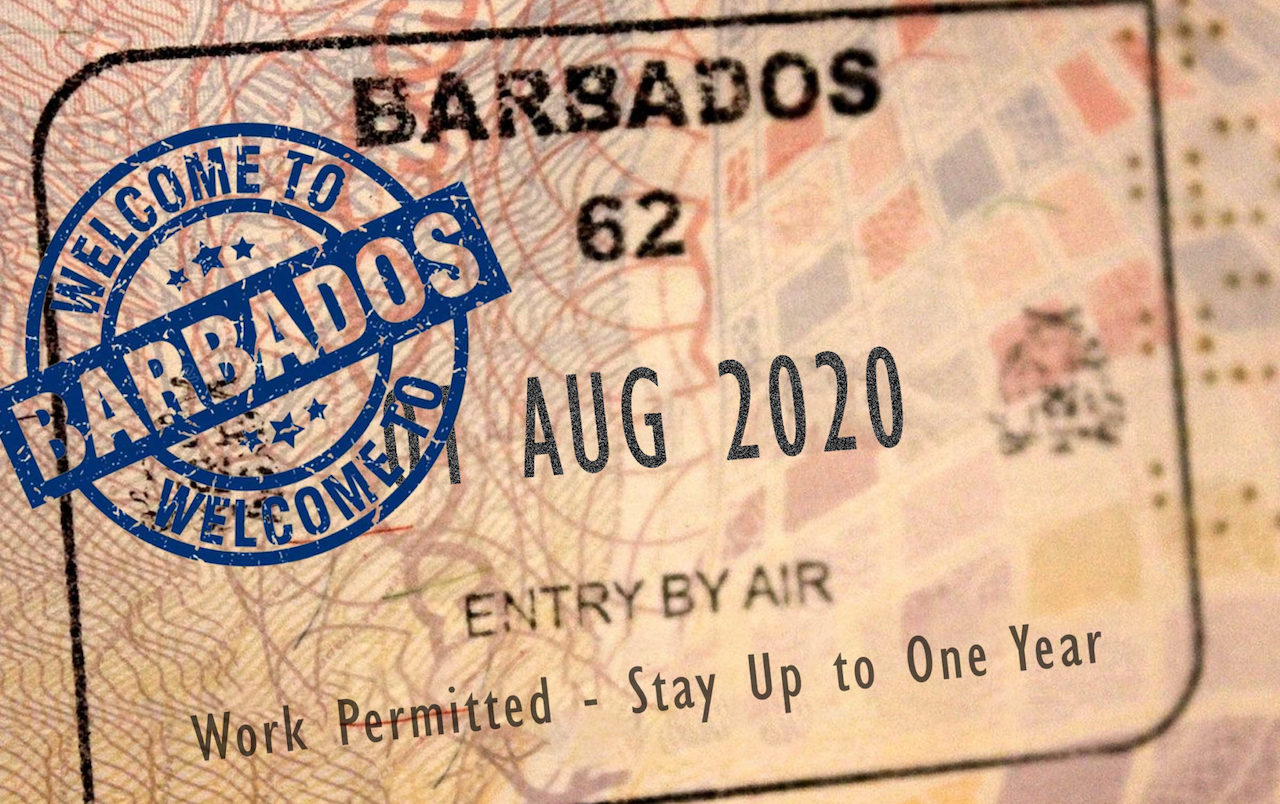
‘Welcome Stamp’ remote work visa brings millions in foreign exchange revenue
Barbados’ innovative Welcome Stamp visa program, launched in 2020 during the COVID-19 pandemic, has proven to be a significant economic boon, generating approximately $6 million in foreign exchange revenue over its first three years. Introduced by Prime Minister Mia Mottley, the initiative aimed to offset the decline in tourist arrivals by attracting high-income professionals to work remotely from the island.
-

From graduate to game-changer: Kieron Savoury’s digital growth journey
Kieron Savoury’s career trajectory is a testament to the transformative power of Liberty Latin America’s Graduate Programme. What began as an entry-level opportunity has evolved into a dynamic career spanning multiple Caribbean islands, significant product launches, and measurable contributions to digital growth across the region. Today, as the Senior Specialist in Digital Growth overseeing Barbados, the Cayman Islands, and Curaçao, Kieron exemplifies the programme’s mission to cultivate innovative, collaborative, and purpose-driven leaders.
-
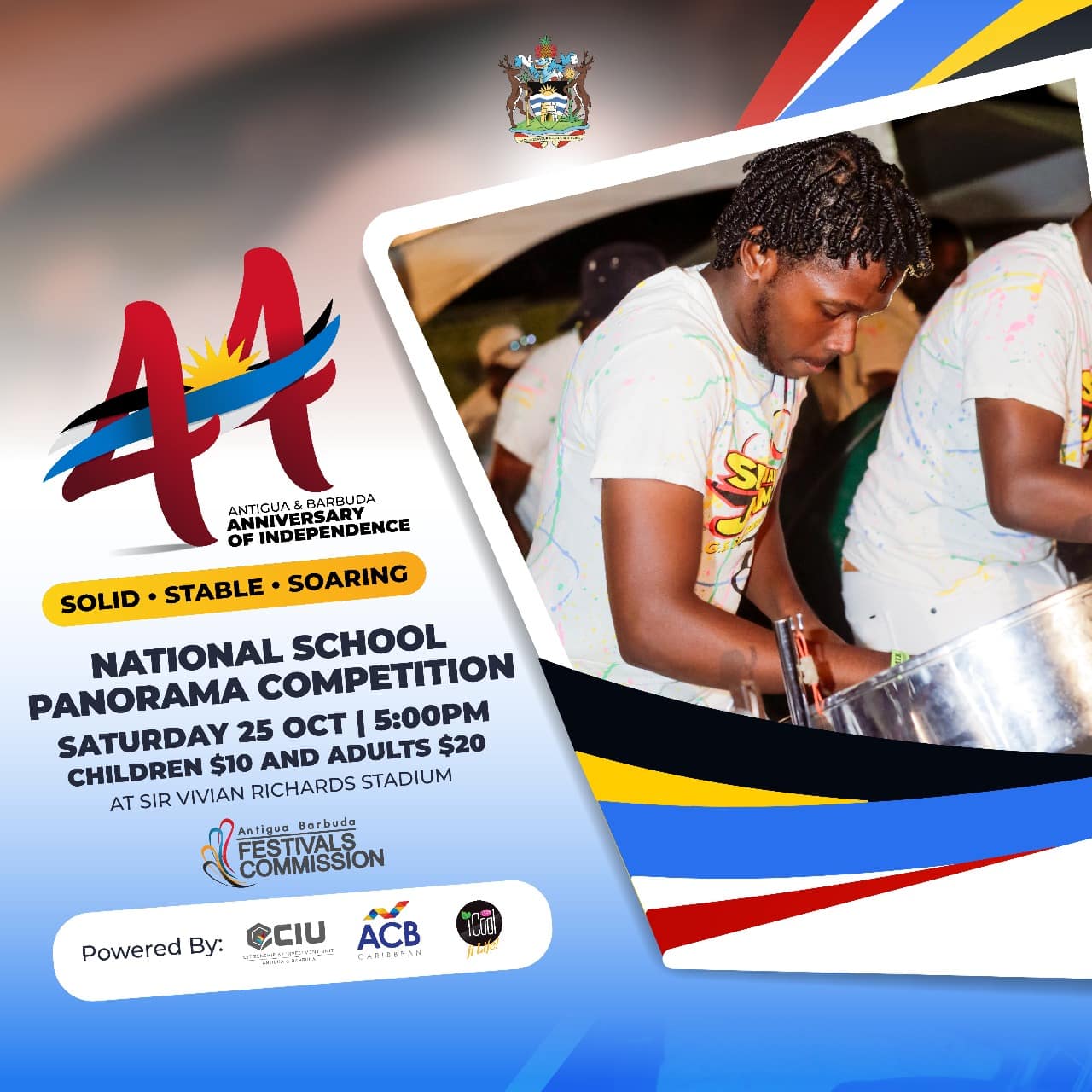
Schools Panorama Returns Tonight with 15 Bands Competing
The 2025 Independence National Schools Panorama, a highly anticipated steelband competition, is set to commence this evening, Saturday, October 25, at 5 p.m. at the Sir Vivian Richards Stadium. Organized by the Antigua and Barbuda Festivals Commission, the event will showcase the talents of 15 school bands, including six from primary schools and nine from secondary schools, under the theme “Solid, Stable, Soaring.” The evening will begin with an opening performance by DJ Ace, followed by hosting by Steve “Ibis” Freeland and musical interludes by DJ Sparks. Primary school participants include Bendals Primary, T.N. Kirnon Primary, Sunnyside Tutorial, Villa Primary, Nevis Street (Willikies), and Greenbay Primary, performing popular soca hits such as “Swimming Engine” by Burning Flames and “Don’t Go” by Claudette Peters. The secondary division features St. Anthony Secondary, St. Joseph’s Academy, Ottos Comprehensive, All Saints Secondary, Irene B. Williams, Clare Hall Secondary, Christ the King High, Princess Margaret, Antigua Grammar, and Sir Novelle Richards Academy, with performances ranging from Claudette Peters’ “Out Deh” to Burning Flames’ “Stampede.” The event will conclude with judges’ decisions and award presentations for both categories. Admission is priced at $10 for children and $20 for adults.
-

Reigniting the Singapore dream: Barbados at the crossroads
Three decades ago, inspired by a visit to Singapore, the vision of ‘Barbados: The Singapore of the Caribbean’ was born. Today, this vision is revisited not out of nostalgia but out of necessity. Post-COVID-19, Barbados’ socioeconomic engine is faltering, with sluggish growth compounded by domestic inefficiencies and global challenges. The question now is whether Barbados possesses the political will to pivot strategically for future prosperity while managing its current predicaments. Singapore’s transformation from a poor, overcrowded colonial outpost to a global economic powerhouse offers a masterclass in strategic nation-building. Under Lee Kuan Yew and the People’s Action Party, Singapore expanded its landmass, quadrupled its population through managed immigration, and skyrocketed its GDP per capita from US$500 to nearly US$93,000. In contrast, Barbados has seen modest growth, moving from US$367 in 1960 to around US$25,000 in 2024, yet remains stagnant relative to its potential. To transition from stagnation to sustainability, Barbados must unclog its economic engine by shifting skillsets, mindsets, and embracing cross-cultural communication. This involves learning from successful models, sharpening strategic vision, strengthening governance, eradicating corruption, investing in innovation, enhancing education and health, expanding the population base, modernizing infrastructure, reducing food import bills, and tackling the high cost of living. Singapore demonstrated that discipline and imagination can overcome limitations. Barbados, too, can rise if it steers with purpose. Establishing a Strategic Singapore Model Think Tank, staffed by experienced professionals to work alongside the government and recommend transformative actions, could be a pivotal step. It’s not too late to reignite the Singapore dream—if Barbados acts boldly, inclusively, and with disciplined intent.
-

Fighting Cancer: The story of a caregiver and a survivor
During Breast Cancer Awareness Month, Deiann Sobers and Tonya Byer, two women deeply affected by cancer, shared their experiences to emphasize the importance of early detection and breaking down barriers to seeking medical help. Deiann, a representative of the Barbados Association of Palliative Care, highlighted the alarming trend of late-stage diagnoses among women, attributing delays to fear, embarrassment, and misconceptions about costs and marital expectations. She stressed that early detection of cancers like breast, cervical, and colon cancer can save lives, urging women to prioritize their health over societal pressures. Tonya, a breast cancer survivor, echoed this sentiment, recounting her own battle with the disease and the tragic loss of her mother-in-law, who relied on natural remedies until it was too late. Tonya emphasized the need for professional diagnosis before opting for alternative treatments, sharing her journey of surgery, chemotherapy, and ongoing hormonal therapy. Both women underscored the critical role of support systems in navigating cancer, whether from family, friends, or healthcare providers. They called for a cultural shift to encourage open conversations about symptoms and timely medical intervention. Deiann reminded the public that early detection is accessible and affordable, while Tonya urged individuals to advocate for their health and seek help without delay. Their shared message is clear: Listen to your body, get tested early, and don’t let fear or pride stand in the way of saving lives.