
The Briceño administration has made a landmark move by investing $256 million to acquire full control of Fortis Belize Limited, which will soon be rebranded as Hydro Belize. This acquisition includes three major dams and a significant stake in Belize Electricity Limited (B.E.L.). The deal has sparked widespread interest, particularly regarding the potential for public investment in this energy giant. Prime Minister John Briceño emphasized that the initiative is designed to benefit Belizean citizens, with plans to allow thousands of Belizeans to invest in the company. The government aims to allocate a portion of the shares to the public, potentially setting aside up to 10% for individual investors. Additionally, the administration is exploring ways to involve Social Security in the investment, ensuring solid returns for the national fund. The Prime Minister also assured transparency, stating that the beneficial owners of Hydro Belize Limited will be publicly accessible through the registry. This move is part of a broader strategy to enhance public participation in key national assets, including the upcoming development of the Port of Belize.
博客
-
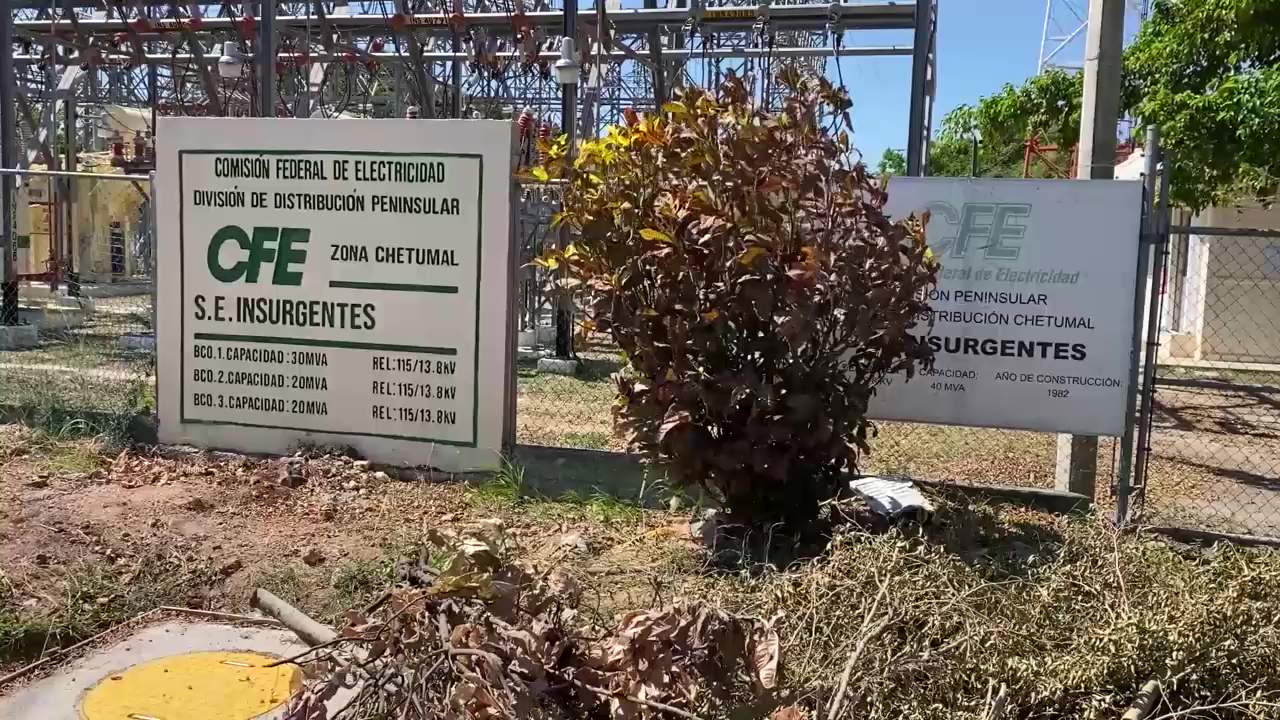
Soaring Power Costs Strain Belizeans as CFE Supply Falters
Belize is grappling with a severe energy crisis as soaring electricity costs from Mexico’s Comisión Federal de Electricidad (CFE) place immense strain on its citizens. Prime Minister John Briceño revealed this week that during peak hours, Belizeans are paying up to one U.S. dollar per kilowatt, a rate that is significantly higher than global standards. This alarming situation has prompted the government to explore alternative solutions, including a potential connection to the Central American power grid.
-
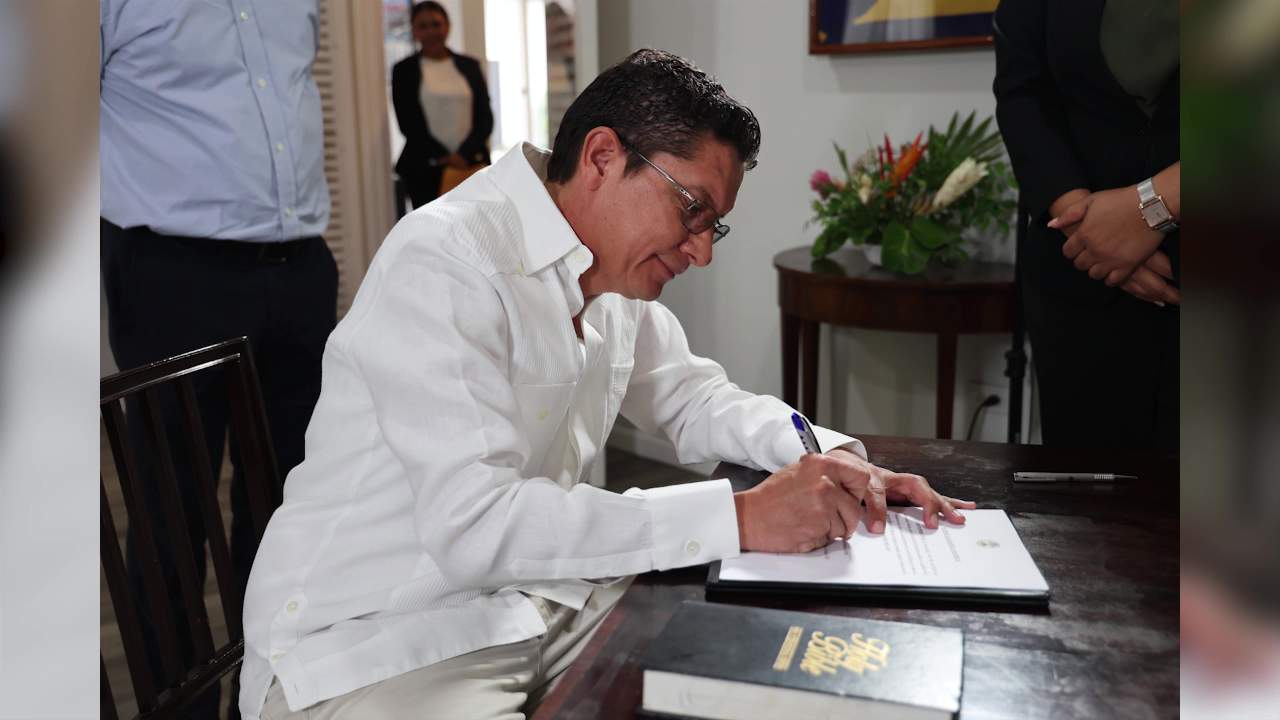
Chris Coye’s Exit Fuels Talk of Trouble in Briceno’s Second Term
In a significant development within Belize’s Ministry of Finance, Christopher Coye, a key ally of Prime Minister John Briceño, has announced his resignation as Minister of State. Coye, who has been a pivotal figure in the government since November 2020, is set to return to private legal practice. This move has ignited widespread speculation about its implications for the Briceño administration, particularly as it comes early in their second term. Prime Minister Briceño addressed the situation, emphasizing that Coye’s departure is a personal decision driven by professional obligations. Briceño assured the public that Coye would continue to support the government in an advisory capacity, ensuring the Ministry of Finance remains on track. The Prime Minister also hinted at forming a small team to oversee financial matters, maintaining the administration’s successful track record over the past five years. Despite these reassurances, the timing of Coye’s exit has raised questions about potential challenges within the administration.
-
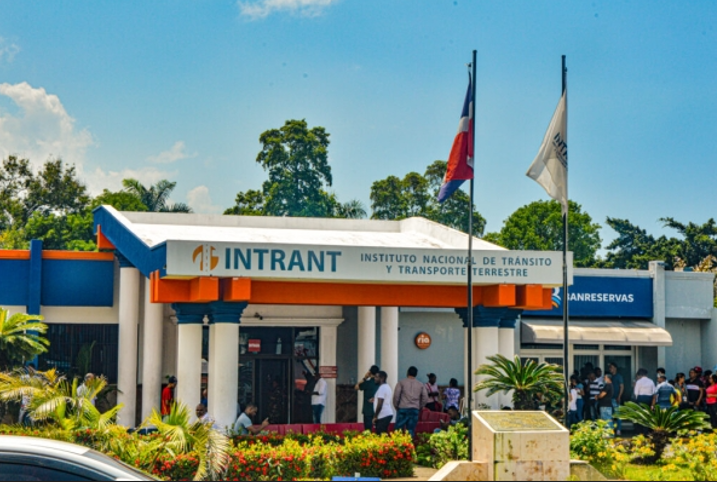
PEPCA uncovers alleged corruption in INTRANT’s RD$1.3 billion traffic light contract
The Specialized Prosecutor’s Office for the Prosecution of Administrative Corruption (PEPCA) has exposed a major corruption scandal involving a RD$1.3 billion contract for the modernization of Santo Domingo’s traffic light system. The contract, awarded by the National Institute of Transit and Land Transportation (INTRANT), is at the heart of the Operation Chameleon investigation. Prosecutors allege that the tender process, labeled INTRANT-CCC-LPN-2022-0003, was rigged from the outset to favor Transcore Latam SRL, a company reportedly controlled by José Ángel Gómez Canaán (Jochi Gómez) through a series of shell companies.
According to the indictment, the tender was specifically designed to benefit Transcore Latam, featuring inflated costs that were 1,053% higher than the project’s actual value and technical requirements that effectively barred competitors. Despite being established in 2021 with a mere RD$100,000 in capital and no prior experience in traffic systems, Transcore Latam secured INTRANT’s largest technology contract within a year. Prosecutors claim that documentation presented to the evaluation committee falsely indicated an affiliation with U.S.-based Transcore Holdings, Inc., a connection that does not exist.
PEPCA further alleges that INTRANT officials, including members of its Procurement and Contracting Committee, collaborated in the scheme under the direction of then-director Hugo Beras. Other bidders were reportedly disqualified for minor issues, ensuring Transcore Latam’s selection. Despite the substantial budget, the modernization project remains unfinished, with much of the equipment unused. Payments totaling RD$489 million by December 2024 were allegedly funneled to companies OML Inversiones SRL and Aurix SAS, both linked to Gómez Canaán.
Prosecutors have also connected the case to a cyberattack on Santo Domingo’s traffic light network in August 2024, which was traced to a server associated with Transcore Latam. The attack is believed to have been an attempt to erase digital evidence of the contract and financial transfers. While no charges have been filed for the sabotage, PEPCA considers it a crucial element of the ongoing investigation into the financial and technological scheme.
-
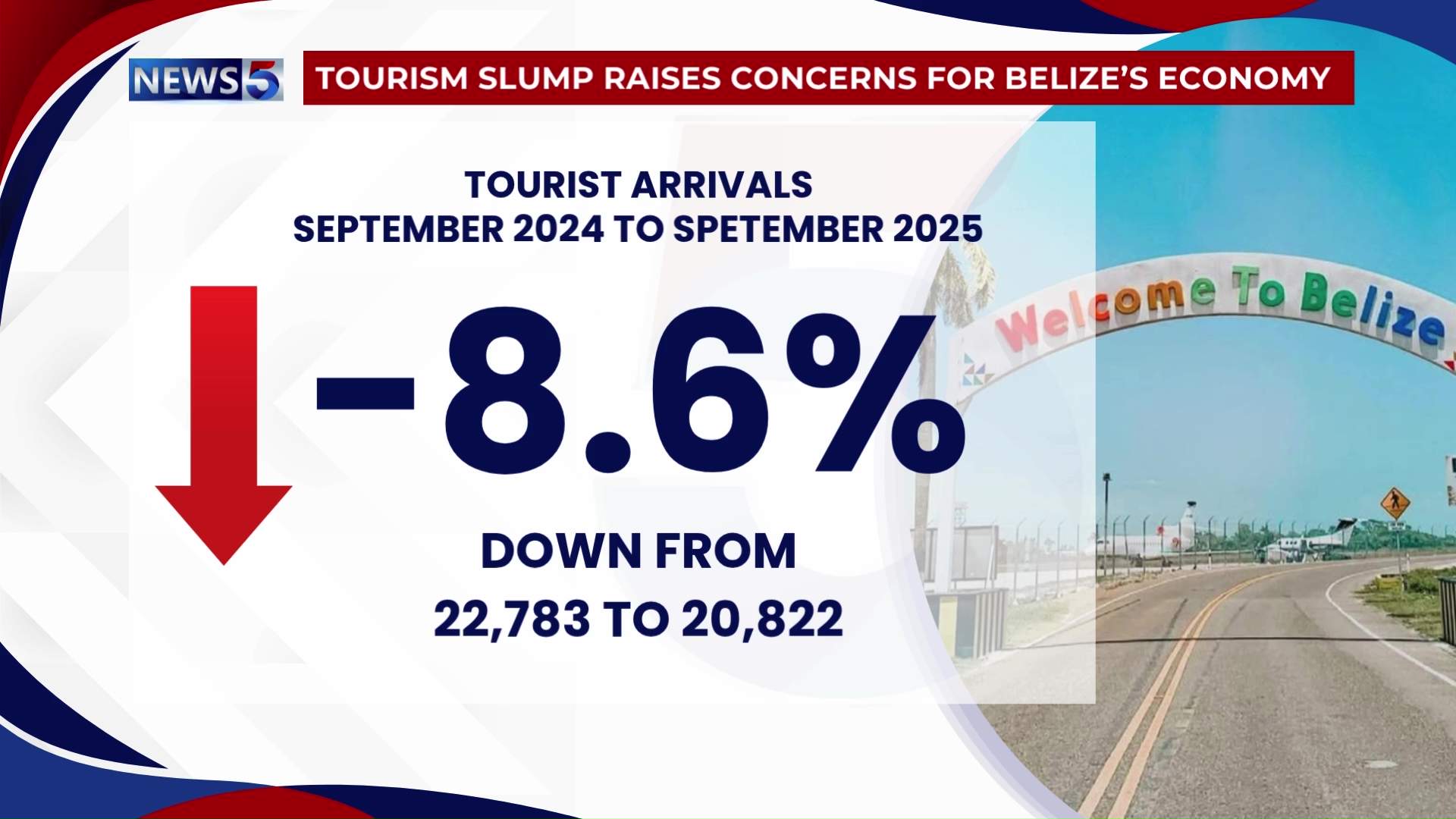
Low September Tourist Arrivals Signal Hard Times Ahead
Belize’s tourism industry, a cornerstone of its economy, is bracing for challenging times as recent data reveals a significant drop in overnight tourist arrivals. According to the Belize Tourism Board, September 2025 saw an 8.6% decline in overnight visitors compared to the same period last year, with numbers falling from over 22,000 to just under 21,000. This downturn is particularly concerning given that overnight tourism is the primary revenue generator for the sector. The extended U.S. federal government shutdown, coupled with global geopolitical tensions and economic uncertainties, is exacerbating the situation, causing American and international travelers to reconsider their travel plans. Tourism Minister Anthony Mahler acknowledged the strong start to the year but highlighted the adverse effects of global instability, including trade wars and conflicts, on travel behavior. BTB Director Evan Tillett emphasized the critical role of overnight tourism, describing it as the ‘lifeblood’ of the industry. The recent decline starkly contrasts with 2024, a record-breaking year that saw over 562,000 overnight visitors, marking a 21% increase from 2023. As the industry prepares for a potential slowdown, stakeholders are hopeful for a recovery before the peak tourist season begins.
-
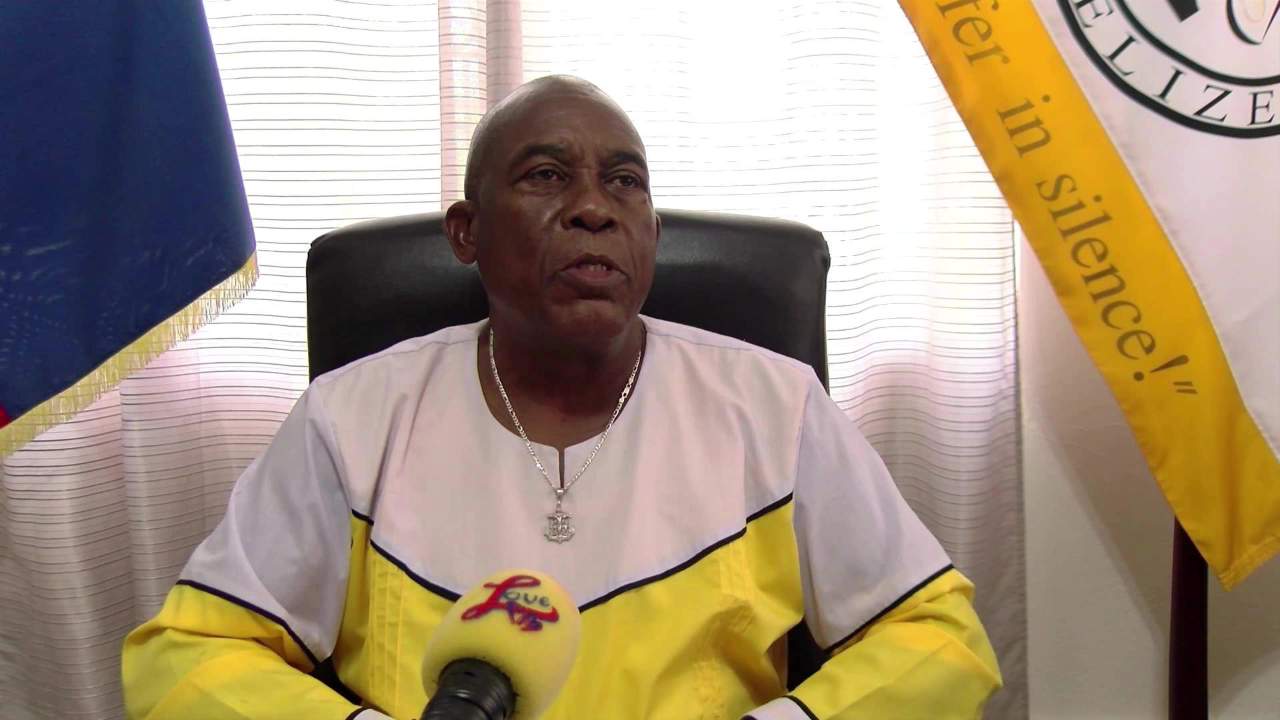
Prime Minister Questions Ombudsman’s Authority on FOIA Request
In a recent development surrounding a Freedom of Information Act (FOIA) request, Prime Minister John Briceño has cast doubt on the authority of the Office of the Ombudsman. The Ombudsman had previously directed the Attorney General to release information sought by social activist Jeremy Enriquez. However, during a press interaction on Monday, the Prime Minister refrained from confirming whether the Ombudsman possesses the legal mandate to issue such directives.
When questioned about the matter, Briceño stated, ‘I think that’s a question to ask the Attorney General, because I don’t know. I’m not a lawyer. I don’t know if the Ombudsman even has that authority, but that’s a matter for I don’t know, so I don’t want to, so don’t twist anything that I am saying.’
The Prime Minister’s comments have sparked debate over the extent of the Ombudsman’s powers and the broader implications for government transparency. While Briceño affirmed his general support for transparency, he emphasized that the responsibility for public accountability extends beyond his office. ‘As much as you do,’ he remarked to a reporter, adding, ‘But you do give a public good. So, you also have a responsibility.’
This incident highlights the ongoing tension between government institutions and the public’s right to access information, raising questions about the mechanisms in place to ensure accountability and openness in governance.
-
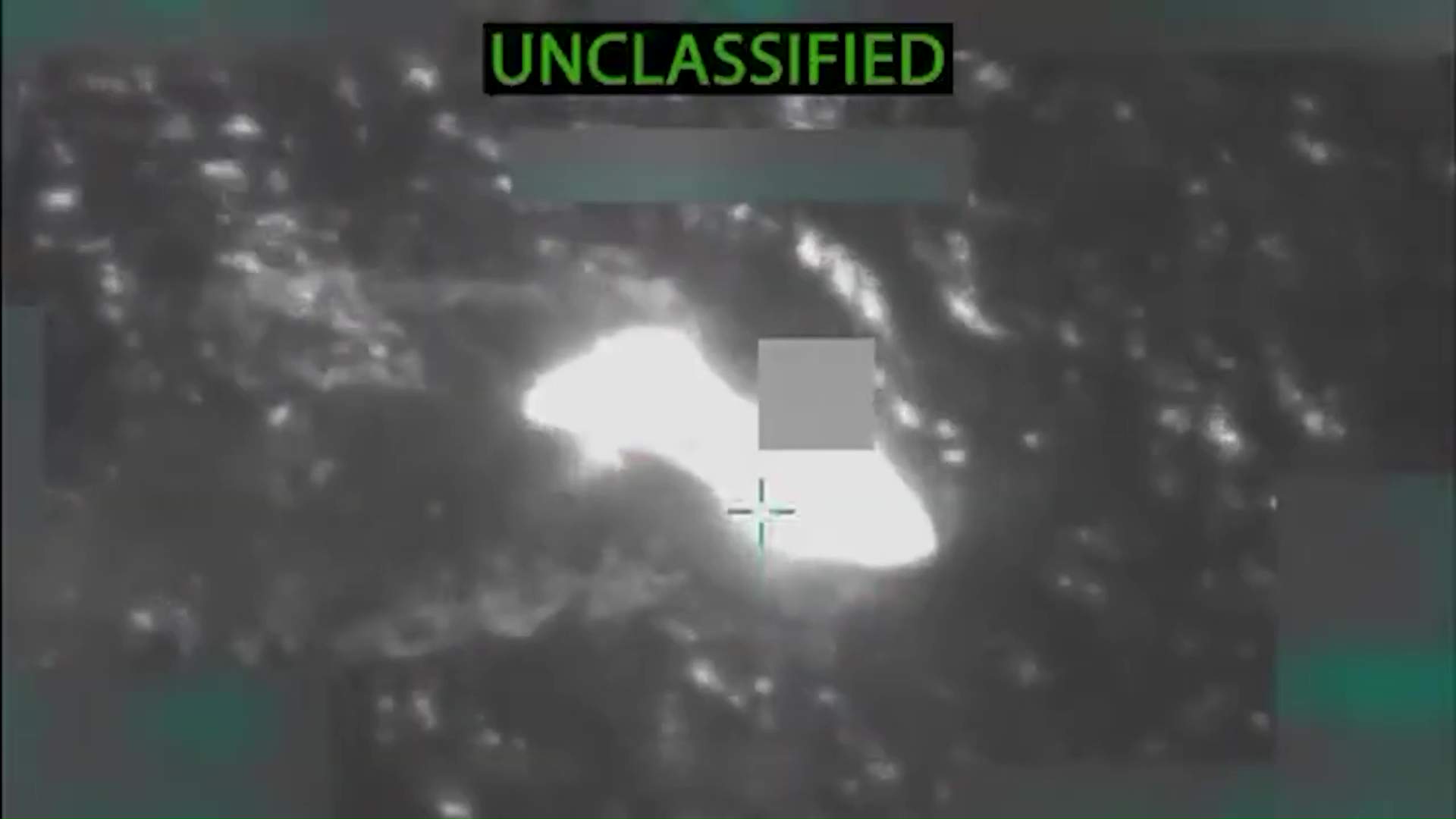
Belize Urges Calm Amid U.S.-Venezuela Tensions
In the wake of escalating tensions between the United States and Venezuela, Belize has reaffirmed its commitment to maintaining the Caribbean Community (CARICOM) as a zone of peace. The situation intensified after the U.S. military destroyed four vessels suspected of drug trafficking, resulting in over a dozen casualties. Trinidad and Tobago, caught in the crossfire, has expressed support for the U.S. military presence in the region. Belizean Prime Minister John Briceño has called for calm, urging all parties to de-escalate the situation. He emphasized the importance of preserving the Caribbean as a peaceful region and highlighted Venezuela’s role as a partner within CARICOM. Briceño also condemned the recent violent actions, stressing the need to avoid inflammatory rhetoric and discussions of military intervention in Venezuela. While pressed to condemn the U.S. for its actions, Briceño maintained a balanced stance, focusing on dialogue and conflict resolution rather than assigning blame.
-
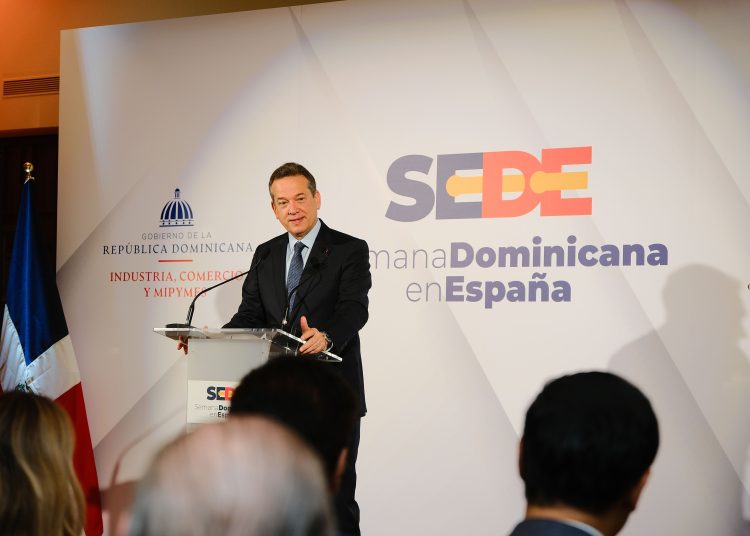
Bisonó promotes Dominican free trade zones to Spanish investors
The Dominican Republic’s free trade zone model has been hailed as one of the most robust and dynamic in the region, with exports projected to hit US$8.6 billion by the end of 2024, according to Víctor Bisonó, the Minister of Industry, Commerce, and MSMEs. The sector has already generated over 198,000 direct jobs and 450,000 indirect jobs, contributing 3.1% to the national GDP in the previous year. In the first eight months of 2025 alone, exports surpassed US$5.7 billion, underscoring the country’s growing economic momentum. Bisonó shared these insights during his presentation, ‘Advanced Manufacturing Ecosystem in the Dominican Republic,’ held at the Mapfre Foundation as part of Dominican Week in Spain. He emphasized the nation’s transformation into a regional hub for innovation, logistics, and skilled talent, attracting 49 new companies this year. These additions expand the network of 97 industrial parks across diverse sectors, including electronics, pharmaceuticals, premium tobacco, textiles, jewelry, and medical devices. The latter sector boasts world-class firms such as Baxter, Jabil, B. Braun, and Cardinal Health. Bisonó also spotlighted the National Semiconductor Strategy (Decree 324-24), which aims to integrate the Dominican Republic into global microelectronics value chains. Citing the Information Technology and Innovation Foundation (ITIF), he noted the country’s potential to produce printed circuit boards and test components, positioning it as a trusted partner for the United States in advanced manufacturing. Inviting Spanish investors to collaborate, Bisonó described the Dominican Republic as a nation that ‘produces, innovates with purpose, and exports with identity,’ supported by legal stability, robust logistics, and a highly skilled workforce.
-

MIREX honors Juan Luis Guerra as “Musical and Poetic Heritage of the Dominican Republic”
In a grand celebration of artistic excellence, the Dominican Republic’s Ministry of Foreign Affairs (MIREX) bestowed the title of ‘Musical and Poetic Heritage of the Dominican Republic’ upon the iconic musician and composer Juan Luis Guerra. The event, graced by the presence of First Lady Raquel Arbaje and Foreign Minister Roberto Álvarez, delved into Guerra’s illustrious four-decade career, which has profoundly shaped and elevated Dominican music globally through his innovative contributions to merengue and bachata. Minister Álvarez emphasized that Guerra’s genius transcends his numerous accolades, highlighting his unique ability to encapsulate the Dominican spirit—its humor, faith, and aspirations for justice—in his evocative lyrics. A distinguished panel, moderated by Jochy Herrera and featuring intellectuals Pedro Delgado Malagón, Soledad Álvarez, and César Muñoz, reflected on Guerra’s far-reaching influence, underscoring how his music has resonated with audiences worldwide while showcasing Dominican culture. In his heartfelt acceptance speech, Guerra expressed deep gratitude for the honor, dedicating his artistic achievements to his faith and homeland. The ceremony also marked National Merengue Day and National Bachata Day, reaffirming these genres as vital instruments of cultural diplomacy. Attended by government officials, diplomats, business leaders, and media representatives, the event celebrated the enduring legacy of Juan Luis Guerra, a true ambassador of Dominican artistry.
-
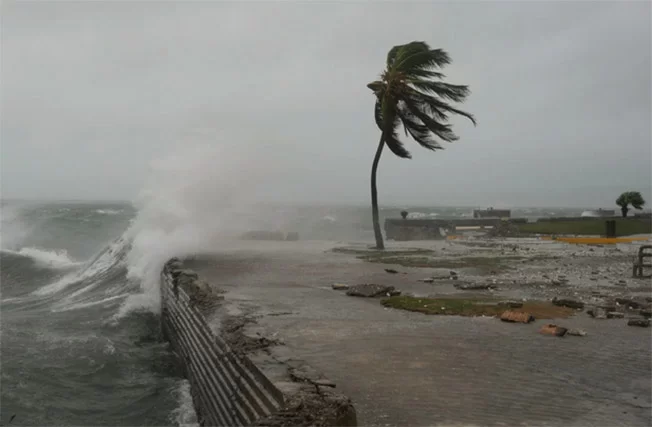
Orkaan Melissa richt verwoesting aan op Jamaica; Caricom spreekt bezorgdheid uit
Hurricane Melissa, an exceptionally powerful Category 5 storm, wreaked havoc on Jamaica this Tuesday, leaving a trail of destruction in its wake. With wind speeds reaching up to 300 kilometers per hour, the hurricane caused severe damage to infrastructure, power grids, and homes. Thousands of residents were forced to evacuate as large parts of the island were left without electricity and communication. Authorities reported widespread flooding in coastal areas due to storm surges and dangerously high sea levels. Local media also indicated that hospitals and emergency shelters sustained significant damage, prompting rescue services to declare a humanitarian crisis. Although Melissa has since weakened to a Category 4 hurricane, it remains extremely dangerous and is now moving toward Cuba and the Bahamas, where emergency plans have already been activated. The Caribbean Community (Caricom) expressed deep concern over the situation in Jamaica and emphasized its readiness to coordinate relief efforts. The organization warned that the impact of Melissa could be long-lasting and called for international support for recovery and rebuilding. Meteorological experts have identified Melissa as one of the most severe hurricanes to hit the Caribbean this century, with the full extent of the damage in Jamaica expected to become clearer in the coming days.