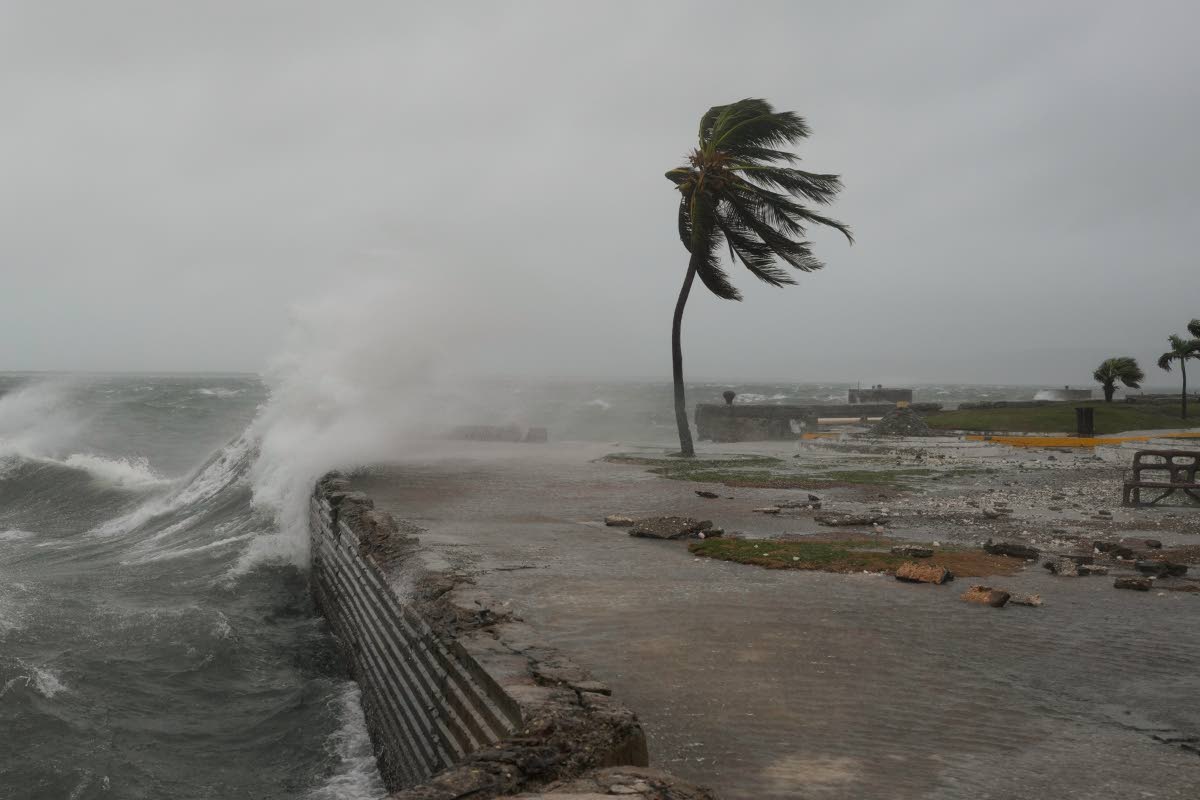
As Hurricane Melissa, one of the most powerful Atlantic cyclones in history, battered Jamaica, Haiti, the Dominican Republic, Cuba, and the Bahamas, it left behind a trail of devastation that underscores two critical issues: the escalating climate crisis and the indispensable role of Caribbean unity. The storm, with sustained winds exceeding 157 mph, caused significant damage, displacing thousands and claiming lives even before making landfall. Jamaican Prime Minister Andrew Holness reported severe impacts on infrastructure, including roads, hospitals, and properties, as the storm reached Category 5 intensity. In Haiti, floodwaters claimed 25 lives, including children, while Cuba evacuated 735,000 residents. The storm’s ferocity was fueled by unusually warm seawater, a direct consequence of climate change. UN Secretary-General António Guterres warned that humanity has already surpassed the 1.5°C global heating target, with devastating consequences for ecosystems worldwide. Despite these warnings, global discourse remains mired in political divisions, with oil and gas interests influencing populist agendas. Even figures like Bill Gates have downplayed the urgency, suggesting humanity can adapt to climate change. Meanwhile, regional leaders like Prime Minister Persad-Bissessar of Trinidad and Tobago have undermined Caribbean unity, prioritizing national interests over collective action. Hurricane Melissa serves as a stark reminder that no nation is an island; the Caribbean must stand together to face the existential threat of climate change.
博客
-

In the heart of the rainforest
The Asa Wright Nature Centre, nestled in Trinidad’s Northern Range rainforest, stands as a timeless sanctuary for nature enthusiasts and researchers alike. Dr. Anjani Ganase, a marine scientist, reflects on her transformative experiences at the Centre, which played a pivotal role in shaping her career and deepening her connection to Trinidad’s natural heritage. Her journey began as an undergraduate volunteer for the Guppy Project, led by Dr. David Reznik, where she explored the Arima-Blanchisseuse Valley’s river ecosystems. Despite the challenges of fieldwork—mosquito bites, muddy trails, and Deet mishaps—the experience ignited her passion for environmental science. Later, as a volunteer for the Asa Wright Educational Programme, she contributed to drafting grant applications and leading educational outreach initiatives, fostering a deeper appreciation for the Centre’s ecological richness. The Centre’s vibrant biodiversity, from toucans and bellbirds to nocturnal wildlife like scorpions and porcupines, continues to captivate visitors. Dr. Ganase’s recent return to the Centre, now revitalized by Hadco Experiences, reaffirmed its enduring charm and significance. She hopes that locals and visitors, especially children from the Arima-Blanchisseuse Valley, will experience this tropical haven at least once in their lives.
-

Fall of the influencer era
The global influencer industry is undergoing a seismic transformation, driven by the rise of artificial intelligence (AI), stricter government regulations, and growing public skepticism. What began as a marketing revolution rooted in authenticity and relatability is now being redefined by these powerful forces, compelling brands and creators to adapt or risk irrelevance.
For decades, traditional media like print, radio, and television dictated consumer behavior. The advent of search engines and social media disrupted this dynamic, shifting trust from corporate logos to human influencers. However, the influencer era is now giving way to a new paradigm: AI-driven, agentic shopping. Consumers are increasingly turning to intelligent assistants like ChatGPT, Perplexity, and Amazon Rufus for personalized, data-driven recommendations, bypassing traditional influencer content.
AI’s impact is profound. ChatGPT, for instance, processes over one billion daily searches, a milestone it achieved nine years faster than Google. While Google still dominates with 14 billion daily searches, the trajectory suggests ChatGPT could match its scale by 2030. This shift represents one of the fastest behavioral changes in digital history, as consumers move from passive searching to engaging in intelligent, two-way dialogues with AI tools.
Simultaneously, governments worldwide are cracking down on misinformation. In China, influencers must now hold professional qualifications to discuss topics like finance, health, and education. The UAE mandates that paid influencers register, obtain permits, and adhere to advertising disclosure rules. These measures aim to restore trust and ensure transparency in the digital space.
Audiences, meanwhile, are experiencing influencer fatigue. Over-commercialization and performative authenticity have eroded trust, with many consumers feeling misled by influencers promoting products they don’t use. However, this doesn’t signal the end of content creation. The creator economy is thriving, with creators who prioritize expertise, transparency, and storytelling gaining real influence.
AI is now the bridge between the fading influencer era and the emerging creator economy, connecting consumers with trustworthy creators who deliver verified, personalized insights. For businesses and marketers, especially in the Caribbean, the challenge is not whether they can adapt but how quickly they can do so to remain relevant in this new age of authority.
-

The cost of waiting
In an era marked by economic uncertainty, many individuals are grappling with the complexities of financial planning. Rising living costs, inflation, and significant government reforms, such as amendments to the National Insurance System (NIS), have led to widespread procrastination in making crucial financial decisions. However, delaying these decisions is not a viable strategy; it is a silent cost that undermines both financial security and peace of mind.
Procrastination in financial planning can have profound and lasting consequences. Here are four key areas where delay can be particularly detrimental:
1. **Health Cannot Be Bought Later**: Insurance products like life, health, and critical illness coverage are most effectively purchased when one is in good health. Insurability is directly tied to current health conditions. Delaying action can result in higher premiums or, in the worst-case scenario, render one uninsurable if a serious illness develops.
2. **Time Directly Affects Cost**: Age is a critical factor in determining insurance premiums. As individuals grow older, the cost of coverage increases significantly. For instance, a 33-year-old male might secure a $500,000 critical illness policy for approximately $288 monthly. By age 43, the same coverage could cost around $572 monthly—nearly double the initial amount.
3. **The Hidden Risk of Inaction**: Postponing financial planning leaves families vulnerable to life’s uncertainties. Without adequate coverage, a single unexpected event can jeopardize years of financial progress and savings. The emotional toll of losing a loved one is immeasurable, but the ensuing financial hardship can be equally devastating.
4. **Peace of Mind is Priceless**: Taking timely action to secure your family’s financial future provides invaluable peace of mind. It replaces worry with assurance, allowing life to be lived with greater ease, confidence, and purpose.
In conclusion, the cost of waiting far outweighs the cost of action. Every day of delay is a lost opportunity for growth, protection, and peace. The best time to start was yesterday; the second-best time is today.
-

Rebuilding visitor confidence
Tobago’s tourism industry, a cornerstone of Trinidad and Tobago’s economic diversification strategy, is grappling with unprecedented challenges. A combination of new taxes, a prolonged state of emergency, and escalating regional tensions following US military actions has severely impacted the sector. Hotel occupancy rates in Tobago have plummeted by nearly 40% ahead of the Christmas season, according to Reginald Mac Lean, President of the Tobago Hotel and Tourism Association (THTA).
Mac Lean highlighted that the state of emergency declared on December 30, 2024, coupled with recent geopolitical developments, has led to significant financial losses for the industry. He acknowledged the government’s efforts to address crime but noted that the current measures have had a detrimental effect on tourism. Businesses across the board, including hotels, guest houses, restaurants, and tour operators, are feeling the strain.
The situation is further exacerbated by a 100% increase in duties on alcohol, which has led to substantial price hikes. This has particularly affected all-inclusive packages, making it difficult for Tobago to compete with other Caribbean destinations. Dianne Joseph, President of the TT Coalition of Services Industries (TTCSI), emphasized the broader psychological impact of global instability on international travel, which is crucial for Tobago’s tourism.
Despite these challenges, there are glimmers of hope. Barry Bidaisee, Director of the Tourism Industry Association of TT, reported that Trinidad is experiencing more promising activity for the upcoming Christmas and Carnival season. He also welcomed the government’s plans to reopen the Hotel School in Chaguaramas and develop sports tourism, which could provide new opportunities for growth.
Both Mac Lean and Joseph stressed the importance of resilience and strategic adaptation to navigate these turbulent times. They believe that by leveraging Tobago’s unique cultural assets and fostering collaboration, the industry can overcome current adversities and continue to thrive.
-
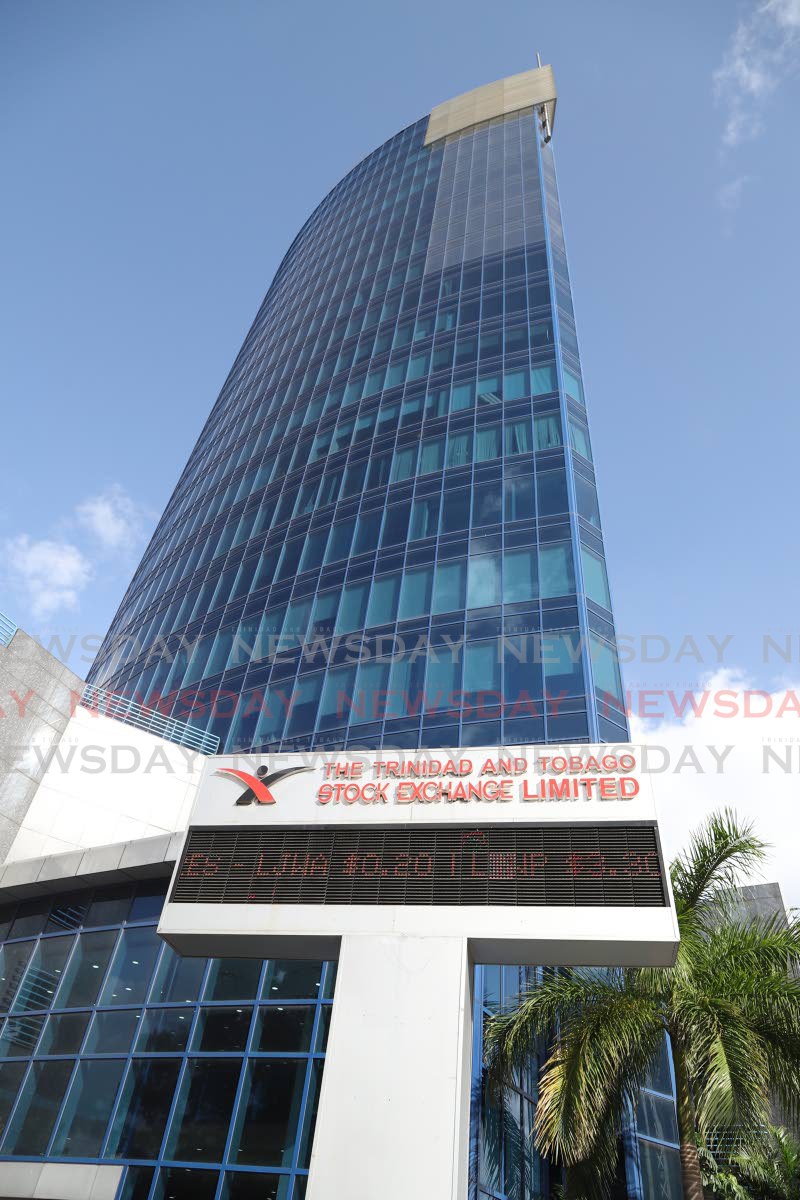
Exploring Trinidad and Tobago’s capital market
Trinidad and Tobago’s economic future hinges on the development of a robust and inclusive capital market that can mobilize private investment and bolster public confidence. This was the central message at the TT Stock Exchange’s Capital Markets and Investor Conference 2025, held on October 24 in Port of Spain. Key stakeholders, including government officials and private-sector experts, emphasized the need to shift from state-driven growth to private-sector-led development. Dr. Kennedy Swaratsingh, Minister of Planning, Economic Affairs and Development, highlighted the government’s role in creating an enabling environment through legislation and policy, while urging broader participation in the TT Stock Exchange (TTSE) to enhance liquidity. Finance Minister Davendranath Tancoo announced initiatives such as a state-sponsored Real Estate Investment Trust and a $1 billion National Investment Fund bond, aimed at democratizing ownership and stimulating the domestic market. Central Bank Governor Larry Howai underscored the importance of balancing monetary policy with capital-market growth, while exploring digital innovations like tokenization and Central Bank Digital Currencies (CBDCs). Anthony Zamore of PricewaterhouseCoopers (PwC) discussed the transformative potential of AI, blockchain, and tokenization in reshaping global finance, urging Trinidad and Tobago to embrace these technologies to attract global investors. Andre Jeffers of Ansa McAL called for bridging the gap between private businesses and public markets to ensure the sustainability of generational enterprises. The conference concluded with a unified call for immediate action to implement these reforms and drive the nation’s next phase of economic development.
-

CSME for creatives: Exporting culture, innovation
The Caribbean’s creative industries, spanning music, fashion, film, animation, digital design, and performing arts, are not only cultural treasures but also significant economic assets with the potential to reshape the region’s growth trajectory. Globally, creative and cultural industries (CCIs) contribute over US$2.3 trillion annually, accounting for 3.1% of global GDP and supporting nearly 30 million jobs. However, in the Caribbean, where creativity is deeply ingrained in national identity, the economic potential of the Orange Economy remains largely untapped due to fragmented markets, inconsistent regulations, limited capital, and small domestic audiences. The Caribbean Single Market and Economy (CSME), a core initiative of Caricom, offers a promising solution by removing barriers and enabling seamless cross-regional operations for creatives. The CSME facilitates the free movement of goods, services, capital, and skilled labor, providing access to an estimated 18 million consumers and fostering collaboration and specialization across borders. By eliminating redundant customs procedures, work permit requirements, and inconsistent VAT regimes, the CSME reduces transaction costs and expands opportunities for creative enterprises. Research by the United Nations Trade and Development (UNCTAD) indicates that creative industries in emerging economies can double their export revenues when regional markets are effectively integrated—a lesson the Caribbean is well-positioned to apply. For instance, a Jamaican filmmaker could collaborate with Barbadian actors, utilize Trinidadian post-production facilities, and distribute across Caricom territories, creating high-quality products at competitive costs. Similarly, a Saint Lucian fashion designer could source sustainable textiles from Suriname, manufacture garments in Trinidad and Tobago, and ship them duty-free throughout the region. These cross-border value chains enhance efficiency, quality, and diversity, making the creative sector more resilient and globally competitive. To ensure the CSME’s continued growth, grant programs and cross-border market access should be tied to clear integration criteria, such as requiring at least 30% of a product’s value to be derived from within Caricom. Legal harmonization, including the Caricom Skilled Nationals Certificate and improved intellectual property (IP) protection, further strengthens the foundation for creatives to license and monetize their work. Realizing the full potential of the Orange Economy requires a deliberate strategy that connects regional integration with measurable economic outcomes, including recognizing the economic and cultural value of creative industries, expanding regional participation, protecting IP, investing in infrastructure, building entrepreneurial capacity, and measuring performance through reliable data. Policymakers and private sector leaders must recognize these as interdependent processes that reinforce each other. For example, investment in digital infrastructure facilitates regional collaboration, enhancing competitiveness and attracting international financing. A modern, regional digital platform could serve as both a marketplace and a knowledge hub, showcasing regional talent, streamlining licensing processes, and connecting creators with international buyers and investors. The Caribbean’s creative economy must balance cultural authenticity with economic pragmatism, integrating fragmented markets, reducing friction, fostering mobility, and enabling collaboration to create a foundation for sustainable growth. Regional governments must commit to enforcing and modernizing CSME provisions, while creative entrepreneurs must view the Caribbean as a unified platform to showcase and commercialize talent. By doing so, the region’s rich cultural heritage, combined with modern business practices and regional cooperation, can generate income, create jobs, and project Caribbean identity on the global stage.
-
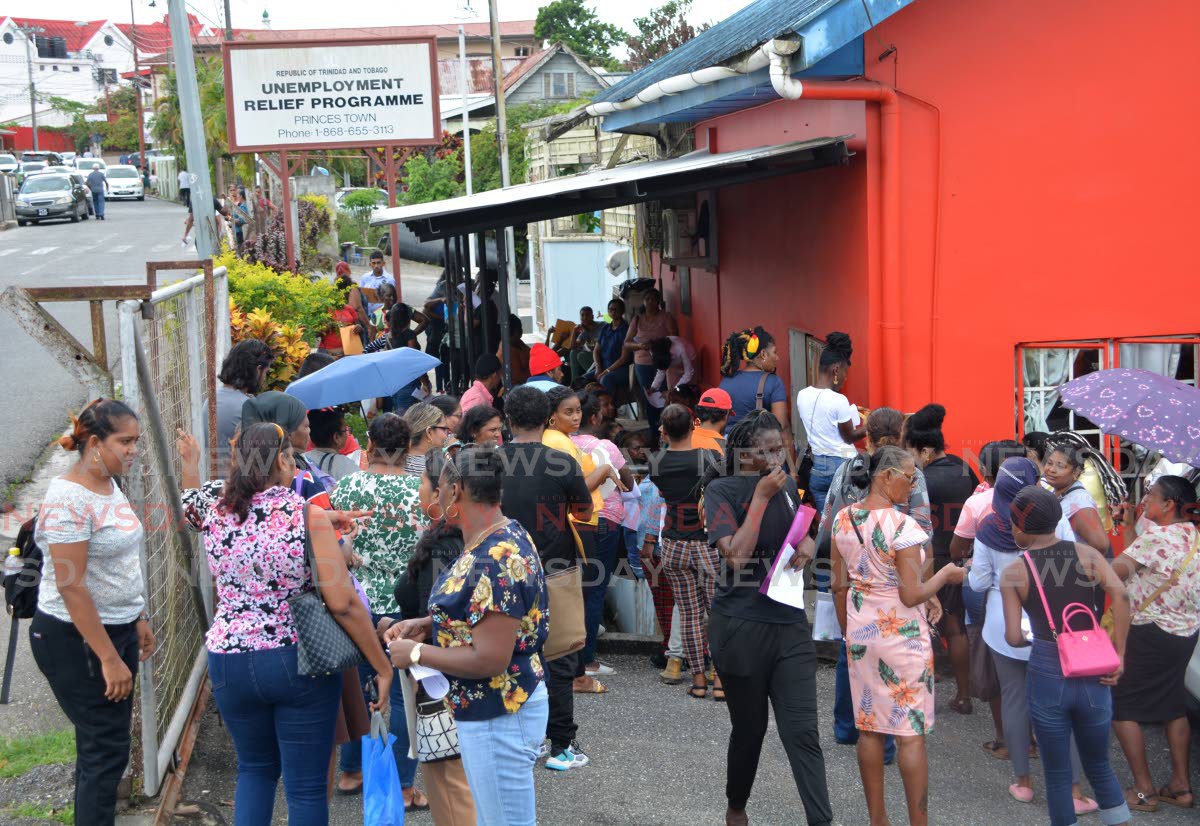
Creating sustainable livelihoods
Trinidad and Tobago has taken a bold step toward reshaping its labor landscape with the introduction of an Employment Fund, designed to transition workers from the Community-Based Environmental Protection and Enhancement Programme (CEPEP) and the Unemployment Relief Programme (URP) into full-time, higher-paying roles. This initiative marks a pivotal shift from dependency-driven schemes to sustainable livelihoods, aiming to address long-standing structural underemployment issues. However, the success of this reform hinges on its alignment with the evolving demands of the labor market and the strategic development of human capital. The 2026 budget underscores key sectors such as tourism, hospitality, digital services, agriculture, and creative industries as pillars of economic diversification. To capitalize on these opportunities, the Employment Fund must foster partnerships with training institutions, industry associations, and professional bodies to ensure workers are equipped with both technical and behavioral competencies. Additionally, the fund must embrace entrepreneurship as a viable pathway to economic empowerment, particularly for women and youth, by providing access to skills training, mentorship, and financial resources. A robust labor market intelligence system will be essential to track progress and ensure the fund remains responsive to workforce needs. Ultimately, this initiative represents more than economic reform; it is a commitment to human dignity, offering workers the tools to thrive in a rapidly changing economy.
-
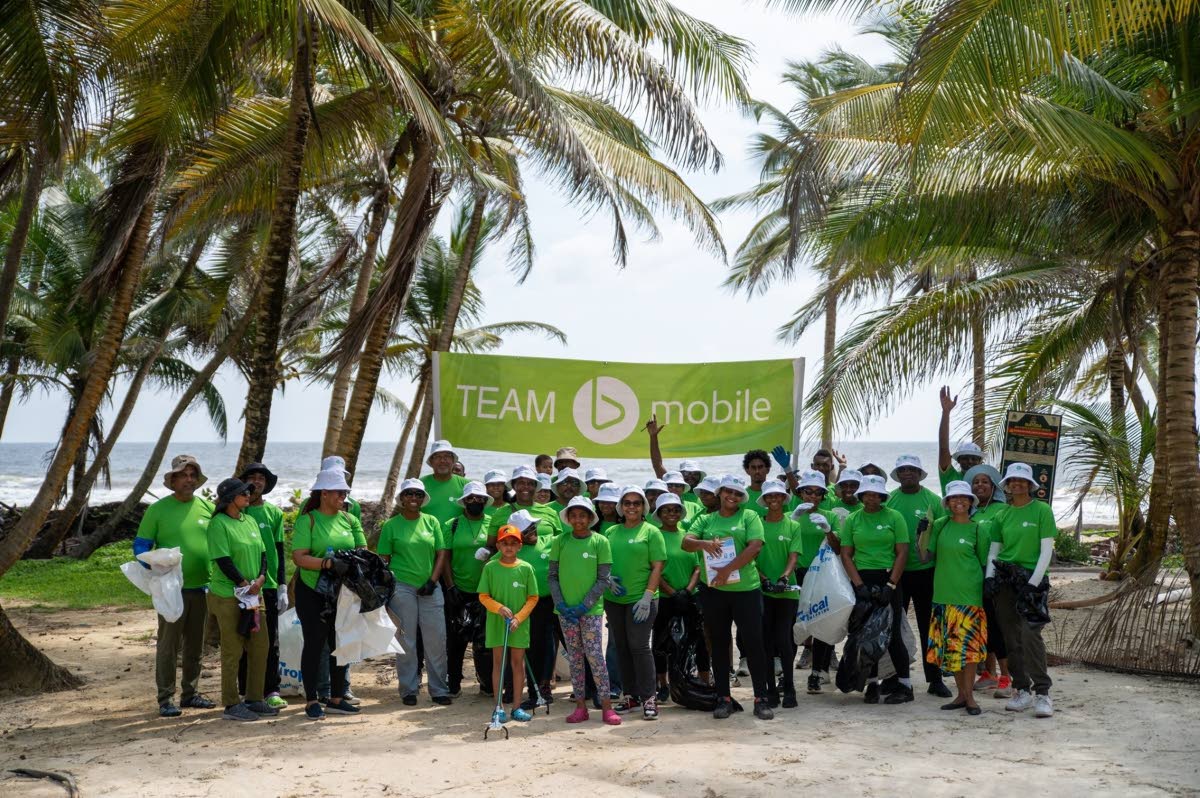
Bmobile joins global movement to protect oceans through coastal cleanup
In a significant environmental initiative, bmobile volunteers recently joined forces with Nature Seekers at Matura Beach, a protected turtle nesting site in Trinidad and Tobago, as part of the 2025 International Coastal Cleanup (ICC). The effort, which saw the removal of over 1,100 pounds of debris, underscores bmobile’s commitment to environmental sustainability and community engagement. Plastic bottles, fishing nets, food wrappers, and other non-biodegradable materials were collected, safeguarding the habitat of endangered leatherback turtles and other marine life. Anjanie Ramesar-Soom, bmobile’s corporate environmental and social responsibility specialist, emphasized the company’s broader vision of building stronger communities and a sustainable future. The cleanup is part of bmobile’s long-standing corporate social responsibility agenda, which includes coastal preservation as a key pillar. Vanessa Rampersad, a network performance systems engineer at TSTT, highlighted the importance of such efforts in protecting marine ecosystems and biodiversity. The 40th anniversary of the ICC, organized globally by Ocean Conservancy, saw data from local cleanups coordinated by the Caribbean Network for Integrated Rural Development (CNIRD) informing regional waste-management strategies. CNIRD’s executive director, Marissa Mohammed, praised bmobile’s consistent involvement, calling the company a ‘green pioneer.’ Nature Seekers’ tour coordinator, Larissa Hosein, expressed gratitude for bmobile’s support, noting the positive impact on Matura’s coastline. The cleanup was further supported by the Sangre Grande Regional Corporation, ensuring proper waste disposal. Matura, a globally recognized nesting site for leatherback and green sea turtles, plays a vital role in eco-tourism and local livelihoods. Through its participation in the ICC and annual volunteer programs, bmobile reaffirms its dedication to environmental stewardship and the global movement for cleaner, healthier seas.
-

Soroptimist International Esperance continues Period Positivity Project
Soroptimist International Esperance has made significant strides in addressing period poverty and menstrual stigma among adolescent girls in Trinidad. Initiated in 2021, the club’s research uncovered that many girls from impoverished backgrounds missed school during their menstrual cycles due to the inability to afford or access sanitary products. This revelation spurred the club into action, launching a comprehensive initiative to provide sanitary products, educate students, and advocate for policy changes to support menstrual health. The project, initially a three-year pilot, has been extended into its fourth year due to its critical need and remarkable success. The initiative targets schools such as ASJA Girls’ College Barrackpore, Debe Presbyterian Primary, and Picton Presbyterian Primary, with additional donations to Barrackpore West Secondary and Cedros Secondary. The club’s efforts align with several UN Sustainable Development Goals, including Good Health and Well-Being, Quality Education, Gender Equality, and Clean Water and Sanitation. Key achievements include a 12% improvement in school attendance among girls previously missing school due to menstruation, reduced stigma, and the establishment of Menstrual Pad Corners in schools. The club has also engaged in outreach drives, with members, including a 99-year-old volunteer, educating the public and soliciting donations. Corporate partners like Bryden Pi Ltd and Alston’s Marketing Company Ltd have contributed significantly, while individuals and organizations such as Digicel staff and local supermarkets have also supported the cause. Despite funding challenges, the club remains committed to advocating for government support and sustainable solutions, including the removal of import duties on sanitary products. Soroptimist International Esperance’s Period Positivity Project stands as a testament to the power of community-led efforts in promoting dignity, equality, and education for girls.