博客

  • Caught between Venezuela and US, Trinidad fishermen fear the sea

    Caught between Venezuela and US, Trinidad fishermen fear the sea

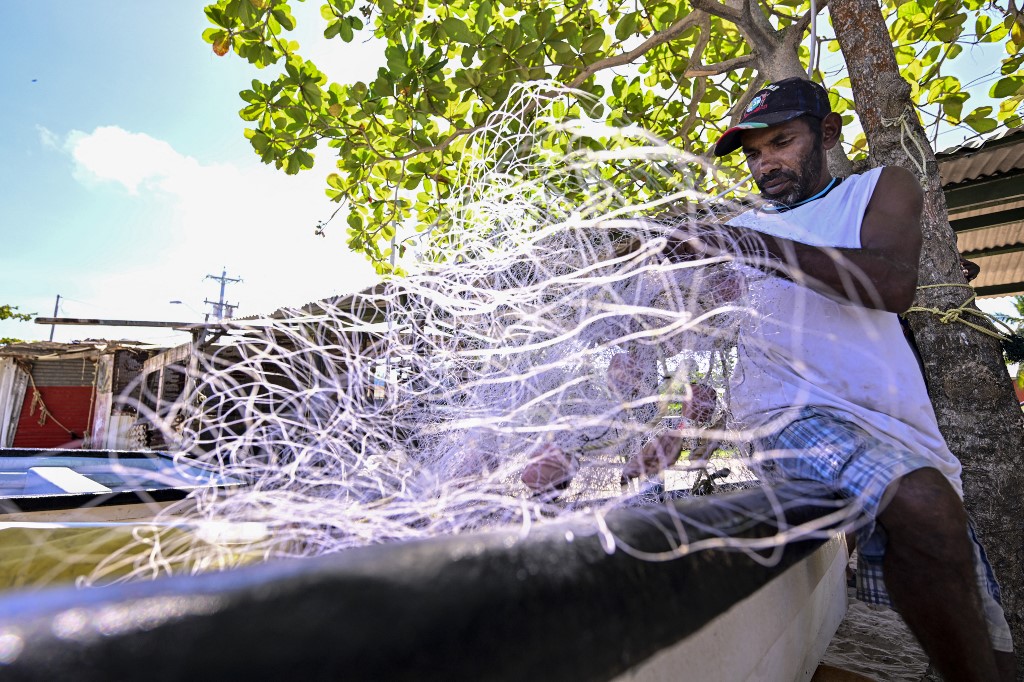
    In the tranquil village of Cedros, located in the extreme southwest of Trinidad, fishermen are grappling with an unprecedented crisis. Just a stone’s throw from Venezuela, these fishermen find themselves ensnared in the escalating tensions between Venezuela and the United States, exacerbated by recent US naval deployments and military exercises in the region. The once-peaceful waters have become a battleground of geopolitical strife, leaving the local fishing community in a precarious position.

    Fishermen in Cedros, who traditionally ply their trade in the serene waters of the Caribbean, now face heightened risks. Venezuelan coast guard patrols have intensified, reportedly repelling Trinidadian fishing vessels with violence and increasing incidents of extortion. This has severely curtailed their access to Venezuelan territorial waters, where they once operated undisturbed. As a result, their yields and incomes have dwindled, pushing many to the brink of economic hardship.

    The situation has been further complicated by US-led anti-drug operations in the Caribbean and Pacific, which have targeted boats allegedly involved in drug trafficking. These operations have claimed the lives of at least 62 individuals, including some Trinidadian fishermen, according to mourning families. While the Trinidadian government has not confirmed these identities, the fear of being mistakenly targeted has forced many fishermen to reduce their activities. ‘You have to take a chance,’ said Rakesh Ramdass, a 42-year-old fisherman. ‘But at sea, anything can happen.’

    The diplomatic standoff between the US and Venezuela has also strained relations between Trinidad and Tobago and its South American neighbor. Venezuelan President Nicolas Maduro has accused Trinidadian Prime Minister Kamla Persad-Bissessar of aligning too closely with the US, labeling the nation ‘an aircraft carrier of the American empire.’ This rhetoric has only heightened tensions, with Caracas viewing the US naval deployment as a potential precursor to regime change under the guise of anti-drug operations.

    For the fishermen of Cedros and nearby villages like Icacos, the situation is dire. Many have scaled back their activities, fearing both Venezuelan patrols and US-led operations. ‘Better safe than sorry,’ remarked Alexsi Soomai, a 63-year-old fisherman from Icacos. The village, a common arrival point for undocumented Venezuelan migrants, has also felt the ripple effects of the crisis. Families like that of Yacelis Garcia, who fled Venezuela six years ago, now rely solely on fishing for their livelihood. However, the current political climate has made even this precarious source of income increasingly uncertain.

    As the US-Venezuela tensions continue to simmer, the fishermen of Trinidad and Tobago remain caught in the crossfire, their lives and livelihoods hanging in the balance. The once-thriving fishing communities now face an uncertain future, with no end to the crisis in sight.


  • Hanover reels from Melissa’s devastating impact

    Hanover reels from Melissa’s devastating impact

    The Noel Holmes Hospital in Hanover, Jamaica, has sustained significant damage following the devastating impact of Hurricane Melissa, which struck the southwest of the island before moving across its western end on Tuesday. During a visit by the Jamaica Observer, it was observed that several key sections of the hospital, including the maternity ward, dietary department, and administrative block, had their roofs severely compromised. Despite the destruction, hospital staff demonstrated remarkable resilience, continuing to perform their duties, such as preparing meals and attending to patients, while also addressing the aftermath by clearing water and mopping floors in the dietary department. The nearby Hanover Health Department also suffered roof damage, further exacerbating the crisis. The hurricane’s wrath extended beyond healthcare facilities, causing widespread infrastructural devastation across the parish. Numerous buildings lost their roofs entirely or partially, while fallen trees and power lines obstructed several roads. Communication networks were severely disrupted, leaving many residents unable to make calls or access the internet. Some individuals reportedly traveled to Montego Bay to use their mobile phones for communication. Additionally, downed utility poles led to widespread electricity outages, and a section of the Sandy Bay Main Road sea wall collapsed, causing the sidewalk to cave in. The community of Hanover now faces the daunting task of recovery and rebuilding in the wake of this natural disaster.

  • Radio legend Barry G dies aged 70

    Radio legend Barry G dies aged 70

    Barrington “Barry G” Gordon, a celebrated Jamaican broadcaster renowned for his vibrant personality and dynamic radio presence, passed away on October 29 at Savanna-la-Mar Hospital in Westmoreland. He was 70 years old. His long-time friend, Michael Chambers, confirmed the news, attributing his death to pneumonia. Barry G, a graduate of Kingston College, began his illustrious career at the Jamaica Broadcasting Corporation (JBC) in the late 1970s. He quickly rose to prominence with his Saturday night show, the Boogie Down Show, and later became Jamaica’s top disc jockey in the 1980s with his four-hour program, 2 To 6 Supermix. Barry G’s eclectic taste in music, spanning reggae and beyond, endeared him to audiences worldwide. His legendary radio clashes with British DJ David Rodigan, starting in 1983, catapulted him to international fame, particularly in dancehall-reggae markets in the U.S., U.K., and Japan. After leaving JBC in 1987, he continued his career at Radio Jamaica, Power 106, KLAS FM, and Hot 102, enjoying a resurgence at Mello FM in Montego Bay, where he worked for 11 years until 2021. In 2010, Barry G was honored with the Order of Distinction, Jamaica’s sixth-highest accolade, for his contributions to broadcasting.

  • Privy Council: Las Alturas CoE treated Calder Hart unfairly

    Privy Council: Las Alturas CoE treated Calder Hart unfairly

    In a landmark decision, the Privy Council has upheld a 2023 Court of Appeal ruling in favor of Calder Hart, former chairman of Udecott, affirming that he was denied natural justice during the 2016 Las Alturas commission of enquiry (CoE). The commission had blamed Hart for the collapse of the Morvant housing project, but the Privy Council, led by Lord Clark and supported by Lords Sales, Leggatt, Lady Rose, and Lady Simler, ruled on October 30 that the commission breached Hart’s right to procedural fairness by publishing adverse findings without allowing him to respond. The judges emphasized that natural justice requires individuals to be given the opportunity to defend themselves against criticism, a principle that was violated in Hart’s case. The commission’s findings, which held Hart personally accountable for the project’s failure, were quashed, as they were deemed to have been arrived at in breach of natural justice. The Las Alturas project, plagued by landslides and structural failures, resulted in significant public losses and the demolition of two apartment buildings. The Privy Council’s ruling underscores the importance of fairness in judicial processes, regardless of an individual’s participation in an inquiry. The commission’s appeal, arguing that Hart had declined to participate and that fairness did not require prior notice, was dismissed. The Privy Council also rejected the commission’s claim that extending the inquiry to allow Hart to respond would have been inappropriate, stating that the seriousness of the findings demanded prior warning. This ruling reaffirms the fundamental principle that no one should be condemned unheard.

  • NH International loses Privy Council appeal over MoE piling job

    NH International loses Privy Council appeal over MoE piling job

    In a landmark ruling, the Privy Council has dismissed an appeal by NH International (Caribbean) Ltd, affirming that Gordon Winter Company Ltd is entitled to payment for piling work completed at the Ministry of Education building site in 2006. The dispute, which has spanned over a decade, centered on unpaid work performed by Gordon Winter, a subcontractor hired for the ten-story project. The case highlights the complexities of construction contracts and the legal principles governing payment disputes. The piling work, which proved more challenging than anticipated due to adverse soil conditions, required variations from the original specifications. While Gordon Winter was compensated for some of its work, payments ceased after April 2006, prompting the company to halt operations in June of that year. Gordon Winter sought payment on a contractual quantum meruit basis, arguing that NH International had been unjustly enriched by its work. NH International, however, counterclaimed that Gordon Winter had breached the contract by abandoning the project. The Privy Council, led by Lord Burrows, rejected NH’s arguments, emphasizing that Gordon Winter’s claim for payment was valid under the contract. The ruling upheld the Court of Appeal’s decision, which had reduced NH’s damages for delay to $350,000 and referred Gordon Winter’s claims for additional costs to a master in chambers for assessment. The Privy Council’s decision underscores the importance of honoring contractual obligations and ensuring fair compensation for work performed, even in cases where procedural complexities arise. The judgment also reaffirms the principle that parties cannot be denied payment for work clearly executed under contract, regardless of technical legal arguments.

  • Southcom to lend assistance in providing hurricane relief to Jamaica

    Southcom to lend assistance in providing hurricane relief to Jamaica

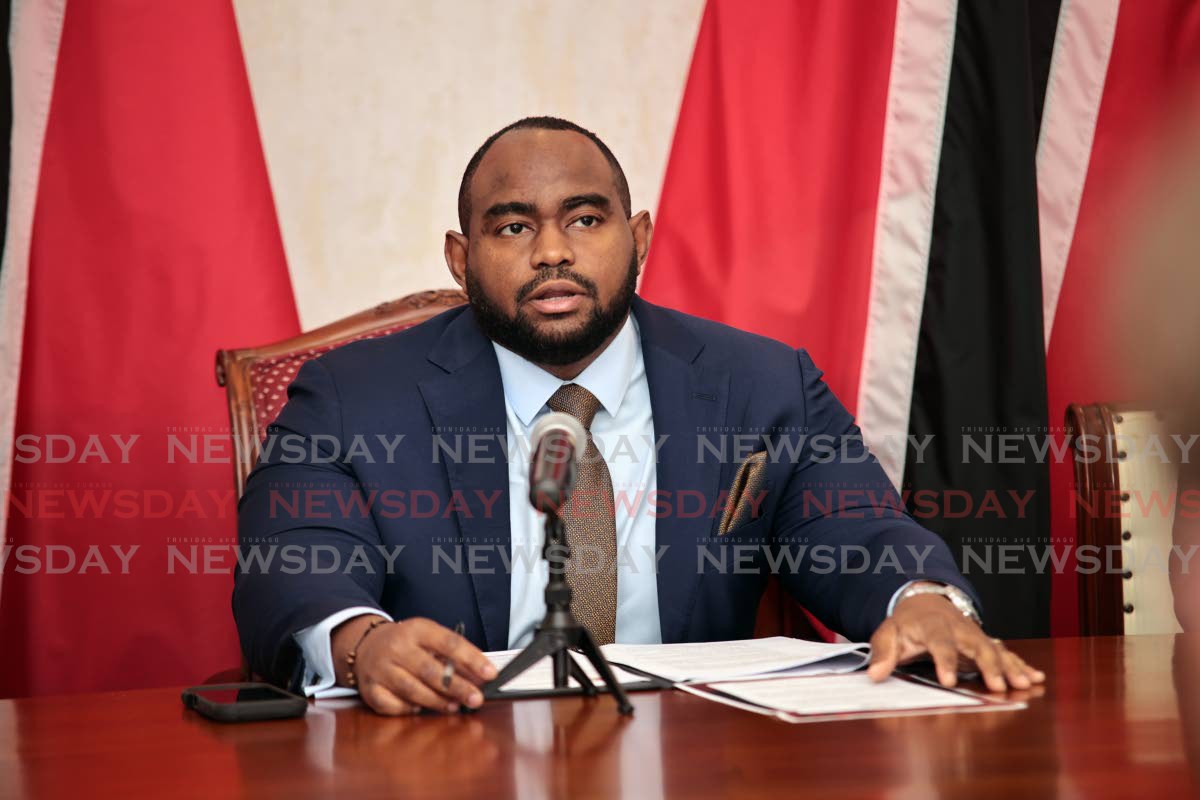
    In the aftermath of Hurricane Melissa, which struck Jamaica on October 28, the United States Southern Command (Southcom) has emerged as a key player in facilitating relief efforts from Trinidad and Tobago. The devastating storm prompted a swift response, with relief supplies and personnel being mobilized from various sources. During a post-cabinet meeting at the Diplomatic Centre in St Ann’s on October 30, Trinidad and Tobago’s Minister of Foreign Affairs, Sean Sobers, highlighted Southcom’s involvement in the relief operations. Sobers stated, ‘We have liaised with Southcom to assist in transporting personnel and heavy equipment, such as generators and water tanks, to Jamaica.’ This announcement followed the Prime Minister’s oversight of the initial shipment of relief items to the hurricane-ravaged island. Southcom, a branch of the US military tasked with executing President Donald Trump’s anti-narco trafficking initiatives in the region, has been active in the Caribbean. In August, the US deployed three Aegis guided-missile destroyers off Venezuela as part of its efforts to combat drug cartels. The USS Gravely, one of these vessels, recently concluded a five-day visit to Trinidad and Tobago, though its role in the relief efforts remains unclear. The ship reportedly conducted training exercises with the local Defence Force during its stay. Southcom’s presence in the region has led to 14 strikes on alleged drug-smuggling boats, resulting in 61 fatalities.

  • Holy Halloween

    Holy Halloween

    During a recent visit to a residential neighborhood, I was struck by the sight of nearly 100 children, accompanied by their parents and siblings, dressed as vampires, ghosts, Frankenstein, and werewolves. They carried pumpkin-shaped containers, moving from house to house collecting sweets. A quarter of the adults also wore costumes, with many items purchased locally or online. This scene, reminiscent of an episode of *Twilight Zone*, highlighted the growing appeal of Halloween, a celebration that has evolved from a niche subculture to a mainstream, almost sacred event. A resident explained that while community efforts to celebrate Divali, Eid, and Christmas had poor turnouts, Halloween’s trick-or-treating had captured the neighborhood’s imagination. When I asked children about local folklore like Papa Bois, they were clueless, with one parent dismissing such tales as “evil.” This experience underscored how Halloween’s joyous celebration has been decades in the making, fueled by a steady diet of horror movies and novels. Films like *Halloween*, *The Exorcist*, and *Twilight* have romanticized horror, while slasher movies have normalized violence. Studies, such as one published in *Media Psychology* in 1999, reveal that such media can cause residual anxiety and even symptoms akin to PTSD. NeuroLaunch’s 2023 article further emphasized the mental health risks, including phobias. The Caribbean, too, faces the impact of this cultural imperialism, with local horror movies mirroring the violence and gore of Hollywood. While some argue that Halloween fosters social interaction and creativity, its normalization of violence and desensitization to real-life horrors raise critical questions. As Halloween’s popularity grows, it may soon find its way into school curricula or even become a public holiday, marking its transformation from a fringe event to a cultural cornerstone.

  • Business sector weighs in on warship arrival, Venezuela fallout

    Business sector weighs in on warship arrival, Venezuela fallout

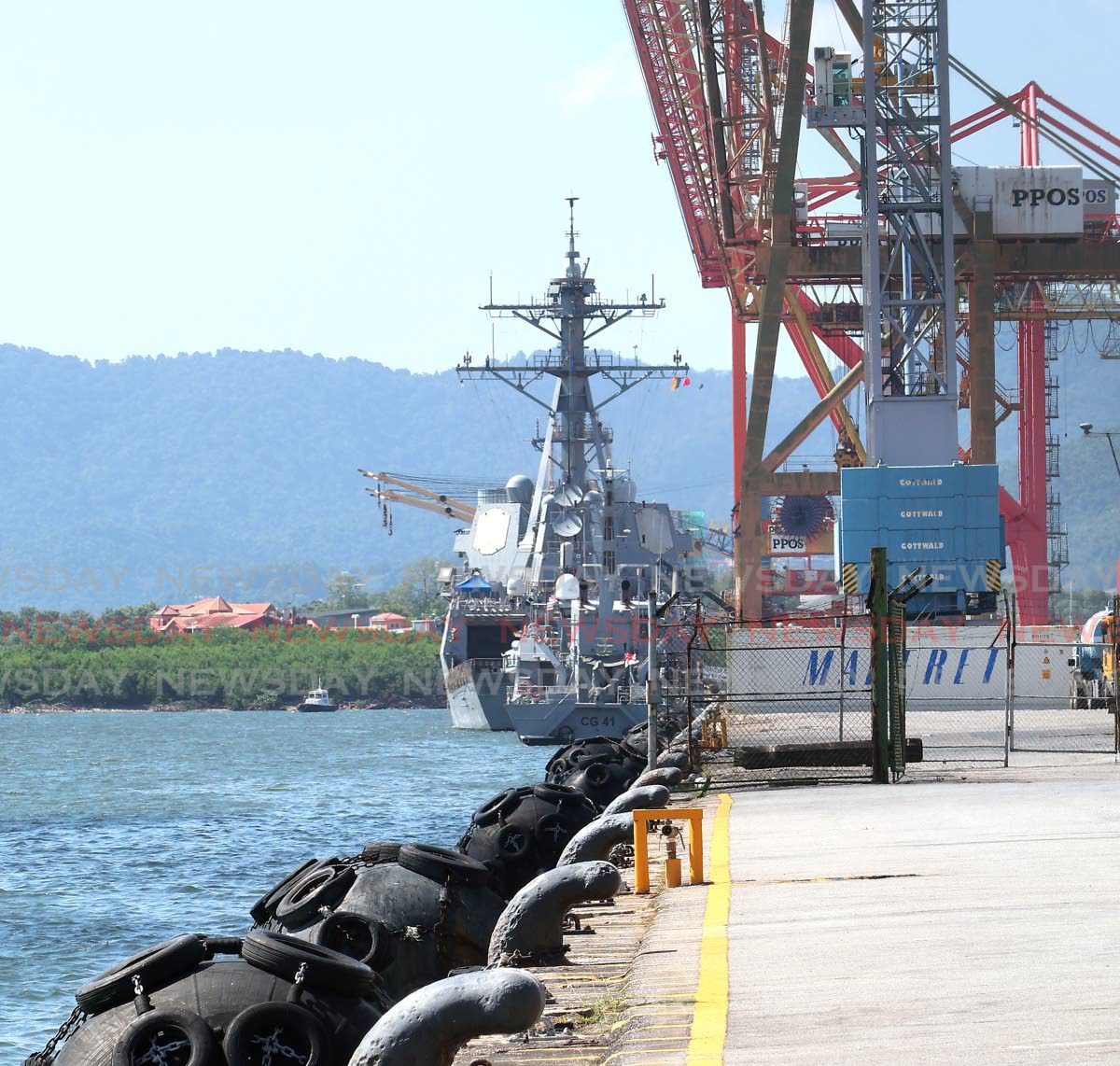
    The temporary docking of the USS Gravely, a United States Navy guided-missile destroyer, at the Port of Spain from October 26 to October 30 has caused significant disruptions to commercial operations and reignited discussions about Trinidad and Tobago’s (TT) delicate geopolitical position between the US and Venezuela. The vessel’s presence for joint training exercises with the TT Coast Guard led to the redirection of several cargo ships to the Port of Point Lisas, a move coordinated by the Port Authority of TT, the Port of Spain, and the Point Lisas Industrial Port Development Corporation (Plipdeco). While this mitigated extensive logistical delays, it incurred additional costs and raised concerns among business chambers about future risks. The TT Chamber of Industry and Commerce reported moderate delays in cargo clearance and increased operational costs, urging the government to implement temporary relief measures such as waiving demurrage charges and expediting time-sensitive cargo clearance. The chamber emphasized the need for improved port infrastructure and contingency planning to address vulnerabilities. Meanwhile, the Greater Tunapuna Chamber of Industry and Commerce highlighted logistical challenges and higher transport costs, warning that such disruptions could impact the Christmas season’s economic activity. The situation is further complicated by new fiscal measures set to double customs and clearance fees in January, adding to importers’ burdens. Geopolitical tensions between the US and Venezuela have also escalated, with Venezuela suspending energy agreements with TT and declaring Prime Minister Kamla Persad-Bissessar persona non grata. The Energy Chamber of TT has called for a renewed focus on domestic gas production to ensure energy security, emphasizing the need for reliable gas supplies for petrochemical plants and LNG facilities. The business community has expressed caution, warning that port disruptions, fee increases, and suspended energy deals could weaken investor confidence and challenge TT’s role as a regional energy hub.

  • The two faces of government’s NIS policy

    The two faces of government’s NIS policy

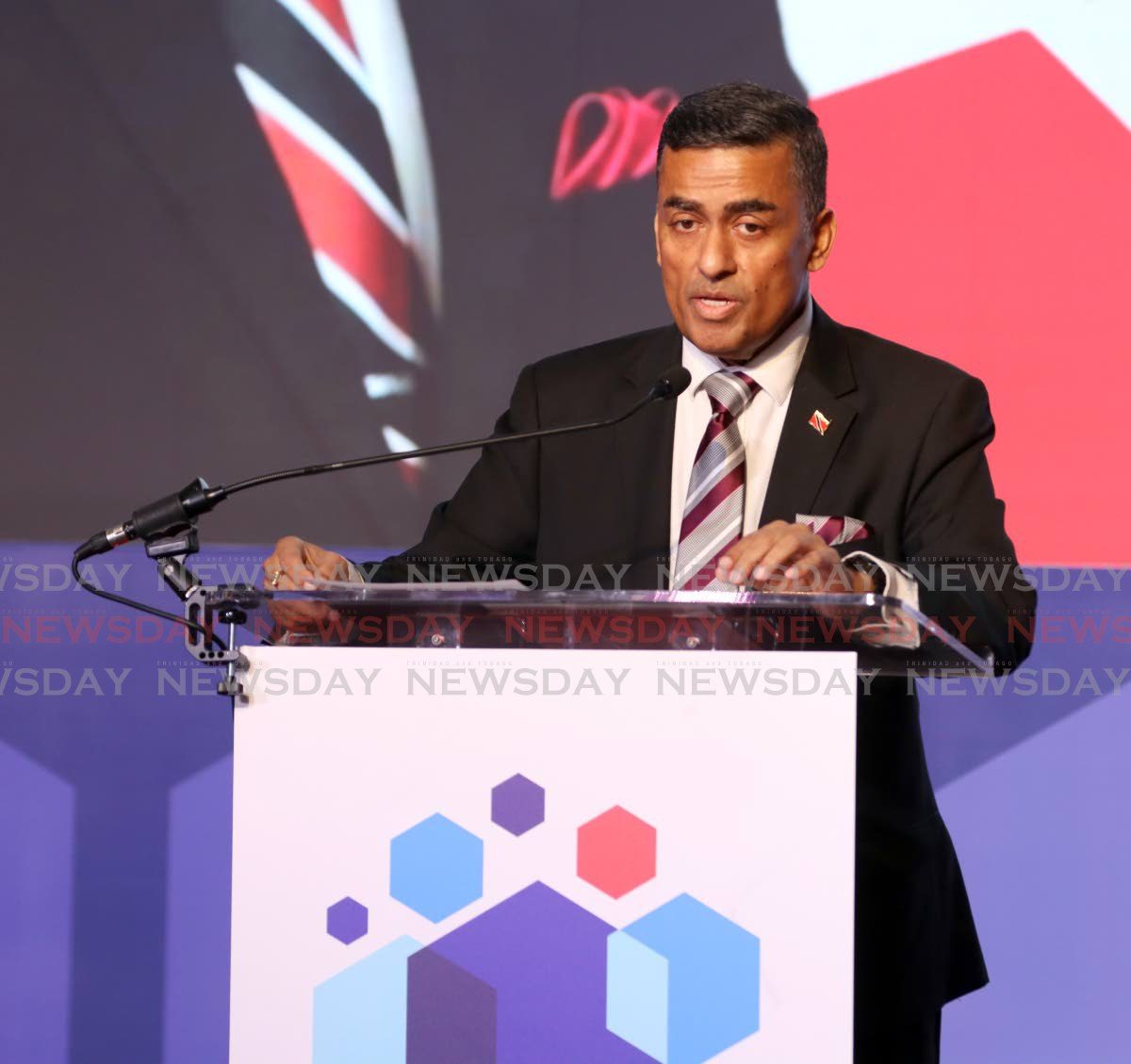
    In a bid to address the looming crisis facing Trinidad and Tobago’s National Insurance System (NIS), Finance Minister Davendranath Tancoo has unveiled a dual strategy that balances immediate reforms with a broader call for financial independence. Speaking at the TT Stock Exchange Capital Markets Investor Conference in Port of Spain on October 24, Tancoo outlined a phased increase in NIS contributions over two years, followed by a gradual rise in the retirement age over a decade. These measures aim to stabilize the fund, which actuarial forecasts warn could collapse within years due to demographic shifts and financial strain. While the incremental approach seeks to mitigate the impact on workers and employers, concerns linger about potential effects on wages, employment, and inflation. Simultaneously, Tancoo issued a stark warning to citizens, urging them not to rely solely on the NIS for their financial security. ‘What we need is more participation, more people investing, more people saving, more people building wealth,’ he emphasized, signaling a shift away from traditional state-supported safety nets. This dual stance reflects the government’s nuanced approach to safeguarding the NIS while encouraging private financial engagement. However, critics argue that promoting private equity investments contradicts the NIS’s foundational principles of universality, risk-sharing, and income redistribution. With over 600,000 beneficiaries, the NIS remains a cornerstone of the nation’s social safety net. Tancoo’s next steps should focus on expanding coverage to the self-employed, enhancing compliance, and addressing dual coverage, as recommended in the ILO’s 2020 Actuarial Review, to ensure the system’s long-term viability.

  • Supreme, appeal and six parish courts resume sittings on Monday

    Supreme, appeal and six parish courts resume sittings on Monday

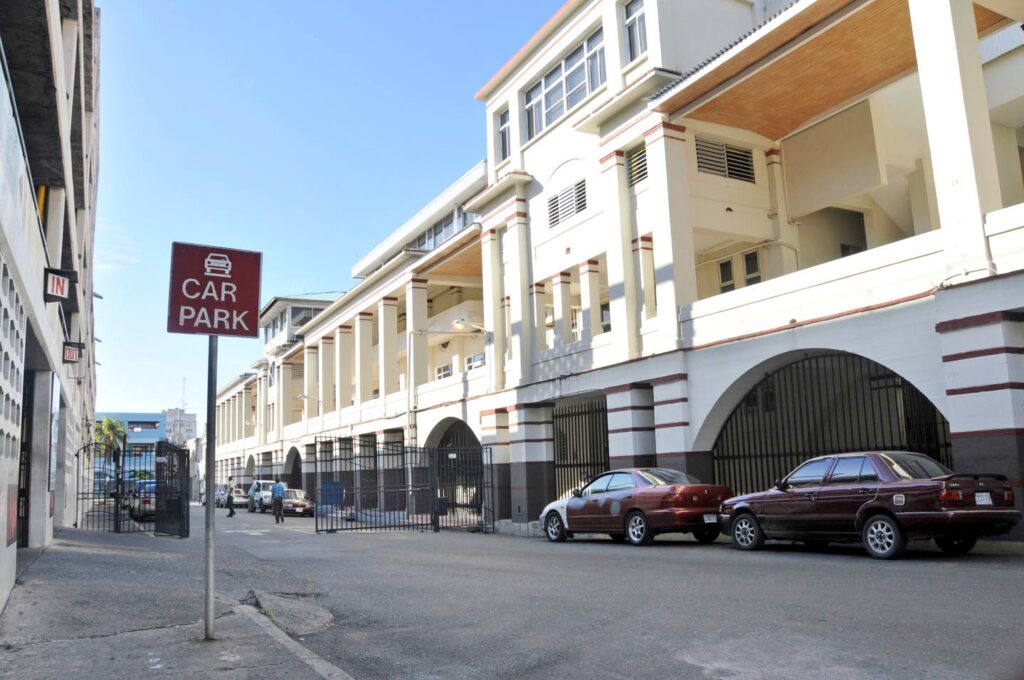
    The Jamaican Judiciary has announced the resumption of court operations across multiple jurisdictions starting Monday, November 3, 2025, following the aftermath of Hurricane Melissa. Among the courts reopening are the Court of Appeal, the Supreme Court at Public Building East on King Street in Kingston, and the High Court Division of the Gun Court. Additionally, six parish courts will resume their activities, including specialized courts such as Family, Coroners, Special Coroners, Traffic, and Parish Courts in Kingston and St Andrew. Courts in Manchester, Clarendon, St Thomas, Portland, and St Mary (excluding Richmond) will also reopen. Both criminal and civil cases will proceed as scheduled, with matters postponed during the week of October 27–31 being rescheduled. Affected parties will be notified of new dates, which will also be published on the official social media pages and websites of the Jamaican Judiciary.