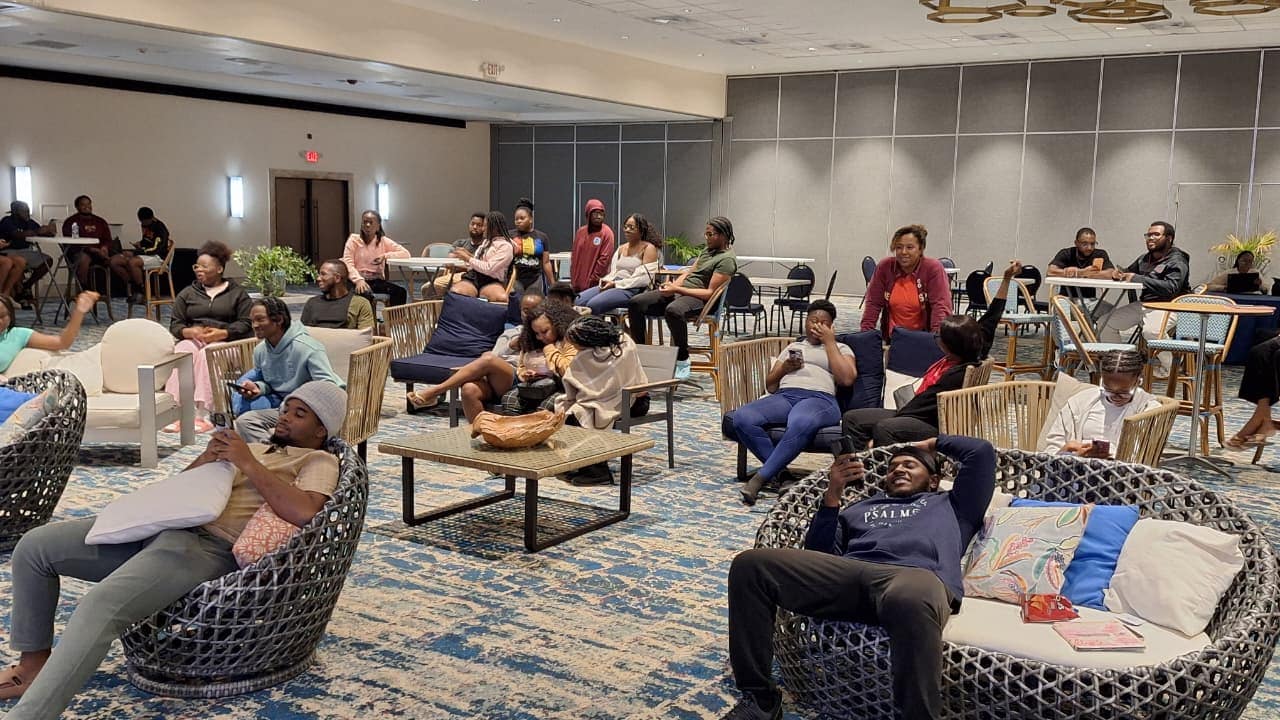
In the aftermath of Hurricane Melissa, which struck Jamaica on Tuesday, all 53 students from Antigua and Barbuda studying in the country have been confirmed safe. Maurice Merchant, the Director of Communications and Coordinator of the Prime Minister’s Scholarship Programme, provided reassurance that the students, who were sheltered at the Pegasus Hotel in Kingston, remained unharmed. They will continue to stay at the hotel until classes at the University of the West Indies resume on Monday. Merchant also reported that while some students in Montego Bay experienced structural damage to their accommodations, none sustained injuries. Prime Minister Gaston Browne closely monitored the situation during the storm and expressed gratitude, stating, ‘We thank God for sparing their lives and for keeping them safe.’ The swift response and effective coordination ensured the safety of all students, highlighting the importance of preparedness during natural disasters.
博客
-

The Fourth Estate and the Caribbean Sea
The notion of press freedom does not absolve journalism of its responsibilities. Recent narratives suggesting that the United States has ‘finally come to save the Caribbean’ are not merely misguided but dangerously misleading. Such rhetoric romanticizes external militarization in regional waters, conveniently overlooking how historical ‘assistance’ has often morphed into control. This narrative subtly shapes public consent, normalizing foreign military presence as benevolent intervention, thereby encouraging the Caribbean populace to relinquish control over their own peace and security. This is particularly alarming given the U.S.’s renewed ‘war on drugs’ doctrine, which has led to lethal-force interdictions in Caribbean maritime space. These actions starkly contrast with CARICOM’s commitment to maintaining the region as a ‘Zone of Peace,’ highlighting a troubling disparity between rhetoric and reality. History offers stark reminders of the consequences of foreign intervention: from the Dominican Republic in 1965 to Haiti in the 1990s, external forces have consistently prioritized strategic advantage over Caribbean sovereignty. The current militarization, framed as protection, is a continuation of this pattern. Fragmentation among CARICOM members exacerbates vulnerability, weakening the region’s collective bargaining power and making sovereignty negotiable. Legal arrangements like Shiprider Agreements further intensify this exposure, granting foreign authorities extensive powers, including drone surveillance and lethal targeting. These realities demand informed regional leadership, both political and journalistic. The media must document foreign military activities, scrutinize enabling agreements, contextualize current actions within historical patterns, ensure transparency, and reinforce that sovereignty is a daily practice, not a mere slogan. If regional media and leadership fail to confront these patterns with clarity and courage, the ‘Zone of Peace’ may only be recognized in hindsight as the first casualty of a silence mistaken for diplomacy.
-

LETTER: A Change in the Way We Discipline
The essence of education lies not in imposing control but in igniting curiosity and growth. However, in many schools, outdated disciplinary methods, such as corporal punishment, continue to overshadow this ideal. For instance, students are often subjected to physical punishment for minor infractions like tardiness—a practice that seems more regressive than constructive.
Such methods raise critical questions about the alignment of school discipline with real-world expectations. In professional environments, tardiness might result in a written warning, a pay deduction, or a discussion, but never physical harm. Why, then, should educational institutions, which are meant to foster development and learning, resort to such measures? We live in an era that has moved beyond the oppressive systems of the past, having fought for independence not just politically but also mentally, rejecting the notion that violence equates to discipline.
Physical punishment may instill fear, but fear does not cultivate responsibility. Instead, it stifles voices, breeds resentment, and teaches young minds that pain is the cost of correction. There are more effective alternatives. Schools can encourage reflection by engaging late students in meaningful conversations about the value of time or assigning them tasks that build character rather than shame.
True discipline should shape individuals, not leave lasting scars. If schools aim to prepare students for life, their lessons must stem from respect, not fear. As the saying goes, ‘Violence may control a body, but respect reaches the soul.’ It is high time that educational institutions prioritize reaching souls over enforcing compliance.
-
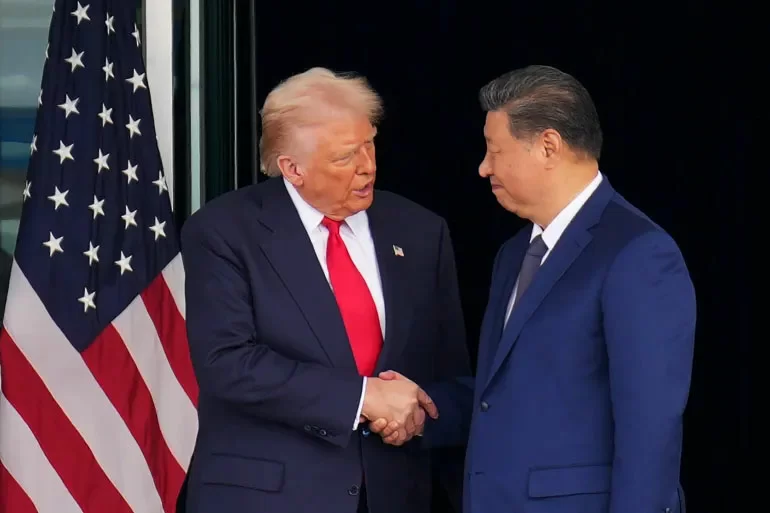
Trump en Xi sluiten handelsakkoord en verminderen spanningen in felle VS-China rivaliteit
In a significant diplomatic breakthrough, US President Donald Trump and Chinese President Xi Jinping have agreed to a one-year truce in their protracted trade war. The agreement was reached during a bilateral meeting at the Asia-Pacific Economic Cooperation (APEC) summit held in Busan, South Korea. This marks the first face-to-face discussion between the two leaders since 2019 and provides a much-needed reprieve for businesses affected by months of escalating trade tensions.
The truce includes several key provisions: China has agreed to delay its planned export restrictions on rare earth metals, while the US will refrain from imposing a threatened 100% tariff on Chinese goods. Additionally, President Trump announced a reduction in tariffs on fentanyl-related products from 20% to 10%, following President Xi’s commitment to curb the supply of the synthetic opioid. Trump hailed the agreement as ‘great’ during his Asia tour, emphasizing that ‘there is no obstacle for rare earth metals anymore.’ China also pledged to purchase ‘massive amounts’ of American soybeans.
Despite these developments, many trade barriers remain in place, and underlying disputes between the two nations remain unresolved. Analysts describe the agreement as a ‘pause and a small rollback’ rather than a resolution, with both sides temporarily halting their trade hostilities while adhering to the terms of the truce. Dennis Wilder, a former CIA and White House China expert, noted that the deal represents a temporary ceasefire rather than a long-term solution.
Market reactions were cautious, with major Asian stock indices in Hong Kong, Shanghai, and Sydney closing lower, while Japan’s Nikkei 225 remained unchanged. Investors expressed uncertainty about the durability and comprehensiveness of the agreement. However, the suspension of rare earth metal export restrictions was viewed positively by market experts, as these materials are critical for producing smartphones, electric vehicles, and military aircraft.
Trade experts have characterized the agreement as a ‘partial freeze’ or ‘small rollback’ in the trade war. The deal includes an annual review mechanism, allowing both countries to reassess their trade relationship and purchasing power each year. Cameron Johnson of Tidalwave Solutions in Shanghai described the agreement as ‘likely the best outcome both parties could achieve under the current circumstances,’ but warned that uncertainties surrounding implementation and annual evaluations could continue to influence the trade conflict in the future.
-
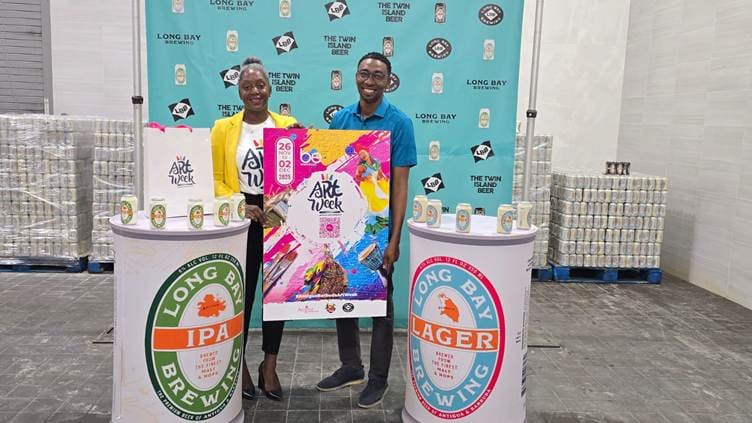
Long Bay Brewing commits to culture and community as gold sponsor for Antigua and Barbuda Art Week
Long Bay Brewing, Antigua and Barbuda’s latest brewery, has pledged its dedication to fostering local culture and community by joining forces with the Antigua and Barbuda Tourism Authority (ABTA) as the Gold Sponsor for Antigua and Barbuda Art Week 2025. The partnership was officially unveiled at the brewery’s Long Bay venue, where representatives from both organizations convened to celebrate the collaboration. Calbert Francis, a spokesperson for Long Bay Brewing, expressed enthusiasm for the initiative, stating, ‘We are excited to back an event that showcases the artistic talents of our people. As a new player in the brewing industry, this partnership provides us with a unique opportunity to engage with the community and play a role in the enrichment of our local culture.’ Scheduled from November 26 to December 2, 2025, Antigua and Barbuda Art Week will revolve around the theme ‘Culture in Colour.’ The event promises a vibrant lineup of activities, including art exhibitions, live performances, cultural bus tours, and interactive community events across the nation. For additional details about the event, visit the official website.
-
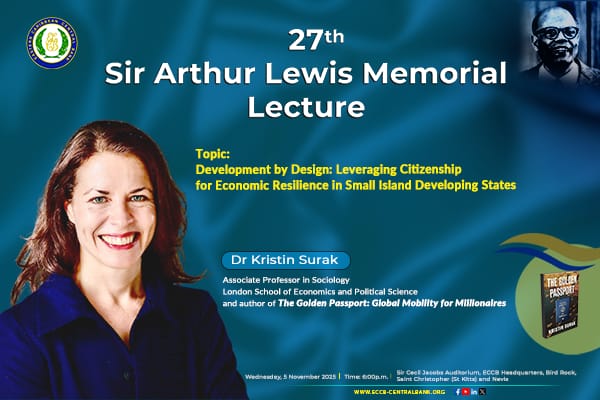
Globally Recognised CBI/CIP Expert to Deliver
The Eastern Caribbean Central Bank (ECCB) is set to host its 27th Sir Arthur Lewis Memorial Lecture on Wednesday, November 5, at 6:00 p.m. in the Sir Cecil Jacobs Auditorium, located on the ECCB Campus in Saint Christopher and Nevis. This year’s lecture will be delivered by Dr. Kristin Surak, a renowned expert on citizenship by investment (CBI/CIP) and Associate Professor in Sociology at the London School of Economics and Political Science. The event will focus on the theme, ‘Development by Design: Leveraging Citizenship for Economic Resilience in Small Island Developing States.’
Dr. Surak, author of the influential book *The Golden Passport: Global Mobility for Millionaires*, has established herself as a leading authority on how nations generate revenue through citizenship programs, how affluent individuals utilize these programs to enhance global mobility, and the broader implications for development, inequality, and economic resilience. Her insights are particularly relevant to the Eastern Caribbean Currency Union, where CBI/CIP programs are integral to financing economic transformation and fostering resilience.
The lecture series commemorates the legacy of Sir Arthur Lewis, a Nobel Laureate whose groundbreaking work in development economics continues to inspire strategies for resilience in small states. Dr. Surak’s presentation aligns with this vision, offering timely perspectives on the role of citizenship investment in economic sustainability.
The event coincides with the ECCB’s initiative to establish the Eastern Caribbean Citizenship by Investment Regulatory Authority, aimed at enhancing governance, transparency, and long-term sustainability of CBI/CIP programs across the region. The lecture will be livestreamed on ECCB Connects’ YouTube channel, making it accessible to a global audience.
-

Broeierige dag met buien in de middag
Suriname is set to experience a sweltering and predominantly oppressive day today, with high humidity and minimal wind intensifying the heat. The morning will remain dry across most districts, with sunny intervals particularly along the coastal stretch from Paramaribo to Nickerie. The perceived temperature is expected to rise rapidly, reaching between 34 to 35 degrees Celsius. As the afternoon progresses, the likelihood of localized rain showers and thunderstorms will gradually increase, especially in inland regions such as Brokopondo, Sipaliwini, and Marowijne. These showers may be brief but intense, potentially accompanied by gusty winds and thunder. Along the coast, the weather will remain mostly cloudy with a chance of isolated showers later in the afternoon, particularly in the Commewijne and Para areas. The evening will continue to be warm and muggy, with temperatures only slightly dropping to a minimum of around 24 degrees Celsius, despite any passing showers.
-
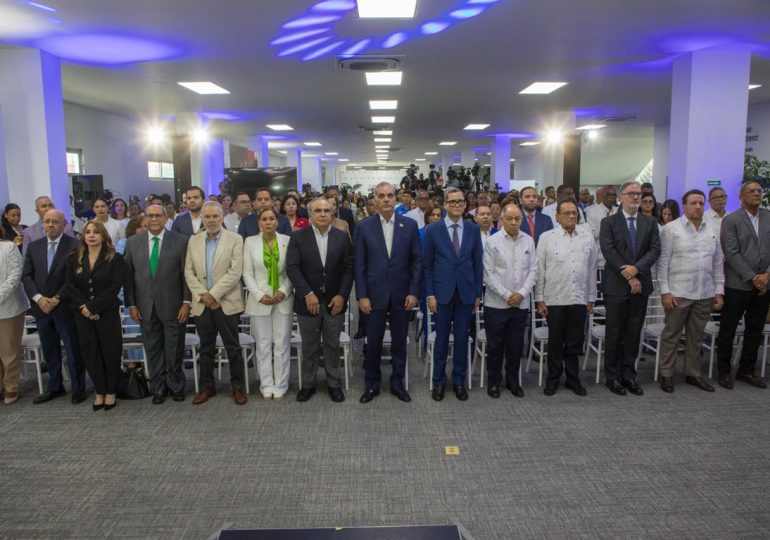
Government launches “RD-Trabaja” with 7,000 job opportunities for Dominicans
Santo Domingo witnessed a significant economic development this Thursday as President Luis Abinader unveiled the ‘RD-Trabaja’ program alongside the expansive job fair titled ‘Tu empleo está aquí’ (Your Job Is Here). The initiative, designed to fortify the national economy through quality employment, features 66 companies offering 7,012 formal job positions across the Dominican Republic. President Abinader underscored the program’s importance, citing both local and foreign investments as indicators of a robust labor market. Notably, the Mexican company Moon Palace is set to create 3,500 jobs, further validating the growing confidence in the country’s economic prospects. The president also revealed plans to extend the program beyond Santo Domingo, with two new industrial buildings slated for inauguration in San Juan’s Free Trade Zone, promising immediate employment opportunities. The Ministry of Labor and INFOTEP have played pivotal roles in bridging the gap between job seekers and employers, offering technical training to streamline the hiring process. The job fair, held at the UNICARIBE Convention Center on the 30 de Mayo Highway, operates from 9:00 a.m. to 5:00 p.m., showcasing vacancies in the hotel, industrial, and service sectors.
-
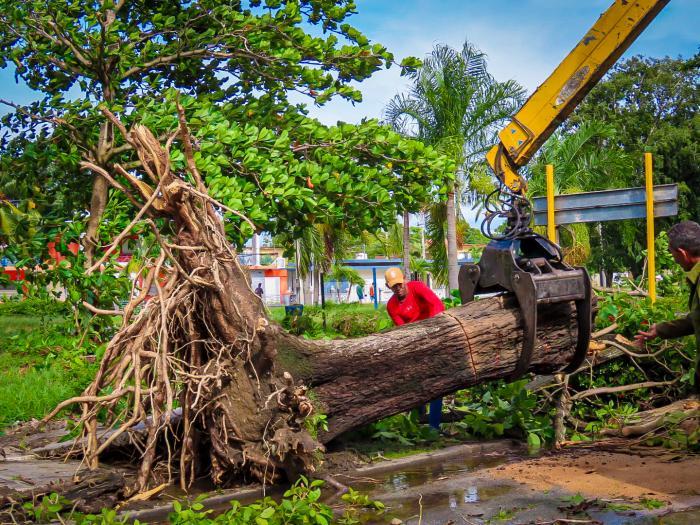
Two Cuban victories for life
In a televised address during the National Defense Council meeting, President Miguel Díaz-Canel Bermúdez highlighted Cuba’s triumph in protecting its eastern provinces from the devastating impact of Hurricane Melissa. He emphasized the nation’s unity and resilience in the face of adversity, calling it a defense of life against a ‘deceitful and cynical empire.’ The President acknowledged the ongoing challenges posed by the hurricane’s aftermath, including strong winds, heavy rains, and potential health risks, urging continued vigilance and coordinated efforts to restore essential services and infrastructure. He praised the efforts of the Cuban people and the Party, stating, ‘Today we are all Fidel and Raúl. Today we are all the Party of unity defending life.’ Meanwhile, Cuba received overwhelming international support at the United Nations, with 165 countries voting to end the U.S. economic, commercial, and financial blockade. Despite aggressive diplomatic maneuvers by the U.S. to sway votes, the resolution passed with a significant majority, marking a symbolic victory for Cuba and a blow to imperialist policies. The vote underscored global solidarity with Cuba and exposed the futility of the U.S. blockade, which has been widely condemned as a form of economic warfare.
-
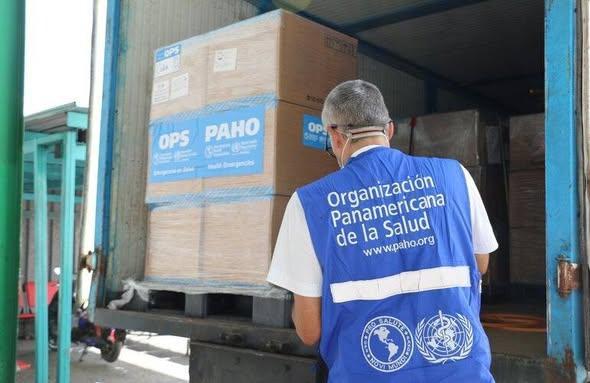
Pan American Health Organization Strategic Reserve in Panama sends aid to those affected by Hurricane Melissa in Cuba
In a significant humanitarian effort, the Pan American Health Organization (PAHO) has dispatched a 2.6-ton shipment of emergency supplies to regions devastated by Hurricane Melissa. The aid, sourced from PAHO’s Strategic Reserve in Panama, includes nine comprehensive emergency kits stocked with essential medicines, surgical supplies, basic medical equipment, and consumables. Additionally, the shipment contains 42,000 chlorine tablets, capable of purifying up to 8 million liters of water, ensuring access to safe drinking water for affected communities. This initiative is part of the Central Emergency Response Fund’s anticipatory action mechanism, designed to provide swift and targeted support in crisis situations. PAHO is collaborating closely with local authorities to assess ongoing needs and expand assistance efforts accordingly. The timely delivery of these critical supplies underscores the organization’s commitment to mitigating the health impacts of natural disasters and safeguarding vulnerable populations.