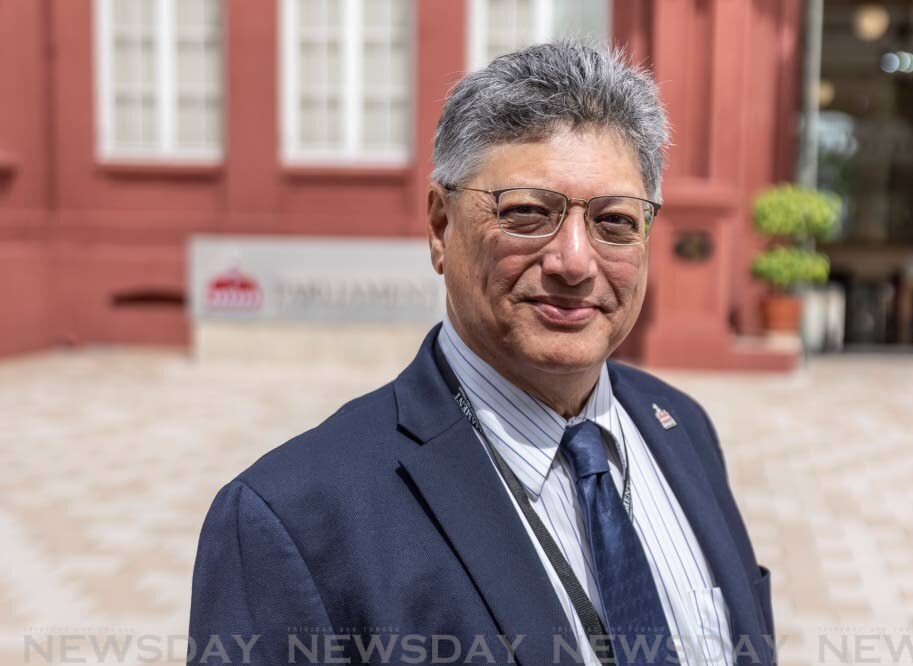
Independent Senator Francis Lewis has raised concerns over the projected $1 billion in revenue from increased excise duties on rum, beer, and tobacco products, as outlined by Finance Minister Davendranath Tancoo. Speaking during a Senate debate on October 29, Lewis challenged the assumption that consumption of these products would remain unaffected by price changes, a concept known as price inelasticity. He cited a historical example from the ‘beer wars,’ where a 33% price drop led to a 45% surge in sales, arguing that the market is more elastic than policymakers assume. Lewis, who has consulted for local alcohol manufacturers, warned against rapid tax hikes, emphasizing the potential harm to businesses still recovering from the COVID-19 pandemic. He highlighted the sector’s significance, noting it employs approximately 100,000 people, with small bars and rum shops heavily reliant on alcohol sales. Lewis also expressed concerns about the lack of consultation with industry stakeholders, suggesting that sudden tax increases could create uncertainty and hurt revenue. Despite his objections, the Senate approved the government’s proposals to raise excise rates on alcohol and tobacco products.
博客
-

Energy minister hails St Andrew’s solar project as model for sustainability
St Andrew’s School has marked a significant milestone in its commitment to sustainability by unveiling a state-of-the-art solar power array. The project, celebrated during a commissioning ceremony, was lauded by Minister of Energy and Transport JoBeth Coleby-Davis as a pioneering example of renewable energy adoption and youth leadership.
-
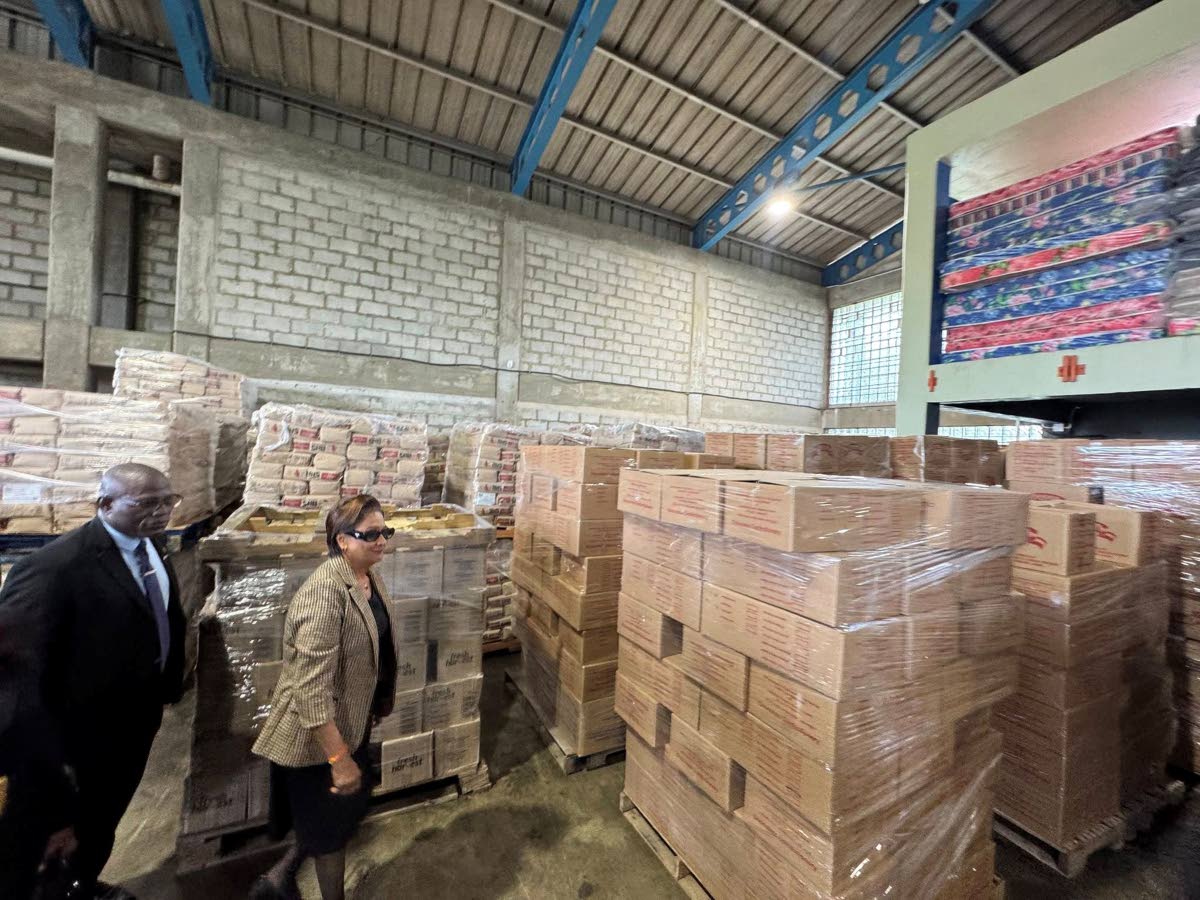
TT response to hurricane-ravaged Jamaica: State, NGOs mobilise relief drive
In the wake of Hurricane Melissa’s devastation in Jamaica on October 28, Trinidad and Tobago has launched a robust humanitarian response. Prime Minister Kamla Persad-Bissessar spearheaded the initiative, overseeing the first shipment of relief supplies from the Plipdeco Warehouse Complex at Point Lisas Industrial Estate. The Ministry of Rural Development and Local Government announced a national collection drive, running from October 30 to November 4, with all 14 municipal corporations serving as official drop-off points. An inter-ministerial committee, led by Local Government Minister Khadijah Ameen, has been established to coordinate efforts, ensuring swift and effective mobilization of resources. The public is encouraged to contribute to the TT National Disaster Relief Fund via First Citizens Bank or by donating essential supplies. The private sector has also rallied, with major business chambers, including the Energy Chamber and TT Manufacturers’ Association, opening a joint relief fund. Plipdeco Port has been designated as the logistics hub for containerized donations. Additionally, Sewa TT, in collaboration with Sewa USA, is deploying mobile water systems and emergency food stations to bypass logistical challenges and deliver aid directly to affected areas. Massy Stores has partnered with Sewa TT, allowing customers to donate towards essential relief buckets. The Caribbean Public Health Agency (Carpha) has activated its disaster-response system, providing medical supplies and public health support to Jamaica. This collective effort underscores the Caribbean’s unity and commitment to rebuilding stronger, healthier communities.
-
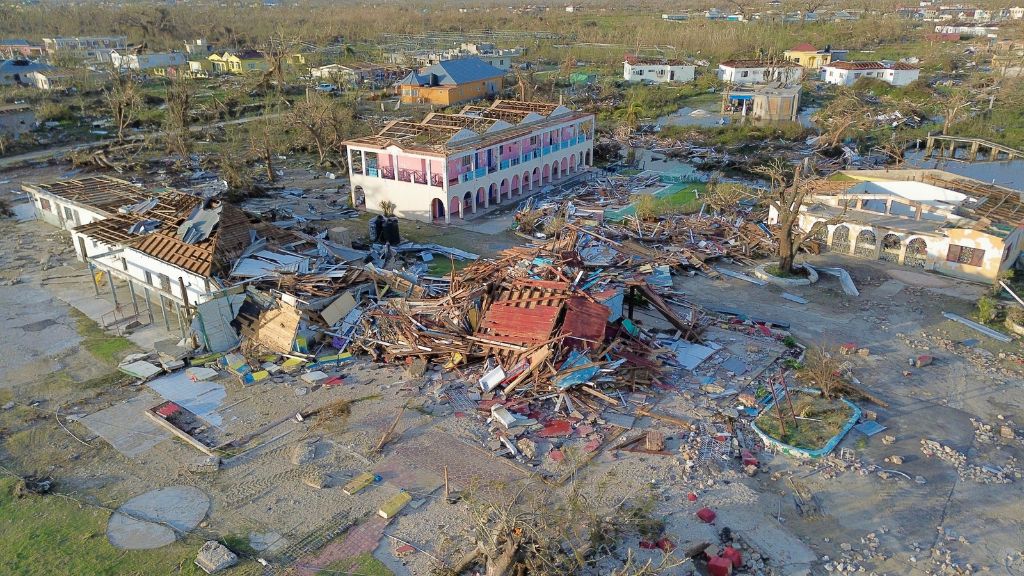
Nearly 50 dead after Hurricane Melissa thrashes Caribbean
Hurricane Melissa, one of the most powerful storms ever recorded, has wreaked havoc across the Caribbean, claiming nearly 50 lives and leaving a path of devastation in its wake. The storm, which has now moved away from Bermuda, is expected to transition into an extratropical cyclone as it heads toward the northeastern United States and eastern Canada, according to the National Hurricane Center (NHC). The NHC warned of heavy rain and gusty winds in Newfoundland, while flooding is expected to persist in Cuba, Jamaica, Haiti, and the Dominican Republic. A study by Imperial College London revealed that human-caused climate change made Hurricane Melissa four times more likely. In Jamaica, the death toll has risen to 19, with significant damage to infrastructure and communication networks. Haiti reported 30 fatalities, with over 1,000 homes flooded and 16,000 people in shelters. Cuba, already grappling with its worst economic crisis in decades, faced widespread destruction, including collapsed homes, downed power lines, and severed communications. Over 735,000 people were evacuated in Cuba’s eastern provinces. The United States has deployed disaster response teams to the region, while the UK announced £2.5 million in emergency funding and evacuation flights for British nationals. UN officials described the devastation as unprecedented, emphasizing the urgent need for global climate action.
-
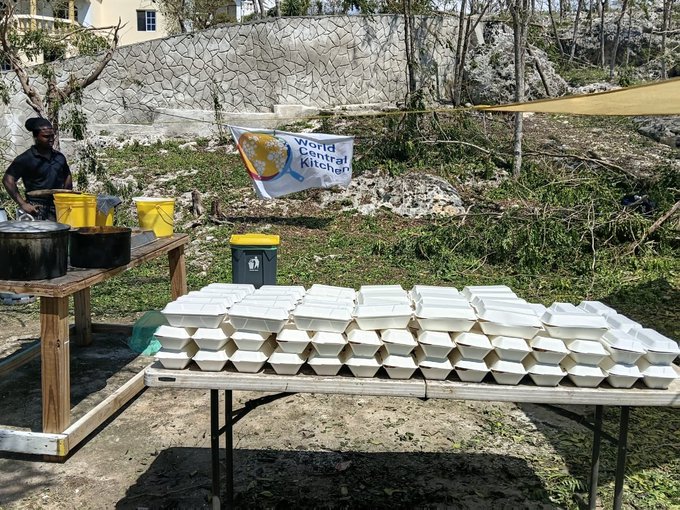
#MelissaAftermath: Chef José Andrés joins World Central Kitchen relief efforts in Jamaica
KINGSTON, Jamaica — Esteemed Spanish-American chef and humanitarian José Andrés touched down in Jamaica on Thursday to bolster World Central Kitchen’s (WCK) disaster relief initiatives in the wake of Hurricane Melissa. Andrés, the founder of the global non-profit organization renowned for delivering meals in crisis-stricken areas, announced his arrival via a post on X.
-

Major groups to sit out Junkanoo
In a dramatic turn of events, the Bahamas’ most renowned Junkanoo groups—the Saxons, the World Famous Valley Boys, Roots, and One Family—have collectively decided to boycott this year’s holiday parades. This unprecedented move, confirmed after a unanimous vote by group leaders on Wednesday, threatens to disrupt the nation’s largest cultural celebration and significantly impact vendors and organizers. Several smaller B groups are also expected to follow suit, with an official announcement from the Junkanoo Corporation of The Bahamas (JCNP) anticipated soon. The decision stems from escalating tensions between Junkanoo leaders and the Davis administration, particularly over the proposed Junkanoo Bill and the government’s decision to transfer control of the parades to a newly established Parade Management Committee. Minister of Youth, Sports, and Culture Mario Bowleg’s recent declaration prohibiting private or competing events under the new system has further exacerbated the rift. JCNP-affiliated groups have long warned that these changes could fracture the Junkanoo community, and the corporation has hinted at organizing independent events in protest. However, their efforts appear stifled, as the JCNP was reportedly denied permission to practice at the Sports Centre on November 23. The fallout has left food vendors anxious, fearing a sharp decline in turnout and sales. Despite increased seed funding announced by the government in September, including a $10,000 boost for Category A groups, the dispute shows no signs of resolution. Prime Minister Philip Davis, who met with JCNP officials earlier this month, has distanced himself from the conflict, stating, ‘Don’t bring me into it.’
-
Historical context behind Trinidad and Tobago’s engagement with US, Venezuela
Prime Minister Kamla Persad-Bissessar’s position on Trinidad and Tobago’s (TT) involvement in regional security, particularly concerning the escalating tensions with Venezuela, has sparked considerable debate. Critics have labeled her approach as overly aligned with the United States or even “far-fetched.” However, a closer examination reveals that her stance is neither unprecedented nor unreasonable. It is deeply rooted in an 80-year history of strategic cooperation with the US, shared security interests, and a pragmatic assessment of contemporary challenges.
TT’s relationship with the US dates back to the Second World War, when the 1940 Destroyers for Bases Agreement led to the establishment of a US naval base in Chaguaramas and the construction of critical infrastructure, including the Churchill-Roosevelt Highway. These developments not only bolstered the Allied war effort but also laid the groundwork for TT’s modern road network. Although the US presence in Chaguaramas ended in 1963, the two nations have maintained a cooperative partnership through various agreements, such as the Customs Mutual Administrative Agreement and the Caribbean Basin Security Initiative. These frameworks have facilitated information-sharing, law enforcement collaboration, and maritime security, which are vital in combating transnational crime, narcotics, and arms trafficking.
Against this backdrop, Prime Minister Persad-Bissessar’s concerns about Venezuela’s security developments are well-founded. Recent US legal actions against Venezuelan officials, including former intelligence chief Hugo “El Pollo” Carvajal and President Nicolás Maduro, highlight the gravity of the situation. TT is not insulated from the repercussions of Venezuelan instability, as evidenced by the infiltration of the Tren de Aragua gang, now designated a terrorist organization under TT’s Anti-Terrorism Act. This poses a direct threat to national security, border management, and social stability.
When the Prime Minister asserts that any incursion into TT’s territorial waters will be met with force, she is not echoing US rhetoric but reaffirming TT’s sovereignty and right to self-defense. Her engagement with the US on surveillance, intelligence, and counter-narcotics cooperation aligns with the long-standing strategic partnership between the two nations. This pragmatic approach is aimed at safeguarding TT’s people and borders.
However, this cooperation must be balanced with transparency. TT must ensure that its territory is never used as a staging ground for foreign military operations without full sovereign consent. Diplomatic efforts should continue to prioritize peace, dialogue, and regional stability through organizations like Caricom, while simultaneously strengthening TT’s readiness to defend its frontiers.
In essence, TT’s current engagement with the US is neither subservience nor a novelty. It is a continuation of a historical partnership shaped by shared interests, geography, and the need for security in a volatile region. Prime Minister Persad-Bissessar’s approach is not “far-fetched” but a rational extension of TT’s historical trajectory and its responsibility to protect the republic.
-

Ban fireworks once and for all
In a heartfelt letter to the editor of Newsday, D. Maharaj, a self-described educated and law-abiding citizen, has passionately advocated for a complete prohibition on fireworks, firecrackers, and other noise-making devices in Trinidad and Tobago (TT). Maharaj argues that these traditional forms of celebration, often associated with holidays like Divali, Old Year’s Night, and Independence Day, inflict unnecessary terror on animals, particularly dogs, and disrupt the peace of countless citizens.
Maharaj highlights the distressing experiences of many pet owners who are forced to spend these holidays indoors, comforting their frightened animals or fearing they might escape in panic. The writer shares a personal account of being unable to leave home during such nights due to their dog’s extreme fear of the loud explosions.
The letter emphasizes that the continued use of fireworks is outdated and unjustifiable, given the widespread suffering it causes. Maharaj calls for immediate action, urging authorities to implement a total ban without further delay. The plea concludes with a resounding message: ‘Enough is enough. No more excuses, no more empty promises.’
This appeal reflects growing concerns about the impact of fireworks on both animal welfare and community well-being, sparking a broader conversation about the need for more considerate and modern forms of celebration.
-
Don’t lecture to us, Maduro
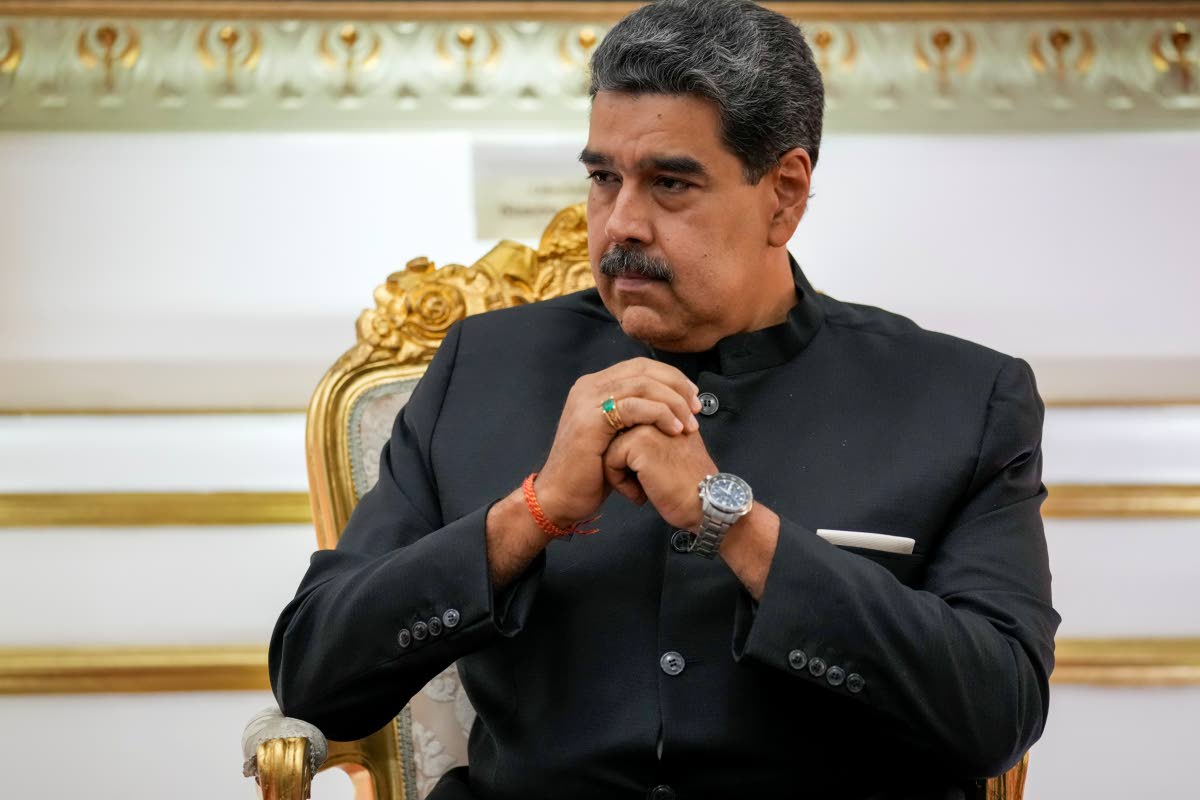
In a bold and unflinching open letter to Venezuelan President Nicolás Maduro, Curtis A. Obrady of Arima, Trinidad and Tobago (TT), delivers a scathing critique of the Venezuelan leader’s regime. The letter accuses Maduro of transforming Venezuela into a ‘living hell,’ forcing millions to flee due to hunger, fear, and oppression. Obrady highlights the irony of Maduro’s government, which silences dissent and imprisons journalists, now attempting to lecture TT on humanity and deportations. He emphasizes that TT has shown compassion by welcoming Venezuelan refugees, providing them with safety and dignity, but asserts that this compassion does not equate to weakness. The letter concludes with a strong defense of TT’s sovereignty and Prime Minister Kamla Persad-Bissessar’s leadership, urging Maduro to address his own human rights abuses before criticizing others.
-
Bustr builds Trinidad and Tobago’s creative economy
At just 24 years old, Seth Nurse, an entrepreneur from Arouca, Trinidad and Tobago, is spearheading the development of a ‘creative economy’ in his homeland, with aspirations to expand across the Caribbean. As the CEO and founder of Bustr Media Enterprise Ltd, Nurse has channeled his frustration with the local creative industry’s lack of structure into a thriving business that supports creators, entrepreneurs, and intellectual property (IP) owners. Bustr Media focuses on content development, creative management, media infrastructure, and cultural engagement, aiming to streamline the creative pipeline for films, games, and books. Nurse’s vision is to provide the resources and structure needed to elevate local talent to global prominence. Bustr offers two primary services: extended services, which include development, marketing, legal guidance, and distribution, and commission-based services, where the company acts as a producer for IP projects. One of Bustr’s early successes was collaborating with author Ciara Attong to adapt her novel *Dark and Cold* into a short film titled *One of Iron*. The company also partnered with Accent Game Studios to develop *Riddim Rabbit*, a steelpan-based video game set for release in 2026. Beyond these projects, Bustr is building a robust creative network through initiatives like *WI of the Future*, an online magazine showcasing Caribbean creatives, and *Bustrmrkt*, a touring platform that highlights creators’ work at various venues. Nurse’s journey into the creative industry began at age 14, with stints in drawing, acting, and music. His passion for storytelling led him to film, and he later earned an associate degree in film and video production. The challenges he observed during his studies, coupled with the disruptions of the COVID-19 pandemic, inspired him to create Bustr as a collaborative and supportive business model. Today, Bustr is not only fostering local talent but also laying the groundwork for a sustainable creative economy that could serve as a model for the Caribbean and beyond.