
The Caribbean region has taken a significant step toward addressing the growing threat of sargassum seaweed with the official launch of the Sargassum Regional Strategies for Ecosystem-based Actions (SARSEA) initiative on October 28 in Saint Lucia. The event brought together government officials, institutional leaders, and scientific experts from across the region to tackle the environmental, economic, and social challenges posed by sargassum beachings.
博客
-
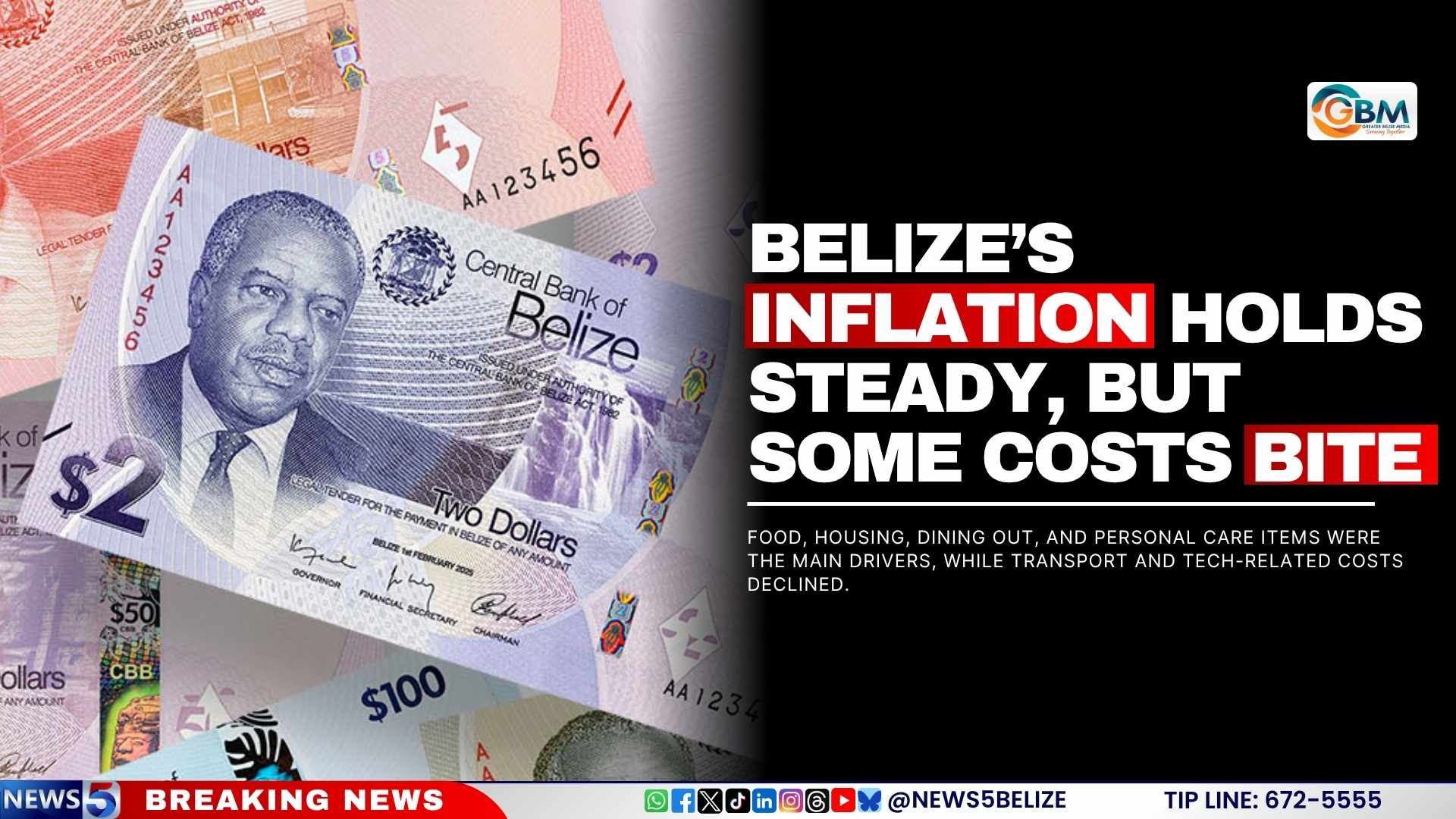
Belize’s Inflation Holds Steady, but Some Costs Bite
Belize’s inflation rate held steady in September 2025, with a modest 0.6% year-on-year increase, as reported by the Statistical Institute of Belize. However, a closer look reveals significant shifts in the cost of essential goods and services, impacting household budgets across the nation. Housing and utility costs emerged as the primary drivers of inflation. Notably, the price of a 100-pound LPG cylinder surged by 11.6%, rising from $116.58 to $130.07, while rental prices also inched upward, adding financial strain to many families. Dining out became more expensive, with the Restaurants and Accommodation Services category climbing 2.8%, largely due to higher prices at restaurants and cafés. On a brighter note, fuel prices saw a decline, offering some relief to drivers. Regular gasoline dropped by $0.63 per gallon, premium by $0.62, and diesel by $0.18. Over the first nine months of 2025, the overall price increase stood at 1.2% compared to the same period in 2024. Key contributors to this rise included food, housing, dining out, and personal care items, while transport and technology-related costs experienced a downward trend.
-
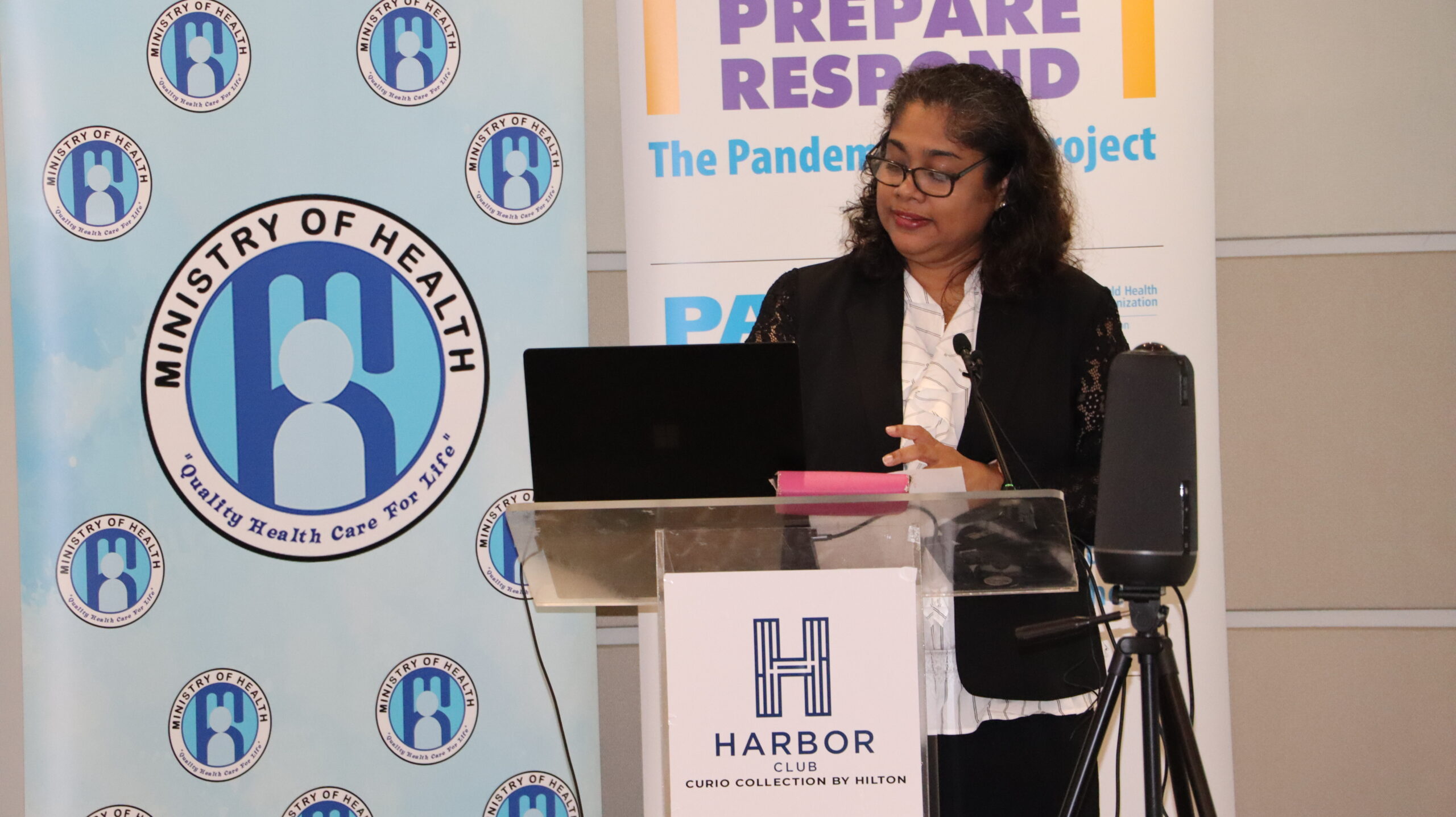
Ministry of Health strengthens defenses with new pandemic preparedness plan
Saint Lucia is taking proactive steps to fortify its defenses against future health crises through the development of a robust Pandemic Preparedness and Response Plan. This initiative was launched during a pivotal three-day workshop from October 21 to 23, organized by the Ministry of Health, Wellness, and Elderly Affairs in partnership with the Pan American Health Organization (PAHO) and the World Health Organization (WHO). The event convened a diverse array of stakeholders, including health professionals, emergency management experts, and key national agencies such as the National Emergency Management Organisation (NEMO), the Customs and Excise Department, and the Saint Lucia Fire Service, underscoring the collaborative nature of pandemic response. The plan aims to enhance the nation’s ability to detect, respond to, and recover from pandemics, with a particular focus on respiratory diseases. Joanne Persaud, PAHO’s Advisor for Health Emergencies, highlighted the urgency of the initiative, noting that the COVID-19 pandemic underscored the need for comprehensive preparedness. She emphasized that the plan leverages the Preparedness and Response for Emerging Threats (PREP) tool, tailored to Saint Lucia’s unique context. Dr. Sharon Belmar-George, Chief Medical Officer, stressed that health emergencies require a whole-of-society approach, building on lessons learned from COVID-19. Once finalized, the plan will serve as a critical roadmap for coordinated national action, ensuring Saint Lucia remains resilient and ready to tackle future public health emergencies effectively.
-
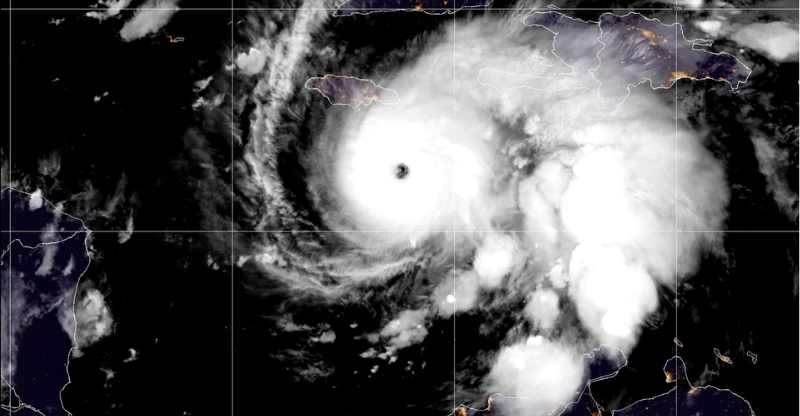
Hurricane Melissa bears down on the Bahamas as Jamaica begins recovery
The Caribbean is grappling with the aftermath of Hurricane Melissa, a catastrophic storm that has left a trail of destruction in its wake. After wreaking havoc in Jamaica and Cuba, the hurricane is now advancing toward the Central and Southeast Bahamas, where it is anticipated to make its third landfall. Although Melissa has weakened from its peak intensity of 185 miles per hour winds, it remains a formidable threat to the region. The Disaster Risk Management Authority (DRM Authority) in The Bahamas has issued Alert #23, cautioning residents of impending damaging winds, heavy rainfall, flooding, and dangerous storm surges. Meanwhile, Jamaica, which has been granted the all-clear, faces an arduous recovery process. Senator Dr. Hon. Dana Morris Dixon, Minister of Education, Skills, Youth, and Information, revealed that 77% of the country remains without electricity, and over 70 of the island’s 700 water systems are non-operational. Utility and communication providers have commenced restoration efforts, but the extensive damage suggests a prolonged recovery period. Despite the hurricane’s departure, Jamaica remains at risk, with a Flash Flood Watch in effect for northern, southwestern, and south-central parishes. Additional rainfall could exacerbate flooding and trigger landslides, particularly in vulnerable areas.
-

PSU Declares Trade Dispute, Intends to Engage in Industrial Action
The Public Service Union (PSU) has officially declared a trade dispute with the Government of Belize, citing concerns over the proposed transformation of the Belize Tax Services Department (BTSD) into a semi-autonomous entity called the Semi-Autonomous Revenue Authority (SARA). PSU President Dean Flowers announced the decision following a union meeting, stating that the Minister of Labor would be given a 21-day notice of the union’s intent to initiate industrial action. Flowers emphasized that industrial action could escalate to strikes if the dispute remains unresolved. The union’s primary grievance revolves around what it perceives as a lack of consultation and transparency in the transition process. Flowers stressed that the BTSD is a public institution, and the government has a responsibility to engage in meaningful dialogue with stakeholders. Additionally, Flowers disputed claims that BTSD staff support the move to SARA, citing a survey that revealed widespread dissatisfaction among employees and the Belizean public. The PSU’s declaration underscores growing tensions over the proposed reforms and raises the possibility of significant disruptions in public services.
-

Huisartsen ontvangen voor het eerst in jaren tijdig hun honorarium
For the first time in years, general practitioners (GPs) in the Netherlands have received their fees before the end of the month, marking a significant milestone in the ongoing efforts to improve the healthcare system. This development has been met with widespread satisfaction among GPs, who view it as a positive signal of progress. Dr. Joël Mahabier, a prominent GP, described the timely payment as a “light at the end of the tunnel” for his profession. “After years of waiting, pleading, and sometimes threatening action, we have finally been paid on time. This gives us hope that structural changes are on the horizon,” he stated. Dr. Mahabier emphasized that the prompt payment is not only a financial relief but also a recognition of the critical work GPs perform daily under often challenging conditions. “We are on the frontline of healthcare, and it is heartening to see attention being paid to our situation,” he added. He expressed gratitude to the new director of the State Health Fund (SZF), Rudra Oemraw, for the efficient handling of payments, and to President Jennifer Simons for her involvement in addressing the financial backlog. This step is expected to strengthen the trust between GPs and the government. “If this becomes a regular practice, we can finally focus entirely on our patients without the constant worry about payments,” Dr. Mahabier concluded optimistically.
-
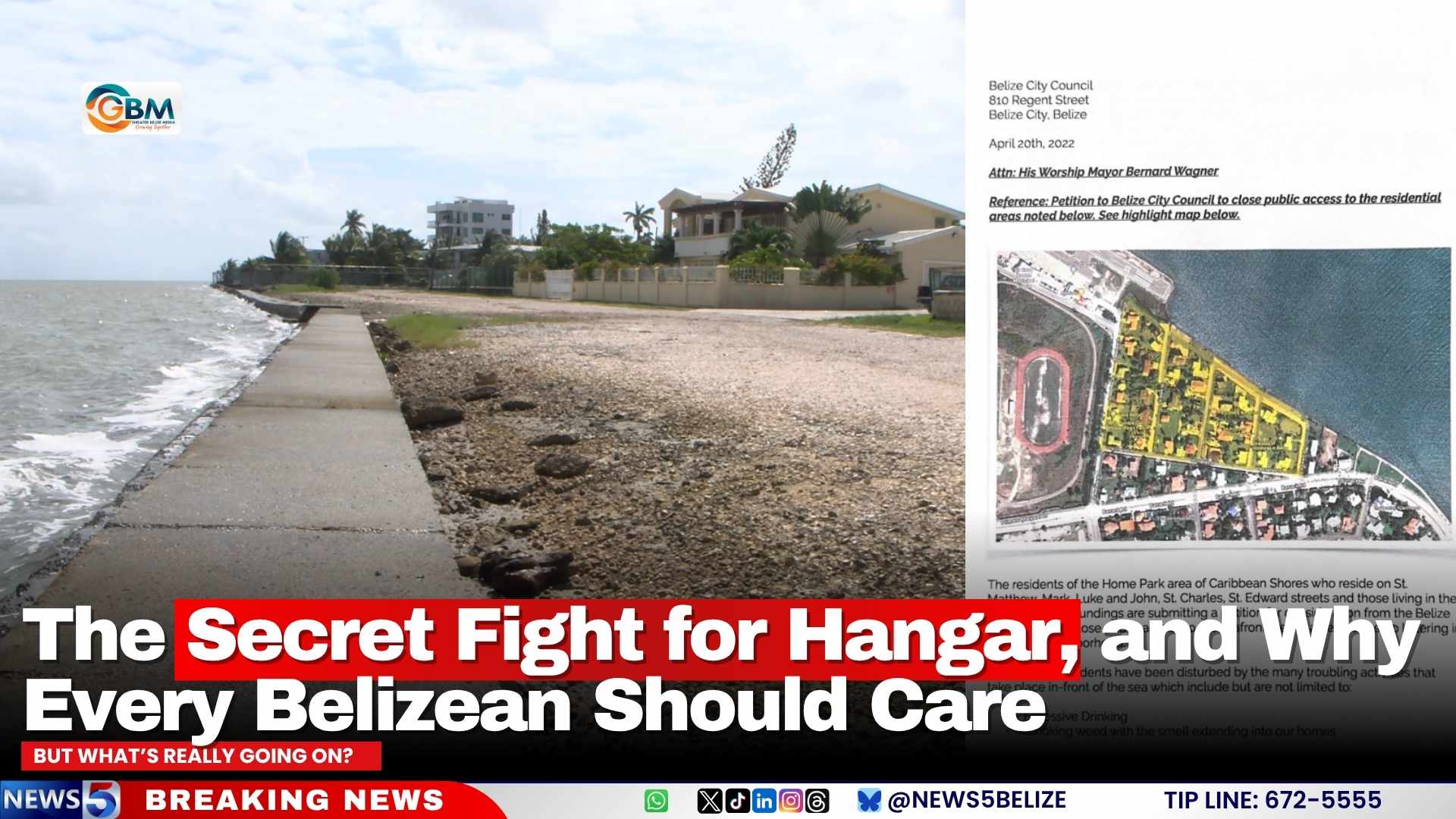
The Secret Fight for Hangar, and Why Every Belizean Should Care
In a startling development in Belize City, the removal of concrete barricades at Hangar has unveiled a deeper, more contentious issue: the potential privatization of a cherished public seafront. Over the weekend, the Belize City Council discreetly dismantled the barriers that had blocked access to this popular area for two months. This action occurred just days before a court hearing that could have compelled the Council to address allegations of unlawful road closure.
-

STATEMENT: CARPHA stands in solidarity with the people of Jamaica following the impact of Hurricane Melissa
In the wake of Hurricane Melissa’s catastrophic impact on Jamaica, the Caribbean Public Health Agency (CARPHA) has pledged unwavering support to the nation’s recovery efforts. The hurricane has left a trail of devastation, claiming lives, destroying homes, and disrupting livelihoods, while also posing significant public health risks. CARPHA, the regional public health arm of CARICOM, has reaffirmed its commitment to unity, compassion, and collective action, emphasizing that Jamaica’s plight is a shared concern for the entire Caribbean region.
The aftermath of Hurricane Melissa has introduced a host of public health challenges, including the spread of waterborne and vector-borne diseases, sanitation issues, mental health stressors, and disruptions to essential health services. Recognizing these threats, CARPHA is spearheading a coordinated response through the CARICOM-approved Rapid Response Mechanism (RRM). The agency is collaborating closely with the Caribbean Disaster Emergency Management Agency (CDEMA), Jamaica’s Ministry of Health and Wellness (MOH), the Pan American Health Organization (PAHO), and other regional and international partners to address these pressing needs.
CARPHA’s immediate actions include the provision of critical public health supplies such as rapid testing kits for infectious diseases, medical and personal protective equipment (PPE), and field hospital supplies to mitigate disease outbreaks like dengue, leptospirosis, and gastroenteritis. The agency is also working to ensure that public health remains a central focus in recovery and humanitarian efforts.
Beyond the immediate crisis, CARPHA is committed to supporting Jamaica in strengthening its health security systems, enhancing disaster preparedness, and fostering community resilience. The agency emphasizes the importance of listening to and amplifying the voices of local communities, health workers, and authorities to ensure that interventions are tailored to meet urgent needs.
CARPHA’s solidarity with Jamaica is not merely symbolic but rooted in sustained partnership and actionable support. The agency’s efforts underscore the Caribbean’s resilience and unity in the face of adversity. Together, CARPHA and its partners are dedicated to rebuilding stronger, healthier, and more resilient communities in Jamaica.
-
Belizeans Preparing for Tighter Budgets
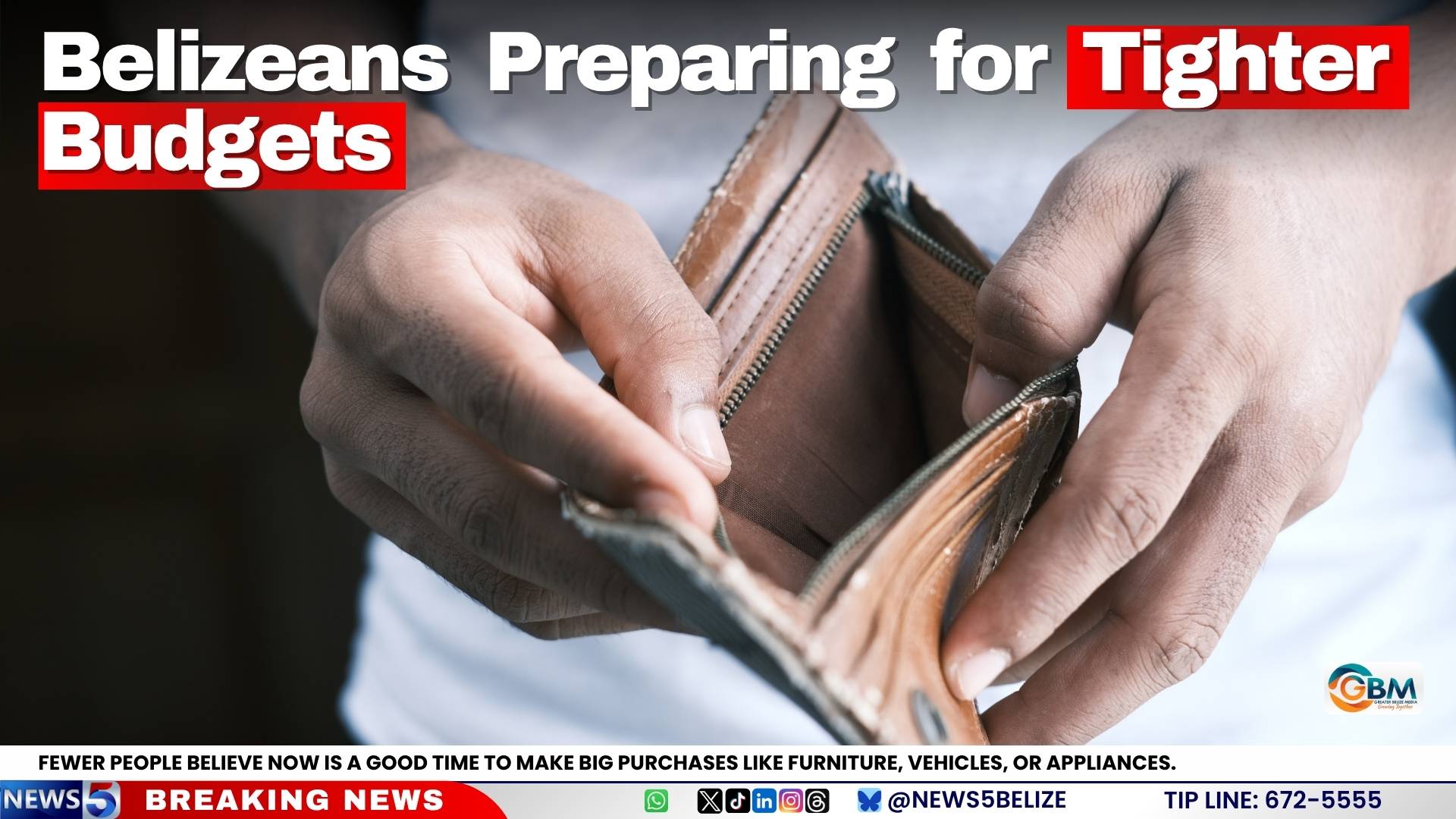
Belizeans are increasingly cautious about their spending habits as economic uncertainty looms, according to the latest Consumer Confidence Index released by the Statistical Institute of Belize. The national confidence score for September 2025 dropped to 45.7, down from 46.8 in August, reflecting growing financial apprehension among the population. This decline signals that more households are preparing for tighter budgets in the coming months. Notably, confidence in making significant purchases, such as furniture, vehicles, or appliances, plummeted to 38.7, the lowest among all categories. The outlook for the next twelve months also weakened, with the index slipping to 54.1. The trend was widespread, with Corozal experiencing the sharpest decline, while Stann Creek residents reported a slight uptick in optimism. Rural areas were hit harder than urban centers, highlighting the uneven impact of economic pressures. Interestingly, younger Belizeans aged 18 to 24 bucked the trend, recording a significant rise in confidence to 60.0, the highest of any age group. Analysts attribute the overall decline to rising prices and persistent economic instability, which continue to weigh heavily on families across the nation.
-
Belize is Buying More and Selling Less
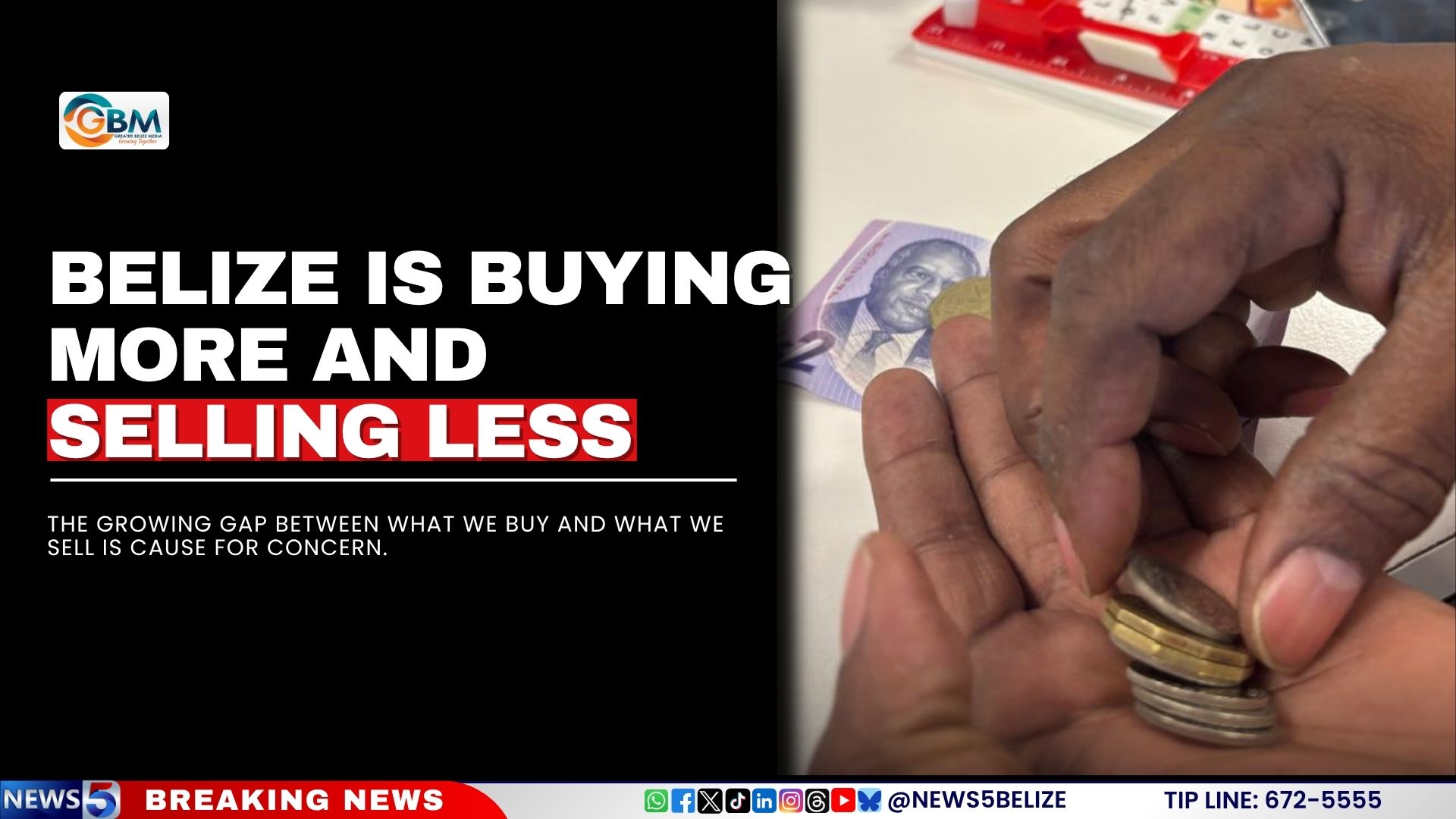
Belize’s economic landscape is under mounting pressure, as revealed by the latest trade report from the Statistical Institute of Belize. The data highlights a concerning trend: the nation is importing significantly more while its exports struggle to keep pace. In September 2025, Belize’s imports surged to $251 million, marking a $20 million increase compared to the previous year. Key imports included fuel, food, and heavy machinery, with rising costs for essentials like gas and cooking gas exacerbating the situation. Notably, imports of baby formula, cereal, and frozen fries also climbed, reflecting a growing reliance on foreign goods and higher consumer prices. On the export front, Belize earned just $31 million, a marginal increase from last year. The sugar industry, a cornerstone of the economy, suffered a significant blow, with sugar sales plummeting by over $26 million this year. This decline has left farmers and workers in the sector facing substantial losses. Despite these challenges, there are glimmers of hope. Lobster exports rose by more than $8 million, bean sales increased by nearly $4 million, and cattle exports also saw growth, helping to offset the decline in sugar revenue. The United Kingdom remains Belize’s largest trading partner, followed by the United States and Mexico. However, the widening trade deficit underscores the urgent need for strategic economic interventions to stabilize the nation’s financial health.