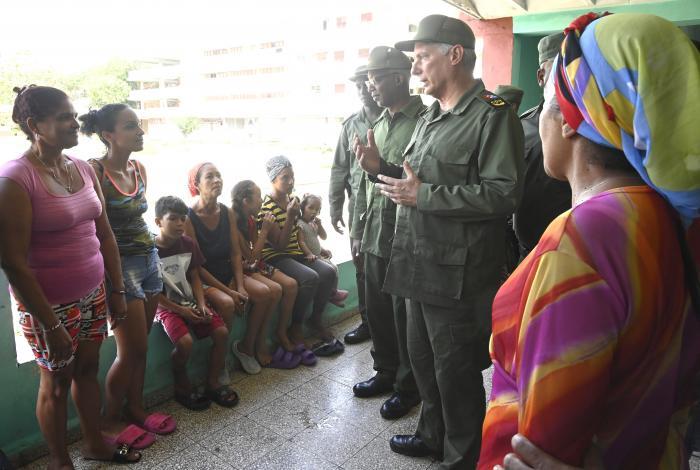
Cuban President Miguel Díaz-Canel Bermúdez has initiated a comprehensive tour of Holguín, one of the regions most severely impacted by Hurricane Melissa, the most powerful hurricane in Cuba’s recorded meteorological history. Accompanied by key government officials, including Roberto Morales Ojeda, head of the Political-Ideological Work Body, and several deputy prime ministers, Díaz-Canel assessed the extensive damage and coordinated recovery efforts. The hurricane caused widespread destruction, including flooding, uprooted trees, and submerged villages, displacing thousands of residents. During his visit to the José Martí Pre-University Vocational Institute of Exact Sciences (IPVCE), which has sheltered 321 evacuees, the president emphasized the importance of prioritizing life and ensuring the safe return of displaced families to their homes. He also highlighted the resilience of the community and the effective response of local authorities. The president’s itinerary included visits to critical infrastructure, such as the Providencia photovoltaic solar park and the Vladimir Ilich Lenin General Hospital, both of which withstood the hurricane’s impact. Díaz-Canel underscored the need for organized and responsible recovery efforts, particularly in agriculture and housing, and commended the collaborative work of various government bodies. The provincial leadership, led by Joel Queipo Ruiz, reported significant challenges, including crop losses and damaged communications, but reaffirmed their commitment to safeguarding lives and accelerating recovery.
博客
-
iciHaiti – Post-Melissa : Health sector review
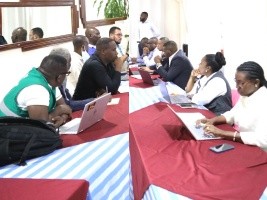
In the aftermath of Hurricane Melissa, which brought devastating winds and torrential rains to Haiti, Dr. Bertrand Sinal, the Minister of Public Health, convened a critical meeting with key health sector partners. The session focused on evaluating the hurricane’s impact and strategizing a response to ensure the continuity of essential health services across the nation. The assessment highlighted minimal damage to health facilities in most departments, with only minor incidents reported at Saint-Antoine Hospital in Jérémie and Immaculée Conception Hospital in Port-de-Paix. Additionally, a flash flood affected the courtyard of the South Departmental Hospital in Les Cayes. Dr. Sinal praised the dedication of health workers and the support from international organizations like PAHO/WHO and UNICEF. He emphasized the need for enhanced epidemiological surveillance and vigilance against potential health risks, particularly waterborne diseases, in the hurricane’s aftermath.
-

Education : Patriotic appeal to the Haitian scientific community in the diaspora
In a bold move to revitalize Haiti’s education system, Augustin Antoine, the Minister of National Education and Vocational Training (MENFP), has issued a heartfelt appeal to the Haitian scientific community abroad. The minister’s call seeks to transform the nation’s ‘brain drain’ into a ‘return of knowledge,’ fostering a renewed connection between Haitian researchers at home and those in the diaspora. This initiative aims to integrate research into Haiti’s public policies, economy, governance, and culture, ultimately building a ‘Haiti of knowledge.’
Despite ongoing efforts, Haiti’s university system continues to grapple with significant challenges, including insufficient research, funding shortages, lack of scientific supervision, and outdated infrastructure. The recently established Public Universities in the Regions (UPRs) are particularly in need of technical support, mentorship, international partnerships, and sustainable resources to strengthen their operations and contribute to national development.
Minister Antoine envisions the Haitian scientific diaspora playing a pivotal role in this transformation, not only as intellectual collaborators but also as strategic supporters of the National Education Fund (FNE), a cornerstone of the country’s public education policy. The Ministry plans to create a structured program of scientific and academic cooperation, enabling Haitian researchers abroad to contribute in three key areas: training teachers and school administrators, supporting the Departmental Directorates of Education (DDEs), and aiding the UPRs in research, innovation, and institutional development.
This initiative represents more than just a resource-gathering effort; it is a call to unite the Haitian national community around a shared vision of knowledge, excellence, and progress. Minister Antoine’s appeal emphasizes the importance of reclaiming the identity of the Haitian scientific diaspora as the ‘voice, strength, and light’ of a resilient Haiti that continues to believe in its potential and refuses to surrender to adversity.
-

Government, investors continue talks on Airport PPP
The $300 million public-private partnership (PPP) agreement to manage and develop Barbados’ Grantley Adams International Airport (GAIA) continues to face delays as final designs are being approved and financing arrangements are negotiated. The project, initially set in motion in July 2023 with a memorandum of understanding (MoU) between GAIA Inc., a joint consortium of investors, and the Barbadian government, has encountered multiple setbacks. Minister in the Ministry of Finance Ryan Straughn confirmed that the project is now at a critical juncture, with investors finalizing designs and securing financing. Straughn emphasized the importance of the airport’s development, stating, ‘We need the airport development to continue.’ He explained that the government has already completed the designs and arranged interim financing, and discussions are ongoing with the consortium to adopt these designs and provide the necessary funding. The PPP aims to transform GAIA into a hemispheric hub for cargo, expand airlift capacity, add luxury hotel facilities, create jobs, and enhance the overall customer experience. Straughn highlighted the broader economic benefits, including increased tourism and community-driven economic growth. However, he could not provide a definitive timeline for the project’s commencement. The delays have been attributed to various factors, including the COVID-19 pandemic, which caused global uncertainty in air travel, and the rigorous due diligence required for family-owned businesses in the Middle East, which are part of the consortium. Straughn reassured workers that their jobs and employment terms would remain protected, emphasizing that the government is not selling the airport but rather transferring its management to a concessionaire.
-
Onderzoek: Cijfers tonen grote instroom Haïtianen, maar weinig werkvergunningen
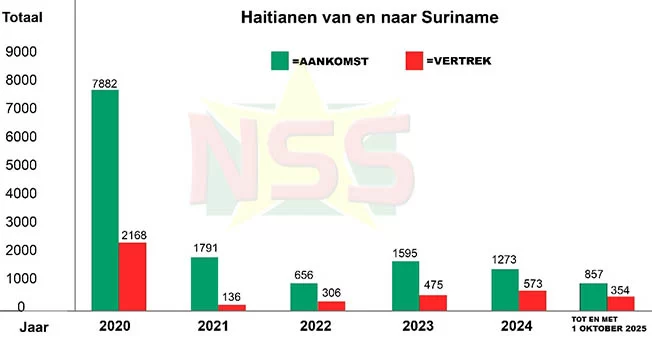
Since 2020, nearly 15,000 Haitians have arrived in Suriname, yet only 108 have applied for work permits by the end of last year, according to data from Suriname’s Immigration Service and Labor Directorate. Over 4,000 Haitians have since left the country, leaving approximately 10,000 undocumented workers or those who crossed borders unnoticed to continue their journey. The reasons for this significant influx remain unclear, and the exact number of Haitians registered with the Foreigners Department of the Ministry of Justice and Police is unknown. Initial promises to release this data were abruptly halted, and requests for information from Minister Harish Monorath were unsuccessful. Former Foreign Minister Albert Ramdin stated in May that there are currently no flights from Haiti and the situation is not alarming, though he acknowledged pressure to admit Haitians. Charter flights operated by Saya Tours & Travel via Fly Allways were suspended due to rumors of human trafficking. Ramdin emphasized that Suriname’s open migration policy made it a transit point, but measures like visa requirements have since been implemented to mitigate the issue. Suriname has maintained its top ranking in the U.S. Trafficking in Persons Report for 2024 and 2025, and Ramdin stressed the importance of maintaining this status. Haitians reportedly pay between $2,700 to $4,000 per person for travel to Suriname, a significant sum in Haiti. Saya Tours denied allegations of profiteering, claiming the flights were primarily to assist the Haitian community. The Haitian consulate in Paramaribo was dismantled in August 2024 over suspected involvement in human trafficking, though staff denied any wrongdoing. Fly Allways director Amichand Jhauw declined to disclose charter flight costs, but sources estimate profits of $116,000 per flight. Saya refuted these claims, citing high administrative costs and political sponsorship as factors in obtaining flight permissions. Despite the suspension of special charters, 857 Haitians entered Suriname in 2025, raising questions about migration enforcement.
-
BUT urges clear AI guidelines, national framework for schools
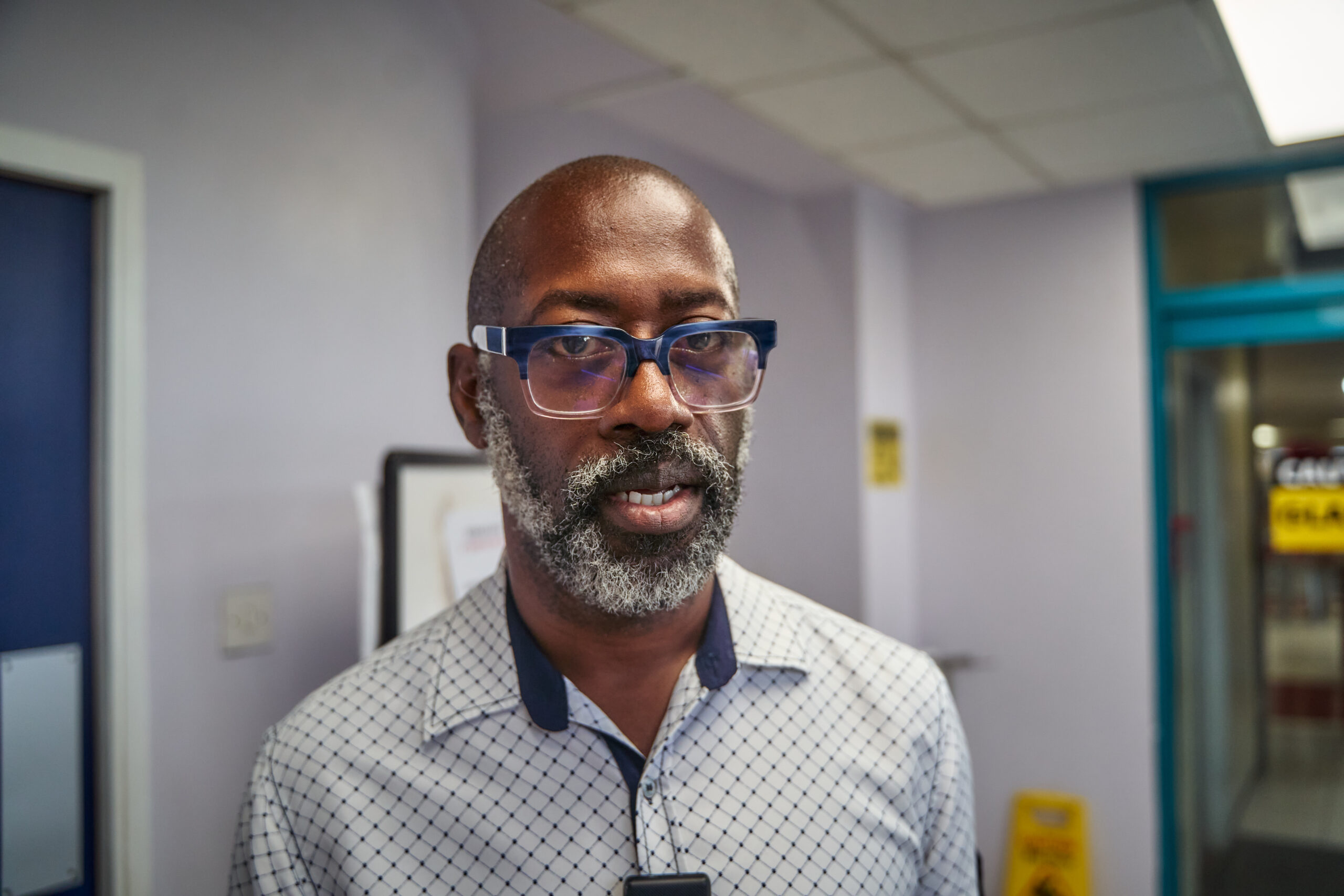
The Barbados Union of Teachers (BUT) has called on the Ministry of Education to establish a comprehensive national framework for the ethical integration of artificial intelligence (AI) in schools. This appeal was made by BUT President Rudy Lovell during a professional development workshop on AI, held at Sky Mall as part of Teachers’ Week. The workshop, attended by approximately 55 educators, aimed to empower teachers with the knowledge and confidence to responsibly utilize AI in the classroom. Lovell emphasized that while AI has the potential to revolutionize education, it also presents significant challenges that must be carefully managed. ‘This workshop is designed to help educators understand, explore, and confidently navigate the rapidly evolving world of artificial intelligence and education,’ Lovell stated. He further stressed the union’s support for the ethical use of AI, advocating for the creation of parameters to ensure its responsible application. Lovell also highlighted the need for formal guidelines from the ministry, similar to those implemented by the Caribbean Examinations Council (CXC), to outline the proper implementation of AI across the education system. This call comes in response to the wide-ranging effects currently being observed from the technology.
-
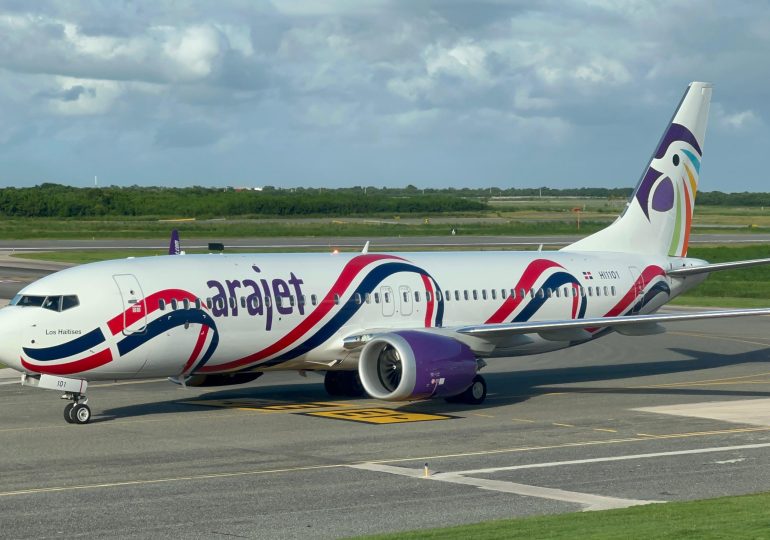
Arajet assists Dominican government in evacuating citizens from Jamaica after Hurricane Melissa
In the wake of Hurricane Melissa’s devastating impact on Jamaica, the Dominican Government has partnered with Arajet Airlines to organize complimentary humanitarian flights aimed at repatriating Dominican citizens stranded by the storm. The initiative underscores a swift and coordinated response to the crisis, prioritizing the safety and well-being of affected individuals. The first flight is set to depart from Kingston on Saturday, November 1, at 11:00 a.m., arriving in Santo Domingo by 1:30 p.m. A second flight is scheduled for Tuesday, ensuring continued support for those in need. Additionally, passengers with existing travel plans to or from Jamaica are permitted to reschedule their trips within a 15-day window without incurring extra charges. To facilitate a smooth and transparent process, the Dominican Embassy in Jamaica will meticulously review each repatriation request. Emergency contact lines have been activated by the Embassy and its Consular Section to provide immediate assistance. Both the Dominican Government and Arajet have reaffirmed their dedication to safeguarding Dominicans abroad, highlighting their collaborative efforts to deliver urgent aid to hurricane victims.
-
Post-Melissa : President Trump authorized immediate intervention
In the aftermath of Hurricane Melissa, a catastrophic Category 5 storm that struck the Caribbean on October 28, 2025, President Trump has authorized an urgent U.S. intervention to aid affected regions, including Haiti, the Dominican Republic, Jamaica, Cuba, and the Turks and Caicos Islands. The storm caused extensive flooding and destruction, prompting a swift mobilization of resources to address the crisis. Secretary of State Rubio deployed the Disaster Assistance Response Team (DART), comprising urban search and rescue units, to assess needs and provide critical assistance. The State Department is collaborating with UN agencies, NGOs, and local governments to deliver essential supplies such as food, water, medical aid, hygiene kits, and temporary shelters. Financial contributions to reputable relief organizations are encouraged, as cash donations enable the purchase of urgently needed supplies locally, reducing delays and supporting regional economies. Humanitarian organizations are coordinating efforts with local stakeholders to ensure an effective and adaptable response. The Better Business Bureau (BBB) has warned against scams targeting donors and urged vigilance in verifying the legitimacy of relief organizations. U.S. citizens abroad in need of emergency consular assistance are advised to contact the Department of State or their nearest U.S. embassy or consulate.
-
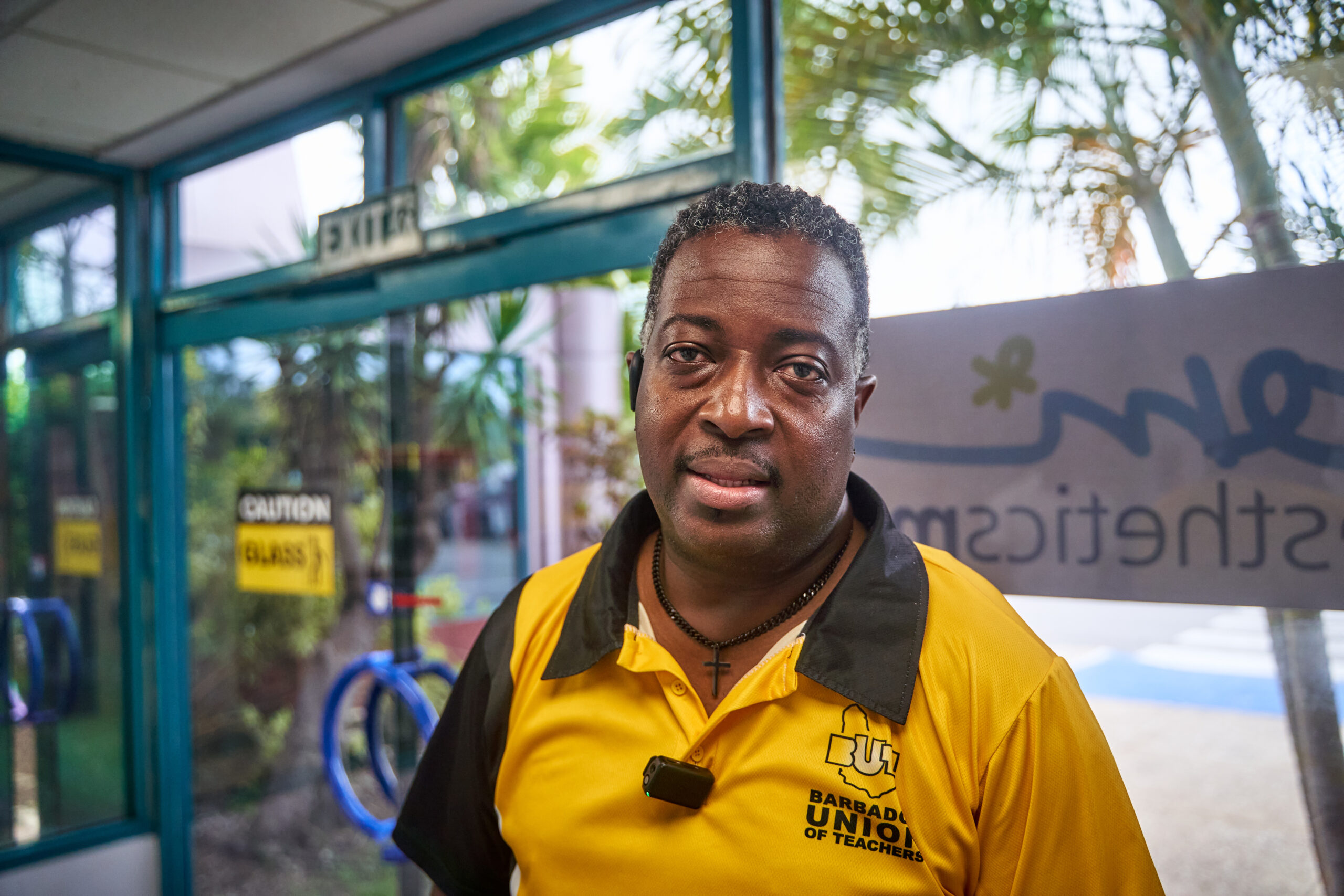
BUT lobbying for cleaner schools
Julian Pierre, First Vice-President of the Barbados Union of Teachers (BUT) and Chairman of its Occupational Safety and Health Committee, has reiterated the urgent need for a standardized industrial cleaning schedule across all public schools. This appeal follows the repeated closure of Deacons Primary School due to a persistent rodent infestation. Speaking to Barbados TODAY during the union’s Professional Development Workshop at Sky Mall, Pierre highlighted that Deacons Primary School was forced to shut down twice in one week—on Monday and again on Thursday—due to the ongoing issue. He also revealed that St Matthew’s Primary School faced similar challenges in recent weeks. Pierre emphasized that while industrial cleaning was conducted at Deacons Primary School, rodent droppings were still found in several areas, underscoring the need for thorough and consistent cleaning practices. He called on the Ministry of Educational Transformation to ensure that cleaning contractors adhere to stringent health and safety standards. Pierre acknowledged recent improvements in the management of the Education Technical Management Unit (ETMU), which has implemented rodent-proofing measures such as installing door sweeps and sealing gaps. However, he stressed the importance of establishing a formal maintenance schedule, particularly during school holidays, to prevent infestations and maintain healthy learning environments. Pierre noted that many older schools have not undergone deep cleaning in over a decade, with some never having received industrial cleaning at all. Despite these challenges, he commended the ETMU for its increased accountability and improved oversight of contractors. The Ministry of Education Transformation has yet to respond to inquiries regarding the latest closure of Deacons Primary School.
-
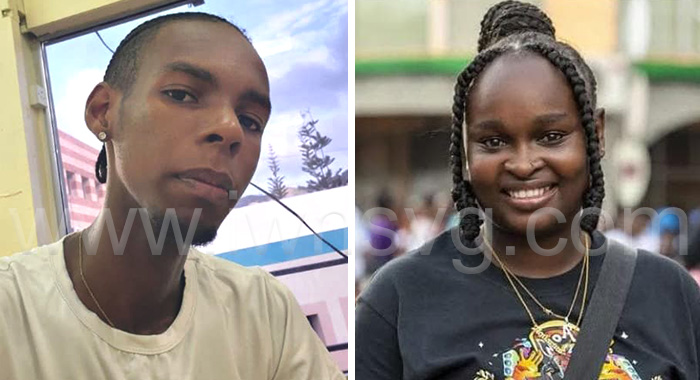
Couple found dead in car was beaten, strangled
A tragic incident unfolded on Monday in the Fenton Mountains of St. Vincent and the Grenadines, as the bodies of a young couple were discovered in a car. The victims, identified as Kamalo Glasgow, 24, and Cassique Richards, aged 25-26, were found beaten and strangled, marking the 33rd homicide in the country this year. The discovery coincided with the nation’s 46th anniversary of independence from Britain, casting a somber shadow over the celebrations. Kamalo’s parents, Dalwin and Gailene Glasgow, expressed their anguish, struggling to comprehend the violent death of their son. Kamalo, a security guard, had recently begun dating Richards. The couple was last seen together on Monday morning after Kamalo dropped off his mother. When he failed to return home by 9 a.m., his family grew increasingly concerned. Initial reports suggested gunfire as the cause of death, but police later confirmed no spent shells were found in the vehicle. Autopsy results revealed Kamalo died from strangulation and a blow to the head, while Richards bore severe beatings. The Glasgow family, devastated by the loss, faces an uncertain path forward as they seek justice for their son.