博客

  • Fear of deportation triggers Venezuelan exodus from Trinidad and Tobago

    Fear of deportation triggers Venezuelan exodus from Trinidad and Tobago

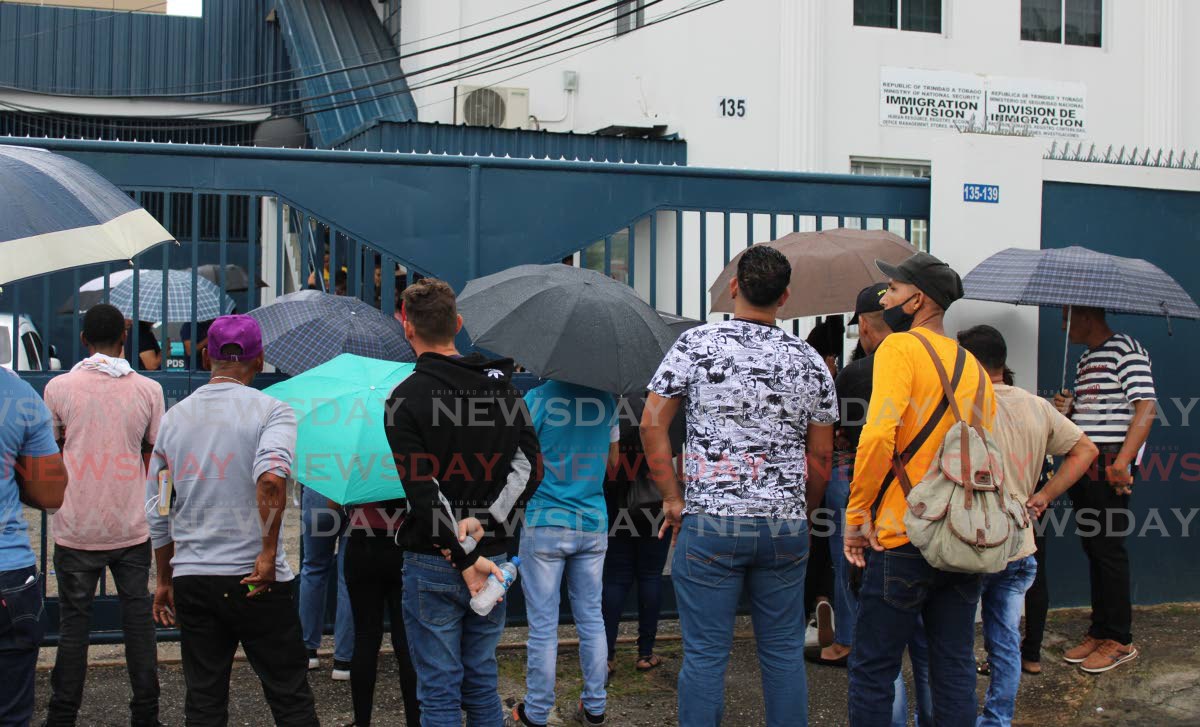
    Tensions surrounding Venezuelan migrants in Trinidad and Tobago (TT) have escalated dramatically following a recent government crackdown on irregular migration. On October 27, the Ministry of Homeland Security issued a stern directive mandating the detention and deportation of all undocumented migrants, stating that no further Orders of Supervision would be issued. This announcement has sent shockwaves through the Venezuelan community, prompting widespread fear, displacement, and a mass exodus from the country.

    Many Venezuelans, both documented and undocumented, have begun selling their belongings, abandoning their rented homes, and quitting their jobs in factories, farms, and workshops. The Hispanic Cultural Centre La Casita in Arima has urged the government and society to remain calm, warning against what it describes as a ‘migrant hunt.’ Andreina Briceño Ventura-Brown, the center’s director, highlighted the spread of misinformation and the vulnerability of even those holding UNHCR cards, who may still face harassment under local laws.

    Social media platforms like Facebook and WhatsApp are flooded with posts from Venezuelans selling appliances, motorbikes, and furniture as they prepare to leave. Mariana Lopez, a 34-year-old Venezuelan in Arima, shared her decision to sell her possessions and move to Brazil, stating, ‘I don’t want to be caught and sent back. I’ll go to Brazil even if I have to start from zero.’ Similarly, Jesus Andrade, a mechanic in San Fernando, quit his job, fearing detention.

    The government’s measures have drawn criticism for lacking compassion. Rosa Medina, a mother of two, lamented, ‘They talk about human rights, but they show no humanity to us. Many of us have been here for years working and paying taxes.’ Eduardo Ramirez was more blunt, accusing the government of double standards: ‘This government wants Venezuela’s gas but treats Venezuelans here like garbage.’

    Even Venezuelans with legal status face challenges. One family with valid work permits revealed that their children are unable to attend school due to bureaucratic delays in processing student visas. ‘The kids lose classes while the Ministry of Homeland Security doesn’t respond,’ they said.

    The exodus extends beyond TT, with many Venezuelans planning to relocate to countries like Guyana, Brazil, Argentina, and Colombia, where governments are welcoming Venezuelan workers and investors. Travel agencies in Venezuela and TT have reported a surge in ticket requests, with entire families purchasing one-way tickets. Luis Arias, a travel agent in Venezuela, noted that requests from Venezuelans in TT to travel to Brazil, Argentina, and Guyana have tripled in recent weeks.

    Before the UNHCR ceased operations in TT in August 2025, the country hosted over 40,000 Venezuelans under various forms of humanitarian protection. Today, social media is rife with posts like ‘Selling fridge and bed – leaving for Brazil’ and ‘Urgent sale of motorcycle, need to leave before November.’ For many Venezuelans, TT was once a land of opportunity. Now, they are fleeing in fear, leaving behind their livelihoods and dreams.
  • PM appoints new board to TTT

    PM appoints new board to TTT

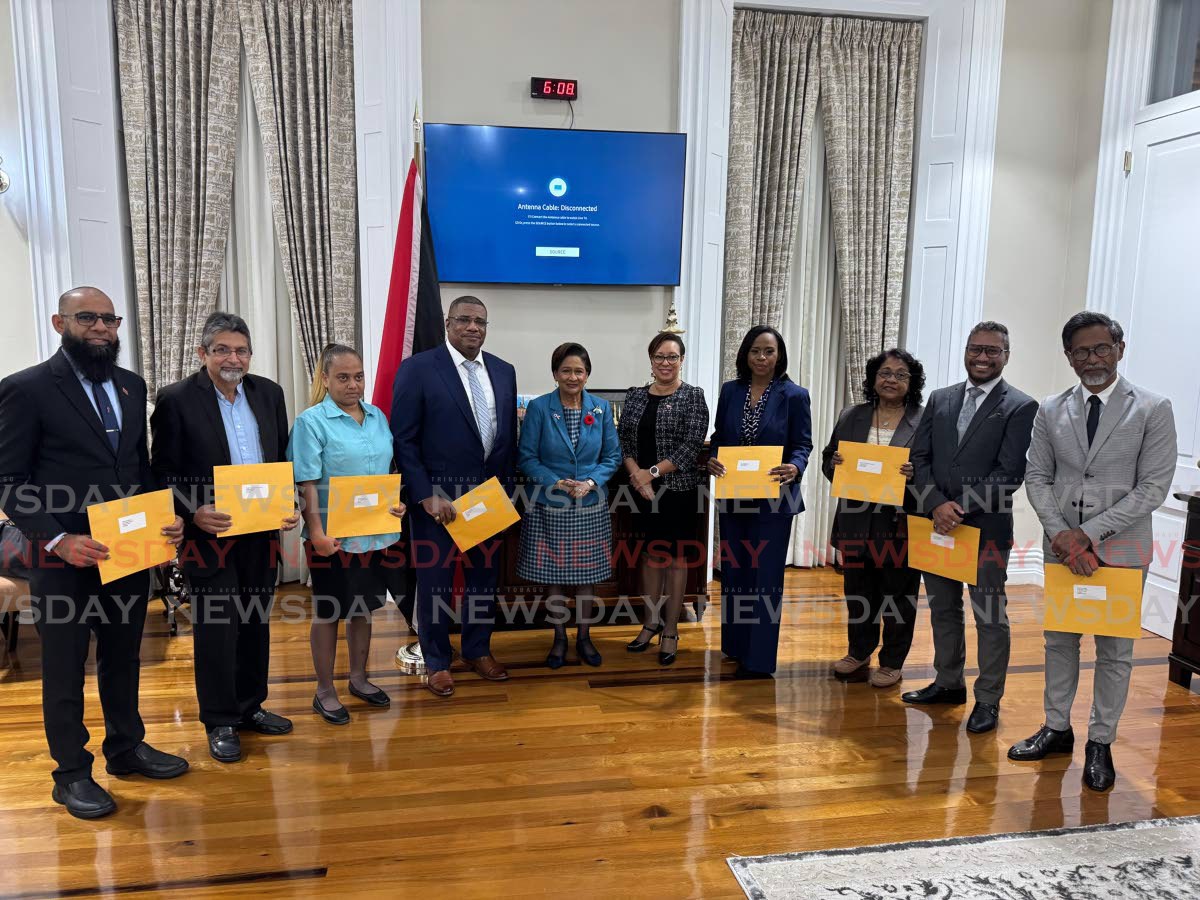
    In a significant move to reshape the future of Trinidad and Tobago Television (TTT), Prime Minister Kamla Persad-Bissessar officially appointed a new board of directors on October 31. The ceremony, held at the historic Red House in Port of Spain, marked a pivotal moment for the state-owned broadcaster. Veteran broadcaster Michael T Kerr was named as the new chairman, with Cecile Ablack stepping into the role of deputy chairman. The board also includes Aaron Mahabir, Jamal Shamshuddin Mohammed, Anna R Moonsammy, Marilyn Martin, Steve Oudit, Nikesha Samuel, and Azeem Mandul. Kerr expressed the board’s gratitude and commitment to serving the nation’s best interests, emphasizing their dedication to the people of Trinidad and Tobago. This restructuring follows a recent realignment of cabinet responsibilities, placing TTT under the direct oversight of the Office of the Prime Minister. During the meeting, Prime Minister Persad-Bissessar shared her vision for TTT’s future, urging the new leadership to strive for excellence and innovation in their national service.

  • Trinidad and Tobago students in Jamaica traumatised by Hurricane Melissa

    Trinidad and Tobago students in Jamaica traumatised by Hurricane Melissa

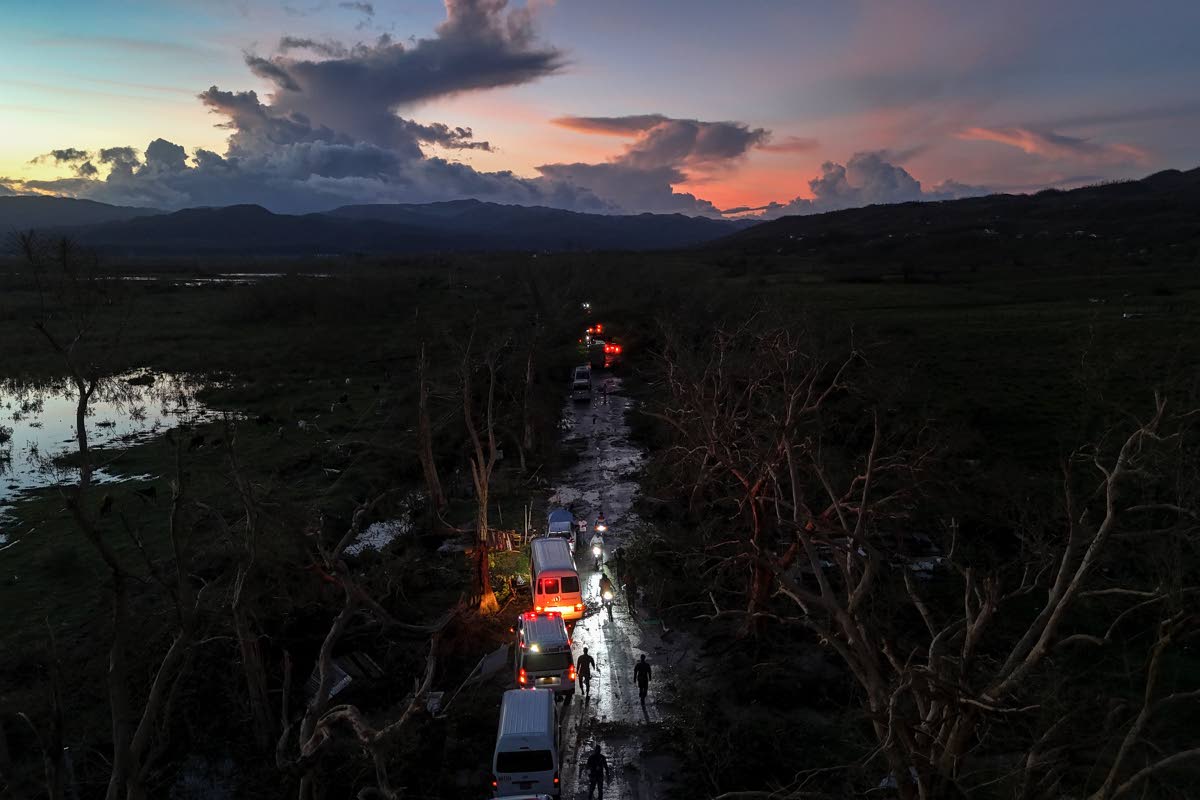
    A convoy delivering aid to Black River, Jamaica, navigates through Holland Bamboo on October 29, where fallen trees and debris partially obstruct the road. This follows the devastating impact of Hurricane Melissa, which struck Jamaica as a Category 5 storm on October 28. While Trinidad and Tobago (TT) students in Jamaica are physically unharmed, many are grappling with significant mental trauma from the harrowing experience. Melinda Alfred, the Tobago representative of the TT Student Association at the University of the West Indies (UWI) Mona Campus, revealed that this was the first hurricane encounter for most students, leaving them deeply shaken. She recounted how high winds tore windows off dormitory blocks at Elsa Leo-Rhynie Hall, exposing rooms to the elements. Students had to secure windows manually during the storm, leading to water damage in several rooms. The adverse weather conditions persisted from October 25, lasting five days. Currently, several dormitories lack WiFi and electricity, with generators providing intermittent power. This has forced students to discard perishable food, including meat, exacerbating their frustration and mental exhaustion. Jaden Paris, the association’s vice president, expressed gratitude for the support from the TT High Commission in Jamaica, which provided food, toiletries, and water. Additionally, the association president used donations from Jamaican and TT sponsors to purchase non-perishable food items before the hurricane, ensuring students’ immediate needs were met. Alfred highlighted ongoing efforts by the central government, Tobago House of Assembly, Tobago Emergency Management Agency, and TT citizens to send donations of non-perishable food and money through the High Commission. These donations were expected to reach students by November 1. Despite their own challenges, the association is collecting non-perishable food to assist severely affected parishes, where TT citizens also reside. Alfred noted that while approximately 350 TT students are in Jamaica, the number is increasing daily, with the association now catering to 400 individuals. She emphasized the need for timely food distribution and is working to locate all Tobagonians, including two athletes in St Elizabeth parish, where the hurricane made landfall. While these athletes are physically well, communication remains limited, and other students’ dorms in the area were completely destroyed.

  • A hustle that became a calling: Khalid ‘Monan’ Ghany and the art of honouring the departed

    A hustle that became a calling: Khalid ‘Monan’ Ghany and the art of honouring the departed

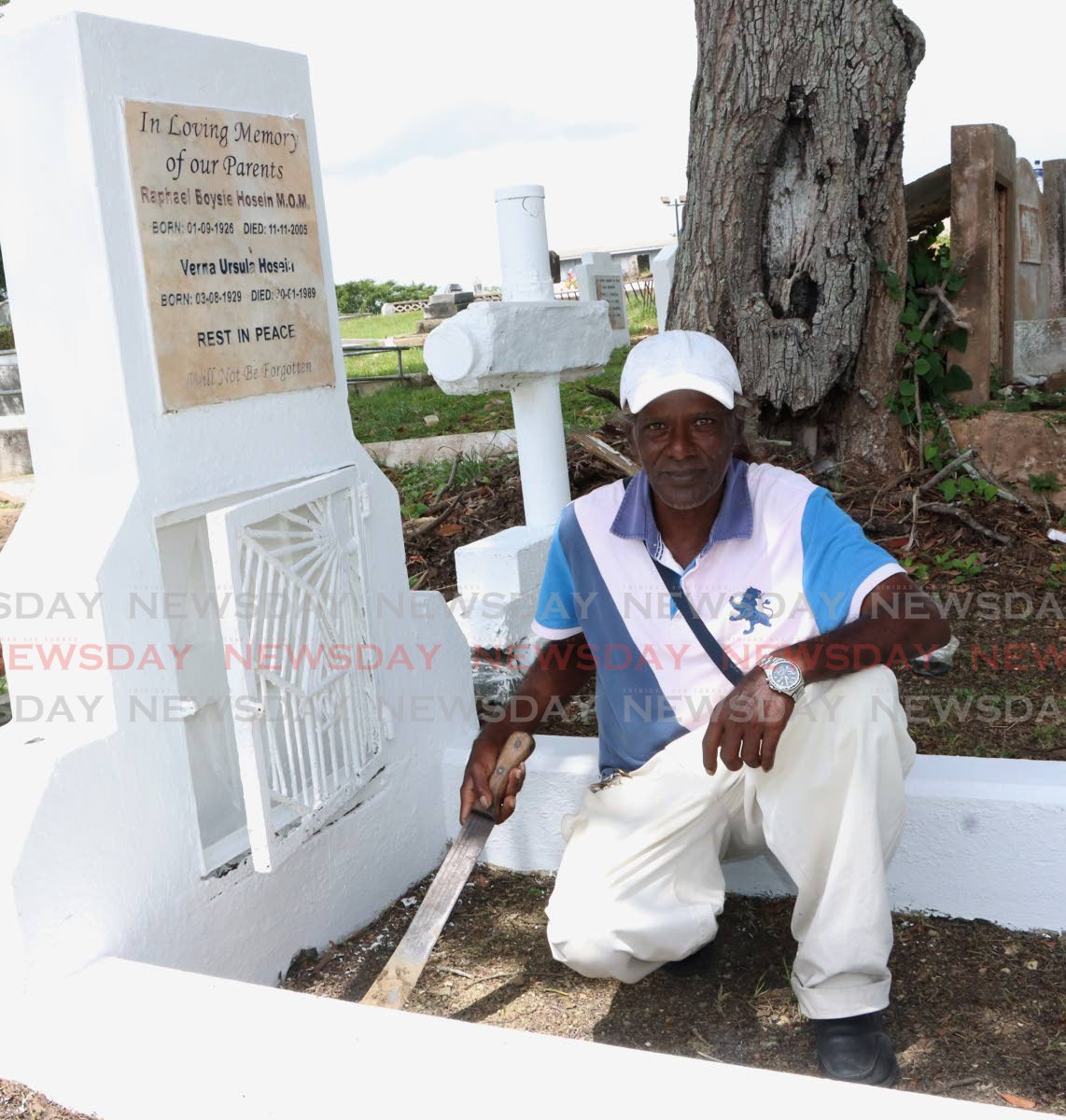
    For over four decades, Khalid “Monan” Ghany has transformed a simple teenage hustle into a profound vocation, dedicating his life to cleaning and decorating gravesites at Paradise Cemetery in San Fernando, Trinidad and Tobago. What began as a modest effort to earn a little money has evolved into a deeply respected service, bringing comfort and pride to families during the sacred observances of All Saints’ Day and All Souls’ Day. These annual traditions, observed on November 1 and 2, respectively, hold immense significance for the Roman Catholic community, as families gather to honor their departed loved ones by cleaning graves, painting tombstones, and adorning them with flowers and candles. Monan’s role in this cultural ritual has made him an indispensable figure in the community. ‘We come to paint and clean the graves. This here what we do is a hustle – we come to look for a little money,’ Monan shared with a humble grin. Yet, his work has long surpassed a mere hustle. Over the years, he has cultivated a loyal clientele, including prominent families like the Kalicharans, Jaqui Koon How, the Samlalsinghs, and the Boodosinghs, who trust him year after year to care for their loved ones’ resting places. Monan’s dedication extends beyond his clients; he also takes pride in maintaining the graves of Trinidad and Tobago’s cultural icons, such as calypsonians Roaring Lion, Black Stalin, and Ras Shorty I. ‘These men are icons for Trinidad and Tobago. Oh gosh alyuh, clean up the grave nah man,’ he urged. For Monan, this tradition is not just about upkeep but about preserving memory, respect, and continuity. He fondly recalls the vibrant celebrations of the past, when families filled the cemetery with life and light. ‘Long time, the same thing yuh seeing now but much more people. Families would come during the day, lime and pay respect. In the night, they’d come back, light candles, talk, and laugh. The whole cemetery used to shine bright with candles,’ he reminisced. Today, the scene is quieter, but Monan’s devotion remains unwavering. As dusk falls on another All Saints and All Souls season, Monan stands at the heart of Paradise Cemetery, brush in hand, embodying a legacy of faith, love, and remembrance.

  • Lessons from Melissa: Prepare for natural disasters

    Lessons from Melissa: Prepare for natural disasters

    In the wake of Hurricane Melissa’s catastrophic impact across the Caribbean, disaster management experts are emphasizing the urgent need for enhanced preparedness and infrastructure improvements in vulnerable regions. Jerry David, a senior disaster management coordinator at Trinidad and Tobago’s Ministry of Rural Development and Local Government, highlighted the critical vulnerabilities in the country’s flood-prone areas, particularly the Caroni plains and the Oropouche river basins. He stressed that while natural hazards are inevitable, human actions and inadequate planning often escalate them into full-blown disasters. David pointed out that improper construction practices, such as building settlements on hillsides and using substandard roofing materials, exacerbate the risks during hurricanes. He also lamented the lack of designated shelters in Trinidad and Tobago, urging for better-equipped community centers and schools to serve as safe havens during emergencies. The aftermath of Hurricane Melissa, which struck Jamaica as a Category 5 storm and later hit Cuba as a Category 3, has left a trail of destruction, with at least 19 fatalities in Jamaica, widespread power outages, and thousands displaced. International aid agencies, including the Red Cross and the UN, have mobilized extensive relief efforts, delivering essential supplies and support to affected regions. David emphasized the importance of studying Melissa’s impact to refine disaster response strategies and improve future preparedness. The hurricane’s devastation has also sparked a broader conversation about the need for proactive measures, such as proper tree pruning, reinforced infrastructure, and community education, to mitigate the effects of future natural disasters.

  • Military devise ‘war’ plans after call-out – Troops stand down

    Military devise ‘war’ plans after call-out – Troops stand down

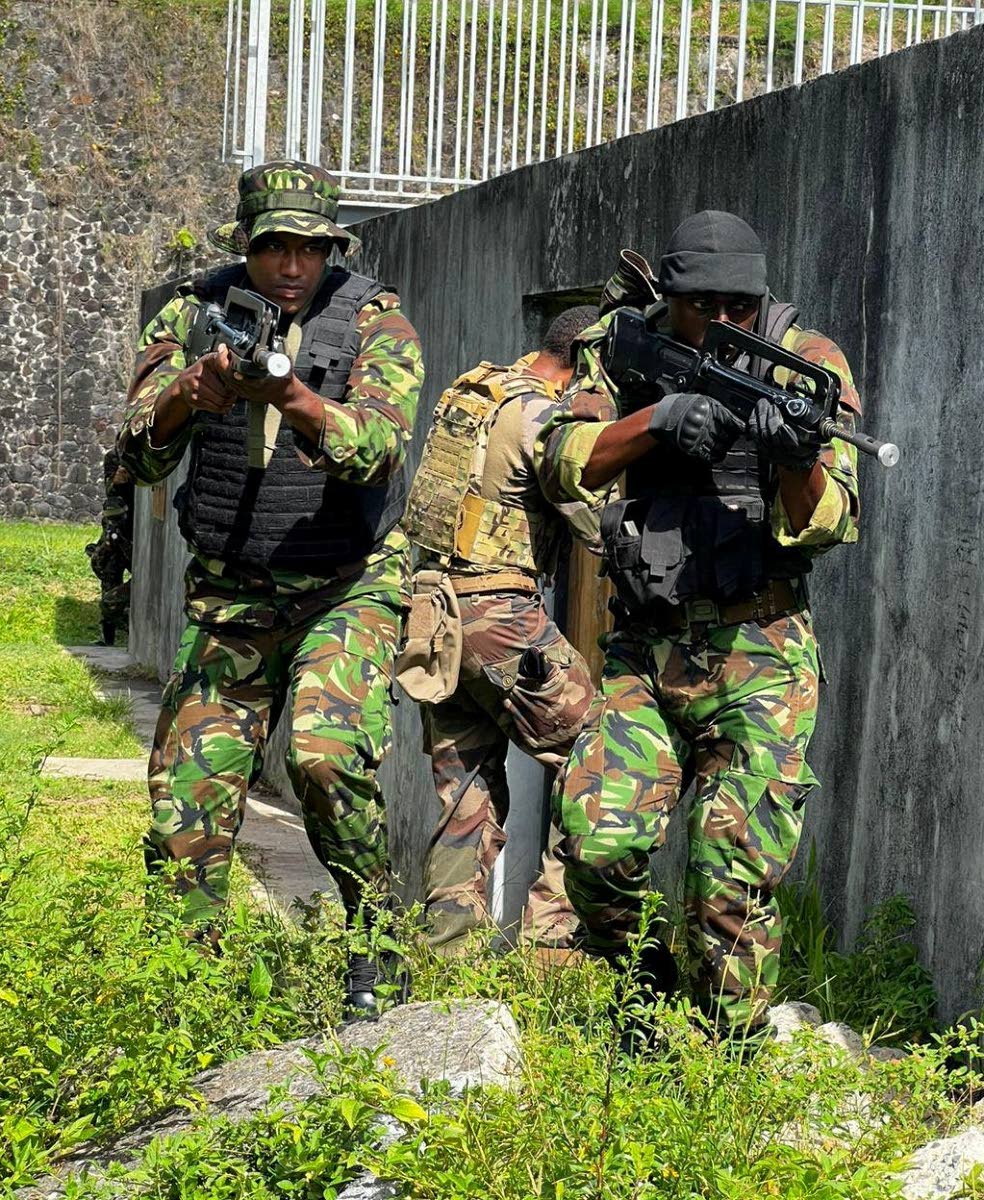
    In response to escalating tensions between the United States and Venezuela, military commanders have developed three specific contingency plans to address potential land strikes involving US forces. This strategic preparation follows the mandatory recall of thousands of active-duty soldiers, sailors, and personnel on October 31, who were instructed to report for duty by 6 pm, leading to a lockdown of all military installations. Although the heightened alert was deactivated later that night, three Quick Reaction Force (QRF) teams remain deployed to strategic locations as part of an ongoing operation to monitor the situation. A senior military officer confirmed that these measures are in place to respond to any emergency arising from military actions in Venezuela. The call to duty was reportedly prompted by international media reports suggesting the US was preparing to strike Venezuela, a claim later refuted by US President Donald Trump and the White House. Trump has previously authorized CIA covert operations in Venezuela and recently announced plans to target drug-related activities within the country. The combination of these developments, along with parliamentary debates on extending the state of emergency, has caused widespread anxiety, leading to early school closures and business shutdowns. Prime Minister Kamla Persad-Bissessar has urged calm, pledging to keep the public informed of significant developments. She has supported US military strikes against narco-traffickers, which have resulted in 61 deaths over the past eight weeks. Military personnel responded promptly to the call, filling camps across the country, while senior commanders convened to assess operational intelligence and devise strategies to handle potential threats, including the migration of Venezuelan nationals fleeing conflict zones. ‘We have a responsibility to care for them while ensuring the safety of our own population,’ an officer stated.

  • International relations expert: Trinidad and Tobago, Venezuela relations could get worse

    International relations expert: Trinidad and Tobago, Venezuela relations could get worse

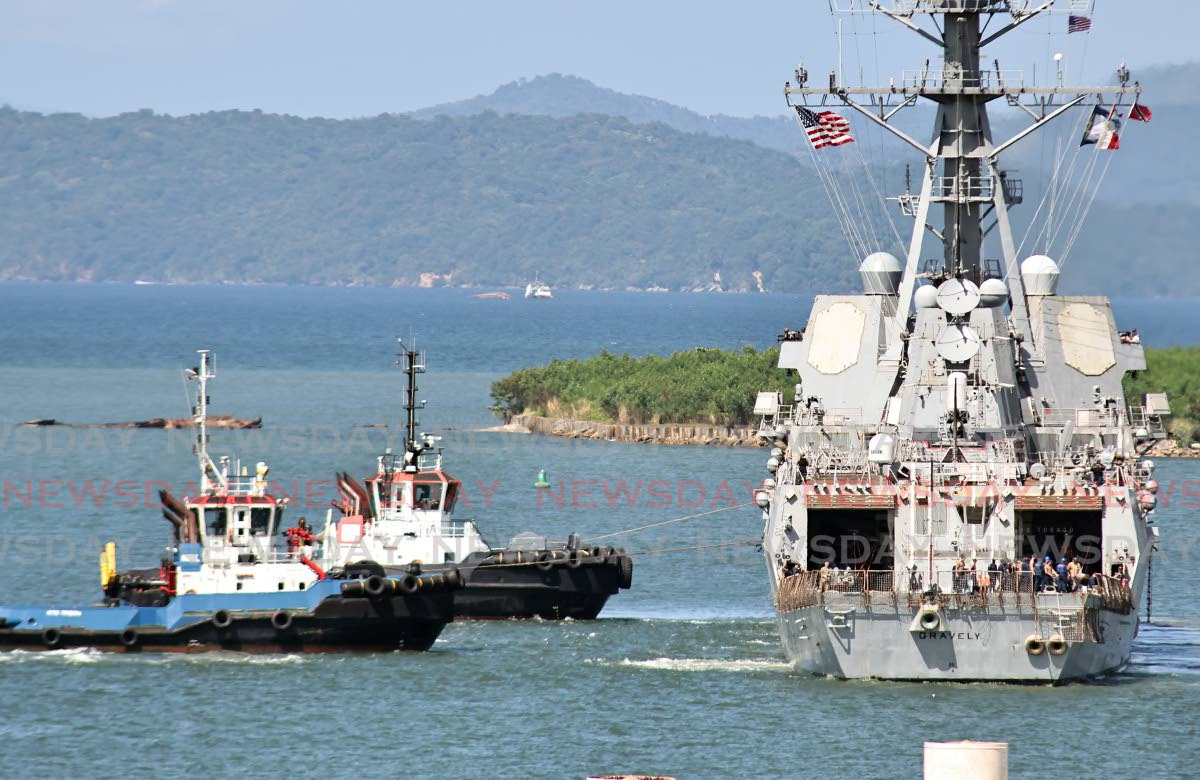
    The recent visit of the USS Gravely, an American warship destroyer, to the Port of Spain has sparked significant controversy and heightened tensions between Trinidad and Tobago (TT) and Venezuela. The vessel departed on October 30 after a five-day humanitarian and training mission, but its presence has been interpreted by the Venezuelan government as a military provocation, threatening regional peace. This development comes amid Prime Minister Kamla Persad-Bissessar’s aggressive stance against Venezuelan drug cartels, which has drawn criticism from international relations experts and human rights advocates. Dr. Anthony Gonzales, a prominent international relations expert, has openly disagreed with Persad-Bissessar’s support for US military actions that have resulted in the deaths of 61 suspected narco-traffickers. Gonzales emphasized the importance of due process, echoing concerns raised by the United Nations Commissioner for Human Rights, Volker Türk, who condemned the extrajudicial killings. Persad-Bissessar, who returned to power after the UNC-led coalition’s victory in the April 28 general election, has declared a zero-tolerance policy toward drug traffickers, stating, “I have no sympathy for traffickers, the US military should kill them all, violently.” However, Gonzales criticized her contradictory statements, noting her opposition to a Venezuelan invasion while advocating for lethal measures against traffickers. He also questioned the timing of the USS Gravely’s visit, suggesting it could escalate tensions with Venezuela. The Venezuelan National Assembly’s decision to declare Persad-Bissessar persona non grata and suspend energy cooperation with TT has further strained bilateral relations. Historian Dr. Jerome Teelucksingh warned that these developments could have severe economic repercussions for TT, particularly affecting the tourism and energy sectors. While he supports Persad-Bissessar’s efforts to combat drug cartels, Teelucksingh expressed concern about the long-term impact of severed energy agreements, including the loss of the Dragon Gas deal. Both experts agree that TT must navigate this delicate situation carefully to avoid being drawn into a broader conflict.

  • JTA president urges caution in planned reopening of some schools

    JTA president urges caution in planned reopening of some schools

    The aftermath of Hurricane Melissa has left Jamaica grappling with the challenge of reopening schools, sparking a heated debate between the Jamaica Teachers’ Association (JTA) and the Ministry of Education. JTA President Mark Malabver expressed deep concerns over the ministry’s directive for schools in less-affected parishes to resume operations on November 3. Malabver argued that such decisions should be made at the institutional level, involving principals, teachers, and stakeholders, rather than adopting a blanket approach. He emphasized the need to consider the personal circumstances of educators, many of whom have suffered significant losses, including homes and family members, and are struggling with mental health issues.

  • ‘You can get back a roof, but not a life

    ‘You can get back a roof, but not a life

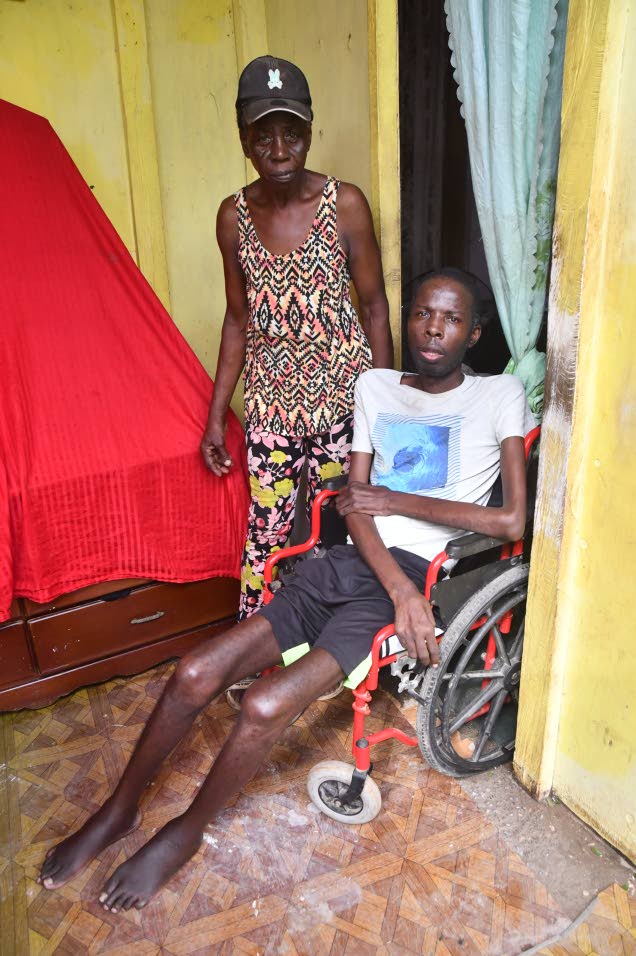
    As Hurricane Melissa ravaged Jamaica with winds reaching 185 miles per hour, Vera Brown, a 65-year-old single mother, faced the storm with unwavering determination. Her four adult children, all wheelchair-bound due to an undiagnosed condition, relied on her strength and prayers as the Category 5 hurricane tore through their home in Royal Palm, St Ann. Despite the roof being partially ripped off and the surrounding houses flattened, Brown remained grateful that her family was safe. ‘You can rebuild a roof, but you can’t get back a life,’ she told the Jamaica Observer, emphasizing her priority: her children’s survival. Brown, who suffers from chronic back pain, single-handedly carried her children to safety, a testament to her resilience. Her daughter, Norneth Jarrett, recounted the fear and trauma of the storm, highlighting their vulnerability as a family with physical challenges. The hurricane claimed 19 lives in Jamaica, and the family now appeals for assistance to repair their home and replace lost essentials. Despite their hardships, they remain thankful for their survival, attributing it to divine mercy.

  • A house that breathes

    A house that breathes

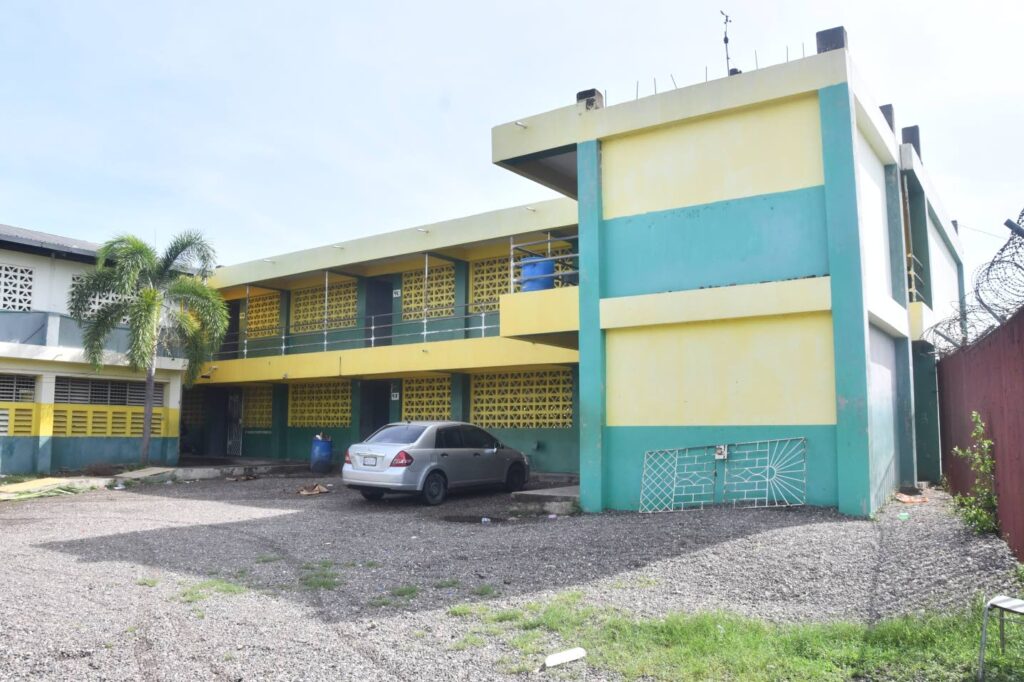
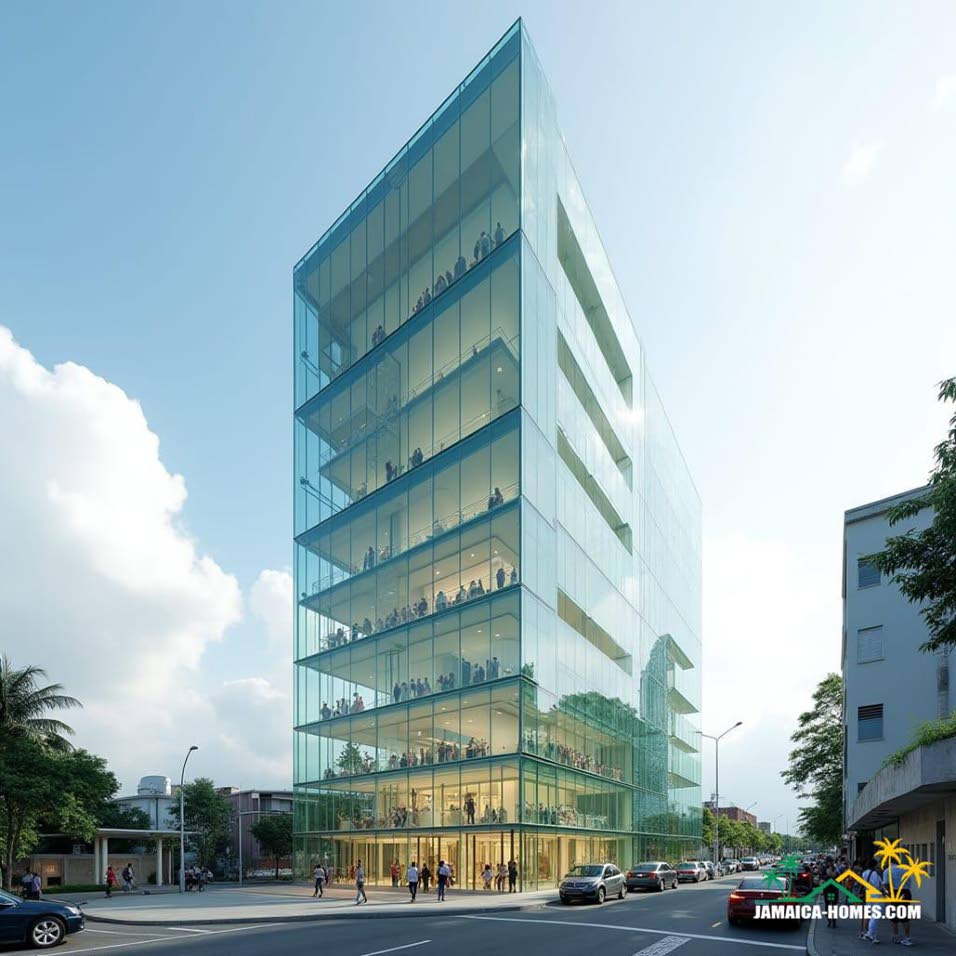
    In Jamaica, architecture transcends mere shelter, embodying a cultural ethos that celebrates community, resilience, and vibrant living. Traditional designs, with their expansive verandas, thick walls, and bold colors, have long reflected the island’s spirit. However, as Jamaica faces modern challenges—scarce land, harsher weather, and technological advancements—the need for a reimagined architectural approach has never been more urgent. This article explores a vision for the future of Jamaican architecture, one that harmonizes tradition with innovation, sustainability, and inclusivity. The foundation of this vision lies in listening to the land. Historical homes, designed with tall ceilings, deep eaves, and natural ventilation, offer timeless lessons in comfort and climate adaptation. Modern designs must build on these principles, incorporating features like storm-resistant roofs, rainwater harvesting systems, and thermally efficient materials. Vertical living, a necessity in growing cities, should retain the essence of traditional low-rise homes, with balconies functioning as verandas and rooftops serving as communal spaces. Resilience is paramount in an era of increasing hurricanes and rising sea levels. Coastal homes must respect the environment, stepping back from the shoreline and integrating natural barriers like mangroves. Technology, when thoughtfully integrated, can enhance comfort and efficiency, from smart shutters that respond to weather conditions to energy storage systems that ensure uninterrupted power. Affordability and dignity must be central to housing solutions. Thoughtful designs that cater to diverse family needs, coupled with mixed-income developments that foster inclusivity, are essential. Jamaican architecture should also embrace its unique identity, using local materials like limestone and timber, and reinterpreting traditional elements like breeze blocks and verandas in contemporary ways. Public spaces must be welcoming and accessible, designed for all ages and abilities. Sustainability should be foundational, not an afterthought, with designs that prioritize passive cooling, water conservation, and local materials. The home itself must adapt to modern lifestyles, offering flexible spaces that accommodate work, rest, and play. Craftsmanship and local labor should be celebrated, embedding economic value into every structure. This vision calls for collaboration among architects, policymakers, builders, and communities to create a built environment that reflects Jamaica’s resilience, warmth, and identity. By building wisely and inclusively, Jamaica can craft a future where architecture not only shelters but also strengthens its people and culture.