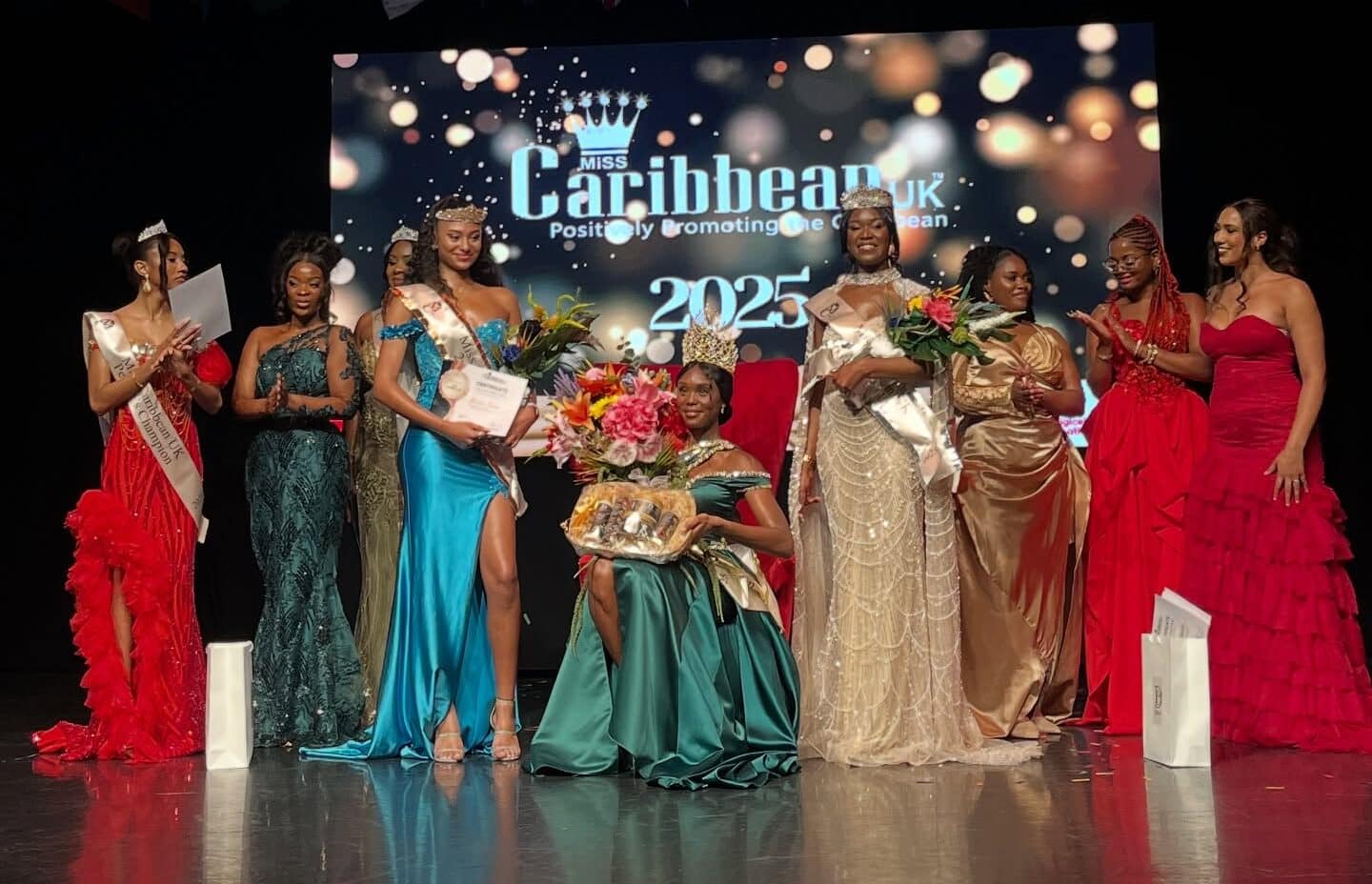
Zhane Fritz from Grenada has been named Miss Caribbean UK 2025, emerging victorious in a dazzling showcase of Caribbean heritage, culture, and talent in London. Fritz captivated the judges with her poise, articulate expression, and unwavering representation of her Grenadian background, earning the prestigious title. Aaliyah Brown, representing Trinidad and Tobago, was awarded First Runner-up, while Tansy Daniel of St Vincent and the Grenadines secured the Second Runner-up position. Antigua and Barbuda’s Kmari Wellington and Maurisa-Jae Isaac also made a strong impression, proudly displaying their nation’s culture and charm on stage, further enriching the event’s vibrant diversity. Pageant organizer Jax Brown expressed gratitude to all participants and supporters, stating, ‘Congratulations to our Miss Caribbean UK Zhane Fritz representing Grenada! Thank you to all our finalists, friends, family, and everyone who came out to support.’ The Miss Caribbean UK competition remains a vital platform for women of Caribbean descent in the UK to celebrate their identity, leadership, and cultural pride while strengthening ties within the diaspora.
博客
-
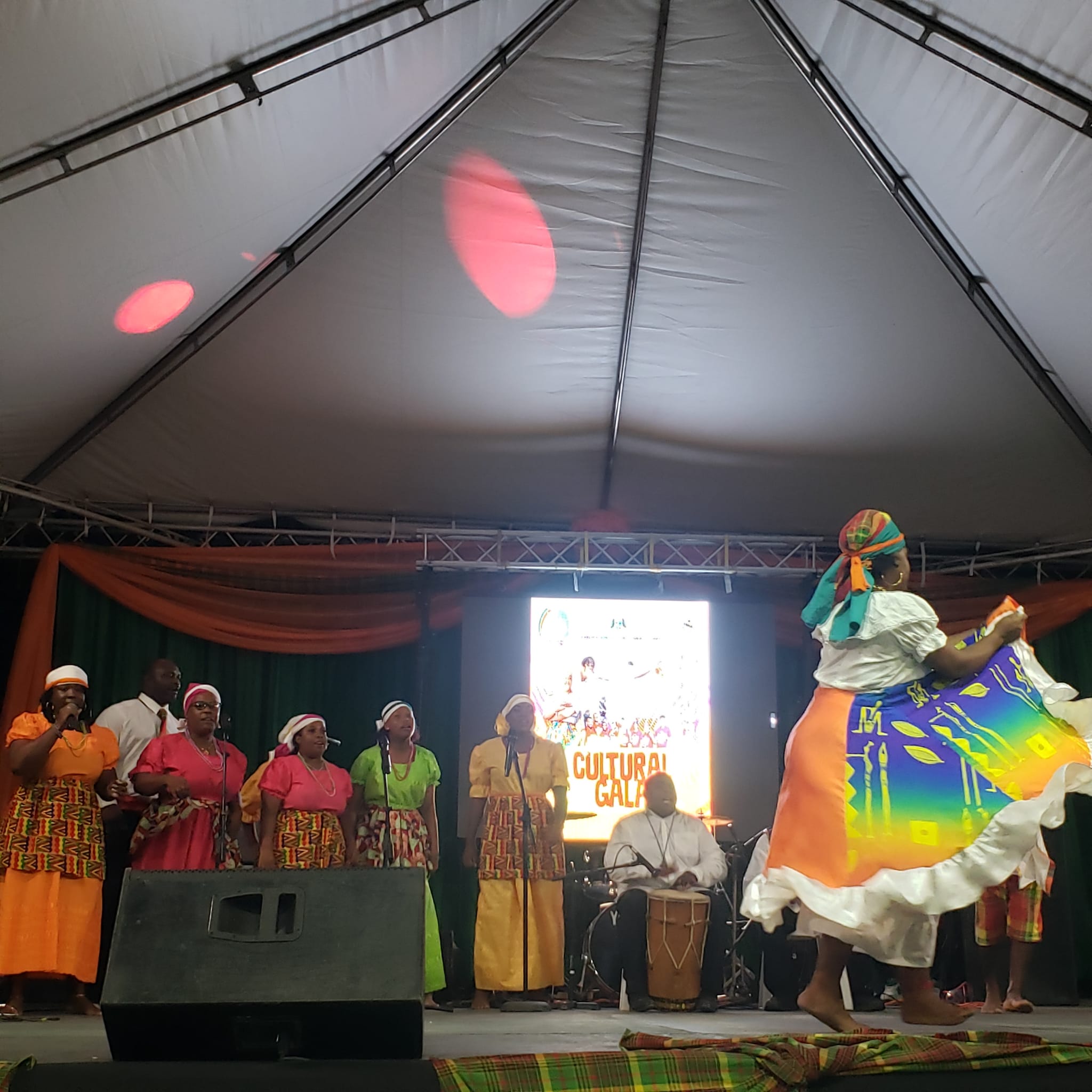
LIVE NOW: Dominica National Cultural Gala 2025
In the ever-evolving landscape of digital communication, social media platforms have emerged as transformative tools, reshaping how individuals and organizations interact globally. The integration of features like sharing, tweeting, pinning, and more has not only enhanced user engagement but also fostered a new era of connectivity. These platforms have become indispensable for real-time information dissemination, enabling users to share updates, opinions, and multimedia content seamlessly. The rise of social media has also revolutionized marketing strategies, with businesses leveraging these channels to reach broader audiences and build brand loyalty. Moreover, the ability to pin important content ensures that critical information remains accessible, further enhancing user experience. As these platforms continue to innovate, they are set to play an even more pivotal role in shaping the future of digital communication.
-
Casimir confident of work on National Aquatic Centre
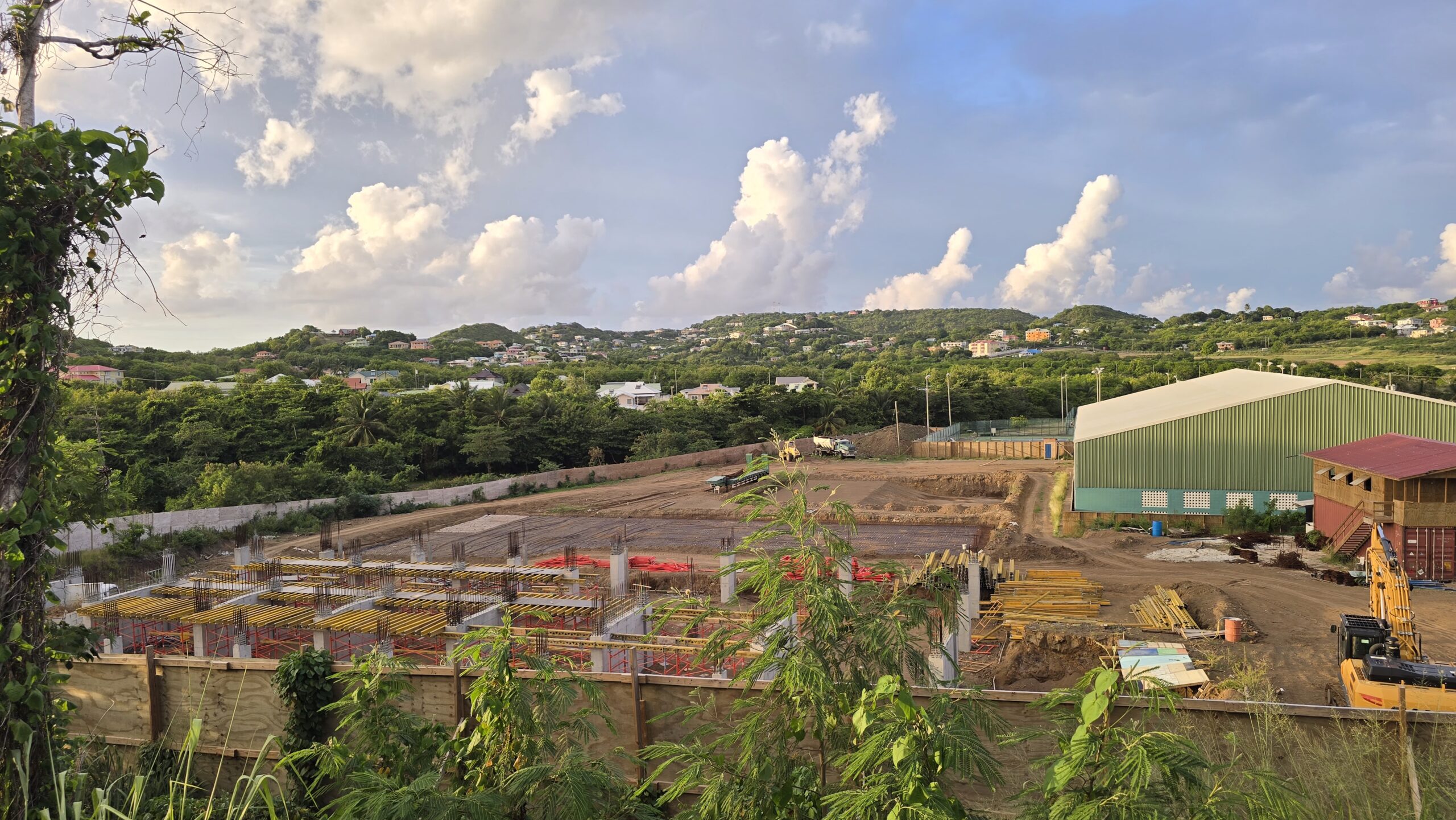
Construction of the Saint Lucia National Aquatic Centre (NAC) is well underway, with completion targeted for October 2026. This state-of-the-art facility is poised to host the prestigious 2027 CARIFTA Aquatic Championships from March 27-31, marking a significant milestone for the nation’s sporting infrastructure. Minister for Youth Development and Sports, Kenson Casimir, expressed unwavering confidence in the project’s timely delivery and its potential to elevate Saint Lucia’s standing in regional sports. Excavation commenced in April 2024, following the 28th CARIFTA Championships in Trinidad and Tobago. Eddie Hazell, former president of the Saint Lucia Aquatics Federation, emphasized the urgency of completing the facility ahead of the 2027 event. The modular pool, stored since early 2023 by Hazell’s company, West Indies Shipping & Trading, is a key component of the project. The NAC, located in Gros Islet, will complement existing sports facilities, including the Beausejour Gymnasium and the National Tennis Centre, near the iconic Daren Sammy Cricket Ground. Contractor IDC (Caribbean) Holdings Ltd, a renowned engineering firm with expertise in civil engineering, is overseeing the construction. Casimir highlighted the ongoing progress, noting that additional equipment from China is expected to accelerate the pace of work. Once operational, the NAC will be the first Olympic-size swimming venue in the sub-region, providing elite local swimmers with access to a 50m pool without the need to travel abroad. The facility is also anticipated to host the 34th OECS Swimming Championships in 2026. The 2027 CARIFTA Aquatic Championships will bring together over 500 participants, officials, and fans from 24 territories, showcasing Saint Lucia’s growing prominence in aquatic sports.
-
Barbados celebrates 50 years of American Airlines service to the island
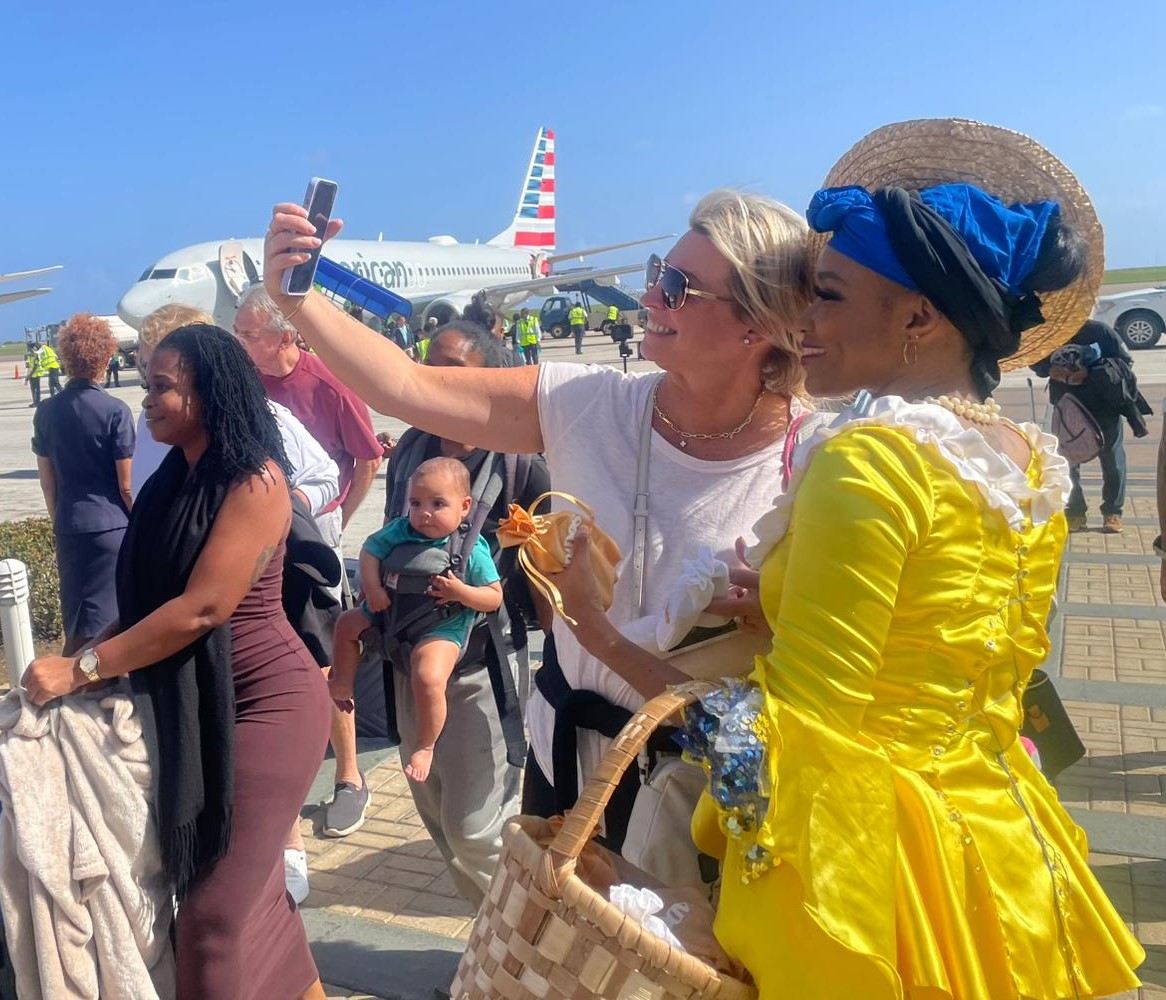
On a sunny Saturday afternoon, the atmosphere at Grantley Adams International Airport (GAIA) in Barbados transformed into one of jubilation as an American Airlines flight from Miami touched down. This moment marked a significant milestone: 50 years of aviation history between American Airlines and Barbados. Since its inaugural flight to the island in November 1975, American Airlines has been a cornerstone of Barbados’ tourism industry, providing consistent connectivity through key U.S. gateways such as Miami, New York, Charlotte, and Philadelphia.
-
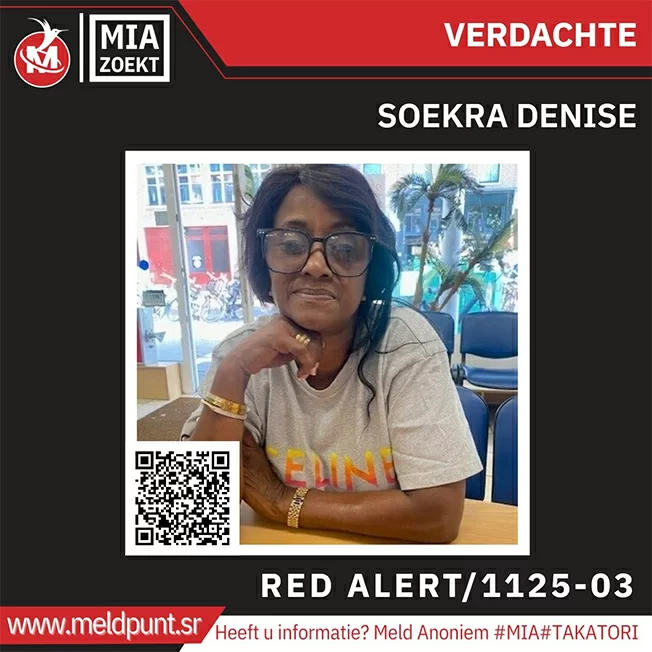
€15.000 beloning voor tip over verdachten moord Sherwin Peterhof
The Dutch authorities have announced a €15,000 reward for information leading to the arrest of Denise Soekra (57) and Claimond Maes (42), who are suspected of involvement in the murder of Sherwin Cedric Peterhof. Peterhof’s body was discovered buried in a cornfield in Meer, Belgium, on August 15, 2025. The gruesome discovery was made by a local farmer, who immediately alerted the authorities. Investigations reveal that Maes arrived in Suriname on August 14, just one day before the body was found, followed by Soekra five days later. There is strong suspicion that the two suspects are still in Suriname, having not left through official channels. In the Netherlands, five individuals have already been arrested in connection with the case: a 40-year-old woman from Amsterdam, a 31-year-old man from Rotterdam, a 43-year-old man with no fixed address, and two 40-year-old men from Rotterdam. Peterhof, born in Suriname, had been visiting family in the Netherlands since February 2025 and was scheduled to return on April 30. He was last seen alive near Bijlmer ArenA station in Amsterdam on August 5. Ten days later, his body was found buried in a cornfield. The Dutch authorities, supported by international law enforcement, are urging the public to remain vigilant and report any suspicious activities or information. ‘We call on everyone to report any information or suspicious situations immediately. Together, we contribute to a peaceful and safe Suriname,’ stated the authorities.
-
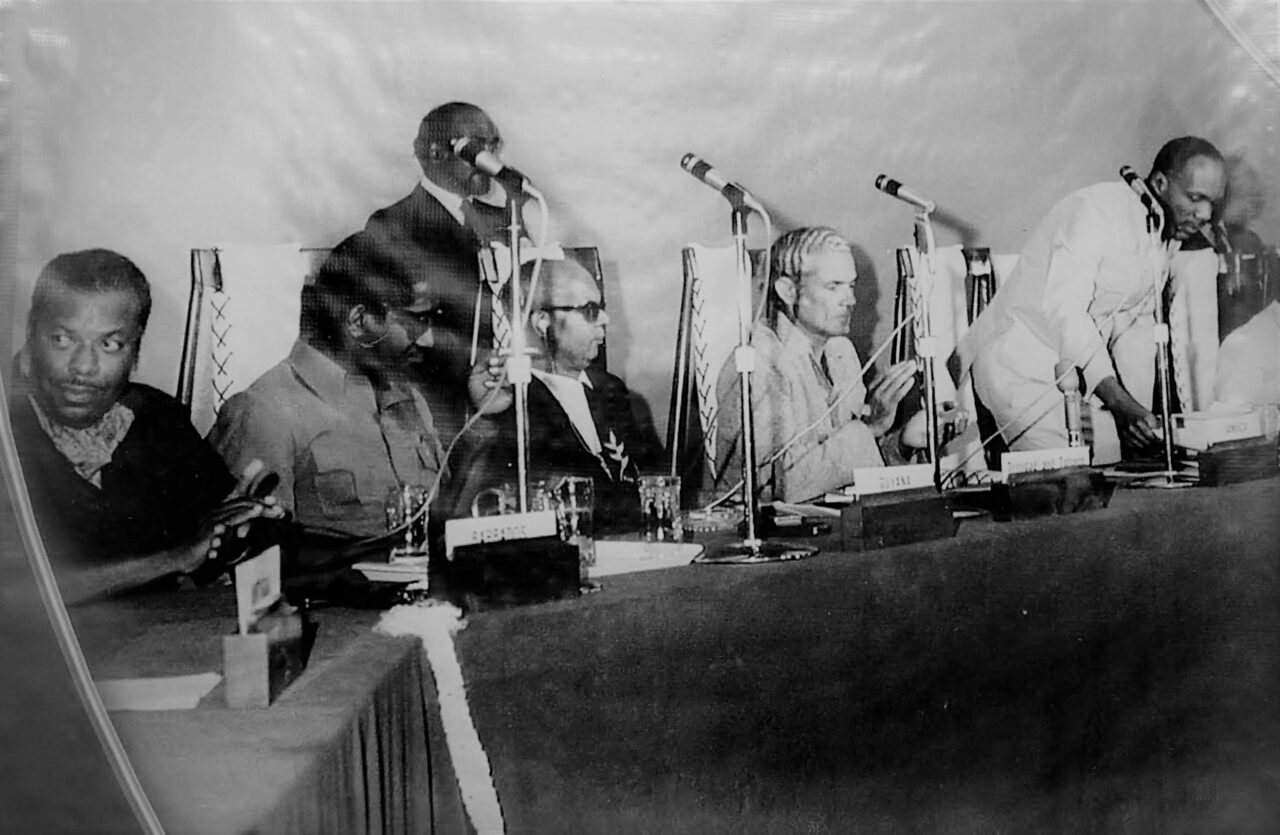
EDITORIAL: Zone of Peace: Reality or fallacy
Since the Treaty of Chaguaramas in 1973, Caribbean leaders have consistently advocated for the region to remain a zone of peace, free from foreign military intervention and domination. This vision, however, has been tested by a history marked by colonial struggles, slavery revolts, and political instability. Nations like Haiti have endured multiple coups, while events such as the Grenada Revolution and subsequent U.S. invasion in 1983 underscore the region’s turbulent past. Even Trinidad and Tobago experienced a brief coup in 1990. By the 2000s, the Caribbean had achieved relative stability, though political unrest and racial tensions persisted in some areas. In 2014, the Community of Latin American and Caribbean States (CELAC) declared the region a ‘Peace Zone,’ emphasizing peaceful conflict resolution and international law. Recent U.S. military activities, particularly targeting drug trafficking, have reignited concerns about foreign intervention. CARICOM has reaffirmed its commitment to peace, sovereignty, and combating narco-trafficking and illegal arms trade. However, the rise in gang violence, homicides, and drug trafficking poses significant challenges to this vision. Regional leaders must address these issues with decisive action to ensure true peace and security for all Caribbean citizens.
-
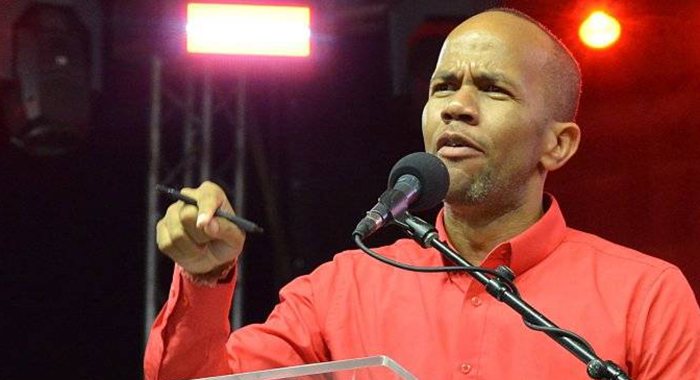
Luke cites health minister stint as he makes 4th East K’town bid
Luke Browne, a seasoned politician and former Minister of Health, is embarking on his fourth campaign to secure the East Kingstown constituency for the Unity Labour Party (ULP). Addressing supporters in Richmond Hill, Browne expressed confidence, stating, “East Kingstown is finally going to come home to Labour.” This constituency has been a stronghold of the New Democratic Party (NDP) for the past four decades, making Browne’s challenge a significant political endeavor.
-
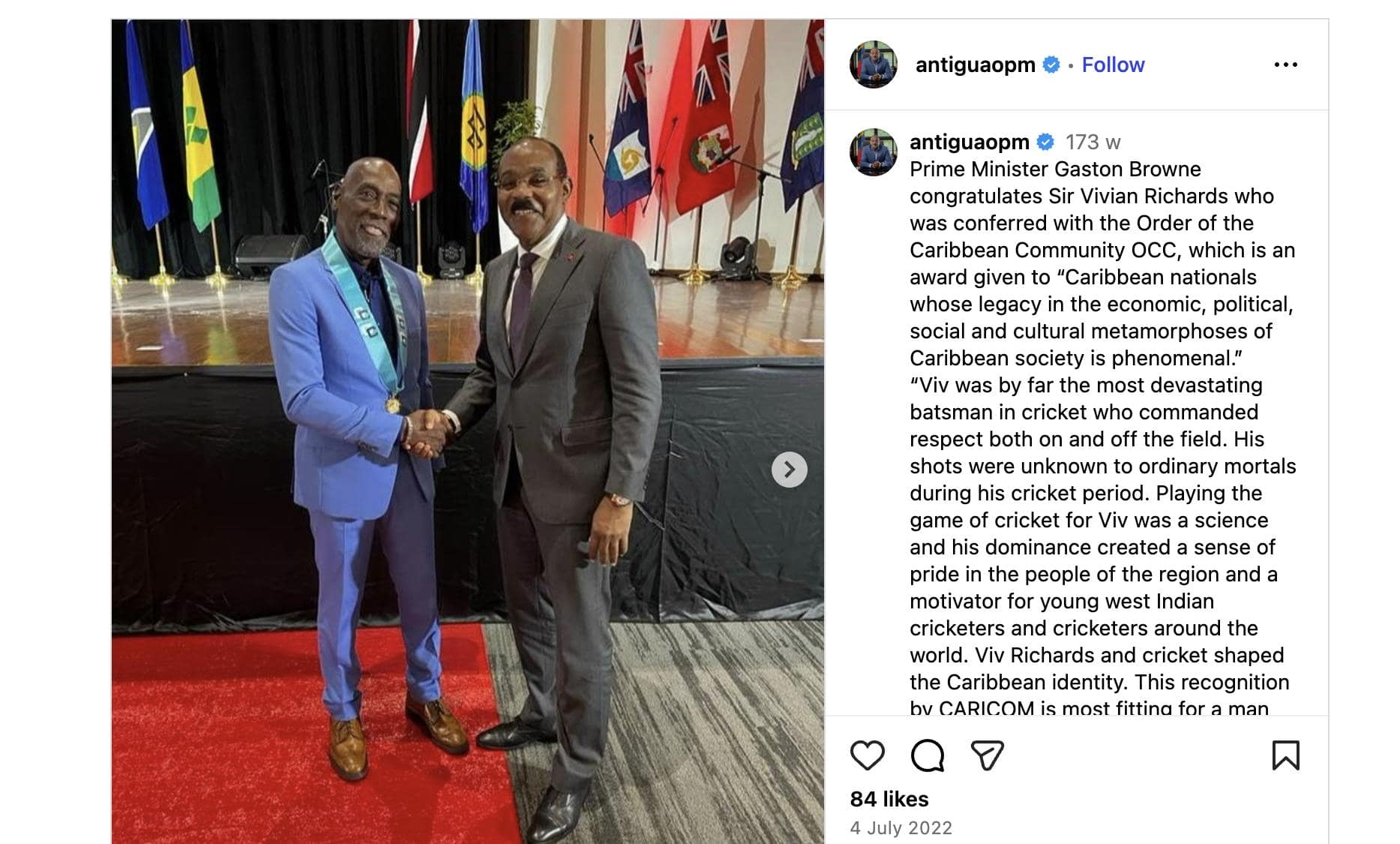
LISTEN: PM Advises Sir Viv To Stay Out of the Political Fray or “TEK What Yuh Get”
In a recent public statement, the Prime Minister has cautioned cricket legend Sir Viv Richards against engaging in political activities, using the local phrase ‘TEK What Yuh Get’ to emphasize the potential consequences. The PM’s remarks come amid growing speculation about Sir Viv’s possible involvement in political discourse, particularly given his influential status in the Caribbean. While the PM acknowledged Sir Viv’s contributions to sports and national pride, he stressed that political matters require a different skill set and cautioned against mixing sports with politics. This statement has sparked debates among citizens, with some supporting the PM’s stance and others defending Sir Viv’s right to express his views. The incident highlights the delicate balance between public figures’ influence and their role in political spheres.
-
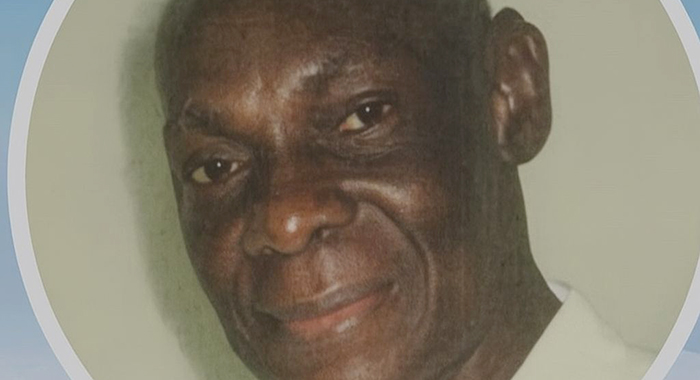
The passing of a generation
The village of Lowmans Hill is in mourning following the recent passing of Leroy Fairbairn, just days after the death of his younger brother, Solomon, affectionately known as So-Lo. Both brothers, pillars of their community, succumbed to prostate cancer, leaving behind a legacy of hard work, discipline, and community service. Their deaths, occurring within the same week, have left an indelible mark on their family and the village they called home. Leroy, known for his generosity and quiet pride, was a farmer and community member who lived a balanced life, embodying the values of his generation. Solomon, equally respected, shared his brother’s commitment to their community. The Fairbairn family, known for their God-fearing and disciplined upbringing, has now lost two sons to cancer, a tragedy that underscores the broader issue of cancer’s impact on rural communities. The brothers’ passing signifies more than personal loss; it marks the gradual transition of a generation that built and sustained Lowmans Hill. Their lives, though cut short, were filled with purpose and service, leaving a legacy that will not be forgotten. The village, while grieving, finds solace in the memories of their contributions and the enduring impact they had on those around them.
-
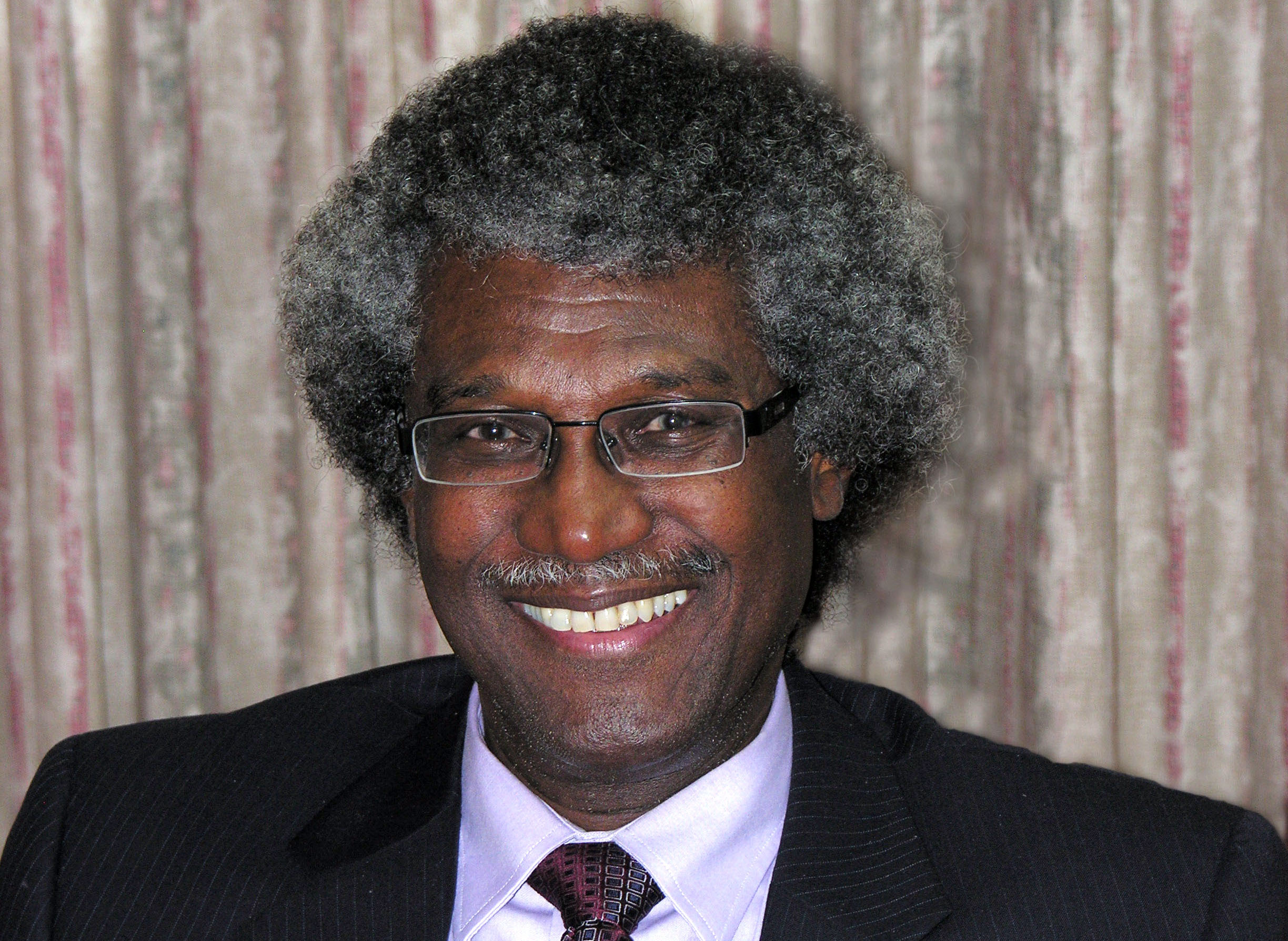
OPINION: An open letter to the Archbishop of Saint Lucia
In a thought-provoking critique of school grooming policies, the author challenges Archbishop Gabriel Malzaire’s defense of the status quo, arguing that current standards are rooted in Eurocentric norms that suppress black cultural identity. The Archbishop’s assertion that the Ministry of Education’s intervention undermines school authority is met with skepticism, as the author highlights the discriminatory nature of ad hoc policies that disproportionately affect black students. These policies, which enforce Eurocentric ideals of neatness and tidiness, often require black students to conform to arbitrary hair length standards while exempting non-curly-haired students from similar restrictions. This double standard perpetuates a somatic norm image that alienates black students from their cultural heritage. The author questions the Archbishop’s assumption that permitting natural hairstyles would lead to ill-discipline, pointing out that there is no empirical evidence to support this claim. Instead, the author argues that embracing black hair in schools would foster self-expression, cultural pride, and critical thinking among students. The critique also addresses the Archbishop’s fear that allowing diverse hairstyles would foster individualism at the expense of community identity. The author counters that true community identity must include the unique cultural expressions of its members, particularly those of black students. The article concludes with a call for the Archbishop and other stakeholders to re-examine their implicit assumptions and embrace policies that reflect the cultural realities of a predominantly black population. By doing so, schools can become spaces where students are empowered to value their natural beauty and cultural heritage, rather than conforming to outdated colonial standards.