博客

  • Hurricane Melissa shows why everyday Caribbean workers need financial protection

    Hurricane Melissa shows why everyday Caribbean workers need financial protection

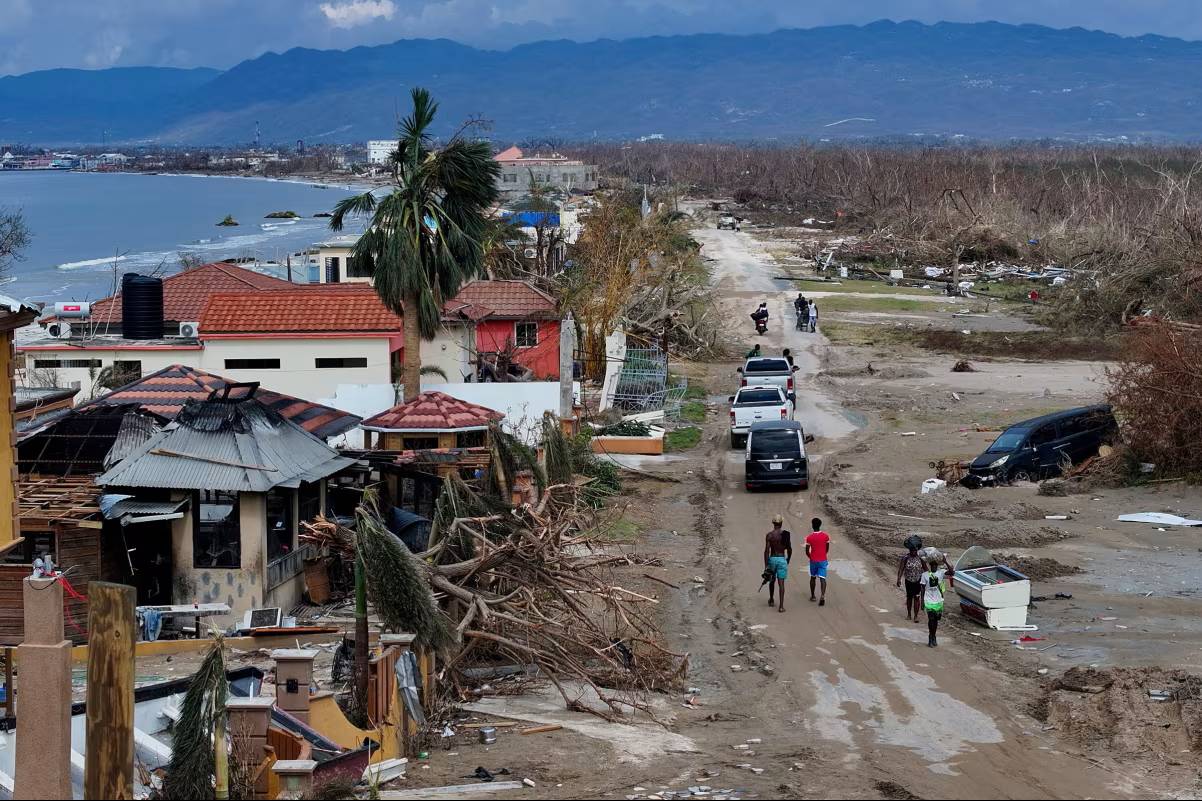
    Hurricane Melissa recently tore through the Caribbean, leaving a trail of destruction that disrupted lives, damaged infrastructure, and threatened food security. In Jamaica, the storm flooded St. Elizabeth, the nation’s agricultural heartland, while widespread power outages affected over 75% of electricity customers. Haiti and the Dominican Republic also faced devastating floods, claiming dozens of lives and displacing families. These recurring climate shocks highlight the region’s vulnerability to extreme weather events.

    The aftermath of the storm revealed deeper economic and social challenges. Farmers lost essential equipment and seedlings, vendors were unable to operate due to damaged markets, and fishers saw their boats and docks destroyed. Tourism and service workers faced reduced shifts as hotels and ports underwent repairs. These individual losses ripple across communities, creating widespread hardship, particularly for those in the informal economy who are the backbone of local food systems and markets.

    National governments have responded with emergency measures. Jamaica’s Prime Minister outlined immediate relief efforts, including road clearance, power restoration, and price controls to prevent gouging. A J$400 million fund was allocated for emergency drain-cleaning and support for farmers and fishers. The Ministry of Health launched mosquito-control operations to mitigate post-storm disease risks. Additionally, disaster-risk financing instruments were activated to ensure swift access to funds.

    However, these national efforts often fall short in addressing the scattered, small-scale losses that communities face. Research by the Caribbean Policy Development Centre (CPDC) reveals that 79% of organizations serving vulnerable populations lack disaster budgets, leaving them without a safety net during crises. CPDC advocates for meso-level Climate and Disaster Risk Financing and Insurance (CDRFI), leveraging trusted local institutions like credit unions and cooperatives to deliver faster, fairer financial support. This approach includes parametric insurance for quick payouts, indemnity insurance for additional losses, and community savings funds for restocking and repairs.

    CPDC emphasizes that while government aid is crucial for large-scale infrastructure, community-level financial systems are essential to protect livelihoods, food supplies, and dignity during recovery. The organization’s research, conducted across five Caribbean nations, calls for a regional discussion on practical, people-centered disaster finance. As climate threats become permanent, the Caribbean must transition from rebuilding from scratch each season to building resilient financial systems that enable faster recovery for farmers, fishers, vendors, and informal workers.

    Protecting livelihoods is not just about economic stability; it’s about preserving the region’s knowledge, traditions, and community strength. CPDC invites Caribbean media, civil society organizations, governments, and financial cooperatives to join the conversation and implement solutions that turn disaster lessons into long-term protection.


  • Dominica has made consistent efforts towards development – CARICOM SG says on country’s Independence Anniversary

    Dominica has made consistent efforts towards development – CARICOM SG says on country’s Independence Anniversary

    The Caribbean Community (CARICOM) has lauded Dominica for its unwavering commitment to regional integration and sustainable development. In a congratulatory message marking the Commonwealth of Dominica’s Forty-Seventh Anniversary of Independence, CARICOM Secretary-General Dr. Carla Barnett commended the nation’s progress and leadership in advancing the regional integration movement. Dr. Barnett highlighted Dominica’s pivotal role in implementing full freedom of movement across CARICOM by 1 October 2025, describing it as a historic milestone in achieving collective integration goals. The message underscored Dominica’s dedication to its development objectives, encapsulated in this year’s theme, “47 Years of Progress and Purpose.” Dr. Barnett extended best wishes for continued peace, prosperity, and progress to the government and people of Dominica. CARICOM, established in 1973, continues to champion economic integration, foreign policy coordination, human and social development, and security cooperation among its fifteen Member States and six Associate Members. Dominica’s efforts exemplify CARICOM’s mission to create a unified, resilient, and globally competitive community.

  • Foreign Minister E.P. Chet Greene honoured with Kyasa Mitra Award for leadership and global friendship

    Foreign Minister E.P. Chet Greene honoured with Kyasa Mitra Award for leadership and global friendship

    The Hon. E.P. Chet Greene, Antigua and Barbuda’s Minister of Foreign Affairs, was recently awarded the prestigious Kyasa Mitra Award by the United States of Kyasa. This accolade recognizes his exceptional leadership and unwavering commitment to public service, symbolizing the strong bond of friendship and mutual respect between the two nations. The award underscores the enduring relationship between Kyasa and Antigua and Barbuda, built on shared values, cultural appreciation, and collaborative efforts toward global peace. During the ceremony, Minister Greene humbly accepted the honor, emphasizing that it reflects the collective service of the people of Antigua and Barbuda rather than a personal achievement. He expressed gratitude on behalf of the nation, acknowledging Kyasa’s contributions to local communities, including St. Paul’s, and encouraged further integration and the sharing of selfless values. Greene also conveyed appreciation for Kyasa’s decision to host its meetings in Antigua and Barbuda, highlighting the nation’s welcoming spirit. He concluded by advocating for continued cooperation to foster ethical behavior, social responsibility, and family values. The event was celebrated as a testament to shared humanity and a reaffirmation of Antigua and Barbuda’s dedication to global friendship and harmony.

  • UAE leaders congratulate Governor-General of Antigua and Barbuda on Independence Day

    UAE leaders congratulate Governor-General of Antigua and Barbuda on Independence Day

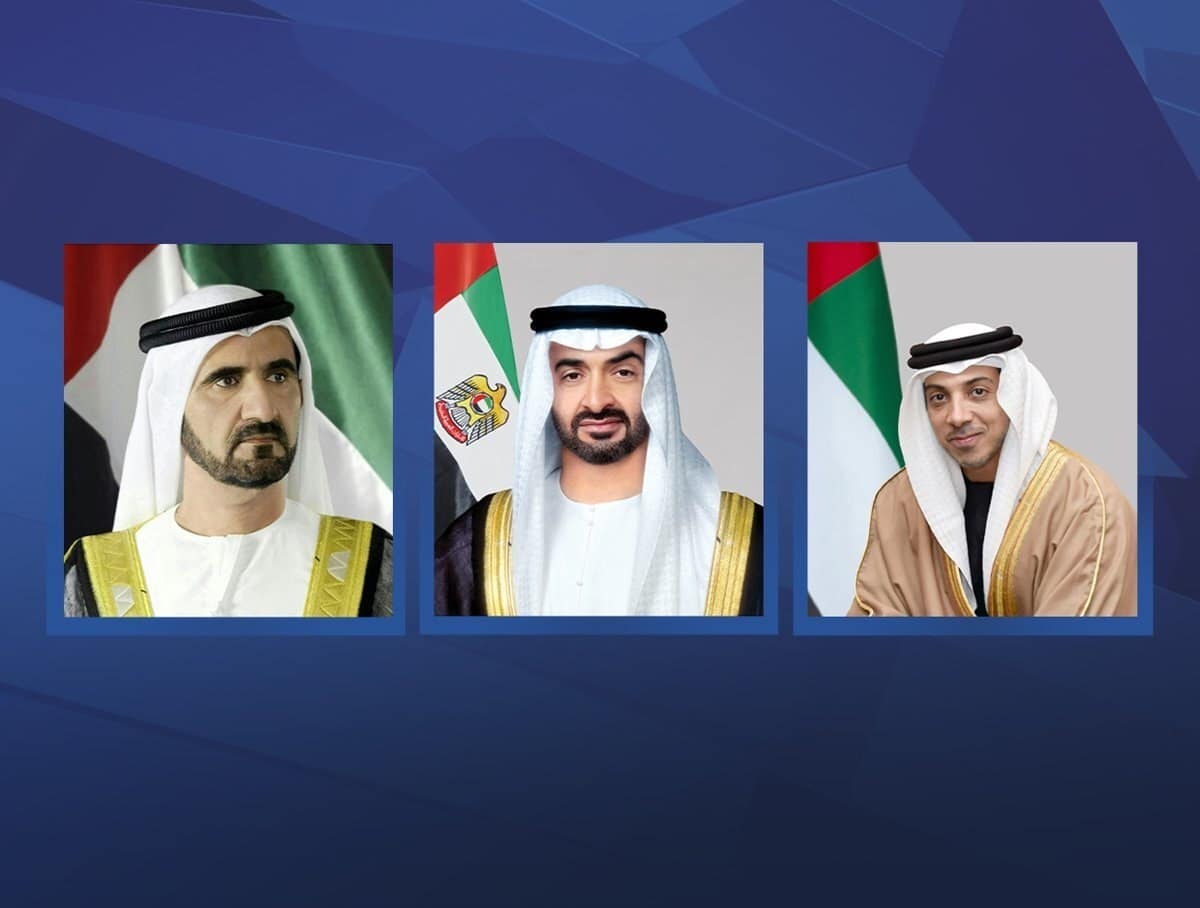
    In a gesture of international goodwill, His Highness Sheikh Mohamed bin Zayed Al Nahyan, President of the United Arab Emirates, has conveyed warm congratulations to Rodney Williams, the Governor-General of Antigua and Barbuda, on the occasion of the nation’s Independence Day. This diplomatic message underscores the UAE’s commitment to fostering positive relations with countries worldwide. Additionally, His Highness Sheikh Mohammed bin Rashid Al Maktoum, Vice President, Prime Minister, and Ruler of Dubai, along with His Highness Sheikh Mansour bin Zayed Al Nahyan, Vice President, Deputy Prime Minister, and Chairman of the Presidential Court, extended similar messages of felicitation to Governor-General Williams and Gaston Browne, the Prime Minister of Antigua and Barbuda. These communications highlight the UAE’s active role in global diplomacy and its efforts to strengthen ties with nations across diverse regions.

  • Israeli military kills two in new Gaza attack despite ‘resuming’ ceasefire

    Israeli military kills two in new Gaza attack despite ‘resuming’ ceasefire

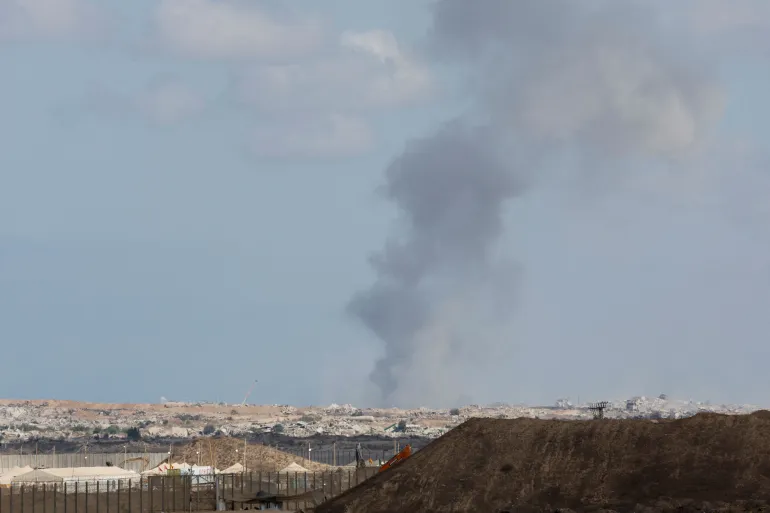
    Israel’s military has launched another deadly attack in northern Gaza, further destabilizing an already fragile ceasefire. The aerial strike on October 29 in Beit Lahiya claimed at least two lives, according to al-Shifa Hospital. Israeli authorities justified the attack by stating it targeted a weapons storage site posing an ‘immediate threat’ to its troops. This incident follows a wave of intense bombardment on October 28, the most severe since the ceasefire began on October 10. The violence escalated after the reported killing of an Israeli soldier in Rafah, southern Gaza, prompting Prime Minister Benjamin Netanyahu to order ‘powerful’ retaliatory strikes. These attacks resulted in 104 fatalities, predominantly women and children, according to Gaza’s Health Ministry. Israel claimed the strikes eliminated senior Hamas fighters and later announced a resumption of the ceasefire by mid-Wednesday. Despite the renewed violence, U.S. President Donald Trump asserted the ceasefire ‘is not in jeopardy.’ Meanwhile, Qatar, a key regional mediator, expressed frustration but remains committed to advancing the truce, including efforts towards Hamas’s disarmament.

  • Trump directs nuclear weapons testing to resume for first time in over 30 years

    Trump directs nuclear weapons testing to resume for first time in over 30 years

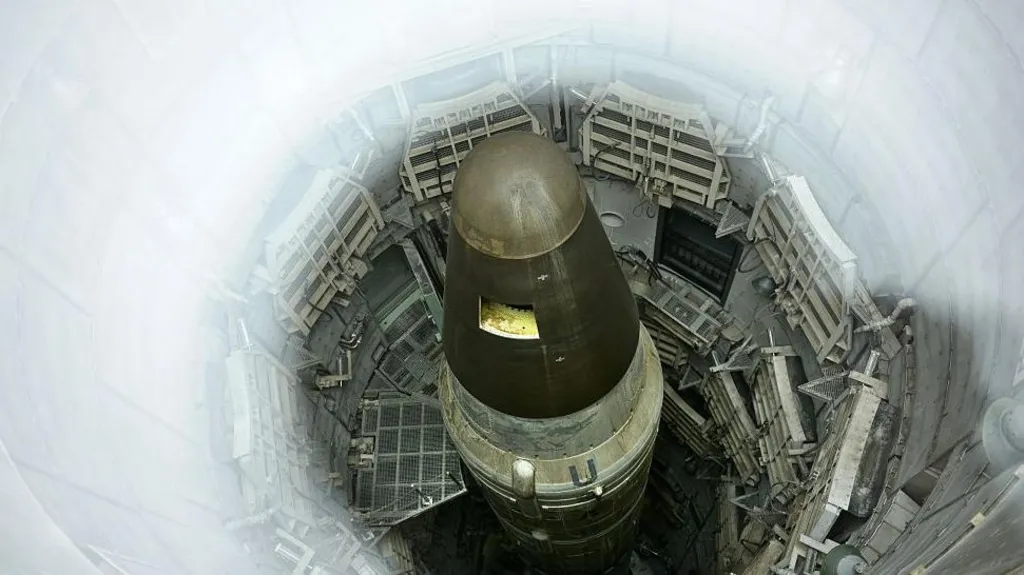
    In a significant policy shift, former President Donald Trump has urged US military leaders to resume nuclear weapons testing, citing the need to keep pace with nations like Russia and China. Trump made the announcement via social media on October 29, just before his meeting with Chinese President Xi Jinping in South Korea. He emphasized that the US, which possesses the largest nuclear arsenal globally, must modernize its capabilities to match advancements by other nations. Russia and China, he noted, are actively enhancing their nuclear programs, with China projected to make substantial progress within five years. Trump’s directive to the Department of War marks a departure from a decades-long moratorium on nuclear testing, last conducted in 1992 under President George H.W. Bush. The US’s Nevada Test Site, a key facility for past nuclear experiments, remains operational and could be reactivated if authorized. This move has sparked debate over its implications for global security and arms control agreements.

  • Police Investigate Shooting Incident on Joseph Lane

    Police Investigate Shooting Incident on Joseph Lane

    The Royal Police Force of Antigua and Barbuda has launched an investigation into a shooting incident that occurred on Joseph Lane in St. John’s during the early hours of Monday, November 3, 2025. The incident left a 26-year-old man from All Saints with a non-life-threatening injury. According to reports, the victim and a companion were walking near Velvet Touch when they heard a loud explosion. The victim soon realized he had been struck by a bullet. He was promptly taken to the Sir Lester Bird Medical Centre, where he received treatment for a gunshot wound to his left shoulder. Medical staff confirmed his condition as stable and not life-threatening. Authorities are now seeking a male suspect described as approximately 5 feet 5 inches tall, last seen wearing dark clothing and a purple ski mask. The suspect was reportedly driving a dark grey Suzuki Vitara when he fled the scene. The police are urging anyone with information about the incident or the suspect to contact the Criminal Investigations Department at 462-3913 or Crimestoppers at 800-TIPS (8477).

  • PM Browne says new luxury investments will raise wages and diversify tourism product

    PM Browne says new luxury investments will raise wages and diversify tourism product

    Prime Minister Gaston Browne has unveiled ambitious plans to transform Antigua and Barbuda into the Caribbean’s foremost luxury tourism destination. During his weekly radio program, Browne emphasized the nation’s strategic shift from traditional all-inclusive resorts to high-end tourism projects designed to attract affluent travelers and generate higher-paying jobs.

  • WIOC Pays Over $170 Million to Government in Taxes and Dividends

    WIOC Pays Over $170 Million to Government in Taxes and Dividends

    Prime Minister Gaston Browne has hailed the West Indies Oil Company (WIOC) as a paragon of public-private partnership, emphasizing its substantial contributions to Antigua and Barbuda’s economy. During his weekly radio program, Browne revealed that the government has amassed approximately $170 million in taxes and dividends from WIOC, marking it as the nation’s most successful collaborative venture.

  • VS-Venezuela: toenemende spanning, maar nog geen directe aanval

    VS-Venezuela: toenemende spanning, maar nog geen directe aanval

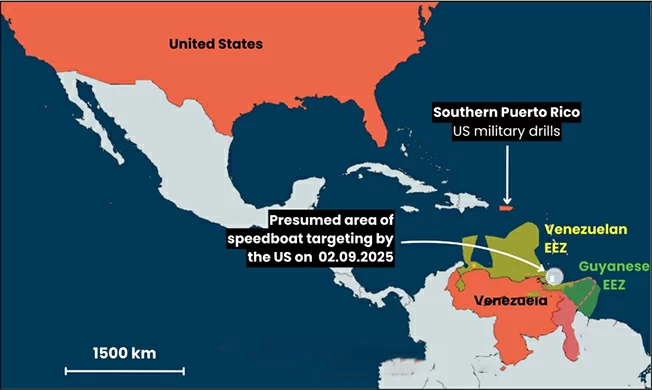
    Tensions between the United States and Venezuela have intensified following a significant increase in military presence in the Caribbean region. The deployment of warships, fighter jets, and thousands of troops to the Gulf of Venezuela and adjacent maritime areas has raised concerns. While Washington claims these movements are part of an international operation against drug trafficking, analysts perceive them as a political show of force targeting the regime of Venezuelan President Nicolás Maduro.

    The Venezuelan government has condemned the actions as ‘border provocations’ and placed its armed forces on high alert. President Maduro warned over the weekend that the US is ‘playing dangerously with regional peace.’ Meanwhile, US President Donald Trump denied any plans for military strikes on Venezuelan territory, describing the activities as ‘preventive security patrols’ and ‘support for regional partners.’

    Domestically, Venezuela is divided over the foreign pressure. Some opposition groups view the US presence as an opportunity to further isolate Maduro’s authoritarian rule, while others fear potential intervention could lead to national chaos.

    Internationally, Russia has sharply criticized the US military buildup, labeling it ‘excessive power projection’ and pledging diplomatic support for Caracas. China and Iran have also strengthened their defense cooperation with Venezuela.

    The escalating tensions have regional implications. Diplomats in the Caribbean are concerned about the security of trade and transport routes, as well as the potential increase in migration flows if the situation worsens.

    Military observers note that Venezuela’s armed forces have been significantly weakened by years of economic crisis, corruption, and sanctions. In contrast, the US possesses overwhelming resources and infrastructure in the region, including reopened naval bases in Puerto Rico and the Caribbean.

    For now, neither side appears to seek direct confrontation, but diplomatic and military tensions persist.