
In a move that has sent shockwaves across Suriname, the Ministry of Land Policy and Forest Management (GBB) quietly issued a decree just days before the May 2025 elections, transferring ownership of the Leonsberg Pier and its surrounding land to a private individual, Sandiep Seemangal. This decision, seemingly routine on paper, has profound implications for the community, as the pier has long served as a vital public facility connecting Paramaribo and Commewijne, and a gateway to popular tourist destinations like Braamspoint and the mangroves. The privatization has left over 70 boat operators, fishermen, and tour guides in legal limbo, effectively barring them from using the pier they’ve relied on for decades. The Leonsberg Pier is more than just a docking point; it symbolizes free access to the river and the interconnectedness of Suriname’s communities. The timing of the transfer, finalized just days before the elections, has raised suspicions of last-minute political favoritism. Minister Stanley Soeropawiro and Assembly Member Bronto Somohardjo have both called for the land to be returned to the state, but reversing the decision will require a court order—a daunting task given the GBB’s backlog of nearly 900 lawsuits over disputed land claims. This incident is not isolated but reflects a broader erosion of integrity in governance, where public assets are increasingly privatized for political gain. The Leonsberg Pier case underscores the urgent need for systemic reform to protect public resources and restore trust in Suriname’s institutions. As the nation grapples with this crisis, the question remains: if even the river is no longer free, where does justice lie?
博客
-
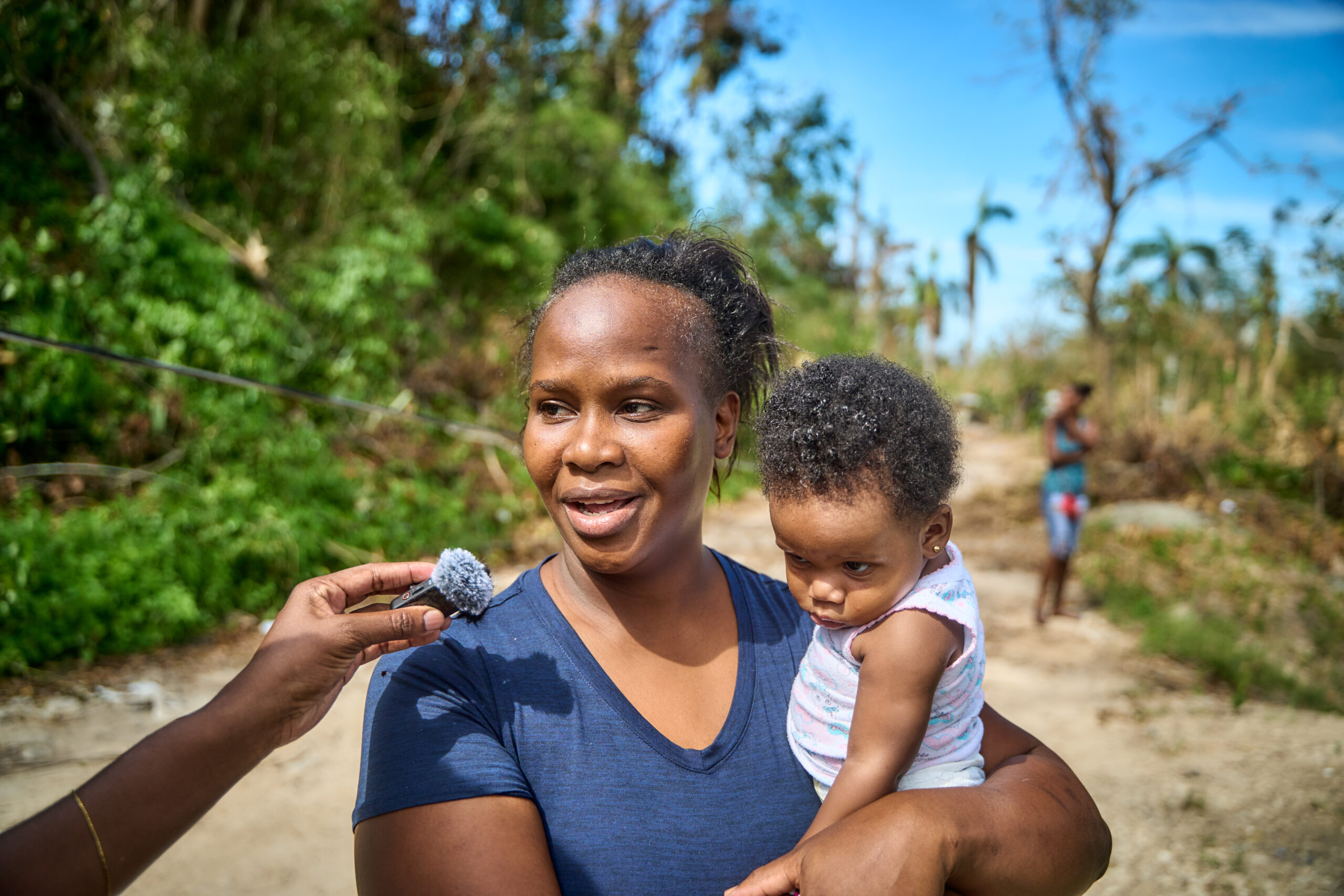
‘Better life than material’: Mother recalls fleeing Melissa with children in tow
When the river behind her home surged and the wind ripped the roof off her kitchen, Tasheva Hinds knew it was time to flee. The mother of four was at home in River Lane with her family of seven, including a five-month-old baby, when Hurricane Melissa ravaged St Ann. ‘The river rose rapidly, and then the bathroom and kitchen roof were torn away,’ Hinds recounted to Barbados TODAY. ‘The children’s room was blown off, and water poured in from every direction.’ The family braved torrential rain and fierce winds to seek refuge at a nearby police station, where an officer helped them reach a shelter. ‘It was terrifying,’ Hinds admitted. ‘Trees were falling, and the river was rising uncontrollably.’ Days later, Hinds, still clutching her baby, surveyed the ruins of her home. ‘I’m grateful it wasn’t worse,’ she said, determined to rebuild. Nearby, Tina Wilson faced a similar ordeal. She was preparing dinner when the storm hit. ‘I saw the roof lift off and told my daughter to run with the baby,’ Wilson recalled. ‘I stayed to save what I could, but the house was swept away.’ Wilson and her family sought shelter in a friend’s unfinished concrete house, narrowly escaping as a massive tree crushed their home. ‘We lost almost everything,’ she said, ‘but we’re alive, and that’s what matters.’ Both families, like many in River Lane, are now salvaging what remains, clearing debris, and burning ruined furniture. ‘If we can get materials to patch up a shelter for the children, we’ll be content,’ Wilson said, embodying resilience in the face of disaster.
-

Sluggish world oil price affects Guyana’s projected oil earnings
Guyana’s oil revenues experienced minimal growth in the first half of 2025, primarily due to a downturn in global oil prices. However, the nation anticipates a boost in its oil sector later this year with the commencement of production at the Yellowtail field in the Stabroek Block, facilitated by a floating production storage and offloading (FPSO) vessel. This update was detailed in the mid-year economic report presented to the National Assembly by Finance Minister Dr. Ashni Singh on Monday. The report forecasts that crude oil prices will average $68 per barrel in 2025, marking a 15.7% decrease from the 2024 average of $71.9 per barrel. Despite this, the oil sector is expected to grow by 15.6% due to earlier-than-expected production at Yellowtail, increasing the number of profit oil lifts from 31 to 33. Consequently, Guyana’s petroleum deposits for the year are projected to reach $2,512.4 million, slightly above the $2,503 million estimated during the 2025 National Budget preparation. The report also highlights that the Natural Resources Fund (NRF) is expected to see a withdrawal of $2,463.9 million this year, leaving a closing balance of $3,248.8 million by year-end. Additionally, the oil and gas industry expanded by 5.5% in the first half of 2025, with production totaling 115.7 million barrels, up from 113.5 million barrels in the same period last year. Daily production averaged nearly 640,000 barrels per day (bpd) in the first half of this year, compared to approximately 624,000 bpd in the first half of 2024. The moderation in production on the Destiny FPSO was offset by increased output from the Unity and Prosperity FPSOs.
-
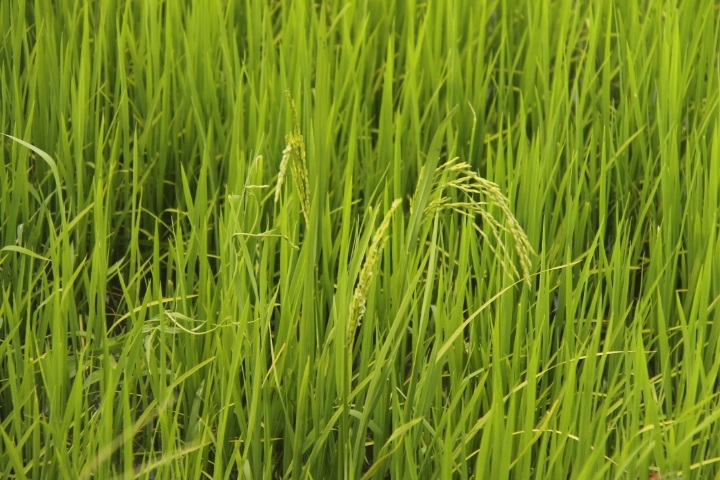
International rice prices fall below projections – finance minister
Despite the Guyanese government’s efforts to expand rice markets in regions like Mexico and Saudi Arabia, the Ministry of Finance’s mid-year economic report reveals a significant decline in international rice prices, far below initial projections. The report, presented to the National Assembly, indicates that rice prices are expected to average US$406 per metric tonne in 2025, marking a 31% year-on-year decrease and falling short of the US$530 per metric tonne forecasted during the 2025 National Budget preparation. This downturn is attributed to increased global production and unlocked inventories in major exporting countries such as India, compounded by a new harvest in Vietnam. Despite the price slump, Guyana’s rice production target for 2025 remains steady at 804,000 tonnes, with a growth target of 12.4%. The government continues to support farmers through initiatives like fertiliser and pesticide subsidies, alongside innovative pest control methods. Additionally, efforts to secure higher paddy prices for millers are ongoing, with some already paying GY$2,500 per bag. The Guyana Rice Development Board (GRDB) reported a production of 410,194 tonnes of rice equivalent in the first half of 2025, a significant increase from 362,030 tonnes in the same period last year. Favourable weather conditions have also contributed to a yield of 6.6 tonnes per hectare for the first crop of 2025. The government’s comprehensive support, including the release of biocontrol predators and ongoing research on rice insect pest management, underscores its commitment to sustaining the rice industry amidst global market challenges.
-

Education minister pledges ‘aggressive’ literacy drive
The Ministry of Educational Transformation in Barbados has unveiled a groundbreaking literacy initiative, Project SOAR (Strengthen Our Ability to Read), aimed at transforming the nation’s future by enhancing reading skills among both children and adults. Minister Chad Blackman, speaking at the launch of Literacy Week at St Giles Primary School, emphasized that literacy must become the country’s ‘superpower’ in the absence of traditional resources like military strength or vast natural reserves. ‘Our strength lies in our ability to lead in thought and influence global decisions,’ he declared. The campaign, set to roll out aggressively in the coming weeks, will focus on ensuring every child can read by age seven while also addressing adult literacy challenges. Blackman highlighted the collaborative nature of the initiative, involving government, private sector partners, and NGOs. He urged parents to actively support the program, stressing that literacy is essential for children to thrive in a globalized world. The minister also linked poor literacy to societal issues, such as youth frustration, and called for a nationwide effort to achieve full literacy. Project SOAR will utilize community centers, schools, and online platforms to make literacy accessible to all, marking a transformative step in Barbados’ development.
-
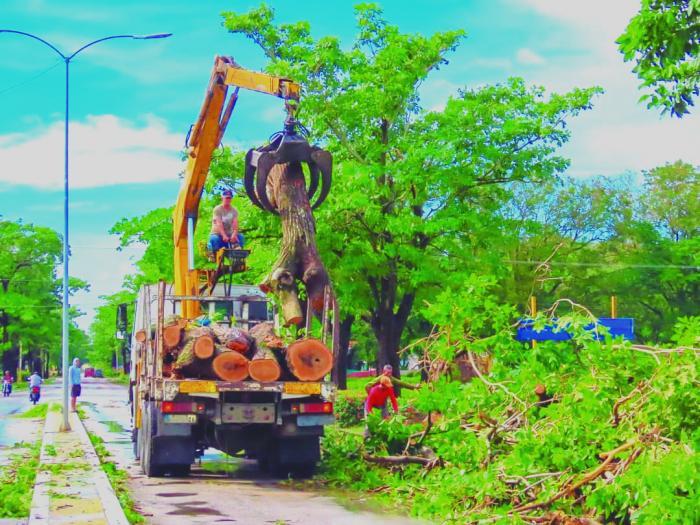
Discipline is the guarantee of success
In the wake of Hurricane Melissa, Cuba has launched a comprehensive recovery initiative, spearheaded by the President of the National Defense Council, Miguel Díaz-Canel Bermúdez. The recent high-level meeting, attended by key government figures including Vice President Salvador Valdés Mesa and Army Corps General Álvaro López Miera, focused on assessing and accelerating the restoration of essential services across the hardest-hit eastern regions. Significant progress has been reported in the restoration of electricity, with Las Tunas achieving 94.5% recovery, while efforts in Holguín, Granma, and Guantánamo are ongoing. Santiago de Cuba is poised for a substantial recovery once the Felton thermoelectric plant becomes operational. The meeting also highlighted the receipt of international and domestic donations, including vital supplies like food, medicine, and construction materials, which are being systematically distributed to affected areas. Additionally, the restoration of drinking water services has seen notable advancements, with Las Tunas fully restored and other regions making steady progress. The construction sector is actively addressing housing damages, with innovative solutions like container-based housing being explored. Educational facilities, many of which served as shelters, are also being repaired. The government’s coordinated response, supported by the Revolutionary Armed Forces and local authorities, underscores a unified effort to mitigate the hurricane’s impact and expedite recovery. Lessons from this crisis are being meticulously analyzed to enhance future disaster preparedness and response strategies.
-
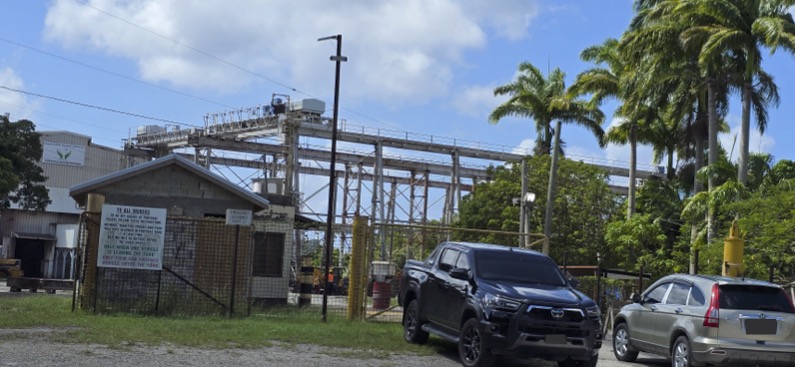
Portvale workers down tools over colleague’s dismissal
A dispute over unfair dismissal and union representation has sparked a walkout at Portvale Sugar Factory in Barbados. Over a dozen workers staged a protest on Monday, standing in solidarity with a colleague who was dismissed on Friday following a verbal altercation with a junior manager. The incident reportedly began when the employee parked his vehicle inside the factory compound, a violation of company rules, to protect it from grass clippings during maintenance. When instructed to move his car, the situation escalated into a heated argument, leading to his termination. Caswell Franklyn, General Secretary of the Unity Workers Union, condemned the dismissal as “unfair, unreasonable, and stupid,” alleging that the worker was not given a fair hearing. Franklyn claimed that management had already prepared the dismissal letter and termination certificate before the hearing, violating legal procedures. He also criticized the factory for refusing to recognize the Unity Workers Union as the legitimate representative of the workers, instead favoring the Barbados Workers’ Union, which reportedly has no members at the factory. Workers expressed additional grievances, including unpaid overtime during the harvest season, with some working up to 56 hours without compensation. Franklyn suggested that the dismissal may be retaliatory due to the worker’s union affiliation. The workers have vowed to continue their protest one random day a week until the matter is resolved. Management was unavailable for comment, and other employees were instructed not to speak to the media. Before leaving the compound, all workers removed their names from the attendance logs, signaling their collective dissent.
-

Somohardjo: Genoeg is genoeg – misstanden bij gronduitgifte tarten elk fatsoen
In response to recent reports on Starnieuws regarding the allocation of land near the Leonsberg docking pier, Bronto Somohardjo, Chairman of the Permanent Committee on Land Policy and Forest Management (GBB) in the National Assembly, has summoned Ann Sadi, President of the Boat Owners Association, and her members for an urgent meeting. The discussion is scheduled to take place later today. Somohardjo expressed his frustration, stating, ‘The irregularities are becoming unbearable. The events of the past period defy all decency.’ He highlighted that ownership parcels have been leased, parking spaces of football clubs, public roads, and even nature reserves have been appropriated. ‘It is utterly scandalous and nauseating,’ he added. The parliamentarian emphasized that the recent allocation of the Leonsberg pier symbolizes deeper issues within the land allocation policy. ‘I meet people daily who come seeking their rights, crying and desperate. Enough is enough. The people demand action, not words,’ Somohardjo asserted. He expressed full support for President Jennifer Simons and Minister Stanley Soeropawiro in their efforts to return public facilities to the people. ‘Soft measures only worsen the problem. It’s time to correct what has gone wrong, protect the people, and confront the perpetrators,’ he stressed. Somohardjo mentioned that the Permanent Committee will consider legal steps to prevent public lands, bridges, and piers from falling into private hands without legal basis.
-
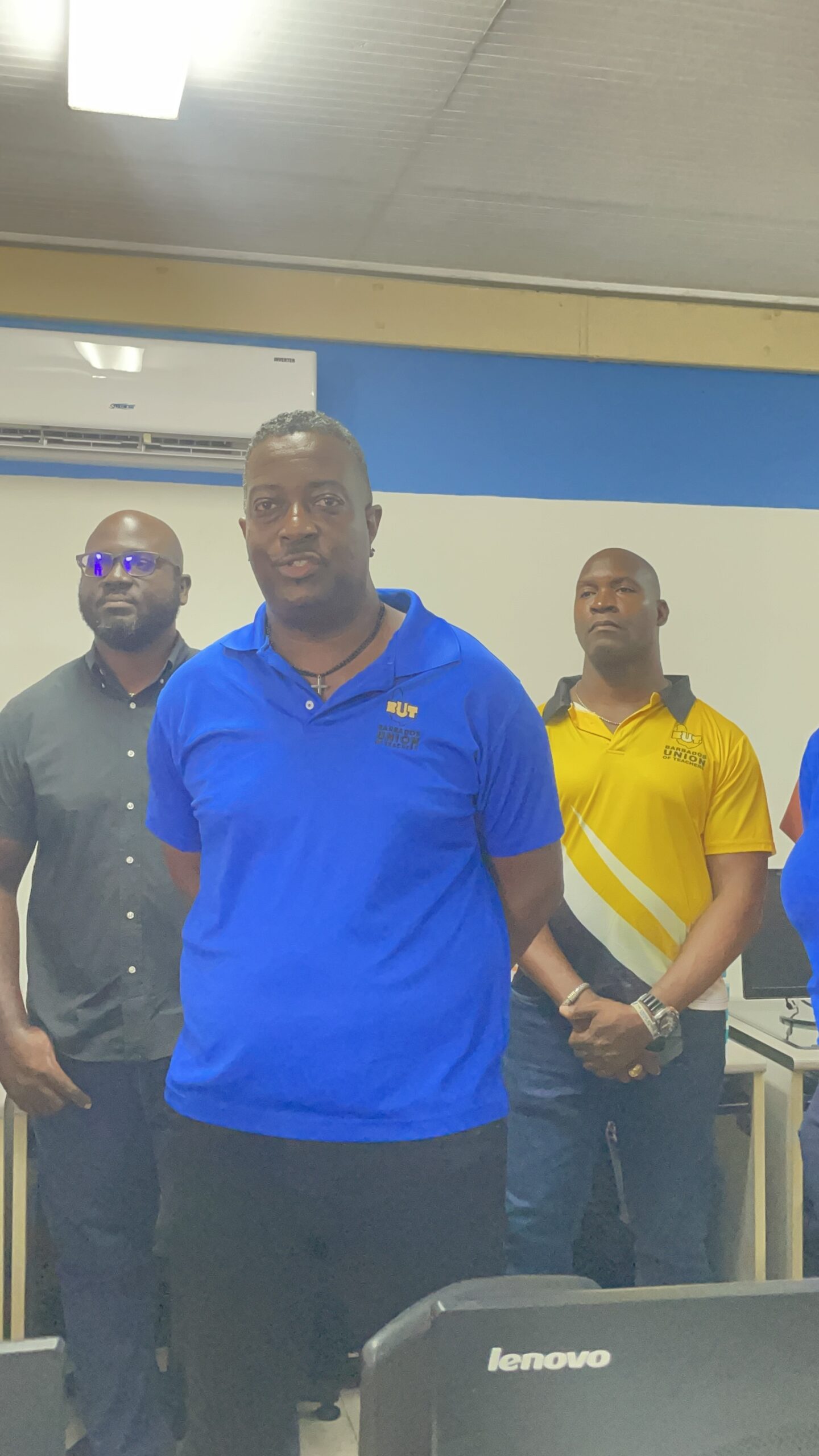
BUT pushes for clear school guidance after Deacons Primary’s rodent infestation
The Barbados Union of Teachers (BUT) has called for immediate written protocols regarding the storage and disposal of outdated materials in schools following the discovery of rat bite marks on records at Deacons Primary School. This incident prompted a comprehensive inspection and cleanup effort last week. BUT Vice President Julian Pierre, responsible for occupational safety and health, joined officials from the Ministry of Educational Transformation’s Education Technical Management Unit (ETMU), the Ministry of Health, Parent-Teacher Association (PTA) representatives, and school staff to assess the situation on Monday. Pierre emphasized the urgency of addressing rodent infestations and ensuring a safe environment for students and staff. He highlighted the need for clear guidelines on record retention and disposal, stating that principals should not bear the sole responsibility for such decisions. The union also advocated for standardized procedures to handle rodent sightings, noting that janitors have previously been instructed to clean up droppings before health officials arrive, potentially compromising safety. Following the inspection, Pierre acknowledged the significant cleanup and maintenance work completed over the weekend, including sealing entry points, replacing windows and doors, and removing debris. The Ministry’s communications consultant, Gaynelle Marshall, confirmed that the school was made safe for reopening, with ongoing upgrades planned. Deacons Primary Principal Sylvia Atherley expressed satisfaction with the repairs, emphasizing the school’s commitment to health and safety. Area MP Neil Rowe also praised the efforts, noting improvements in bathrooms, windows, and plumbing. While further work is needed, all parties agreed that immediate concerns have been addressed, and classes have resumed. BUT pledged to continue monitoring the situation to ensure long-term safety.
-

MINERD confirms return to classes across the country
Santo Domingo – The Ministry of Education (MINERD) in the Dominican Republic has confirmed the nationwide resumption of classes this Tuesday, following a temporary halt due to Hurricane Melissa. After thorough evaluations conducted in collaboration with emergency response agencies, authorities have deemed it safe for students and staff to return to schools in a phased and organized manner.