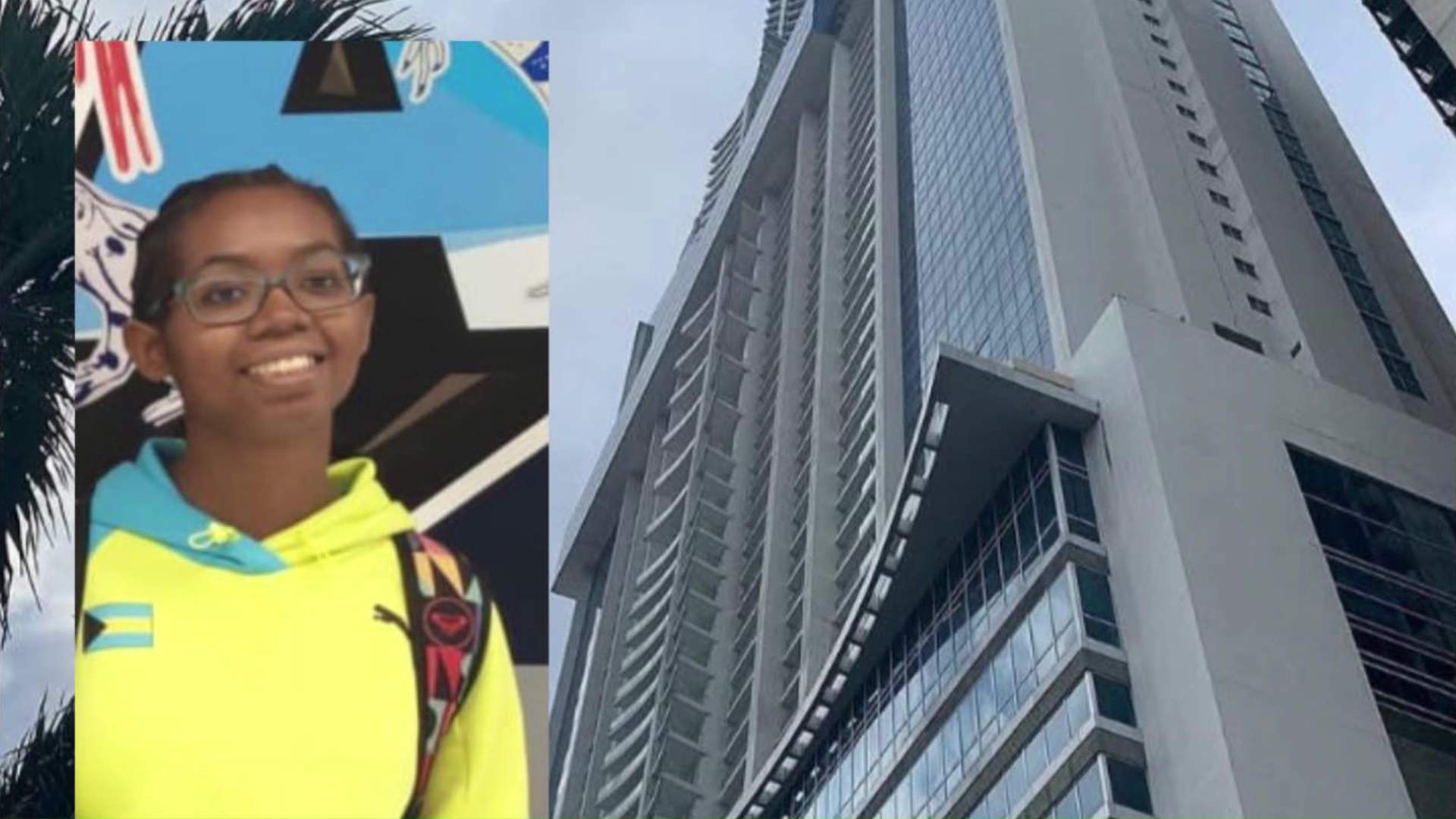
A somber cloud descended over the FIRST Global Challenge 2025 in Panama as a tragic incident claimed the life of a young participant. Madeline Thompson, a 16-year-old student from St. Augustine’s College in the Bahamas, fell to her death during the international robotics competition. The event, which took place from October 29 to November 1, brought together teams from across the globe, including a contingent from Belize High School. The final day of the competition turned into a day of mourning when Thompson’s body was discovered near a public pool on the twelfth floor of the venue at approximately 6 a.m. Initial reports indicate that she had been staying on the twenty-seventh floor with two peers. The circumstances surrounding her fall remain unclear, and Panamanian authorities have yet to determine if foul play was involved. The Bahamian Ministry of Foreign Affairs has stepped in to assist, collaborating with local officials and Thompson’s parents, who were present at the event, to navigate the aftermath of this devastating loss.
博客
-
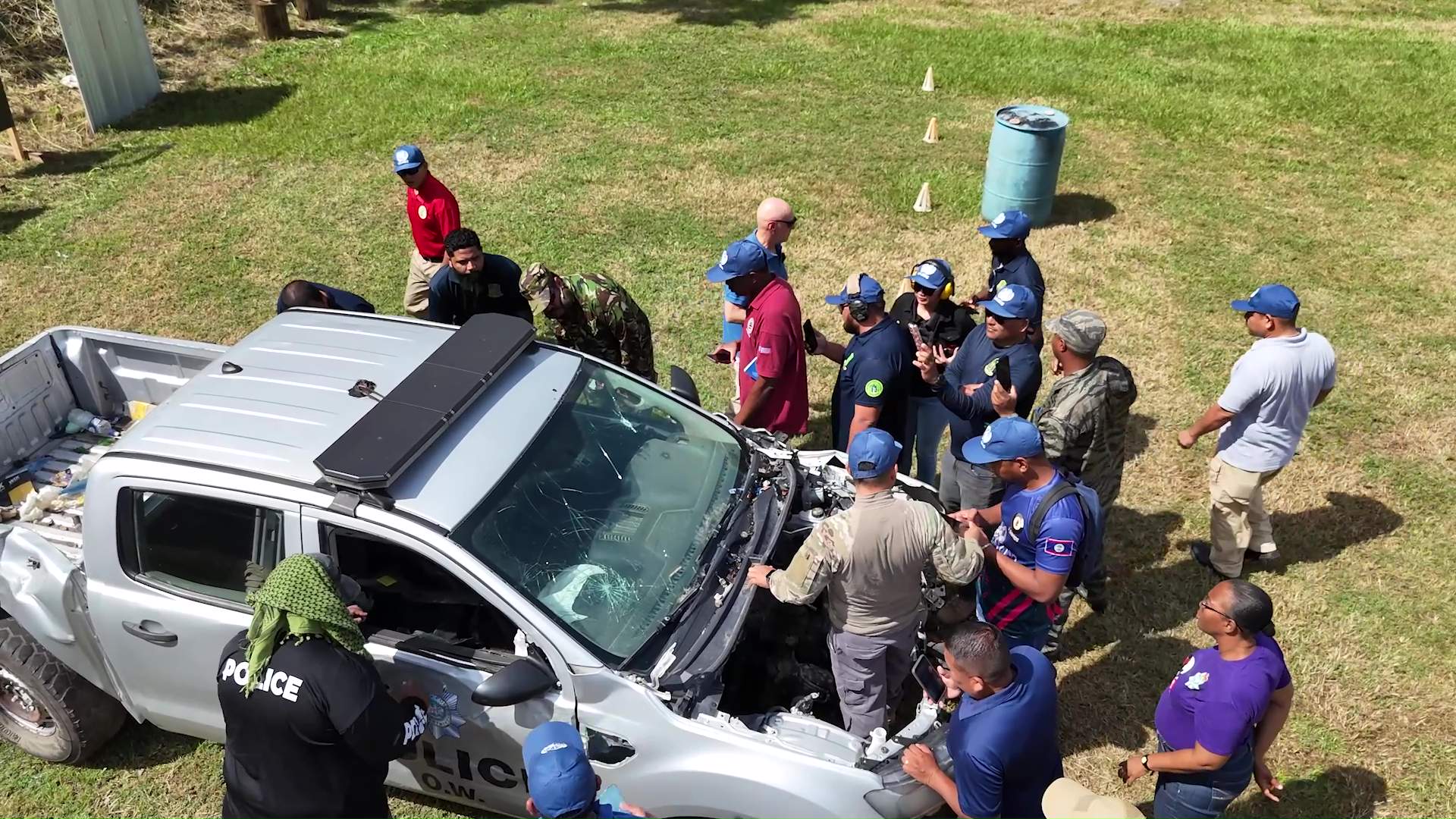
New Training Helps Officers Solve Gun Crimes
In a significant move to combat gun violence, Belizean police officers are undergoing specialized training to improve their ability to investigate shooting incidents. This initiative, led by the Ministry of Home Affairs in collaboration with the U.S. Government, is part of the Caribbean Firearms Roadmap—a regional strategy Belize has adopted alongside other CARICOM nations. The training focuses on equipping officers with advanced techniques to reconstruct crime scenes, analyze evidence, and strengthen prosecutions.
-

Abinader reviews and endorses reforms to Solid Waste Management Law
Santo Domingo – In a significant move toward environmental sustainability and market fairness, President Luis Abinader has approved comprehensive amendments to the Solid Waste Management Law (Law No. 225-20). The revised legislation introduces stringent measures to phase out single-use plastics and foam materials, marking a pivotal step in balancing industrial practices with ecological preservation. Businesses are now mandated to eliminate these non-biodegradable products within 12 months, with a notable exception for ‘laptop’ food containers and trays, which are granted an additional year due to the absence of cost-effective alternatives. Within the same timeframe, retailers must begin charging for non-biodegradable plastic bags and launch public awareness campaigns promoting reusable or eco-friendly options. Furthermore, the law imposes a 60-day ban on the importation of non-biodegradable plastic items, including cups, cutlery, and lids, following its enactment. In a letter to Senate President Ricardo de los Santos on November 3, President Abinader underscored the dual objectives of the amendments: safeguarding the environment and fostering fair competition by curbing monopolistic practices. The reforms also propose strategic adjustments to the criteria for establishing transfer stations, landfills, and waste recovery plants, emphasizing logistical efficiency over regional boundaries. Additionally, the law refines key definitions and concepts to ensure its effective implementation, signaling a robust commitment to sustainable development and environmental stewardship.
-

Regering hervat onderhandelingen met Chinalco over bauxiet West-Suriname
The Surinamese government has announced plans to renegotiate its agreement with Chinese bauxite company Chinalco, aiming to secure a more favorable deal for the nation. Acting President Gregory Rusland revealed this development during a meeting with a Chinalco delegation on November 4, 2025. A special negotiation committee will be established to revise the terms of the original agreement signed with the previous administration in November 2024. The deal, which involved a $426 million investment for a bauxite mine and related infrastructure in Apoera, West Suriname, had stalled due to strong opposition from local communities. Rusland, who had previously opposed the deal as a parliamentarian, emphasized the need for a revised agreement that ensures bauxite processing within Suriname, thereby maximizing national benefits. Chinalco’s director, Bo Qu, expressed commitment to a mutually beneficial partnership. The renewed negotiations aim to address local concerns and clarify the conditions under which the project can proceed.
-

Opposition Leader Explains Rationale for Declining Prime Minister’s CoP Invitation
In a bold political maneuver, the leader of the United Progressive Party (UPP) has publicly declined an invitation from Prime Minister Gaston Browne to attend the CoP Meeting in Brazil, citing the ongoing vehicle procurement scandal within the Ministry of Public Works as a critical reason for his refusal. The UPP leader emphasized that his decision is supported by his party’s executive and the discerning public, who are demanding accountability and transparency.
The scandal, which has captured national and regional attention, involves allegations of irregularities in the procurement and distribution of vehicles. On October 20, the UPP leader issued a press statement calling for an independent investigation into the matter. He further recommended that implicated officials be temporarily relieved of their duties until the investigation is concluded, rather than being reassigned by the Prime Minister.
Adding to the controversy, the UPP leader revealed on October 28 during an interview on Observer AM that the Ministry of Public Works requires a comprehensive investigation. Workers within the ministry have alleged a larger-scale fraud involving aggregates, further complicating the situation.
The UPP leader argued that accepting the Prime Minister’s invitation would be inappropriate at this juncture, as his party is actively engaged in educating the public and mobilizing citizens to demand accountability. He also accused the Prime Minister of extending the invitation insincerely, suggesting it was a calculated attempt to undermine public confidence in the UPP’s efforts to hold the government accountable.
The Prime Minister’s alleged malice was further highlighted on November 1, when the host of his radio program attempted to question the UPP leader about the scandal. Notably, the host has not sought to question the Minister of Works, her reassigned Junior Minister, or other implicated officials, raising questions about impartiality.
The UPP leader reaffirmed his commitment to an independent investigation, urging all conscious citizens and responsible organizations to support this call. He emphasized that this is a non-partisan issue and warned against the Prime Minister’s attempts to suppress the truth.
Amid the political turmoil, the UPP remains steadfast in its commitment to addressing climate change through advanced research, collaborative solutions, and strategic alliances. The party also continues to advocate for eco-sensitive development approaches in Antigua and Barbuda, recognizing the urgent need to mitigate the impacts of global warming, as evidenced by the recent devastation caused by Hurricane Melissa in Jamaica, Cuba, and Hispaniola.
-

Belize Joins Global Effort to Turn Oceans Into Jobs and Income
Belize has joined a worldwide initiative aimed at transforming ocean conservation into economic opportunities. Partnering with the African Union and the Global Water Partnership, the country is actively participating in a knowledge-sharing platform centered on the Blue Economy. This innovative approach seeks to generate employment and boost income while ensuring the sustainability of marine ecosystems. The Blue Economy emphasizes responsible practices such as sustainable fishing, strategic marine planning, and innovative financing for ocean-related projects. Belize is not only contributing its own successful strategies but also gaining insights from global partners. Samir Rosado, MSP Process Lead at the Coastal Zone Management Authority and Institute (CZMAI), highlighted the vision of a healthy, resilient ocean that supports economic growth and cultural well-being for all Belizeans. This collaboration is part of a broader global network connecting ocean and water projects worldwide, with the potential to influence policies across the Caribbean and Africa. Throughout the week, officials are expected to exchange ideas, examine practical examples, and identify actionable strategies to make the Blue Economy a reality for all stakeholders.
-
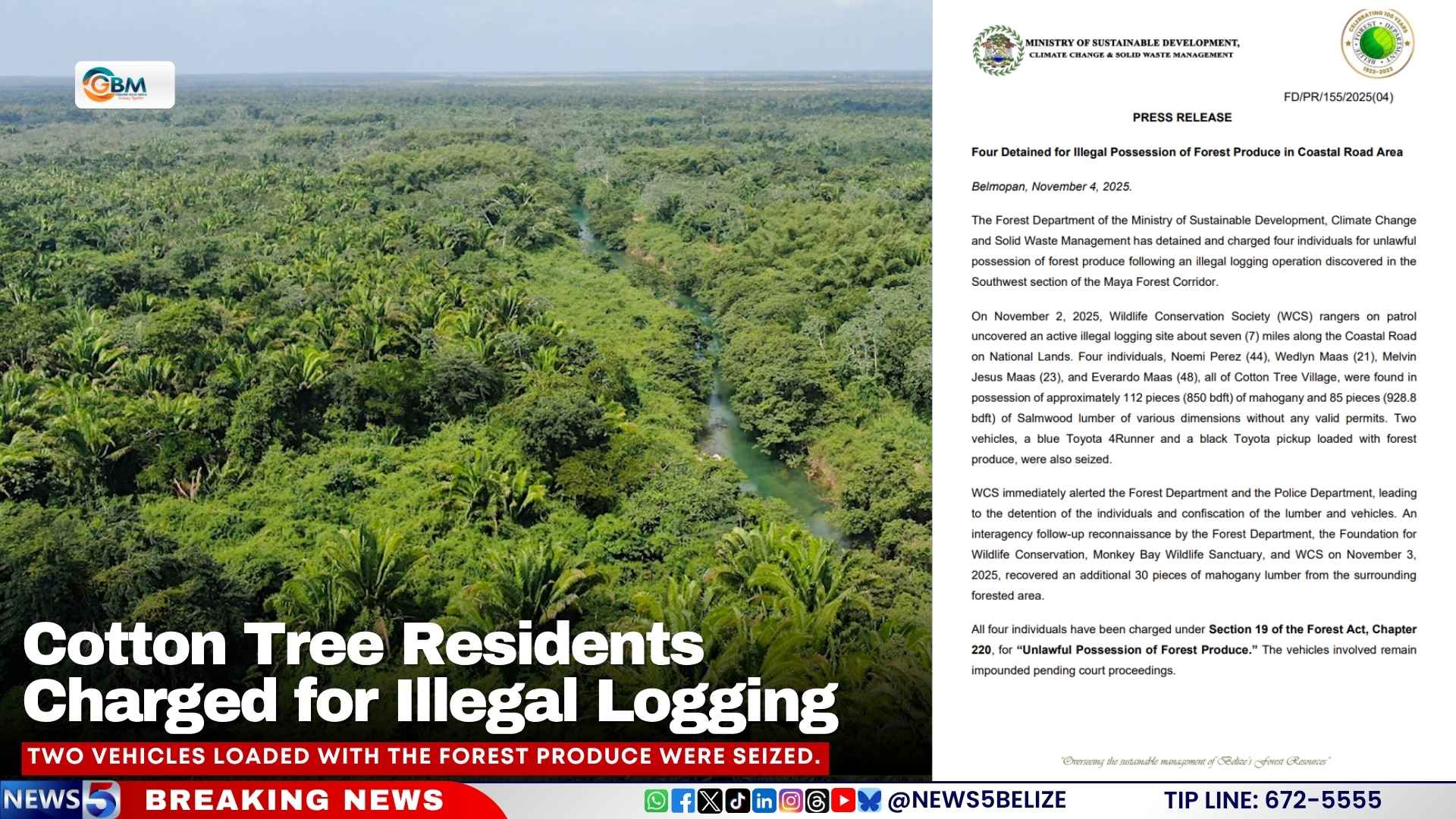
Cotton Tree Residents Charged for Illegal Logging
Four residents of Cotton Tree Village in Belize have been formally charged for the illegal possession of forest produce following the discovery of an unauthorized logging site in the Maya Forest Corridor. The Belize Forest Department revealed that the operation was uncovered on Sunday by rangers from the Wildlife Conservation Society. The site contained significant quantities of mahogany and salmwood lumber, with the individuals found in possession of approximately 112 pieces of mahogany and 85 pieces of salmwood without valid permits. The accused have been identified as Noemi Perez, 44, Wedlyn Maas, 21, Melvin Jesus Maas, 23, and Everardo Maas, 48. Authorities seized two vehicles loaded with the illegal lumber and charged the individuals under Section 19 of the Forest Act for ‘Unlawful Possession of Forest Produce.’ A subsequent operation recovered an additional 30 pieces of mahogany from the surrounding forested area. The Forest Department has called on the public to assist in safeguarding Belize’s forests by reporting suspicious activities to their hotline at 610-1524.
-

US Hits 35 Days of Government Shutdown
The United States has reached a critical milestone as the government shutdown enters its 35th day, tying the record for the longest shutdown in the nation’s history. This unprecedented standoff, reminiscent of the 2018 shutdown during President Donald Trump’s first term, stems from a bitter impasse between Trump and congressional Democrats over healthcare and funding priorities. The prolonged gridlock has left hundreds of thousands of federal workers without pay, disrupted essential public services, and created widespread uncertainty across the country. Airports are experiencing significant delays due to staffing shortages, food banks are struggling to meet surging demand, and an estimated 42 million Americans relying on the Supplemental Nutrition Assistance Program (SNAP) are facing growing desperation as their monthly benefits remain in limbo. The shutdown’s ripple effects extend beyond domestic borders, impacting US-funded initiatives in countries like Belize, where programs supported by agencies such as USAID, the State Department, and the Peace Corps have been halted. These initiatives, which focus on climate resilience, education, governance, and security partnerships, are now in jeopardy. Social media accounts for these agencies have remained inactive since October 1, with posts citing the lapse in appropriations. While essential diplomatic and consular functions continue, non-urgent activities like visa processing, exchange programs, and grant disbursements are being handled only “as the situation permits.” With no resolution in sight, the shutdown continues to fuel concerns for both domestic and international stakeholders.
-
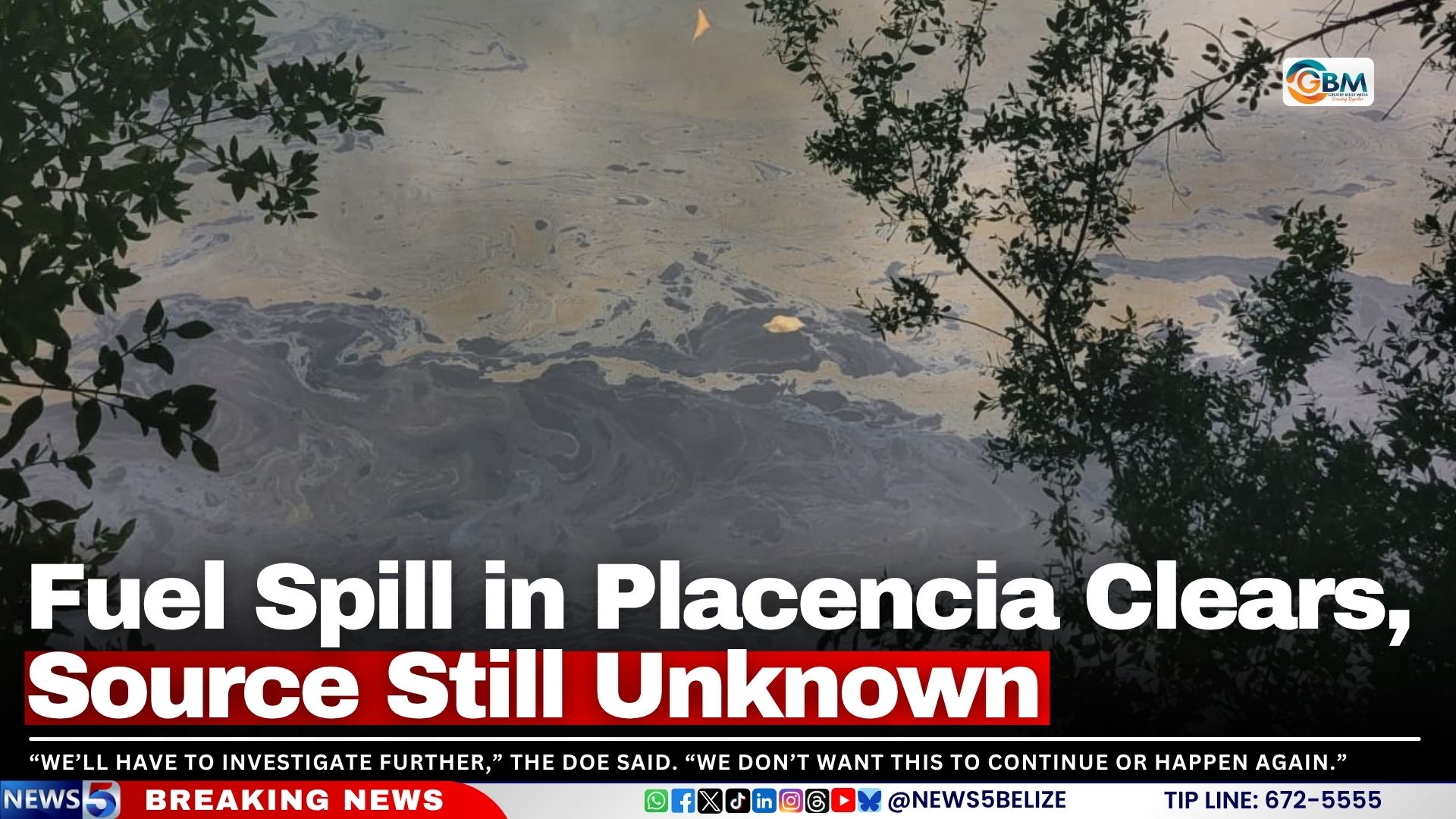
Fuel Spill in Placencia Clears, Source Still Unknown
The fuel spill that caused alarm among Placencia residents over the weekend has now dissipated, according to the local fire department. However, the source of the spill remains unidentified, raising concerns about the potential for future incidents. Initial tests conducted by the Department of Environment (DOE) confirmed that the substance was gasoline, which spreads rapidly and evaporates more quickly than heavier fuels like oil. Officials estimate that the spill affected approximately 0.3 acres of water in the Placencia Channel. Residents first noticed a strong gasoline odor and a rainbow-like sheen on the water late Saturday evening. Many initially suspected a nearby gas station, but thorough inspections of its pipelines, dispensers, sumps, and tanks revealed no leaks. The DOE indicated that the gas station is located slightly south of the affected area and that the contamination likely originated from another source. Local residents have suggested other possible culprits, including an old crane stationed nearby and a sailboat that reportedly sank two to three months ago. Additionally, there is a boatyard in the vicinity, though officials confirmed no incidents occurred there. The DOE emphasized the need for further investigation to prevent future occurrences. While the immediate environmental threat has subsided, the search for answers continues.
-
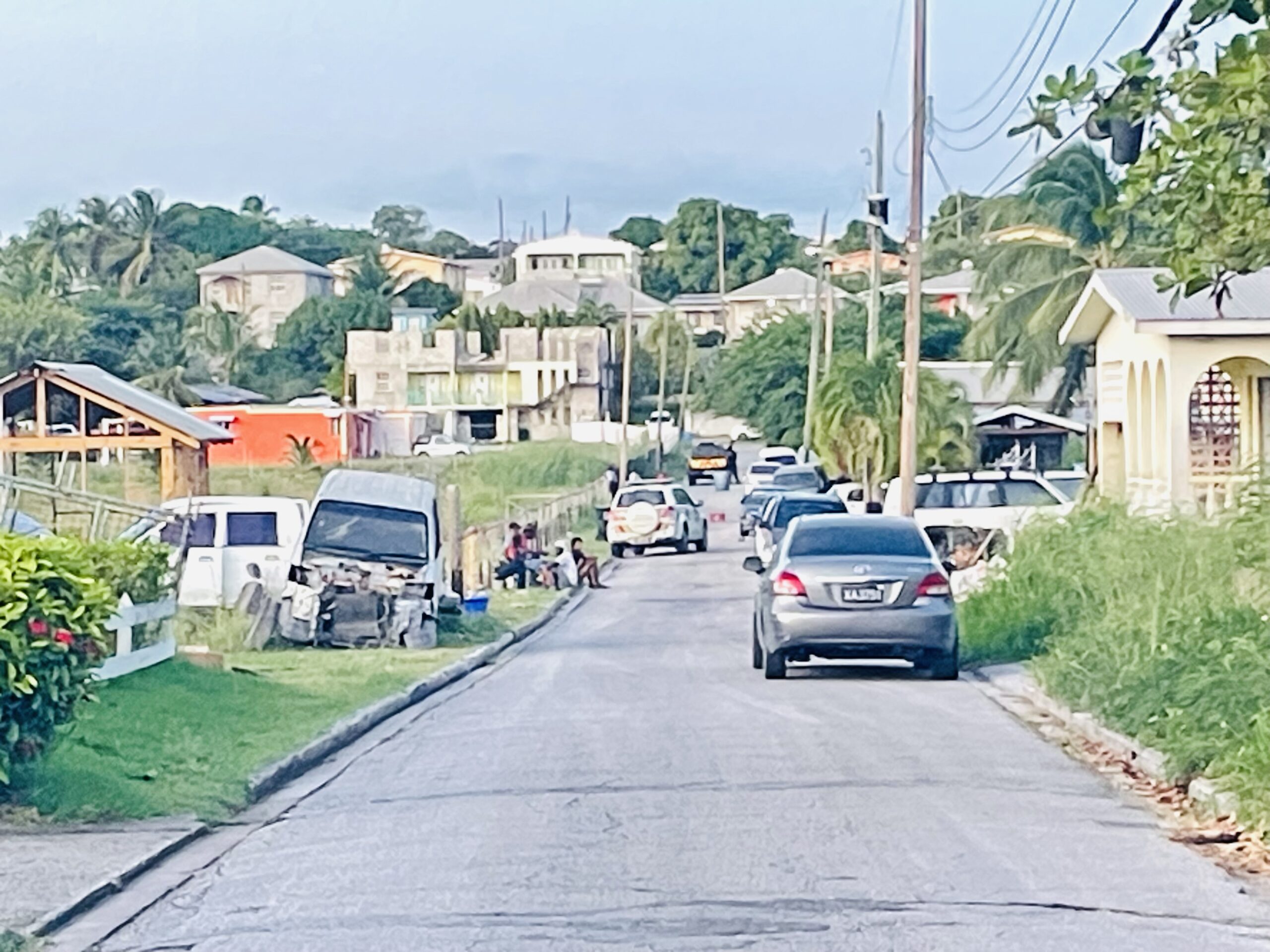
Man Injured in Shooting at Cane Vale, Christ Church; Police Investigating
A shooting incident in Cane Vale, Christ Church, Barbados, left one man injured earlier today. The event unfolded at approximately 3:03 p.m., prompting the victim to be swiftly transported to the Queen Elizabeth Hospital via a private vehicle for urgent medical care. Local authorities have acknowledged the incident and are actively investigating the details surrounding the shooting. While specific motives or suspects have not yet been disclosed, the police have assured the public that their inquiries are ongoing. This incident has raised concerns about public safety in the area, as residents await further updates from law enforcement.