
The Surinamese government is spearheading a groundbreaking initiative to overhaul its education system, aiming to bolster economic diversification. President Jennifer Simons recently engaged in high-level discussions with representatives from Scandinavian nations—Norway, Sweden, and Finland—and the Inter-American Development Bank (IDB) during her visits to New York and Brazil. These talks focused on the development of a new educational curriculum and investments in training programs for production-oriented sectors, particularly agro-industry.
博客
-

Digital-age snipers are firing at the Dominican Republic as if it were their favorite target.
While Artificial Intelligence (AI) continues to be celebrated for its transformative potential, the Dominican Republic is grappling with an alarming surge in cyber threats. The National Cybersecurity Center, headquartered in Santo Domingo, recently disclosed that a staggering 233 million attempted cyberattacks were recorded in the first half of this year. This unprecedented wave of digital assaults has prompted urgent calls for bolstering digital resilience across both public and private sectors. Among the most insidious threats are sophisticated scams involving manipulated digital texts and images, designed to deceive even the most cautious individuals. These deceptions have led to significant financial losses, particularly in the regulated financial sector, where modern digital tools are exploited to perpetrate massive frauds. Notably, hundreds of elderly Americans have fallen victim to scams orchestrated by cybercriminals operating from the Dominican Republic, losing substantial assets through deceptive communication channels. The situation worsened during Hurricane Melissa, when 67% of the information circulating on social media was found to be false, according to INDOTEL Director Guido Gómez Mazara. He accused opposition parties of fueling a wave of disinformation, exacerbating the crisis. Meanwhile, Banco Popular has issued a red alert, warning customers about the dual-edged nature of AI. While it offers immense benefits, it also introduces risks such as deepfakes—highly convincing audiovisual content that can lead to reputational damage, financial loss, and data breaches. UNESCO has also raised concerns, highlighting how digital technologies, while enhancing education, can also perpetuate gender stereotypes and expose young users to harmful content. Audrey Azoulay, UNESCO’s Director-General, emphasized the dangers of algorithm-controlled content on social media, which often glorifies unhealthy behaviors and unrealistic body standards. As the Dominican Republic navigates this digital minefield, the need for informed vigilance and robust cybersecurity measures has never been more critical.
-

FLASH : 6,284 irregular promotions in 14 months within the Haitian National Police
A shocking report released on November 8, 2025, by the Internal Control and Human Resources Analysis Commission of the Haitian National Police (PNH) has unveiled widespread irregularities within the institution. The Commission, established under the directive of Acting Commander-in-Chief Vladimir Paraison and led by Inspector General Marie Elva Sinora Nassar Pierre, was tasked with scrutinizing the promotions and movements of PNH personnel. Over a 14-month period from June 2024 to August 2025, a staggering 6,284 promotions were granted, many of which violated established procedures, leading to institutional chaos. This mirrors a similar issue reported by the Ministry of Economy and Finance between 2019 and 2020, which had placed an unsustainable financial burden on the state. The report meticulously identifies all beneficiaries of these irregular promotions and highlights the legal framework used in the investigation, including the 1987 Constitution, presidential decrees, and the PNH’s internal regulations. The Commission’s methodology involved rigorous hearings and deliberations, requiring a qualified majority for decisions. The final report not only details the extent of the irregularities but also provides specific recommendations to the PNH Commander-in-Chief to rectify the system and restore institutional integrity. The Commission, chaired by Inspector General Marie Elva Sinora Nassar Pierre, included key members such as Inspector General Jackson Hilaire and Divisional Commissioner John Games Olivier, among others.
-

Several undocumented Haitians injured in accident in Dajabón
A group of undocumented Haitian immigrants sustained injuries during a vehicular accident in the province of Dajabón, Dominican Republic. The incident took place at the intersection of Santiago de la Cruz, where the vehicle they were traveling in was reportedly being pursued by military personnel. Authorities have launched an investigation into the circumstances surrounding the crash. The injured individuals were promptly transported to Matías Ramón Mella Hospital, where they are currently receiving medical treatment for various injuries sustained in the accident. Meanwhile, the driver of the SUV fled the scene, prompting law enforcement to intensify efforts to identify and apprehend the fugitive. This incident highlights the ongoing challenges and risks faced by undocumented migrants in the region.
-

Rise & Rum lights up the morning
Despite a light drizzle, the vibrant spirit of the Barbados Food and Rum Festival remained undeterred as the Rise & Rum sunrise beach party commenced at Copacabana Beach Club on Bay Street. The event, which ran from 4:15 a.m. to early afternoon, transformed the area into a lively hub of music, delectable local cuisine, and communal joy. Attendees danced barefoot in the sand, savoring innovative dishes and cocktails crafted with island-grown herbs and fruits, all while celebrating the essence of Bajan culture. In an interview with Barbados TODAY, Carol Roberts, CEO of the National Cultural Foundation (NCF) and festival producer, emphasized the event’s focus on local sourcing and sustainability. She highlighted the collaboration with small fishermen and farmers, ensuring that only seasonal and locally harvested ingredients were used. Roberts also praised the new organizational model, with the NCF handling event execution and the Barbados Tourism Marketing Inc. (BTMI) managing international promotion. The festival’s entertainment lineup featured soca performances by artists like HypaSounds, King Bubba, and Lil Rick, complemented by stilt walkers and percussionists. Minister of Home Affairs and Information Wilfred Abrahams lauded the event as a celebration of Barbadian identity, culture, and independence. As the clouds cleared, attendees toasted to Bajan creativity, eagerly anticipating the festival’s grand finale, Liquid Gold, set for Sunday at the CARIFESTA House.
-
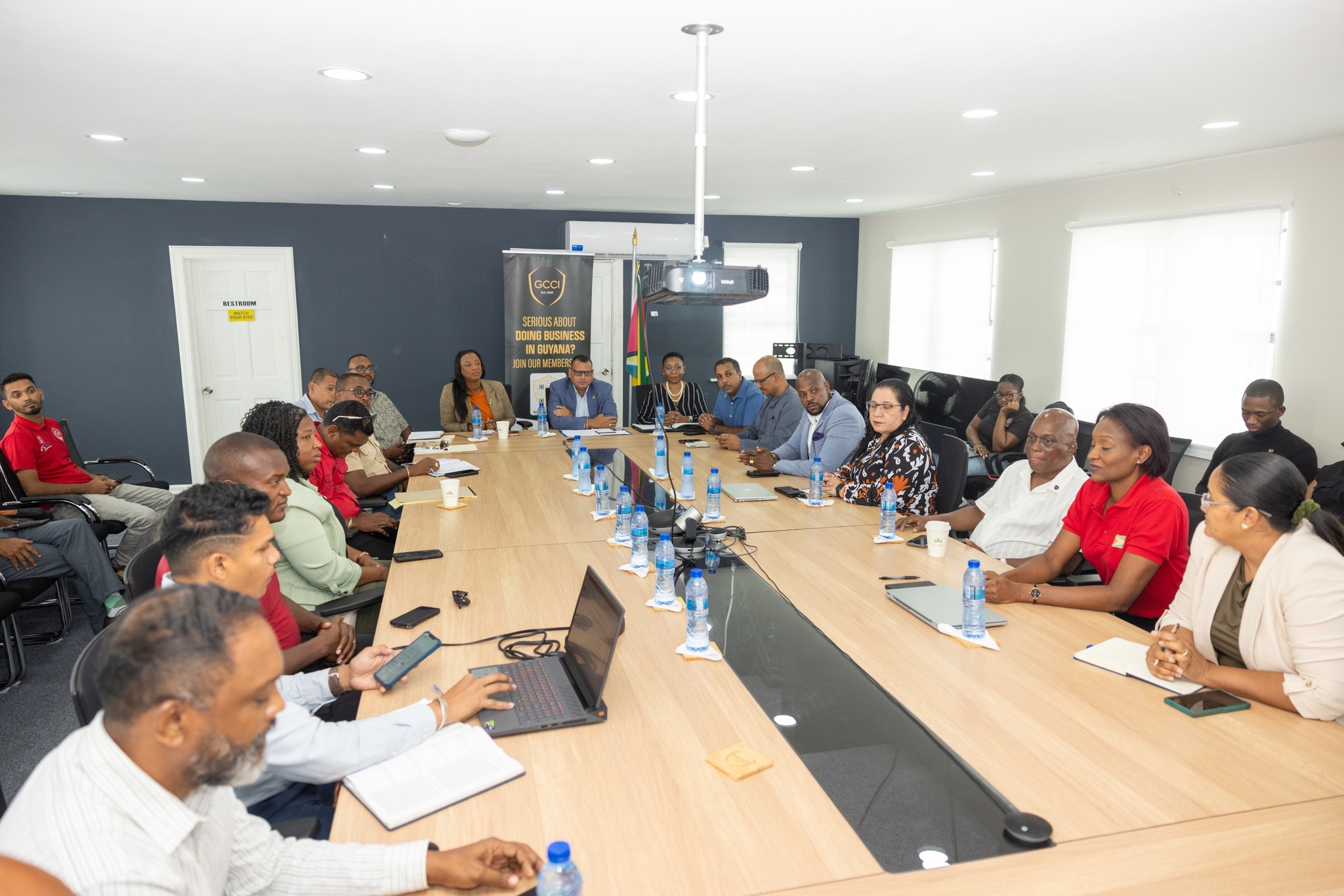
Georgetown mayor demands gov’t consult council on improvement plan
Georgetown Mayor Alfred Mentore has publicly criticized the Irfaan Ali-led administration for its alleged failure to consult the elected City Council regarding plans to enhance drainage and parking systems in the capital. Speaking on Saturday, November 8, 2025, Mayor Mentore emphasized the necessity of formal, transparent, and structured consultations with the City Council before any further steps are taken. He argued that as democratically elected representatives, the council has a constitutional right to be involved in decisions affecting municipal assets. The mayor’s concerns were particularly focused on a proposal to cover canals for paid parking, which lacked critical details such as targeted waterways, engineering standards, and revenue management. Mentore clarified that the council is not opposed to the government’s plans but is frustrated by the exclusion of the elected body in favor of private sector organizations like the Georgetown Chamber of Commerce and Industry. He also highlighted that the Municipal and District Councils Act places infrastructure such as drains, canals, and roads under the jurisdiction of the City Council. The mayor demanded proper coordination with the council on any proposals affecting city assets, warning that nothing less would be tolerated. Despite the ongoing political rivalry between the council, controlled by the People’s National Congress Reform-led APNU, and the PPPC-led central government, Mentore acknowledged the urgent need for infrastructure improvements in Georgetown. He plans to formally register the council’s concerns with the government this week.
-

Army : Handover of 7 armored vehicles to the FAd’H (video)
On November 8, 2025, a significant milestone in Haiti’s national security strategy was marked as Prime Minister Alix Didier Fils-Aimé, alongside key government and military officials, formally handed over seven armored vehicles to the Armed Forces of Haiti (FAd’H). The ceremony, attended by Presidential Advisor Leslie Voltaire, Defense Minister Jean-Michel Moïse, Minister of Justice and Public Security Dr. Patrick Pélissier, and Major General Jonas Jean, Deputy Commander-in-Chief of the FAd’H, underscored the government’s commitment to enhancing the nation’s defense capabilities. This delivery represents the initial phase of a larger order totaling 17 armored vehicles, aimed at bolstering the operational efficiency of the FAd’H in their mission to restore and maintain national security. Prime Minister Fils-Aimé emphasized the strategic importance of revitalizing and modernizing the armed forces, describing it as a cornerstone of Haiti’s broader recovery efforts. He reiterated the government’s dedication to building a disciplined, republican army capable of defending the nation, protecting its citizens, and upholding constitutional values. This initiative reflects a broader policy of institutional strengthening and sovereignty, signaling a renewed focus on long-term security and stability.
-

The cost of ignoring music copyright in the OECS
Across Saint Lucia and the Organization of Eastern Caribbean States (OECS), musicians are achieving international acclaim, yet many are still deprived of a crucial income source: royalties. While the Caribbean music industry contributed an estimated $104 million to the global $29.6 billion revenue in 2024, a significant portion of this value eludes local creators. This figure excludes royalties owed to composers from broadcasters, festivals, and other music users in the region, many of whom fail to compensate for the music they utilize, thereby violating copyright laws and depriving composers, songwriters, and producers of their rightful earnings. The Eastern Caribbean Collective Organisation for Music Rights (ECCO), responsible for collecting and distributing royalties, faces persistent challenges in ensuring compliance. CEO Martin James highlights that out of Saint Lucia’s 24 radio stations, only five are licensed, while in Grenada, Dominica, St. Vincent and the Grenadines, and Antigua, not a single station adheres to licensing requirements. James emphasizes that obtaining licenses for music use is essential, even when performers are paid separately, as the composer or songwriter may not be the performer. ECCO, through reciprocal agreements with global collective management organizations (CMOs), also collects royalties for international artists played in the OECS, from Burning Flames to BTS. However, local artists must register and properly credit their works to benefit. Unclaimed royalties for unregistered artists are held in escrow for three years before being redistributed elsewhere. James attributes the issue to both legal and cultural factors, advocating for increased local content on airwaves to retain more royalties within the region. ECCO, a non-profit based in Saint Lucia, distributes royalties annually, with 44% of its $1.4 million payout in 2025 going to its members. Despite these efforts, James acknowledges that the battle for fair compensation continues, with ECCO focusing on moral persuasion and government collaboration to address systemic challenges.
-

Leger des Heils maakt met SRD 50.000 goede start bij kerstpottenactie
The Salvation Army has kicked off its annual Christmas pot campaign with a strong start, raising over SRD 50,000 and securing commitments for 100 food packages during its launch event on Saturday. This year, the organization aims to collect a total of SRD 1 million, which will enable them to provide 2,000 individuals with essential food supplies during the holiday season.
-
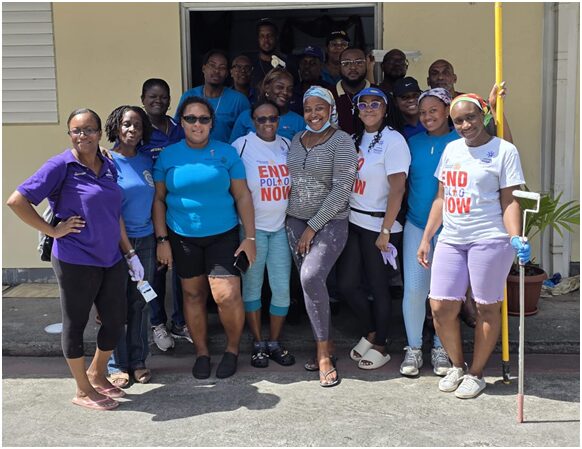
Rotary Club of Dominica gives back to the Acute Psychiatric Unit on National Community Day of Service
The Rotary Club of Dominica, alongside the Rotaract Club of Roseau, commemorated National Community Day of Service on November 4, 2025, by revitalizing the Acute Psychiatric Unit (APU) at the Dominica China Friendship Hospital. This initiative underscores Rotary’s enduring commitment to community development and healthcare. Members dedicated the day to repainting and refurbishing sections of the APU, a facility originally constructed by the Rotary Club of Dominica in 1982. The project symbolizes both continuity and Rotary’s unwavering dedication to service. Dr. Jermaine Jewel Jean-Pierre, President of the Rotary Club of Dominica, emphasized the significance of the APU as a testament to Rotary’s contributions to Dominica’s healthcare system. ‘Returning over four decades later to preserve this facility is deeply meaningful,’ he remarked. ‘It reflects our motto, ‘Service Above Self,’ and our ongoing support for mental health care.’ The activity also fostered civic pride and volunteerism, with participation from Rotarians, volunteers, and APU staff and residents. The APU’s continued operation stands as a proud reminder of Rotary’s impactful community partnerships. Beyond this project, the Rotary Club of Dominica remains active in health, education, youth development, and community service, striving to improve lives and promote goodwill both locally and globally.