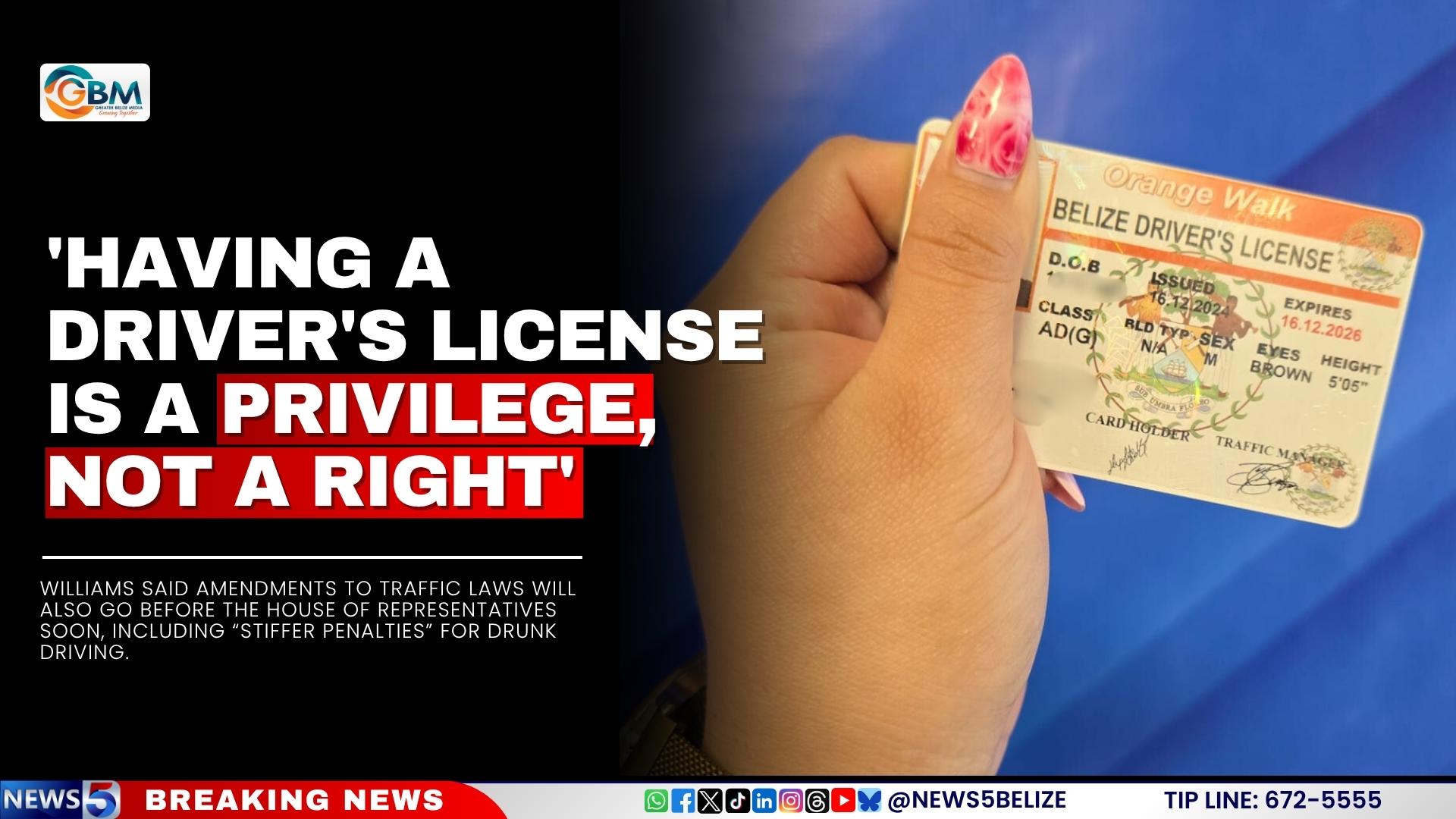
In a bold move to address the rising number of fatalities on Belize’s highways, the Ministry of Transport has announced a series of stringent measures aimed at enhancing road safety. Chester Williams, the Chief Executive Officer of the ministry, revealed that the government is investing in advanced technology, including speed guns, body cameras for officers, and dash cameras for patrol vehicles. These dash cameras, in particular, are expected to play a pivotal role in monitoring driver behavior during traffic stops and capturing evidence of drivers attempting to evade law enforcement. Williams emphasized that the footage obtained from these devices will be crucial for prosecuting offenders. Additionally, the ministry is preparing to present amendments to traffic laws to the House of Representatives, which will introduce harsher penalties for drunk driving. In some cases, drivers could face the revocation of their licenses for life. Williams underscored the importance of responsible driving, stating that holding a driver’s license is a privilege, not a right, and must be exercised with due care and responsibility.
博客
-

Grenada launches Caribbean’s first Blue Economy Action Lab
Grenada has taken a groundbreaking step in advancing its blue economy by hosting the first-ever Blue Economy Action Lab. This innovative event brought together entrepreneurs, policymakers, and investors to transform ideas into actionable projects within a 90-day timeframe. The initiative, spearheaded by Island Innovators, aimed to move beyond theoretical discussions and focus on tangible outcomes that address the Caribbean’s unique challenges. Participants, including marine entrepreneurs, tourism operators, and data scientists, collaborated on pilot projects centered around three key themes: waste-to-value solutions, circular blue tourism, and coastal resilience. The event culminated in the formation of ‘Doers’ Circles,’ cross-sector working groups committed to delivering High-Impact Action Declarations (HIADs) under each theme. Notable attendees included sustainability leaders such as Crystal Young, Chad Fraser, and Benjamin Nestorovic, who highlighted the potential of Grenada’s marine resources to drive economic growth, job creation, and environmental health. Island Innovators will support these teams through a 90-day pilot program, providing mentorship, technical guidance, and accountability via an Impact Dashboard. The success of this inaugural event has paved the way for future Action Labs across sectors like technology, health, and the creative economy, with a focus on emerging opportunities such as marine biotechnology and coastal data mapping. Dr. Angus Friday, Advisor to Island Innovators, described the event as the beginning of a movement, emphasizing the Caribbean’s ability to turn potential into probability through structured collaboration and support.
-
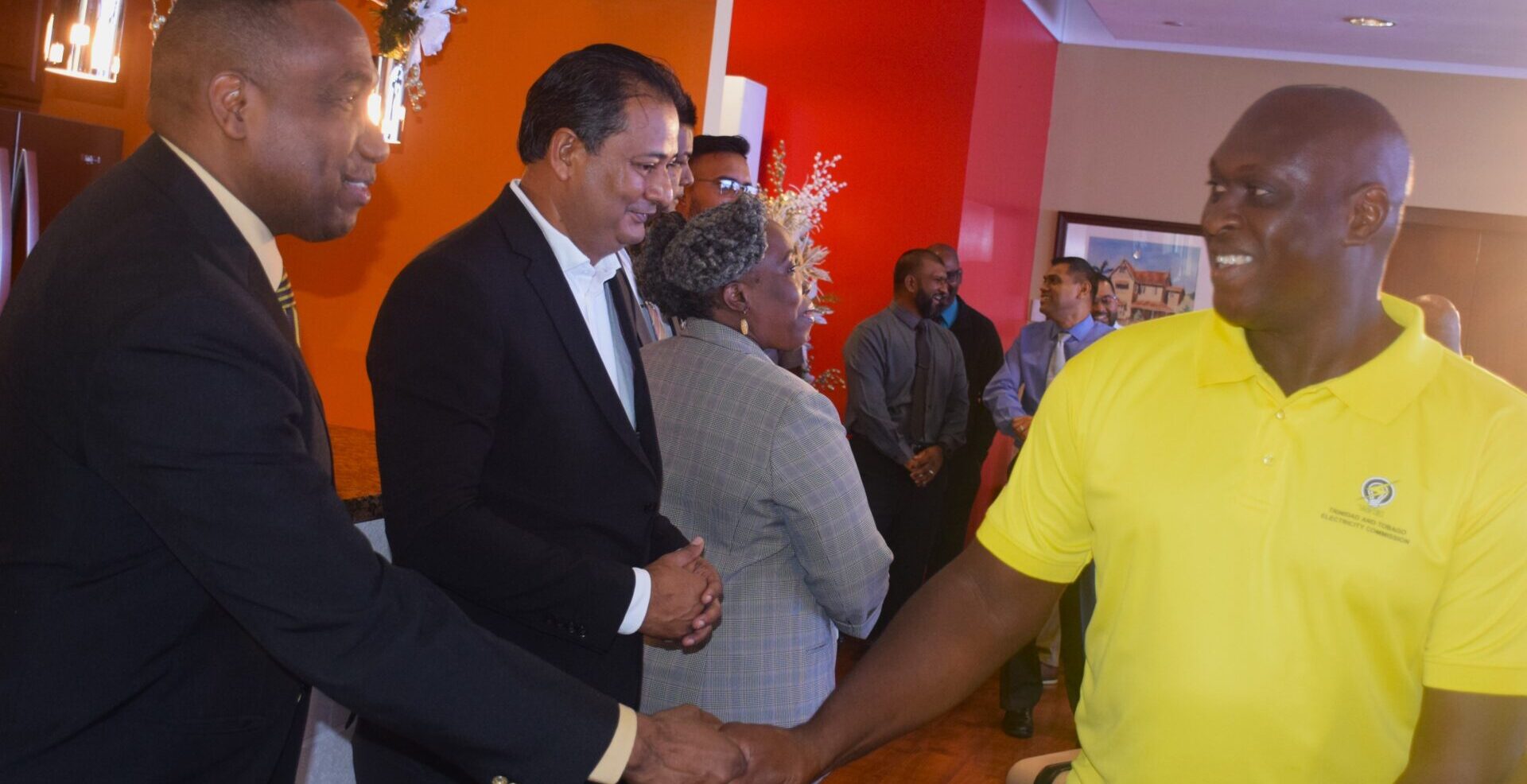
Seventeen regional utilities and two private contractors head to Jamaica under CARILEC’s disaster assistance program
In response to the devastating impact of Hurricane Melissa, the Caribbean Electric Utility Services Corporation (CARILEC) has activated its Disaster Assistance Program (CDAP) to aid the Jamaica Public Service Company (JPS) in restoring electricity across the island. The Category 5 hurricane, which struck Jamaica on October 28, 2025, left over 70% of the island’s electrical consumers without power, prompting an urgent regional response. As of November 10, JPS reported that 64% of its customers had regained electricity, with significant progress in restoring critical facilities such as health centers, telecommunication sites, and water commission locations. CARILEC, in collaboration with seventeen regional utility companies and two private contractors, has mobilized 131 lineworkers to Jamaica, with additional teams expected to arrive soon. The initiative, supported by the Caribbean Disaster Emergency Management Agency (CDEMA) and the UK’s Foreign, Commonwealth & Development Office (UKFCDO), underscores the importance of regional cooperation in disaster recovery. Dr. Cletus Bertin, CARILEC’s Executive Director, emphasized the program’s foundation on mutual assistance and the critical role of trained personnel in restoring power swiftly and safely. Established in 1998, CDAP has been instrumental in enhancing the preparedness and efficiency of lineworkers through ongoing training programs and annual symposiums.
-
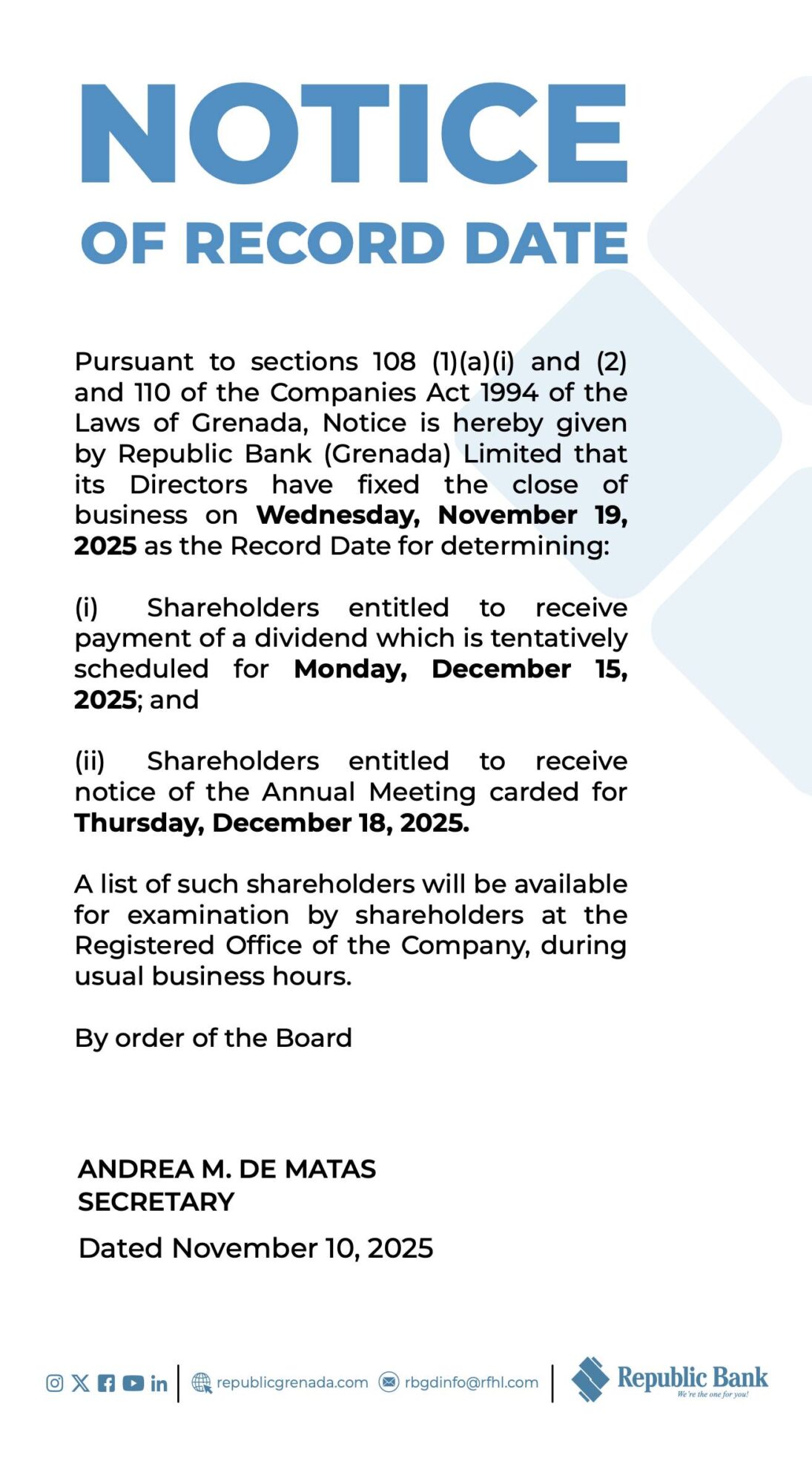
Republic Bank (Grenada) Limited: Notice of Record Date
Republic Bank (Grenada) Limited has officially announced that its Board of Directors has designated Wednesday, November 19, 2025, as the Record Date. This critical date marks the cutoff for determining which shareholders are eligible to participate in upcoming corporate actions, such as dividend distributions or voting rights at the annual meeting. The announcement underscores the bank’s commitment to transparency and adherence to corporate governance standards. Shareholders are advised to ensure their records are up-to-date to avoid any discrepancies. Republic Bank (Grenada) Limited continues to prioritize the interests of its stakeholders, reinforcing its reputation as a reliable financial institution in the region. For further inquiries or to report any concerns, shareholders are encouraged to contact the bank directly.
-

Gemoedelijke en ontspannen sfeer bij afscheid Venetiaan in Kathedrale Basiliek
On the afternoon of November 11, a solemn yet serene farewell ceremony was held at the St. Petrus & Paulus Basilica in honor of former President Ronald Venetiaan, a figure whose influence resonated both nationally and internationally. The event drew a diverse crowd, including family members, political leaders, and dignitaries, all gathered to pay their respects. Venetiaan, who had served as a long-time member and chairman of the National Party of Suriname (NPS), lay in repose in a meticulously prepared casket at the front of the basilica. Among the attendees were President Jennifer Simons, ABOP Chairman Ronnie Brunswijk, and Paul Somohardjo, a former comrade of Venetiaan and current leader of Pertjajah Luhur, alongside other prominent politicians, ambassadors, and members of the judiciary. The atmosphere was marked by a sense of calm and reflection, as visitors bid their final farewells. Jules Fullinton’s rendition of “It Is Well with My Soul” added a poignant touch to the proceedings. The ceremony concluded with a private cremation, attended only by close family members. The event also attracted significant attention from both local and international media, underscoring the widespread impact of Venetiaan’s legacy.
-
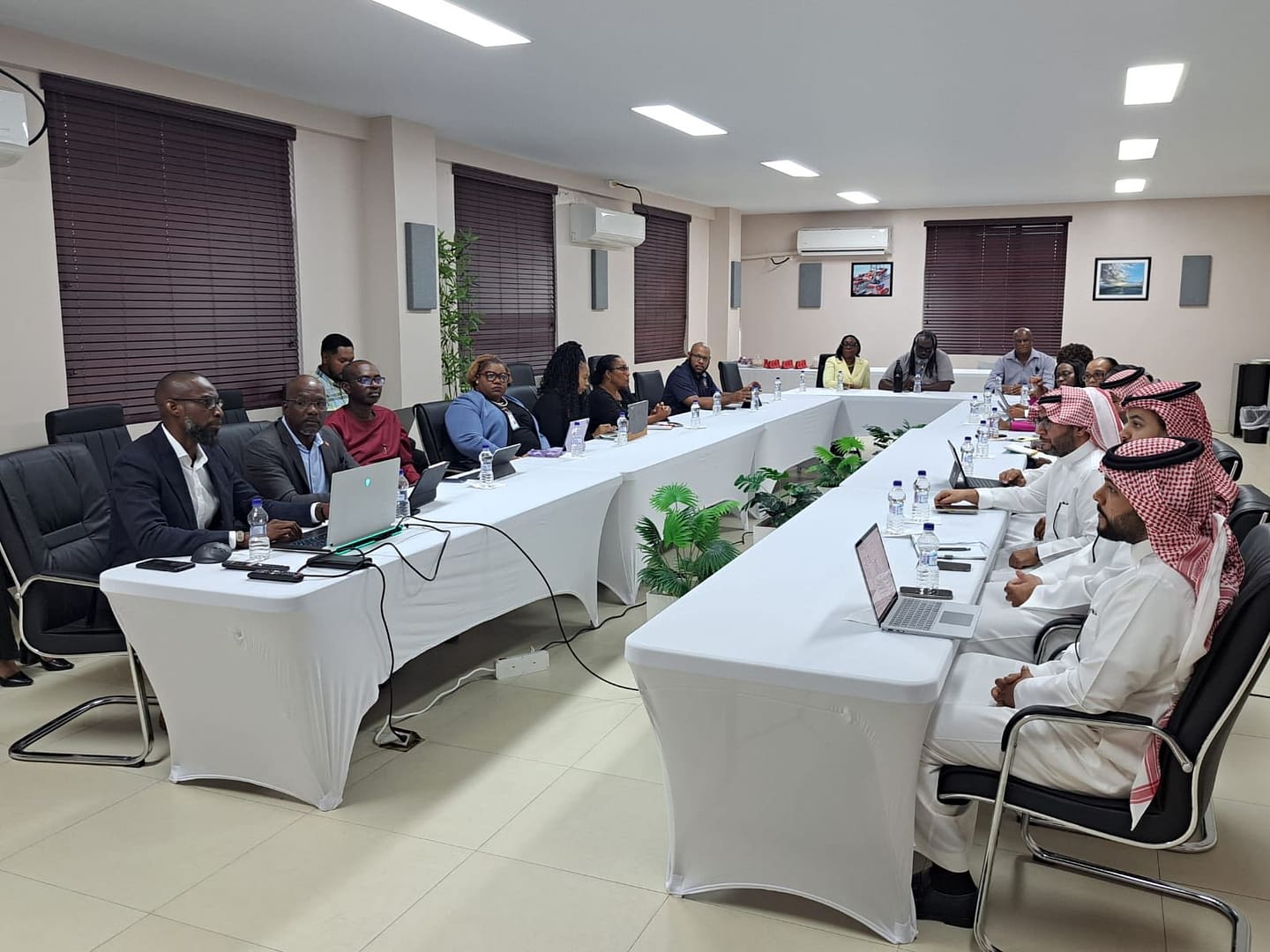
Government and Saudi Fund Discuss Progress on UWI Five Islands Expansion
The Government of Antigua and Barbuda has initiated high-level discussions with the Saudi Fund for Development to advance the expansion and development of The University of the West Indies (UWI) Five Islands Campus. These talks, led by MP Daryll Matthew, aim to outline the next phases of the campus’s transformation, which is central to the government’s vision of establishing it as a premier educational institution in the Eastern Caribbean. During the meeting, MP Matthew revealed the first architectural renderings of the proposed campus, describing it as a future landmark that will stand out as the most aesthetically impressive university in the region. The collaboration with the Saudi Fund underscores the government’s commitment to enhancing educational infrastructure and fostering academic excellence. This initiative is expected to significantly boost the local economy and provide enhanced opportunities for students across the Caribbean.
-
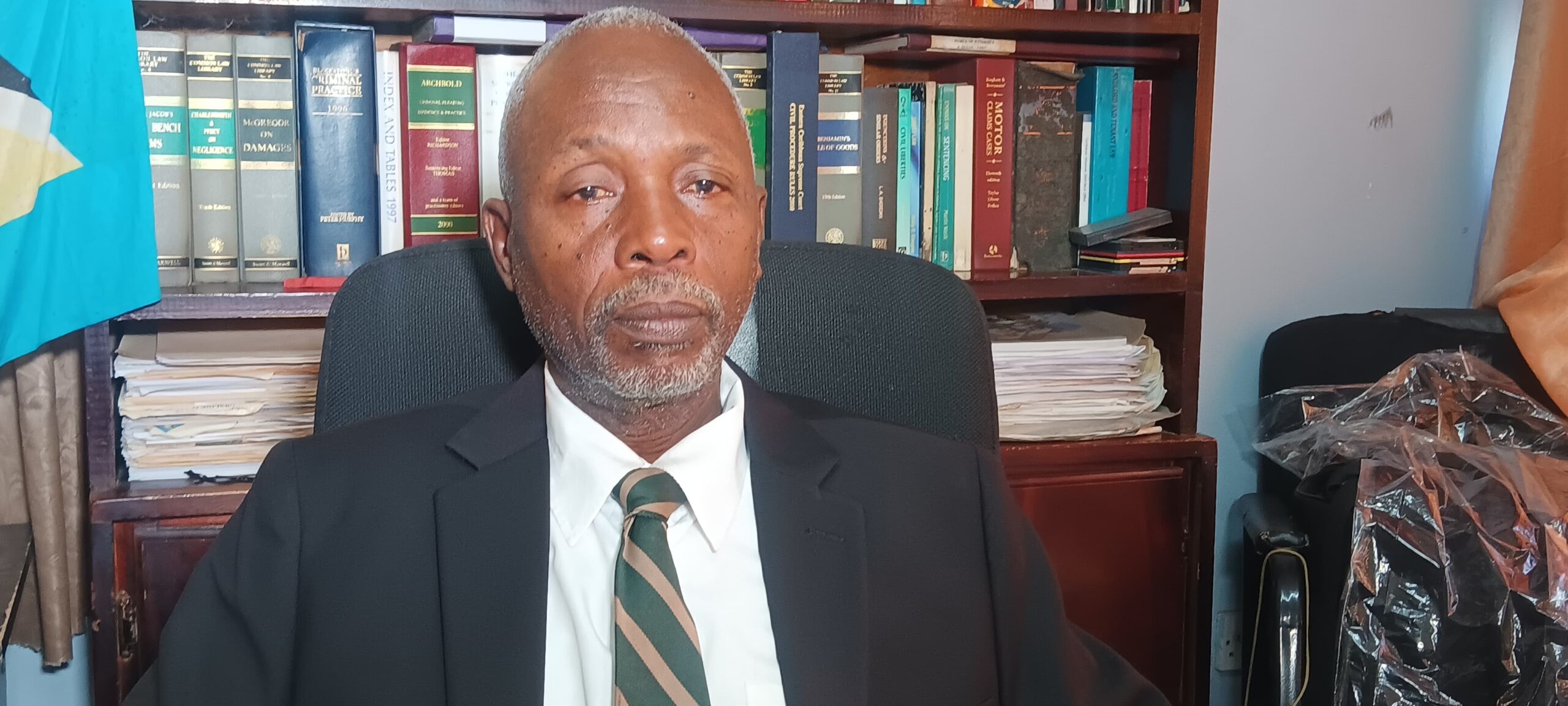
Independent Michael St Catherine to run again in Micoud North
Despite a crushing defeat in the previous general election, attorney Michael St Catherine has reentered the political arena, declaring his candidacy as an independent for the Micoud North constituency in the upcoming December 1, 2025, election. St Catherine made the announcement on November 11, emphasizing the need for change and improved representation in the region. In his statement, he criticized the current state of affairs, highlighting the lack of respect for workers and the inadequacies of inexperienced leaders. He urged constituents to embrace those with genuine intentions and proper preparation. St Catherine attributed his decision to run again to “divine inspiration” and widespread encouragement from supporters across the nation. He referenced his 15-point plan from the last election, stating that his campaign is already in motion and will soon be visible throughout the constituency. St Catherine expressed his commitment to creating job opportunities and improving the lives of Micoud residents. In the 2021 general election, he garnered only 28 votes, a stark contrast to the 1,731 votes secured by UWP candidate Gale Rigobert and the 2,283 votes won by SLP’s Jeremiah Norbert. St Catherine will face incumbent Jeremiah Norbert and UWP’s Elisha Norbert, both cousins, in the upcoming election. He called for an end to family disputes over power and a focus on the betterment of the community.
-
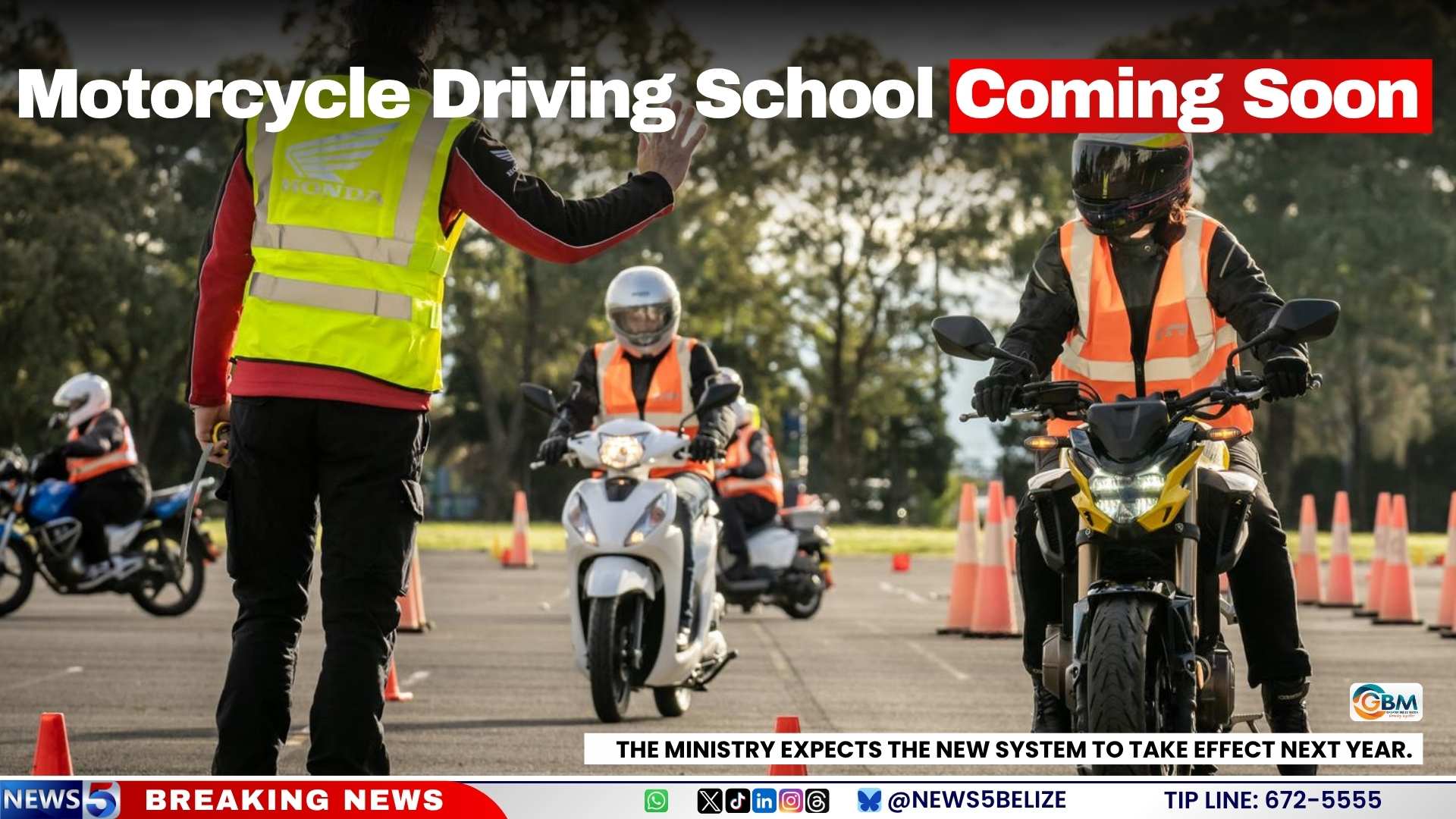
Motorcycle Driving School Coming Soon
In response to a surge in road fatalities, Belize’s Ministry of Transport has announced plans to establish a specialized motorcycle driving school. The initiative comes after a particularly deadly weekend, where four lives were lost and several others injured in separate traffic accidents. The ministry aims to address the alarming trend of reckless motorcycle driving, particularly among young riders, by providing comprehensive training on safe operation and adherence to road safety laws. Chester Williams, the Chief Executive Officer of the Ministry of Transport, expressed deep concern over the persistent disregard for safety measures despite graphic media coverage of accidents. He emphasized the need for a multi-faceted approach, including legislative reforms, stricter enforcement, and targeted sensitization campaigns to foster a behavioral shift among the youth. The driving school, set to be operational by next year, will be managed by certified institutions that will also issue licenses to successful applicants. This initiative underscores the government’s commitment to curbing road accidents and promoting safer driving practices.
-

Major Cabinet Reshuffle Looms
In a significant move signaling strategic realignment within the government, a major Cabinet reshuffle is reportedly underway following a high-level meeting held on November 11, 2025. According to credible sources within the Cabinet, several key ministerial positions are set to undergo substantial changes. Henry Charles Usher is poised to take charge of the Home Affairs portfolio, while Kareem Musa is expected to transition to lead the Ministry of Immigration. Francis Fonseca, currently overseeing Immigration, is anticipated to return to the Ministry of Education, replacing Oscar Requena. Additionally, sources reveal that Jose Mai and Florencio Marin Jr. will also face portfolio adjustments, with Mai likely to relinquish his responsibilities for Enterprise, which includes oversight of Free Zones and Supplies Control. Further details regarding the reshuffle are expected to be disclosed in the coming days, as the government seeks to optimize its administrative framework.
-

De wereldwijde status van de DEMOCRATIE
The 2025 Global State of Democracy Report, released on November 10, paints a concerning picture of the current state of democracy worldwide. The report highlights a climate of severe uncertainty, driven by political developments, particularly in the United States, which raise critical questions about democratic resilience and multilateralism. These trends are not isolated; globally, democracy is weakening. In 2024, 54% of the 94 countries studied experienced a decline in at least one democratic factor compared to their state five years prior. Only 55 countries (32%) showed improvement in at least one governance factor.
The report evaluates democratic performance across four core categories: Representation, Rights, Rule of Law, and Participation. Representation scored the highest, with 47 countries (27%) achieving top marks in 2024. However, declines were observed across all regions, affecting both well-functioning and struggling democracies. Suriname, for instance, falls within the ‘mid-range’ category, with scores of 51/173 in Representation, 47/173 in Rights, 63/173 in Rule of Law, and 29/173 in Participation.
Globally, the Rule of Law remains the weakest category, with 41% of countries classified as underperforming in 2024. Judicial independence saw the most significant decline. Suriname performed moderately in this area, emphasizing the need for cautious reforms to strengthen its democratic framework.
Within the Rights category, access to justice and press freedom emerged as critical concerns. Press freedom weakened in 43 countries, nearly a quarter of those studied, signaling a serious threat to public accountability and informed political participation. Suriname must remain vigilant in this regard.
Participation remained relatively stable, with only 11 countries showing notable changes between 2019 and 2024. However, Suriname faces challenges in fostering informed and critical participation. Global migration, affecting 3.7% of the world’s population, also plays a key role in democratic uncertainty. Expanding political participation, including voting rights for citizens abroad, can enhance democratic resilience and foster a sense of belonging.
For Suriname, diaspora voting remains a contentious issue, with no legislative changes to grant voting rights to overseas citizens. DA’91, a political party, supports the report’s conclusion that diaspora voting could strengthen democratic resilience. While there is no ‘one-size-fits-all’ solution, legal and administrative developments in this area could significantly boost participation both domestically and abroad.
Maintaining democracy requires patience, maintenance, and occasional reinvention. Suriname, like other democracies, must continuously evaluate and strengthen its institutional frameworks, including mechanisms for involving non-resident citizens in political decision-making. The fight against corruption remains crucial. As the report underscores, the work of democracy is never complete.