
The Pan-American Health Organization (PAHO) has announced that the Americas region has lost its status as free from endemic measles transmission. This decision follows the findings of PAHO’s Regional Commission for Monitoring and Re-verification of Measles, Rubella, and Congenital Rubella Syndrome Elimination, which convened in Mexico City from November 4 to 7, 2025, to assess the epidemiological situation in the region. The commission confirmed that endemic measles transmission has re-emerged in Canada, where the virus has been circulating for at least twelve months. This marks a significant setback for the Americas, which was the first region globally to eliminate measles twice. All other countries in the region retain their elimination status for now. PAHO Director Dr. Jarbas Barbosa emphasized that while this loss is a setback, it is reversible. He stressed that as long as measles persists globally, the region remains at risk of reintroduction and spread among unvaccinated or under-vaccinated populations. With political will, regional cooperation, and sustained vaccination efforts, transmission can be interrupted, and the shared success of elimination restored. As of November 7, 2025, 12,593 confirmed measles cases have been reported across ten countries, with 95% of cases concentrated in Canada, Mexico, and the United States. This represents a thirtyfold increase compared to 2024. Tragically, 28 deaths have been recorded, with 23 in Mexico, 3 in the U.S., and 2 in Canada. Active outbreaks are ongoing in Canada, Mexico, the U.S., Bolivia, Brazil, Paraguay, and Belize, primarily driven by imported cases. Most infections occur in under-vaccinated communities, with 89% of cases involving unvaccinated or vaccination-status-unknown individuals. Children under one year old are the most affected, followed by those aged one to four. The Canadian outbreak began in October 2024 in New Brunswick and spread nationwide, with over 5,000 confirmed cases. While new cases are declining, transmission persists in Alberta, British Columbia, Manitoba, and Saskatchewan. Measles, one of the most contagious viruses, can infect up to 18 people per case and lead to severe complications such as pneumonia, encephalitis, blindness, and death. Outbreaks also strain healthcare systems. Vaccination remains the most effective tool against measles, having prevented an estimated six million deaths in the Americas over the past 25 years and 15 million globally in the last 50 years. However, the regional coverage rate for the second dose of the MMR vaccine was only 79% in 2024, well below the 95% threshold needed to prevent outbreaks. PAHO continues to support countries in strengthening surveillance, laboratory diagnostics, outbreak response, and vaccination campaigns. Experts have been deployed to Mexico, Argentina, and Bolivia, while the organization closely monitors Belize, Brazil, and Paraguay. Dr. Barbosa urged countries to redouble their efforts, emphasizing that every prevented outbreak and stopped infection saves lives. The commission recommended intensifying vaccination campaigns, enhancing electronic immunization registries, sustainably funding laboratory capacity, and conducting PCR tests for suspected cases with negative IgM results. The Americas have previously regained measles-free status after temporary losses in Venezuela (2018) and Brazil (2019) through coordinated regional action. To regain the status, a country must demonstrate no endemic transmission for at least twelve consecutive months, supported by vaccination, surveillance, and outbreak response data. Canada is now implementing an action plan within PAHO’s regional framework to increase vaccination rates, strengthen monitoring systems, and respond swiftly to new outbreaks. Dr. Barbosa concluded, ‘Collaboration, solidarity, and science are stronger than any virus. When we work together, we protect the health and lives of all people in the Americas.’
博客
-

Father and daughter die in airplane crash in Florida, heading to deliver aid to Jamaica
A devastating aviation incident in Florida has claimed the lives of a father and daughter who were on a mission to deliver aid to communities impacted by Hurricane Melissa in Jamaica. The victims, identified as Alexander Wurm, 53, and his 22-year-old daughter Serena, tragically lost their lives when their Beechcraft King Air aircraft crashed into a lake in Coral Springs, a residential area north of Miami. The crash occurred shortly after the plane took off from Fort Lauderdale, with security footage capturing the harrowing moment of impact, showing the aircraft disintegrating upon contact with the water. Alexander Wurm was renowned for founding Ignite the Fire, a Christian ministry with a strong evangelical presence across the Caribbean, including the Cayman Islands. The organization had previously been involved in delivering aid to Jamaica, and this flight was part of their ongoing humanitarian efforts. Emergency services, including police and fire rescue teams, swiftly responded to the scene on Monday. Divers were deployed in a desperate search for survivors, but officials later confirmed that the operation had transitioned from rescue to recovery. The National Transportation Safety Board (NTSB) has initiated an investigation to determine the cause of the crash. It is noted that Wurm’s most recent aid mission to Jamaica was successfully completed on November 4.
-
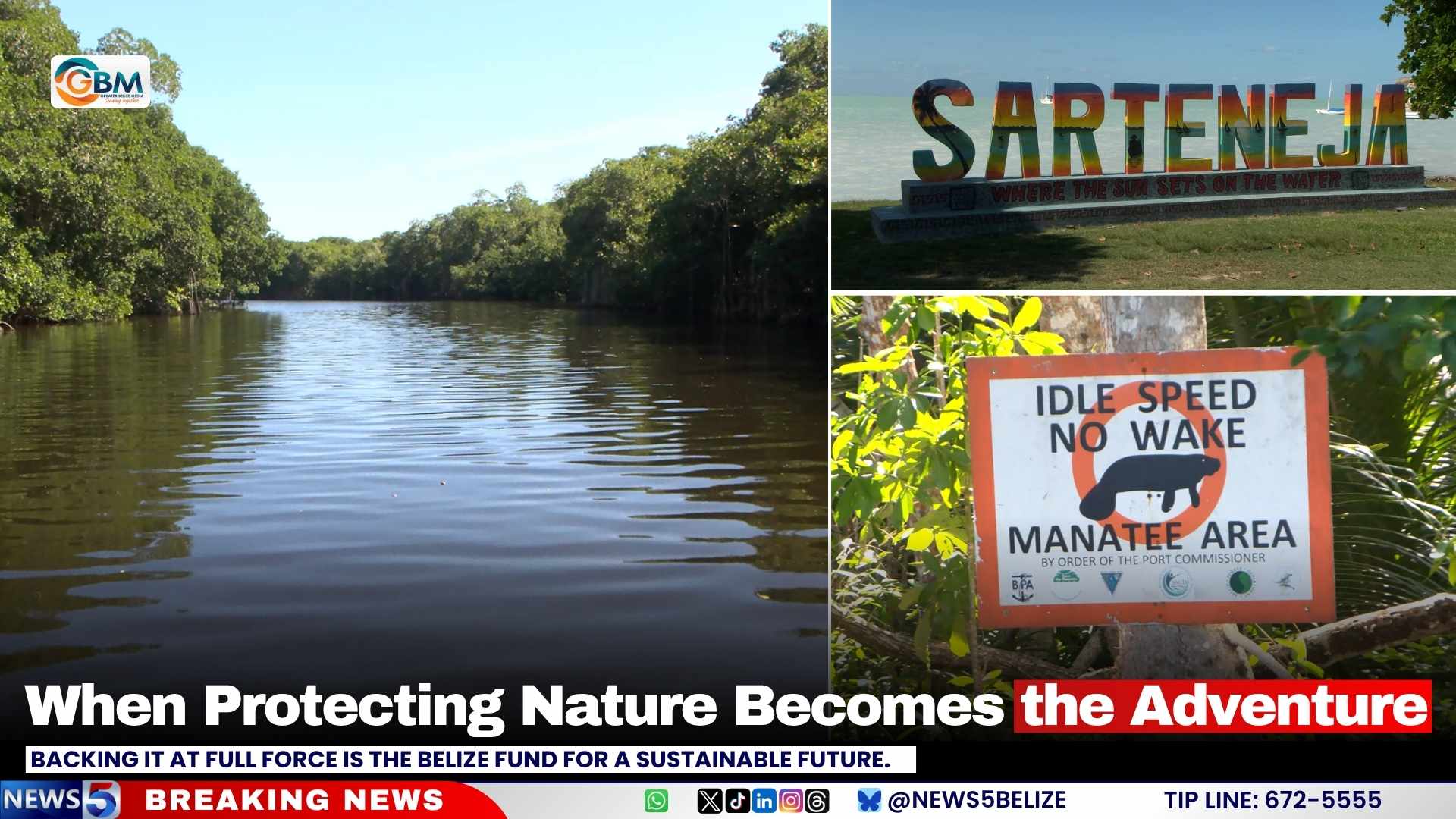
When Protecting Nature Becomes the Adventure
Belize, a country renowned for its pristine beaches and vibrant reefs, has long relied on tourism as a cornerstone of its economy. However, beneath the surface of its tourist attractions lies a critical force driving its success: conservation. The Sarteneja Alliance for Conservation and Development (SACD), supported by the Belize Fund for a Sustainable Future, is demonstrating that protecting the environment can also be an exhilarating adventure. This initiative is transforming the northern coastal village of Sarteneja, traditionally known for its fishing heritage, into a hub for eco-tourism. Through Corozal Bay EcoAdventures, local fishers, artisans, and families are discovering new ways to earn a living while safeguarding the marine ecosystems that sustain them. Diveana Samos, Business Manager of SACD, emphasizes that their mission is to promote conservation actions that benefit both biodiversity and the local community. The Corozal Bay Wildlife Sanctuary, spanning 178,000 acres, is home to manatees, dolphins, and Belize’s only bull shark nursery. SACD’s RioReef Expedition blends science and tourism, channeling proceeds into local conservation and community projects. Visitors experience firsthand how traditional fishing practices and modern conservation principles converge for sustainability. The initiative also supports water quality monitoring, bird surveys, and aerial manatee surveys, ensuring the protection of one of Belize’s highest manatee populations. The eco-tour highlights the interconnectedness of the ecosystem, from the mangroves that filter impurities to the seagrass beds that clean the waters. Historical sites like the Cerros Mayan Temple add a cultural dimension, linking environmental preservation with heritage. The journey concludes at the Bacalar Chico Marine Reserve, where visitors can snorkel the reef or explore Mayan ruins. SACD’s model proves that adventure and preservation can coexist, leaving a lasting message that nature, culture, and community are all part of one living story.
-

U.S. Shutdown Nears End as Funding Bill Heads to House
The prolonged U.S. government shutdown, the longest in the nation’s history, is poised to conclude as early as Wednesday following the Senate’s approval of a short-term funding bill on Monday. This legislative breakthrough is expected to reinstate hundreds of thousands of federal employees to their roles, restore Supplemental Nutrition Assistance Program (SNAP) benefits to over 42 million Americans, and mitigate significant travel disruptions that have plagued the country. Economists estimate that the shutdown has resulted in a $55 billion (0.8%) reduction in GDP for this quarter, a loss that the reopening aims to reverse. The shutdown had forced nearly 800,000 federal workers, including air traffic controllers, into unpaid leave or work without pay. While the bill funds most federal agencies until January 30, concerns linger about the potential for another shutdown early next year. Analysts caution that although backpay and resumed benefits will provide temporary relief, the underlying crisis remains unresolved. Despite the bill’s passage, the government will require several days to fully reopen, and air travel disruptions persist, with 1,148 flights canceled nationwide as of Tuesday afternoon, according to aviation analytics.
-
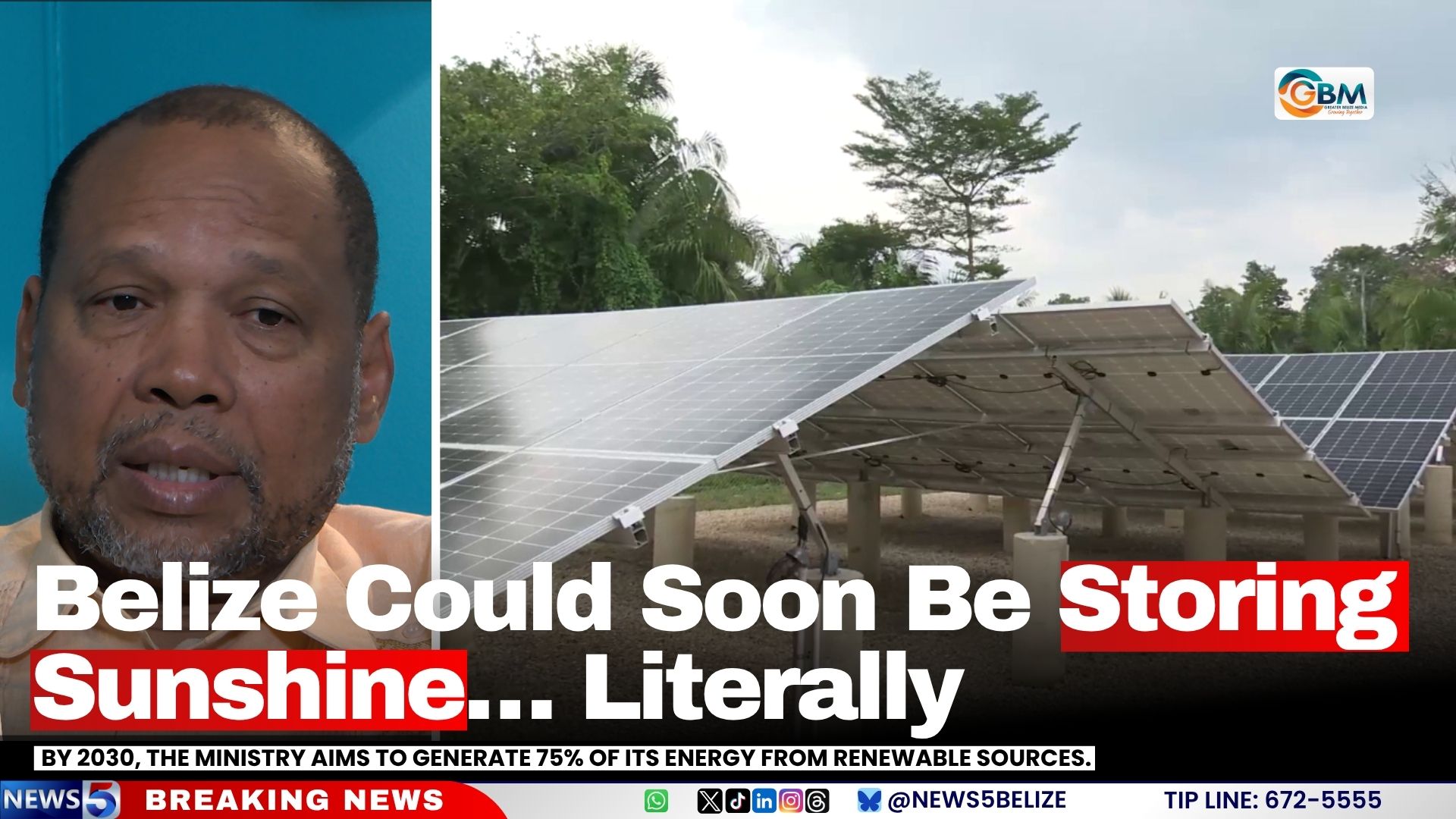
Belize Could Soon Be Storing Sunshine… Literally
Belize is taking significant strides toward energy independence and sustainability with the introduction of large-scale battery storage systems designed to harness solar power. The Ministry of Energy, led by Chief Executive Officer Dr. Leroy Almendarez, announced plans to store excess solar energy generated during the day for use at night, a move expected to reduce electricity costs and decrease reliance on imported energy. Currently, Belize imports up to 50% of its power from Mexico, but this initiative aims to change that. A key component of the project is a 40-megawatt battery storage system funded by the World Bank, which will allow Belize to purchase cheaper energy during off-peak hours and distribute it during peak times, potentially lowering consumer bills. Dr. Almendarez emphasized the importance of proper maintenance for these systems, comparing them to vehicle batteries that degrade without care. Belize’s renewable energy transition is already in progress, with plans to install 135 megawatts of solar capacity and 60 megawatts of battery storage by 2031. The first batteries are expected to be operational by the end of 2026, and the ministry aims to generate 75% of the country’s energy from renewable sources by 2030. This initiative marks a critical step in Belize’s journey toward a greener and more self-sufficient energy future.
-
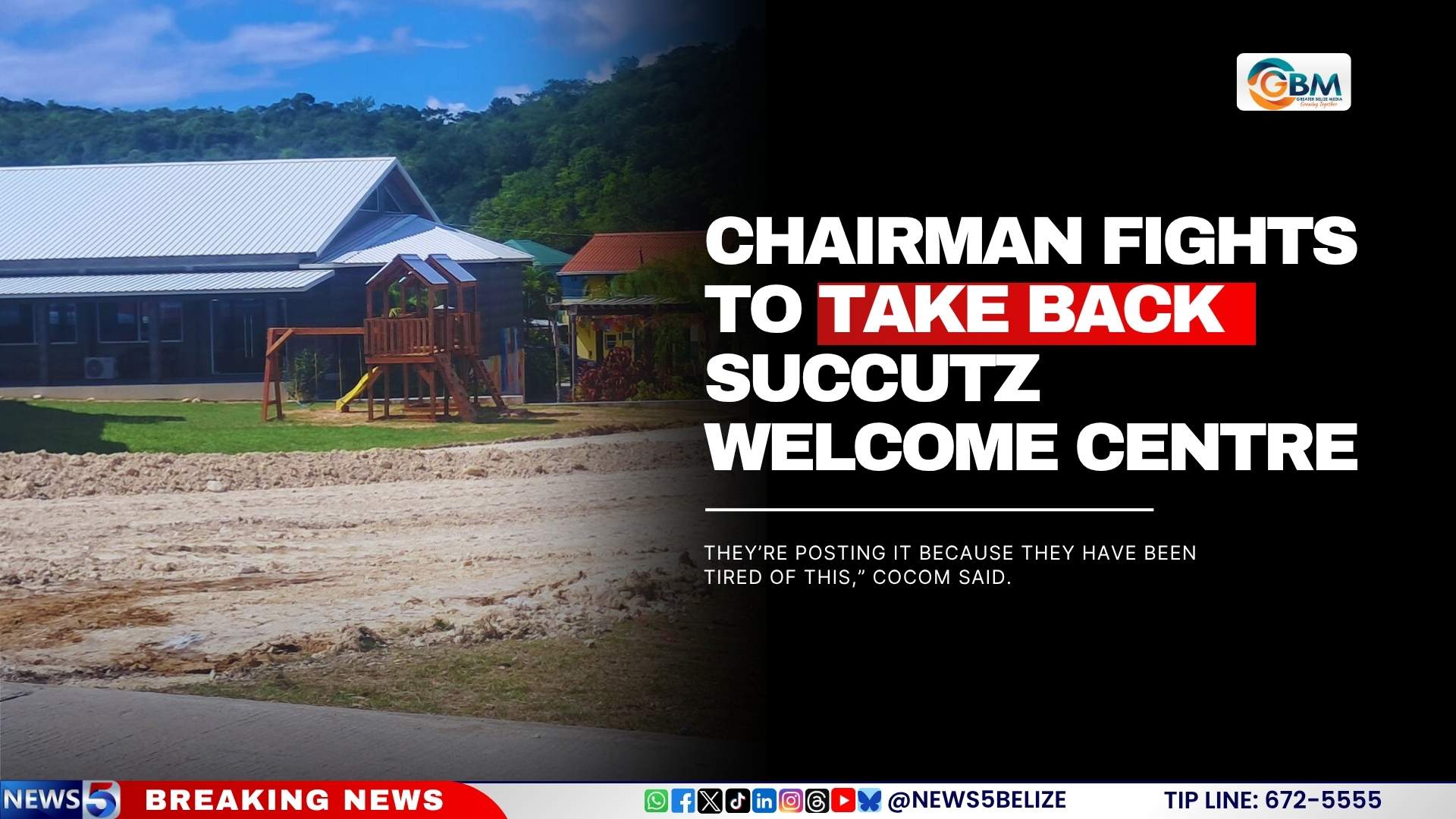
Chairman Fights to Take Back Succutz Welcome Centre
In San Jose Succutz, residents are voicing their discontent over the state of their village’s welcome centre, which they claim no longer feels like a community asset. Armando Cocom, the newly elected village chairman, has taken up the fight to regain control of the facility, alleging that it has become restricted and is being managed by an unaccountable committee. This has left villagers feeling excluded and frustrated, unable to access the centre freely. Cocom revealed that even he, as chairman, has been denied access to the building, stating, ‘You have to pay for the use, and I don’t even have access to it, being the chairman of the village.’ He emphasized the need for the centre to be returned to community control, citing a recent incident where he was unaware of an eye checkup event held at the facility. ‘When it comes to health issues and things that are going to happen in my village, I should be informed of that,’ Cocom said. He stressed that while the committee may have its reasons for managing the centre, they must respect his role as village chairman and involve him in decision-making processes.
-

OWOS roept Bemiddelingsraad in bij vastgelopen cao-onderhandelingen met EBS
The Organization of Workers at Suriname Energy Companies (OWOS) has formally engaged the Mediation Council for Suriname to intervene in the stalled negotiations with the management of N.V. Energiebedrijven Suriname (EBS). This decision, according to the OWOS board, was made after careful consideration, as the current state of negotiations is deemed detrimental to the interests of the union and its members. In a letter to the EBS management, OWOS highlighted the company’s approach and the absence of a new Collective Labor Agreement (CAO) as reasons for requesting mediation. The union, which has represented EBS employees since July 28, 1964, emphasized that workers have been waiting for a new CAO for a considerable time. Negotiations between OWOS and EBS management began earlier this year but have yet to yield an agreement on wages and working conditions for 2025. OWOS hopes that the mediation council’s intervention will lead to a resolution that upholds the rights of employees while ensuring the continuity of EBS services. The EBS management has not publicly responded to OWOS’s decision to involve the mediation council. OWOS Chairman Marciano Hellings confirmed to starnieuws that the Mediation Council has agreed to mediate, with the first discussions scheduled for the upcoming week.
-

Cabinet Reshuffle: Demotions and Promotions
In a significant move, Prime Minister John Briceño has announced a comprehensive reshuffle of his Cabinet, effective November 17, 2025. The government has termed this an ‘adjustment,’ but the public is keenly observing the promotions and demotions within the ministerial ranks. Key changes include Kareem Musa, who transitions from Minister of Home Affairs and New Growth Industries to Immigration, Governance, and Labour. Henry Charles Usher takes over the Ministry of Home Affairs and Enterprise, while Jose Abelardo Mai retains Agriculture and Food Security but gains the Ministry of New Growth Industries. Oscar Requena returns to the Ministry of Rural Transformation, Local Government, and Community Development, and Francis Fonseca reassumes the Ministry of Education, Science and Technology, alongside Foreign Affairs and Foreign Trade. Florencio Marin Jr is now the Minister of Public Service & Disaster Risk Management. The reasons behind these adjustments remain undisclosed, leaving room for public speculation and analysis.
-
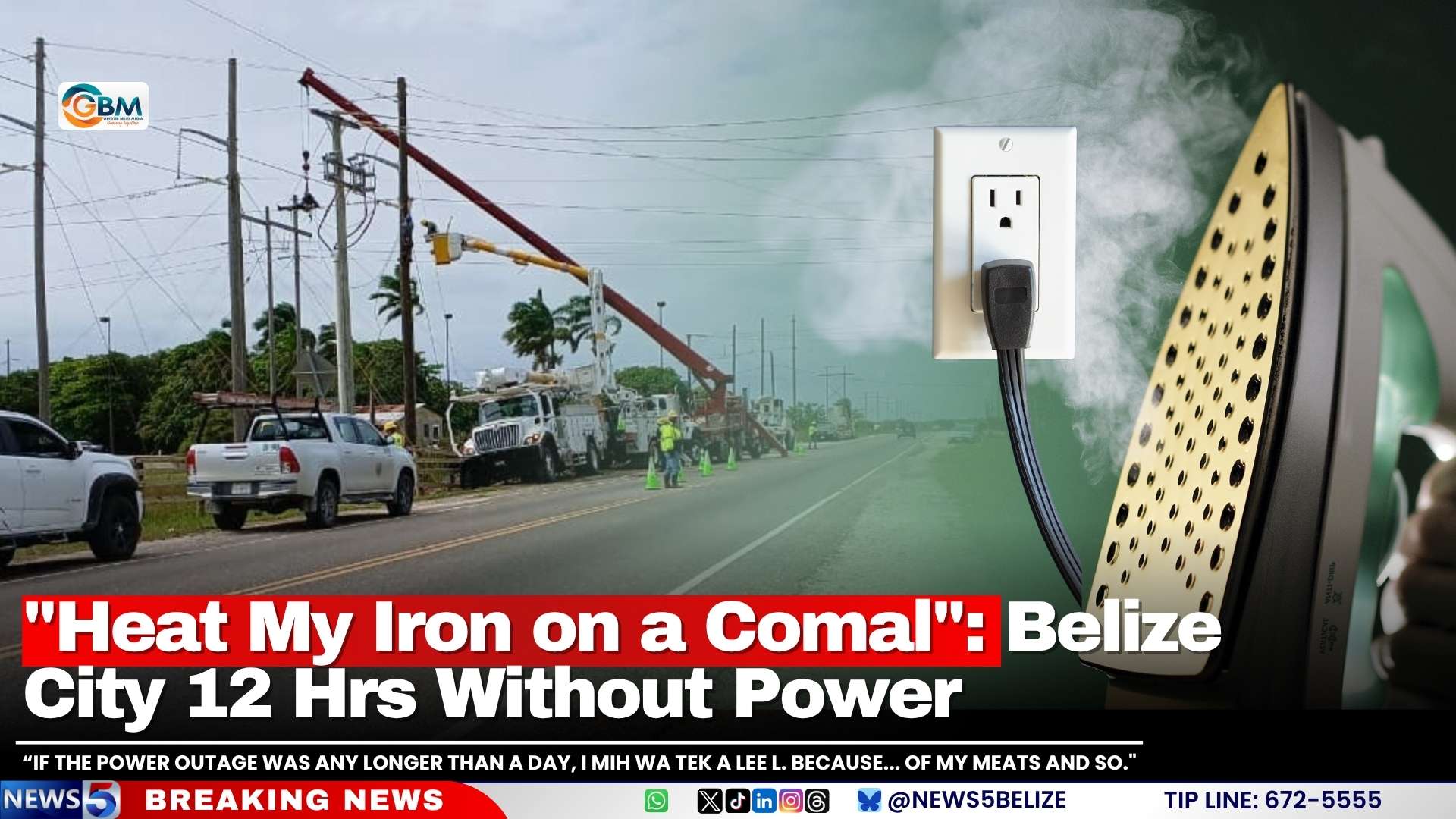
“Heat My Iron on a Comal”: Belize City 12 Hrs Without Power
Belize City experienced a nearly 12-hour power outage on Tuesday, leaving residents and businesses grappling with the consequences. The blackout, which began at 12:32 a.m., was caused by a transmission line fault near the West Lake Substation on the George Price Highway, according to Belize Electricity Limited (BEL). The affected areas spanned Belize City up to Mile 1 on the Phillip Goldson Highway and Mile 1 on the George Price Highway. Power was partially restored by 2:30 a.m. and fully restored by 12:11 p.m. The outage disrupted daily life, with residents resorting to traditional methods like heating irons on comals and frying pans to complete household chores. Businesses, particularly those reliant on refrigeration, faced significant challenges. Chef Ainsle, who had a backup generator, expressed relief but noted that a longer outage would have been costly. A juice vendor shared that customers were understanding, though his ice supply melted quickly. BEL commended its staff and contractors for their swift response in restoring power.
-
Guyana among Amazon countries hoping to raise US$1 billion for infrastructure projects
In a landmark initiative, seven Amazonian countries—Bolivia, Brazil, Colombia, Ecuador, Guyana, Peru, and Suriname—have joined forces to establish the Amazonia Forever Facility for Cities and Resilient Infrastructure. This regional alliance, formalized through a joint declaration on November 11, 2025, aims to mobilize over $1 billion to bolster investments in water security, clean energy, and resilient urban infrastructure. The initiative is spearheaded by the Amazonia Network of Ministers of Finance and Planning, with robust support from the Inter-American Development Bank Group (IDB Group) and backing from multilateral climate funds, bilateral donors, and local leaders. The facility will employ innovative financial mechanisms, including blended financing, performance-based concessionality schemes, and credit-substitution guarantees, while providing technical assistance for infrastructure projects in urban and peri-urban areas. Brazil’s Planning and Budget Minister, Simone Tebet, emphasized the dual focus on forest preservation and urban development, highlighting that over 70% of the Amazonian population resides in cities facing critical gaps in water, sanitation, energy, and mobility. IDB Group President Ilan Goldfajn underscored the initiative’s role in fostering livelihoods and protecting the 60 million people who call the Amazon home. The facility has already garnered significant international support, with Denmark, Norway, and Sweden committing $800 million for clean-energy projects, and the Green Climate Fund and Climate Investment Funds contributing $162 million and $215 million, respectively, for resilient infrastructure and clean energy access. Additionally, the Spanish Agency for International Development Cooperation has pledged 6 million euros to enhance water and sanitation efforts in the region.