博客

  • RHA employees to benefit from PSA wage hike

    RHA employees to benefit from PSA wage hike

    In a significant development for Trinidad and Tobago’s healthcare sector, the Public Services Association (PSA) has confirmed that all Regional Health Authority (RHA) employees will receive substantial financial benefits from the recently negotiated compensation package. The breakthrough agreement, finalized on December 2, guarantees a ten percent salary enhancement for healthcare workers across the nation’s regional health authorities.

    The PSA, recognized as the majority union for health ministry employees and RHA staff, clarified in its December 10 media release that the comprehensive compensation package encompasses three distinct employee groups: ministry workers stationed at RHAs, public service employees who transitioned to RHAs, and personnel directly hired by the regional authorities. This inclusive approach ensures salary parity throughout the healthcare workforce.

    Union president Felisha Thomas emphasized that once the memorandum of agreement (MoA) is formally executed for ministry officers and transferred staff, remaining RHA employees will automatically receive comparable adjustments. The PSA is now preparing to engage with RHA leadership to finalize similar agreements specifically addressing salary increases, allowances, and back pay for transferred workers.

    The association has proactively contacted all RHA chief executive officers, urging payment advances from the estimated $3.8 billion in retroactive payments before December 23. The landmark agreement covers bargaining periods from 2014-2016 and 2017-2019, featuring new salary implementations commencing January 2026 alongside retroactive allowances dating back to January 1, 2014.

    Prime Minister Kamla Persad-Bissessar previously noted that the effective compensation increase reaches approximately 15 percent when incorporating the consolidated Cost of Living Allowance (COLA) for both periods. The settlement represents approximately $420 million in additional annual expenditures alongside the substantial $3.8 billion retroactive payment obligation.

  • Last day for public voting in Dominica Music Awards

    Last day for public voting in Dominica Music Awards

    The Dominica Music Awards (DMA) 2025 competition reaches a critical milestone today as public voting concludes at midnight. This annual celebration of musical excellence has garnered unprecedented engagement, with over 200 artists competing across multiple genres, highlighting the vibrant diversity and international appeal of Dominica’s music scene.

    Organizers from Creole Heartbeat emphasize that public voting constitutes a substantial 60% of the final scoring mechanism, making citizen participation instrumental in determining the winners. “Public involvement remains fundamental to the DMA’s philosophy,” stated the organizing committee. “It guarantees that popular sentiment directly shapes the outcomes while allowing artists to experience nationwide support.”

    Following the public voting phase, entries will advance to the Judges’ Review Stage, which contributes the remaining 40% of the evaluation. A distinguished panel of music industry experts will assess nominees based on artistic creativity, production quality, cultural impact, and overall contribution to Dominica’s musical heritage.

    The DMA positions itself as more than an awards ceremony—it represents a cultural movement that honors musicians as storytellers, cultural ambassadors, and economic contributors. The grand finale, scheduled for January 3, 2026, promises an evening of prestige and national pride, featuring live performances and award presentations.

    Tickets for the main event are available through official channels, offering both VIP attendance packages and digital access for international viewers via Pay-Per-View options. The organizers encourage continued support through voting, ticket purchases, and social media engagement to maximize the event’s impact on Dominica’s creative economy.

  • SKN recommits to providing a better space for the Differently-Abled at the OAS

    SKN recommits to providing a better space for the Differently-Abled at the OAS

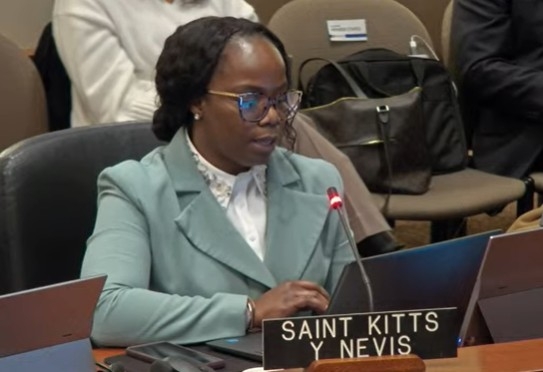
    WASHINGTON, DC – In a significant demonstration of its dedication to disability rights, St. Kitts and Nevis has formally reaffirmed its commitment to creating inclusive societies during a recent address to the Organization of American States (OAS) Permanent Council. The Federation’s representatives outlined comprehensive domestic initiatives aligned with international disability conventions.

    Third Secretary and Alternate Representative Adelcia Connor-Ferlance articulated the nation’s position that democratic societies reach their fullest potential when all citizens can participate equally in civic, economic, and social spheres. This philosophy particularly extends to vulnerable populations, including persons with disabilities, whose complete inclusion represents both a democratic necessity and a development priority.

    The Federation’s accession to the Inter-American Convention on the Elimination of All Forms of Discrimination against Persons with Disabilities signifies its sustained commitment to promoting equality, protecting human dignity, and eliminating institutional barriers. These efforts are further guided by principles established in the United Nations Convention on the Rights of Persons with Disabilities.

    Substantive progress is underway domestically, with the government currently modernizing its disabilities policy and finalizing comprehensive disabilities legislation. These legislative advancements will firmly embed disability rights within the national governance framework.

    Collaborative efforts between the Ministry of Youth Empowerment, Ageing, and Disabilities and the St. Kitts & Nevis Association of Persons with Disabilities have generated increased public awareness through sensitization workshops, stakeholder consultations, and community outreach programs. The government has implemented practical measures including sign language training for frontline workers and civil servants to enhance communication accessibility.

    Economic inclusion initiatives have also been launched within the agricultural sector, designed to develop economic skills and promote self-reliance among persons with disabilities. These programs complement existing handicraft initiatives, creating multiple pathways for social inclusion, entrepreneurship, and independent livelihoods.

  • STATEMENT: UN SG on Human Rights Day  ‘Human rights- our everyday essentials’

    STATEMENT: UN SG on Human Rights Day ‘Human rights- our everyday essentials’

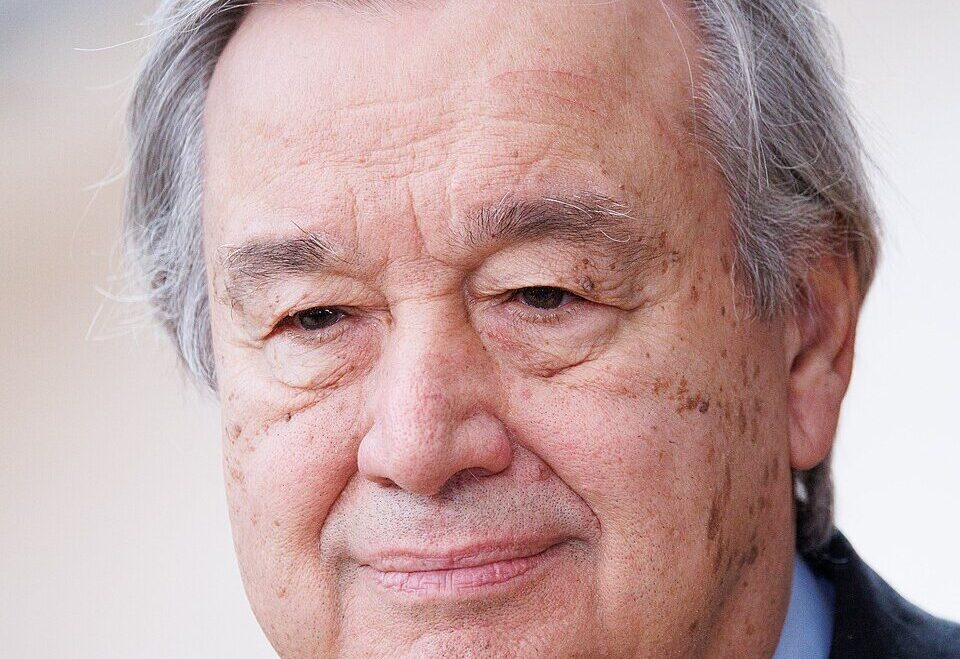
    UN Secretary-General Antonio Guterres has issued a stark warning about the deteriorating state of global human rights protection, marking a critical moment in international governance. Speaking on the foundation established nearly eight decades ago by the Universal Declaration of Human Rights, Guterres emphasized that these fundamental rights—spanning civil, political, economic, social, and cultural dimensions—remain “inalienable, indivisible and interdependent.” However, he noted with grave concern that recent years have witnessed a dangerous contraction of civic space worldwide.

    The Secretary-General highlighted what he described as “flagrant disregard for rights” and “callous indifference to human suffering” occurring across multiple regions. These violations represent a direct challenge to the international framework that has governed human dignity protections since the post-World War II era.

    Guterres outlined the United Nations’ multifaceted role in safeguarding these rights through practical interventions including food distribution, shelter provision, educational support, electoral assistance, environmental protection, mine clearance, women’s empowerment, and peacebuilding initiatives. These efforts, he stressed, represent the operationalization of the Declaration’s principles into tangible reality for vulnerable populations.

    However, the UN leader emphasized that institutional efforts alone remain insufficient. He called for a global mobilization of civil society, governments, and individual citizens to defend the vulnerable and support the institutions that protect universal rights. Guterres particularly warned against the subordination of human rights to profit motives or political power, framing the current moment as a critical juncture for international solidarity.

    The address serves as both a condemnation of current violations and a strategic call to action, urging unified efforts to preserve human dignity and freedom worldwide through strengthened institutional protections and renewed public commitment.

  • PHOTOS: Road Upgrades Advance in Lower Ottos as Work to Elevate St. John’s Rural South Continues

    PHOTOS: Road Upgrades Advance in Lower Ottos as Work to Elevate St. John’s Rural South Continues

    Residents of Lower Ottos witnessed a substantial enhancement to their local infrastructure as municipal crews executed significant road improvements throughout the area on Tuesday night. The extensive work represents a crucial phase in the broader initiative to upgrade transportation networks across St. John’s Rural South constituency.

    The nocturnal construction schedule was strategically implemented to minimize disruption to daily commutes and local business operations. The improvements focused on comprehensive road resurfacing, pothole eradication, and reinforcement of road shoulders, addressing long-standing concerns raised by community members about vehicular safety and transportation efficiency.

    This infrastructure development forms part of a continuing municipal commitment to delivering tangible quality-of-life enhancements for residents. The project demonstrates a proactive approach to urban planning that prioritizes both immediate practical needs and long-term community development goals. Local authorities have indicated that similar infrastructure initiatives are scheduled for neighboring communities in the coming fiscal quarter, signaling a sustained investment in rural infrastructure modernization.

    Community response to the improvements has been markedly positive, with residents expressing appreciation for the reduced vehicle maintenance costs and improved driving conditions. The timely execution of these roadworks during off-peak hours has been particularly praised as a considerate approach to public works management.

  • Jamaica re-elected to IMO Council

    Jamaica re-elected to IMO Council

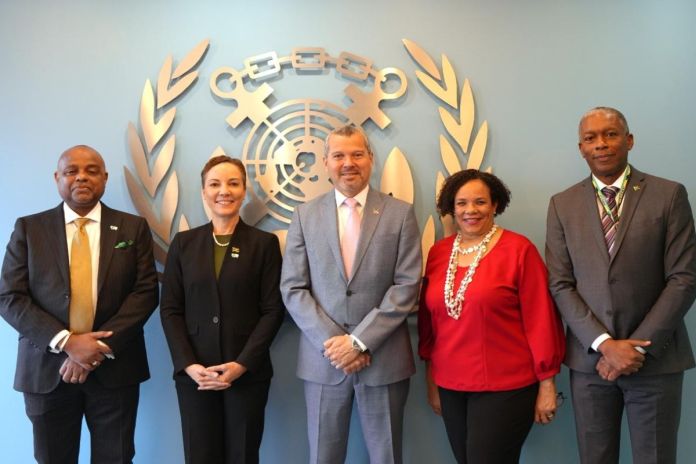
    In a landmark achievement for Caribbean maritime leadership, Jamaica has been decisively re-elected to the International Maritime Organisation (IMO) Council with an unprecedented 129 votes—the highest tally the nation has ever received in the organization’s electoral history. This decisive victory occurred during the 34th session of the IMO Assembly at the organization’s London headquarters in November 2025.

    The resounding endorsement reflects Jamaica’s growing influence in global maritime affairs. Bertrand Smith, Director General of the Maritime Authority of Jamaica, characterized the re-election as recognition of Jamaica’s dedicated advocacy not only for national interests but for the entire Caribbean region and other member states. Speaking from London following the newly constituted Council’s meeting, Smith emphasized that the upcoming biennium presents both significant challenges and opportunities, particularly regarding the complex transition toward maritime decarbonization.

    This electoral success marks Jamaica’s ninth consecutive term in Category C of the IMO Council, the governing body that oversees organizational operations between biennial Assembly sessions. The Council wields substantial authority, including approval of committee work, budget proposals, recommendations for Secretary General appointments, and development of strategic policy frameworks including the IMO’s strategic plan.

    Jamaica’s sophisticated electoral campaign was orchestrated by a specialized Steering Committee comprising multiple government entities: the Ministry of Foreign Affairs and Foreign Trade, the Jamaican High Commission in London, the Maritime Authority of Jamaica, and the Ministry of Energy, Transport and Telecommunications.

    The IMO Council’s composition ensures global representation through three distinct categories: Category A includes ten nations with the largest international shipping services; Category B comprises ten states with the most significant interest in seaborne trade; and Category C consists of twenty countries representing diverse geographic regions with special maritime transport interests.

    The newly elected Council convened its 136th session on December 4th in London, where leadership positions for the next two-year period were determined through internal elections.

  • Dominica confirmed as beneficiary for new world-class athletic facility

    Dominica confirmed as beneficiary for new world-class athletic facility

    In a landmark development for Caribbean sports infrastructure, the Commonwealth of Dominica has achieved official selection as a beneficiary nation under World Athletics’ prestigious Project 10 initiative. This designation culminates a rigorous two-year application process and paves the way for constructing a cutting-edge synthetic track and field facility in Portsmouth.

    The Dominica Athletics Association (DAA), which spearheaded the technical proposal submitted in December 2023, confirmed the achievement following extensive consultations and evaluations by international sporting authorities. The project aligns strategically with the Dominican government’s existing master plan for a modern national sports complex, which additionally envisions an Olympic-standard swimming pool.

    Critical to this success was the collaborative effort between sporting bodies and government leadership. The DAA formally acknowledged Prime Minister Roosevelt Skerrit, Sports Minister Oscar George, and key figures including Reggie Severin and Billy Doctrove for their unwavering institutional support. Numerous technical teams and government departments were also recognized for ensuring Dominica met World Athletics’ exacting standards.

    This world-class infrastructure promises to revolutionize athletic development on the island, providing elite training conditions and positioning Dominica as a potential host for regional and international competitions. The facility is expected to inspire new generations of athletes by providing access to professional-grade training environments.

    The DAA emphasized its commitment to ongoing partnerships with the Government of Dominica, World Athletics, and the Qatar Olympic Committee to bring this transformative project to fruition, heralding a new chapter for track and field in the Eastern Caribbean.

  • LETTER: Concerns Raised Over Abracadabra DJ’s Actions and Breakdown of Law Enforcement

    LETTER: Concerns Raised Over Abracadabra DJ’s Actions and Breakdown of Law Enforcement

    A significant legal and political controversy has emerged in Antigua and Barbuda regarding the enforcement of the nation’s Noise Abatement Act of 1997. The core of the dispute centers on allegations that the Prime Minister has instructed police and the National Parks Authority to cease enforcing this longstanding legislation, which was originally enacted by Parliament to protect hotels and residents from excessive nighttime noise.

    The conflict gained public attention through a viral video featuring an individual openly criticizing the National Parks Authority. Critics have drawn parallels between this rhetoric and the incitement that led to former U.S. President Trump’s impeachment following the January 6th insurrection, raising questions about why local authorities haven’t made arrests despite the publicly available evidence.

    Legal experts emphasize that enforcement authority for the Noise Abatement Act rests solely with the police, not the National Parks Authority. The law’s implementation was reportedly championed by Assistant Police Commissioner Wade during public consultations, highlighting its necessity for addressing community disturbances that regularly extended into early morning hours.

    The current situation has sparked serious constitutional questions about the separation of powers in the Caribbean nation. Citizens and legal observers are questioning whether the Cabinet possesses authority to override parliamentary laws and selectively determine which legislation receives enforcement—a development that challenges fundamental principles of democratic governance and rule of law.

    The unfolding controversy reflects broader concerns about legal consistency and political influence in law enforcement matters, potentially setting significant precedents for how Antigua and Barbuda balances executive power with legislative authority.

  • Dominica hosts regional IICA white potato workshop

    Dominica hosts regional IICA white potato workshop

    In a significant move toward agricultural self-sufficiency, Dominica has hosted a landmark regional workshop focused on revolutionizing white potato production across the Eastern Caribbean. The event, orchestrated by the Inter-American Institute for Cooperation on Agriculture (IICA) from December 1-3, 2025, brought together over thirty key stakeholders from six OECS member states and territories.

    The workshop served as a practical platform for participants—including farmers, government technical officers, and representatives from IICA, OECS Commission, CARDI, and FAO—to engage in technical presentations, field visits, and strategic planning. The location was strategically chosen given Dominica’s unique status as the only OECS member with over forty years of continuous commercial white potato production, providing a viable model for regional emulation.

    This initiative addresses a critical economic vulnerability: in 2024 alone, OECS nations imported 8,890 tons of white potatoes valued at approximately US$7.6 million, with imports steadily increasing. IICA Eastern Caribbean representative Gregg Rawlins emphasized the urgency of ‘structured and coordinated production’ to strengthen food security and reduce this substantial import dependency.

    Dominica’s Minister of State for Agriculture, Jullan Defoe, reaffirmed the nation’s commitment to regional cooperation, aligning with both the OECS FAST Strategy and CARICOM’s goal of reducing food imports. He detailed government support mechanisms including improved financing access, land preparation assistance, and enhanced technical services through partnerships with CARDI, IICA, FAO, and WUSC-Caribbean.

    FAO Value Chain Development Specialist Vermaran Extavour noted the workshop’s alignment with regional policy priorities, including the ’25 by 2025 +5′ initiative, while praising Dominica’s production model as a foundational blueprint for other member states. OECS Director General Dr. Didacus Jules characterized the gathering as a pivotal shift from planning to implementation, highlighting that agricultural transformation requires robust regional cooperation and that white potato development exemplifies the integration of climate-smart agriculture, value chain enhancement, and public-private partnerships.

    The workshop is expected to directly inform the creation of a strategic regional framework for white potato research, development, production, and marketing across the OECS. This framework will aim to increase production capacity, enhance postharvest systems, and expand market access, collectively contributing to CARICOM’s broader objective of reducing the region’s food import bill and building economic resilience.

  • Premier Brantley Hails Bank of Nevis Ltd. as a Pillar of Nevisian Progress at 40th Anniversary

    Premier Brantley Hails Bank of Nevis Ltd. as a Pillar of Nevisian Progress at 40th Anniversary

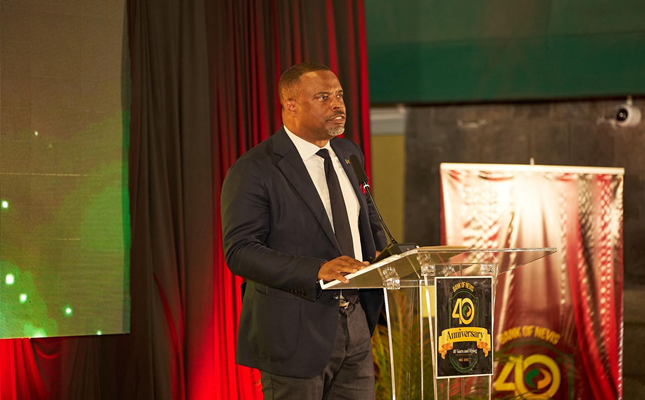
    CHARLESTOWN, NEVIS – The Bank of Nevis Limited (BON) marked its four-decade journey with a landmark celebration on December 09, 2025, receiving high praise from Nevis Premier Mark Brantley as a cornerstone of the island’s economic development. The ceremony, held before the bank’s Main Street headquarters under the theme “40 Years and Rising- Banking Beyond Boundaries,” brought together government officials, financial leaders, and community members to honor the institution’s transformative impact.

    Premier Brantley, serving as Minister of Finance in the Nevis Island Administration, highlighted the extraordinary evolution of what began as a local initiative into a billion-dollar financial powerhouse. He reflected on the visionary leadership of the late Sir Simeon Daniel, Nevis’ first Premier, who co-founded the bank with nine other pioneers in 1985.

    “The true lesson of the Bank of Nevis isn’t merely its billion-dollar valuation,” Brantley stated, “but rather that a homegrown idea could take root and benefit our entire community, even those who initially doubted its potential.”

    The Premier emphasized the significance of this achievement for the small Caribbean island: “When we celebrate institutions like the Bank of Nevis, we celebrate what is best in us as Nevisians – our capacity to conceive and execute remarkable ventures against all geographical constraints.”

    Board Chairman Damion Hobson noted the institution’s historic milestones, including its position as the second largest bank in the St. Kitts and Nevis Federation and its pioneering status as the first company listed on the Eastern Caribbean Securities Exchange.

    CEO Denrick Liburd outlined the bank’s forward-looking strategy, emphasizing a shift from transactional banking to relationship-based services. “We are already planning for our 50th anniversary,” Liburd revealed. “Our mission is to refine every service level, building strong, genuine, and transformative connections with our clients.”

    The executive highlighted BON’s reinvestment philosophy and encouraged broader public ownership through share acquisition: “No other financial institution reinvests in our people quite like we do. This commitment embodies our purpose – improving quality of life across the Federation.”

    The anniversary gathering also featured addresses by St. Kitts and Nevis Prime Minister Honourable Dr. Terrance Drew and Eastern Caribbean Central Bank Governor Timothy Antoine, underscoring the institution’s regional importance.