
LONDON, United Kingdom — Groundbreaking DNA analysis has revealed that Adolf Hitler likely suffered from Kallmann Syndrome, a genetic condition that can cause undescended testicles and a micropenis. This discovery, made by an international team of researchers and documentary makers, also dispels the long-standing myth that Hitler had Jewish ancestry. The findings are part of a new documentary titled ‘Hitler’s DNA: Blueprint of a Dictator,’ set to air on the UK’s Channel 4 this Saturday. The research, which utilized a blood sample from Hitler’s suicide sofa, indicates a ‘high likelihood’ of Kallmann Syndrome and places him in the top one percent for genetic predispositions to autism, schizophrenia, and bipolar disorder. However, the team emphasized that these conditions do not justify or explain his warmongering or racist policies. The DNA analysis also confirmed that Hitler did not have a Jewish grandfather, debunking rumors about his grandmother’s pregnancy. Geneticist Turi King, who worked on the project, noted that Hitler’s genetic profile would have classified him as a target for his own eugenics policies. The documentary aims to provide a deeper understanding of the dictator’s life and the genetic factors that may have influenced his behavior.
博客
-
Double whammy for Hanover
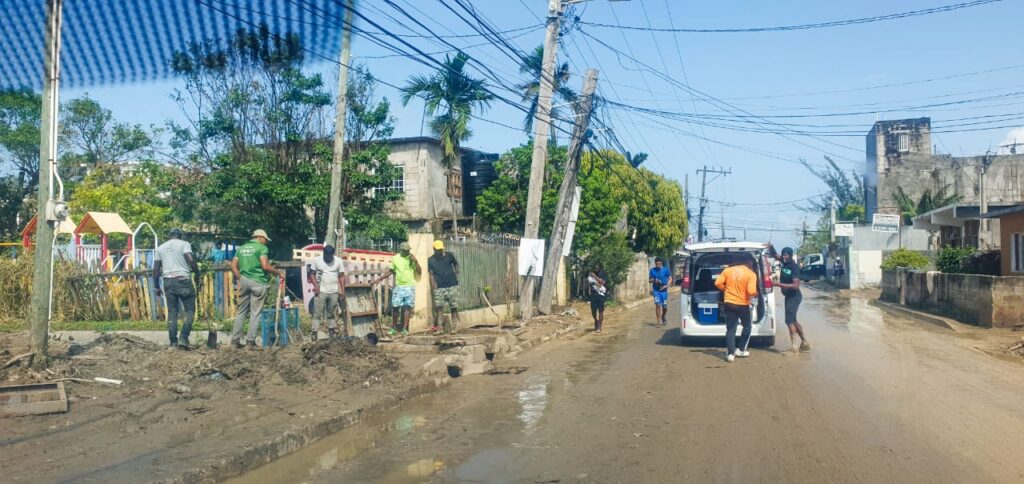
The parish of Hanover, still reeling from the aftermath of Hurricane Melissa, was struck by another natural disaster on Tuesday as a relentless four-hour thunderstorm exacerbated the existing devastation. The storm, which lasted from Tuesday night into early Wednesday morning, caused widespread damage across the eastern end of the parish, leaving residents and authorities scrambling to recover. The National Works Agency (NWA) was actively engaged in clearing blocked drains, gullies, bridges, and roads in the affected areas, including Bamboo in Hopewell, Sandy Bay, Kew Main Road, Point, and Tryall. Janel Ricketts, NWA Community Relations Officer for the Western Region, reported significant land slips along the Kew Main Road and a blockage on the Sandy Bay Main Road, which has since been cleared. The neighboring parish of St James also faced challenges due to the heavy rainfall, but the NWA is addressing these issues. In a commendable community effort, residents of the Oceanpointe Housing Scheme took the initiative to use a privately owned backhoe to clean a nearby gully and remove three cars swept away by floodwaters around 2:00 am. Jason Rowe, a resident of the gated community, expressed frustration over the NWA’s delayed response, stating that proactive measures could have prevented the damage. Rowe revealed that they had contacted the NWA before the hurricane to request drain cleaning, but were told funds were only available for post-disaster cleanup. Ricketts assured that the NWA will investigate the matter. Meanwhile, cleanup efforts continue with backhoes and trucks clearing debris from the Sandy Bay and Tryall main roads.
-

No faith in Gasparillo police
In a heartfelt letter to the editor, Beatrice McFarlane, a retired public servant and widow from the Guaracara/Tabaquite community, has voiced her growing concerns over the escalating crime rates and the apparent inaction of local law enforcement. McFarlane, who recently fell victim to a robbery, described the fear that has gripped her and her fellow villagers. She recounted a harrowing incident where individuals posing as military officers carried out a brutal home invasion, assaulting residents, including children.
-

Top 5 online scams in the Caribbean
The Caribbean has witnessed an alarming surge in digital fraud between 2020 and 2025, as criminals exploit the rapid shift to online services and weak cybersecurity measures. What began as simple scams, such as requests for mobile top-ups, has evolved into sophisticated multi-million-dollar operations involving cloned websites, deepfakes, and cryptocurrency. Financial institutions have struggled to keep pace, leaving individuals and businesses vulnerable to increasingly complex cybercrimes.
According to the Bank of Jamaica, internet banking fraud skyrocketed by 890% since 2020, with losses surpassing JMD$800 million (US$5 million) by the end of 2023. Similarly, the TT Police Service reported TT$3 million (US$440,000) in online fraud losses in the last fiscal year, while Guyana’s Financial Intelligence Unit identified G$100 billion (US$478 million) in suspected fraudulent proceeds. Experts caution that these figures likely underestimate the true scale of the problem, as only 15% of fraud victims globally report such incidents.
The Caribbean’s digital transformation has outpaced its cybersecurity infrastructure, creating a fertile ground for fraudsters. Criminals exploit weak cyber-defenses, slow investigations, and limited public awareness to execute their schemes. Below are the top five online scams currently plaguing the region, along with tips to identify and avoid them:
1. **Investment and Forex Scams**: Fraudsters lure victims with promises of guaranteed profits through forex trading, crypto arbitrage, or private investment clubs. They create fake dashboards and testimonials to appear legitimate, only to disappear once funds are deposited.
2. **Banking and Card Fraud**: With the rise of digital banking, card and account fraud have surged. Scammers send fake texts or emails impersonating banks to steal login credentials or redirect funds.
3. **Social Media Impersonation Scams**: Hackers take over social media accounts to impersonate friends or family, requesting urgent financial assistance for fabricated emergencies.
4. **Fake News and Media-Brand Scams**: Fraudsters create fake news articles featuring local journalists or businesspeople to promote bogus investment platforms, tricking victims into sharing personal and financial information.
5. **Business Email and Corporate Scams**: Small and medium-sized enterprises are targeted through Business Email Compromise (BEC) schemes, where criminals impersonate suppliers or executives to reroute payments.
The situation is exacerbated by massive data breaches across the region, with telecoms, retailers, and government portals hacked, exposing sensitive customer information. These breaches provide scammers with the tools to craft highly personalized and convincing attacks.
To combat this growing threat, experts urge individuals and businesses to remain vigilant, verify requests before sending money, and report suspicious activity promptly. Reporting fraud to local authorities, financial regulators, and online platforms can help prevent repeat scams and protect others from falling victim.
As the Caribbean’s digital economy continues to expand, so too do the risks. Staying informed and proactive is essential to safeguarding financial security in an increasingly digital world.
-

Embracing the gateway to Africa
The Pan-African Leadership Institute (PALI) recently launched its Gateway to Africa Leadership Course, a transformative program designed to strengthen ties between Africa and its diaspora. Hosted via Zoom on November 10, the event featured remarks from Vashti G Guyadeen, CEO of the TT Chamber of Industry and Commerce and PALI ambassador. The course welcomed 25 senior leaders from 13 countries, including Ghana, Rwanda, Jamaica, Canada, the UK, the USA, and Italy, reflecting the program’s global reach and commitment to diversity. Guyadeen emphasized the importance of this initiative in fostering unity and collaboration across continents. The four-week course offers participants a comprehensive exploration of Africa’s history, culture, economics, and emerging markets, alongside practical insights into doing business and traveling on the continent. It also addresses the legacy of colonization and ongoing efforts to heal and unite Africa with its diaspora. Guyadeen highlighted the program’s interactive nature, encouraging participants to engage in discussions, share perspectives, and build lasting professional and personal connections. She also extended an invitation to PALI’s 2025 Graduation and Leadership Immersion ceremony in Trinidad and Tobago, where participants can experience the country’s rich culture and forge deeper bonds with global leaders. The course underscores PALI’s mission to create a connected Pan-African world, empowering leaders to drive impactful change in their communities.
-
Climate technology – invest now to achieve sustainability goals
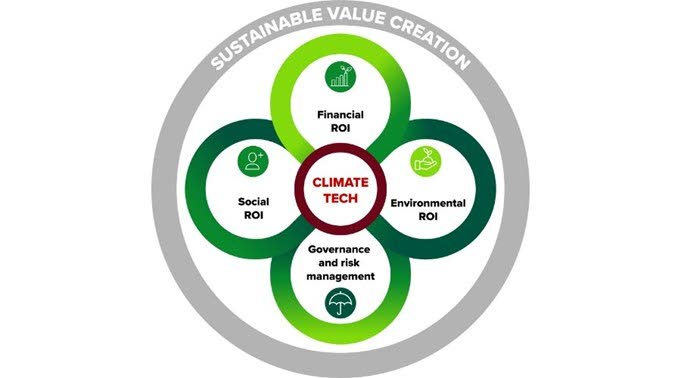
Climate technology, or climate tech, has transitioned from a futuristic concept to a present-day necessity, according to a recent report by ACCA. As global organizations strive to achieve net-zero and sustainability goals, climate tech is increasingly recognized as a critical driver of innovation and investment. However, the readiness to adopt these technologies varies significantly across sectors. With COP30 underway in Brazil, the report highlights both the momentum and challenges in integrating climate tech into organizational strategies, emphasizing the pivotal role of accountants in bridging the gap between ambition and action. Climate tech is reshaping industries, creating opportunities, and attracting investment. While only 15% of organizations currently invest with clear financial or strategic rationale, there is growing interest in cautious investment (42%) and non-financial returns such as ESG and brand value (21%). Key areas of adoption include energy efficiency, carbon compliance, and sustainable supply chains, with green finance, carbon offsetting, and climate risk planning emerging as strategic priorities. Accountants are instrumental in guiding investments, embedding climate considerations into strategy, and ensuring transparent reporting. The report identifies challenges such as data readiness, long-term ROI, and internal capabilities but underscores the potential of AI and robust frameworks to unlock measurable value. Emmeline Skelton, ACCA’s Head of Sustainability, noted that while climate tech investments often involve high upfront costs and long payback periods, their true value lies in enhancing resilience, reducing long-term risks, and fostering sustainable value in a low-carbon economy. She emphasized the role of finance teams in shifting focus from quick returns to long-term benefits. The research also reveals a significant readiness gap, with 72% of organizations struggling with fragmented data, weak governance, or insufficient knowledge. Government support through policy, tax incentives, and skills development is deemed essential by 77% of organizations. By combining strong data, strategic oversight, and supportive public policy, accountants can help scale climate tech and rethink ROI. Additionally, ACCA’s research highlights the importance of interconnected sustainability and financial information for organizational resilience. Many respondents struggle to understand vital resources (25%) and stakeholder information needs (33%). The report offers ten recommendations, including moving beyond compliance, championing sustainability, and building agile systems to address these challenges.
-

Realities of revitalisation: Business leaders on way forward with economic blueprint
The government of Trinidad and Tobago has unveiled an ambitious Revitalization Blueprint, aiming to transform the nation into a first-world country within a decade. The plan, announced on November 7, includes over 129 construction projects focused on key areas such as the Port of Spain and San Fernando waterfronts, Invaders Bay, Queen’s Park Savannah, and major expansions to the Port of Spain Port. The initiative promises to create more than 50,000 jobs and establish TT as a regional leader in excellence. However, the feasibility, investment, and timeline of these projects remain critical challenges. Business leaders have expressed cautious optimism, emphasizing the need for private sector engagement and foreign direct investment. Vivek Charran, President of the Confederation of Regional Business Owners, highlighted potential low-hanging fruit projects like the decommissioning of Carrera Island and road construction from San Fernando to Mayaro. He also noted the potential for high-rise residential buildings in Port of Spain and San Fernando, which could boost tourism and local economies. MovieTowne CEO Derek Chin emphasized the importance of sustainable tourism and the need for projects to make financial sense, warning against ‘white elephants’ like the National Academy for Performing Arts. While the plan has garnered significant endorsements, its success will depend on the government’s ability to attract investment and address past shortcomings.
-

Promoters’ warning after ban on Udecott venues:
In a move that has sent shockwaves through Trinidad and Tobago’s entertainment sector, Prime Minister Kamla Persad-Bissessar has imposed a ban on all fetes and Carnival-related events at the Brian Lara Cricket Academy (BLCA) and other Udecott-controlled facilities. The decision, announced on November 12, has been met with fierce criticism from the TT Promoters Association (TTPA), which labeled the move as “destructive, short-sighted, and a death knell for the entertainment industry.” The TTPA has called for an urgent meeting with the Prime Minister to reconsider the ban, but Persad-Bissessar has firmly stated that the decision is final and irreversible. The ban, which took immediate effect, has left many promoters scrambling to find alternative venues just three months before Carnival. The BLCA, located on the outskirts of San Fernando, has long been a hub for major Carnival events, including Stink and Dutty, Xperience, and Naps Fete. While the Prime Minister cited noise pollution and its impact on nearby residents as the primary reason for the ban, the TTPA argued that the decision was made without proper consultation and could devastate the local economy. The association highlighted that Carnival events employ over 100,000 people across various sectors, including artists, musicians, and security personnel. Minister of Culture and Community Development Michelle Benjamin defended the decision, emphasizing the need to balance cultural celebrations with community well-being. Meanwhile, San Fernando mayor Robert Parris sees the ban as an opportunity to revitalize the city’s entertainment sector, with Skinner Park poised to become a new focal point for large-scale events.
-

The truth about credit cards
In an era where credit cards have become a ubiquitous tool for managing daily expenses, a recent letter to the editor highlights the dual-edged nature of this financial instrument. While credit cards offer unparalleled convenience for purchases ranging from groceries to car repairs, they also pose significant risks if mismanaged. The letter emphasizes that credit cards are not a source of free money but rather a form of borrowed capital that must be repaid with interest, often at rates as high as 2% per month. This can transform a seemingly manageable $1,000 purchase into a long-term financial burden if not addressed promptly. One of the most common pitfalls is relying on minimum payments, which primarily cover interest and barely reduce the principal balance, leaving consumers in a perpetual cycle of debt. However, when used judiciously, credit cards can offer substantial benefits. Most cards provide a 30-day interest-free grace period, allowing users to avoid interest charges by paying the full balance on time. Additionally, credit cards can serve as a short-term financial bridge, helping individuals manage cash flow gaps between paychecks. Consolidating expenses onto a single card can also simplify budgeting and spending tracking, provided users remain disciplined and clear their balances monthly. In emergencies, such as unexpected car repairs or medical bills, credit cards can be a lifeline, though the goal should always be to repay the debt swiftly to prevent long-term financial strain. For those who struggle with overspending or are tempted by minimum payments, switching to a debit card may be a wiser choice, as it ensures spending is limited to available funds. The letter concludes with practical tips for responsible credit card use, including treating the credit limit as borrowed money, leveraging the grace period, avoiding minimum payments, and utilizing budgeting resources. Ultimately, credit cards are neither inherently good nor bad; their impact depends on the user’s discipline and financial literacy.
-

From autopilot to acceleration: Trinidad and Tobago’s growth blueprint
Trinidad and Tobago (TT) is poised for a significant economic transformation through a bold infrastructure-led revitalization plan. Spearheaded by economist Dr. Vaalmikki Arjoon, the initiative aims to break the nation’s reliance on the energy sector and address long-standing underdevelopment in non-energy industries. The plan emphasizes diversification, resilience, and competitiveness, marking a paradigm shift from short-term political agendas to long-term, investment-driven growth. At its core is large-scale infrastructure spending, which is expected to stimulate economic activity, create jobs, and catalyze private investment. Key projects include a deepwater port offshore Port of Spain, the San Fernando to Mayaro highway, and redeveloped waterfronts. These initiatives are designed to enhance trade competitiveness, improve regional connectivity, and boost tourism and logistics. Financing will rely on public-private partnerships, government-to-government collaborations, and innovative models like Real Estate Investment Trusts (REITs). The success of this ambitious blueprint hinges on disciplined execution, transparent procurement, and robust oversight to avoid past pitfalls. If implemented effectively, it could position TT as a regional leader and restore national momentum.