博客

  • UN Tourism considers debates in Cuba relevant

    UN Tourism considers debates in Cuba relevant

    HAVANA – Legal scholars and tourism policymakers from 23 nations gathered this week at the Iberostar Parque Central Hotel for the III International Seminar on Tourism Law (December 9-11), marking a significant step toward redefining global travel regulations with sustainability at their core.

    A key participant expressed fervent enthusiasm to Prensa Latina this Thursday regarding the high-level debates among nearly 100 international experts. The seminar’s primary objective, from a legal standpoint, is to modernize tourism guidelines across Latin America and the Caribbean by embedding sustainable development principles into national legislation.

    This gathering represents a pivotal opportunity for foundational dialogue, equipping participating nations with actionable ideas, policy recommendations, and proven best practices. The discussions aim to translate theoretical legal frameworks on sustainability into tangible, practical applications within the tourism sector.

    The current seminar continues the work initiated in previous meetings. The inaugural event focused on the International Code for the Protection of Tourists—a Spanish initiative endorsed by Cuba—which addressed critical traveler protection issues emerging from the COVID-19 pandemic. The subsequent seminar in Argentina placed a stronger emphasis on sustainability, successfully integrating the dual themes of sustainability and accessibility into the agenda of the United Nations’ Right to Tourism program.

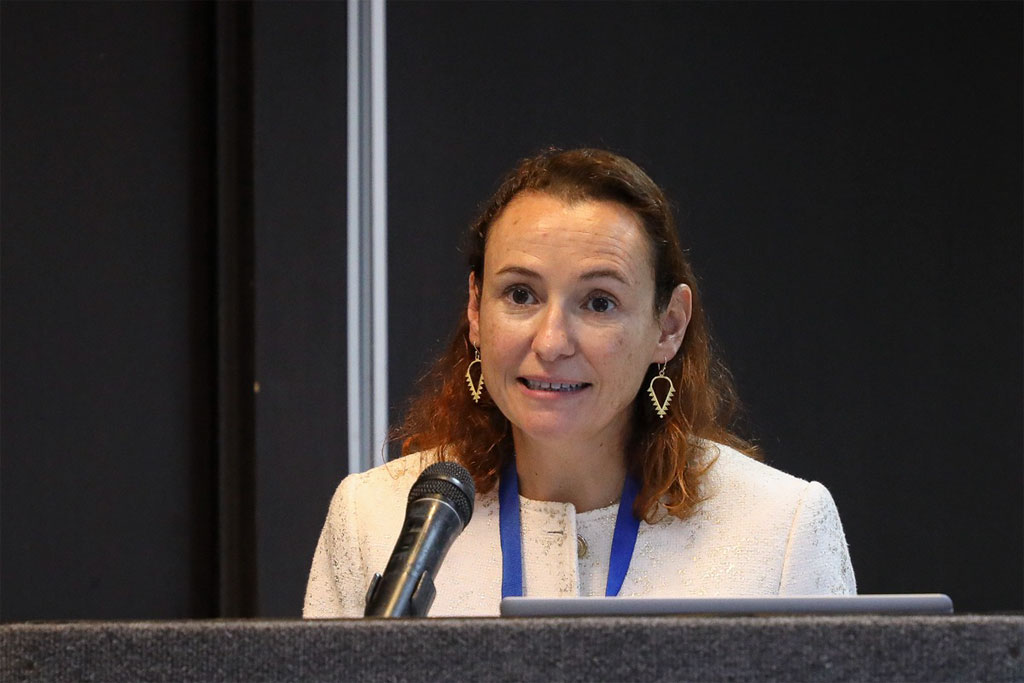
    The expert highlighted Cuba’s proactive role within UN Tourism, noting the country’s close collaborative relationship with the global body. She expressed particular satisfaction that Cuba is currently developing new tourism legislation that incorporates these core sustainability principles. Consequently, Cuba is actively participating in a dedicated working group established by UN Tourism specifically for this legislative modernization initiative.
  • Mexico Hits China With Tariffs Up to 50%

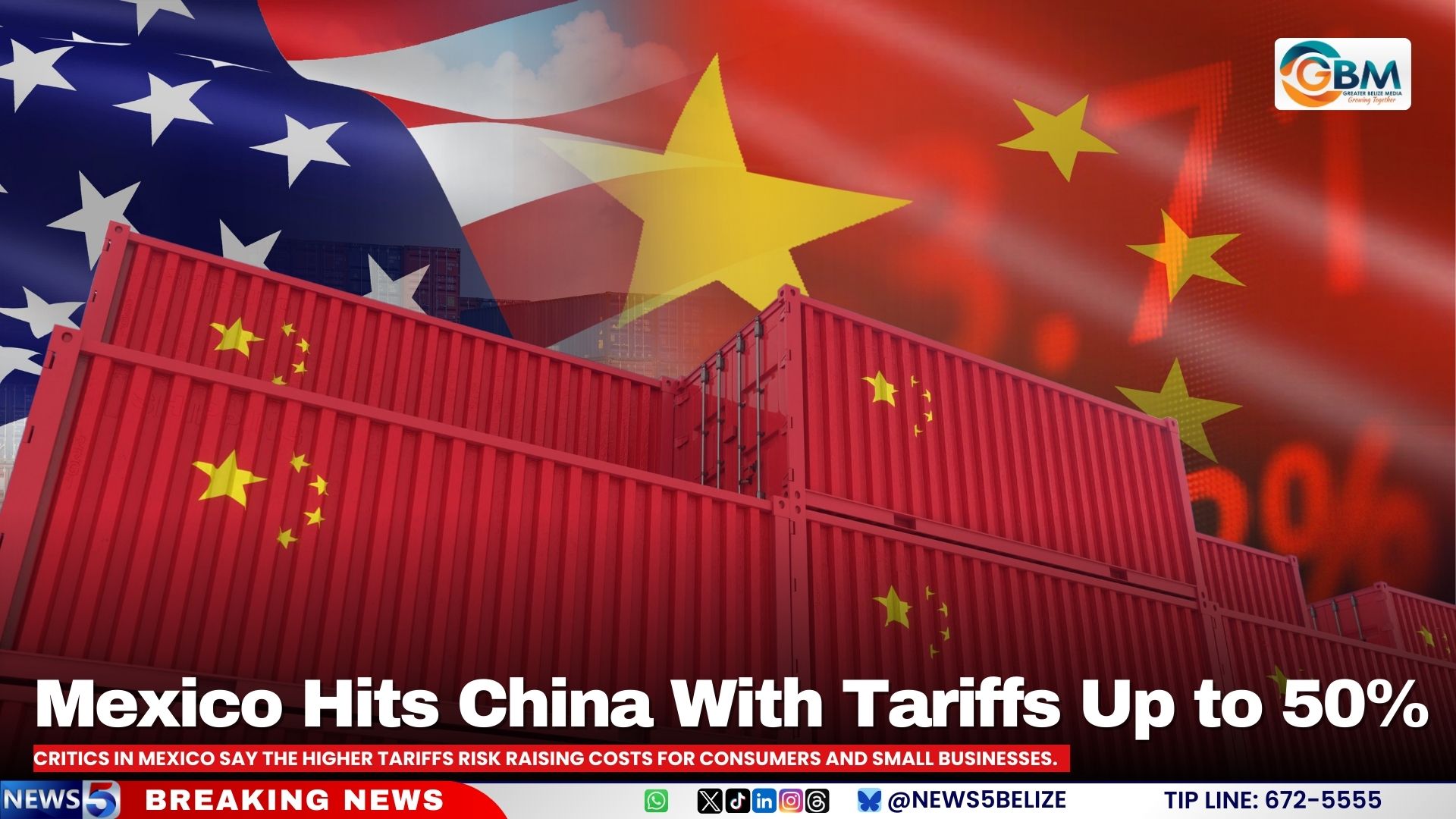
    Mexico Hits China With Tariffs Up to 50%

    In a significant trade policy shift, Mexico’s Senate has authorized comprehensive tariff increases exceeding 50% on imports from China and numerous non-free-trade-agreement nations, scheduled for implementation on January 1, 2026. The protective measures encompass approximately 1,400 product categories including industrial metals, automotive vehicles, textile apparel, and household appliances.

    Government officials assert these tariffs align with World Trade Organization regulations and are designed to bolster domestic manufacturing capabilities. Senator Claudia Selene Ávira emphasized the policy’s objective to “safeguard commodities that Mexican industrial sectors possess adequate production capacity to manufacture locally.”

    The automotive sector faces particularly stringent barriers, with Chinese-manufactured vehicles subject to the maximum 50% duty rate. This development occurs amid rapid market expansion by Chinese automotive giants BYD and MG within the Mexican marketplace.

    The Mexican Auto Industry Association has enthusiastically endorsed the protectionist measures. Association President Rogelio Garza characterized the policy as “exceptionally favorable for entities investing in Mexican industrial development and employment generation.”

    This strategic trade action coincides with ongoing negotiations between Mexican and United States trade representatives following former President Donald Trump’s allegations that Mexico serves as a transshipment conduit for Chinese commodities. Trump has previously threatened imposing substantial tariffs on Mexican steel, aluminum, and agricultural exports.

    Despite governmental assurances, economic analysts within Mexico caution that these protective tariffs may inadvertently elevate consumer prices and operational expenses for small-to-medium enterprises reliant on imported components.

  • Venezuela-Cuba Friendship Movement condemns attack on ship

    Venezuela-Cuba Friendship Movement condemns attack on ship

    A prominent international solidarity organization has issued a forceful condemnation of what it describes as a systematic campaign of resource plunder, characterizing recent actions against strategic energy assets as a blatant breach of international legal standards and national sovereignty. In an official communiqué, the group asserted that such aggression transcends isolated incidents, representing instead a coordinated strategy to undermine the autonomy of independent nations through economic coercion and military intimidation.

    The organization, identified as The Movement, framed these developments as ‘modern piracy’ that directly threatens regional energy security and geopolitical stability. It has formally brought these concerns before the global community, demanding an immediate halt to all military operations and coercive measures that compromise the fundamental right to self-determination.

    In response to these challenges, the coalition reaffirmed its dedication to strengthening alliances between Venezuela, Cuba, and other nations across the Americas. It emphasized that mutual solidarity and bilateral cooperation represent the most effective pathway for resisting external pressure and safeguarding hard-won sovereignty. The group’s statement concluded with a renewed commitment to fostering fraternal ties, protecting national independence, and advancing the cause of peace through collective action.

  • UN warns of crisis in Afghanistan

    UN warns of crisis in Afghanistan

    The United Nations has issued a grave assessment of Afghanistan’s deteriorating conditions through an official statement, highlighting multiple converging crises threatening the nation’s stability and population.

    The international organization expressed profound concern over mass displacement trends, severe economic decline, and diminishing humanitarian aid delivery to vulnerable communities. Projections indicate nearly half of Afghanistan’s population will require protection and life-saving assistance by 2026.

    A particularly alarming trend noted in the report involves the systematic exclusion of women from public participation, with female representation virtually eliminated across civic, economic, and social spheres. The educational sector faces deliberate restrictions, creating what experts warn could become a ‘lost generation’ of professionals essential to the country’s future development.

    Press freedom has dramatically constricted according to the UN assessment, with journalists operating under constant threat of intimidation, arbitrary detention, and overt censorship. This repression has severely diminished public discourse and civic engagement opportunities.

    The humanitarian situation approaches catastrophic levels with approximately 17.4 million Afghans experiencing acute food insecurity. The collapse of nutritional support systems has been exacerbated by the closure of over 300 nutrition centers, directly impacting millions of children.

    Healthcare infrastructure continues to disintegrate, with 422 medical facilities shuttering operations in the past year alone. This breakdown in medical services has deprived an estimated three million people of essential healthcare access, creating preventable public health emergencies.

  • US recognizes European mistake in breaking with Russia, Hungary says

    US recognizes European mistake in breaking with Russia, Hungary says

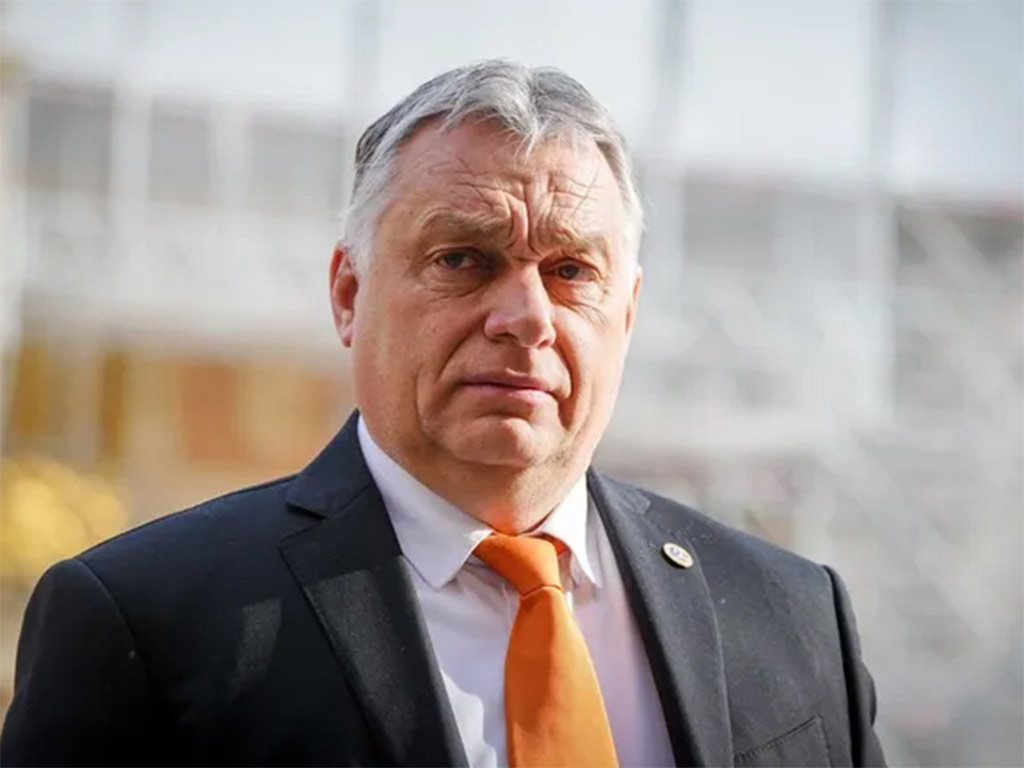
    Hungarian Prime Minister Viktor Orbán has asserted through his political aide that American policymakers recognize the necessity of rebuilding strategic ties between Russia and Europe, according to statements posted on social media platform X. Balázs Kovács, writing on behalf of the Hungarian leader, contended that European liberals had previously dismantled the foundational bridges connecting Russia and Europe—a move characterized as a significant diplomatic miscalculation.

    The Hungarian administration maintains that U.S. officials strategically acknowledge Europe’s deepening economic stagnation and perceive this crisis as creating an imperative for renewed engagement with Moscow. This perspective appears aligned with concerns outlined in the current U.S. National Security Strategy, which projects a potentially transformed European continent within two decades should current EU policies continue unchanged.

    Foreign policy analysts interpret these statements as serving dual purposes: legitimizing Budapest’s controversial diplomatic maneuvers while highlighting substantial divisions within Western alliances. Judy Dempsey of Carnegie Europe Foundation observed that Orbán is leveraging intra-alliance tensions to critique European elites and rationalize his government’s overtures toward Moscow, despite Washington’s official position remaining considerably more nuanced than Hungary’s characterization.

    Adding complexity to the geopolitical landscape, Russian Foreign Ministry spokesperson Maria Zakharova previously noted that the U.S. strategy contains contradictory elements while simultaneously creating space for dialogue on strategic stability matters. This acknowledgment suggests potential openings for diplomatic engagement despite ongoing tensions between Moscow and Western powers.

  • Chile: Candidate closes campaign in Puente Alto

    Chile: Candidate closes campaign in Puente Alto

    In a pivotal pre-election address, Chilean leftist coalition candidate Jeannette Jara issued a stark warning to voters, framing the upcoming runoff as a critical juncture for the nation’s social progress. Representing a coalition of progressive and Christian Democratic parties, Jara emphasized that core achievements—including scheduled pension increases set for January, the recently enacted 40-hour workweek law, and accountability mechanisms for human rights violators—now face potential reversal.

    Directly addressing the platform of her far-right opponent, José Antonio Kast of the Republican Party, Jara declared, “There cannot be a setback for our country. Chile needs certainty, it needs a future, it needs hope.” She positioned the election as a choice between continuing social reforms or embracing a conservative agenda that questions fundamental aspects of Chile’s developmental trajectory.

    Outlining her immediate governance priorities, Jara committed to launching extensive neighborhood security interventions within her first 100 days in office. This comprehensive plan targets the dismantling of drug distribution networks, weapon confiscation initiatives, and the recovery of illegally occupied properties across communities.

    With recent polls indicating a competitive runoff despite Jara’s initial lead in the November 16 first round, the candidate made a final appeal to supporters. She urged them to actively engage undecided voters in the closing days before Sunday’s decisive election, highlighting the profound policy implications at stake.

  • Family begs accused to say where alleged murder victim’s body is

    Family begs accused to say where alleged murder victim’s body is

    In a deeply emotional scene outside the Serious Offences Court on Thursday, accused murderer Joelah Hepburn, also known as Jolan Hepburn, remained silent as grieving family members of Lyda Adams desperately pleaded for information about the whereabouts of her body. The 36-year-old victim, who was six months pregnant and mother to a 9-year-old boy, disappeared on November 8 after leaving her Barrouallie home stating she was going to see a doctor.

    CCTV evidence later placed Adams disembarking from a ferry in Bequia around 8:56 a.m. on the day of her disappearance, where Hepburn, a resident of Byera, was known to work. Despite the absence of a recovered body, authorities have proceeded with murder charges against Hepburn, citing sufficient evidence for the prosecution.

    The court proceedings revealed tense moments as family members confronted Hepburn upon his arrival under heavy police guard. Female relatives shouted emotional appeals, including ‘Please let us know where Sherika is. We need Sherika to bury,’ while the victim’s mother, Viola Adams, broke down in tears. Family members noted that Hepburn attempted to conceal his face as he entered the courtroom.

    Chief Magistrate Colin John formally read the murder charge to Hepburn, who appeared without legal representation as his lawyer, Michael Wyllie, was attending another court matter. The magistrate explained that the absence of counsel would not affect the proceedings since Hepburn could not enter a plea at this preliminary stage and bail was not an option.

    Prosecutor Inspector Renrick Cato requested a two-month adjournment to allow investigators to complete their case files. However, Magistrate John scheduled the next hearing for January 12, 2026, for a status update while remanding Hepburn in prison until his next appearance.

    Meanwhile, outside the courtroom, Viola Adams pleaded with detectives to continue searching for her daughter’s remains, stating that closure would only come with recovery of the body, ‘even if it’s her bones.’ Detective Corporal 502 Millington of the Major Crimes Unit is leading the ongoing investigation.

  • Cuba receives diploma for Cuban Son on UNESCO’s Heritage List

    Cuba receives diploma for Cuban Son on UNESCO’s Heritage List

    In a significant cultural milestone, the traditional Cuban Son music has been formally inscribed on UNESCO’s prestigious Representative List of the Intangible Cultural Heritage of Humanity. The official designation occurred during the 20th session of UNESCO’s Intergovernmental Committee for the Safeguarding of the Intangible Cultural Heritage, currently convening in New Delhi, India.

    The ceremonial presentation was conducted by Fumiko Ohinata, Director of the Secretariat of the 2003 UNESCO Convention, who presented the official diploma to Cuban representatives accompanied by Maiky Díaz, First Secretary of the Cuban Embassy in India. This recognition serves as international acknowledgment of Cuban Son as both a vital cultural expression and fundamental component of national identity for the Cuban people.

    The UNESCO designation underscores the Cuban government’s ongoing commitment to preserving and protecting the traditional art forms that constitute the cultural roots of the Caribbean nation. The inclusion on this prestigious list highlights the global significance of Cuban Son while reinforcing preservation efforts for future generations.

    Following the announcement, Sonia Pérez, President of Cuba’s National Council for Cultural Heritage, characterized the recognition as a cause for national celebration. She described the UNESCO designation as a well-deserved tribute to the creativity, cultural richness, and inherent joy embodied in the Cuban musical tradition, representing the artistic spirit of the entire nation.

  • Syria receives grant from Japan to support social reintegration

    Syria receives grant from Japan to support social reintegration

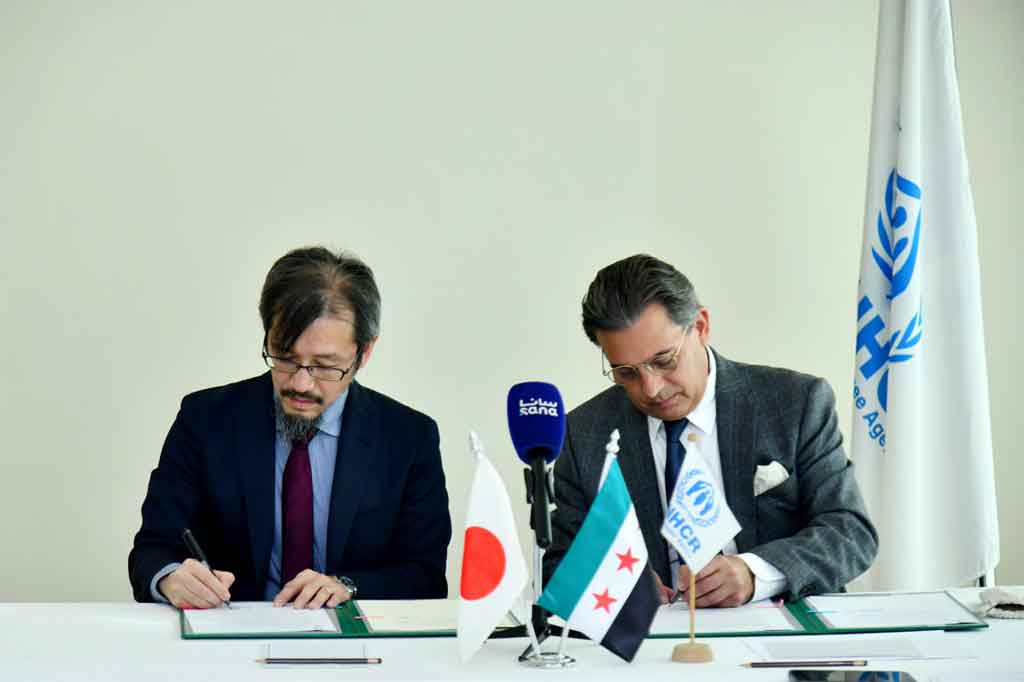
    In a significant humanitarian gesture, Japan has formalized a substantial financial contribution to the United Nations High Commissioner for Refugees (UNHCR) operation in Syria. The agreement was signed in Damascus by Akihiro Tsuji, Chargé d’Affaires of the Japanese Embassy, and Gonzalo Vargas Llosa, UNHCR Representative in Syria.

  • Minister Calls for Regulations Requiring Access to Private CCTV Footage in Criminal Investigations

    Minister Calls for Regulations Requiring Access to Private CCTV Footage in Criminal Investigations

    In a significant policy announcement during the Budget Debate, IT Minister Melford Nicholas revealed the government’s intention to establish new regulatory measures requiring private CCTV system operators to surrender footage to law enforcement agencies during criminal investigations. The minister emphasized that the proliferation of community-operated surveillance networks has created an essential crime-fighting resource that currently operates outside legal frameworks.

    Nicholas pointed to communities like Pigeon Point that have independently installed camera systems to enhance neighborhood security, acknowledging their value in monitoring suspicious activities while highlighting a critical legal gap. When criminal investigations require access to this privately-held footage, authorities currently lack clear legal authority to obtain it consistently.

    The proposed regulations would create a legal obligation for private CCTV operators to provide recorded footage upon official request in criminal matters. Nicholas stressed that all surveillance resources—whether state-operated or privately installed—must contribute to national crime detection and prosecution efforts without procedural obstacles.

    This initiative connects to the ongoing expansion of the government’s official CCTV platform, which has already proven instrumental in helping the Criminal Investigations Department identify suspects and support prosecutions. With an additional 200 cameras approved for installation, the national system expects enhanced coverage and improved investigative capabilities.

    Minister Nicholas emphasized that private systems should complement rather than conflict with national surveillance networks, particularly as more communities deploy security cameras for protection. Clear regulatory guidelines would streamline cooperation between residents and law enforcement while ensuring crucial evidence remains accessible rather than withheld.

    The government’s primary objective is to maximize the effectiveness of all available surveillance resources and prevent investigations from being hampered by uncertainties regarding access to potentially vital recorded evidence.