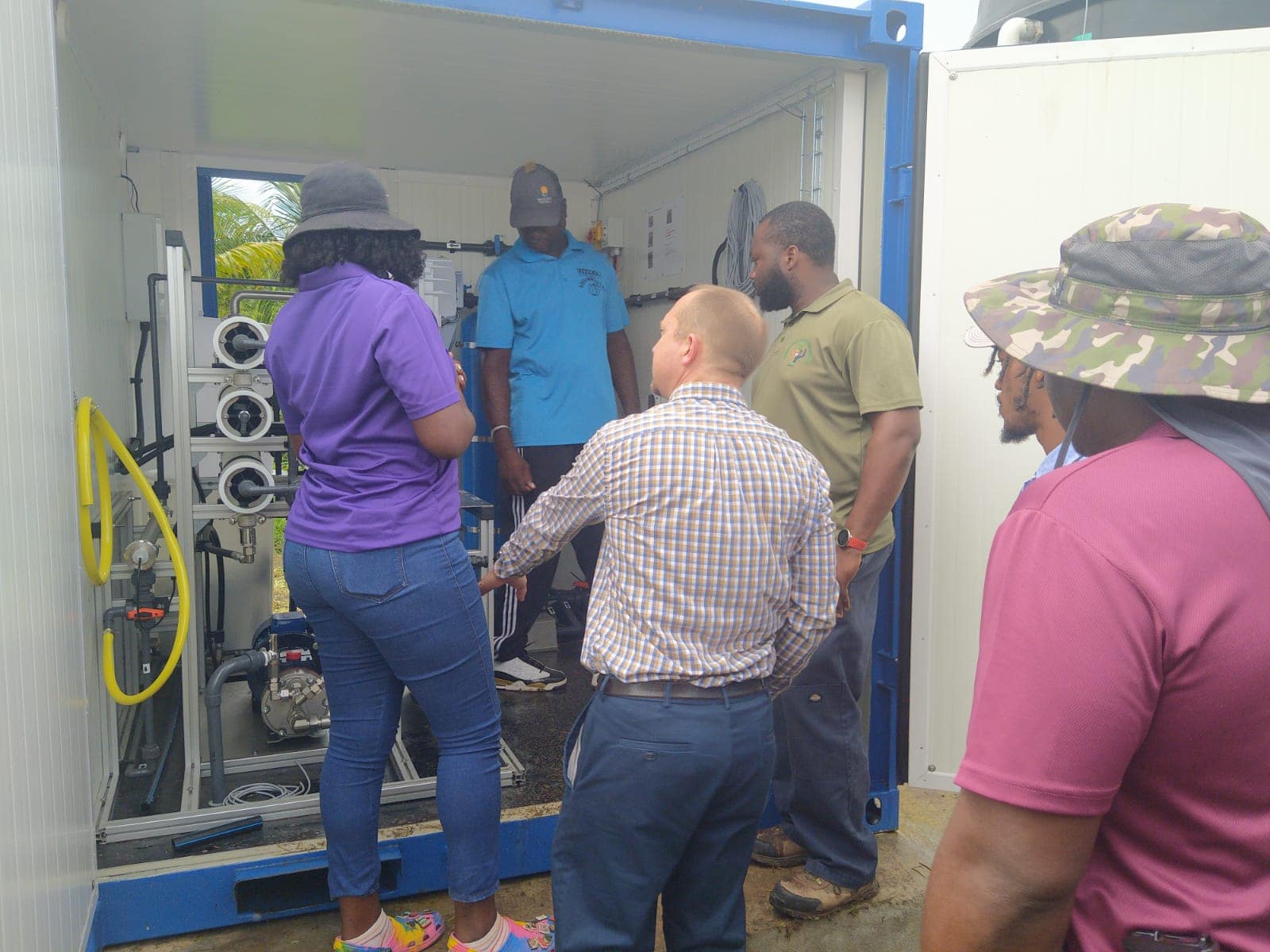
A groundbreaking solar-powered desalination project in Antigua has achieved a significant milestone, marking a new era in agricultural innovation. The Blubber Valley Osmosis Plant, a collaborative effort between the United Nations’ Food and Agriculture Organization (FAO), Antigua’s Ministry of Agriculture, and Texas Tech University, is transforming brackish groundwater into vital irrigation water for the nation’s key crops. This initiative leverages cutting-edge reverse osmosis technology powered entirely by solar energy. The system extracts water from a nearby APUA well, processes it through a reverse osmosis unit, and stores it for agricultural use. Each cycle yields approximately 2,000 gallons of low-salinity water suitable for irrigation and 1,000 gallons of brine concentrate. While the permeate is ideal for crop irrigation, managing the brine remains a critical challenge to prevent soil salinity buildup. To address this, the Ministry’s technical team is researching salt-tolerant crops that can thrive with slightly brinier water without harming the soil. Antigua’s diverse soil types—calciferous in the north, clay-heavy in the central plains, and volcanic in the south—will be used to evaluate the system’s effectiveness across different regions. Professor Shane Walker of Texas Tech University praised APUA for its infrastructure support, emphasizing the project’s potential to enhance water security and agricultural resilience. Luke Nedd, FAO National Project Coordinator, highlighted the initiative’s alignment with FAO’s mission to promote climate-smart and sustainable agricultural practices. “This project demonstrates how innovation and sustainability can work together to build a more resilient agricultural sector,” Nedd stated. The next phase involves direct engagement with farmers to implement the technology, further strengthening Antigua’s agricultural future.
博客
-

Joyful Noize Gospel Karaoke: A New Platform for Faith, Unity, and Community Engagement in Antigua
St. John’s, Antigua — Antigua’s vibrant community and faith-based entertainment landscape is poised for a transformative experience with the launch of Joyful Noize Gospel Karaoke. Scheduled for Saturday, December 7th at the renowned Sun City Bar & Restaurant, this event, spearheaded by the distinguished Dr. Stanshaw Cornelius, promises to blend worship, performance, and fellowship into a unique celebration of faith, gratitude, and unity.
Petron Thomas, a prominent entertainment manager, emphasized the event’s significance, stating, ‘Such initiatives are vital for fostering community cohesion, creating shared positive experiences, and offering a creative outlet for individuals to express their faith.’
In a strategic move to ensure sustained impact, organizers have announced that Joyful Noize Gospel Karaoke will become a monthly tradition, held on the first Sunday of each month. This recurring event aims to serve as a consistent platform for spiritual engagement and cultural enrichment, bringing together churches, youth groups, families, and the broader public.
Key Highlights of the Event:
– Inspirational gospel karaoke performances
– Uplifting spiritual encouragement and fellowship
– A family-friendly atmosphere conducive to community networking
– Exclusive food and beverage offerings by Sun City Bar & RestaurantAdmission is free, and attendees are encouraged to reserve tables early to secure their spot. Joyful Noize Gospel Karaoke transcends mere entertainment, evolving into a dynamic platform for faith, culture, and unity in Antigua. It stands as a cornerstone for community engagement and spiritual celebration, with the potential to positively influence local dining, hospitality, and tourism sectors.
For media inquiries, partnerships, or reservations, please contact Sun City Bar & Restaurant at (268) 781-7199 or 781-5296.
-

Couple’s Scottish wedding guests donate to animal charities
A Barbadian couple’s unconventional wedding in Scotland has turned into a significant boon for animal welfare charities in their home country. Jevan Jutagir, founder of Red Advertising & Marketing, and his bride, Danielle St-Pierre, tied the knot at the historic King’s College Chapel in Aberdeen, a venue with personal significance for Jutagir, a former University of Aberdeen Student Union president. The ceremony, attended by guests from Barbados, Trinidad, and Canada, featured traditional Scottish kilts but broke from tradition in one key aspect: instead of receiving conventional wedding gifts, the couple asked their guests to donate to two Barbados-based animal welfare organizations, Ocean Acres Animal Sanctuary and Safe Cats of Barbados. The response was overwhelming, with donations totaling $15,000 (approximately £5,700). In a statement, Jutagir explained their decision, emphasizing their comfortable lifestyle and desire to channel their guests’ generosity toward a cause they deeply care about—animal welfare. The couple, who are passionate about animals and share their Barbados home with cats, tortoises, and even monkeys, highlighted the growing issue of unwanted pets and unchecked breeding in Barbados. They expressed hope that their initiative would inspire others to support these charities, which work tirelessly to rescue and rehome stray animals. The newlyweds described the donations as a meaningful start to their married life, thanking their guests for their generosity.
-
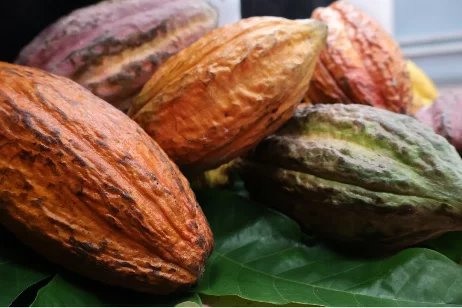
Regionale dialoog moet cacao-industrie nieuw leven inblazen
The United Nations Food and Agriculture Organization (FAO), in collaboration with the Cocoa Research Centre (CRC) at the University of the West Indies (UWI), recently hosted a two-day regional dialogue on the future of the cocoa industry. Held from November 13 to 14, 2025, at the UWI School of Education in St. Augustine, Trinidad and Tobago, the event brought together government representatives, academic institutions, producer organizations, private sector stakeholders, and regional development partners. The primary focus was to create a roadmap for revitalizing the Caribbean cocoa industry, particularly emphasizing fine-flavor cocoa. Anne Desrochers, FAO specialist in plant production and protection, opened the workshop on behalf of FAO subregional coordinator Renata Clarke. She highlighted the Caribbean’s comparative advantage in producing some of the world’s most distinctive cocoa varieties but stressed the need for coordinated action to address productivity and sustainability challenges. ‘The Caribbean has a proud cocoa heritage, but we must strengthen collaboration to modernize the sector,’ Desrochers stated. She emphasized that science, innovation, and regional cooperation could transform the industry into a model for sustainable agricultural development. The FAO has supported the cocoa sector in the Eastern Caribbean for several years, providing training and capacity-building for over 300 stakeholders in Dominica, Grenada, Saint Lucia, and Saint Vincent and the Grenadines. Trinidad and Tobago is one of five global demonstration countries under the FAO’s One Country One Priority Product (OCOP) initiative, with cocoa as the priority commodity. The program aims to enhance the competitiveness and sustainability of key agricultural value chains. Karen Lee Lum of the CRC provided an update on the OCOP initiative, which began in Trinidad and Tobago in 2022 and is now entering its second phase with support from China’s South-South Cooperation. ‘Trinidad and Tobago’s fine-flavor cocoa is unique—it is one of only seven countries worldwide exporting 100% of its production as fine-flavor cocoa,’ Lee Lum noted. The new phase, valued at $5 million, will expand to 15 countries, focusing on research, farmer engagement, market access, and green technologies. The workshop facilitated discussions on country-specific progress, innovation exchange, and consensus-building for a regional strategy to further develop the cocoa industry. The roadmap aims to promote sustainable production, added value, and improved market opportunities for Caribbean cocoa.
-
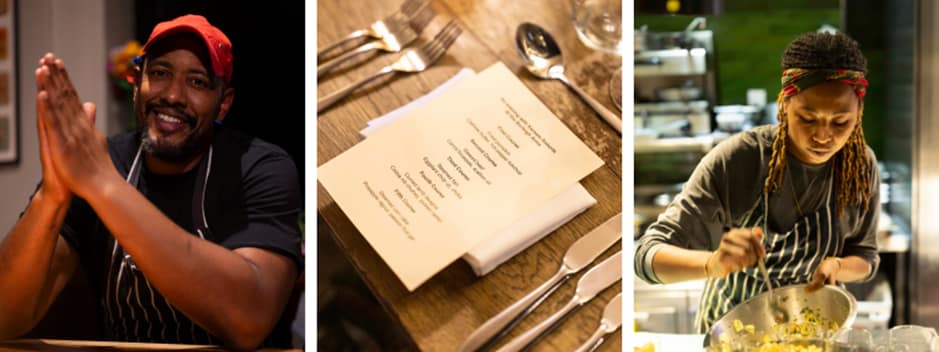
Antigua and Barbuda Showcases Culinary Talent at Twin UK Dining Events
The Antigua and Barbuda Tourism Authority (ABTA) recently hosted a series of exclusive culinary events in the UK, spotlighting the vibrant flavours and rich heritage of the twin-island nation. Held during the World Travel Market 2025, the events featured Antiguan-born Chef Kareem Roberts and Barbudan-born Chef Keshia Sakarah, both celebrated for their innovative contributions to the UK culinary scene. Organized by Cherrie Osborne, Director of Tourism UK & Europe, the back-to-back dinners aimed to elevate Antigua and Barbuda’s profile as a premier destination for gastronomy and culture. The first event took place on November 6th at The Burleigh Arms in Cambridge, where Chef Roberts curated a bespoke tasting menu blending traditional Antiguan ingredients with modern techniques. Guests were also treated to an exclusive preview of his debut cookbook, *Cassava & Cardamom*, which delves into the heart of Antiguan cuisine. The following evening, Chef Sakarah hosted a second intimate dinner at The Pilgrim Hotel in Paddington, presenting a pan-Caribbean tasting menu inspired by her travels and ancestral roots. The event coincided with the release of her acclaimed cookbook, *Caribe: A Caribbean Cookbook with History*, praised for its rich storytelling and contemporary approach to traditional dishes. Colin C. James, CEO of ABTA, emphasized the importance of these collaborations in showcasing the islands’ authenticity, creativity, and cultural pride. These events not only highlighted the culinary talents of Antigua and Barbuda but also reinforced the islands’ reputation as a destination where world-class cuisine, innovation, and culture thrive alongside their natural beauty.
-

CTU lauds Liberty Caribbean for 5G+ in Barbados
The Caribbean Telecommunications Union (CTU) has lauded Liberty Caribbean for spearheading the launch of the first commercial 5G+ network in Barbados, marking a transformative milestone for the island and the wider Caribbean region. CTU Secretary General Rodney Taylor hailed the initiative as a testament to Barbados’ leadership in adopting cutting-edge technologies, setting a precedent for other small island developing states.
-

Police officers complete UK-backed leadership course
A cohort of 30 officers from the Barbados Police Service achieved a significant milestone in their careers on Friday, graduating from the Police International Middle Management Training Programme. This intensive two-week leadership course, conducted in collaboration with the Durham Constabulary from northeast England, aimed to enhance people-centered leadership within Barbados’ policing framework. The graduation ceremony took place at the Regional Police Training Centre (RPTC) in Seawell, marking the culmination of their rigorous training. Chief Inspector Kevin Salter, Head of UK and International Training with the Durham Constabulary, delivered a compelling address to the graduates, urging them to embrace their roles as agents of change. He emphasized the importance of applying their newfound knowledge to inspire and lead their teams effectively. Salter shared a poignant personal story about the profound impact of mentorship, recounting the story of a former colleague, Gavin Smith, whose gratitude for his guidance underscored the lasting influence of compassionate leadership. Superintendent Stephen Herbert also spoke at the event, highlighting the critical role of leadership in the sustainability and success of any organization. He stressed that honesty and integrity are indispensable qualities for effective leaders, as they build trust and confidence among their teams. The graduates were encouraged to return to their stations with a renewed commitment to driving positive change and upholding the highest standards of policing in Barbados.
-

Blackbelly sheep exports suspended as numbers plummet
Barbados has announced a temporary suspension of all exports of its indigenous Blackbelly sheep due to a severe decline in the population, as reported by Barbados TODAY. The Barbados Agricultural Society (BAS) is spearheading efforts to revive a national registration scheme to address the crisis, with industry leaders emphasizing that no sheep can be spared for export until local numbers recover. Rommel Parris, President of Barbados Sheep Farmers Inc., confirmed the halt, citing critically low herd levels despite increasing regional demand. Parris revealed that he has repeatedly declined export requests from neighboring islands, including Antigua, Dominica, and Grenada, due to the dire state of Barbados’ sheep population. He expressed concern over the lack of quality breeding animals from Greenland Livestock Station, which has exacerbated the problem. The situation has been further complicated by dwindling interest among young people in sheep farming. Parris highlighted the urgent need to reintroduce a structured registration system to track and rebuild the national flock. The registration process, launched earlier this month, is being led by an internationally trained officer equipped with the necessary tools to assess sheep characteristics and growth. Parris emphasized that revitalizing the industry requires increased participation in sheep breeding, with a goal of encouraging five to six individuals annually to raise 20 sheep each. He expressed optimism that Barbados could eventually resume exports comfortably, drawing parallels to past successful export programs. The Barbados Blackbelly sheep remains globally respected for its resilience, adaptability, and high reproductive rates. The Ministry of Agriculture has also implemented training programs to educate farmers on best practices, further supporting recovery efforts.
-
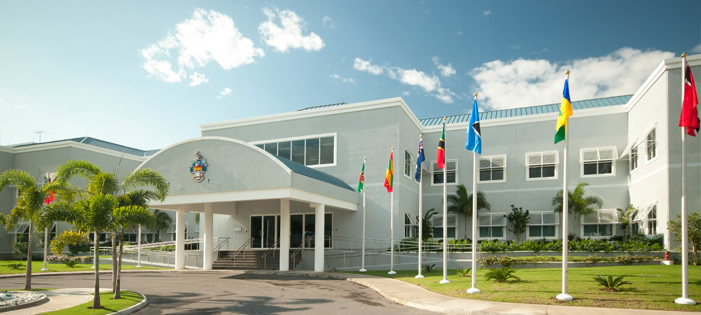
UWI to host Media-thon for Hurricane Melissa relief
The University of the West Indies (UWI) Cave Hill Campus is set to organize a live media-thon this Sunday, November 16, to generate financial support for Jamaican families devastated by Hurricane Melissa. The event, titled ‘One Love Jamaica Media-thon,’ will be broadcast from the campus’ TV studio between 3 p.m. and 7 p.m. and will be aired live on UWITV, Starcom Network, CBC, and various other regional media outlets.
-

Overval met geweldpleging bij auto-onderdelenzaak; twee verdachten aangehouden
In a coordinated effort, the Digital Investigation, Forensic Investigation, Intervention Units, and Intelligence Services successfully apprehended two suspects, K.O. (23) and D.M., alias “Frustu,” on Wednesday, November 12, 2025. The arrests occurred shortly after a violent robbery in the vicinity of Molenpad. The suspects are believed to have targeted an auto parts store early that morning. Dressed entirely in black, wearing gloves and masks, they entered the premises through a passage from an adjacent building. On the second floor, they confronted seven residents in their bedrooms, threatening them with violence to hand over money and jewelry. The victims were then bound and taken to the living room. One victim sustained injuries, including the loss of two front teeth and a swollen lip, requiring medical attention. The perpetrators fled with an undisclosed amount of SRD and foreign currency, gold jewelry, and an air pistol with hearing protection. During the arrest, a gray Toyota Vitz was also seized. Authorities suspect the duo may be linked to similar robberies in Paramaribo and Wanica. Following consultation with the Public Prosecutor, both suspects have been detained, and the investigation has been transferred to the Capital Crimes Division.