博客

  • Staatsraad presenteert eerste schriftelijke jaarverslag aan president

    Staatsraad presenteert eerste schriftelijke jaarverslag aan president

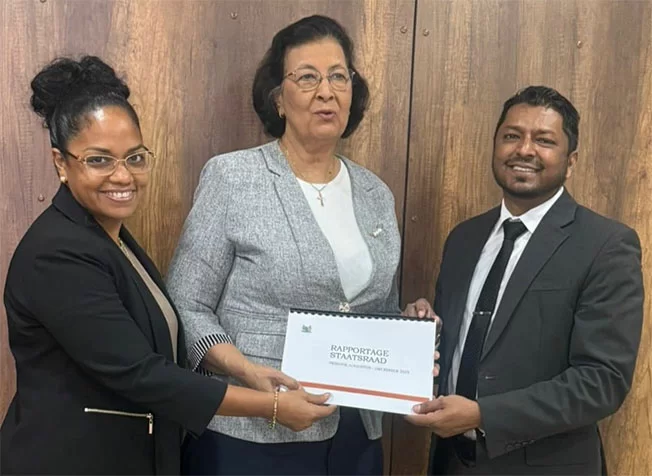
    In an unprecedented move signaling governmental transparency, Suriname’s Council of State presented its inaugural written accountability report to President Jennifer Simons during Thursday’s year-end assembly. The comprehensive document chronicles the Council’s operational transformation from August through December 2025, marking a significant departure from traditional practices within this highest advisory body.

    The report meticulously details the Council’s initial operational challenges upon assumption of duties, implemented corrective measures, and current operational status. Vice Chairman Amzad Abdoel revealed to StarNews that a preliminary assessment exposed critical staffing deficiencies that hampered the Council’s ability to fulfill presidential mandates. The institution lacked essential financial management personnel, operated with an understaffed secretariat, and had inadequate cleaning facilities.

    Within existing budgetary constraints, the Council initiated strategic personnel reinforcement without burdening public finances. Operational workflows underwent significant optimization, resulting in enhanced efficiency. Financial management systems underwent comprehensive restructuring, with all monthly financial reports from January through September completed and submitted to the presidency. Budget utilization is now systematically monitored, outstanding payments have been reconciled, and resource allocation strategies have been optimized.

    Administrative procedures have been rigorously streamlined, with correspondence to the Council now addressed within three working days. The advisory body has processed one draft law, five draft state decrees, and one legislative proposal within the four-month period, with seven new initiative proposals currently under consideration.

    The Council is actively developing enhanced public accountability mechanisms, including plans for citizens to monitor proceedings online through collaboration with the E-Government Directorate. For 2026, the institution has formulated an ambitious operational plan focusing on procedural documentation, facility renovation, legislative revision, and the potential establishment of an internal audit department to further strengthen transparency frameworks.

    Abdoel emphasized the report’s significance in demonstrating the Council’s transformation journey: “As a High College of State, we aim to exemplify transparency and accountability. With presidential support, we’re making substantial progress toward this objective.”

  • Why roads, ports, and airports matter more than ever for Expats in the Dominican Republic

    Why roads, ports, and airports matter more than ever for Expats in the Dominican Republic

    Beyond its renowned sun-drenched beaches and relaxed Caribbean lifestyle, the Dominican Republic is undergoing a transformative infrastructure renaissance that is fundamentally reshaping the nation’s economic landscape. This strategic development initiative represents a deliberate, long-term investment in the country’s future rather than superficial improvements, creating unprecedented opportunities for expatriates, returning nationals, and international investors alike.

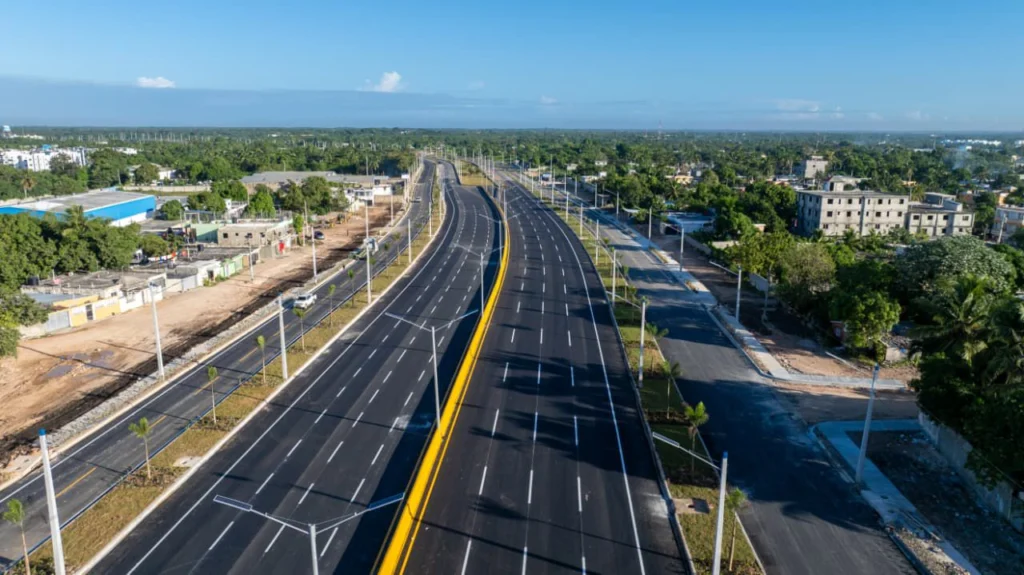
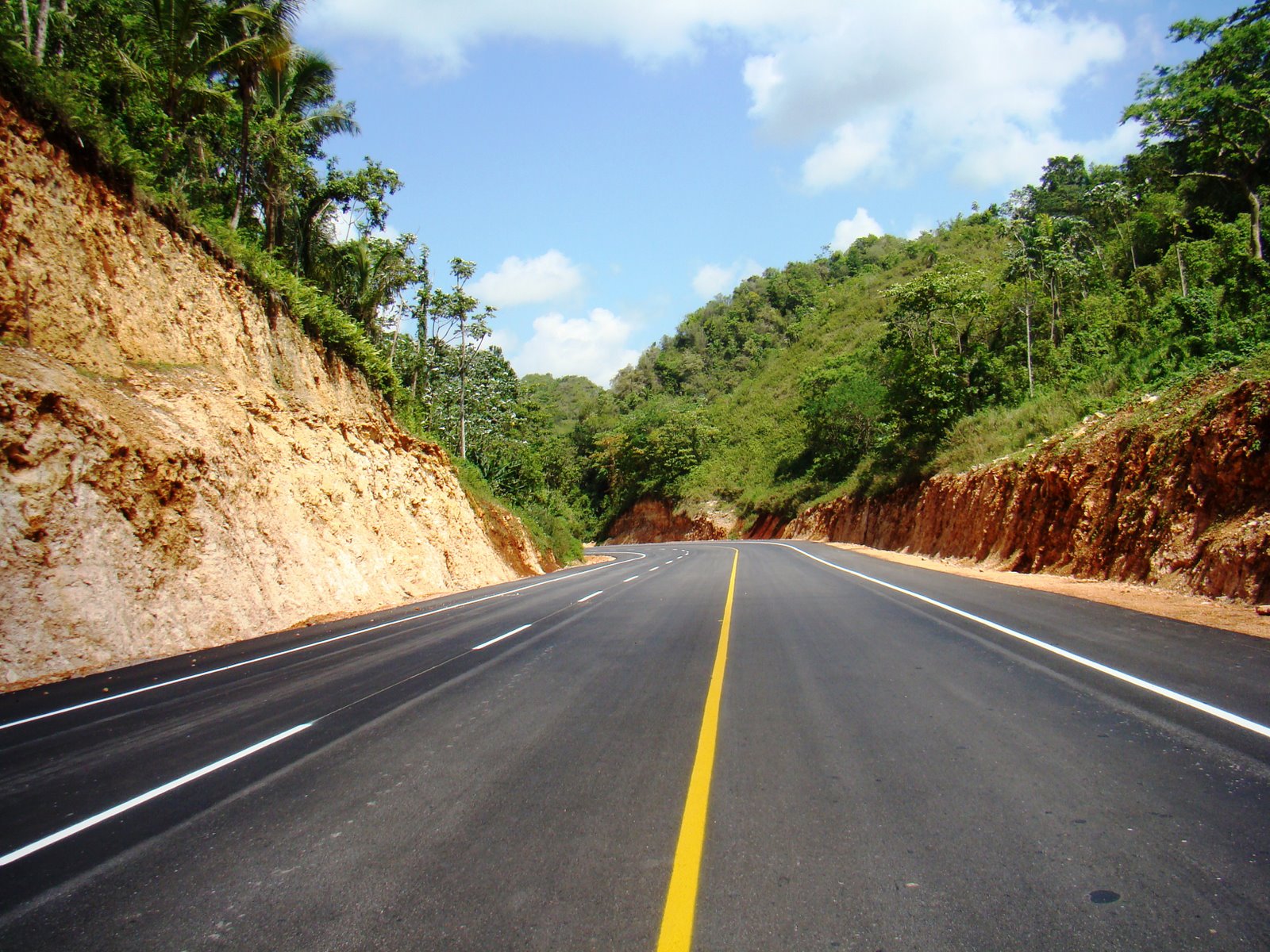
    The comprehensive infrastructure overhaul encompasses three critical dimensions that collectively enhance the nation’s connectivity and economic vitality. A massive highway expansion program has dramatically reduced transit times between urban centers, tourist corridors, and previously isolated secondary markets. These transportation arteries have transformed remote areas into viable locations for daily commuting, logistics operations, and residential development, effectively decentralizing growth opportunities beyond traditional urban hubs.

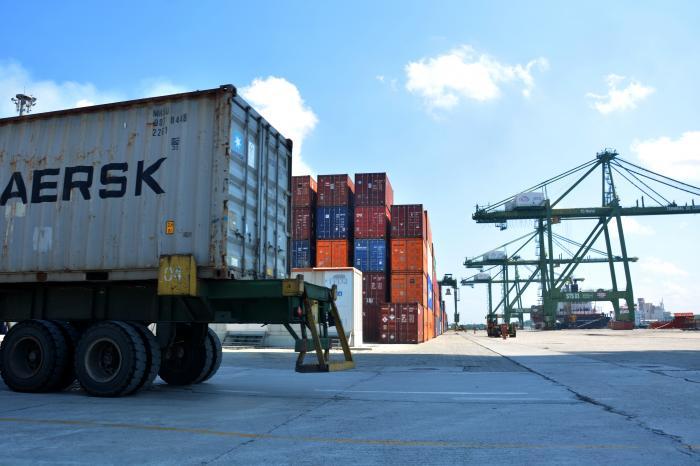
    The nation has simultaneously emerged as a Caribbean logistics powerhouse through strategic investments in port infrastructure. Modernized facilities at Caucedo and Haina now support robust import/export operations, manufacturing activities, and nearshoring ventures targeting the U.S. market. This enhanced maritime capacity attracts multinational corporations, entrepreneurial ventures, and foreign capital, generating employment opportunities and stabilizing local economies.

    Aviation infrastructure has received equal attention, with significant expansions at Punta Cana, Santo Domingo, and Santiago airports. These upgrades extend beyond accommodating tourist traffic to include increased cargo capacity, additional direct international routes, and modernized terminals that facilitate global connectivity. The improvements effectively bridge geographical divides, enabling seamless business travel and supporting remote work arrangements for the expatriate community.

    For those considering relocation or investment, these developments signal profound implications. The infrastructure renaissance provides expanded housing options, enhanced mobility, diversified economic opportunities beyond tourism, and improved access to services. Most significantly, it demonstrates both public and private sector confidence in the nation’s sustainable development trajectory, positioning the Dominican Republic as an emerging hub for strategic living and investment in the Caribbean region.

  • New Arajet route connects Punta Cana with Rosario, Argentina

    New Arajet route connects Punta Cana with Rosario, Argentina

    DOMINICAN REPUBLIC – Caribbean aviation leader Arajet has unveiled ambitious expansion plans with the establishment of a new direct air corridor connecting Punta Cana International Airport (PUJ) with Rosario, Argentina (ROS), marking a significant enhancement in transcontinental air travel infrastructure. Scheduled to commence operations on June 16, 2026, the route will feature three weekly flights utilizing the airline’s modern Boeing 737 MAX fleet.

    This strategic move elevates Rosario to Arajet’s third Argentine destination, substantially strengthening the carrier’s footprint in the Southern Cone region. The expansion propels Arajet’s international network to over 28 destinations spanning 15 countries across North, Central, and South America. The Rosario connection will provide passengers with seamless access to Arajet’s Punta Cana hub, facilitating convenient transfers to 13+ international destinations including major North American cities (Miami, Orlando, New York), Latin American capitals (Lima, Cancún), and Caribbean hotspots (Kingston).

    Airline executives emphasized that this development aligns with Arajet’s core mission of delivering affordable air travel options without compromising service quality or operational punctuality. ‘This new route represents our commitment to bridging Latin American communities through accessible air transportation,’ stated an Arajet spokesperson during the announcement ceremony.

    To stimulate initial demand, the airline launched a limited-time promotional offer providing 25% discount on base fares using booking code ‘Vamos ROS’. The promotional window runs from December 18-26, 2025, for travel between June 16, 2026 and March 21, 2027. Industry analysts note this expansion reflects growing demand for Caribbean-South American connectivity and demonstrates the Dominican Republic’s emerging role as a strategic aviation hub in the Western Hemisphere.

  • DGP presents new electronic passport featuring over 70 security measures

    DGP presents new electronic passport featuring over 70 security measures

    SANTO DOMINGO – In a significant advancement for national security and international travel, the Dominican Republic’s General Directorate of Passports (DGP) officially unveiled its new electronic passport this Friday. This next-generation travel document represents a technological leap forward, integrating cutting-edge security features to combat fraud and streamline border control processes.

    The cornerstone of the new e-passport is an embedded secure microchip that contains the holder’s critical biometric information. This includes fingerprint data, facial recognition biometrics, a digital photograph, and an electronic signature. The data page, constructed from resilient polycarbonate material, incorporates over 70 sophisticated security elements. These range from complex holographic imagery to specialized inks that are exceedingly difficult to replicate, providing a formidable barrier against forgery and tampering.

    Beyond its security prowess, the passport is engineered for efficiency. Its compliance with stringent international standards, including those advocated by the International Civil Aviation Organization (ICAO), is designed to expedite processing at electronic immigration gates globally, significantly reducing wait times for travelers. Furthermore, the document serves as a cultural ambassador; its interior pages are adorned with vibrant imagery and designs that celebrate the rich tapestry of Dominican history, heritage, and national identity, offering a glimpse into the country’s unique story to the world.

    The launch was promoted through the official Instagram account of Pasaportes RD (@pasaportesrd), signaling a modern outreach effort to inform citizens about the upgraded document, which aims to bolster both the security of Dominican citizens abroad and the integrity of the nation’s identity verification systems.

  • President Abinader inaugurates final phase of Avenida Ecológica in Santo Domingo

    President Abinader inaugurates final phase of Avenida Ecológica in Santo Domingo

    SANTO DOMINGO – President Luis Abinader officially inaugurated the completed Avenida Ecológica on Friday, marking a transformative milestone in the Dominican Republic’s infrastructure landscape. The newly opened 12-kilometer thoroughfare, constructed under Abinader’s administration, is designed to function without a single traffic light, ensuring seamless vehicular movement across key zones including Santo Domingo East, Boca Chica, La Caleta, and major national highways.

    The president underscored the avenue’s role as a critical economic artery, significantly enhancing the nation’s logistical framework and foreign trade capabilities. By bridging the country’s primary ports in Greater Santo Domingo, the project substantially reduces travel duration and freight expenses, directly benefiting an estimated 850,000 residents. Abinader framed the avenue as more than a road—it is a cornerstone of a comprehensive strategy integrating mass transit, water management, and energy systems to foster sustainable urban development.

    Complementing this initiative are ongoing expansions of the Santo Domingo Metro and Cable Car systems, upgrades to aqueducts, and bolstered energy production, collectively forming a holistic model for growth. Minister of Public Works Eduardo Estrella detailed the avenue’s sophisticated engineering, including a new toll plaza and an overpass that alleviates congestion from the Port of Caucedo and improves traffic flow to Las Américas International Airport—a vital upgrade expected to stimulate tourism and job creation.

    Dio Astacio, Mayor of Santo Domingo East, applauded the national government’s sustained investment in infrastructure, citing observable improvements in daily commute times and overall quality of life for constituents. The Avenida Ecológica now stands as one of the Caribbean nation’s most advanced logistics corridors, reinforcing the Dominican Republic’s position as a competitive player in regional trade and economic resilience.

  • Na druk: EU stelt Mercosur-deal uit

    Na druk: EU stelt Mercosur-deal uit

    The European Union has postponed the signing of a landmark free trade agreement with South American nations following intense farmer protests and last-minute opposition from France and Italy. The EU-Mercosur pact, which would create one of the world’s largest free trade zones covering 780 million people and a quarter of global GDP, now faces uncertain prospects after 26 years of negotiations.

    EU officials had anticipated finalizing the agreement this weekend in Brazil, but Commission spokeswoman Paula Pinho confirmed the delay until January. The decision emerged during emergency talks between European Commission President Ursula von der Leyen, European Council President Antonio Costa, and Italian Prime Minister Giorga Meloni, with Italy’s conditional support secured for January’s vote.

    The postponement came hours after dramatic scenes unfolded in Brussels where hundreds of farmers from across Europe staged violent protests. Agricultural workers blocked streets with tractors, launched fireworks, and burned tires along with a symbolic coffin labeled “Agriculture.” Police responded with tear gas and water cannons as protesters threw potatoes and eggs, leading to the evacuation of European Parliament staff.

    French President Emmanuel Macron emerged as the agreement’s most prominent critic, citing concerns about unfair competition for European farmers already struggling with high production costs and animal disease outbreaks. Macron’s centrist government, wary of growing far-right opposition, demands stronger safeguards including rigorous import inspections, pesticide restrictions in Mercosur countries, and mechanisms to prevent economic disruption.

    Italian Premier Meloni called any immediate signing “premature,” insisting on adequate mutual guarantees for Italy’s agricultural sector. This opposition potentially gives France sufficient votes to veto the agreement, which requires support from two-thirds of EU members.

    Proponents argue the pact represents a crucial geopolitical move that would counter Chinese influence in Latin America and provide alternatives to U.S. trade restrictions. German Chancellor Friedrich Merz warned that further delays would damage EU credibility in global trade policy. Agathe Demarais of the European Council on Foreign Relations noted the agreement’s strategic importance in preventing Latin American economies from moving closer to Beijing.

    In South America, Brazilian President Luiz Inácio Lula da Silva expressed frustration over the delay, which undermines what he hoped would be a major diplomatic achievement ahead of next year’s elections. Both Lula and Argentina’s libertarian President Javier Milei remain committed to the agreement despite their political differences, viewing Mercosur as a spear rather than a shield in global trade relations.

  • Díaz Canel: “We are making history every day, right now”

    Díaz Canel: “We are making history every day, right now”

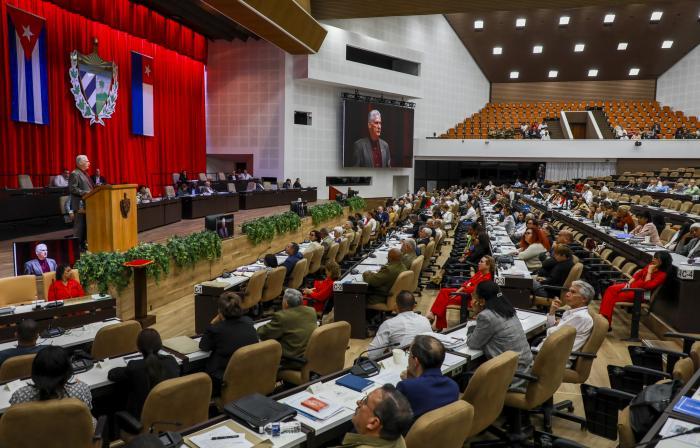
    In a comprehensive address concluding the Sixth Ordinary Session of Cuba’s National Assembly, President Miguel Díaz-Canel presented a stark assessment of the nation’s challenges while outlining a path forward through economic reforms and strengthened national unity. The President characterized Cuba’s current situation as an accumulation of structural distortions exacerbated by what he described as an “extremely aggressive external siege” from the United States.

    Díaz-Canel condemned U.S. foreign policy approaches, particularly what he termed the doctrine of “peace through strength,” which he argued represents imperialist ambitions threatening international law and regional stability. He specifically highlighted concerns about U.S. military presence in the Caribbean and threats against Venezuela, while reaffirming Cuba’s solidarity with the Bolivarian Republic.

    The address detailed several approved measures including the Economic Plan, National Budget, and a Government Program designed to correct economic distortions. The President emphasized that these initiatives are interconnected and essential for addressing both domestic challenges and regional threats. A significant focus was placed on the newly approved Science, Technology and Innovation Law, which aims to bridge the gap between research and production while fostering technological sovereignty.

    Economic reforms will prioritize food production through guaranteed inputs and incentives, accelerate investments in the national electricity system combining thermal plant repairs with renewable energy expansion, and regulate foreign currency allocation to favor import substitution sectors. The President called for drastic reduction in unproductive spending and greater territorial responsibility in revenue collection and resource management.

    Díaz-Canel acknowledged the postponement of the 9th Party Congress as a strategic decision to allow focus on economic recovery and implementation of necessary structural adjustments. He proposed designating 2026 as the “Year of the Centennial of Commander-in-Chief Fidel Castro Ruz” to inspire national unity and revolutionary commitment.

    The President concluded by emphasizing that solutions would require “concrete work, systematic control, and active popular participation,” asserting that “the task is complex, but the will of this people is invincible.”

  • Today’s complexity demands deeper, faster, and more responsible responses

    Today’s complexity demands deeper, faster, and more responsible responses

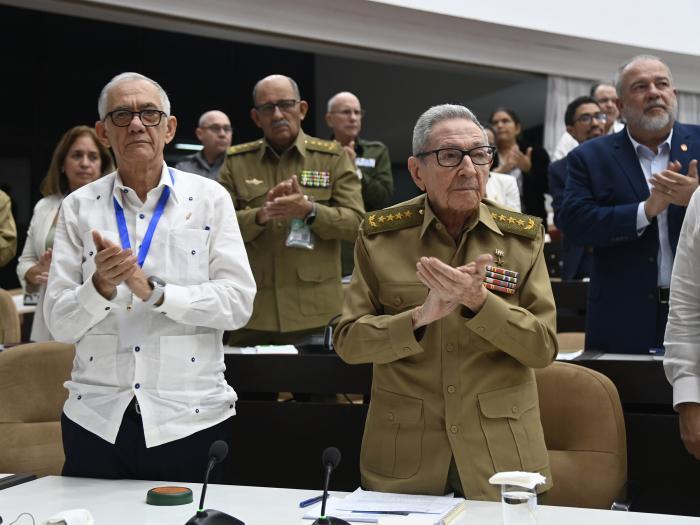
    Cuba’s National Assembly has officially declared 2026 as the “Year of the Centennial of Commander-in-Chief Fidel Castro Ruz” during its fifth regular session, attended by Revolutionary leader Army General Raúl Castro Ruz. The designation, proposed by President Miguel Díaz-Canel Bermúdez, comes as the Caribbean nation confronts severe economic challenges while maintaining its revolutionary legacy.

    President Díaz-Canel delivered a critical assessment of Cuba’s economic situation, describing it as “an accumulation of distortions, adversities, difficulties, and mistakes of our own, exacerbated by an extremely aggressive external blockade.” Despite these challenges, the President emphasized that resigned crisis management was unacceptable, calling instead for “greater creativity, greater discipline, greater control, and a relentless fight against bureaucracy, indolence, and corruption.”

    The parliamentary session resulted in significant legislative advancements, including approval of the 2026 Economic Plan and State Budget Law. Díaz-Canel characterized the economic strategy as “a plan of offensive and readjustment” rather than mere technical adjustments, describing it as “a revolutionary necessity to perfect socialism under construction, to make it more prosperous, sustainable, and fair.”

    A landmark achievement of the session was the passage of the General Law on Science, Technology, and Innovation. This comprehensive legislation introduces modern concepts to stimulate economic innovation through Technology-Based Companies (TBCs), High-Tech Companies (HTCs), science parks, and interface organizations. The law establishes tax incentives, financial benefits, and incubation systems for new enterprises, while creating a Science and Innovation Financial Fund supported by a 10% contribution from TBC profits.

    The assembly also witnessed significant leadership changes, including the election of José Luis Toledo Santander as secretary of the National Assembly, the appointment of Rosabel Gamón Verde as Minister of Justice, and the selection of Oscar Manuel Silvera Martínez as president of the People’s Supreme Court. Eight new deputies joined the assembly, expanding popular representation in Cuba’s highest state authority.

    President Díaz-Canel reiterated concerns about U.S. government hostility, highlighting “relentless economic aggression against Cuba” and similar pressures on Venezuela. He framed these actions as part of a broader regional doctrine seeking “to impose arbitrary will and domination through threats, coercion, and even direct aggression.”

    The session demonstrated Cuba’s dual commitment to honoring its revolutionary heritage while implementing structural reforms to address contemporary economic challenges, setting the stage for a transformative period leading to Fidel Castro’s centennial celebrations.

  • A separate currency market: a means or an end to stabilizing the economy?

    A separate currency market: a means or an end to stabilizing the economy?

    Cuba has launched a groundbreaking monetary reform initiative establishing three official exchange rate segments as part of a comprehensive strategy to address critical macroeconomic challenges. The Central Bank of Cuba confirmed the implementation of this multi-tier system designed to gradually converge toward a unified exchange rate while stimulating foreign currency earnings through exports.

    The newly structured framework creates distinct segments with varying exchange mechanisms: Segment I maintains the current 1:24 rate for exporting entities; Segment II introduces a 1:120 rate for certain foreign income generators; while Segment III establishes a floating exchange rate for individuals and non-state management forms. This phased approach represents a significant departure from previous monetary policy and aims to create a legal, transparent exchange market accessible to both state and non-state actors.

    According to Ian Pedro Carbonell Karell, Director of Macroeconomic Policy at the Central Bank of Cuba, these reforms address the country’s urgent need to organize foreign currency flows through formal banking channels. “These changes give legal access to foreign currency to many actors who did not have it until now and who resorted to the informal market,” Karell stated, emphasizing the measure’s role in combating speculation and volatility.

    The reform specifically incentivizes export-oriented enterprises by allowing them to exchange retained foreign currency at Segment III’s more favorable floating rate, potentially increasing their Cuban peso earnings. This designed advantage aims to strengthen Cuba’s export sector—the nation’s primary foreign currency generator—while supporting essential population needs through central treasury revenues.

    For non-state management entities, the reforms introduce unprecedented access to foreign currency for investment and restocking purposes, though purchasing power will be limited to 50% of average gross income reflected in fiscal accounts. The banking system will expand exchange services nationwide, with 41 branches currently operational and more planned as market consolidation progresses.

    Authorities acknowledge that eliminating Cuba’s illegal currency market will require time and sustained implementation. The success of these measures ultimately depends on their ability to generate increased foreign currency liquidity and translate into tangible improvements in Cuban citizens’ quality of life amid prolonged economic challenges.

  • Ten U.S. C-17 Globemaster aircraft operate from Las Américas International Airport

    Ten U.S. C-17 Globemaster aircraft operate from Las Américas International Airport

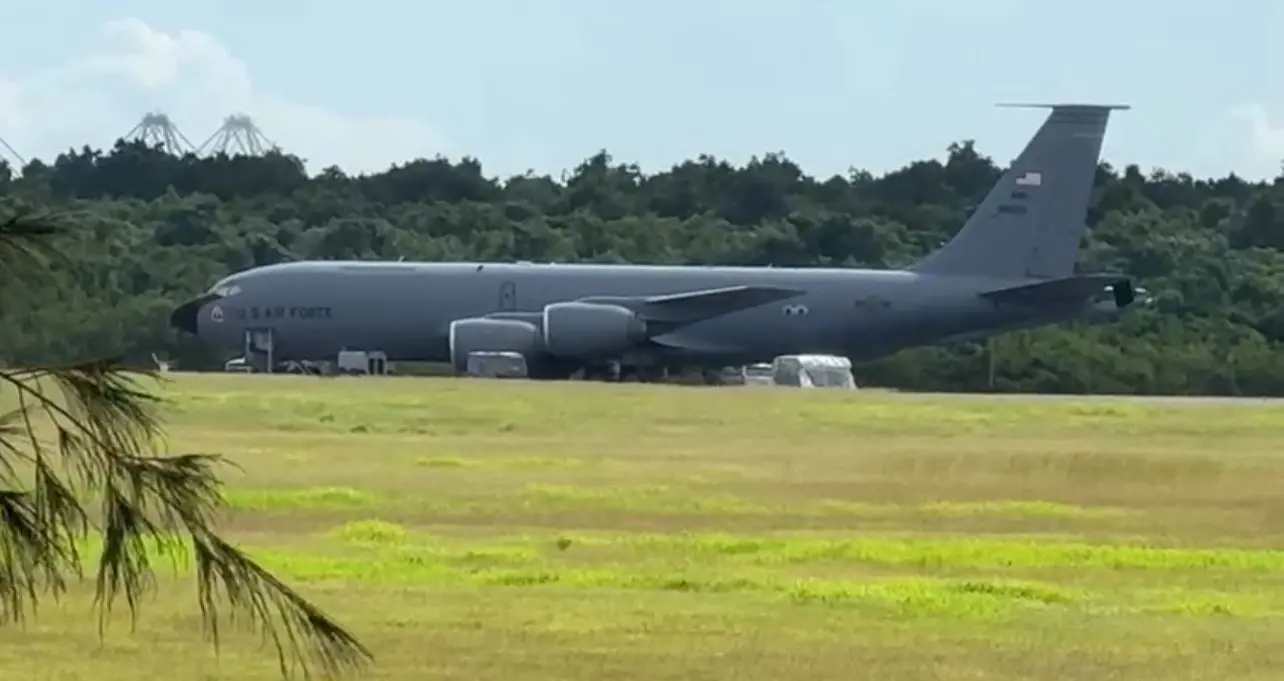
    SANTO DOMINGO – The United States Air Force has established a significant military presence at Las Américas International Airport (AILA) in the Dominican Republic, deploying ten C-17 Globemaster III strategic transport aircraft to support regional security operations. This strategic deployment forms the operational backbone of Operation Southern Spear, a comprehensive initiative directed by the United States Southern Command (SOUTHCOM) to disrupt transnational criminal networks.

    The temporary airbase, established on runway 17-35, represents a critical logistical node for U.S. Department of Defense missions across the Caribbean basin. According to official statements, the primary objectives of this military mobilization are to dismantle illicit narcotics trafficking routes and enhance the security of U.S. territorial borders, aligning with current presidential directives on national security.

    Specialized units including the 921st Contingency Response Squadron and the 621st Contingency Response Wing are managing the expeditionary operations. The 921st Squadron, specializing in rapid airfield activation and preparation, collaborated with the 621st Wing—a component of Air Mobility Command—which provides integrated capabilities in security operations, advanced logistics, meteorological support, and expeditionary air traffic control. This joint effort demonstrates the U.S. military’s capacity for rapid global mobility and strategic response to emerging security challenges in the Western Hemisphere.