博客

  • Wijnerman: US$ 265 miljoen extra nodig voor financiële stabiliteit

    Wijnerman: US$ 265 miljoen extra nodig voor financiële stabiliteit

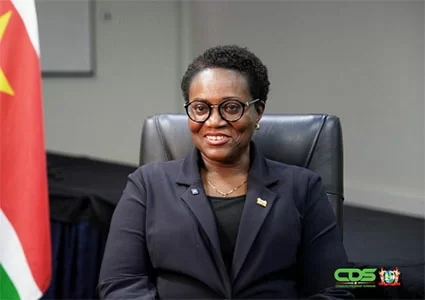
    The Government of Suriname has successfully expanded its 2035 bond issuance by $265 million, a strategic financial maneuver designed to address urgent debt obligations while creating fiscal space for critical public investments. Finance and Planning Minister Adelien Wijnerman confirmed the operation, characterizing it as a deliberate choice in the nation’s financial strategy.

    This bond expansion carries an interest rate of 8.5% and attracted both existing and new international investors, reflecting continued market confidence in Suriname’s economic trajectory. Minister Wijnerman emphasized that the successful placement resulted from targeted financial operations within international capital markets.

    The newly acquired funds will be allocated across a comprehensive portfolio of socially impactful and economically transformative projects. Key investment sectors include healthcare infrastructure, educational enhancement, digital transformation of government services, energy security, agricultural development, food security programs, support for small and medium enterprises, development of construction-ready land parcels, and youth development initiatives.

    The administration clarified that upon taking office, it inherited substantial deferred payment obligations requiring immediate attention, while anticipated revenues from production activities had not yet fully materialized. This bond extension serves as a bridge mechanism to maintain financial stability without postponing essential investments.

    This financial strategy represents a dual approach: addressing immediate societal needs while simultaneously strengthening the structural growth capacity of Suriname’s economy. The government positions this bond expansion as a significant step toward achieving macroeconomic stability paired with targeted investments that establish foundations for sustainable economic development.

    Minister Wijnerman is scheduled to provide detailed explanations regarding the bond expansion and fund allocation during an upcoming press conference.
  • “Cuba has the duty and responsibility to protect its territorial waters”

    “Cuba has the duty and responsibility to protect its territorial waters”

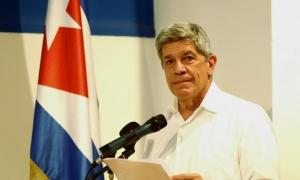
    Cuba has formally reiterated its unequivocal opposition to all forms of terrorism through an official statement delivered by Deputy Foreign Minister Carlos Fernández de Cossío. The declaration comes in response to a recent attempted infiltration of Cuban territorial waters by ten individuals aboard a Florida-registered vessel suspected of terrorist intentions.

    Minister Fernández de Cossío emphasized Cuba’s exemplary record in combating terrorism, noting the nation’s adherence to all 19 international counterterrorism conventions. “Our country maintains an exemplary record in the fight against terrorism and has fulfilled and will continue to honor its commitments in this area,” he stated during a press briefing.

    The incident, which occurred Wednesday, involved the interception of a vessel carrying substantial military equipment including assault rifles, sniper weapons, Molotov cocktails, night vision devices, bulletproof vests, and paraphernalia from counter-revolutionary organizations. Four individuals died during the confrontation with Cuban naval forces.

    Cuban authorities have identified the involved parties as Cristian Ernesto Acosta Guevara, Conrado Galindo Serrior, José Manuel Rodríguez Castelló, Leordán Cruz Gómez, Amijail Sánchez González, Roberto Álvarez Ávila, Pavel Alling Peña, Michael Ortega Casanova, Ledián Padrón Guevara, and Héctor Duani Cruz Correa. Notably, Sánchez González and Cruz Gómez appear on Cuba’s official list of wanted individuals previously shared with United States authorities.

    The Deputy Foreign Minister confirmed ongoing communication with U.S. counterparts through established diplomatic channels, including the State Department and Coast Guard. Both governments have expressed willingness to collaborate in the investigation, with Cuba formally requesting information about the vessel and individuals involved.

    Fernández de Cossío contextualized this event within Cuba’s six-decade history of experiencing terrorist attacks largely organized from U.S. territory. He highlighted concerns about increased violent plots against Cuba and the perceived impunity of their perpetrators. The Cuban government maintains that protecting territorial waters constitutes both a sovereign right and national defense obligation under international law.

  • Column: Journalistiek is niet het beschermen van maatschappelijk onrecht en macht

    Column: Journalistiek is niet het beschermen van maatschappelijk onrecht en macht

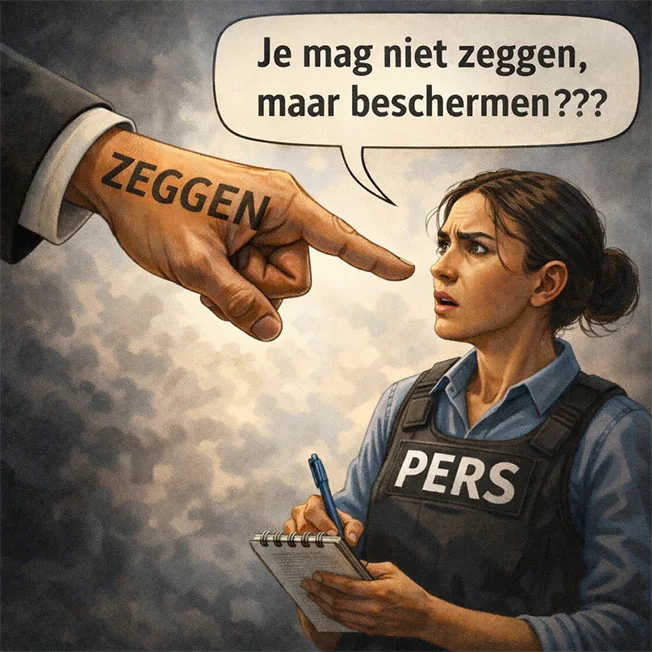
    A concerning societal expectation has emerged in Suriname where journalism is welcomed only when it doesn’t challenge protected interests. When media reporting becomes critically uncomfortable, accusations immediately surface alleging personal attacks, political agendas, or attempts to remove officials from power.

    This pattern manifested recently when panelist Giwani Zeggen on the radio program Welingelichte Kringen accused Starnieuws of intentionally damaging the Prosecutor General’s reputation through reporting about excessive compensation amounting to SRD 1.4 million. These allegations reveal more about persistent misunderstandings of journalism’s purpose than about the media outlet itself.

    The controversial reporting centered not on an individual but on the Judicial Position Act (Wet Rechtspositie Rechterlijke Macht). The salary calculation referenced wasn’t fabricated but derived directly from legal percentages, allowances, and tax-free compensations explicitly outlined in the legislation. The fact that administration expert Eugène van der San had previously raised this issue publicly doesn’t diminish the journalistic premise: when a law potentially enables monthly state-funded incomes exceeding SRD 1 million, it becomes inherently newsworthy.

    The suggestion that Starnieuws misled society because political discussions about judicial reforms are ongoing represents a diversionary tactic. Journalism doesn’t await politically convenient moments—it reports when information holds societal relevance, not when it comforts power holders or their defenders. The profession accepts no censorship and practices no self-censorship when matters of public interest are involved.

    What truly emerges here is a dangerous shift where systemic criticism becomes deliberately personalized to avoid substantive discussion. By framing reporting as attempting to undermine the Prosecutor General, attention divertes from the core issue: how can legislation in an economically vulnerable society justify such extreme income disparities within the public sector?

    Journalism exists not to shield officials from uncomfortable facts but to provide citizens insight into how power, laws, and public resources function. Those expecting media silence because certain individuals might become discussion topics essentially request public relations, not journalism.

    The same journalistic principles will apply to numerous mismanagement cases at ministries, government institutions, and state enterprises, including the State Health Insurance Foundation, Suriname Telecommunication Authority, Milk Center, and Grassalco.

    While media criticism remains legitimate and necessary in democratic societies, such criticism should rest on established journalistic standards—truthfulness, independence, fact-opinion separation, and social responsibility—as codified in international codes like the Bordeaux Code and adopted by the Surinamese Association of Journalists. Not all journalists consistently adhere to these standards, but this doesn’t grant anyone authority to position themselves as informal regulatory bodies without explicit reference to proper assessment criteria.

    The fundamental question remains: what institutional position empowers Zeggen to lecture journalists? While free expression rights remain unquestioned, professional authority requires substantive standards, not political suspicions or personal interpretations of intent. Through determined reporting, society has been served significantly, already prompting corrective measures—including cooperation from the judicial system. Journalists will continue their work without seeking approval or regarding personal status.

  • Newmont en vakbond bereiken akkoord over nieuwe tweejarige CAO

    Newmont en vakbond bereiken akkoord over nieuwe tweejarige CAO

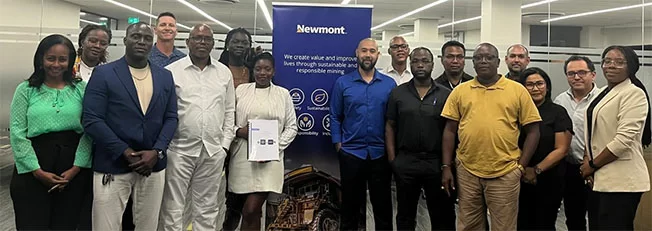
    After fifteen months of intensive negotiations, Newmont Suriname and the Newmont Workers’ Organization (N.W.O.) have successfully concluded a new two-year Collective Labor Agreement (CLA), marking a significant milestone in labor relations within Suriname’s mining sector.

    The breakthrough agreement, finalized on Thursday, includes a substantial 7% wage increase effective January 2026, representing one of the most significant compensation adjustments in recent years. Beyond base pay improvements, the parties have modified special wage adjustment mechanisms and introduced an innovative ‘Special Savings Plan’ at the union’s initiative. This additional savings vehicle complements existing pension arrangements and aims to enhance employees’ financial resilience through expanded saving opportunities.

    Shirley Sowma-Sumter, Director of External Relations & Country Manager for Newmont Suriname, emphasized that the agreement transcends conventional wage discussions. “This represents our commitment to investing in our workforce, supporting our communities, and ensuring Newmont continues making positive economic contributions to Suriname,” she stated.

    Union leadership expressed equal satisfaction with the outcome. N.W.O. Chairman Joel Panka acknowledged that the agreement properly recognizes employee dedication while ensuring fair compensation, workplace stability, and enhanced safety protocols.

    The Merian operation, which celebrates ten years of commercial production later this year, remains a cornerstone of Suriname’s economy. Newmont management highlighted the mine’s critical role in national infrastructure development and employment generation. The company stressed that ongoing operational optimization, risk management, and improved investment conditions remain essential for maintaining the mine’s competitiveness and profitability throughout the next decade.

    Both parties agree that this agreement establishes a foundation for stable labor relations and the continuation of responsible mining operations that benefit both workers and the national economy.

  • UPP Rallies St. Philip’s North Support for Alex Browne

    UPP Rallies St. Philip’s North Support for Alex Browne

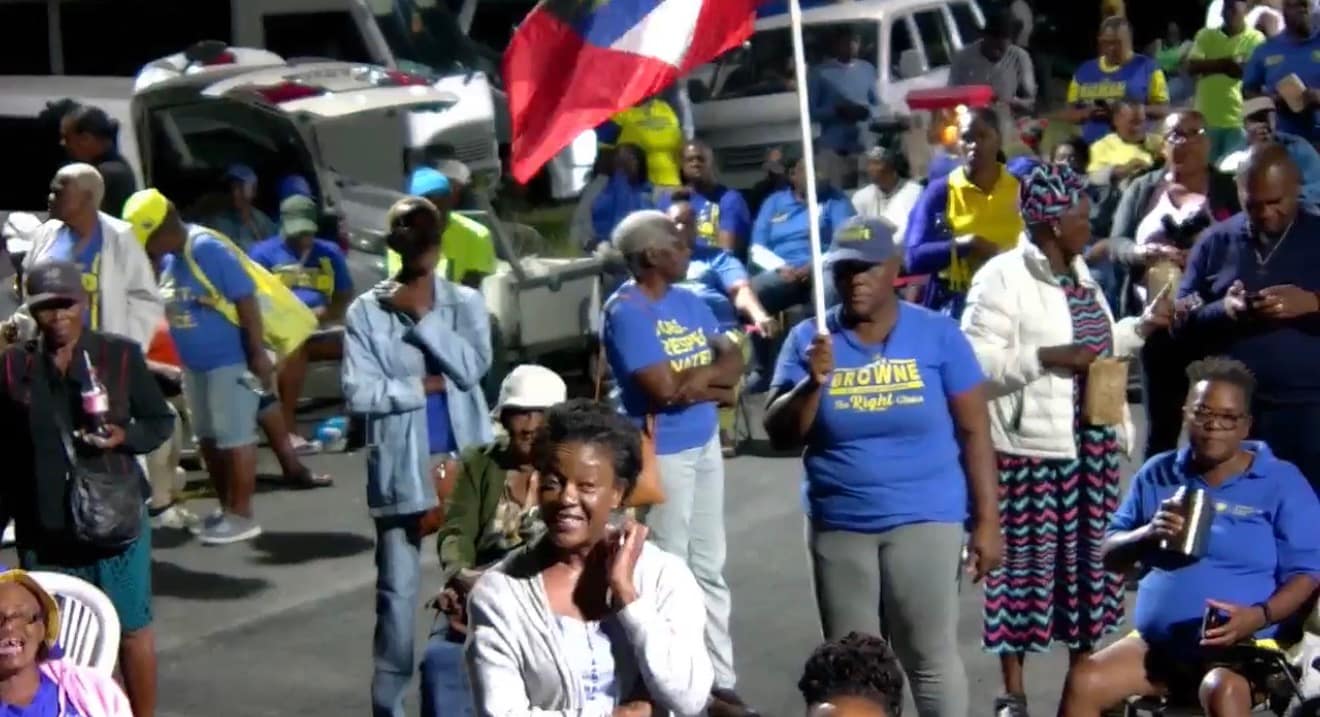
    At a Thursday evening rally held at the Newfield basketball court, the United Progressive Party (UPP) launched a vigorous campaign for its by-election candidate, Alex Browne, presenting the March 16th vote as a pivotal moment for the St. Philip’s North constituency. Party speakers articulated a compelling narrative of progress versus prolonged neglect, positioning Browne as the catalyst for much-needed revitalization.

    The core of the UPP’s argument centered on what they characterized as five decades of inadequate representation, questioning the tangible benefits delivered to the community over this extensive period. Speakers pointedly suggested that recent infrastructure improvements, such as road repairs, were strategically timed to coincide with the electoral cycle rather than representing genuine, sustained development efforts.

    Education emerged as a critical policy battleground. The rally highlighted pressing issues of overcrowding at Newfield Primary School and expressed deep concern over the delayed redevelopment of the former Glanvilles Secondary School site. The UPP framed greater investment in science, technology, and innovation education as an essential strategy for equipping young residents with the skills necessary to compete in evolving global industries.

    Healthcare accessibility formed another major pillar of the campaign rhetoric. While acknowledging the successful opening of the Glanvilles Polyclinic following community advocacy, speakers sharply criticized the substandard conditions and operational closures affecting other local clinics. They emphasized that these service limitations disproportionately burden vulnerable demographics, including elderly residents, women, and individuals managing chronic illnesses, who face significant hardship due to diminished access to proximate medical care.

    The by-election, scheduled for March 16, is being framed by the UPP not merely as a political contest but as a fundamental choice between continued stagnation and a transformative new chapter under Browne’s leadership.

  • US officials met Castro grandson in St. Kitts, Miami Herald reports

    US officials met Castro grandson in St. Kitts, Miami Herald reports

    In a significant diplomatic development, senior U.S. officials affiliated with Secretary of State Marco Rubio’s circle have conducted meetings with Raul Guillermo Rodriguez Castro, the grandson of former Cuban leader Raul Castro. The encounter occurred during the Caribbean Community (CARICOM) conference in St. Kitts and Nevis, according to a Miami Herald report published Thursday.

    The nature and substance of these discussions remain partially obscured, with uncertainty regarding Secretary Rubio’s direct participation. Rodriguez Castro, who serves as both bodyguard to his grandfather and son of the late head of Cuba’s powerful GAESA military conglomerate, represents a notable figure in these unofficial channels.

    This development occurs against the backdrop of Raul Castro’s enduring legacy. The 94-year-old revolutionary leader, who presided over Cuba from 2008 to 2018 and previously served as First Secretary of the Communist Party, remains an iconic figure in Cuban socialism alongside his brother Fidel Castro.

    The recent meetings echo previous reports from Axios, which indicated Rubio had been conducting confidential dialogues with Castro’s grandson. A Trump administration official characterized these earlier exchanges as ‘discussions about the future’ rather than formal negotiations.

    Both the U.S. State Department and Cuba’s foreign ministry have maintained official silence regarding these developments, declining immediate comment on Reuters’ inquiries.

    When pressed by journalists on Wednesday regarding these alleged meetings, Secretary Rubio adopted a cautiously diplomatic stance. While declining to confirm specific details, he emphasized that the United States remains ‘always prepared to talk to officials from any government that have information to share with us.’ He further elaborated that Washington would ‘certainly listen’ to any information about potential changes or moves Cuban officials might be prepared to accept.

    Cuban officials were expected to address media inquiries regarding these developments later Thursday, potentially shedding light on Havana’s perspective regarding these unusual diplomatic contacts.

  • Government launches plan to eliminate obsolete wiring in Santo Domingo

    Government launches plan to eliminate obsolete wiring in Santo Domingo

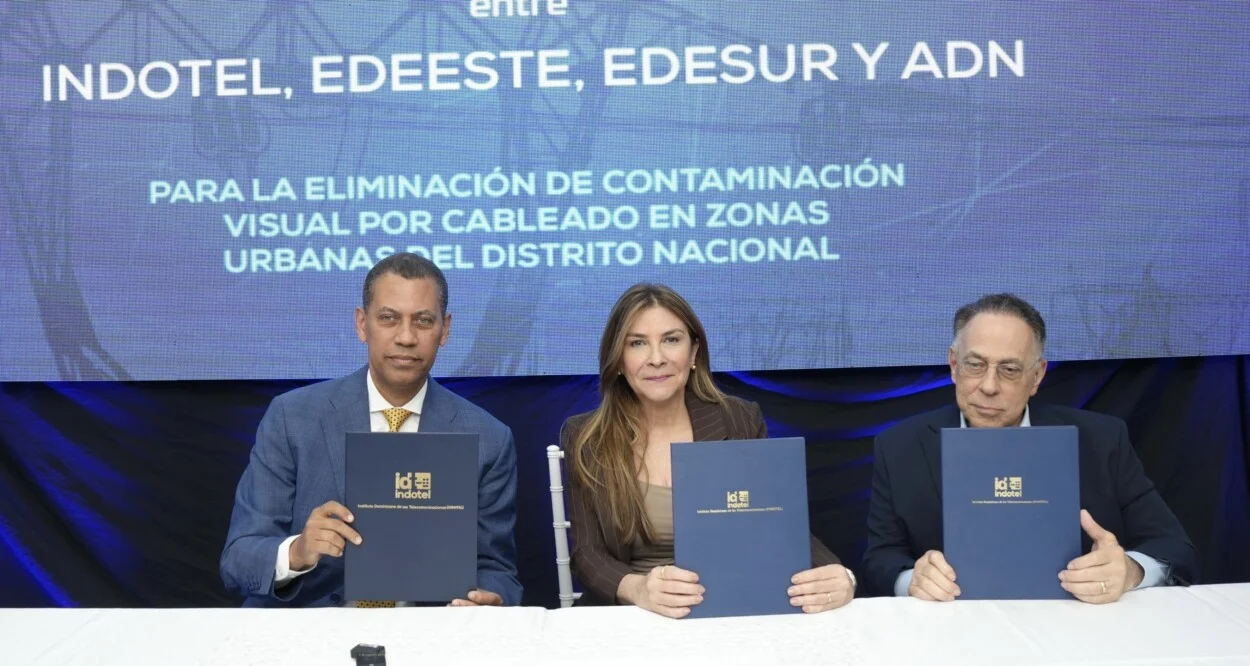
    SANTO DOMINGO – In a significant collaborative effort to enhance urban safety and aesthetics, three major Dominican institutions have forged a strategic partnership to address the longstanding issue of disorganized overhead infrastructure in the capital city. The Dominican Institute of Telecommunications (Indotel), the National District Mayor’s Office (ADN), and the Unified Council of Electricity Distribution Companies (CUED) have formally executed a cooperation agreement targeting the systematic removal of obsolete cabling and the comprehensive reorganization of urban wiring systems.

    The signing ceremony featured key leadership: Guido Gómez Mazara, President of Indotel’s Board of Directors; Carolina Mejía, Mayor of the National District; and Celso Marranzini, President of CUED. This tripartite initiative moves beyond mere aesthetic improvement, framing the infrastructure overhaul as a critical public safety imperative aimed at safeguarding pedestrians, motorists, and the overall urban environment from hazards posed by deteriorated and haphazardly installed wiring.

    Gómez Mazara characterized the agreement as a decisive transition from planning phases to tangible action, revealing that the project scope will exceed 300 kilometers of cabling across central and densely populated zones. Initial phases will prioritize the Colonial City, San Carlos, Cristo Rey, and other key districts. Mayor Mejía emphasized that eliminating hazardous wiring is fundamental to elevating resident well-being and commended the inter-institutional coordination essential for transforming Santo Domingo’s public realms.

    Marranzini reinforced that regulating overhead electrical infrastructure is vital not only for visual enhancement but also for ensuring reliable and continuous power service. The intervention will be implemented methodically through stages involving technical inspections, precise identification and labeling of active versus obsolete lines, safe dismantling procedures, area cleanup, and final validation by all involved parties.

    Operational responsibilities are clearly delineated: Indotel will helm regulatory coordination and project management, the ADN will oversee on-ground execution and public space reorganization, and CUED will provide specialized technical expertise for the secure handling of electrical components. The agreement further establishes a framework for continuous monitoring to guarantee effective implementation and deliver measurable outcomes in each revitalized neighborhood.

  • GuySure kost bijna US$ 300.000 per maand: activiteiten gaan normaal door

    GuySure kost bijna US$ 300.000 per maand: activiteiten gaan normaal door

    Despite independent investigations revealing that GuySure holds no legal subsidiary status with state-owned mining company Grassalco, operations in Guyana continue uninterrupted. Since the suspension of CEO Wesley Rozenhout on January 12 alone, over US$13,000 has been expended on business trips and participation in an energy conference, with monthly expenditures nearing US$300,000.

    Information obtained by Starnieuws indicates that GuySure’s activities persist unabated despite ongoing investigations initiated by the Board of Commissioners. The company’s shares are held by five natural persons, including the suspended Rozenhout.

    Personnel deployments to Guyana continue every two weeks to conduct operations at GuySure’s leased port facility in Georgetown. Currently, only one Guyanese employee operates locally, with the majority of work being performed by Surinamese staff. Prior to recent controversies, minimum five personnel would travel per shift, though this has been reduced to two or three individuals per deployment since January.

    Ten employees have been dispatched to the neighboring country since mid-January at a cost of approximately US$13,000, excluding US$50 per diem allowances for each worker. Additionally, US$4,600 was spent leasing a booth at Guyana’s energy conference. Although participation was formally under Grassalco’s banner with adjusted promotional materials, the decision to proceed was made due to prior reservations. Sources indicate final costs exceeded initial projections.

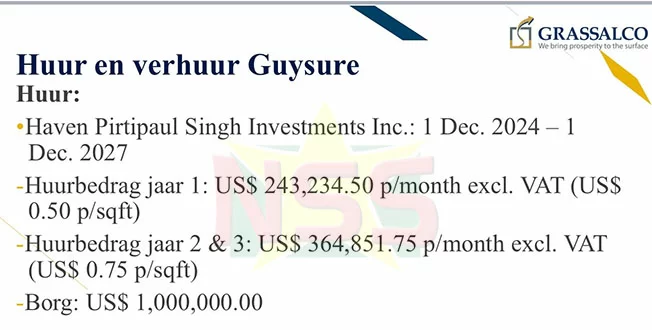
    Monthly financial obligations extend beyond personnel expenses, including US$243,000 (excluding VAT) for port facility rentals and US$8,000 for two residential properties. Combined with other operational costs, monthly expenditures surpass US$300,000.

    GuySure operates at a significant deficit, with previously reported figures showing approximately US$9 million in expenditures against merely US$2 million in revenue. Current crushed stone prices also fail to meet earlier calculated benchmarks.

    Operations will continue pending government authorization to terminate activities. Rozenhout’s suspension has thus far not prompted policy changes, while legal teams examine termination consequences and relevant international obligations and conditions.

  • Overseas players dominate SITTU Barbados Open Chess Tournament

    Overseas players dominate SITTU Barbados Open Chess Tournament

    The Barbados Beach Club in Christ Church served as the backdrop for the conclusion of the second annual SITTU Barbados Open, a prestigious international chess tournament that attracted over 100 competitors from ten different nations. The five-day event, characterized by intense competition under the Caribbean sun, saw international grandmasters and masters claiming victory across multiple sections in decisive fashion.

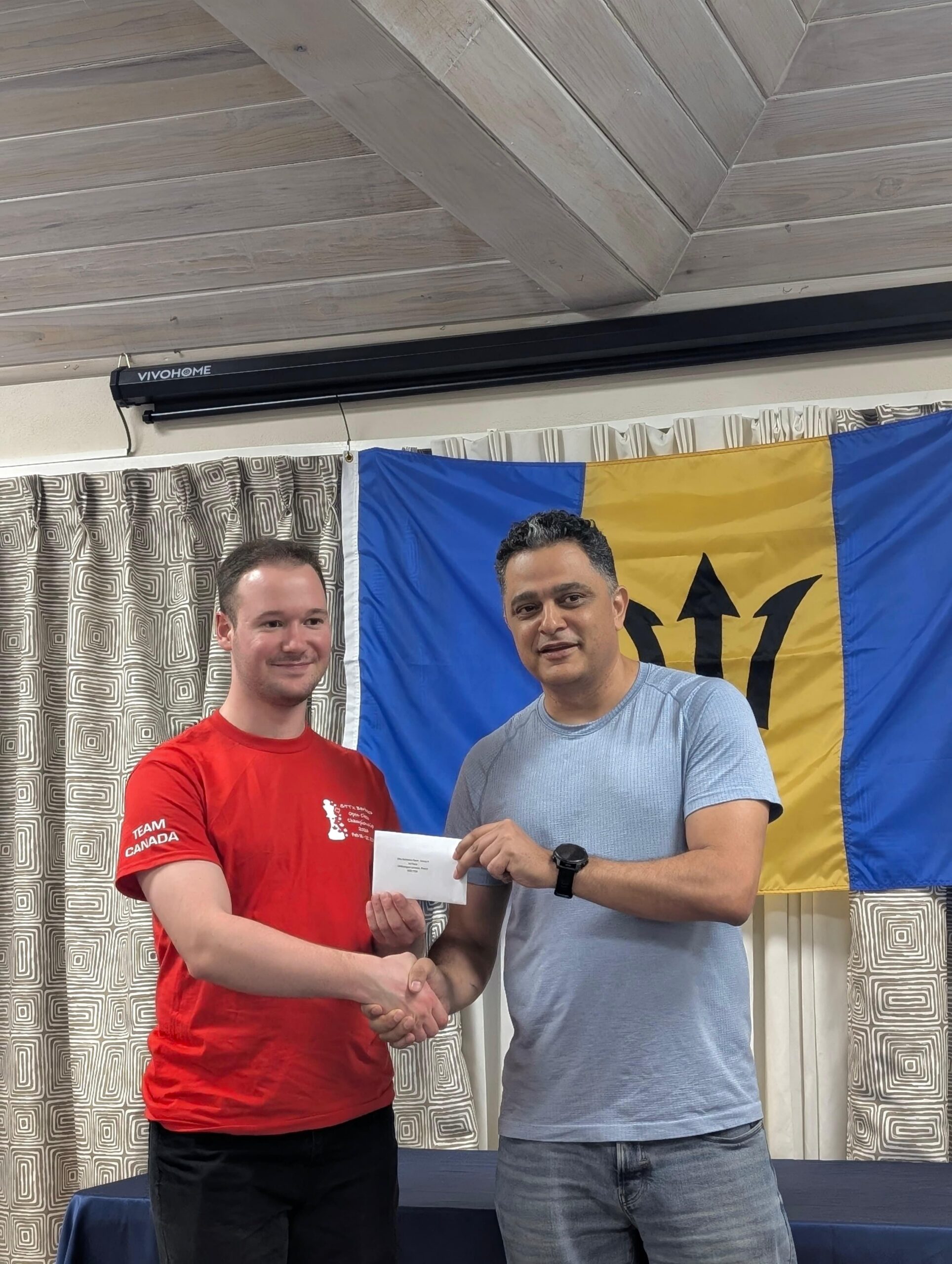
    In the premier Section A, Canadian Grandmaster Shawn Rodrigue-Lemieux delivered a commanding performance, securing the title with an undefeated record of 7.5 points from nine games. His consistent play resulted in six victories and three draws, establishing clear dominance in the round-robin format. The Canadian contingent continued their strong showing with International Masters Mark Plotkin and Aaron Reeve Mendez finishing second and third respectively, both accumulating 6.5 points with Plotkin prevailing on tiebreak criteria. Barbados’s national champion, FIDE Master Martyn Del Castilho, emerged as the top local competitor with 4.5 points, concluding his campaign with a victory over Jamaica’s Candidate Master Darren McKennis.

    Section B witnessed a flawless performance by Venezuela’s FIDE Master Jose Mora Moron, who achieved a perfect score of seven wins from seven games. Mora Moron’s dominance was such that he mathematically clinched the section title by the sixth round. He capped his impressive run with a decisive final-round victory against Barbados Women’s Champion and Woman FIDE Master Hannah Wilson. Local talent Emar Edwards secured sole possession of second place with five points, benefiting from a draw between Justin Parsons and Guyana’s Taffin Khan in the final round.

    The competitive intensity continued in Section C where Loki Clarke registered a perfect seven-win sweep. Having already secured the section victory in round six, Clarke maintained his aggressive approach to defeat Woman Candidate Master Kiarra Eversley in the final round. Savion Little captured clear second place with 5.5 points after drawing his final match against Allan Herbert, while Aaron Jaikaran claimed third position with a last-round victory over veteran Cyprian LaTouche.

    The most dramatic conclusion unfolded in the Novice Section D, where four players finished tied at six points each after a tumultuous final round. Nathan Simmons-Patterson entered the final match as sole leader with six consecutive wins but suffered a critical defeat against Conrad Grits. This outcome, combined with victories by Derick Boyce and Harry Shepherd, created an unprecedented four-way tie. The title was ultimately awarded to Harry Shepherd who edged out his competitors by the narrowest of margins on tiebreak criteria. The section featured intense competition among 50 participants, with Jaekeb Barrow, Rene Lashley, Gabriel Canterbury, Ernest King, and Canada’s Savinos Minas rounding out positions five through nine.

    The successful tournament has generated significant anticipation within the chess community for next year’s edition, promising continued growth for Caribbean chess on the international stage.

  • Venezuelan exports climb after US attack – official

    Venezuelan exports climb after US attack – official

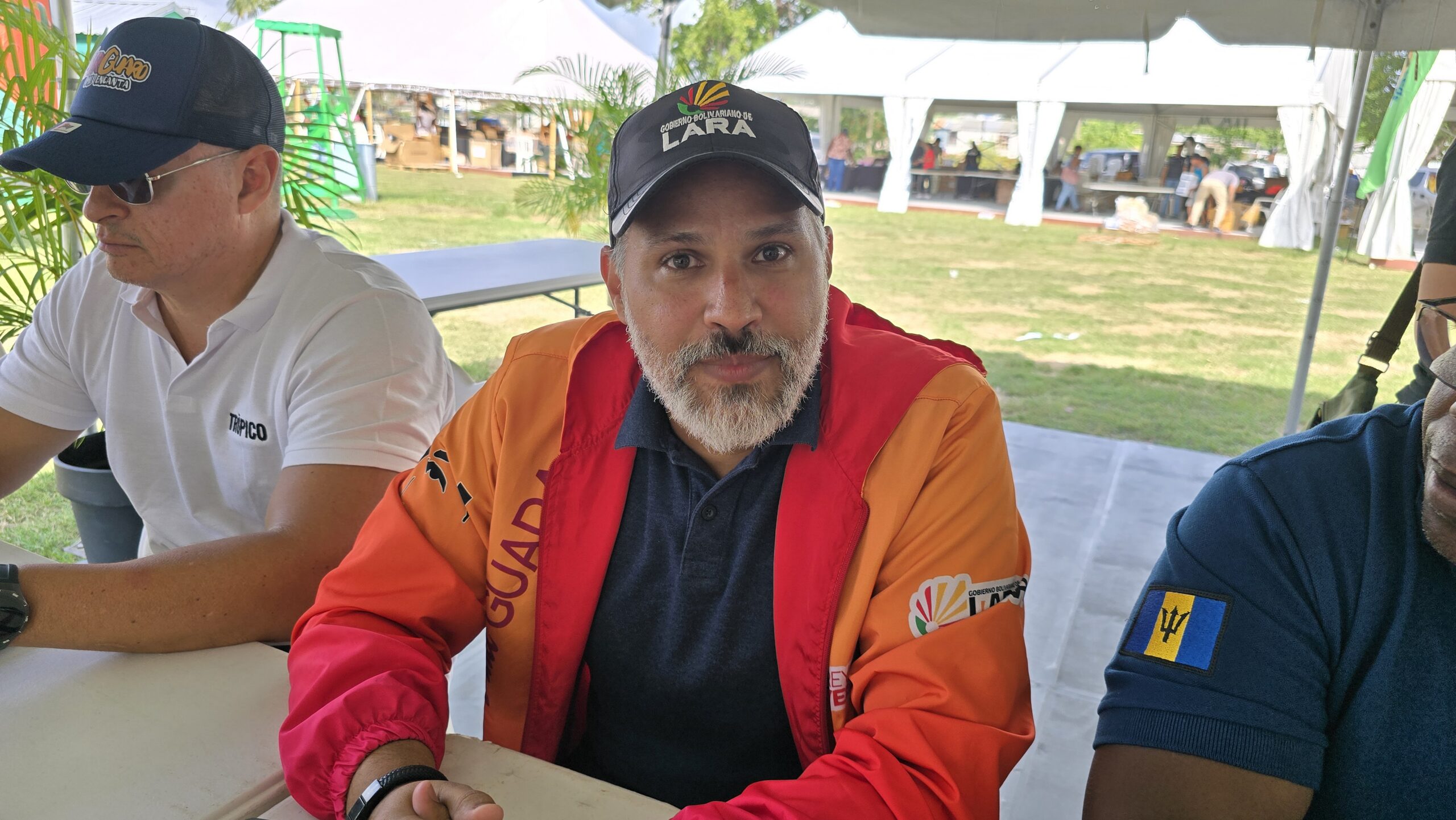
    Venezuelan officials reported a swift resurgence in both economic exports and international diplomacy just two months following a violent attack that temporarily destabilized President Nicolás Maduro’s administration. During the Agrofest event at Queen’s Park on Thursday, Tomás Reyes, Secretary of Economy for Lara state, revealed that export activities to the United States resumed almost immediately after the incident, signaling an unexpectedly robust economic recovery.

    Reyes provided specific export data, noting that “67 containers of green coffee have been shipped to the United States, the United Arab Emirates, and Italy,” with total global coffee exports exceeding 200 containers. Additionally, Venezuela exported between 17 to 30 containers of charcoal in the past month, demonstrating consistent trade performance despite the political turbulence.

    Diplomatic relations have similarly strengthened, according to both Venezuelan and international officials. Reyes emphasized that “our relationship with America is getting stronger, getting better,” while Barbados Ambassador to Caracas Commander Aquinas Clarke characterized the attack as “very limited, really in Caracas,” noting that most businesses remained unaffected due to the incident’s geographical isolation.

    Ambassador Clarke detailed Venezuela’s improving international standing, revealing that the United States has established an embassy there, Italy has upgraded its diplomatic representation to ambassadorial level, and relations with Colombia have significantly improved. The country has maintained calm and is “on a road to growth,” working closely with regional partners.

    Looking forward, Venezuelan officials outlined ambitious trade expansion plans across the Caribbean. Reyes announced intentions to export Guara pineapples throughout the CARICOM region, targeting “one or two containers a week of pineapple from Lara.” Additionally, the state’s substantial dairy production capacity—capable of processing over 150,000 liters of milk daily through four major companies that meet 80% of domestic demand—positions Venezuela as a potential regional milk supplier.

    Officials stressed that agricultural development and international trade will remain central to Venezuela’s strategy for strengthening both bilateral relations with the United States and regional economic integration across the Caribbean.