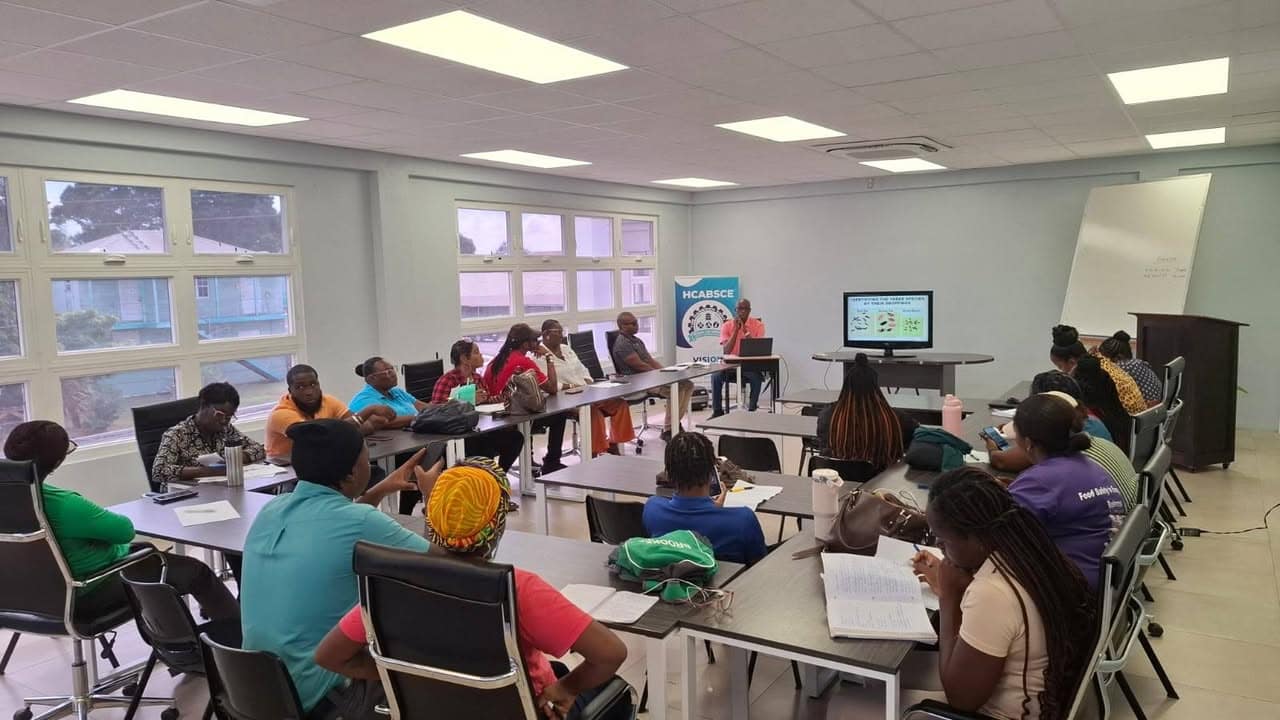
A two-week workshop titled ‘Building Resilient Communities: Integrating Public Health Strategies for Vector Control, Epidemiological Surveillance, and Disease Prevention in Response to Climate Change’ recently concluded in Antigua and Barbuda. The event, organized by the Central Board of Health (CBH) and sponsored by the Organisation of Eastern Caribbean States (OECS) Direct Relief Programme, aimed to enhance public health resilience against vector-borne diseases exacerbated by climate change. Held at the Harrison Centre in Tomlinson, the workshop trained 115 participants, including Public Health Inspectors and Environmental Health aides. Due to the high number of attendees, the program was divided into four segments, with two sessions specifically dedicated to mosquito control, which attracted the largest audience. Facilitated by former Chief Health Inspector Lionel Michael, the training emphasized vector control strategies, including educational, physical, biological, chemical, and environmental measures. Key topics included the proper use of personal protective equipment (PPE), alternative fogging techniques, and the impact of climatic conditions on vector control. Deputy Chief Health Inspector Daryl Spencer highlighted the workshop’s goal of strengthening capacity in vector control and providing formal training for new staff. Michael provided in-depth insights into the Aedes aegypti mosquito, the primary vector for dengue fever, discussing its characteristics, replication, transmission, and symptoms. Dengue fever, prevalent in Latin America and the Caribbean, accounts for over 92% of global cases, with symptoms including high fever, headache, joint pain, and nausea. The workshop underscored the importance of community responsibility in public health, emphasizing that government efforts alone are insufficient to combat vector-borne diseases. Participants were encouraged to adopt proactive measures, such as eliminating mosquito breeding grounds and maintaining proper sanitation, to mitigate the spread of diseases.
博客
-

Official Update: 32nd National Sports Awards Set for February 28, 2026
The Ministry of Education, Sports, and Creative Industries, in collaboration with the National Sports Awards Committee, has officially announced the rescheduled date for the 32nd National Sports Awards. The prestigious event will now take place on Saturday, February 28, 2026. Nominations for the awards remain open until November 30, 2025, providing ample time for submissions. Nomination forms are available at the Ministry of Sport, located in the former Cricket West Indies Office within the Government Complex. The National Sports Awards have long been a cornerstone in celebrating the remarkable accomplishments, unwavering commitment, and significant contributions of athletes, coaches, administrators, and sporting organizations throughout Antigua and Barbuda. The upcoming ceremony aims to continue this legacy of honoring excellence in sports.
-
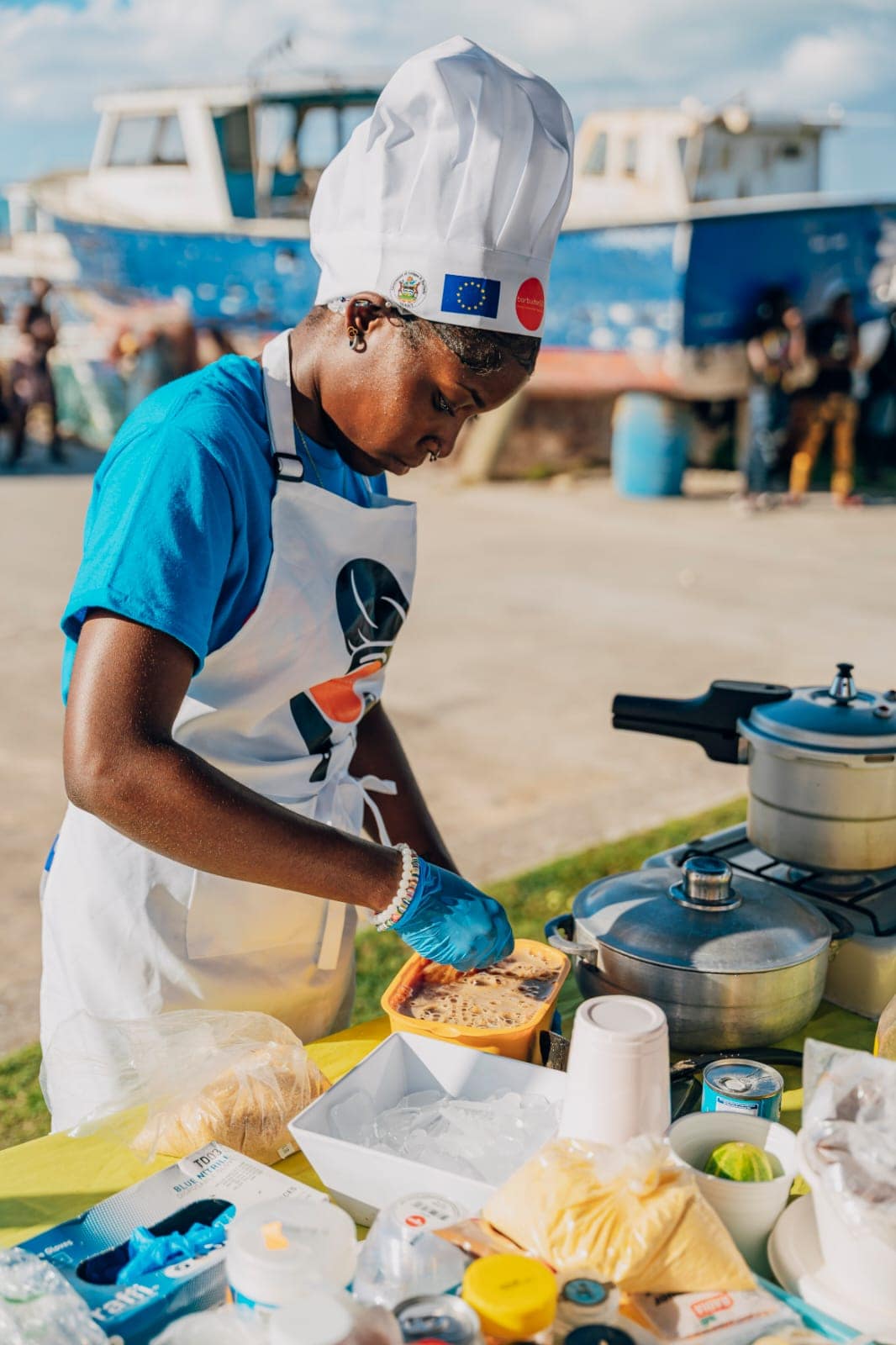
Youth Talent from the CGLF Programme Makes a Powerful Mark at Ocean Fest
The 2025 Ocean Fest celebration was significantly enhanced by the active participation of students from Sir McChesney George Secondary School’s Culinary Arts Program and the Media Apprenticeship Programme, both initiatives supported by the CGLF (Civil Society and Local Governance Framework). Funded by the European Union, CGLF focuses on fostering stronger ties between civil society and local governance through community engagement and advanced technical vocational training. Their involvement in Ocean Fest vividly demonstrated the initiative’s real-world impact. In the culinary domain, students collaborated with renowned executive chefs to prepare and present four signature dishes, highlighting sustainable seafood, local flavors, and innovative ocean-inspired cuisine. Their responsibilities spanned prep work, cooking, garnishing, and serving samples, offering them invaluable professional exposure and hands-on experience. Executive chefs praised their professionalism and eagerness to learn, underscoring the quality of CGLF’s culinary training. Meanwhile, the Media Apprenticeship Programme participants provided comprehensive coverage of the festival, capturing its essence through interviews, photography, and video documentation. Their work highlighted the event’s themes of ocean conservation, sustainable seafood, cultural pride, and community unity. Ocean Fest 2025 served as a powerful platform for youth empowerment, showcasing how practical skills and mentorship can strengthen community-driven initiatives. The contributions of these young participants not only enriched the festival but also set a precedent for future community engagement across the island.
-
Men Unite for Health and Personal Growth at ABWU International Men’s Day Event
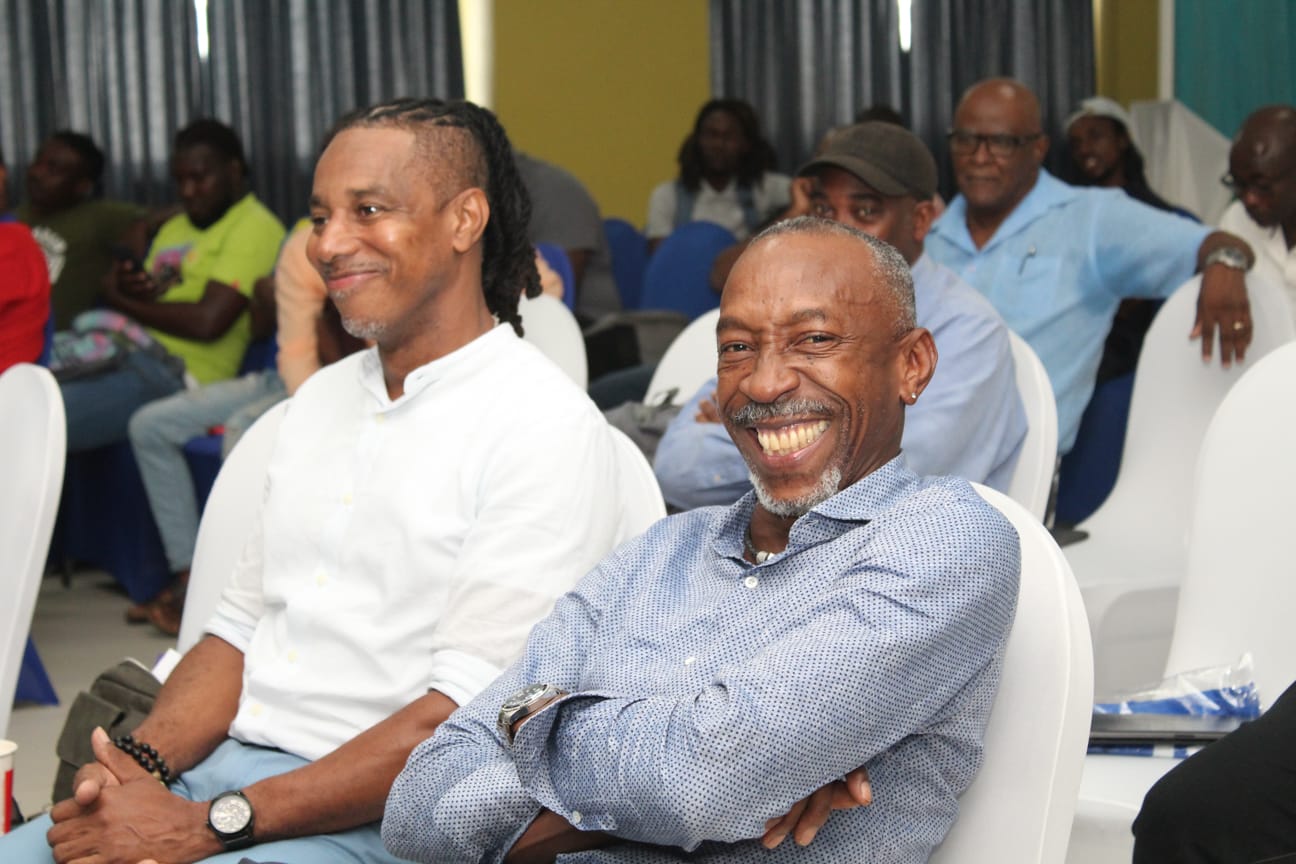
The Antigua and Barbuda Workers’ Union (ABWU) marked International Men’s Day with a transformative conference on Wednesday, gathering nearly 100 men from diverse workplaces at the Union’s Freedom Hall Headquarters. Centered on the theme “Healthy Men, Healthy Workplaces, Healthy Communities,” the event aimed to enhance men’s holistic well-being, addressing physical, mental, and emotional health. ABWU General Secretary Sen. David Massiah opened the conference with a powerful call to action, urging men to play an active role in fortifying families and societal institutions. He emphasized the Union’s unwavering support for its male members, stating, “The union that represents you, that negotiates for you, is here to stand with you,” and highlighting the pivotal role of empowered men in fostering stronger communities. The first session, led by Clinical Psychologist Feona Charles Richards, focused on mental wellness as a cornerstone for stable families and thriving societies. Richards encouraged men to prioritize self-awareness and self-care, asserting, “In order for you to really love anyone else, you have to love yourself.” Urologist Dr. Dwayne Thwaites followed with an interactive discussion on prevalent health risks among men of African descent, including hypertension, diabetes, heart disease, and prostate cancer. He underscored the importance of early detection and understanding family medical history, noting, “These diseases are treatable once we pick them up early.” The final session, facilitated by esthetician Octavia Nicholas, explored the role of personal grooming and self-care in boosting confidence and overall well-being. Nicholas challenged societal stigmas around personal care treatments, encouraging men to embrace self-care practices. The conference was widely praised by attendees, with one participant likening the atmosphere to “a day on the block,” highlighting the camaraderie and shared learning. Another expressed gratitude, stating, “I really want to thank the Union for putting on this conference just for us, because sometimes men are overlooked.” In closing, the ABWU reaffirmed its commitment to developing programs that empower men to contribute meaningfully to society at all levels.
-
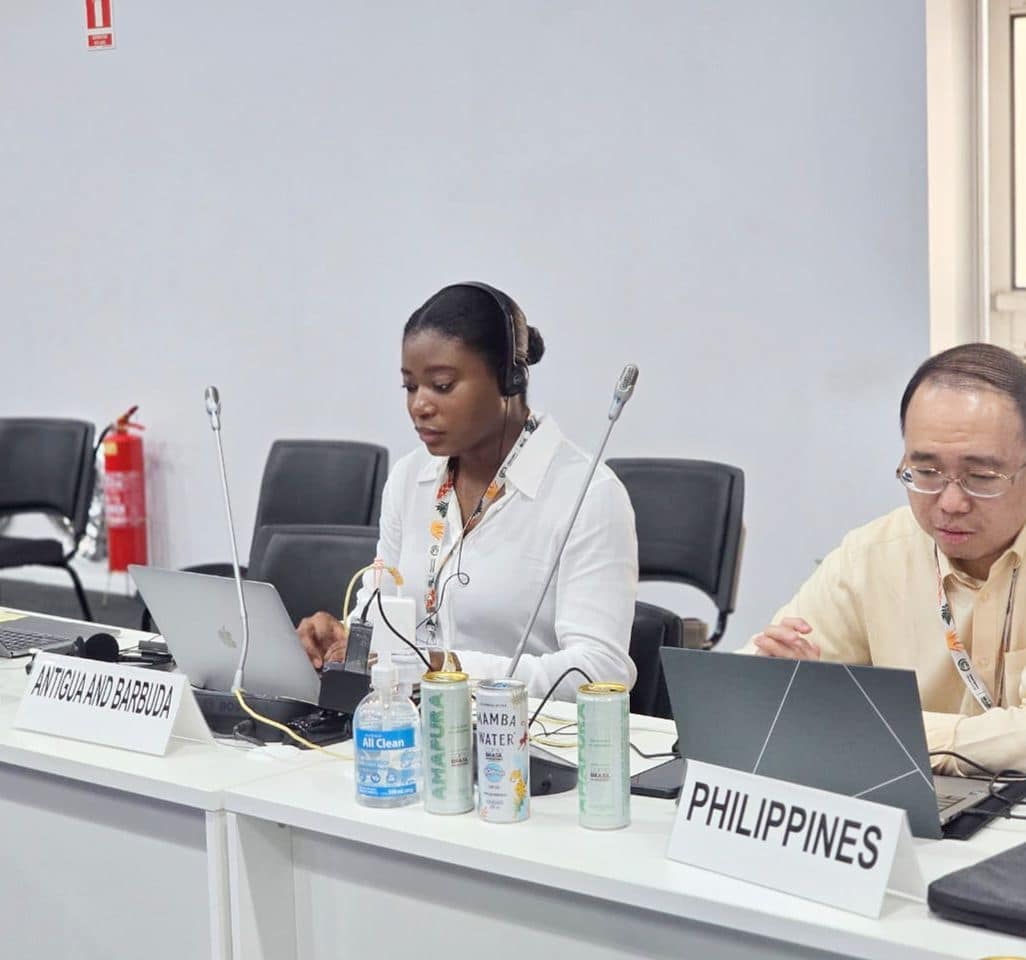
Gita Nicholas Focuses on Just Transition At CoP 30, Brazil
At the 30th Conference of the Parties (COP30) in Belém, Brazil, Antigua and Barbuda is taking a leading role in advocating for a Just Transition Work Programme (JTWP) that addresses the unique challenges faced by Small Island Developing States (SIDS). Represented by Gita Nicholas, Technical Officer at the Department of Environment, the nation is emphasizing the need to place people at the center of climate action while ensuring equitable access to finance, technology, and resources. The JTWP serves as a collaborative framework for countries to develop low-emission, climate-resilient pathways that protect workers, frontline communities, and vulnerable populations. For Antigua and Barbuda, this initiative is critical to mitigating the severe impacts of climate change, including rising temperatures, intensifying storms, and economic vulnerabilities tied to fossil fuel dependence. Nicholas highlights the importance of integrating traditional knowledge into adaptation strategies and securing institutional support to accelerate a fair and effective transition. At COP30, the nation is pushing for the operationalization of the JTWP through clear mechanisms that foster capacity-building, resource access, and global equity. These efforts aim to deliver tangible outcomes such as enhanced community resilience, clean energy access, and a more sustainable future for SIDS on the frontlines of climate change.
-
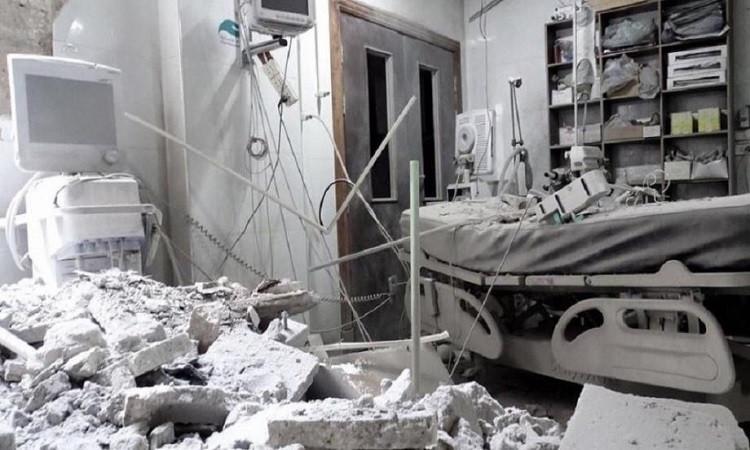
Gaza’s health system has collapsed due to Israeli aggression
The healthcare system in Gaza is facing an unprecedented crisis, as described by Munir Al-Barsh, the Director General of the Ministry of Health in the Palestinian coastal enclave. With a population exceeding two million, Gaza’s hospitals are grappling with severe shortages of essential resources, including medicines and medical supplies. Al-Barsh revealed that 84% of basic medicines and 40% of emergency medicines are unavailable, while the lack of medical supplies has surpassed 71%. Critical items such as gauze and medical solutions are in critically short supply, with reserves expected to last only a month. This scarcity is severely impeding the delivery of primary healthcare services. Additionally, the healthcare infrastructure is collapsing due to inconsistent fuel supplies, which are essential for powering health facilities. Communications systems have failed, and laboratories are nearly entirely shut down. Despite a recent truce and Israel’s commitment to allow aid, only five trucks carrying medical supplies enter Gaza weekly—a starkly insufficient amount to address the dire needs of the population. The situation underscores the urgent need for international intervention to prevent a full-scale humanitarian disaster.
-

Uruguayan workers express job dissatisfaction
A comprehensive report on the Workplace Happiness Index, jointly presented by consulting firm SSOL, the Montevideo Institute of Business Studies, and professional services firm CPA Ferrere, sheds light on employee satisfaction levels across various industries. Conducted between June and July this year, the study surveyed 3,284 professionals and examined multiple dimensions of workplace well-being. The findings reveal that 42% of workers report moderate happiness, while only 5% achieve optimal job satisfaction. Alarmingly, 47% of employees are actively seeking new job opportunities. The research identifies critical factors influencing employee happiness, including work flexibility, adequate days off, workplace infrastructure, camaraderie, and effective teamwork. These insights underscore the importance of fostering a supportive and adaptable work environment to enhance employee retention and productivity.
-
Over 1 600 new rooms ‘by 2029’ as investors back tourism biz — minister
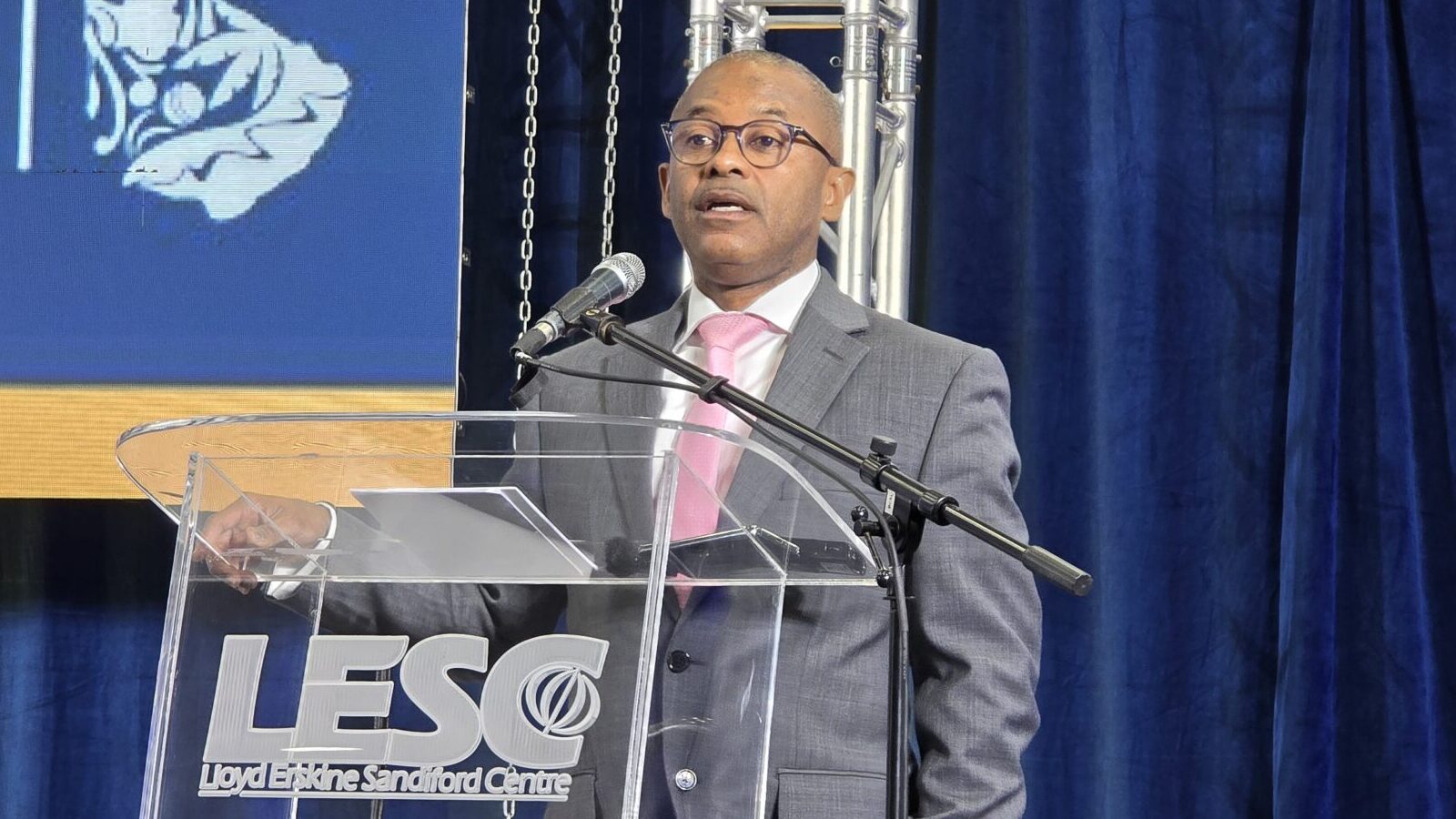
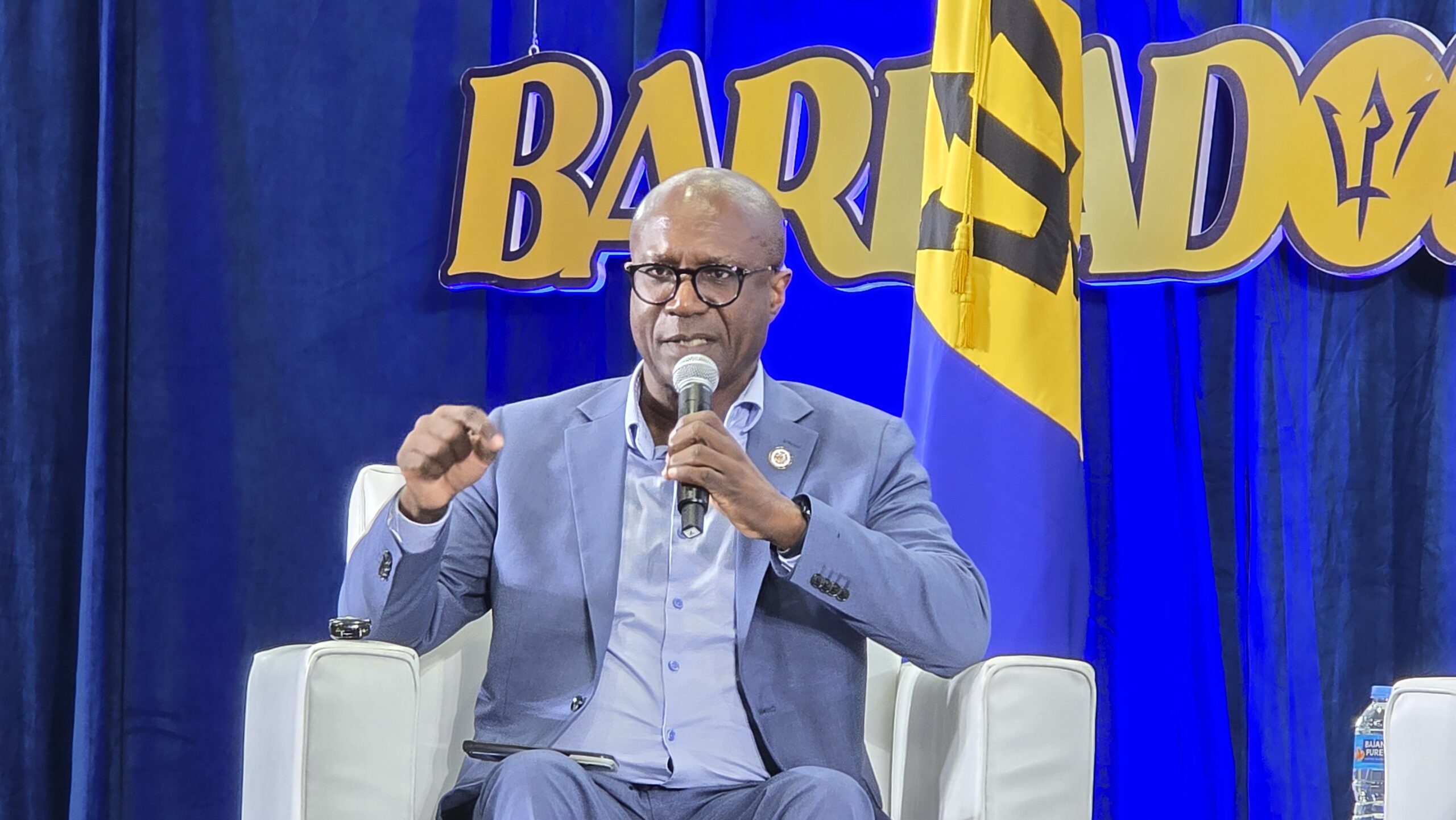
Barbados is witnessing an unprecedented surge in its tourism sector, with over 1,600 new hotel rooms slated for completion by 2029 and earnings already skyrocketing. The island nation is aggressively enhancing its global appeal through strategic investments and innovative marketing approaches. Minister of Tourism and International Transport, Ian Gooding-Edghill, highlighted the multifaceted improvements driving this growth, including enhanced air connectivity, upgraded airport facilities, and better ground services such as taxis and car rentals. Additionally, significant upgrades in hotels and restaurants are contributing to the sector’s robust performance. Gooding-Edghill emphasized the critical role of tourism in generating foreign exchange and creating employment opportunities, stating, ‘If that is not a signal of confidence in the tourism sector, then I ask you what is.’ The financial impact is already evident, with tourism earnings increasing by $418.7 million in 2024 compared to the previous year, totaling $2.7326 billion. Looking ahead, further growth is anticipated in 2025. The minister also stressed the importance of revitalizing existing properties and tourism-related activities to maintain Barbados’ strong international brand. He called for continuous reinvestment in various tourism-led activities, from hotels to local attractions and restaurants, to ensure the island remains a top-tier destination. Andrea Franklin, CEO of the Barbados Tourism Marketing Inc. (BTMI), urged hoteliers and restaurateurs to forge deeper partnerships with local businesses, such as farmers and fisherfolk, to incorporate more local produce into their offerings. Franklin also advocated for enhanced collaboration across all source markets to sustain growth. Furthermore, Gooding-Edghill underscored the need for modernized marketing strategies leveraging artificial intelligence to boost global brand recognition. He acknowledged that while Barbados has a strong brand, there is significant room for improvement in global recognition, which will be a key focus for the BTMI moving forward.
-
Port fast-tracks repairs, upgrades before peak season
Barbados Port Inc., the state-owned operator of Bridgetown Port, is intensifying efforts to complete essential repair and infrastructure projects in preparation for the upcoming cruise season. Key initiatives include breakwater repairs, new fuel pipelines, and enhanced ship-to-shore communication systems, all aimed at ensuring optimal customer satisfaction and operational efficiency. Managing Director and CEO David Jean-Marie revealed that several projects are nearing completion, with high-bandwidth communication systems expected to be operational by next week. The breakwater, damaged by Hurricane Beryl in July 2023, is slated for repair by February, a critical step to accommodate the influx of cruise ships already booked for the year. Additionally, a $24 million joint venture with Sol and the Barbados National Energy Company Limited (BNECL) has successfully replaced aging fuel pipelines, ensuring reliable bunkering services for vessels. The port has also commissioned a modern incinerator to comply with International Maritime Organisation (IMO) and MARPOL standards, alongside piloting a waste recycling project with a major cruise line. Further upgrades include electronic documentation for emissions and sewage records, a priority berthing policy to manage cargo and cruise conflicts, and the development of Berth Six to streamline cargo operations. Jean-Marie emphasized plans to expand port facilities and separate cruise and cargo operations, aiming to accommodate larger vessels and reduce operational bottlenecks. Training programs for taxi operators, customs, and immigration officers are also underway to enhance service quality and support the port’s growth.
-

Palestinian party predicts another people’s uprising in the West Bank
A leftist organization has issued a stark warning, declaring that a third intifada (uprising) is closer than ever, fueled by escalating violence and systemic oppression in the West Bank. The group pointed to the recent killings of two Palestinian youths, aged 16 and 18, in Kafr Aqab, a town north of occupied East Jerusalem, as emblematic of the ongoing atrocities. The Popular Front for the Liberation of Palestine (PFLP) condemned Israel’s alleged disregard for Palestinian lives and denounced the systematic aggression by Jewish settlers. The PFLP asserted that such actions would ignite widespread unrest, describing the situation as a ‘spark that will burn away the illusions of calm.’ They warned that the accumulated anger of Palestinians would erupt ‘like lava in the face of the occupation.’ The group characterized Israel as a ‘monstrous entity’ led by a ‘criminal system’ that combines megalomania with a ‘sadistic enjoyment of blood.’ They further accused the Israeli regime of embodying a ‘deeply rooted racist and fascist ideology,’ manifested through acts of burning, destruction, and attacks against civilians. The PFLP vowed that Palestinians would neither remain passive nor submit to what they termed ‘organized terrorism’ by Israel, emphasizing their resolve to resist oppression.