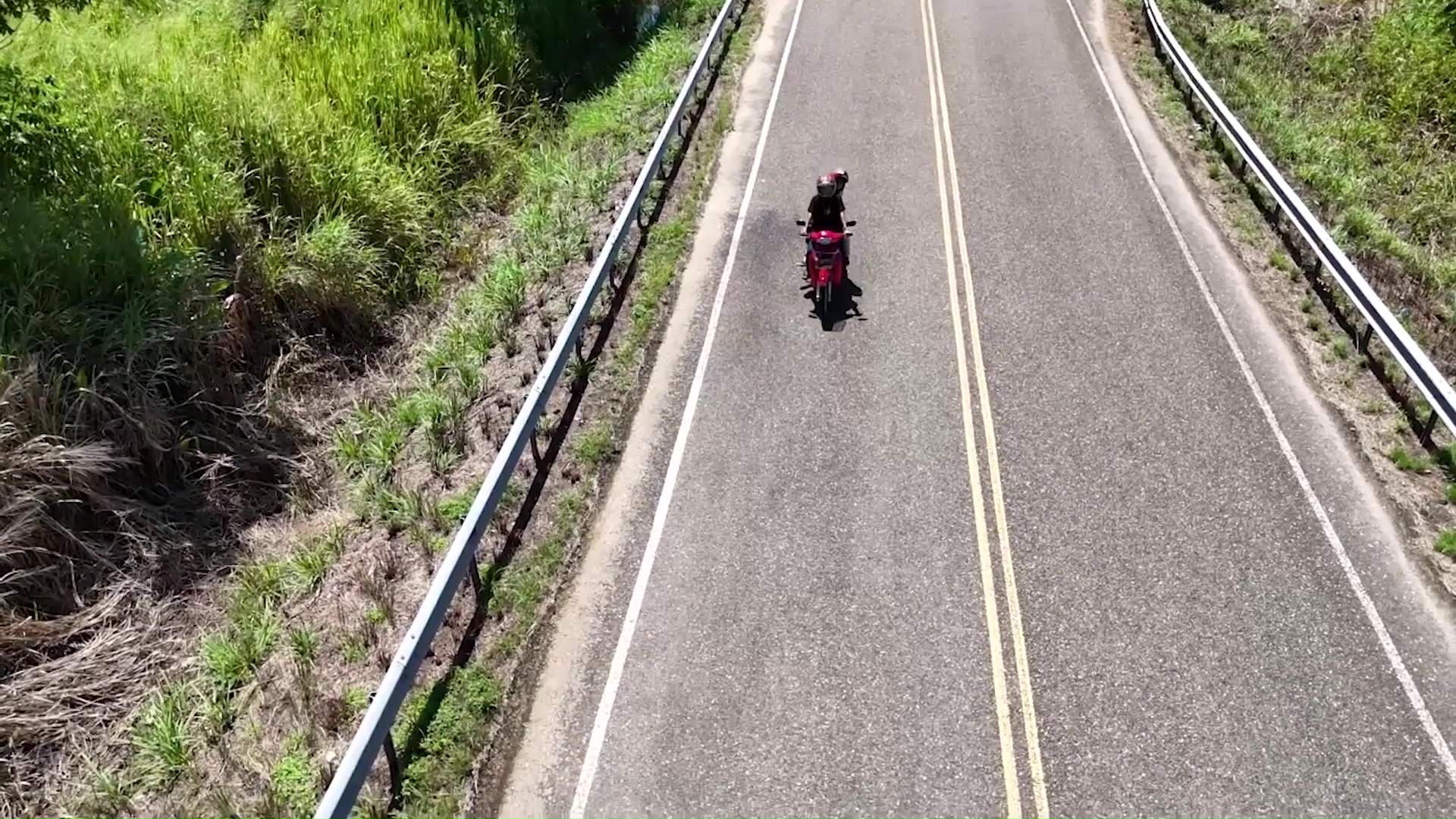
In a bold move to enhance road safety, Belize’s Ministry of Transport has unveiled a sweeping reform targeting motorcycle riders. Effective January 1, 2026, all motorcycle license holders will be required to complete a mandatory two-week training course, costing up to $300. Transport Minister Dr. Louis Zabaneh announced the initiative as part of a broader national safety strategy, emphasizing its potential to modernize road safety and reduce fatalities. However, the proposal has sparked significant friction with municipal governments, who argue that it undermines their long-standing authority to issue motorcycle licenses. Dr. Zabaneh stated, ‘All motorcycle license holders must complete a two-week course to become certified. We’re offering a two-year transition period for current and new applicants to comply.’ The ministry’s CEO, Chester Williams, has been actively engaging with motorcycle clubs to communicate the changes. Municipal councils, traditionally responsible for licensing, express concerns over their diminished role in enforcement and potential revenue loss. With the mandate set to take effect in January, numerous questions remain unresolved, leaving stakeholders in a state of uncertainty.
博客
-

Twenty Years of Elite Maritime Security
The Belize Coast Guard is marking a significant milestone this week as it celebrates its 20th anniversary. What began in 2005 as a small team with a grand vision has evolved into a world-class maritime security force. To commemorate this achievement, a special symposium was held, bringing together founding members, senior officers, and international partners. The event not only reflected on two decades of dedicated service but also charted the course for the future of maritime security in Belize. Francis Usher, CEO of the Ministry of Defense, highlighted the remarkable progress of the Coast Guard, attributing its success to consistent government investment, collaboration with various ministries and NGOs, and unwavering support from regional and international allies. Usher also shared a firsthand account of the Coast Guard’s heroic efforts, recounting how they recently saved the lives of four civilians whose vessel was in distress. This story underscored the critical role the Coast Guard plays in safeguarding Belize’s waters and its people. The symposium served as a testament to the organization’s growth and its ongoing commitment to protecting the nation’s maritime interests.
-
Belize Coast Guard Deals Major Blow to Cartels
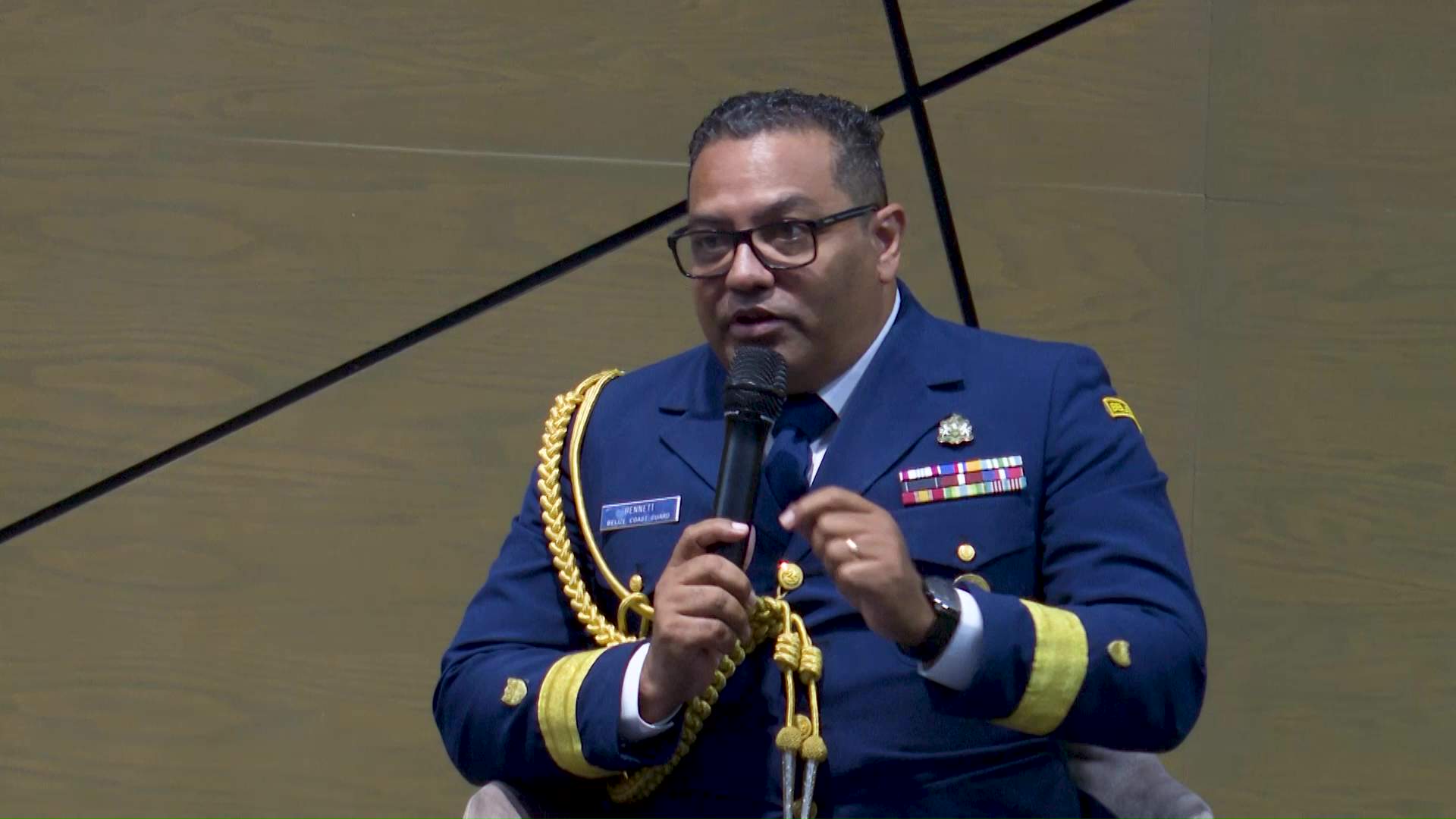
The Belize Coast Guard has delivered a significant blow to drug cartels operating along the nation’s coastline, which serves as a critical corridor for the billion-dollar cocaine trade. Rear Admiral Elton Bennett, Commander of the Coast Guard, revealed that their strategic efforts have slashed drug shipments by an impressive seventy-five percent. This achievement marks a major milestone in the country’s fight against organized crime.
-
FLASH : U.S. revokes the visa of Advisor Fritz Alphonse Jean (video)
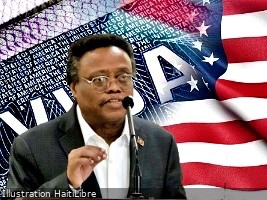
In a significant diplomatic move, the United States government revoked the visa of Fritz Alphonse Jean, a prominent member of Haiti’s Presidential Transitional Council, on November 24, 2025. The decision, which also extended to his family members, was based on allegations that Jean supported criminal gangs and obstructed Haiti’s efforts to combat terrorism. However, Jean vehemently denied these accusations during a press conference held at the Villa d’Accueil on November 25. He asserted that the visa revocation was politically motivated, linked to his role in advocating for a change in Haiti’s leadership. Jean revealed that members of the Transitional Council had received threats of visa cancellations and other sanctions from U.S. and Canadian diplomats if they pursued the replacement of Prime Minister Alix Didier Fils-Aimé. He provided WhatsApp messages exchanged with the Canadian Ambassador and U.S. Chargé d’Affaires Henry Wooster as evidence of these threats. Jean vowed that international sanctions would not deter him from his political mission and questioned the foreign support for Prime Minister Fils-Aimé.
-

Dominican Republic to host Chemex Grulac 2026 for the first time
The Dominican Republic has been chosen as the host nation for Chemex Grulac 2026, a multinational exercise organized by the Organization for the Prohibition of Chemical Weapons (OPCW). This significant event aims to enhance the operational, institutional, and technical capabilities of States Parties in Latin America and the Caribbean to effectively respond to chemical incidents or attacks. The selection underscores the Dominican Republic’s growing role in regional cooperation and chemical safety preparedness.
During the OPCW Conference of States Parties held in The Hague, Dominican Ambassador Carlos de la Mota emphasized the strategic importance of this designation for the country’s international standing. He attributed the successful bid to the concerted diplomatic efforts of the Ministry of Foreign Affairs, the Dominican Embassy in the Netherlands, the Directorate of Security and Defense, and the Ministry of Defense. Ambassador de la Mota also acknowledged the invaluable support from Canada, Spain, and the European Union in securing this opportunity.
To ensure the successful execution of Chemex Grulac 2026, the Ministry of Foreign Affairs will work in close collaboration with the Ministry of Defense. These efforts will be bolstered by the involvement of specialized national and regional agencies, which will oversee the technical, logistical, and operational aspects of the exercise. This initiative highlights the Dominican Republic’s commitment to advancing chemical emergency preparedness and fostering regional collaboration in addressing chemical threats.
-

FLASH : The US transfers 2 Bell UH-1N helicopters to the GSF
The United States has officially transferred two Bell UH-1N medium military helicopters, commonly known as ‘Twin Huey,’ to the Salvadoran contingent operating in Haiti under the Gang Suppression Force (GSF). The U.S. Embassy in El Salvador confirmed the handover, stating that the helicopters will be utilized for medical evacuation and security support missions in Haiti. This move underscores the ongoing collaboration between the U.S. and El Salvador in addressing security challenges in the region. To ensure the effective operation of the aircraft, the U.S. has trained 10 Salvadoran pilots and four maintenance technicians. The transfer agreement was formalized by Naomi Fellows, the Chargé d’Affaires of the U.S. Embassy, and Francis Merino Monroy, El Salvador’s Minister of National Defence. The Bell UH-1N, a twin-engine helicopter derived from the civilian Bell 212, has a storied history. Initially designed for the Canadian Armed Forces, it has been widely used by the U.S. for search and rescue missions. With a range of 460 km, a maximum speed of 220 km/h, and a payload capacity of approximately 2,000 kg, the Twin Huey remains a versatile asset despite being succeeded by more advanced models like the UH-1Y Venom.
-
Dominican Army reviews security operations at key border checkpoints
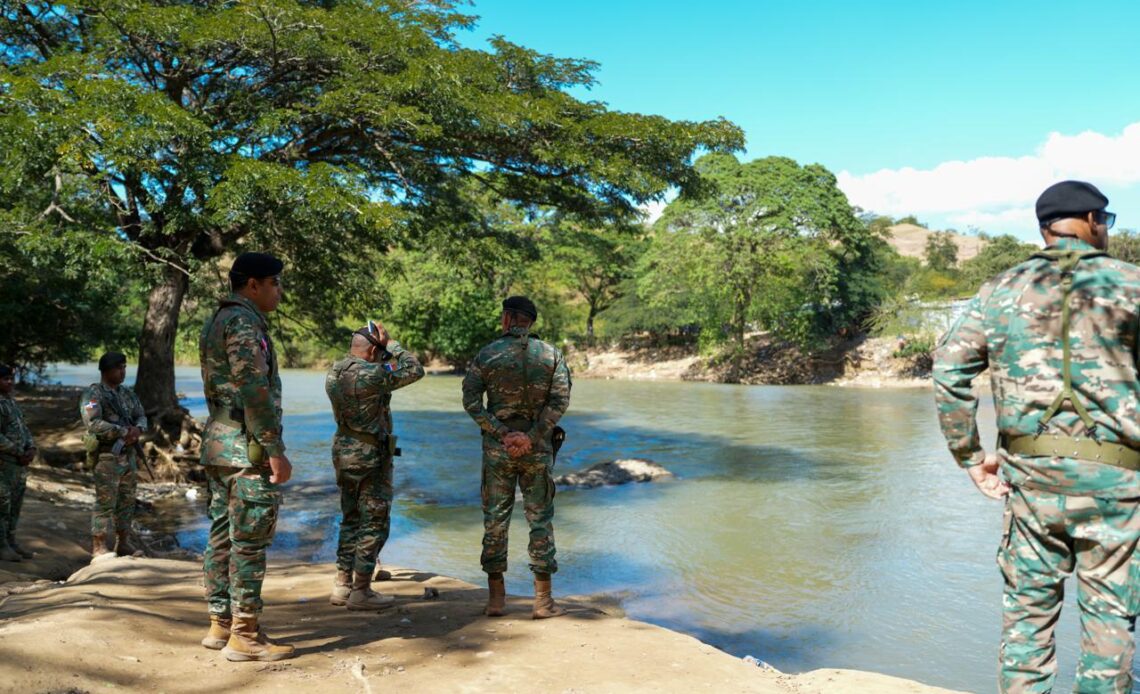
On Tuesday, General Jorge Iván Camino Pérez, the commanding officer of the Dominican Army, embarked on an extensive inspection tour of critical border areas in the provinces of Independencia and Elías Piña. The tour extended along the International Highway, which borders Haiti, underscoring the strategic importance of these regions. The visit began at the Tierra Virgen detachment, situated at an elevation of approximately 3,000 feet in the Sierra de Neiba’s Bucan Base area. Here, General Camino Pérez assessed the ongoing construction of new facilities and a heliport designated for the 14th Infantry Battalion in Jimaní. The inspection continued through several key posts, including Macasías in Comendador, Las Dos Bocas—where the Macasías and Artibonito rivers converge—Guaroa, Guayabal, Hato Viejo, Paso de Nonón, Paso de Javier, and the Bánica detachment. The general then proceeded along the International Highway, starting from Pedro Santana, and inspected multiple posts such as La Cadena, Los Cacaos, El Corte, Sombrero, Palmita, Guayajayuco, Los Algodones, and Villa Anacaona, concluding at the Kilometer 2 post. The day concluded with visits to the 17th Company in Restauración, the Km. 14 post, the Loma de Cabrera inspectorate, and the Beller Fortress in Dajabón, the headquarters of the 10th Infantry Battalion. This thorough inspection highlights the Dominican Army’s commitment to maintaining security and infrastructure along its border with Haiti.
-

The irrevocable oath of the new generations
As Cuba approaches the 100th anniversary of Fidel Castro’s birth, the nation has reaffirmed its commitment to preserving his revolutionary legacy. The commemorative event, held at the historic University of Havana, was attended by prominent political figures, including President Miguel Díaz-Canel Bermúdez and members of the Communist Party’s Central Committee. Meyvis Estévez Echevarría, a key leader in the Union of Young Communists, delivered a poignant speech, emphasizing Fidel’s enduring influence on Cuban society and the global socialist movement. She highlighted how Fidel’s revolutionary ideals, rooted in the teachings of José Martí, continue to inspire the younger generation. The event also featured the slogan ‘One Hundred Years with Fidel,’ symbolizing the deep emotional and ideological connection the Cuban people maintain with their former leader. The gathering served as a reminder of Fidel’s warning about the fragility of the Revolution and the collective responsibility to safeguard it. The evening concluded with a solemn oath to ensure that Fidel’s legacy remains alive, particularly as the nation faces ongoing economic and political challenges.
-

A20: Suriname staat klaar voor een nieuw Jubeljaar
On November 25, 1975, Suriname boldly chose its own path, marking the beginning of a journey towards independence. Development aid served as a starting point, not a permanent crutch. Now, fifty years later, the nation stands at a pivotal crossroads. Its future is no longer dictated by donors but by its own strength, resources, and commitment to forging a sustainable economic path. This year not only commemorates a historic milestone but also what Steven Reyme, party chairman and representative, aptly termed ‘Suriname’s Jubilee Year’—a time for reflection, recovery, and renewal, echoing the biblical Jubilee’s themes of freedom, forgiveness, and rectifying inequality. This symbolism aligns seamlessly with the narrative of Suriname’s fifty years of independence.
Suriname’s journey has been marked by growth and setbacks, hopeful moments and challenging periods. Through it all, its leaders—despite their imperfections—have consistently passed the baton to the next generation, a legacy worth honoring on this historic day. Like the biblical Jubilee, Suriname has experienced times of recovery, course correction, and renewal. Fifty years of independence demand the same introspection: What do we restore? What do we leave behind? Where do we begin anew? And what does our future hold?
Today, Suriname stands on the brink of a transformative era:
– Developing its own energy sources to create economic opportunities.
– Diversifying its economy to reduce vulnerability.
– Building better governance, transparency, and credibility.
– Addressing the rightful demands of its youth for genuine opportunities and prospects.The Jubilee Year calls for justice:
– No child left without education.
– No district without basic services.
– No citizen left marginalized.Suriname’s natural wealth becomes truly valuable when wisely invested in education, infrastructure, healthcare, technology, sports, and local economies. Looking ahead, Suriname envisions a future where:
– Highly educated Surinamese earn global respect.
– Sports fields, cultural centers, and talent programs nurture youth in every district.
– Diversification in agriculture, tourism, technology, industry, and energy becomes a reality.
– Every Surinamese has access to safe and affordable housing.
– The diaspora actively contributes to national progress.
– Unity prevails over division: We are Surinamese. Period.In the spirit of the Jubilee, a new beginning means breaking old patterns, restoring trust, creating stability, and addressing inequality. This is not an unfounded dream but an achievable choice.
On this fiftieth Independence Day, A20 calls on the nation to embrace action and progress. This Jubilee Year is an opportunity to free Suriname from outdated habits and focus on justice, integrity, and sustainable development. The next fifty years belong to us. Let us fill them with policy, discipline, dreams, and deeds. It can be different. It must be different. Tra fas dé!
-

“Nobody Not Saying Nothing”: Family Claims No Updates in Delecia Flowers’ Murder
A month after the tragic murder of 35-year-old Delecia Flowers in her Belize City home, her family remains in anguish, grappling with the emotional and psychological toll of her untimely death. Flowers was fatally attacked during a home invasion in late October, which also left her teenage daughter hospitalized with severe head injuries. Her brother, Delroy Moody, expressed the family’s ongoing struggles in an interview with News Five, stating, ‘We are still going through a lot of little tribulations right now.’ Moody revealed that the family has received minimal updates from authorities regarding the investigation, leaving them in the dark. ‘Nobody is saying anything. My mom hasn’t even called or talked to me about it,’ he lamented. Flowers, one of ten siblings, is the second in the family to have passed away. As the 16 Days of Activism against gender-based violence begins, Moody reflected on the broader societal issue, emphasizing the role of substance abuse in fueling violence. ‘Drugs and alcohol play a big role in it,’ he noted, sharing his personal commitment to non-violence in his own marriage. The family’s plea for justice underscores the urgent need for accountability and support in addressing violent crimes in Belize.