
The highly anticipated Book Fair, a key event of the Ah Head Mek Book – National Authors’ Week, has been postponed indefinitely, as announced in an official update this morning. Originally slated to take place at the National Public Library, the fair’s delay stems from unforeseen circumstances. Organizers have assured the public that a new date will be communicated once logistical arrangements are finalized. Despite this setback, the initiative remains committed to supporting aspiring authors. Today, facilitator Peetron Thomas will be available at the Public Library to assist individuals interested in KDP writing, self-publishing, and book development. This opportunity is particularly valuable for those who missed the workshops held earlier in the week. Meanwhile, tomorrow’s featured event, ‘AI Book Evolution,’ will proceed as planned. The session will be hosted virtually via Google Hangouts, with access details provided to participants who contact (268) 775-1595. National Authors’ Week continues to unfold, with further updates expected as activities progress.
博客
-
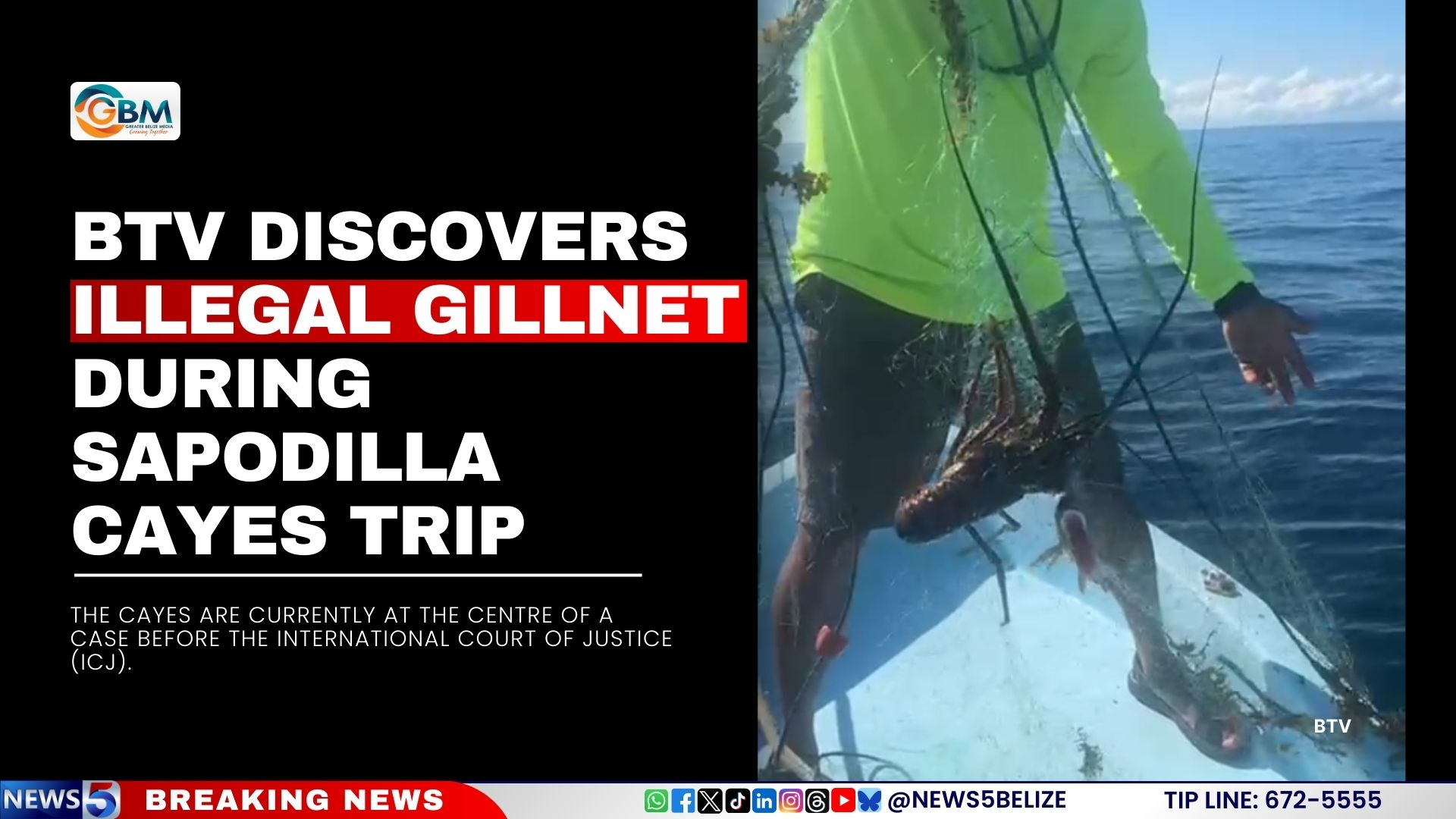
BTV Discovers Illegal Gillnet During Sapodilla Cayes Trip
On November 26, 2025, the Belize Territorial Volunteers (BTV) set out on a mission to the Sapodilla Cayes, a region of significant national importance currently under scrutiny at the International Court of Justice (ICJ). The group’s objective was to educate Belizeans about the ecological and cultural value of these cayes. However, their journey took an unexpected turn when they stumbled upon an illegal Guatemalan gillnet in Belizean waters. The discovery was prompted by a suspicious bottle floating in the area, which led the team to the nearly 400-foot-long net. The BTV promptly retrieved and destroyed the gillnet, which was located approximately four miles west of Hunting Caye, an area that includes a Belize Coast Guard base and a ranger station. Unconfirmed reports suggest that enforcement patrols in the region may have been reduced to avoid escalating tensions with Guatemalan fishers, especially as ICJ hearings are ongoing this week. This incident highlights the ongoing challenges in protecting Belize’s maritime boundaries and resources.
-

Why crowd sizes still matter in politics
As Saint Lucia’s election campaign gains momentum, the debate over the significance of crowd sizes in determining electoral success has intensified. Political analysts and candidates alike are divided on whether large rallies translate into votes, with some dismissing them as irrelevant while others see them as a crucial indicator of popularity. This discourse highlights the complex interplay between perception and reality in electoral politics. On one side, politicians boast about their ability to draw massive crowds, while opponents argue that such gatherings do not guarantee victory. Meanwhile, many voters remain indifferent, believing that elections are decided at the ballot box, not at rallies. However, the truth lies somewhere in between. Crowd size does matter, but its impact depends on how it is interpreted within the broader context of a campaign. Elections are not just about votes; they are also about mobilizing support, generating enthusiasm, and shaping public perception. In Caribbean politics, where energy and excitement are vital, large crowds serve as a visible manifestation of a candidate’s ability to connect with voters. They create a sense of momentum and legitimacy, influencing both participants and observers. Behavioural science explains this phenomenon, noting that people are drawn to groups they perceive as successful. The ‘bandwagon effect’ plays a significant role, as individuals often align themselves with what appears to be the popular choice. Crowds also provide emotional validation and social cohesion for supporters, boosting campaign morale. However, relying solely on crowd size can be misleading, as history has shown that even massive rallies do not always translate into electoral victories. Ultimately, while crowd size shapes perception, it is the ballot box that determines the outcome. The challenge for politicians is to strike a balance between generating visible support and addressing the substantive issues that truly matter to voters.
-
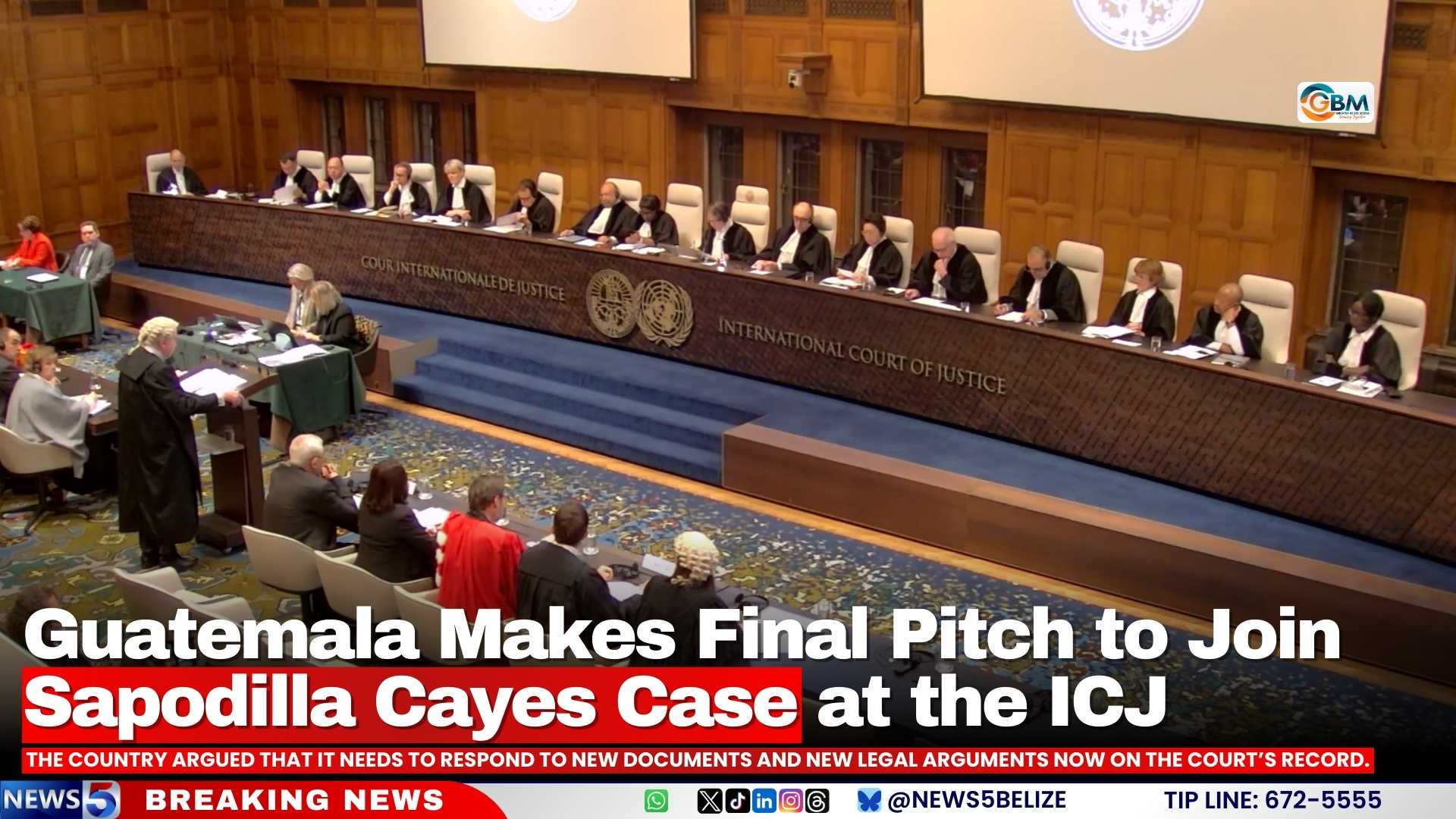
Guatemala Makes Final Pitch to Join Sapodilla Cayes Case at the ICJ
Guatemala has made a final appeal to the International Court of Justice (ICJ) to intervene in the ongoing sovereignty dispute between Belize and Honduras over the Sapodilla Cayes. The Central American nation argues that its long-standing territorial claim could be significantly impacted by the Court’s eventual ruling. The request was presented during a morning session at the Peace Palace in The Hague, presided over by ICJ President Judge Iwasawa. This marks Guatemala’s second round of oral arguments under Article 62 of the ICJ Statute. Representing Guatemala, Sir Michael Wood emphasized that the country’s legal interests are at stake, as a ruling favoring either Belize or Honduras could prejudice Guatemala’s claim. Wood dismissed Honduras’s objections as lacking legal reasoning and being repetitive, asserting that the case is a clear example of when Article 62 applies. Guatemala clarified that it is not seeking to introduce a new dispute with Honduras or reopen its existing case with Belize but aims to protect its legal claim over the cays. Honduras had previously argued that Guatemala’s intervention is unnecessary, given the ongoing Belize-Guatemala case. However, Wood countered that this is irrelevant, as the focus should be on whether Article 62’s conditions are met. Guatemala also refuted Honduras’s reliance on Article 59, which prevents ICJ rulings from binding third states, stating that a judgment can still affect a state’s legal interests without being binding. The country highlighted that the Belize-Honduras case introduces a new dimension to the territorial dispute, necessitating its intervention to address new legal arguments and documents. Guatemala’s Agent, Ambassador Ana Cristina Rodríguez Pineda, concluded by stressing that intervention would not only safeguard Guatemala’s interests but also assist the Court in reaching a more informed decision. The Court will continue hearings with Belize and Honduras presenting their arguments on Guatemala’s request.
-

Thursday, Friday and beyond: Why SVG must quantum leap now
St. Vincent and the Grenadines (SVG) stands at a pivotal moment in its history, poised to break free from decades of political stagnation and economic mismanagement. After nearly 25 years under a government marred by corruption and self-enrichment, the nation is awakening to the possibility of a brighter future. The Vincentian people, particularly the critical thinkers and long-silent masses, are now asking: What kind of nation do we want to become? The answer may lie in the example set by Taiwan, a small nation that transformed itself into a global powerhouse through inclusive institutions, transparent governance, and technological innovation. SVG, rich in natural resources and a resilient agrarian culture, has the potential to emulate Taiwan’s success. By adopting integrity legislation, fostering meritocracy, and investing in education and technology, SVG could become the agricultural innovation hub of the Caribbean within 5 to 10 years. The upcoming election on November 28, 2025, represents a critical juncture for the nation. It is not merely about changing leadership but about ushering in an era of governance that prioritizes national interest over partisan survival. SVG’s transformation must also include a cultural renaissance, recognizing the contributions of its artists, farmers, and diaspora, and addressing the long-overdue recognition of its national heroes, particularly women. By thinking in decades rather than election cycles, SVG can craft a long-term vision for its future, ensuring that it becomes a model of success for small nations worldwide. The choice before SVG is clear: to rise from the ashes of mismanagement and claim a future defined by discipline, integrity, and progress.
-

Dominica to commission geothermal power plant in December
The Caribbean nation of Dominica is poised to make a significant leap in renewable energy with the commissioning of its first geothermal power plant this December. This landmark project, developed in collaboration with international partners, aims to harness the island’s abundant geothermal resources to provide a sustainable and reliable energy source. The plant is expected to generate up to 10 megawatts of electricity, significantly reducing the country’s reliance on imported fossil fuels and cutting carbon emissions. Prime Minister Roosevelt Skerrit hailed the initiative as a transformative step toward energy independence and climate resilience. The project also aligns with Dominica’s broader vision of becoming the world’s first climate-resilient nation, as outlined in its Climate Resilience and Recovery Plan. Experts predict that the geothermal plant will not only bolster the local economy but also serve as a model for other small island states seeking to transition to renewable energy.
-
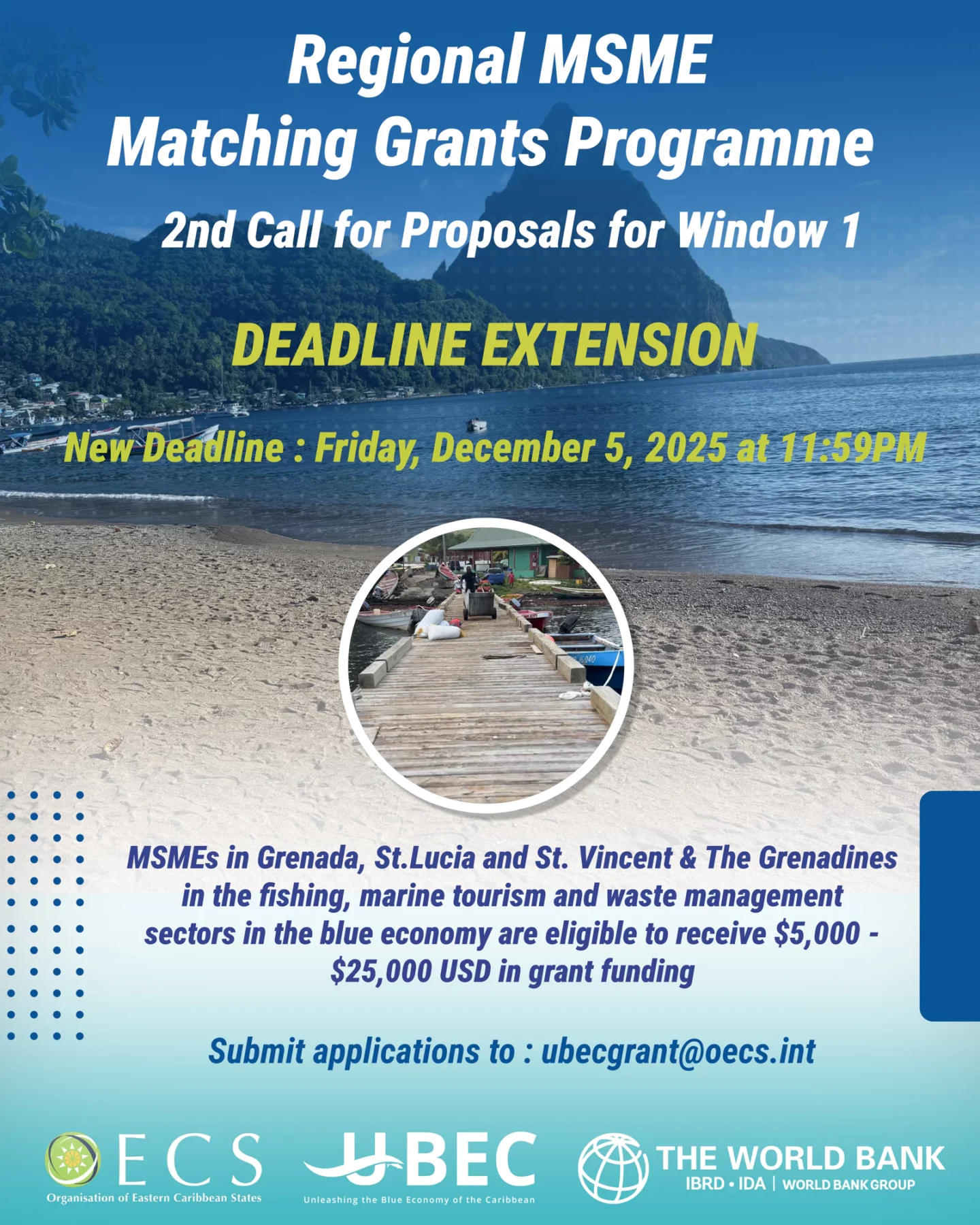
Extended deadline for Window 1 – Regional MSME Matching Grants Programme
The Organisation of Eastern Caribbean States (OECS) Commission has announced an extension to the Second Call for Proposals under the Regional MSME Matching Grants Programme, part of the Unleashing the Blue Economy of the Caribbean (UBEC) Project. Originally set to close on November 21, 2025, the new deadline is December 5, 2025, at 11:59 pm. This extension provides Micro, Small, and Medium Enterprises (MSMEs) in Grenada, St Lucia, and St Vincent and the Grenadines with additional time to apply for grants aimed at fostering growth in the Fisheries, Marine Tourism, and Waste Management sectors. The programme offers funding ranging from US$5,000 to $25,000 to support equipment upgrades, production improvements, sustainability, market expansion, and capacity building. Training sessions are already underway in Grenada and St Vincent and the Grenadines, while St Lucia has completed its series, with participants reporting enhanced skills and readiness. MSMEs are urged to seize this final opportunity to transform their businesses and contribute to the region’s Blue Economy. Applications can be submitted via email to [email protected], with detailed instructions available in an accompanying video and on the programme’s official website.
-

Priest roused from sleep and robbed in T&T
In the wake of a recent robbery at St. Benedict’s Roman Catholic Church in La Romaine, Trinidad, a local priest has pointed to the erosion of familial values as a key driver behind the island’s escalating crime rates. The incident, which occurred in the early hours of November 24, saw five masked intruders target 69-year-old Father Derek Anton and a 22-year-old security guard. The assailants ransacked the church’s administration building, restrained Fr. Anton, and stole his cellphone, wallet, and a portion of the previous day’s collections before fleeing the scene. Law enforcement later discovered a breach in the property’s wire fence and recovered an envelope containing cash.
Fr. Jayson Grell, a resident priest in San Fernando, spoke to Trinidad and Tobago Newsday, linking the attack to broader societal issues. He emphasized the breakdown of family structures as a root cause of rising violence, including home invasions and kidnappings, not only in Trinidad and Tobago but across the Caribbean and globally. Grell called for a return to gospel principles and urged parents to take a more active role in raising their children. He also questioned the impact of technology on family life and critical thinking, advocating for collective societal introspection to rebuild moral values.
The Archdiocese of Port of Spain confirmed the incident and stated that an investigation is underway, led by PC Mahadeo of the San Fernando Police Station. No arrests have been made yet. This robbery is the latest in a series of crimes targeting clergy members in Trinidad and Tobago, underscoring the urgent need for societal reform.
-

PHARCS brings third Dementia-Friendly Gathering to community this week
In a continued effort to cultivate a more inclusive and supportive environment for individuals impacted by dementia, PHARCS, in partnership with community advocate Tina Alexander, is organizing its third Dementia-Friendly Gathering. Scheduled for Thursday, November 28, 2025, at the PHARCS Morne Daniel center, the event aims to provide a safe and engaging space for senior citizens, including those living with dementia. The gathering will feature a variety of activities designed to foster social interaction, physical engagement, and emotional well-being. Highlights include gentle physical exercises, craft projects, singing, familiar prayers, domino games, dancing, and a guest speaker. Attendees will also have the option to purchase a hot meal, with transportation available for an additional fee. Marie-Therese Junkerre, founder and CEO of PHARCS, emphasized the positive reception of previous events, stating, ‘These gatherings showcase the transformative power of creating spaces where seniors feel included, respected, and loved.’ PHARCS remains committed to advocating for a national dementia strategy and strengthening community partnerships to enhance the quality of life for Dominica’s elderly population. Community members, caregivers, and families of older individuals are encouraged to register early to secure their participation.
-
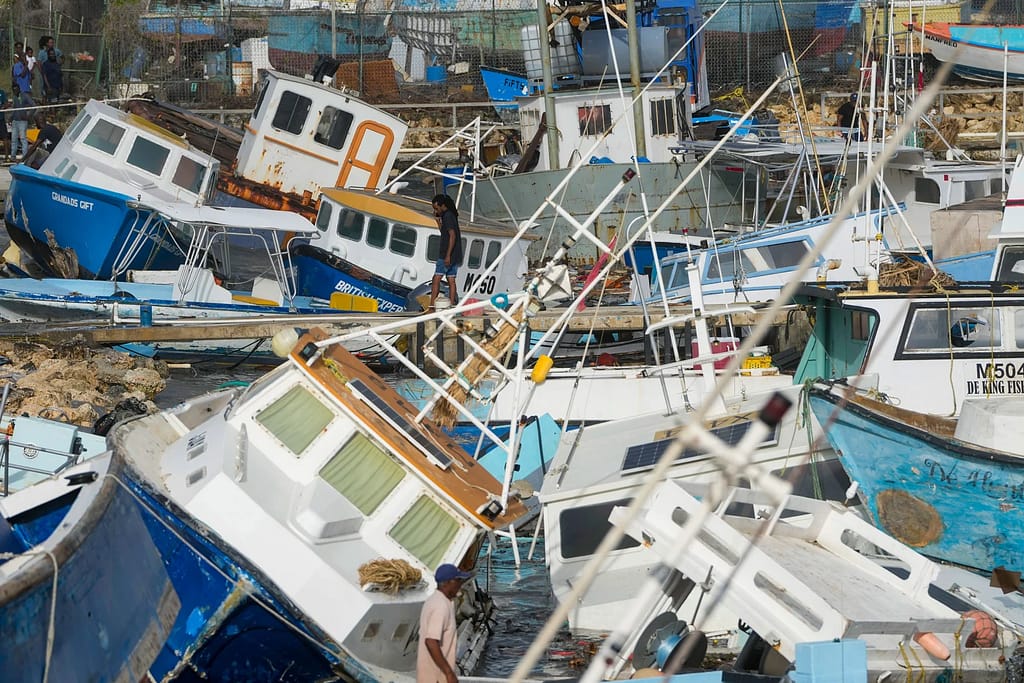
OPINION: Can Technology Really Help The Caribbean Recover Faster After Disasters?
In the Caribbean, where natural disasters are becoming increasingly severe and frequent, the gap between swift recovery and prolonged suffering often hinges on one critical factor: access to timely and accurate information. Who is affected? How extensive are the damages? Who requires immediate assistance? These questions underscore the urgent need for innovative solutions to transform chaos into coordinated action. The Caribbean Policy Development Centre (CPDC) highlights the potential of technology to address these challenges, but also emphasizes the importance of ensuring equitable access and integration with traditional support systems. Currently, only 21% of community organizations in the region maintain vulnerability data on their members, leaving many at-risk individuals—such as elderly farmers, young fishers, and market vendors—without targeted assistance during crises. Digital tools like shared databases, mobile apps, and SMS-based platforms can help local organizations identify risks and track needs in real time. For instance, cooperatives could use apps to pinpoint members most exposed to flooding, while credit unions could quickly verify eligibility for emergency payouts. However, the digital divide remains a significant barrier. Many women, rural families, and the elderly lack access to smart devices or stable internet, and post-disaster power outages can render digital tools temporarily useless. To bridge this gap, CPDC advocates for a ‘Smart Caribbean’ approach that blends digital tools with traditional methods, ensuring no one is left behind. Technology also plays a crucial role in strengthening Climate and Disaster Risk Finance and Insurance (CDRFI) at the meso level. Parametric insurance, for example, uses weather data triggers to automate payouts, while mobile money transfers and digital surveys enable informal workers to access financial support. Ultimately, recovery must begin before disaster strikes. By combining technology with trusted institutions, the Caribbean can shorten recovery times, target assistance more effectively, and build resilience for the future. CPDC’s research offers a roadmap for integrating technology and CDRFI to protect livelihoods and ensure faster, more equitable recovery.