博客

  • Diplomacy : Towards the opening of a Haitian Embassy in Ethiopia

    Diplomacy : Towards the opening of a Haitian Embassy in Ethiopia

    In a significant expansion of its global diplomatic footprint, Haiti is establishing its first embassy in Ethiopia, marking a strategic move to strengthen ties with the African continent. The Haitian Ministry of Foreign Affairs has deployed senior official Marie-Hélène Calvin to Addis Ababa to finalize preparations for the new diplomatic mission.

    During her visit, Calvin engaged in productive discussions with Ethiopian Minister of State for Foreign Affairs Berhanu Tsegaye. The Ethiopian official expressed enthusiasm for Haiti’s decision, characterizing it as a renewal of longstanding bilateral friendship. Tsegaye specifically requested Calvin to convey Ethiopia’s commitment to reinforcing diplomatic bonds to her Haitian counterparts.

    The Ethiopian government has pledged comprehensive support throughout the establishment process, facilitating meetings between Calvin and various Ethiopian authorities and prominent figures to accelerate the embassy’s opening.

    This diplomatic initiative gains additional significance from Addis Ababa’s unique position as a global diplomatic hub. The Ethiopian capital hosts numerous United Nations agencies and pan-African organizations, ranking as the world’s third-largest diplomatic capital after New York and Geneva. This strategic positioning offers Haiti enhanced access to multilateral forums and African continental affairs.

    The embassy establishment represents Haiti’s broader strategy to expand its diplomatic presence abroad, particularly across Africa where historical and cultural connections remain underexplored diplomatically. This move signals Haiti’s ambition to play a more active role in international affairs and African diaspora engagement.

  • ICJ Wraps Up Hearings on Sapodilla Cayes Dispute

    ICJ Wraps Up Hearings on Sapodilla Cayes Dispute

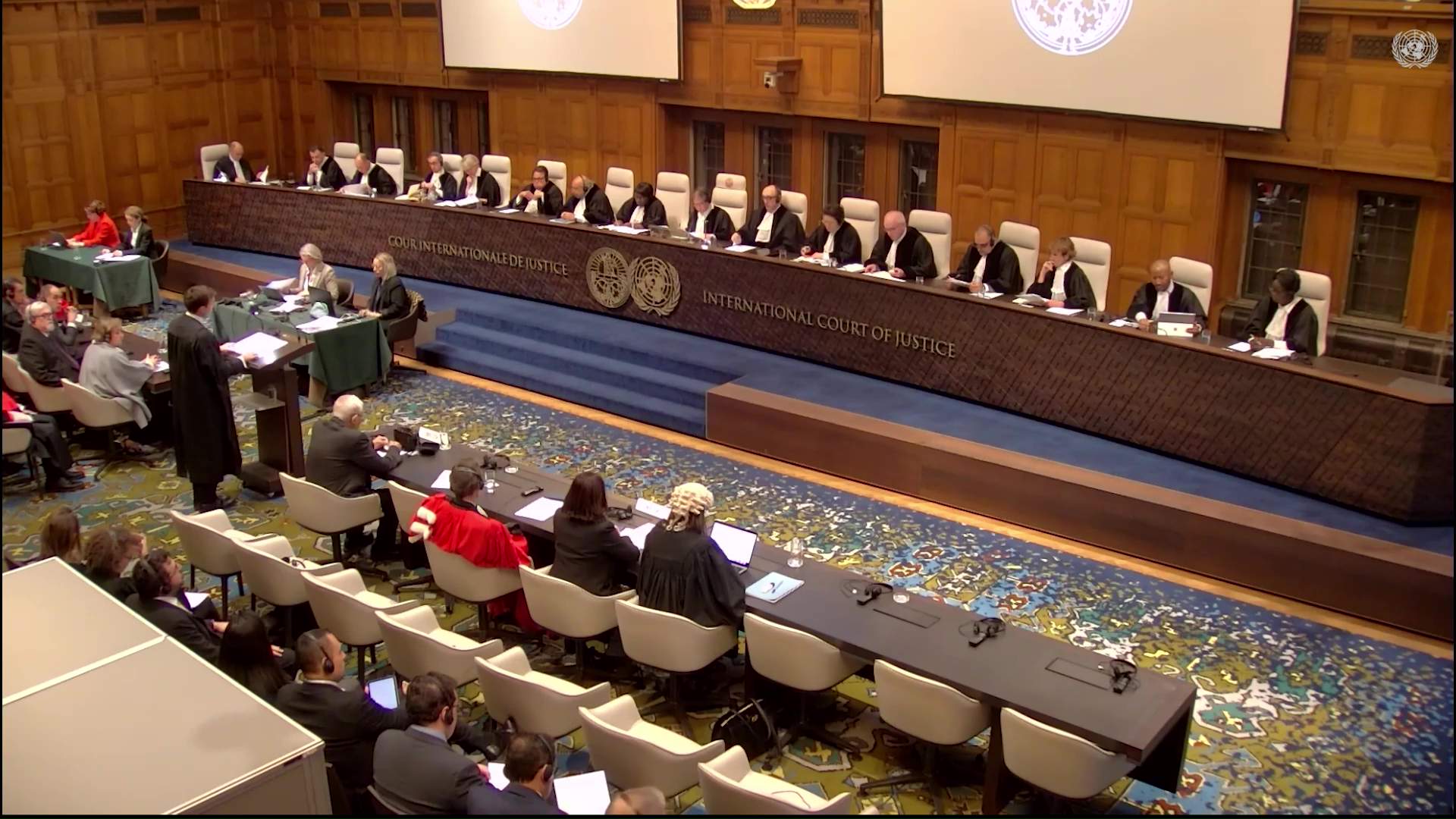
    The International Court of Justice (ICJ) has concluded a three-day public hearing on Guatemala’s request to intervene in the sovereignty dispute over the Sapodilla Cayes, a contested territory between Belize and Honduras. Guatemala invoked Article 62 of the ICJ Statute, asserting its strategic interest in the case. While Belize did not oppose the intervention, Honduras criticized the move as unnecessary and an abuse of the legal process, urging the court to reject Guatemala’s application outright. The ICJ will now deliberate on the matter, with a ruling on Guatemala’s participation expected in the coming months. During the hearings, Guatemala argued that the case exemplifies the purpose of Article 63, which allows third-party intervention in disputes involving shared territorial claims. However, Belize’s legal counsel, Ben Juratowitch, countered that the unique circumstances of the case do not justify Guatemala’s involvement. He referenced the Gulf of Fonseca case and the Eritrea/Yemen arbitral award to highlight the complexities of the dispute. The outcome of this case could set a significant precedent for international territorial disputes.

  • American Airlines Flight Makes Safe Emergency Landing at PGIA

    American Airlines Flight Makes Safe Emergency Landing at PGIA

    A routine flight turned into a moment of high tension at the Philip Goldson International Airport (PGIA) on November 26, 2025, when an American Airlines aircraft was forced to make an emergency landing. The incident occurred shortly after midday when the pilot reported an engine malfunction while the plane was en route to El Salvador. Emergency protocols were swiftly activated, with fire and rescue teams standing by as the aircraft approached the runway. Fortunately, the landing was executed flawlessly, with no injuries or fatalities reported. Passengers were calmly evacuated and escorted to the terminal, where they awaited further instructions regarding their travel plans. Authorities emphasized that the landing was primarily precautionary, and no additional issues arose post-landing. While American Airlines has yet to issue an official statement, detailed information regarding the cause of the engine problem is anticipated to be released shortly. The incident serves as a reminder of the critical importance of aviation safety protocols and the swift response of emergency teams in ensuring passenger safety.

  • Cruise Arrivals Lag as Belize Eyes New Port

    Cruise Arrivals Lag as Belize Eyes New Port

    Belize is grappling with underwhelming cruise arrivals, but tourism authorities remain optimistic about future prospects. Evan Tillett, the Director of Tourism, acknowledges that while current numbers are still low, they are showing improvement compared to 2024. A significant hurdle has been the absence of a mainland docking facility, which forces larger cruise ships to bypass Belize entirely. However, this issue is being addressed with a port development project currently underway. Additionally, the cruise industry is shifting toward smaller, high-value ships, which could further enhance Belize’s appeal. Tillett emphasized that these changes are expected to boost cruise tourism in the coming years. Meanwhile, the government is also cracking down on unregistered Airbnb properties to ensure fair contributions to tourism development. Tillett highlighted that increased revenue from these efforts will be reinvested in infrastructure, product development, and marketing, ultimately attracting more visitors to the destination.

  • Floating Boardwalk Proposal Aims to Revamp Belize City Waterfront

    Floating Boardwalk Proposal Aims to Revamp Belize City Waterfront

    Belize City is poised for a significant transformation along its waterfront, with a proposed floating boardwalk taking center stage. Tourism officials emphasize that this development aligns perfectly with their long-term vision to enhance the city’s appeal, particularly as cruise tourism continues to surge. Nicole Usher-Solano, CEO of the Ministry of Tourism, highlighted the importance of upgrading the city’s infrastructure to accommodate the growing number of visitors. ‘We must ensure Belize City is prepared for its guests,’ she stated, noting that improvements should extend beyond the Southern Foreshore to areas like Yarborough and the port vicinity. While the Belize Tourism Board (BTB) is no longer directly involved in the boardwalk discussions, it remains supportive of such initiatives, recognizing their potential to elevate Belize’s status as a premier tourist destination. Evan Tillett, Director of Tourism, echoed this sentiment, emphasizing that the project aligns with the National Sustainable Tourism Master Plan, which aims to bolster the city’s tourism sector. The floating boardwalk is seen as a positive step toward achieving this goal, offering new experiences for visitors and enhancing the city’s waterfront appeal.

  • Media and Tourism Industry Bridge the Gap

    Media and Tourism Industry Bridge the Gap

    In a significant move to address recent concerns, the Belize Tourism Board (B.T.B.) and the Belize Hotel Association have taken proactive steps to mend the perceived rift between the media and the tourism sector. At a recent meeting with journalists, key industry leaders emphasized the importance of transparency and collaboration, pledging to maintain open communication channels even when addressing challenging issues. Reynaldo Malik, President of the Belize Hotel Association, acknowledged the perception of a disconnect, stating, ‘Perception is nine-tenths of reality. If the media believes there is a separation, we must take it seriously and work to bridge that gap.’ Malik expressed optimism about the event, viewing it as a commitment to a full partnership with the media. Evan Tillett, Director of Tourism, echoed this sentiment, thanking the media for their candid conversation and emphasizing the necessity of mutual respect and accessibility. ‘We must work together and maintain transparency,’ Tillett remarked, highlighting the shared goal of fostering a thriving tourism industry in Belize. This initiative marks a pivotal moment in strengthening the relationship between the media and the tourism sector, ensuring a collaborative approach to future challenges and opportunities.

  • Gillnet and Longline Bust in Belize’s Southern Waters

    Gillnet and Longline Bust in Belize’s Southern Waters

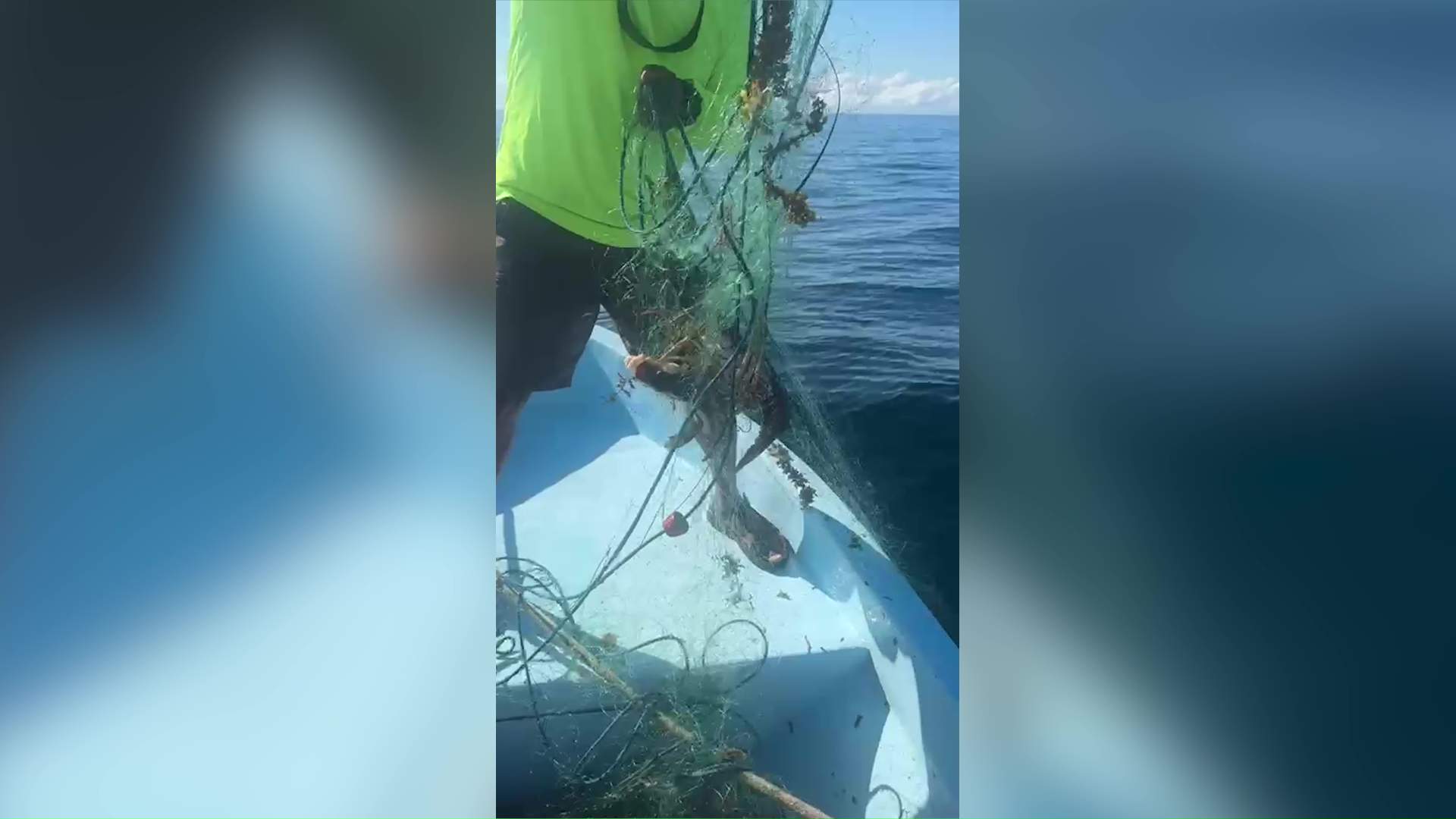
    In a significant victory for marine conservation, Belizean authorities and volunteers have intercepted and destroyed illegal fishing equipment in the country’s southern waters. On Tuesday morning, the Belize Territorial Volunteers discovered a massive Guatemalan gillnet, nearly 400 feet long, illegally placed within Belizean waters near the Sapodilla Cayes. The net, posing a severe threat to marine life, was promptly removed and destroyed. Simultaneously, over three miles of illegal longline gear were seized just five miles from Barranco. The Belize Coast Guard, led by Rear Admiral Elton Bennett, has attributed these successes to increased patrols and intelligence-driven operations along the southern maritime border. Bennett revealed that this year alone, over 45 feet of bill net and 4,000 to 5,000 feet of gillnet have been confiscated, marking a significant reduction in illegal fishing activities compared to the previous year. The Coast Guard has also detained several individuals from Guatemala and Honduras involved in these illegal operations. This latest bust underscores the ongoing challenges and the critical need for constant vigilance to protect Belize’s marine resources.

  • Belize Praised as Pioneer in Protected Areas Management

    Belize Praised as Pioneer in Protected Areas Management

    Belize has garnered international acclaim for its innovative approach to conservation, where government agencies and non-governmental organizations (NGOs) collaborate to protect critical ecosystems. This partnership has established a comprehensive network of protected areas spanning both land and sea, ensuring the preservation of biodiversity and access to clean water for local communities. As the International Court of Justice concludes hearings on Guatemala’s attempt to intervene in the Belize-Honduras dispute over the Sapodilla Cayes, Jose Perez, Executive Director of the Association of Protected Areas Management Organizations (APAMO), shared insights on the significance of these efforts and the future of Belize’s conservation initiatives. Perez emphasized the delicate balance between development and environmental preservation, stating, ‘We cannot halt development, but we must recognize the crucial role protected areas play, especially in the face of climate change.’ He highlighted the recent approval of a project operation grant by the Green Climate Fund, a milestone achieved after years of planning since 2019. This funding will support a five-year proposal aimed at assessing the vulnerability of protected areas and implementing strategies to mitigate climate change impacts. Belize, despite its small size, is globally recognized as a pioneer in conservation. Perez noted, ‘When you look at Google Maps, our neighbors often appear brown, while Belize remains green. We are committed to maintaining this distinction.’ APAMO continues to lead governance reforms and collaborative efforts to ensure the sustainability of Belize’s natural heritage for future generations.

  • Belize Fund and UB Renew Collaboration Commitments with MOU

    Belize Fund and UB Renew Collaboration Commitments with MOU

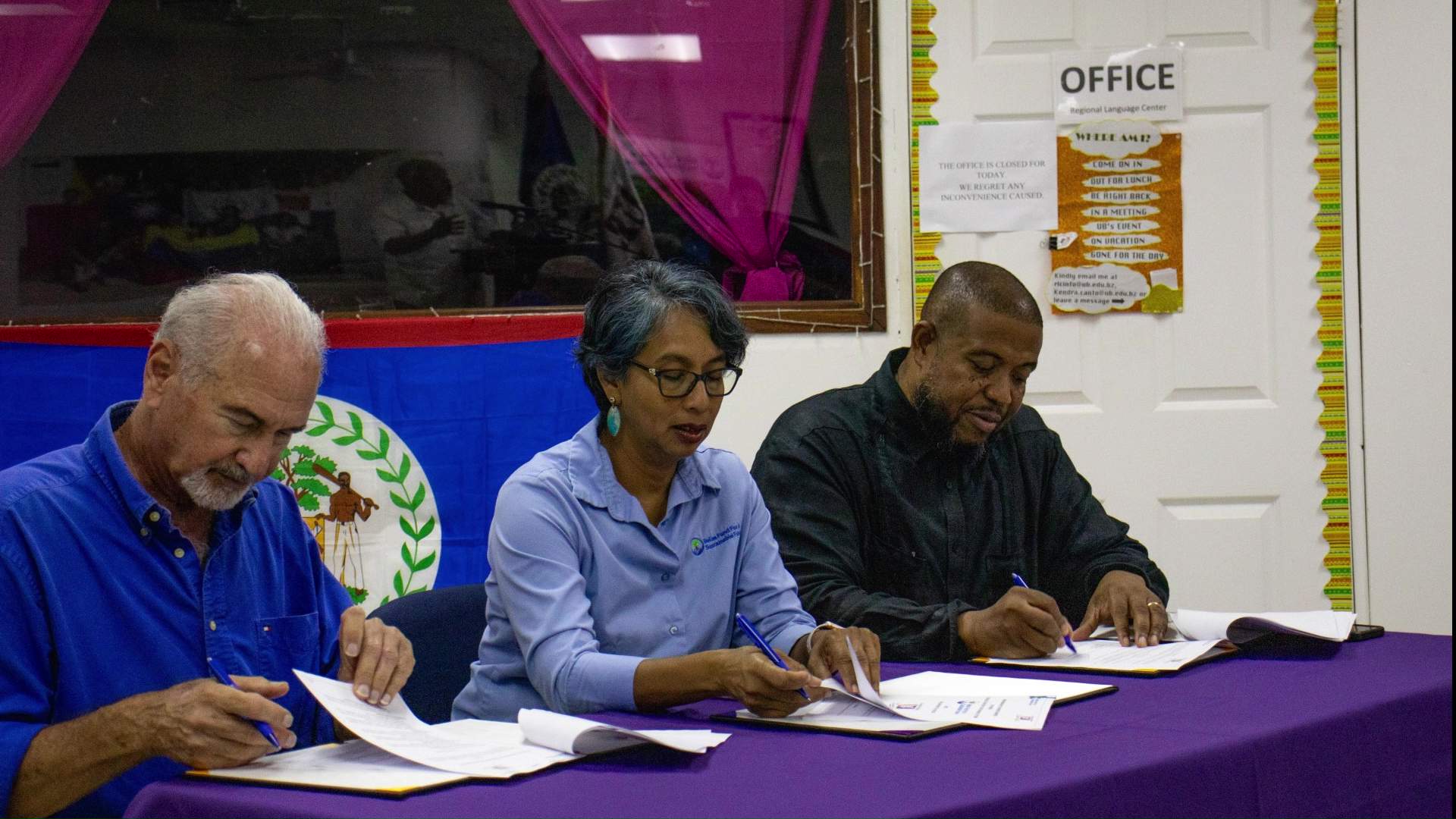
    On November 26, 2025, the University of Belize (UB) and the Belize Fund for a Sustainable Future (BFSF) solidified their partnership by signing a Memorandum of Understanding (MOU). This agreement aims to enhance collaboration in areas such as community capacity building, research, and training, leveraging UB’s longstanding involvement as a board member and early beneficiary of the fund. Dr. Leandra Cho-Ricketts, Executive Director of the BFSF, emphasized the strategic importance of this alliance in advancing conservation efforts across Belize. She highlighted UB’s pivotal role in data collection, analysis, and training, particularly in marine protected area management. The university will also develop targeted programs to address governance gaps in small businesses, fishing associations, and women’s groups, fostering cohesive decision-making and operational efficiency. This partnership underscores a shared commitment to sustainable development and institutional empowerment in Belize.

  • PCT rejects U.S. access to Dominican military and airport facilities

    PCT rejects U.S. access to Dominican military and airport facilities

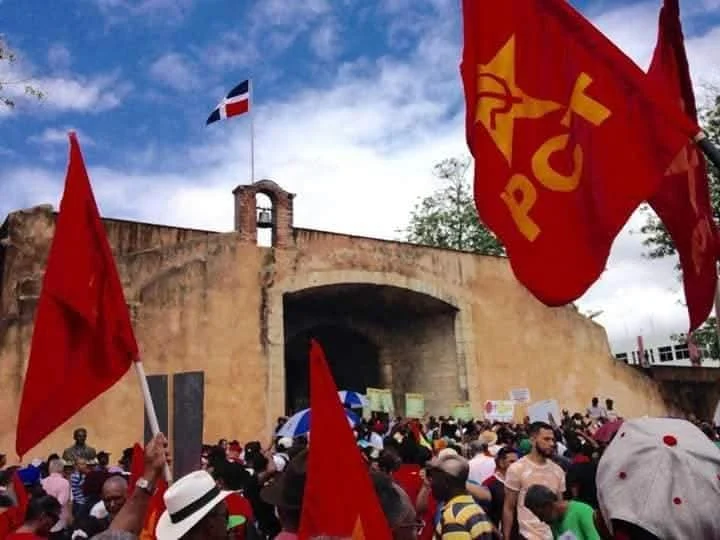
    SANTO DOMINGO – The Communist Party of Labor (PCT) has launched vehement opposition to the Dominican government’s recent authorization granting United States Armed Forces operational access to secured zones within San Isidro Air Base and Las Américas International Airport (AILA) for counter-narcotics missions. The controversial decision, officially ratified on Wednesday, has sparked significant political backlash from the left-wing organization, which characterizes the move as both an infringement on national sovereignty and a catalyst for potential regional destabilization.

    The PCT’s formal declaration emphasized that permitting foreign military entities to utilize critical national infrastructure represents a fundamental breach of Dominican self-determination. The party maintains that ultimate authority over security matters and territorial control must reside exclusively with Dominican institutions rather than external powers. Beyond sovereignty concerns, the political group highlighted apprehensions about broader geopolitical implications, suggesting that US military presence in the Caribbean could extend beyond stated drug interdiction objectives and potentially embroil the nation in indirect conflicts with neighboring states, particularly amid existing tensions involving Cuba and Venezuela.

    In response to these developments, the communist faction has demanded immediate revocation of the military access agreement. Instead, they advocate for establishing cooperative frameworks grounded in principles of mutual respect, non-interventionism, and adherence to international legal standards. The party contends that effective anti-drug trafficking operations should be conducted through enhanced bilateral or multilateral partnerships that strengthen domestic law enforcement capabilities while preserving national autonomy. This stance reflects growing ideological divisions within the Dominican Republic regarding appropriate forms of international security cooperation and the preservation of national interests.