博客

  • More steelbands lose state sponsors

    More steelbands lose state sponsors

    Trinidad’s cultural landscape faces significant challenges as state-owned enterprises continue withdrawing financial support from traditional steelpan orchestras. Heritage Petroleum Company Ltd has formally terminated its sponsorship of San Fernando’s renowned Skiffle Bunch Steel Orchestra, following similar actions by other government entities.

    In an official correspondence dated November 27 and signed by acting CEO Kerry Rampersad, Heritage Petroleum announced the discontinuation of its sponsorship effective December 27. The company expressed genuine appreciation for the long-standing partnership and acknowledged the orchestra’s substantial contributions to Trinidad’s cultural heritage. The letter specifically recognized the positive community impact and national cultural enhancement achieved through the collaboration.

    This development represents part of a broader pattern of reduced institutional support for traditional arts. Just two months prior, the National Gas Company terminated sponsorships for three additional steelpan groups: Couva Joylanders, La Brea Nightingales, and Tobago’s Steel Xplosion. Heritage Petroleum had previously supported both Skiffle Bunch and Siparia Deltones throughout 2023.

    The withdrawal notice includes a formal request for the orchestra to cease using Heritage Petroleum’s branding materials and logos in future activities. Despite the sponsorship termination, the company emphasized its continued respect for the cultural value these musical ensembles provide to communities across Trinidad and Tobago.


  • Dominican Republic Opens Military Base to U.S. Amid Tensions with Venezuela

    Dominican Republic Opens Military Base to U.S. Amid Tensions with Venezuela

    In a significant strategic development, the Dominican Republic has authorized United States military forces to utilize key aviation facilities within its territory. This decision, formalized during U.S. Defence Secretary Pete Hegseth’s official visit to Santo Domingo, permits American aircraft and personnel temporary operational access to designated sections of the San Isidro Air Base and Las Américas International Airport.

    The arrangement, announced at a joint press conference with Dominican President Luis Abinader, is framed as a cooperative measure to enhance counter-narcotics operations throughout the Caribbean region. Secretary Hegseth characterized the U.S. commitment as ‘deadly serious,’ emphasizing a readiness to undertake decisive actions against international traffickers. Operational reports since September indicate that U.S. forces have already neutralized over 20 vessels suspected of illicit drug transportation.

    This military cooperation occurs against a backdrop of escalating tensions between the United States and Venezuela. The U.S. government has formally designated the administration of Venezuelan President Nicolás Maduro as a terrorist organization, alleging its deep involvement in a sprawling narcotics network—a claim vehemently denied by Caracas. The U.S. naval presence in the region has been substantially augmented, now including the world’s largest aircraft carrier and a fleet of over ten supporting warships, signaling a pronounced intensification of its regional security agenda.

  • Government Announces Christmas Relief Package With ABST Cut, Duty-Free Meats and Return of Barrel Initiative

    Government Announces Christmas Relief Package With ABST Cut, Duty-Free Meats and Return of Barrel Initiative

    The government of Antigua and Barbuda has introduced a substantial economic relief initiative designed to alleviate financial burdens on citizens during the Christmas season. This comprehensive package features multiple fiscal measures including tax reductions, duty exemptions on seasonal foods, and the revival of a popular import program.

    Maurice Merchant, Director General of Communications, confirmed that Cabinet approved these interventions to assist households in managing budgetary constraints exacerbated by increasing global import expenses and traditional holiday expenditures. The centerpiece of the relief strategy involves a temporary reduction of the Antigua and Barbuda Sales Tax (ABST) from 17 percent to 7 percent during December 19-21. Merchant characterized this three-day tax reduction as a dual-purpose stimulus that benefits both consumers and retail enterprises.

    A significant component of the package is the reinstatement of the Christmas Barrel Initiative, enabling families to import personal goods at substantially reduced costs. Effective from December 1 through January 15, participants will pay merely a $10 processing fee along with a 10 percent Revenue Recovery Charge for eligible items.

    Additionally, the government has implemented complete duty and tax exemptions on imported hams, turkeys, and whole chickens between November 25 and December 25. This waiver encompasses customs duties, import duties, and ABST, specifically targeting the reduction of prices for traditional holiday foods to support low and middle-income families.

    Merchant emphasized during the post-Cabinet briefing that these measures are strategically designed to help households extend their financial resources during the holiday period. The relief package represents part of a broader governmental approach to combat inflation and reduce food costs, building upon recent zero-rating of essential food imports under the Common External Tariff.

    Notably, Treasury officials have coordinated December salary disbursements to precede the ABST reduction days, ensuring alignment with anticipated shopping patterns. Cabinet projections indicate that these combined measures will stimulate consumer spending, bolster local businesses, and mitigate financial pressures during one of the year’s most economically active seasons.

  • Antigua and Barbuda Ranks in Top Five for Caribbean Airbnb Rates

    Antigua and Barbuda Ranks in Top Five for Caribbean Airbnb Rates

    A comprehensive analysis of the Caribbean Community (CARICOM) short-term rental market has uncovered dramatic pricing differentials for two-bedroom Airbnb properties across the region’s capital cities. The survey, conducted by CARISTATS, demonstrates a five-fold price variation between the most and least expensive markets, creating distinct economic tiers within the geographically proximate region.

    Leading the premium segment, Nassau in The Bahamas commands the highest average daily rate at $345, positioning it as the region’s most exclusive market. This is followed by Bridgetown, Barbados ($181), Port of Spain, Trinidad and Tobago ($173), St. John’s, Antigua and Barbuda ($154), and Kingston, Jamaica ($152), all maintaining rates above $150 per night.

    A middle tier has emerged with rates ranging between $110 and $130, comprising St. George’s, Grenada; Georgetown, Guyana; Castries, Saint Lucia; and Rosseau, Dominica. These markets represent the regional average of $133 per night.

    The most affordable segment features capitals with rates below $90, significantly undercutting the regional average. Port-au-Prince, Haiti ($87), Belmopan, Belize ($83), and Kingstown, Saint Vincent and the Grenadines ($78) offer rates approximately half the CARICOM mean.

    This pricing stratification illustrates how Caribbean capitals function as independent short-term rental ecosystems despite their geographical proximity. Each market operates according to unique demand patterns, tourism appeal, and visitor demographics that collectively shape pricing structures across the region. The data provides valuable insights for tourism stakeholders, real estate investors, and travelers seeking to understand the economic dynamics of Caribbean vacation rentals.

  • Cabinet Orders Expanded Review of More Than 400 Government Buildings Amid Ventilation and Safety Concerns

    Cabinet Orders Expanded Review of More Than 400 Government Buildings Amid Ventilation and Safety Concerns

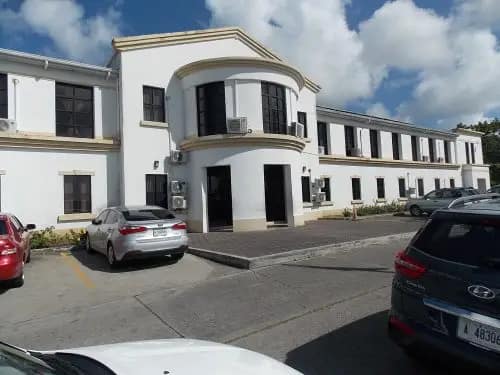
    In response to mounting concerns over workplace conditions affecting both employee health and operational efficiency, the government has initiated an intensified islandwide assessment of over 400 state-owned and occupied buildings. The comprehensive review targets persistent issues including water infiltration, mold proliferation, inadequate ventilation, and other structural deficiencies that have compromised working environments across multiple agencies.

    Maurice Merchant, Director General of Communications, revealed that Cabinet consensus acknowledged the advanced deterioration evident in numerous public facilities, some dating back several decades. This recognition has catalyzed the implementation of a more rigorous maintenance and inspection protocol. Several key ministries—Tourism, Education, and Agriculture—are already undergoing corrective measures as part of the Ministry of Works’ existing maintenance program.

    The current initiative substantially expands these efforts, mandating all departments to ensure their premises comply with stringent standards for safety, air quality, and structural soundness. Merchant highlighted the government office complex constructed in the 1990s—designed without operable windows and consequent natural ventilation—as emblematic of systemic infrastructure challenges.

    A specialized maintenance fund administered by the Ministry of Works has been established to finance urgent repairs and building upgrades. This resource is actively deployed to address leaks, eradicate mold, modernize ventilation infrastructure, and prevent rapid structural decline.

    As part of the enhanced review, an HVAC specialist has been engaged to collaborate with the ministry in diagnosing and remedying air quality and ventilation issues throughout the public sector. The Department of Analytical Services continues producing assessment reports and recommendations, which are disseminated to permanent secretaries and department heads for prompt action.

    Additionally, Merchant confirmed that a revised national building code—incorporating updated standards for air quality, ventilation, structural integrity, and health-centric design—will be presented to Parliament by early 2026. This legislative update underscores the administration’s sustained commitment to aligning public infrastructure with contemporary health and occupational requirements.

    The intensified inspection regime is anticipated to preclude buildings from becoming unusable while fostering productivity enhancements across public services.

  • Chinese Embassy urges citizens to avoid traveling to Japan

    Chinese Embassy urges citizens to avoid traveling to Japan

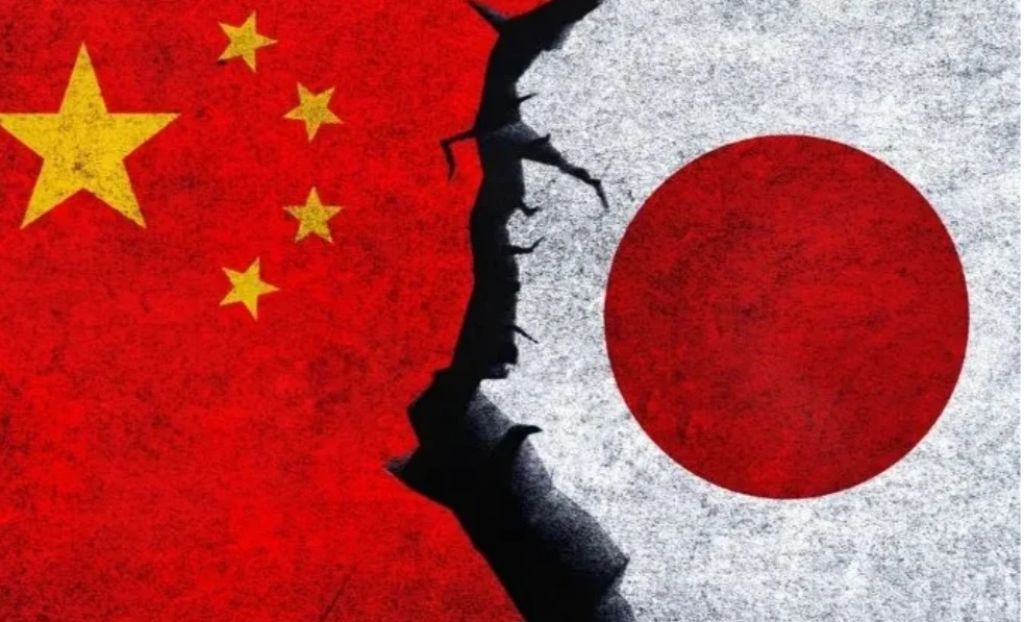
    Diplomatic relations between China and Japan have deteriorated significantly following controversial statements by Japanese Prime Minister Sanae Takaichi regarding Taiwan. The Chinese diplomatic mission in Tokyo issued a formal protest after Takaichi suggested during a parliamentary session in early November that Japan might consider military intervention should China initiate offensive operations against Taiwan.

    In retaliation, China’s Foreign Ministry has implemented travel advisories, urging its citizens to avoid visiting Japan since November 14. The Chinese Embassy in Japan reinforced this warning on Thursday, citing a concerning increase in discriminatory incidents targeting Chinese nationals within Japanese territory. According to a consular report, there has been a notable surge in verbal harassment and physical assaults against Chinese citizens this month.

    Simultaneously, Japan announced on Wednesday its decision to deploy advanced missile defense systems across islands in close proximity to Taiwan, a strategic move that has further inflamed tensions. China’s Defense Ministry condemned both Prime Minister Takaichi’s remarks and the military deployment as severe violations of Chinese sovereignty and unacceptable interference in internal affairs. The situation represents one of the most significant diplomatic confrontations between the two Asian powers in recent years.

  • Cold front to arrive in western Cuba this afternoon

    Cold front to arrive in western Cuba this afternoon

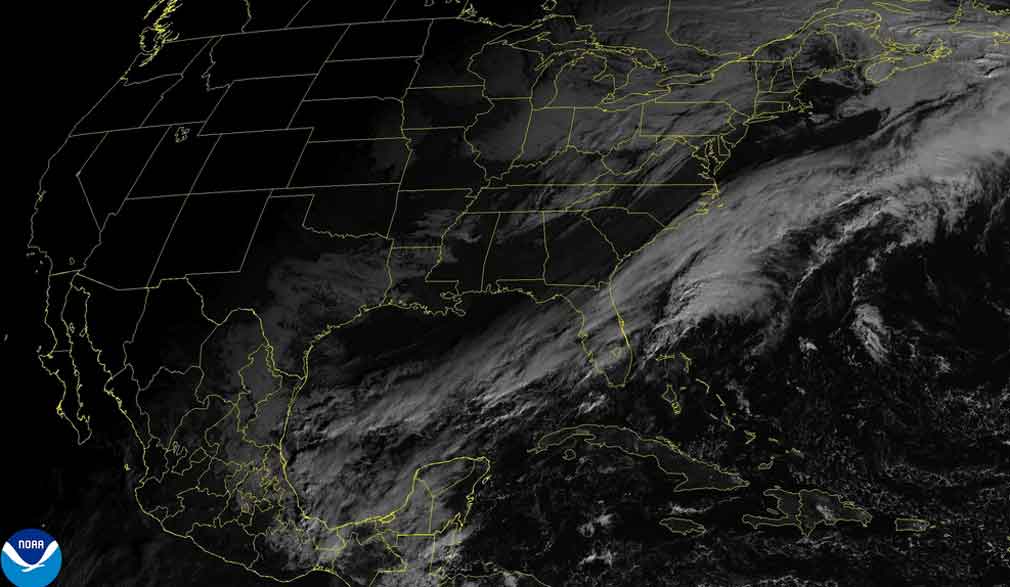
    Meteorological authorities in Cuba have issued a detailed forecast indicating a significant shift in weather patterns for the nation’s western region. The Institute of Meteorology (Insmet) reports that residents in the provinces of Pinar del Rio, Mayabeque, and the capital city of Havana should prepare for increasing cloud cover commencing in the late afternoon hours. This cloud development is expected to precipitate into showers and sustained rainfall, with meteorological models projecting an intensification of these conditions as evening approaches.

    The deteriorating weather system will bring multiple consequential effects across western Cuba. A notable increase in wind velocity is anticipated to commence tomorrow, adding another element to the unsettled conditions. Furthermore, a continued downward trend in maximum temperatures is forecasted, with the most significant drop expected by Friday, marking a distinct shift from recent conditions.

    Temperature parameters have been specifically outlined by Insmet meteorologists. Maximum daytime temperatures across affected regions will range between 28°C and 31°C (82°F and 88°F), with inland areas experiencing the warmer readings. Overnight minimums will provide some relief, settling between 21°C and 24°C (70°F and 75°F).

    Wind patterns will undergo a distinct evolution throughout the forecast period. Initial light and variable winds are predicted to shift, becoming consistently northeasterly along Cuba’s northern coastline. Wind speeds are expected to range between 10 to 25 kilometers per hour, with notably stronger gusts projected for the northwestern coastal areas. Marine conditions will reflect this atmospheric activity, with swells developing along both eastern coastlines. The northwestern coast will experience a gradual increase in swell activity beginning in the afternoon, while the remainder of the Cuban coast will see only slight swells, according to the comprehensive Insmet analysis.

  • National blackout in the DR caused by improper disconnection

    National blackout in the DR caused by improper disconnection

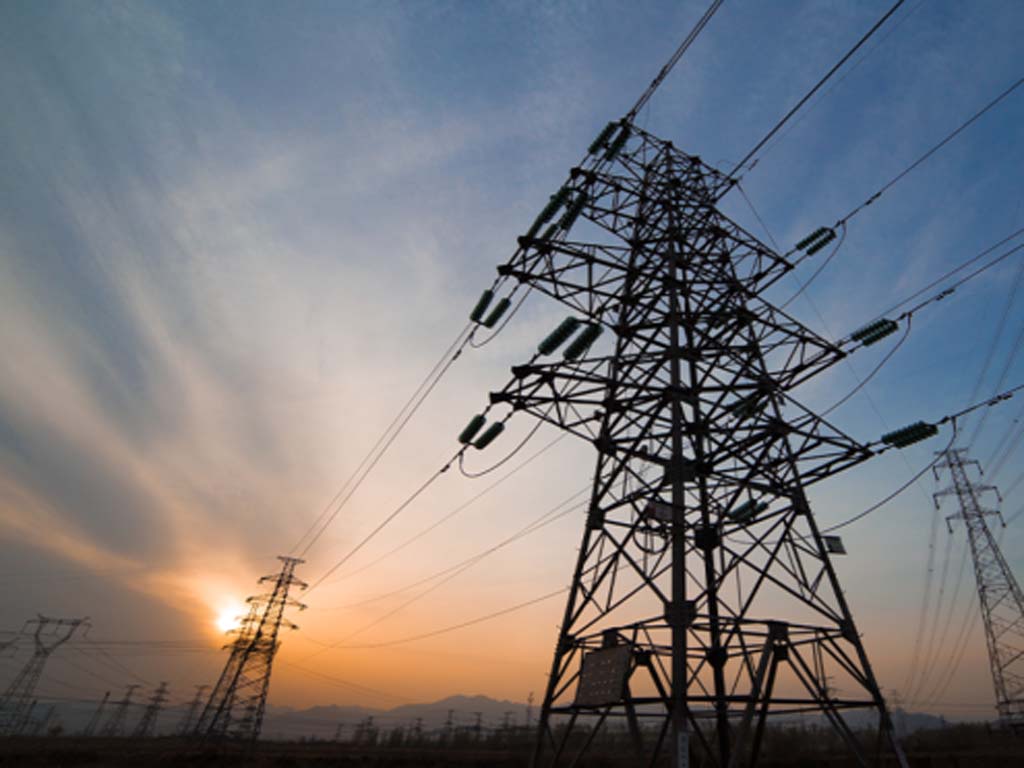
    A catastrophic nationwide power outage was initiated by an unauthorized operational maneuver that violated established protocols, according to an official report from the Coordinating Body of the National Interconnected Electric System (SENI). The incident generated an exceptionally high-intensity short circuit that activated protective systems throughout the electrical infrastructure.

    The technical analysis reveals that the initial fault precipitated a cascading failure across the grid. Multiple transmission lines in proximity to the incident automatically disconnected in an effort to contain the problem, resulting in the separation of Eastern generation facilities producing 575 MW from the main network. This sudden disconnection created an immediate and substantial imbalance between electricity supply and consumer demand.

    As designed by their safety protocols, large-capacity power plants implemented automatic shutdown procedures to prevent equipment damage. While the National Interconnected System initially maintained frequency stability for approximately 89 seconds, the absence of synchronized cold reserve capacity left the system critically vulnerable. This deficiency led to an abrupt frequency decline that culminated in the complete collapse of the national power grid.

    Energy specialists have proposed comprehensive measures to fortify grid resilience, including accelerated installation of protective devices in double-busbar substations and operational modifications to leverage advanced technologies in both thermal and renewable energy generation. Additional recommendations incorporate the integration of battery storage systems for auxiliary services and emergency power, coupled with a thorough review and adjustment of protective device timing configurations and automated disconnection schemes.

  • Chile to hold National Meeting of Solidarity with Cuba

    Chile to hold National Meeting of Solidarity with Cuba

    Chilean solidarity organizations are preparing for a significant national gathering scheduled for November 28-29, bringing together activists from across the country to coordinate enhanced support efforts for Cuba. The event will unite members of movement groups from multiple cities including Coquimbo, La Serena, Santiago, Talca, Valdivia, Ovalle, Concepcion, and Valparaiso.

    According to Sary Olmos of the Chilean-Cuban Friendship House in Viña del Mar, the assembly will serve as a strategic platform for delegates to evaluate their annual activities and develop coordinated responses to Cuba’s pressing challenges. The agenda features comprehensive sessions dedicated to analyzing the effectiveness of current advocacy work and formulating strengthened strategies against the long-standing US economic blockade.

    The timing of this conference holds particular significance as participants will also address Cuba’s recovery needs following the devastating impact of Hurricane Melissa. Olmos emphasized that many Chilean organizations have maintained sustained efforts to deliver essential supplies and medical aid to Cuba, and are now redirecting focus toward a targeted campaign assisting the hardest-hit eastern provinces.

    Preparations for this major solidarity event have been underway since May, characterized by what Olmos described as ‘tremendous enthusiasm, responsibility, and commitment’ from participating groups. The convergence of activists from diverse Chilean regions represents a consolidated national effort to amplify humanitarian assistance and political advocacy for Cuba during a period of compounded difficulties.

  • Cabinet Approves High-Speed Fibre Rollout for All Public Primary Schools by Year-End

    Cabinet Approves High-Speed Fibre Rollout for All Public Primary Schools by Year-End

    In a landmark decision for educational modernization, the national government has authorized a comprehensive initiative to equip every public primary school with high-speed fiber-optic internet by year’s end. This critical infrastructure project was greenlit by Cabinet members following a multi-agency evaluation that exposed severe bandwidth deficiencies across the education system.

    The decisive move comes in response to alarming findings from the Public Schools Wireless Project Report, which revealed most primary institutions were operating at a mere 15-20 megabits per second—drastically below the 50-100 Mbps benchmark necessary for contemporary digital education tools. Maurice Merchant, Director General of Communications, emphasized the urgency of this upgrade during a post-Cabinet briefing, stating that robust internet connectivity forms the backbone of 21st-century pedagogical approaches.

    “This infrastructure is fundamental to supporting our Digital OECS Harmonized Primary Curriculum and various e-learning platforms,” Merchant explained. “High-speed internet is indispensable for facilitating e-testing procedures and creating effective blended learning environments that combine digital and traditional instruction.”

    The ambitious rollout strategy encompasses complete fiber installation at all primary schools currently lacking adequate connectivity, substantial bandwidth enhancements for every institution, and subsequent phased upgrades for secondary schools to bolster e-testing capabilities. Telecommunications Minister Melford Nicholas pledged his ministry’s full technical cooperation during Cabinet deliberations, providing crucial governmental alignment for the project’s timely execution.

    While the initiative demands significant mobilization of financial and technical resources, government officials confirmed the project has already commenced and remains a top administrative priority. Cabinet representatives anticipate the enhanced connectivity will yield substantial educational benefits, including improved teaching outcomes, minimized disruptions from unreliable internet access, and comprehensive modernization of the nation’s educational infrastructure in preparation for expanded digital curriculum and examination requirements.