博客

  • Cuba remembers Fidel Castro’s first official visit to China

    Cuba remembers Fidel Castro’s first official visit to China

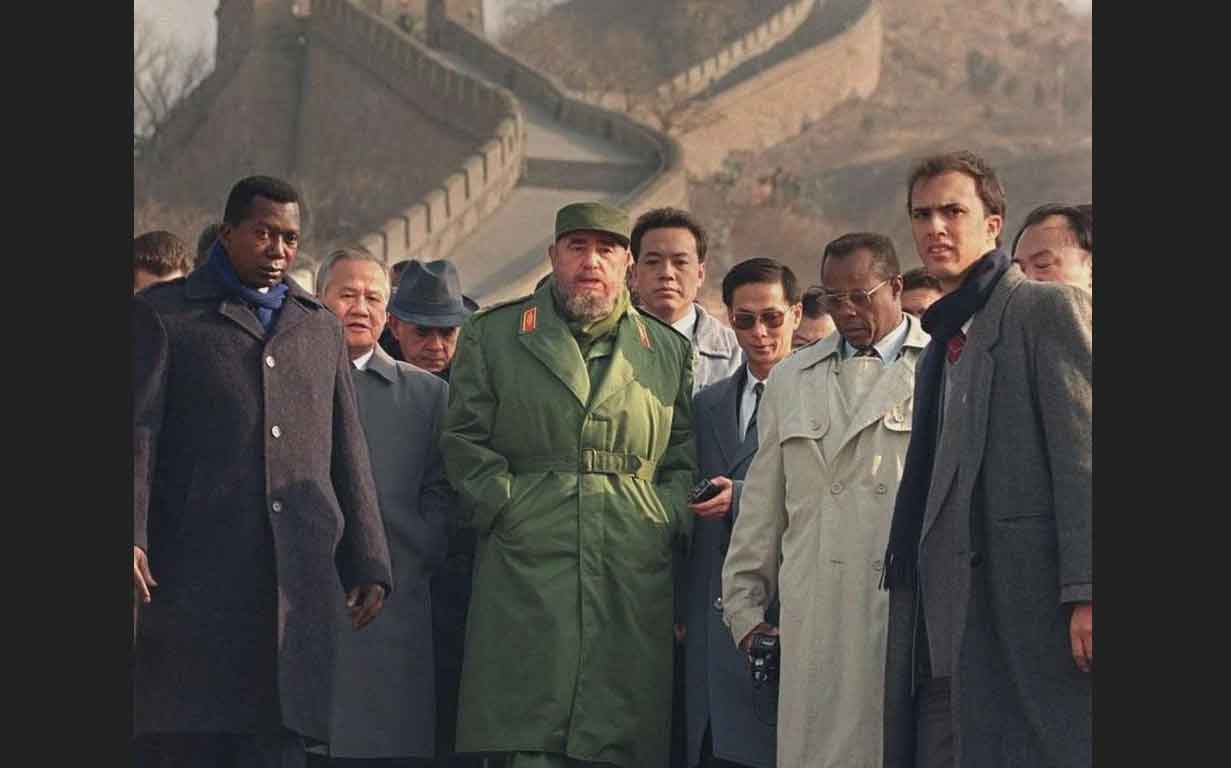
    Cuba’s Ministry of Foreign Affairs has commemorated the 30th anniversary of what it describes as a pivotal diplomatic encounter that fundamentally transformed its bilateral relationship with China. Through an official statement published on social media platform X, the ministry characterized the historical meeting as a watershed moment that “relaunched and deepened the bonds of friendship and cooperation” between the two nations.

    The anniversary post emphasized how this diplomatic milestone catalyzed substantial advancements across multiple sectors. According to the ministry, the meeting served as a foundation for expanded trade relations, increased investment flows, and enhanced technical-scientific collaboration. Furthermore, it established a framework for strengthened political dialogue that has persisted and evolved over the subsequent three decades.

    The Foreign Ministry’s statement explicitly referred to the relationship as a “strategic alliance,” underscoring its enduring significance in both countries’ international partnerships. Three decades after the historic meeting, official assessments indicate the bilateral relationship has continued to strengthen, maintaining the foundational principles established during the original diplomatic engagement. The commemoration highlights how this partnership has weathered global geopolitical shifts while consistently advancing mutual interests through structured cooperation mechanisms.
  • Russia foretells a hard situation in Ukraine due to corruption

    Russia foretells a hard situation in Ukraine due to corruption

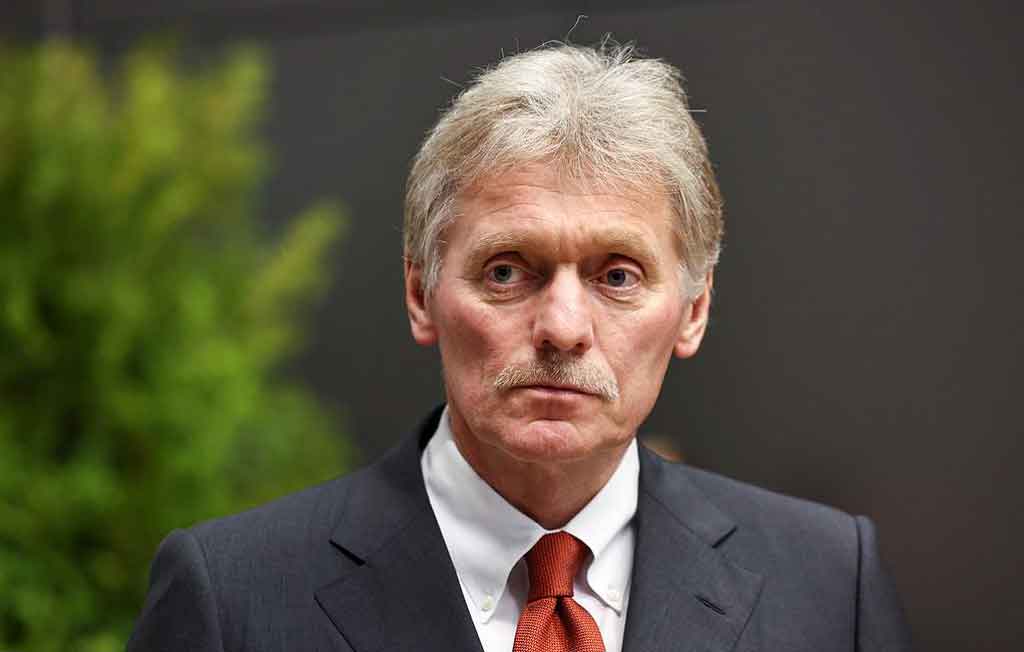
    The Kremlin has characterized Ukraine’s political situation as “extremely difficult” with predictably negative consequences, though Russian officials acknowledge the full ramifications remain unpredictable. Kremlin spokesman Dmitry Peskov made these remarks during an interview with Rossiya 1 television channel, specifically commenting on the corruption investigation targeting Ukraine’s presidential administration.

    The political turbulence intensified when Ukraine’s National Anti-Corruption Bureau (NABU) confirmed conducting searches at the residence of Andriy Yermak, head of Ukraine’s Presidential Office. According to Financial Times reports, these investigative procedures connect to an ongoing corruption probe within Ukraine’s energy sector.

    The scandal has triggered significant upheaval within President Volodymyr Zelensky’s inner circle. Shortly after the searches, Yermak submitted his resignation, which President Zelensky promptly accepted. This development places Yermak among several high-ranking officials who have either resigned or been dismissed recently, including Justice Minister German Galushchenko and Energy Minister Svetlana Grinchuk.

    Peskov characterized the corruption scandal as fundamentally destabilizing to Ukraine’s political framework, suggesting it is “shaking the political system of that country from all sides.” The remarks from Moscow come amid continued tensions between Russia and Ukraine, with the Kremlin closely monitoring internal developments within its neighbor’s political establishment.

    The series of resignations and investigations signal significant internal challenges for the Ukrainian government as it continues to navigate both domestic governance issues and ongoing geopolitical tensions with Russia. The corruption probe specifically targeting the energy sector suggests particular vulnerabilities within this strategic industry.

  • Angola: 300 prisoners granted pardon for 50 years of independence

    Angola: 300 prisoners granted pardon for 50 years of independence

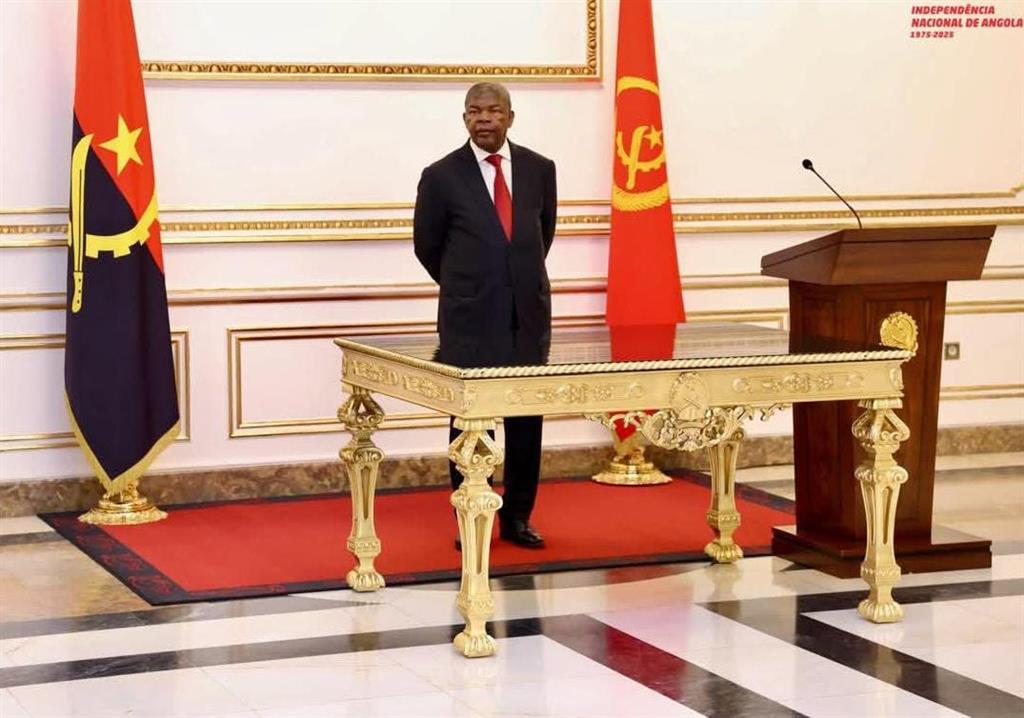
    In a landmark move commemorating five decades of sovereignty, Angola’s presidential administration has issued its most substantial clemency decree of the year. The executive order, released on Tuesday, strategically aligns with the nation’s Liberation Day observances on November 11th—the historic date marking Angola’s emancipation from colonial rule.

    The presidential proclamation emphasized that this humanitarian initiative directly supports national objectives of fostering social harmony, leniency, and fraternal unity during the golden jubilee independence celebrations. The carefully structured amnesty program specifically targets incarcerated individuals who have demonstrated exemplary behavioral rehabilitation and present no discernible threat to public safety, facilitating their reintegration into familial and community structures.

    This represents the third institutional pardon enacted in 2025, significantly surpassing the earlier amnesty granted to 51 individuals at the year’s commencement. The escalating scale of clemency measures reflects the government’s commitment to restorative justice principles while honoring the symbolic importance of the nation’s semicentennial independence milestones. Correctional authorities have begun implementing comprehensive screening protocols to identify eligible beneficiaries based on stringent behavioral and risk-assessment criteria.

  • Cuban ambassador in Chile praises the value of solidarity

    Cuban ambassador in Chile praises the value of solidarity

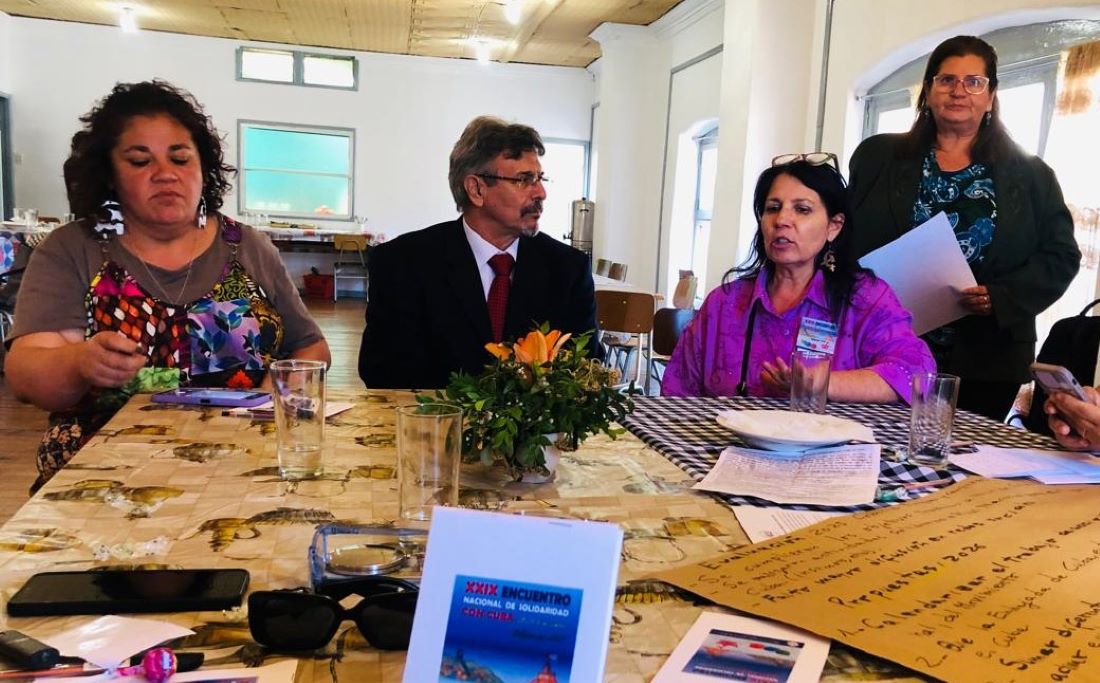
    A powerful demonstration of international solidarity unfolded as Chilean and Cuban representatives gathered to celebrate their nations’ longstanding mutual support. The event highlighted a reciprocal relationship that has endured through decades of challenges and cooperation.

    The gathering featured emotional acknowledgments of Cuba’s significant medical assistance to Chile following the devastating earthquakes of 1960 and 2010. During both catastrophes, Cuban medical professionals provided critical healthcare services and disaster relief, creating an enduring bond between the nations.

    Chilean representatives expressed gratitude for multiple ongoing cooperation initiatives, including annual volunteer work brigades traveling to Cuba, recent donations of advanced medical technology, and Chilean participation in the Continental Solidarity Meeting hosted in Mexico. These efforts represent continuing commitment to bilateral support.

    The two-day conference organized working committees to address several key areas: coordinating volunteer brigades, developing campaigns against the U.S. embargo on Cuba, improving public advocacy strategies, and evaluating progress since the previous meeting in Valdivia.

    The proceedings commenced with a significant march along Condell Street to Plaza de la Victoria, drawing participants from social movements across multiple Chilean cities including Coquimbo, La Serena, Santiago, Talca, Valdivia, Ovalle, Concepción, Valparaíso, and Viña del Mar.

    Following the demonstration, attendees gathered at Insomnia Theater for a political and cultural ceremony that brought together diplomats, local council members, academics, political organizations, social activists, and supporters of Cuban-Chilean relations. The event served as both a celebration of past cooperation and a planning session for future collaborative efforts between the two nations.

  • Cuba commemorates the International Day of Solidarity with Palestine

    Cuba commemorates the International Day of Solidarity with Palestine

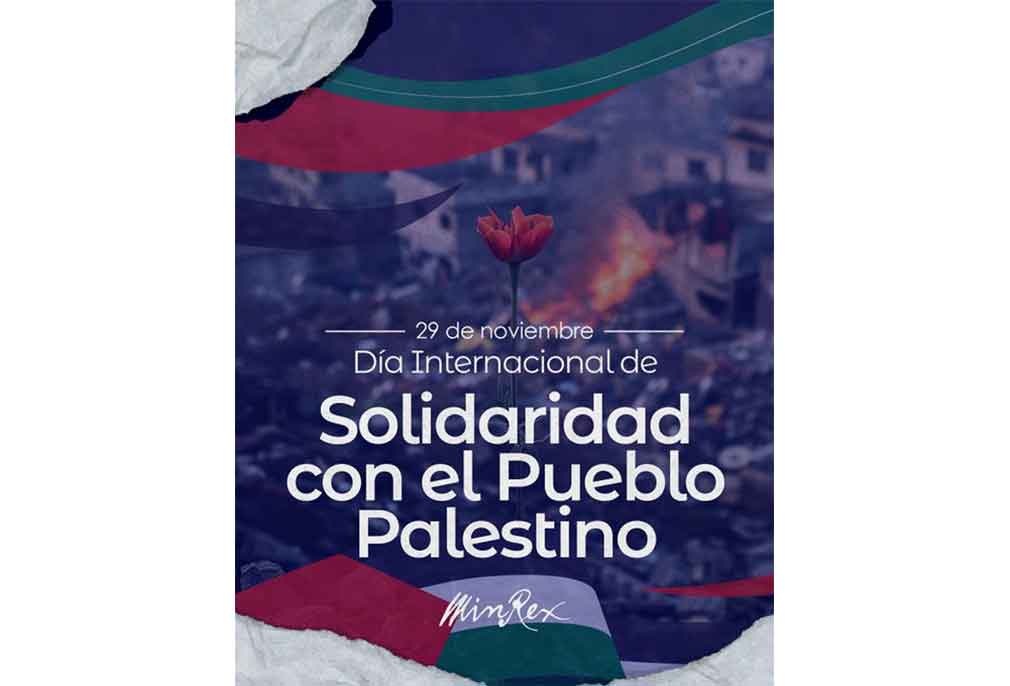
    Senior Cuban officials have issued forceful declarations of support for Palestinian sovereignty, aligning with global observances of the International Day of Solidarity with the Palestinian People. Through official communications on social media platform X, Cuban leadership articulated an unequivocal endorsement of Palestine’s claim to statehood within pre-1967 borders, with East Jerusalem as its designated capital.

    The statements included severe condemnation of Israeli military operations in Gaza, with Cuban officials employing the term ‘genocide’ to characterize Israel’s actions. The rhetoric further accused the ‘Zionist regime’ of conducting what was described as ‘extermination operations’ in the contested territory.

    This demonstration of solidarity coincides with the annual United Nations observance held every November 29th, a date commemorating the 1947 UN General Assembly resolution that initially proposed the establishment of two independent states within the Palestinian mandate. Roberto Morales, Organization Secretary of the Central Committee of the Communist Party of Cuba, explicitly commemorated this historical context while reaffirming Cuba’s perpetual alliance with the Palestinian cause.

    The International Day of Solidarity has been recognized for 48 consecutive years, serving as a platform for nations to express diplomatic positions on one of the world’s most protracted geopolitical conflicts. Cuba’s latest pronouncements reinforce its longstanding foreign policy orientation toward the Israeli-Palestinian conflict, emphasizing Palestinian self-determination and harsh criticism of Israeli military tactics.

  • Cuban President receives minister from the Republic of Congo

    Cuban President receives minister from the Republic of Congo

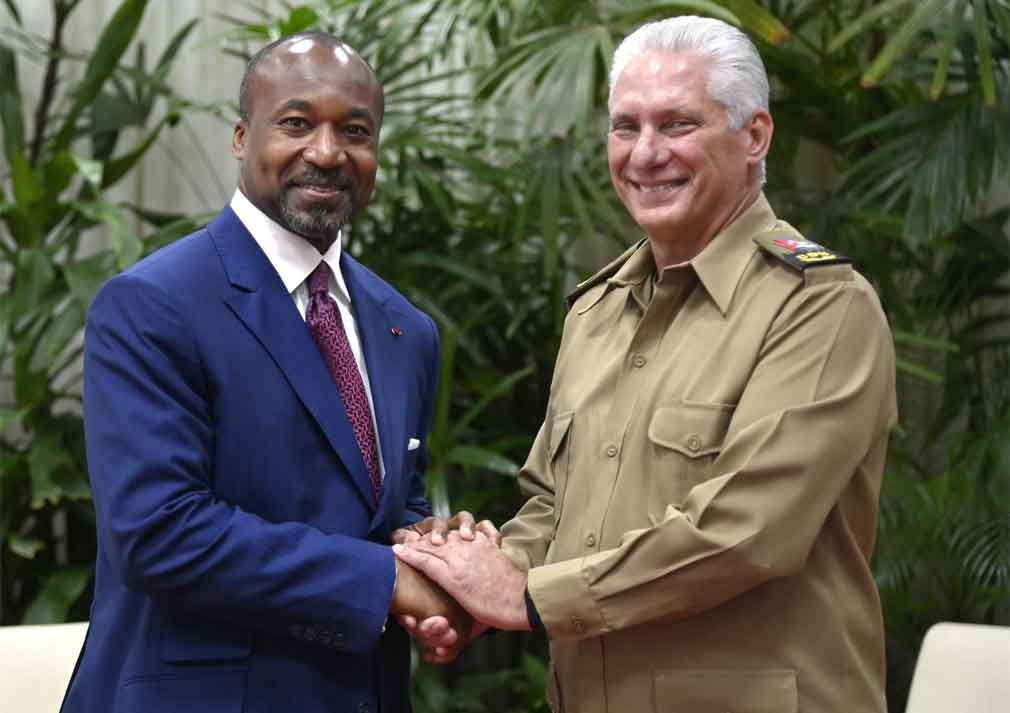
    In a significant diplomatic engagement, Cuban officials and Congolese representatives have reinforced their longstanding bilateral relations through mutual acknowledgments of solidarity and shared historical struggles. The discourse, prominently shared via official government channels on social media platform X, highlighted the profound personal connections between the nations’ leaderships, particularly recalling the camaraderie between the historic leader of the Cuban Revolution and President Denis Sassou Nguesso of the Republic of the Congo.

    Cuban representatives paid tribute to the resilience demonstrated by the Cuban people throughout decades of economic constraints imposed by the United States’ embargo, framing it within a narrative of unwavering national spirit. This acknowledgment was met with reciprocal appreciation from the Congolese delegation, which expressed a steadfast desire for continued mutual support and unity between the two populations.

    The meeting served as a platform to celebrate and further solidify the fraternal bonds and cooperative framework existing between Havana and Brazzaville. Both parties emphasized the importance of enhancing their commercial and diplomatic partnerships, viewing this strengthened alliance as crucial for navigating contemporary global challenges. The dialogue underscored a common vision for future collaboration, rooted in a history of cooperation and a shared commitment to sovereignty and international solidarity.

  • Constituencies to watch; The election deciders (Part 2)

    Constituencies to watch; The election deciders (Part 2)

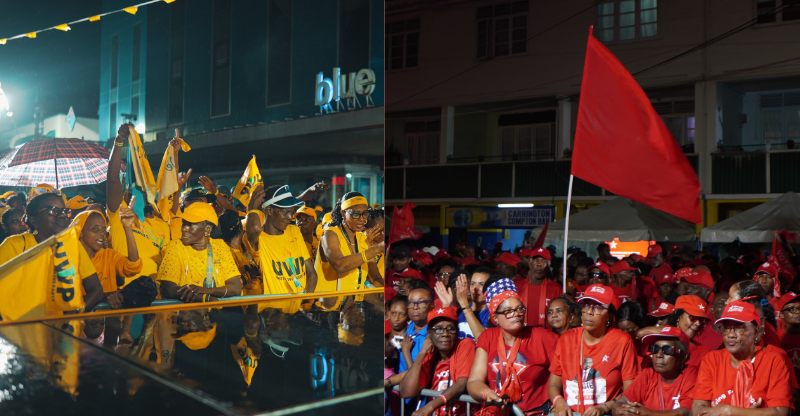
    With the pivotal 2025 General Election approaching, St. Lucia stands at a political crossroads that will define its governance for the coming five-year term. Political analysts are examining the complex voter dynamics that could disrupt traditional party strongholds across the island nation.

    Political observer Rhyesa Joseph identifies multiple factors influencing voter behavior, noting that “constituency level politics vary throughout the island, and there are different kinds of voters.” Key considerations include assessments of national leadership, parliamentary representation quality, opposition candidate appeal, and overall trust in political affiliations.

    Several constituencies emerge as critical battlegrounds that may signal the national outcome:

    Gros Islet, a tourism-centric region, features a contest between incumbent Youth and Sports Minister Kenson Casimir and entrepreneur Marcella Johnson. Political commentator Rahym Augustin-Joseph highlights this constituency’s historical significance: “History has told us that a government must win Gros Islet if they want to win the elections.” The area’s growing population and history of political alternation make it a crucial indicator of national sentiment.

    Micoud North represents a remarkable political transformation, having shifted from decades as a United Workers Party (UWP) stronghold to electing Labour’s Jeremiah Norbert in 2021. Development professional Ajani Lebourne notes this constituency’s traditional tendency to return to UWP, making the incumbent’s project delivery record essential. With fishing and farming as primary industries, candidate performance on infrastructure and market access will significantly influence voter decisions.

    Dennery North presents Education Minister Shawn Edward seeking his fourth term against community leader Bradley Marcelle Fulgence. Lebourne characterizes this as a closely contested race between candidates of “similar profile and stature,” noting Edward’s historically narrow victory margins. The constituency’s response to government policies in education and agriculture, particularly their impact on youth opportunities and farming communities, may prove decisive.

    Vieux Fort North and Laborie remain traditional Labour strongholds, with veterans Moses Jn Baptiste and Alva Baptiste facing challenges from police officer Callix Xavier and entrepreneur Laura Jn Pierre-Noel respectively. Augustin-Joseph suggests these constituencies will test Labour’s continued dominance, potentially indicating whether national momentum might favor UWP despite historical voting patterns.

    These contested regions collectively form a political barometer that will measure St. Lucia’s governing direction for the next parliamentary term.

  • Unity as SVG enters new chapter

    Unity as SVG enters new chapter

    St. Vincent and the Grenadines has entered a transformative political era following the conclusion of the 24-year governance by the Unity Labour Party (ULP), with the New Democratic Party (NDP) securing electoral victory. This democratic transition underscores the nation’s robust political institutions while presenting an urgent imperative for transcending partisan divisions to pursue collective national advancement.

    In this critical juncture, all Vincentian professionals—irrespective of political alignment—are summoned to contribute to national development initiatives. The nation’s progress fundamentally depends on unified purpose, collaborative engagement, and shared responsibility rather than political fragmentation.

    This appeal extends globally to the Vincentian diaspora dispersed throughout the Caribbean, North America, Europe, Asia, Africa, and beyond. SVG actively seeks the expertise, innovative capacities, professional networks, and advocacy of its international community. Overseas Vincentians remain integral to the national fabric, with opportunities for contribution spanning mentorship programs, strategic investments, cross-border partnerships, policy advisory roles, skills transfer initiatives, and international representation.

    Nation-building transcends single-party agendas or governmental administrations, constituting instead a collective mission demanding the comprehensive engagement of Vincentians worldwide. As the nation embraces this new beginning, the National Anthem’s invocation—’What e’er the future brings, our faith will see us through’—provides philosophical guidance, emphasizing that national progress hinges on unity rather than division.

    The commentary concludes with a call for respectful, professional, and purposeful collaboration, advocating for the suspension of political differences in favor of shared developmental vision. St. Vincent and the Grenadines’ national identity surpasses any political organization, with its future prosperity contingent upon domestic cohesion and global diaspora solidarity. This historical moment demands unified action toward building a more resilient and prosperous nation.

  • Bissumbhar en Kotzebue herkozen als VSB-topduo tot 2029

    Bissumbhar en Kotzebue herkozen als VSB-topduo tot 2029

    In a decisive show of confidence, the Suriname Business Association (VSB) has unanimously reappointed Rekha Bissumbhar and Mervel Kotzebue to continue leading the organization for another three-year term spanning 2025-2029. The ratification occurred during the general members’ assembly where representatives voiced overwhelming support through acclamation.

    The extended nomination period yielded no alternative candidates, paving the way for the current leadership’s uncontested continuation. The attending membership formally endorsed the board’s proposal with enthusiastic applause, signaling strong approval of the incumbent administration’s direction.

    Speaking on behalf of both appointees, Chairwoman Bissumbhar expressed gratitude for the renewed mandate, pledging their complete dedication to further strengthening the organization’s capabilities and influence. “We are honored by this demonstration of trust and commit to intensifying our efforts in advancing VSB’s strategic objectives,” Bissumbhar stated.

    The leadership duo brings complementary expertise from critical economic sectors. Bissumbhar contributes over 25 years of executive experience from Suriname’s oil and gas industry, currently serving as Director Upstream at Staatsolie where she oversees exploration and production operations. Kotzebue, as CEO of DP World Paramaribo, offers extensive maritime and logistics sector knowledge, having previously represented the transport industry within VSB’s governance structure.

    This continuity in leadership comes at a pivotal time for Surinamese businesses navigating global economic challenges and regional opportunities. The reappointment suggests member confidence in the current strategic trajectory and institutional stability.

  • International Jaguar Day: A Reminder Why These Big Cats Need Protection

    International Jaguar Day: A Reminder Why These Big Cats Need Protection

    On International Jaguar Day, the Belize Zoo and Tropical Education Center emerged as the nation’s sole authorized jaguar rescue facility, showcasing its critical conservation work with these endangered predators. Since 2003, the institution has provided sanctuary to over 25 jaguars, including non-releasable individuals that now serve as conservation ambassadors.

    The zoo recently highlighted three distinctive residents: Edgar Hill, a popular attraction during both daytime and nocturnal tours; Ben, a formerly dominant male from Cockscomb Basin rescued in weakened condition after livestock conflicts; and Hero, a Toledo-confiscated cub now contributing to research programs. These animals represent the frontline of Belize’s jaguar preservation efforts.

    Alarming incidents underscore the ongoing threats to jaguar populations. During September’s patriotic celebrations, a female jaguar was fatally shot in Independence Village with one canine tooth removed—a clear indication of trophy poaching. Authorities conducted a formal burial while emphasizing the species’ protected status under national law.

    Just weeks prior, law enforcement intercepted a jaguar pelt in Belize City, resulting in charges against Lidear Lino for attempted online trafficking. These events demonstrate persistent challenges including illegal wildlife trade and human-animal conflicts.

    The Belize Zoo’s educational initiatives aim to foster greater public support for habitat protection, positioning rescued jaguars as living symbols of ecological balance. As apex predators, jaguars play crucial roles in regulating prey populations and maintaining ecosystem stability throughout their range.