博客

  • Adhin: Koninklijk bezoek onderstreept nieuwe fase van democratische verdieping

    Adhin: Koninklijk bezoek onderstreept nieuwe fase van democratische verdieping

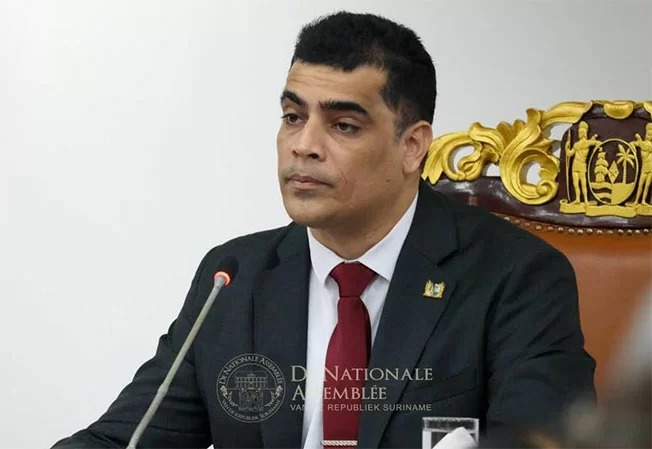
    The landmark visit of King Willem-Alexander and Queen Máxima to Suriname has been hailed by National Assembly Chairman Ashwin Adhin as a transformative moment in bilateral relations, marking a significant shift toward strengthened political responsibility and democratic development. During an extraordinary public assembly session, Adhin emphasized that the royal visit transcends ceremonial symbolism, representing instead a crucial opportunity for Suriname to redefine its democratic future with greater clarity.

    Coinciding with Suriname’s commemoration of fifty years of independence, the parliamentary leadership views the Dutch head of state’s visit as a powerful signal that bilateral relations can be substantially reinforced. This revitalized partnership, Adhin noted, would not focus on revisiting historical narratives but rather on collaboratively building a modern, equitable relationship framework.

    The Assembly Chairman asserted that the royal couple’s presence demonstrates the Netherlands’ genuine commitment to supporting parliamentary democracy and institutional development within Suriname. This diplomatic engagement creates an ideal platform for openly addressing contemporary challenges, reducing mutual misunderstandings, and exploring new cooperative opportunities spanning knowledge exchange to economic enhancement initiatives.

    Adhin characterized contemporary diplomacy as an essential instrument for building international trust, noting that the National Assembly considers this royal visit a catalyst for deeper cooperation and the strengthening of political institutions that form the foundation of liberty, justice, and stability. The parliamentary leader expressed hope that this visit would inspire both Surinamese and Dutch citizens to further deepen bilateral relations based on mutual respect, shared values, and a forward-looking vision that future generations could proudly build upon.

  • A meeting to continue promoting dialogue and inclusion

    A meeting to continue promoting dialogue and inclusion

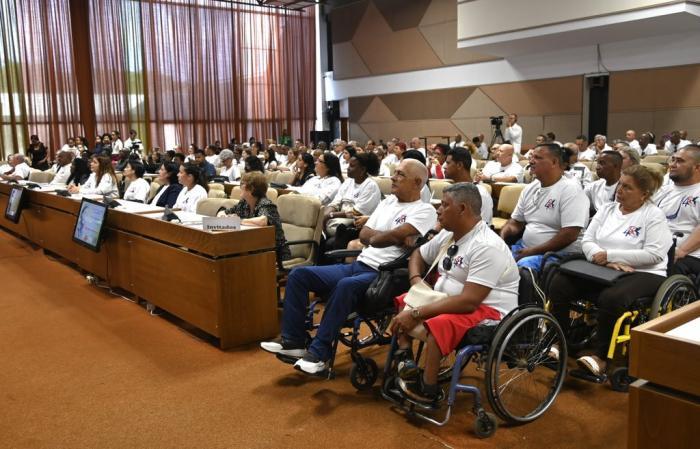
    In a landmark demonstration of governmental commitment to social inclusion, Cuban President Miguel Díaz-Canel inaugurated the inaugural Meeting of Organizations of Persons with Disabilities on Monday. The gathering, convened at Havana’s Convention Center, represents an unprecedented convergence of disability advocacy groups within the Communist nation.

    Addressing delegates, President Díaz-Canel, who also serves as First Secretary of the Communist Party’s Central Committee, articulated the government’s unwavering support for disability rights. “Your presence here reaffirms your essential role in our socialist construction,” he declared, emphasizing that persons with disabilities constitute a vital component of Cuba’s societal fabric.

    The forum, strategically timed to precede December 3rd’s International Day of Persons with Disabilities, occurs alongside the 15th National Conference on Equal Opportunities organized by the Cuban Association of People with Physical Disabilities (ACLIFIM). This parallel scheduling underscores Cuba’s integrated approach to disability advocacy despite confronting severe economic challenges exacerbated by international sanctions.

    President Díaz-Canel framed the current efforts within historical context, noting that contemporary initiatives build upon foundations established by revolutionary leader Fidel Castro. “We maintain our commitment to constructing an inclusive society despite the intensified economic blockade that has created significant difficulties across multiple sectors,” he asserted.

    The President characterized the meeting as an exercise in critical unity, describing how diverse organizations are collaborating to “build consensus on advancing disability rights amidst current challenges.” He explicitly welcomed constructive criticism as “a source for improving governmental work” and ensuring no citizen remains excluded from societal participation.

    Mabel Ballesteros López, National President of ACLIFIM, highlighted the historical significance of this consolidated gathering. She contrasted Cuba’s proactive stance with what she characterized as “passive governments worldwide” facing growing exclusion gaps. Ballesteros López explicitly connected contemporary disability policies to revolutionary legacy, noting how associative movements “have grown with the Revolution’s social policy, backed by Fidel’s vision for a just and equitable society.”

  • The epidemiological situation remains complex

    The epidemiological situation remains complex

    Cuban President Miguel Díaz-Canel Bermúdez convened with leading health experts and scientists this week to address the nation’s escalating arbovirus crisis, which has claimed 33 lives to date according to official figures. Health authorities confirmed dengue fever has resulted in 12 fatalities, including seven minors, while chikungunya has caused 21 deaths, 14 of whom were under 18 years old.

    Despite reporting a 2.4% national decrease in nonspecific febrile syndrome cases, Deputy Health Minister Dr. Carilda Peña García revealed concerning increases across seven provinces: Las Tunas, Holguín, Pinar del Río, Mayabeque, Granma, and Sancti Spíritus. The situation remains particularly critical in Las Tunas, Holguín, and Pinar del Río.

    Dr. Raúl Guinovart Díaz, Mathematics expert and Director of Science and Technology at the University of Havana, presented predictive models indicating unfavorable arbovirus trends in the coming weeks. While cooler temperatures typically reduce Aedes aegypti mosquito infestation, Guinovart warned that mosquitoes are now seeking refuge indoors, making household prevention measures critically important.

    Epidemiological data shows dengue transmission persisting at consistent levels across 14 provinces, 43 municipalities, and 51 health areas. Chikungunya infections have demonstrated a 25.9% reduction over three weeks, with 5,716 new suspected cases and 5,409 confirmations. Cumulative figures indicate 38,342 chikungunya cases nationwide, with infections reported across all 15 territories, 113 municipalities, and 199 health areas. No new Oropouche cases were reported in the past week.

    The meeting also addressed respiratory infections, which have declined over five consecutive weeks with 893 fewer medical visits recorded. However, health officials anticipate an upcoming increase in acute respiratory infections despite current numbers remaining within endemic corridors.

    COVID-19 surveillance data revealed only 13 cases diagnosed in October, with 3,407 tests conducted throughout the year. Health authorities confirmed no variations in circulating Omicron strains and sub-variants.

    President Díaz-Canel emphasized the necessity of transparent, comprehensive daily public communication regarding health threats. Meanwhile, IPK specialists discussed WHO and PAHO-endorsed innovative vector control technologies, including sterile insect techniques, genetic modification, and bacterial infection methods currently deployed in over 20 countries, with Brazil leading regional implementation.

  • The promise that changed history

    The promise that changed history

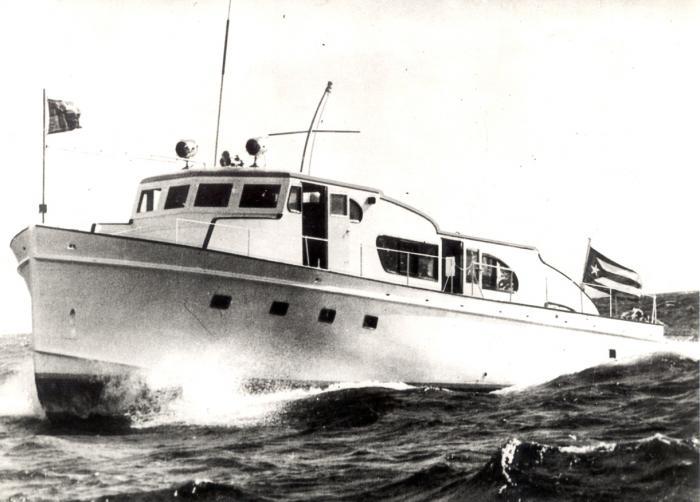
    December 2, 1956, marked a definitive turning point in Cuban history when 82 revolutionary expeditionaries led by Fidel Castro embarked on their perilous landing at Los Cayuelos near Playa Las Coloradas. After seven grueling days aboard the overcrowded Granma yacht battling violent storms and treacherous seas, the determined rebels faced their ultimate test upon reaching Cuban shores.

    The landing itself proved more challenging than anticipated. What appeared as solid ground from the yacht revealed itself as a treacherous swamp, with thick, cold mud clinging to the revolutionaries’ legs as they waded through chest-deep waters for two exhausting hours. The physical ordeal of dragging themselves through the sucking terrain while carrying heavy equipment and weapons pushed the men to their absolute limits.

    At dawn, their position was discovered by government forces. Heavy naval artillery fire targeted the stranded Granma yacht while aerial attacks sent bursts of gunfire across the marshland. Despite extreme fatigue, hunger, and the immediate threat of enemy engagement, the expeditionaries maintained their unbreakable resolve—a collective determination to achieve Cuban liberation or martyrdom.

    This historic landing gave birth to what would become Cuba’s Revolutionary Armed Forces, inheriting the legacy and mettle of the original Rebel Army. The events of that December morning transcended the immediate struggle, evolving into a powerful symbol of national resistance and self-determination. The ordeal at Los Cayuelos planted the seeds of revolutionary triumph that would ultimately reshape Cuba’s political landscape, creating a living legacy that continues to influence subsequent generations of Cubans.

  • Nederland stelt 66 miljoen euro beschikbaar voor Surinames herstelprojecten

    Nederland stelt 66 miljoen euro beschikbaar voor Surinames herstelprojecten

    The Netherlands has pledged €66 million to fund social projects in Suriname aimed at addressing the legacy of colonialism and slavery. This allocation forms part of the broader €200 million Slavery Past Fund established by the Dutch government following King Willem-Alexander’s formal apology in July 2023.

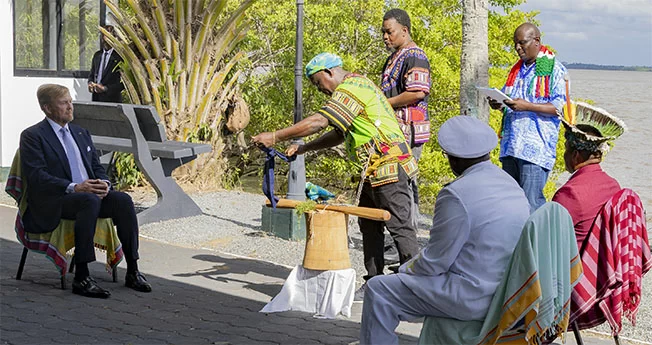
    During a high-level dialogue at the Surinamese Presidential Cabinet, Dutch Foreign Minister David van Weel announced the commitment to representatives of Indigenous and tribal communities, descendants of enslaved Africans, and government officials. The meeting occurred as part of the Dutch royal couple’s official visit to Suriname.

    Minister van Weel emphasized that the royal apology marked not an endpoint but a beginning: “There is no period placed, but a comma. This fund is designed to support the process of restoration and healing,” he stated.

    Surinamese President Jennifer Simons expressed appreciation for the pledged resources while clarifying their intended purpose. “The €66 million is not reparations but rather a consciousness-raising fund for education and societal development,” she explained. President Simons indicated that discussions regarding proper reparations, aligned with the Caricom 10-point plan, would need to occur separately at a later stage.

    King Willem-Alexander reinforced the Netherlands’ commitment to listening and learning throughout the process. “This is a moment to hear what lives among you. I realize that the pain of the past continues through generations, and I feel responsible for my predecessors,” the monarch stated.

    Community representatives used the dialogue to request structural support. Granman Albert Aboikoni of the Saramaccaners called for increased consultation regarding “restitution and financial support” to address historical disadvantages. Wilgo Ommen of Fiti Makandra acknowledged the importance of apologies while emphasizing they shouldn’t represent the conclusion: “We look forward to a process after the comma.”

    Armand Zunder, Chairman of the Restoration and Reparation Commission, concluded contributions by requesting the establishment of a mandated commission specifically focused on healing and restoration within affected communities.

    President Simons confirmed the dialogue would lead to forming a joint team from both nations to advise on implementing the healing and restoration process. The meeting was chaired by Edgar Dikan, advisor to the Presidential Cabinet.

  • SLP reelected, breaks two-decade one-term cycle

    SLP reelected, breaks two-decade one-term cycle

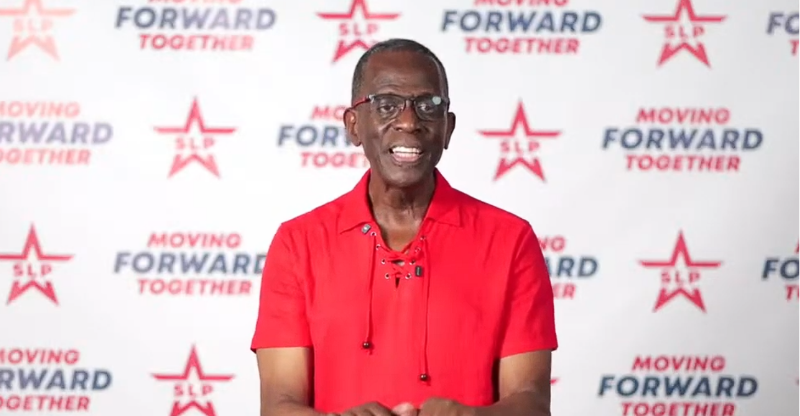
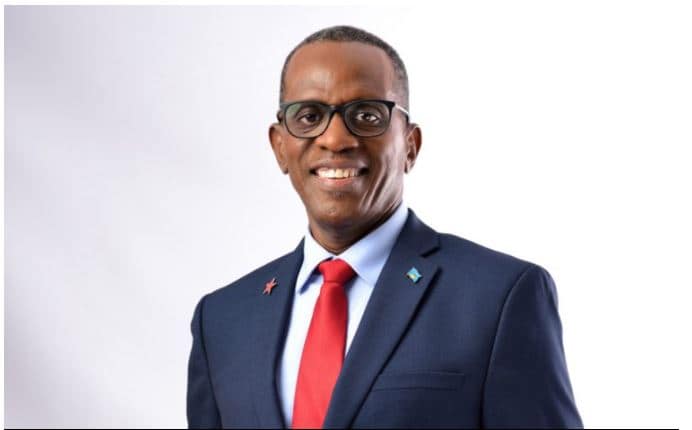
    In a landmark political development, the Saint Lucia Labour Party (SLP) has achieved a historic consecutive electoral victory, marking the first time since 2001 that any political party has secured back-to-back general election wins on the Caribbean island nation.

    By 10:30 p.m. on election night, the SLP appeared poised to capture at least 13 seats in the 17-seat House of Assembly—matching their 2021 performance—with the potential for a 14th seat as the tightly contested Dennery South constituency remained undecided.

    The government’s position has been substantially strengthened by the alignment of two independent parliamentarians, Richard Frederick and Stephenson King, both former ministers in the outgoing Cabinet. Their support provides additional stability to Prime Minister Philip J. Pierre’s administration.

    This electoral outcome delivers a powerful endorsement of Prime Minister Pierre’s leadership and represents a dramatic shift in Saint Lucia’s political landscape, breaking a persistent two-decade pattern where incumbent governments consistently failed to secure second terms.

    Prime Minister Pierre expressed both relief and satisfaction, telling journalists, “It is a day of celebration.” He commended Saint Lucian citizens for conducting what he characterized as a peaceful and “decent” electoral process, highlighting it as evidence of the nation’s robust democratic traditions. The Prime Minister also acknowledged the dedication of party members while noting the personal attacks many endured during the campaign period.

    Pierre voiced optimism that this victory might signal the end of an era dominated by “lies and misinformation” in political discourse. Official swearing-in ceremonies for the returning government are anticipated later this week.

    Meanwhile, the opposition United Workers Party (UWP) faced devastating losses. Bradley Felix, one of only two UWP members of parliament, was defeated in his Choiseul constituency by Labour’s Keithson Charles. This leaves UWP leader Allen Chastanet with a single confirmed seat, prompting serious questions about both his leadership and the party’s future trajectory.

  • St. Kitts and Nevis reports slight rise in HIV cases as global infections decline

    St. Kitts and Nevis reports slight rise in HIV cases as global infections decline

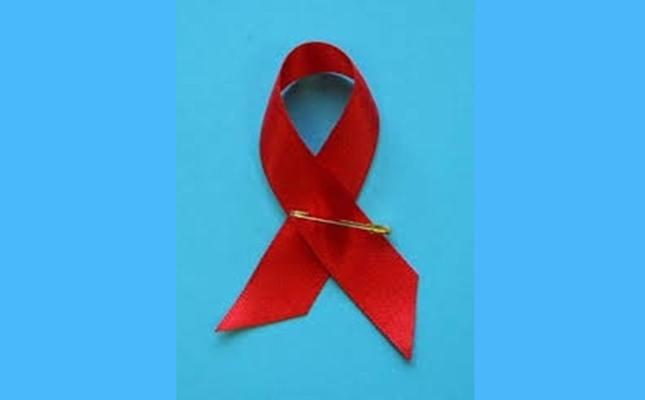
    While global HIV infections show a declining trajectory, the Federation of St. Kitts and Nevis is confronting an unsettling reverse trend. Health Minister Dr. Terrance Drew has confirmed a concerning uptick in new cases during the nation’s observance of World AIDS Day. This local increase starkly contrasts with worldwide figures, which estimated 40.8 million people living with HIV and 1.3 million new diagnoses in 2024.

    The national HIV/AIDS caseload has now surpassed 200, with 19 new diagnoses recorded last year and three AIDS-related fatalities. A particularly alarming pattern has emerged among youth aged 15-24, prompting Prime Minister Drew to declare, “Now is the time for urgent action.”

    The Federation’s response is coordinated through its National HIV/AIDS Program, which operates on foundational principles of equity, human rights, and confidentiality. However, this public health infrastructure faces unprecedented challenges due to severe funding cuts from international donors and partner agencies.

    United Nations Secretary-General António Guterres has echoed concerns about how diminishing financial resources threaten to reverse decades of progress. This year’s World AIDS Day theme, “Overcoming Disruption, Transforming the AIDS Response,” directly addresses these fiscal challenges that jeopardize services for vulnerable populations.

    The Global Fund Grant for AIDS, Tuberculosis, and Malaria—a critical source of technical and financial support—is now in jeopardy. Although a May 2025 agreement committed over US$56,000 to St. Kitts and Nevis through December 2027, Minister Drew disclosed that the Federation may not receive the full pledged amount due to global donor reductions.

    In response to these challenges, health authorities are urging citizens to adopt preventive measures including regular HIV testing, partner screening before unprotected intimacy, and education about transmission risks. The government emphasizes that HIV is no longer a death sentence, with early diagnosis and treatment enabling patients to achieve undetectable viral loads and lead healthy lives.

    With the festive Christmas and Carnival season approaching, health officials are reminding the public that testing and condoms remain freely available at all public health facilities, underscoring that collective community action is essential to combat the epidemic.

  • Paso Rápido users no longer need to share TAG number

    Paso Rápido users no longer need to share TAG number

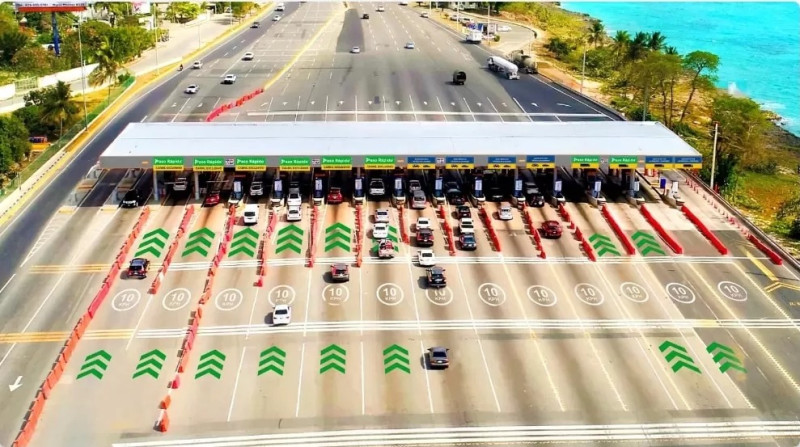
    Santo Domingo, Dominican Republic – The Dominican Republic’s highway infrastructure has entered a new era of digital efficiency with RD Vial Trust’s implementation of a fully automated toll collection system. General Director Hostos Rizik Lugo announced the groundbreaking transition that eliminates manual TAG number entry requirements effective immediately.

    The technological advancement centers around newly deployed backup RFID readers that automatically authenticate vehicle passages even when TAG devices fail to register in dedicated lanes. This redundancy system represents a significant leap in transportation technology, ensuring seamless transit through toll points without human intervention.

    Rizik Lugo emphasized the multifaceted benefits of this modernization initiative through his official X account platform. “We continue to modernize the country’s road network,” he stated, highlighting the government’s commitment to technological infrastructure development. The enhanced system provides robust user protection mechanisms while simultaneously combating potential fraud through advanced digital validation protocols.

    The sophisticated infrastructure guarantees precise toll collection by directly linking each transaction to individual account holders, eliminating processing errors and administrative discrepancies. RD Vial authorities have issued recommendations for all motorists to update their Paso Rápido applications to the latest version and verify the accuracy of their registered email addresses to ensure optimal system performance.

    This technological overhaul positions the Dominican Republic as a regional leader in smart transportation solutions, demonstrating how digital innovation can enhance public infrastructure while improving user experience and operational security.

  • President Abinader opens Christmas Village at Olympic Center

    President Abinader opens Christmas Village at Olympic Center

    SANTO DOMINGO – The Dominican Republic officially commenced its government-sponsored holiday season with the grand opening of the Christmas Village at the Juan Pablo Duarte Olympic Center on Monday. President Luis Abinader, accompanied by First Lady Raquel Arbaje, presided over the inauguration ceremony which attracted hundreds of families to the festive venue.

    The presidential couple welcomed attendees with enthusiastic gestures, prompting children to fill the air with joyful shouts that established the celebratory atmosphere. In his inaugural address, President Abinader characterized December as a period dedicated to unity, affection, and revitalized hope. He extended his encouragement for families to embrace the Christmas spirit comprehensively—not solely with immediate relatives but also with friends and regular companions in their daily routines.

    This extensive holiday initiative represents a collaborative effort between multiple governmental entities and private sector partners. Key participants include Banreservas, several ministries, and municipal governments, all contributing to create a secure, brilliantly illuminated environment suitable for family enjoyment. The Christmas Village features an array of themed attractions, artistic performances, interactive games, live shows, elaborate Christmas light displays, and appearances by children’s characters, ensuring diverse entertainment options for visitors across all age groups throughout the holiday period.

    The establishment serves as a centralized location where multiple generations—parents, grandparents, and children—can gather to create meaningful shared experiences during the festive season. This project underscores the administration’s commitment to fostering community engagement and cultural celebration through public events that promote social cohesion and holiday cheer.

  • St. Lucia ruling party wins majority of legislative seats

    St. Lucia ruling party wins majority of legislative seats

    CASTRIES – Prime Minister Philip Pierre has secured a second term in office following a decisive victory for his St. Lucia Labour Party (SLP) in the island nation’s general election held this Tuesday. Official results confirm the incumbent party captured a commanding majority, winning at least nine of the seventeen contested seats in the House of Assembly. This electoral outcome grants Pierre’s administration a strong mandate to continue its governance agenda for another five-year term. The victory represents a significant endorsement of the SLP’s policies and leadership amidst regional economic challenges. The election process was observed to proceed smoothly, with voter turnout reflecting robust civic engagement. The final composition of the legislature is now set, with the focus shifting to the government’s policy priorities for its new term. The opposition parties are now tasked with regrouping after failing to secure a parliamentary majority.