博客

  • President affirms Colombia faces threats and calls for unity

    President affirms Colombia faces threats and calls for unity

    During a landmark visit to the conflict-affected municipality of El Tarra in Norte de Santander, Colombian President Gustavo Petro delivered a powerful address from the village of Bracitos while inaugurating new educational facilities. The president issued a stark warning against escalating global violence, specifically referencing alarming statements from world leaders concerning invasions and missile threats.

    President Petro characterized the current international climate as a dangerous departure from diplomacy toward ‘barbarism,’ emphasizing that such paths inevitably lead to destruction. He positioned Colombia as a nation that must demonstrate global leadership in peacebuilding, stating that its people ‘never bow their heads’ or ‘kneel before anyone.’

    The president articulated a vision of Colombia leading humanity toward peaceful coexistence through practical implementation of ‘effective love’ principles—a doctrine originally advanced by revolutionary priest Camilo Torres Restrepo. This philosophy emphasizes tangible acts of solidarity over mere theoretical compassion.

    Petro specifically addressed the long-troubled Catatumbo region, declaring it should become territory belonging to and thriving for working people—both campesinos and urban laborers alike. He confirmed that beginning January 2024, youth from this historically marginalized area will access higher education through newly established technical, technological, and university programs at the El Tarra College-University institution.

  • Cuba debates National Food Fortification Strategy

    Cuba debates National Food Fortification Strategy

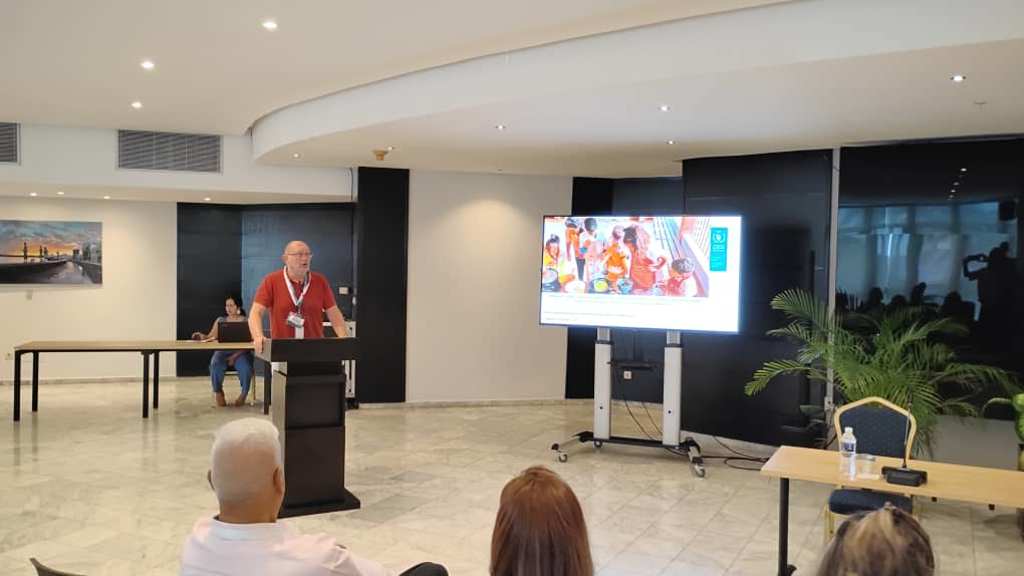
    The Institute of Aquatic Research (IIIA), Cuba’s premier institution for food industry innovation, recently hosted a landmark symposium centered on “Sustainable Food Innovation.” This gathering showcased significant scientific advancements designed to address critical nutritional challenges within the nation.

    A primary focus of the event was the Cuban government’s National Food Fortification Strategy, implemented with facilitation and support from the World Food Programme (WFP). This strategic initiative prioritizes securing viable mass-consumption food options, enhancing the technological capabilities of domestic industrial production, and establishing a robust regulatory framework to legally mandate national food fortification.

    Discussions highlighted the pivotal role of fortified foods in improving dietary quality and consumption practices among vulnerable demographic groups, particularly through distribution networks within the social protection system.

    Among the groundbreaking innovations presented was a novel fermented dairy dessert, specifically formulated by IIIA researchers for the nutritional needs of senior citizens. Comprising milk, sugar, modified starch, dairy culture, gelatin, salt, and soursop flavoring, this product is engineered to meet the needs of elderly individuals suffering from chewing difficulties or dysphagia (impaired swallowing ability).

    Furthermore, the institute unveiled a development with significant import-substitution potential: a chocolate-flavored confectionery syrup crafted from roasted cocoa husks. This innovation demonstrates IIIA’s broader achievements, which also include specialized foods for pregnant women and the elderly, nutritious fruit and vegetable juices for children, a range of reduced-sugar products, and various technical, educational, and scientific services bolstering Cuba’s food sovereignty.

  • Environmental institutions renew warning over high-risk species import

    Environmental institutions renew warning over high-risk species import

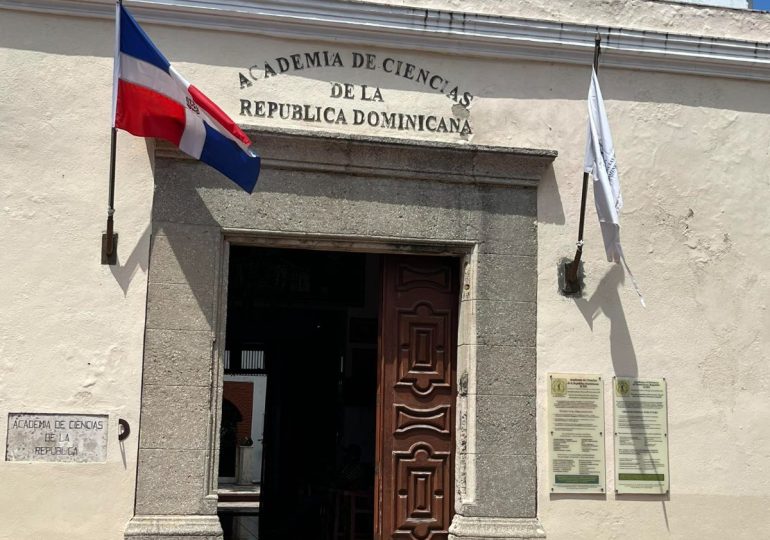
    Scientific authorities in the Dominican Republic have intensified their opposition to the National Zoo’s controversial plan to import non-native species from Puerto Rico, citing profound ecological risks. The Natural Sciences and Environment Commission of the Dominican Academy of Sciences, alongside the Environmental Commission of the Autonomous University of Santo Domingo (UASD), has reinforced its November alert regarding Zoodom’s proposed acquisition.

    The academic institutions maintain that the species targeted for importation represent recognized invasive pests in Puerto Rico, where they have already breached containment, proliferated exponentially, and inflicted substantial damage on indigenous ecosystems. They counter the zoo’s emphasis on the non-venomous nature of the snakes by highlighting that the primary threat stems from their invasive characteristics and potential ecological disruption, not their venom.

    Puerto Rican authorities currently allocate considerable resources to capturing and removing these animals, many of which are confiscated from private owners or surrendered due to uncontrolled breeding. The commissions warn that accidental release in the Dominican Republic could replicate the environmental devastation observed in Puerto Rico, jeopardizing native species, agricultural interests, and public health.

    The groups further challenge Zoodom’s characterization of the transaction as a donation, alleging instead that the zoo’s director actively solicited the animals. They have urgently appealed to the Ministry of Environment and Natural Resources and the Animal Health Department of the Ministry of Agriculture to employ the precautionary principle mandated by environmental statutes before authorizing any import permits.

    As a domestic cautionary tale, experts point to Isla Catalina, where raccoons introduced during the Trujillo dictatorship have triggered severe ecological imbalance. These invasive mammals have devastated hawksbill turtle nests, disrupted tourism activities, and compromised the island’s fragile biodiversity. The ongoing struggle to manage Catalina’s raccoon population serves as a stark reminder of the long-term consequences of introducing non-native species without adequate safeguards.

  • Pelican Village craft makers endure ‘dismal’ Independence season

    Pelican Village craft makers endure ‘dismal’ Independence season

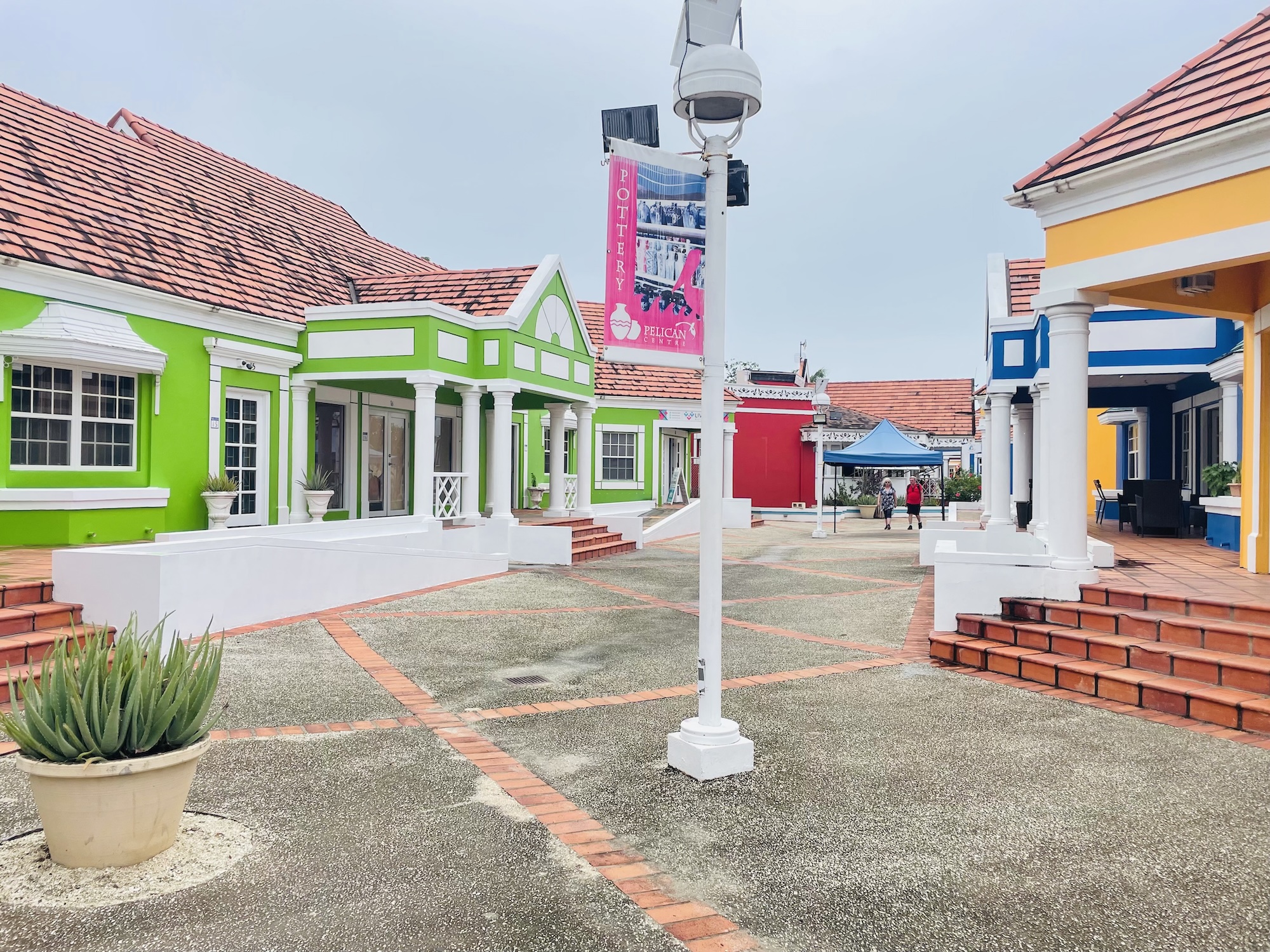
    Artisans at Barbados’ Pelican Village craft section experienced one of their most disappointing Independence seasons on record, with dramatically reduced foot traffic and minimal sales. Despite their prime location adjacent to the Port of Bridgetown, most craft vendors reported strikingly poor business performance during what is traditionally a peak sales period.

    In exclusive interviews with Barbados TODAY, multiple business owners revealed the severity of the situation. Keisha Thompson, proprietor and clothing designer at Jenanya’s, explained that the challenges predated the Independence celebrations. While cruise ships are scheduled to resume regular port calls starting October, Thompson highlighted a critical problem: “Our current location differs significantly from our previous placement near the food court section where visibility was substantially higher.”

    Thompson gestured toward the steady stream of cruise visitors across the street who remained unaware of the craft section’s existence. “There are absolutely no directional indicators informing tourists that artisans operate here. The lack of signage has created an incredibly frustrating situation where potential customers pass by completely unaware of our offerings.”

    The relocation has forced tenants to develop creative strategies to attract customers while simultaneously managing operational expenses like rent and utilities. Although December marks the official commencement of the full cruise season, expectations remain tempered based on recent experience.

    At Nafai Creations, jewelry artisan Sandra Padmore offered an even bleaker assessment, describing the Independence season as “exceptionally quiet” with no noticeable crowd increase. “The craft shops remained virtually deserted throughout the period. Compared to previous years, this season was incomparably slow,” Padmore noted.

    Typically fast-selling Independence-themed items like flags and pins remained entirely unsold this year. “All my inventory remains untouched. I might as well have kept my establishment closed throughout the entire season,” Padmore stated.

    Despite the discouraging results, artisans maintain hope that the approaching Christmas season will bring the customer volume that eluded them during Independence celebrations. With cruise arrivals expected to intensify from mid-December, Padmore expressed the collective sentiment: “I’m genuinely praying for a substantial improvement in business conditions—a significant recovery.”

  • Visumprocedure moet menselijker, ticketprijzen moeten omlaag

    Visumprocedure moet menselijker, ticketprijzen moeten omlaag

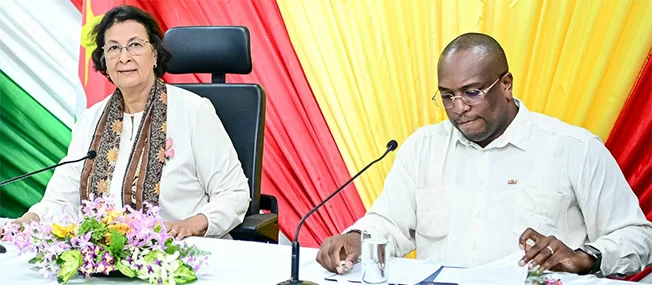
    Surinamese President Jennifer Simons and Foreign Minister Melvin Bouva have declared the resolution of visa restrictions and exorbitant flight tariffs as urgent national priorities in bilateral relations with the Netherlands. The announcement came during a presidential press conference held Wednesday at the Commewijne district commissioner’s office.

    President Simons revealed that the recent Dutch state visit to Suriname highlighted the severe hardships faced by Surinamese citizens navigating the current visa application process. “The prolonged waiting periods, poor physical conditions at application centers, and documentational ambiguity are fundamentally inhumane and require immediate reform,” Simons stated.

    The administration identified two primary pressure points: short-term emergency visas (for medical emergencies, bereavement, or urgent family matters) and regular visa applications. President Simons confirmed that Suriname will formally submit a visa liberalization request to the European Commission—a move that could eventually grant Surinamese citizens visa-free travel to Europe’s Schengen area. The Netherlands has committed to diplomatically supporting this initiative in Brussels.

    Concurrently, both nations are collaborating on procedural improvements including enhanced information dissemination, reduced processing times, and more dignified treatment of applicants.

    Foreign Minister Bouva addressed the parallel issue of escalating airfares on the Paramaribo-Amsterdam route, dominated by KLM Royal Dutch Airlines. He characterized the prices as “prohibitively expensive for most Surinamese citizens” and attributed the problem to insufficient market competition and unfavorable peak-season pricing mechanisms.

    “We are actively negotiating with multiple airlines to break the current market monopoly,” Bouva announced. “Surinamese people deserve affordable connections to maintain family ties and business relationships.”

    President Simons framed these dual challenges as matters of human dignity and national sovereignty: “When visa applications become demeaning and air travel becomes unaffordable, it strikes at the heart of families, impedes cultural exchange, and restricts economic development. We approach these discussions as equals seeking partnership, not dependency, but the freedom of movement for our citizens must be respected.”

    Immediate next steps include:
    – Formal submission of visa liberalization request to European Commission
    – Diplomatic support from Netherlands in Brussels negotiations
    – Market diversification talks with alternative airlines
    – Enhanced guidance for visa applicants regarding documentation requirements
    – Short-term improvements in humane treatment during visa processing

    The government emphasized that resolution of these issues remains critical for maintaining cultural connectivity and economic cooperation between the two nations.

  • El Seibo to inaugurate new bullring honoring centuries-old tradition

    El Seibo to inaugurate new bullring honoring centuries-old tradition

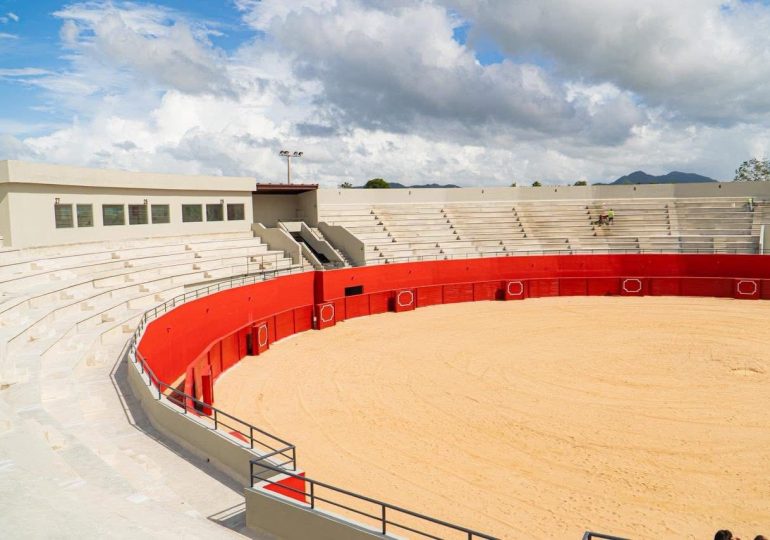
    EL SEIBO, Dominican Republic – The Dominican province of El Seibo is preparing to inaugurate a new bullring dedicated to preserving its unique, centuries-old bullfighting tradition. This cultural practice, fundamentally distinct from bullfighting in other nations, emphasizes athletic performance without harming the animals.

    Senator Santiago Zorrilla, a proponent of the project since 2017, clarified the distinctive nature of El Seibo’s tradition. “Our bullfighting is completely non-violent,” Zorrilla stated. “There are no banderillas, no physical injuries inflicted on the bull. Instead, our bullfighters engage in a test of agility and endurance, showcasing their bravery while respecting the animal’s integrity.”

    This approach has evolved into a defining cultural hallmark for the region, attracting spectators who appreciate both the human skill and the animal’s power displayed in the arena. The new facility represents a significant investment in cultural preservation and is expected to be inaugurated by Tourism Minister David Collado.

    Officials anticipate the bullring will serve as a catalyst for cultural tourism, providing a permanent venue for this generations-old tradition while offering economic benefits to the local community. The project aims to ensure that El Seibo’s distinctive bullfighting heritage continues to thrive for future generations.

  • GCG ‘blindsided’ by sudden airport work stoppage

    GCG ‘blindsided’ by sudden airport work stoppage

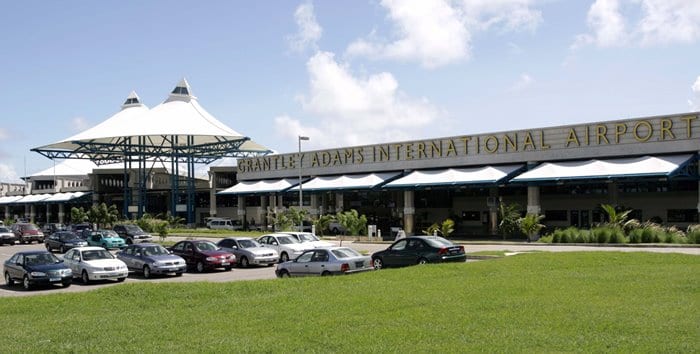
    An unanticipated one-hour work stoppage by ground handling staff at Grantley Adams International Airport on November 27 created operational disruptions during Barbados’ busiest travel day of the year. The industrial action, which occurred on what is locally known as “Fat Thursday,” saw approximately 8,000 passengers passing through the airport facilities.

    GCG Ground Services, a member company of Goddard Enterprises Limited (GEL), expressed surprise at the work interruption, stating it occurred amid what they characterized as productive ongoing negotiations with the Barbados Workers’ Union. The company emphasized its commitment to both customer service excellence and employee welfare in an official statement released ahead of scheduled talks to finalize a Collective Labour Agreement.

    According to GCG management, negotiations for the pay package had not broken down and were progressing toward a mutually acceptable agreement. The company highlighted its dedication to treating employees well at all organizational levels while maintaining high service standards for airport visitors.

    Contrary to the company’s perspective, Barbados Workers’ Union Deputy General Secretary Dwaine Paul identified the work stoppage as a response to what union members perceived as a breakdown in negotiation responses. This disagreement prompted the morning shift to voluntarily withdraw their labor temporarily.

    The timing proved particularly significant as the airport entered its peak seasonal period, with GCG appealing for team support to ensure efficient visitor experiences during Barbados’ critical tourism season. The company stressed the importance of their role in creating positive first impressions for travelers arriving on the island.

  • Equity push to help small biz growth

    Equity push to help small biz growth

    Financial leaders across the Caribbean are issuing a compelling call to action for small and medium-sized enterprises (SMEs) to embrace equity financing as a vital alternative to traditional debt. This movement, highlighted at the recent Innovation Growth Market (IGM) 200 workshop in Barbados, argues that over-reliance on borrowing is a significant constraint on the region’s economic potential.

    The two-day event, a collaborative effort by the Ministry of Energy and Business, the Barbados Stock Exchange, and the Small Business Association, was designed to forge new pathways for business expansion, investment, and community development. Unlike debt financing, which requires repayment with interest, equity financing involves raising capital by selling a stake in the business, offering a more flexible growth model.

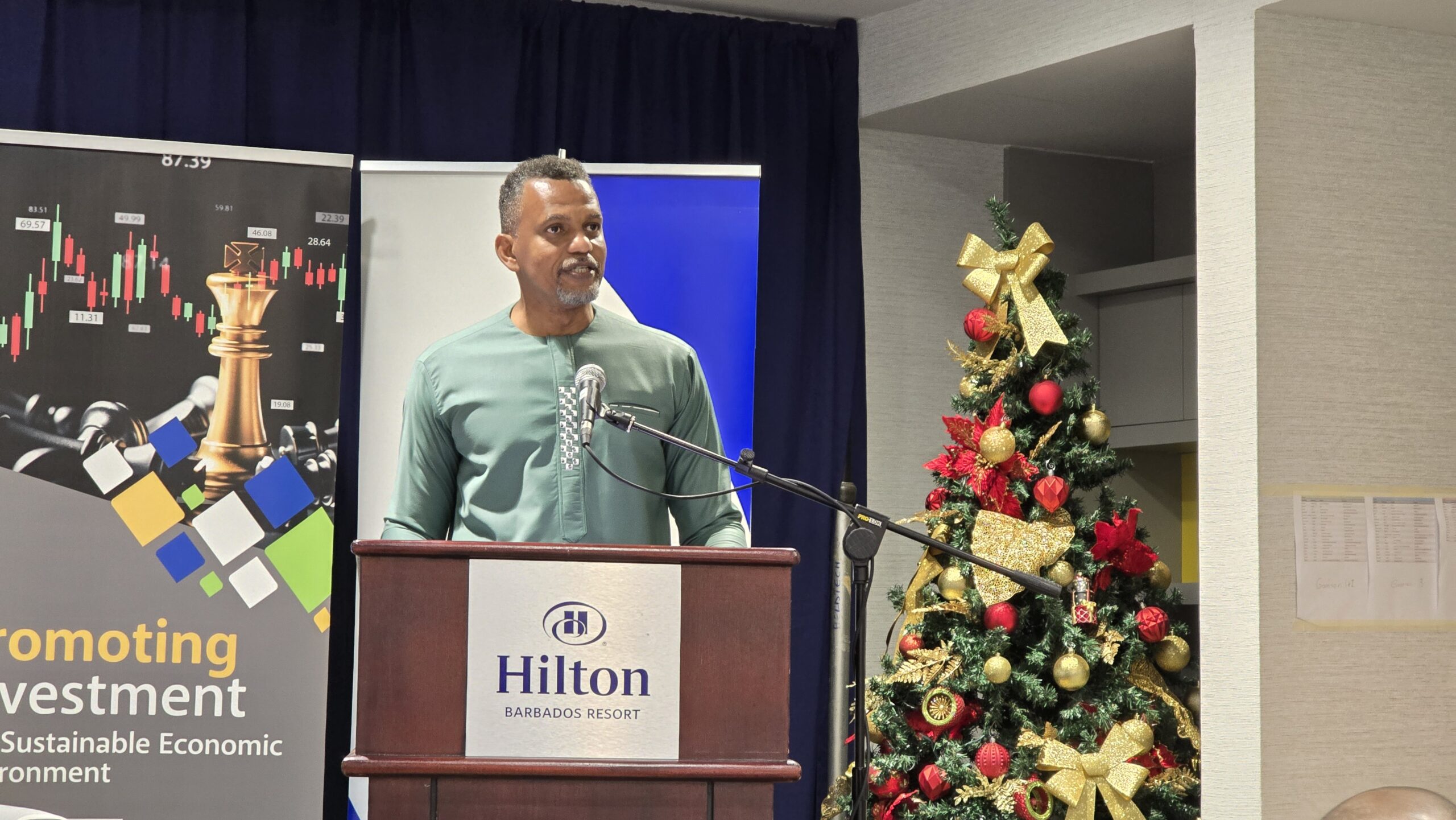
    Daniel Best, President of the Caribbean Development Bank (CDB), delivered a powerful keynote, positioning SMEs as the indispensable backbone of the Caribbean economy. Accounting for over 70% of all businesses and a substantial portion of employment, these enterprises are the region’s primary innovators and employers. However, Best highlighted a critical paradox: despite their importance, many SMEs are chronically undercapitalized, burdened by debt, and stuck in a ‘financing gap’—too large for microfinance yet too small or informal for conventional bank loans.

    ‘Debt alone will not finance the Caribbean’s development,’ Best asserted. ‘We need patient, risk-tolerant capital that allows SMEs to grow, modernize, digitalize, and scale.’ He elaborated that equity is more than just money; it represents a strategic partnership. This infusion of capital provides entrepreneurs the crucial breathing room to invest in research and development, adopt new technologies, and explore new markets without the immediate pressure of loan repayments. Furthermore, equity investors often bring invaluable expertise in governance, operational management, and market access.

    In a region highly vulnerable to climate shocks, such as hurricanes, and global economic volatility, Best emphasized that equity also serves as a critical tool for building resilience by strengthening corporate balance sheets. To unlock this potential, he outlined a comprehensive regional agenda including modernized regulatory frameworks, tax incentives for angel and venture capital investments, the creation of regional equity funds, and the use of blended finance instruments where public development banks like the CDB help ‘derisk’ projects to attract private capital.

    Best also pointed to innovative models, such as the contingent recoverable grants pioneered for the Nevis geothermal project, where grant funding converts to equity upon project success. The agenda also includes formalizing SMEs to meet investor standards, enhancing corporate governance, and building digital platforms to connect investors with promising businesses across national borders, including leveraging diaspora investment.

    Concluding with a rallying cry, Best stated, ‘If we are serious about building resilient, inclusive, future-ready economies, then we must be equally serious about mobilizing equity at scale… When we invest in our SMEs, we invest in our people, our economies, and our collective future.’

  • Caribbean stock market urged as key to business growth

    Caribbean stock market urged as key to business growth

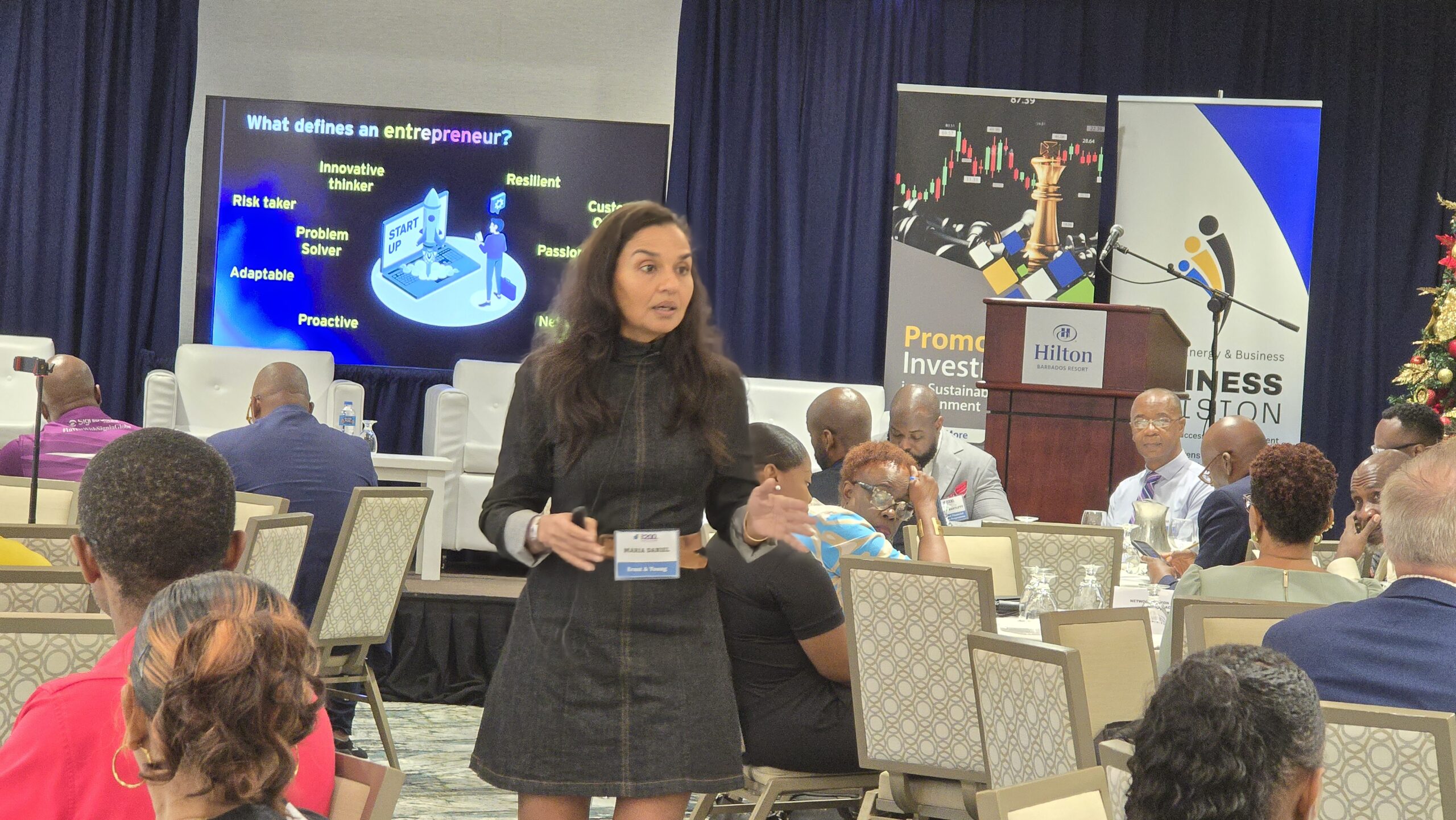
    A prominent financial consultant has endorsed proposals for establishing a consolidated Caribbean stock market, asserting that the current fragmentation of national exchanges significantly impedes regional economic expansion and cross-border business scalability. Maria Daniel, Managing Director of EY Parthenon Caribbean, emphasized that a unified securities exchange would simultaneously empower companies to broaden their operational footprint throughout the region while offering investors substantially diversified portfolio opportunities.

    Speaking at a two-day Innovation Growth Market workshop in Barbados, Daniel articulated the compelling economic rationale for integration: “We must acknowledge our individual limitations—small populations and confined territories. True scalability in the Caribbean necessitates unification: harmonized regulations, a single stock exchange, and ultimately a common currency.”

    The consultant elaborated that a regional exchange would attract capital from both within the Caribbean and international markets, noting that technological advancements now render implementation more feasible than ever. Digital trading platforms and streamlined online reporting mechanisms, she explained, effectively eliminate historical logistical barriers that previously hindered such initiatives.

    Daniel particularly highlighted the transformative potential for small and medium enterprises (SMEs), stating that a unified market would “distribute risk across larger populations while amplifying corporate narratives to broader investor audiences.” She cited Jamaica’s Junior Stock Exchange as a proven success model, where prohibitively high debt costs forced companies toward equity financing, ultimately stimulating economic growth.

    Beyond regional benefits, Daniel emphasized that standardized regulations and a single exchange would significantly boost foreign investor confidence by eliminating the complexity of navigating multiple regulatory frameworks. She concluded with an urgent call to action: “We possess the necessary tools, technology, and expertise. What remains essential is political will and intergovernmental collaboration to transform this vision into reality. A Caribbean stock exchange transcends mere concept—it represents an imperative stride toward regional economic development and integration.”

  • Column: Reorganisatie damesvoetbal

    Column: Reorganisatie damesvoetbal

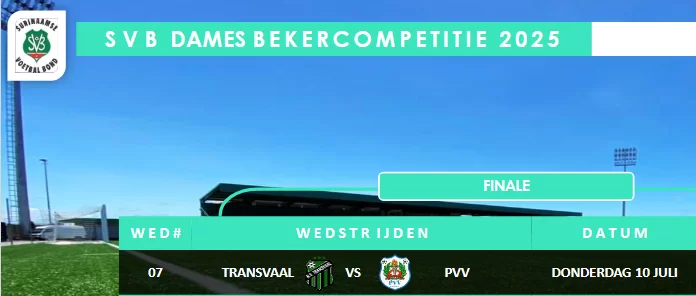
    The absence of domestic women’s football competitions since July’s cup final has exposed systemic failures within the national sporting structure. When the national team coach announced preliminary selections on October 20th, local leagues had been dormant for over three months, resulting in zero representatives from domestic clubs making the cut.

    This development highlights a recurring pattern where athletes from local clubs consistently underperform in regional competitions, with lack of match fitness and rhythm routinely cited as contributing factors. Despite these persistent issues, no club has publicly expressed concern about continuously subjecting athletes to humiliating defeats, nor has there been any indication of strategic changes to improve preparedness.

    The introduction of professional sport passports has accelerated the transition toward fully professional women’s selections. What began as a combination of local amateurs and professionals has now become exclusively professional, completely excluding domestic amateur players. Local clubs failed to advocate for necessary structural reforms, including realigning domestic competitions with regional calendars and establishing a professional women’s league to better prepare athletes for international competition.

    Administrative inertia has reached critical levels, with the governing body spending thousands of dollars on delegations while maintaining a laissez-faire approach that has left athletes fundamentally unprepared. The current trajectory suggests women’s football has reached an impasse, with the sport facing existential threats if policies remain unchanged.

    The core issue lies not with professionally licensed players but with the fundamental approach to sports development. Had domestic sports cultivation reached higher standards, local players would undoubtedly have secured places in the national selection. This situation demands immediate structural overhaul before the entire women’s football program becomes unsustainable.