博客

  • Cuba reaffirms Zero tolerance policy on drugs

    Cuba reaffirms Zero tolerance policy on drugs

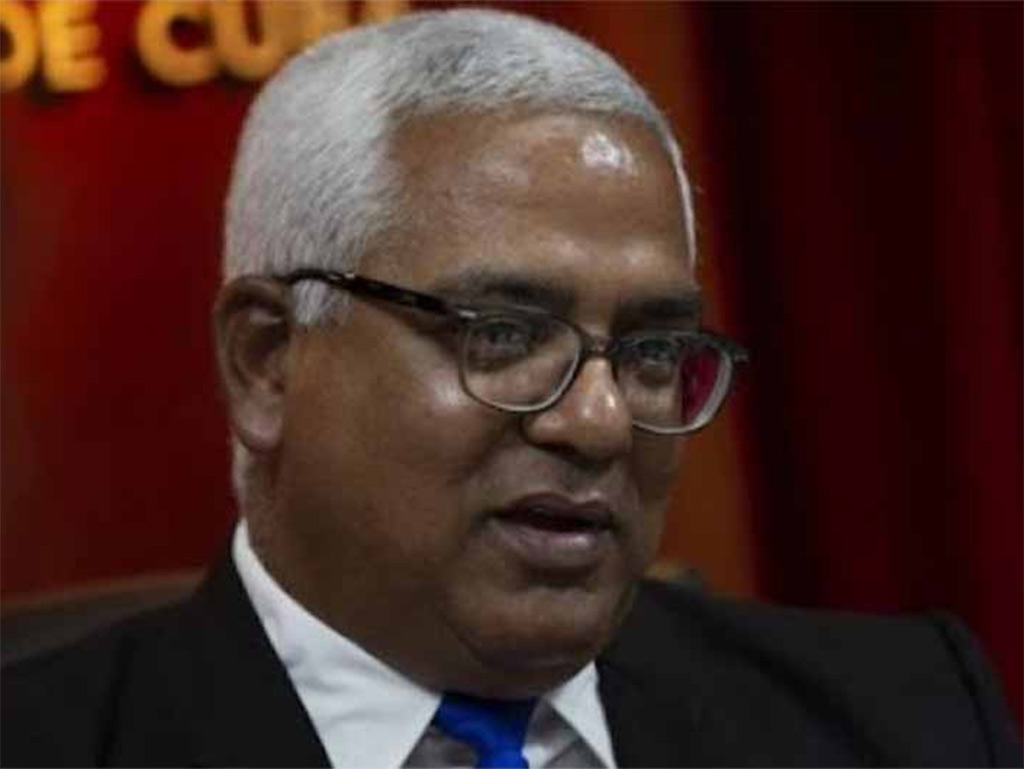
    Cuban authorities have detailed the nation’s ongoing battle against international drug trafficking networks during a comprehensive press briefing. Silvera, who chairs the National Drug Commission, acknowledged that while domestic drug consumption remains relatively contained, the country faces escalating challenges from increasingly diverse and potent narcotics circulating globally.

    Addressing the complex situation, Silvera emphasized the government’s collaborative approach, working across multiple societal sectors to implement preventative strategies against substance abuse. This multi-faceted effort comes despite Cuba’s unique position as a non-producing and non-trafficking nation that nevertheless suffers repeated attempts at drug introduction, primarily through maritime routes.

    Colonel Juan Carlos Poey, head of the Specialized Anti-Drug Unit at the Ministry of the Interior (Minint), provided critical context, noting that Cuba’s geographical placement on major trafficking corridors makes it vulnerable to transnational criminal operations. First Colonel Ivey Carballo, Chief of Staff of the Border Guard Troops Directorate, further elaborated on this strategic challenge, explaining that the nation’s position on the South-North trafficking route necessitates constant vigilance over maritime territories.

    The officials highlighted the crucial role of public cooperation in anti-drug efforts, with Cuban citizens frequently assisting authorities by reporting and temporarily securing packages containing illicit substances discovered in coastal waters. This community involvement, combined with systematic institutional efforts, forms the backbone of Cuba’s comprehensive strategy to eliminate drug trafficking—a phenomenon fundamentally incompatible with the nation’s social principles and foundational values.

  • Antigua and Barbuda Records $254.9M Primary Surplus, PM Announces in 2026 Budget

    Antigua and Barbuda Records $254.9M Primary Surplus, PM Announces in 2026 Budget

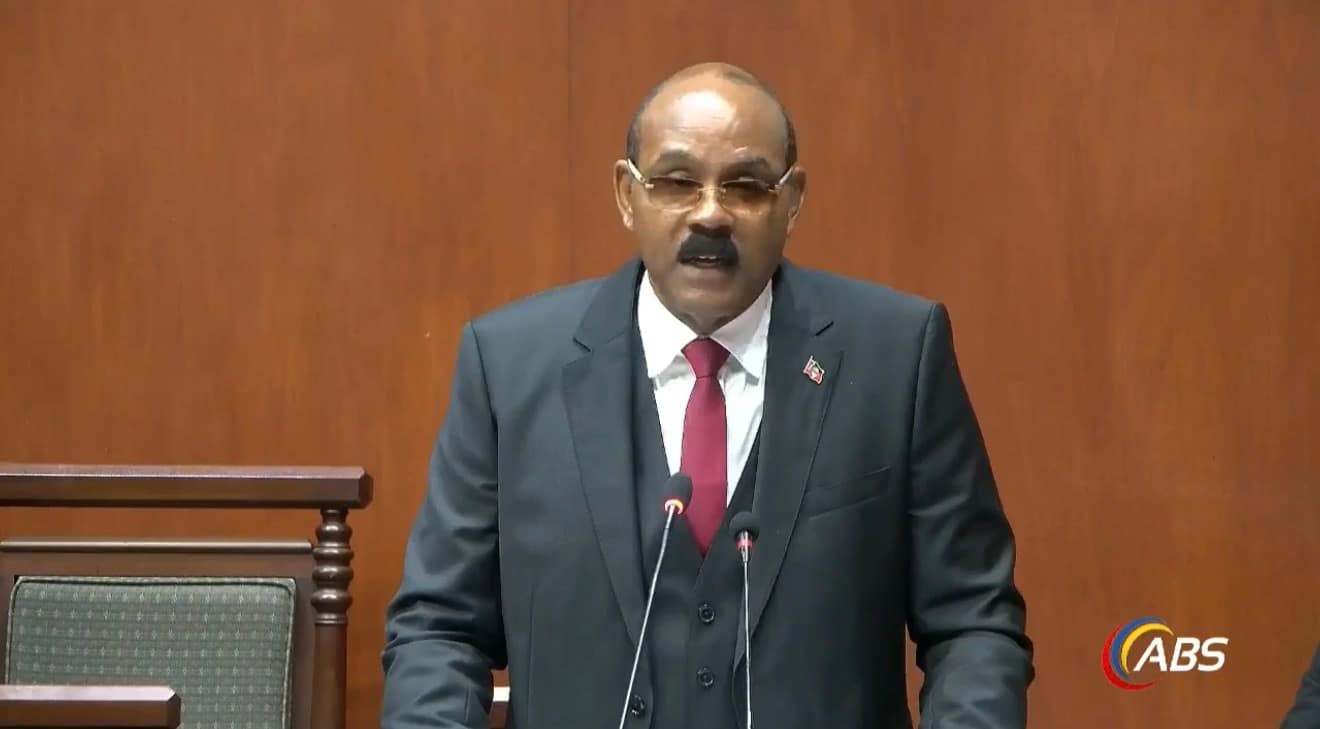
    In a landmark fiscal announcement, Antigua and Barbuda has revealed extraordinary financial results for the 2026 budget cycle, demonstrating one of the most robust economic performances in the nation’s contemporary history. Prime Minister Gaston Browne presented the national budget to Parliament on Thursday, disclosing a remarkable primary surplus of $254.9 million alongside an overall surplus of $116.3 million.

    The substantial surpluses signify a dramatic reversal from the significant deficits that plagued the nation’s economy over a decade ago. Prime Minister Browne attributed this financial transformation to stringent fiscal discipline, consistent economic growth, and enhanced revenue generation across multiple sectors. “Achieving a primary surplus exceeding a quarter billion dollars demonstrates our capacity to meet all financial obligations, including debt servicing, while retaining substantial reserves,” Browne stated, characterizing the figures as testament to a resilient and strategically managed economy.

    Critical to this fiscal success has been the dramatic improvement in the nation’s debt profile. According to Finance Ministry data, the debt-to-GDP ratio has been reduced to 61.4 percent—a sharp decline from the 120 percent level recorded when the current administration assumed office eleven years ago. This improved debt position enables the government to pursue ambitious public investment initiatives while reinforcing social safety nets for vulnerable populations.

    The economic resurgence has been fueled by multiple factors including sustained growth patterns, revitalized tourism numbers, heightened construction activity, and increased import volumes. Enhanced tax compliance measures and broader post-pandemic recovery trends have further bolstered government revenues.

    Under the theme “People-Centered Growth and Development,” the 2026 budget prioritizes strategic investments in education, healthcare, housing, and infrastructure development. These initiatives will be funded through the nation’s strengthened fiscal position without requiring additional borrowing.
    Parliamentary debate on the budget proposal is scheduled to commence next week, setting the stage for legislative approval of the government’s economic agenda.

  • Opposition Leader: 2026 budget disconnected from the people

    Opposition Leader: 2026 budget disconnected from the people

    Grenada’s parliamentary proceedings witnessed intense scrutiny as Opposition Leader Emmalin Pierre delivered a scathing assessment of the 2026 Budget presented by Finance Minister Dennis Cornwall. During the December 4th legislative session, Pierre characterized the EC$1.9 billion fiscal plan as fundamentally disconnected from citizens’ daily realities and indicative of systemic financial mismanagement.

    The opposition leader articulated profound disappointment with the budget’s failure to address critical cost-of-living challenges facing Grenadians. Pierre emphasized that supermarket visits have become ‘painful exercises in survival’ amid skyrocketing electricity bills that force households to choose between basic utilities and essential medications. She particularly highlighted the government’s inadequate response to Hurricane Beryl’s impact in July 2024, demanding urgent assistance for affected communities.

    Economic projections reveal concerning trends, with 2026 forecasted to exceed 2025’s deficit by EC$30.4 million, reaching EC$309.8 million or negative 7.3% of GDP. Pierre noted this represents the second consecutive year of approximately EC$300 million deficits, despite inheriting over EC$500 million in reserves during 2022. The government’s plan to borrow EC$450 million to address the growing deficit raised additional concerns about fiscal sustainability.

    A particularly contentious aspect involves the budget’s new expenditure classification termed ‘initiatives,’ allocating EC$206.7 million alongside recurrent (EC$1.7 billion) and capital (EC$370.4 million) categories. Pierre criticized this as a misleading attempt to portray new project investments totaling EC$577.1 million, arguing it obscures true fiscal priorities rather than addressing public needs.

    The budget debate continues with all Lower House members scheduled to contribute before proceeding to the Upper House. Grenada’s fiscal year runs from January 1 to December 31 annually, with the 2026 budget requiring parliamentary approval before taking effect on New Year’s Day.

  • Dominica holds 5th National Climate Outlook Forum

    Dominica holds 5th National Climate Outlook Forum

    Dominica has launched its fifth National Climate Outlook Forum at the Prevost Cinemall, gathering cross-sector stakeholders to confront escalating climate challenges under the theme “Safeguarding Health and Lives against Dust and Climate Impacts.” The initiative represents a coordinated effort to bolster national resilience through scientific forecasting and strategic planning.

    Central to the discussions are the health implications of Saharan dust incursions and atmospheric pollutants, with experts emphasizing the urgent need for mitigation strategies. The forum features detailed analyses of the anticipated 2025 wet and hurricane season, providing critical data for emergency preparedness. Additionally, participants will examine projections for the 2025-2026 dry season to inform resource allocation and long-term planning.

    The event serves as a collaborative platform for sharing best practices and developing practical solutions to reduce climate-related health vulnerabilities. Through structured presentations and dialogues, attendees aim to create actionable frameworks that address the interconnected challenges of air quality, extreme weather, and public health.

    Notable participants included Mrs. Vernie Marcellin Honoroe from Dominica Meteorological Services, who welcomed delegates, and Mr. Adrian Thomas, Chief of Applied Meteorology at the Caribbean Institute for Meteorology and Hydrology. Key government representatives included Mr. Samuel Carrette, National Resilience Coordinator, Hon. Kent Edwards, Parliamentary Secretary for Health, and Permanent Secretary Jo-Anne Commodore from the Ministry of National Security, underscoring the multidisciplinary approach to climate resilience.

  • Resilient Bold Belize Promises Focused Consultations Following Concerns from Fishers

    Resilient Bold Belize Promises Focused Consultations Following Concerns from Fishers

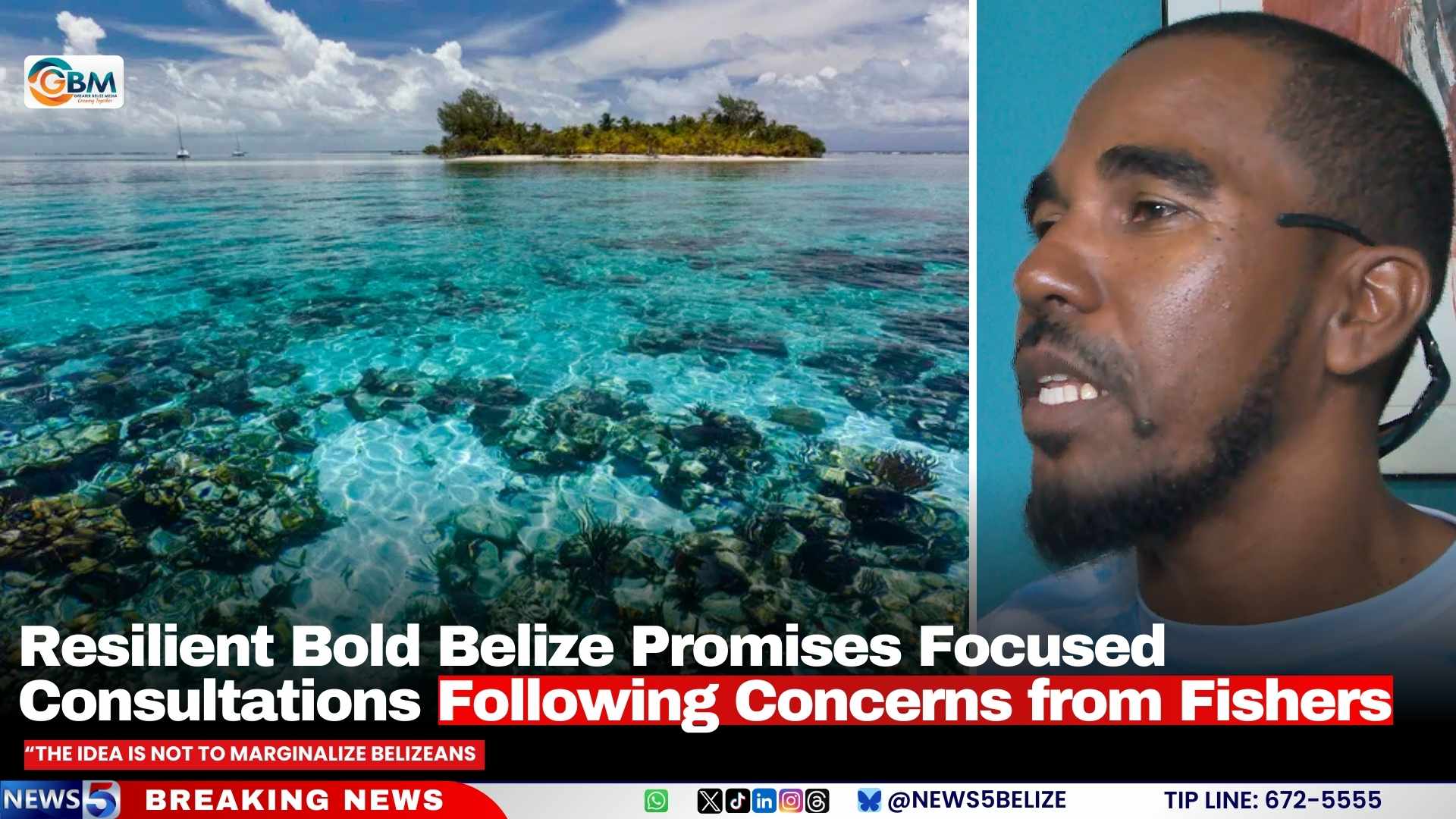
    The Belizean government has committed to organizing specialized consultations regarding its ambitious Resilient Bold Belize conservation initiative, responding directly to concerns raised by fishing communities about potential impacts on their livelihoods. Beverly Wade, Chief Executive Officer of the Ministry of Blue Economy, confirmed the planned consultations following critical feedback from fisheries representatives.

    The environmental protection program, designed to preserve 20% of Belize’s globally significant coral reef system, constitutes a crucial component of the nation’s broader commitment to safeguarding 30% of its ocean territory through the Blue Bond financing mechanism. This comprehensive marine conservation effort represents one of the most substantial environmental protection undertakings in the Caribbean region.

    Wade emphasized the government’s receptiveness to stakeholder input, specifically acknowledging concerns raised by Eworth Garbutt, President of the Belize Flat Fishery Association. “We genuinely value the constructive feedback received from Mr. Garbutt,” Wade stated. “Our approach is fundamentally inclusive rather than exclusionary, seeking to establish an equitable balance between environmental protection and sustainable economic activity.”

    The announcement follows Garbutt’s public expressions of concern regarding insufficient consultation processes for an initiative with significant implications for coastal communities dependent on fishing. The fisheries representative is scheduled to hold a press conference to elaborate on specific areas of concern identified by the fishing industry.

    The development highlights the ongoing challenge facing conservation efforts in developing nations: reconciling critical environmental protection objectives with the socioeconomic needs of local communities who depend on natural resources for their subsistence and economic stability.

  • Gov’t officials confirm Dominica’s geothermal project on track for timely completion

    Gov’t officials confirm Dominica’s geothermal project on track for timely completion

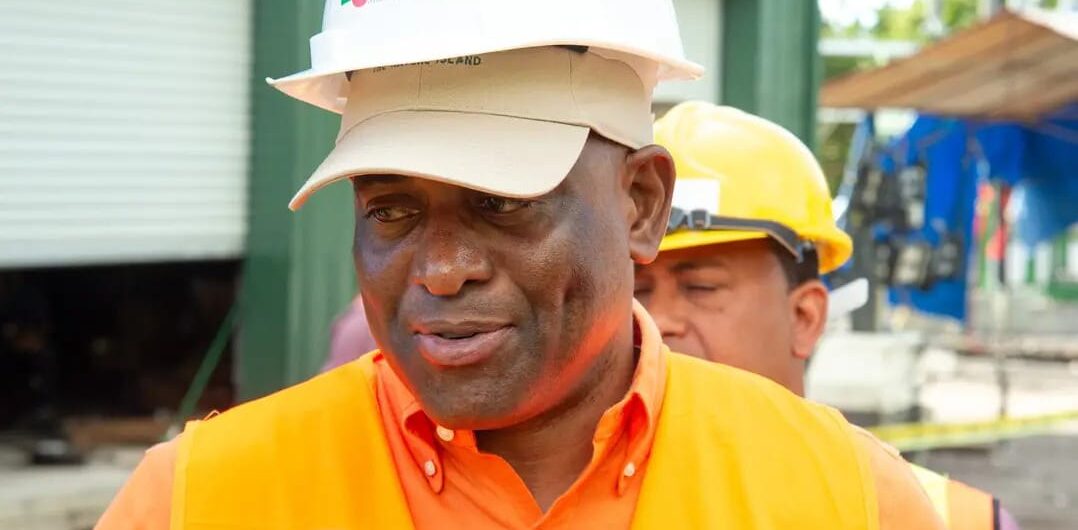
    Dominica’s ambitious geothermal energy initiative has reached a pivotal construction phase, with national leaders confirming the project remains firmly on schedule for its critical February power transmission deadline. During an inspection tour of the Laudat facility, Prime Minister Roosevelt Skerrit expressed considerable satisfaction with the advancement of this transformative energy infrastructure project.

    The Prime Minister specifically highlighted the February timeline for connecting the geothermal output to Dominica Electricity Services (DOMLEC), which will subsequently distribute the renewable energy to households and commercial establishments across the nation. Skerrit attributed the project’s consistent progress to the dedicated oversight provided by Energy Minister Dr. Vince Henderson, recognizing his sustained leadership and strategic guidance throughout the development process.

    Both government officials praised the collaborative partnership with international geothermal specialist Ormat Technologies. Skerrit characterized the relationship as productive and professional, noting the company’s technical expertise and expressing anticipation for a continued 25-year operational partnership following plant completion.

    Energy Minister Henderson echoed these sentiments, describing Ormat as an ‘excellent partner’ despite the inherent complexities of public-private infrastructure contracts. He clarified the division of responsibilities within this partnership framework: the government manages transmission infrastructure development while Ormat oversees plant construction and operations.

    Henderson further confirmed the adjusted timeline, with commissioning activities beginning December 2025 and full commercial operations commencing March 2026—representing only a minimal two-month extension from original projections. The Minister emphasized that this achievement demonstrates Dominica’s capacity to successfully execute sophisticated engineering projects.

    This geothermal facility, with its 10-megawatt capacity, represents a fundamental component of Dominica’s strategic shift toward sustainable energy independence. The project is widely regarded as crucial infrastructure that will substantially enhance the nation’s energy security and environmental sustainability for decades to come.

  • It May Taste Good, But “It’s Killing Us”

    It May Taste Good, But “It’s Killing Us”

    A groundbreaking legal battle unfolding in San Francisco has ignited global concerns about the health implications of ultraprocessed foods, products that have become increasingly prevalent in households worldwide, including in Belize. The City of San Francisco has initiated litigation against ten multinational food corporations, alleging they have deliberately engineered and marketed products scientifically linked to serious chronic health conditions.

    The lawsuit presents evidence that these food items were specifically formulated to create addictive consumption patterns, contributing significantly to escalating global rates of obesity, diabetes, and related metabolic disorders. San Francisco City Attorney David Chiu emphasized that scientific research has now reached an undeniable “tipping point,” establishing profound connections between these products and deteriorating public health outcomes, alongside imposing substantial healthcare costs on consumers.

    Among the specifically named defendants are industry titans Coca-Cola, PepsiCo, Nestlé, Kellogg, and Kraft Heinz—all familiar presences in Belizean markets. The comprehensive list further includes Mondelez International, Post Holdings, General Mills, Mars Incorporated, and ConAgra Brands.

    Ultraprocessed foods subject to litigation typically encompass sugar-sweetened beverages, artificially flavored chips, and packaged snack items containing excessive additives, sugars, sodium, and unhealthy fats. University of California San Francisco Professor Laura Schmidt described the decades-long health crisis as “watching a train wreck in slow motion,” noting particularly alarming increases in childhood diabetes, pediatric fatty liver disease, and youth obesity rates linked to these nutritional products.

    The Consumer Brands Association has formally contested the allegations, maintaining that member companies strictly follow evidence-based safety protocols established by the U.S. Food and Drug Administration. Nevertheless, prominent nutrition researcher Barry Popkin counters that despite successful public health campaigns reducing smoking rates, chronic diseases continue escalating due to dietary patterns. Popkin’s research indicates approximately 75-80% of children’s caloric intake and 55-60% of adults’ consumption derives from ultraprocessed sources, leading him to state unequivocally: “The food is killing us.”

  • Putin Doubles Down on Demand for Ukraine Land as U.S. Peace Talks Stall

    Putin Doubles Down on Demand for Ukraine Land as U.S. Peace Talks Stall

    Russian President Vladimir Putin has intensified his geopolitical stance by reiterating demands for Ukrainian territorial concessions, declaring Russia’s intention to secure complete control over eastern regions through either military or diplomatic channels. This hardened position emerges despite concurrent peace discussions facilitated by American intermediaries with both conflicting nations.

    During a prelude interview with ‘India Today’ preceding his diplomatic engagement with Indian Prime Minister Narendra Modi in New Delhi, Putin affirmed his strategic objectives regarding Ukraine’s Donbas territory. Independent military analysis from the US-based Institute for the War Study suggests Russian forces are progressing at a tactically sluggish pace, projecting potential full control of Donetsk no earlier than August 2027 based on current advancement metrics.

    The geopolitical landscape is further complicated by recent high-level negotiations between Russian officials and a U.S. delegation in Moscow. Putin characterized these discussions as extensive yet contentious, noting substantive disagreements with certain aspects of the American-proposed peace framework. Echoing these sentiments, U.S. President Trump acknowledged the challenging nature of the negotiations while characterizing the Moscow meeting as fundamentally productive, employing the diplomatic adage that ‘it takes two to tango’ to describe the delicate negotiation process.

    Simultaneously, Ukrainian officials are preparing for complementary discussions with U.S. representatives in Miami this week. These parallel negotiations are expected to address deliberations from the Moscow meeting and advance discussions on a comprehensive 28-point peace proposal drafted by American officials. Despite sustained diplomatic engagement between the United States and both nations in recent weeks, no significant breakthroughs have been publicly disclosed, indicating persistent divisions in the peace process.

  • PHOTOS: C.O. Williams Pushes Ahead with Road Surface Works in Pares Village

    PHOTOS: C.O. Williams Pushes Ahead with Road Surface Works in Pares Village

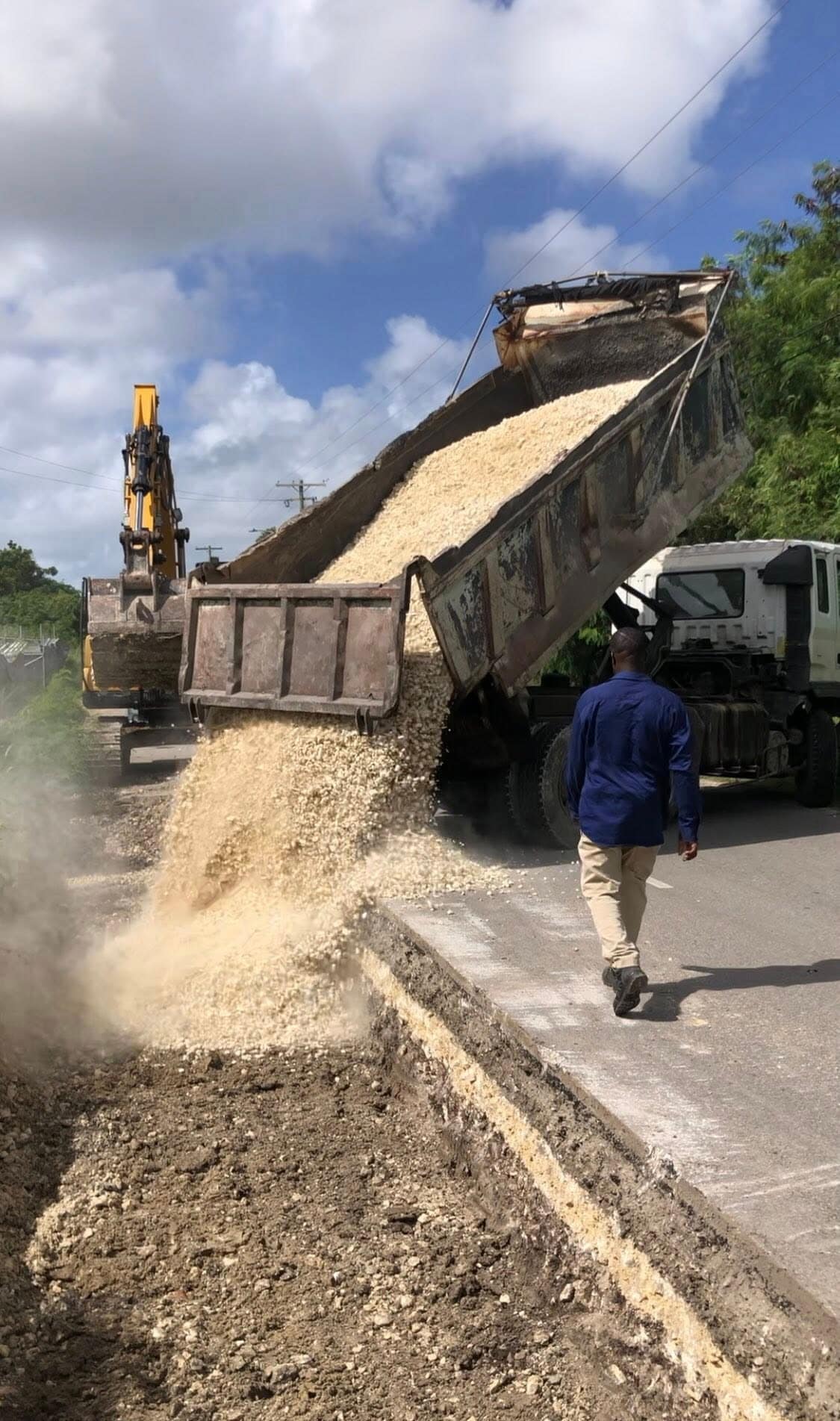
    Infrastructure enhancement efforts are progressing steadily in Antigua as C.O. Williams Ltd. (Antigua) advances its comprehensive asphalt preparation and repair initiative along the Sir Sydney Walling Highway in Pares Village. The ongoing project represents a significant investment in the island’s transportation infrastructure, focusing on improving road safety and driving conditions for local residents and visitors alike. Construction crews are methodically working to address surface deterioration and structural weaknesses that have developed over time through weather exposure and constant traffic flow. The rehabilitation strategy involves meticulous preparation of the existing roadbed followed by application of premium-grade asphalt materials designed to withstand tropical climate conditions. While temporary traffic management measures are in effect to facilitate the construction process, motorists are advised to exercise caution when traversing the work zones and consider alternative routes during peak construction hours. The project timeline anticipates minimal disruption to daily commutes, with most intensive work scheduled during lower-traffic periods. This infrastructure improvement initiative forms part of broader governmental efforts to modernize Antigua’s road network and enhance connectivity between key communities and economic centers across the island.

  • Holness pays tribute to late consul-general to New York

    Holness pays tribute to late consul-general to New York

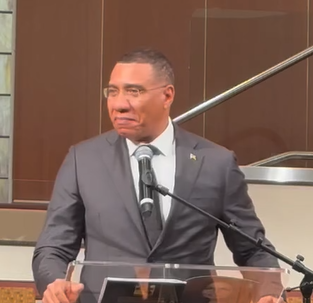
    KINGSTON, Jamaica — In a moving tribute during Friday’s thanksgiving service, Prime Minister Andrew Holness commemorated the life and legacy of Alsion Wilson, Jamaica’s late consul-general to New York, who passed away on November 8, 2025.

    Holness characterized Wilson as an exceptionally determined and resolute leader who fundamentally redefined Jamaica’s diplomatic presence in the United States. “Consul General Wilson transcended the conventional boundaries of her position,” Holness stated. “She completely reenvisioned the potential of a consular mission, dramatically enhancing Jamaica’s visibility and influence throughout New York and across the 33 states within her purview.”

    The Prime Minister highlighted Wilson’s distinctive blend of professional competence and deep human compassion, noting that this rare combination established her as both an exemplary public official and a cherished personality within the diaspora community. Her approach to leadership proved particularly invaluable during critical situations, where her composed stewardship made significant impacts.

    Holness further emphasized the personal sacrifices Wilson made in service to her nation. “Alsion willingly made considerable personal sacrifices to assume this role,” he reflected. “Today, I honor not just her professional accomplishments but equally commend her selfless dedication. Her fundamental motivation was always service to others.”

    In recognition of her exceptional contributions, Wilson was posthumously awarded the Order of Distinction during the ceremony, cementing her legacy as a transformative figure in Jamaican diplomatic service.