博客

  • Government Unveils Plans for Stella Maris Rehabilitation

    Government Unveils Plans for Stella Maris Rehabilitation

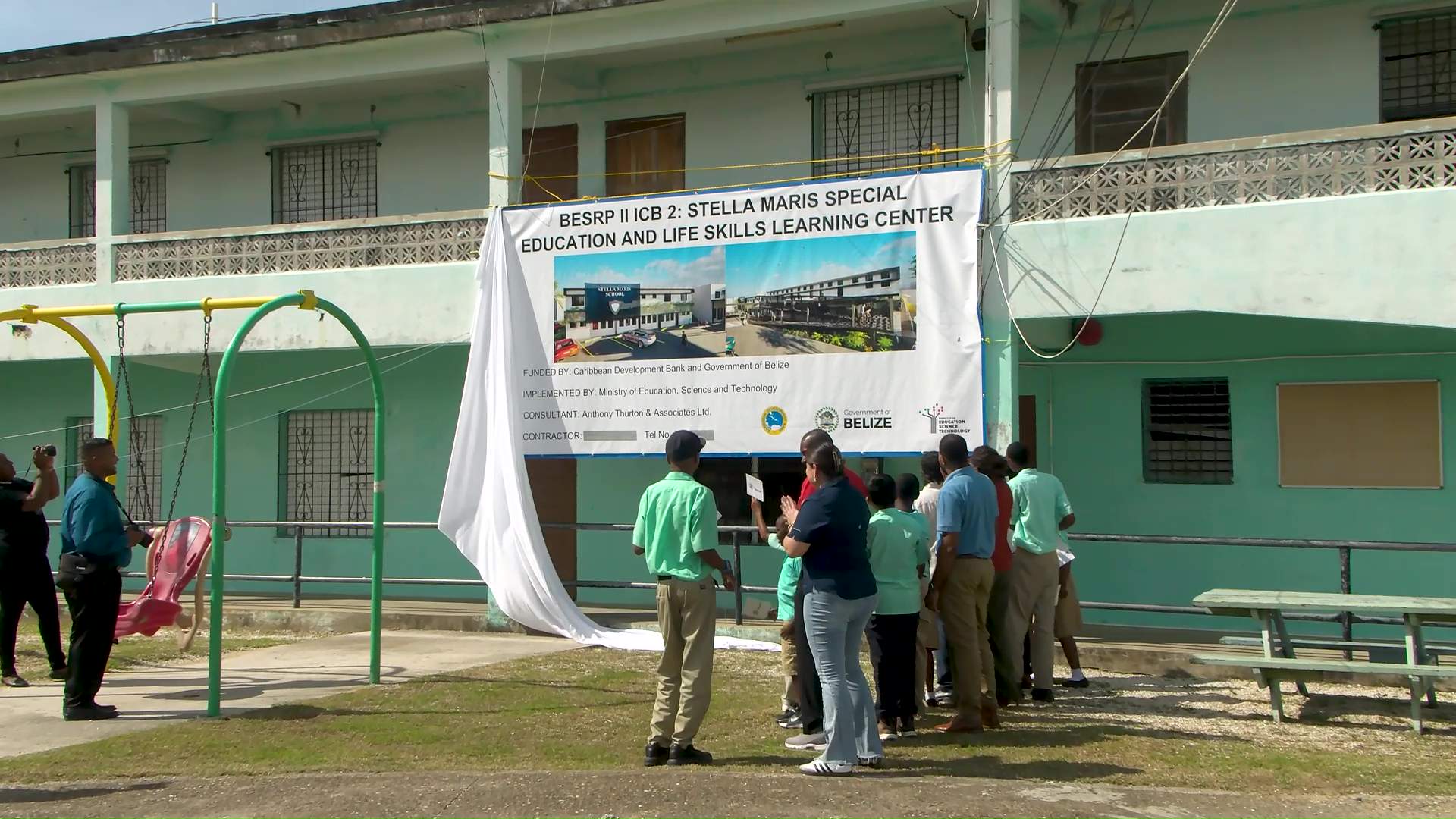
    BELIZE CITY – In a landmark move for disability rights and educational equity, the Belizean government has officially launched a comprehensive $3 million rehabilitation project for Stella Maris School, the nation’s sole dedicated institution for children with special needs. The announcement, made on December 5, 2025, culminates years of advocacy and promises a transformative upgrade to the facility’s infrastructure.

    The ambitious initiative, a core component of the Belize Education Sector Reform Project Two, is funded with support from the Caribbean Development Bank. It aims to completely reimagine the learning environment for the school’s 132 students, ensuring full compliance with the Americans with Disabilities Act (ADA). Key features of the project include the construction of essential ramps, ADA-compliant bathroom stalls, and a modernized administrative building.

    Beyond basic accessibility, the plan introduces specialized facilities designed to foster independence and vocational skills. A new occupational and physical therapy room, an upgraded kitchen for the school’s student-run snack program, a dedicated laundry room, and a street-facing snack shop for product sales are central to the project’s vision. These enhancements are intended to equip students with practical life skills for future self-sufficiency.

    Further compound improvements involve enhanced drainage systems, extended sidewalks, and a brand-new, accessible playground. With construction fast-tracked for a September completion, the Stella Maris community has been temporarily relocated to the University of Belize campus. Principal Doreth Pascasio Griffith reports a successful transition, praising her dedicated staff and parents for maintaining a stable and happy environment for the students.

    The project holds profound personal significance for Minister of Education Francis Fonseca, who cited his father’s visual impairment as a driving force behind his commitment. He emphasized that the overhaul is not merely about inclusion but about empowering Belize’s most vulnerable youth to lead dignified, independent, and productive lives, free from societal dependence.


  • Foreign Minister Says Help is Available for Budna

    Foreign Minister Says Help is Available for Budna

    Belize’s Foreign Minister Francis Fonseca has publicly addressed allegations made by Joseph Budna, a Belizean national currently incarcerated in Guatemala, who claims his government has abandoned him. Minister Fonseca provided a detailed rebuttal during a recent press engagement, outlining the comprehensive consular assistance provided to the detainee.

    Contrary to Budna’s assertions of neglect, Fonseca confirmed that embassy officials have maintained consistent contact and have undertaken multiple supportive measures. ‘Our embassy staff have personally visited Mr. Budna and provided him with all necessary contact information,’ Fonseca stated. ‘They made it explicitly clear that he should reach out whenever he requires assistance.’

    The Foreign Minister emphasized that while weekly visits aren’t standard protocol, the embassy has ensured Budna receives critical medical supplies for an unspecified health condition and offered legal support. ‘They explicitly told him they would facilitate legal representation, but he indicated he had retained his own attorney,’ Fonseca added.

    This diplomatic response comes after Budna utilized prison telephone privileges to publicly criticize what he characterized as inadequate consular support from Belizean authorities. The case highlights the complex challenges of providing consular services abroad and the communication gaps that can emerge in international detention situations.

    Minister Fonseca concluded by reaffirming the government’s commitment to citizen welfare overseas: ‘He has all their contact details. If he needs any assistance whatsoever, he can contact them directly and they will respond promptly.’

  • Caribbean Condemns Deadly U.S. Anti-Drug Campaign

    Caribbean Condemns Deadly U.S. Anti-Drug Campaign

    A contentious U.S. military initiative targeting suspected narcotics trafficking vessels has ignited significant diplomatic friction across the Caribbean region. Since its inception in September, the campaign has reportedly executed twenty-two separate maritime assaults throughout the Caribbean and Eastern Pacific waters, resulting in a minimum of eighty-seven casualties according to official U.S. accounts.

    The operational methodology has drawn particular scrutiny from international observers, with one incident described as a ‘double-tap’ strike—a subsequent attack allegedly targeting survivors from an initially disabled vessel. This tactic has raised profound concerns regarding potential violations of international humanitarian law and the principles of armed conflict.

    Belize’s Foreign Minister Francis Fonseca has emerged as a vocal critic of the operations, articulating the region’s growing apprehension. ‘Belize’s position is that we want the Caribbean to remain a zone of peace,’ Minister Fonseca stated. ‘We strongly urge against any military action in the Caribbean Sea, as this would destabilize our economies and create problems with tourism among other issues.’

    While acknowledging the severe threat posed by narcotics trafficking, Minister Fonseca emphasized Belize’s preference for cooperative approaches through dialogue and intelligence sharing rather than military escalation. The minister expressed concern about the potential for operations occurring near Belizean waters, noting that the campaign’s broad mandate targets the entire drug trade without geographical limitations.

    The escalating situation represents a complex intersection of transnational crime interdiction efforts, regional sovereignty concerns, and international legal standards, with Caribbean nations increasingly unified in their call for diplomatic solutions over military action.

  • Belize Secures CARICOM Approval for Trade Deal with El Salvador

    Belize Secures CARICOM Approval for Trade Deal with El Salvador

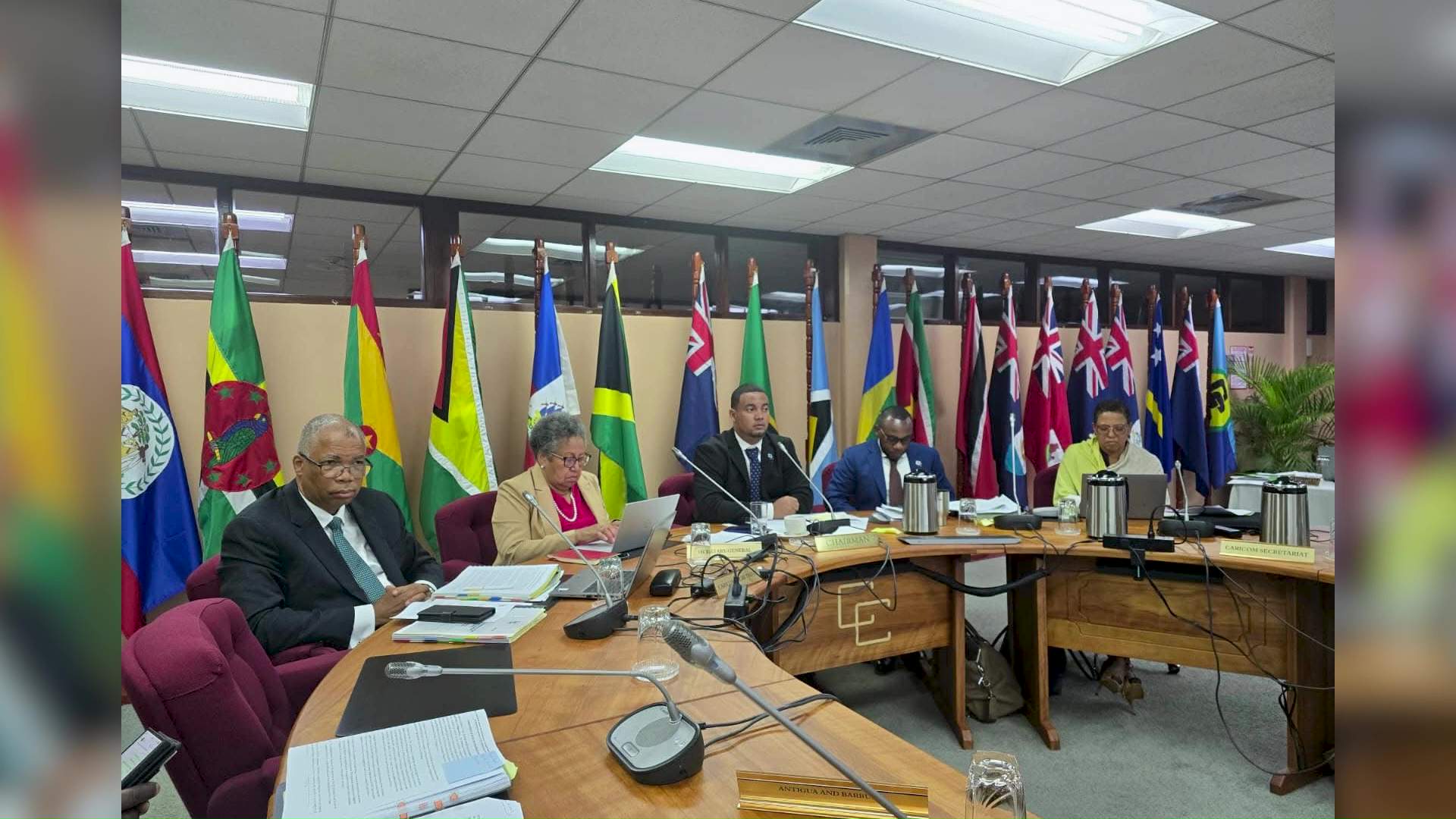
    Belize has achieved a significant milestone in its international trade relations after securing formal approval from the Caribbean Community (CARICOM) for its proposed Partial Scope Agreement with El Salvador. The diplomatic breakthrough occurred during the 61st Council for Trade and Economic Development (COTED) meeting in Guyana, marking a critical step toward finalizing the bilateral trade arrangement.

    The negotiations, which commenced in 2023 with the first formal round conducted in December 2024, have progressed through three substantive rounds of discussions. The approval process reflects CARICOM’s established protocol requiring member states to obtain collective endorsement for external trade agreements. This mechanism ensures external partners cannot secure more favorable terms than those enjoyed by CARICOM members, thereby preserving the integrity of the regional common market and preventing discriminatory trade practices.

    Foreign Affairs and Foreign Trade Minister Francis Fonseca emphasized the agreement’s strategic importance, noting that it creates substantial opportunities for Belizean producers to access new markets and reduce trade barriers. Simultaneously, COTED approved an extension and expansion of Belize’s existing Partial Scope Agreement with Guatemala, further enhancing the nation’s regional trade network.

    These developments represent a deliberate strategy to stimulate economic growth through diversified trade relationships. The government identifies market expansion as fundamental to Belize’s economic future, with these agreements providing frameworks for increased exports and strengthened commercial ties throughout Central America and the Caribbean region.

  • After Thirty Years on Crutches, Dad Gets New Wheelchair

    After Thirty Years on Crutches, Dad Gets New Wheelchair

    BELIZE CITY – After thirty years navigating life on crutches, Wilfred Garbutt has finally received a life-changing wheelchair through a humanitarian initiative that highlights both the profound need for mobility aids and the financial barriers preventing access. The U.S.-based nonprofit Chair the Love, in partnership with the Rotary Club of Belize, distributed 260 wheelchairs during a ceremonial handover this week, restoring independence to hundreds of Belizeans with mobility challenges.

    Garbutt’s journey exemplifies the struggles faced by many. Having lost his leg in 1994, he spent decades as a dedicated father to three children while relying on cumbersome crutches. His first wheelchair arrived just three years ago – another donation from the same program – but until then, the prohibitive costs made ownership impossible.

    “When I checked with BAPDA, they said it would cost about eight hundred dollars to get a wheelchair to Belize, including duty,” Garbutt explained. “I don’t understand why they charge duty for wheelchairs. It’s ridiculous. Even the crutches cost me two hundred and seventy-five dollars for a brand new pair. As a retired person, how could I afford that?”

    The economic disparity in accessibility equipment became a central theme of the donation event. Augie Byllott, Director of Chair the Love, revealed that his organization procures wheelchairs directly from manufacturers at $200 per unit, delivered directly to ports of entry. Yet the identical chairs frequently retail for up to $1,200 in medical supply stores across Central America and Mexico due to supply chain markups.

    “It’s not that anybody is trying to steal from anybody,” Byllott clarified. “But when multiple intermediaries each need to make a profit, the final cost becomes prohibitive. We bypass that system entirely by going directly from manufacturer to recipient.”

    The Rotary Club of Belize, which has distributed approximately 4,000 wheelchairs over the past two decades, organized the ceremony to honor both donors and recipients. Rotarian Douglas Hyde emphasized the significance of the annual December distribution, describing it as one of their most impactful events that fundamentally transforms lives.

    Beyond mere mobility, the chairs restore dignity and autonomy. Garbutt described how his previous wheelchair enabled him to maintain his household responsibilities: “As a stay-at-home dad, I prepare all meals for my three children. Moving around the house, I’m now very mobile. I could wheel myself to the shop half a mile away without depending on anybody. It gives you a sense of independence.”

    The initiative represents part of Chair the Love’s broader mission to deliver 5,000 wheelchairs to fifteen countries by year’s end, addressing a critical need that intersects healthcare, economic accessibility, and human dignity.

  • GDF soldiers off to Jamaica for post-hurricane reconstruction

    GDF soldiers off to Jamaica for post-hurricane reconstruction

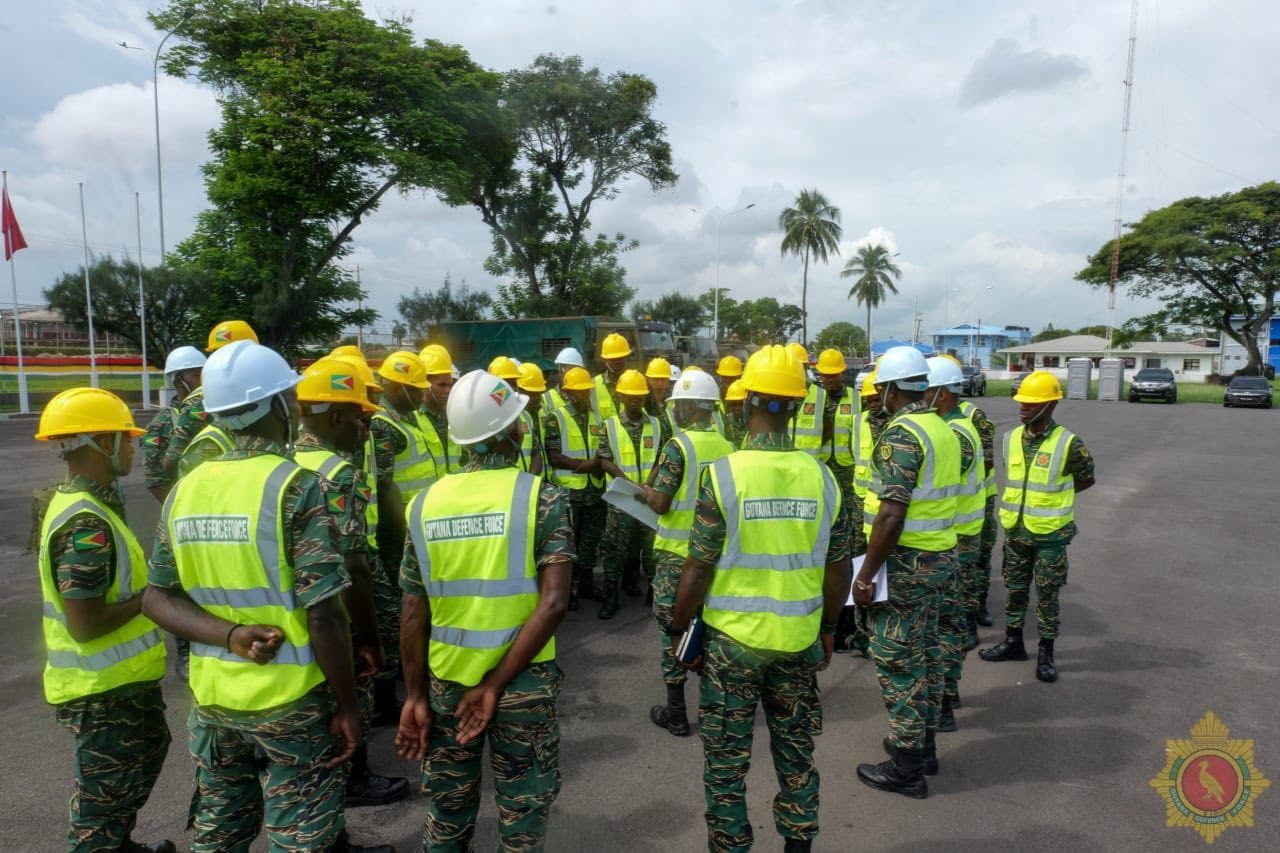
    In a significant demonstration of regional solidarity, the Guyana Defence Force (GDF) has deployed a specialized engineering team to assist Jamaica’s reconstruction efforts following the devastating impact of Hurricane Melissa. The 41-member contingent, consisting of both regular and reserve personnel from the 4 Engineers Battalion, represents Guyana’s commitment to supporting Caribbean neighbors during times of crisis.

    The deployment, which includes one officer and 40 other ranks, features many engineers with prior experience in regional disaster response missions. These skilled personnel will collaborate directly with Jamaican authorities to restore critical infrastructure, rebuild affected communities, and support ongoing humanitarian operations in the hurricane-ravaged nation.

    Acting Chief of Defence Staff Colonel Kenlloyd Roberts personally briefed the troops before their departure, emphasizing the importance of their mission. He highlighted that the soldiers carry the responsibility of representing their unit, the GDF, and the nation of Guyana as a whole. “Expectations are high, but I am confident you will deliver and represent the Commander-in-Chief with pride,” Colonel Roberts stated, according to the official GDF release.

    The timing of the deployment is particularly noteworthy, occurring during the traditional Christmas season when military personnel typically prioritize family celebrations. Colonel Roberts acknowledged this sacrifice, praising the soldiers’ professionalism and readiness to serve despite the holiday period. This marks the first GDF deployment of its kind during this seasonal timeframe, underscoring the urgency of Jamaica’s recovery needs.

    The GDF statement emphasized that this mission reinforces Guyana’s emerging leadership role in regional disaster response and demonstrates the nation’s unwavering commitment to Caribbean community support. The defense force expressed confidence that the contingent’s expertise and previous successful deployment record will significantly contribute to Jamaica’s rebuilding efforts.

  • Viruses circulating are typical of the season

    Viruses circulating are typical of the season

    Health authorities are reporting a significant uptick in respiratory infections consistent with seasonal patterns, prompting renewed calls for stringent hygiene practices. According to pulmonologist Dr. Evangelina Soler, this surge, while expected during this period, demands serious attention due to the nature of the circulating pathogens.

    The influenza virus is currently dominating clinical presentations, with a substantial number of adult patients testing positive. Simultaneously, pediatric cases are showing increased prevalence of other viruses, including the OC43 coronavirus variant, which is particularly affecting young children. Medical professionals are observing unusual lung infection patterns in younger patients, characterized by bilateral lung infiltrates—a clinical manifestation noted for its deviation from the traditionally lower pathogenicity associated with these viruses.

    This epidemiological scenario is further complicated by the persistence of other respiratory viruses, including Respiratory Syncytial Virus (RSV) and additional seasonal coronaviruses. Specialists like Dr. Robert Paulino attribute the prolonged and aggressive nature of this season’s outbreaks to significant fluctuations in temperature and humidity levels.

    The seasonal transition from winter to spring in the Northern Hemisphere is creating ideal conditions for both respiratory and arboviral infections to thrive. Health experts emphasize that this period of environmental change significantly alters infectious disease dynamics, necessitating enhanced surveillance and preventive measures to prevent potential outbreaks.

    Medical recommendations underscore the critical importance of thorough hand hygiene and avoiding contact with individuals displaying respiratory symptoms. These precautions are particularly crucial for vulnerable demographics, including older adults, young children, and individuals with underlying health conditions such as kidney disorders, cardiovascular diseases, diabetes, liver conditions, and pulmonary problems.

  • Environment : Soil sampling and collection campaign

    Environment : Soil sampling and collection campaign

    In observance of World Soil Day 2025, Haiti’s Ministry of Environment has launched an ambitious national soil sampling campaign targeting the country’s severe land degradation issues. Under the theme “Healthy Soils for Healthy Cities,” the initiative represents a critical step toward environmental restoration and climate resilience.

    Environment Minister Moïse Fils Jean Pierre emphasized the fundamental importance of soil as “the matrix and substrate, the foundation of life” during the December 5th ceremony marking the campaign’s launch. The project, which gained approval from the Global Environment Facility in September 2021, forms part of a broader regional effort across eight Caribbean nations including Antigua and Barbuda, Belize, Barbados, Grenada, Guyana, Jamaica, and Saint Lucia.

    The comprehensive program has already trained 245 university students and young professionals in advanced soil sampling techniques. Participants received instruction in geospatial location mapping, specialized sample transportation methods, and data processing software applications. This educational component strategically positions youth as central actors in sustainable land management practices.

    Implementation involves collaboration between multiple Haitian institutions including the Ministry of Agriculture, the National Center for Geospatial Information, and both public and private universities. The Partnership Initiative for Sustainable Land Management (PISLM) provides overall coordination for the multinational project, which aligns with United Nations Convention to Combat Desertification objectives.

    The updated soil data collected through this campaign will serve as the foundation for developing evidence-based conservation strategies, enhancing environmental education programs, and promoting sustainable natural resource management across Haiti’s vulnerable ecosystems.

  • Thousands of Guyanese, Caribbean students already ‘attending’ Guyana Digital School

    Thousands of Guyanese, Caribbean students already ‘attending’ Guyana Digital School

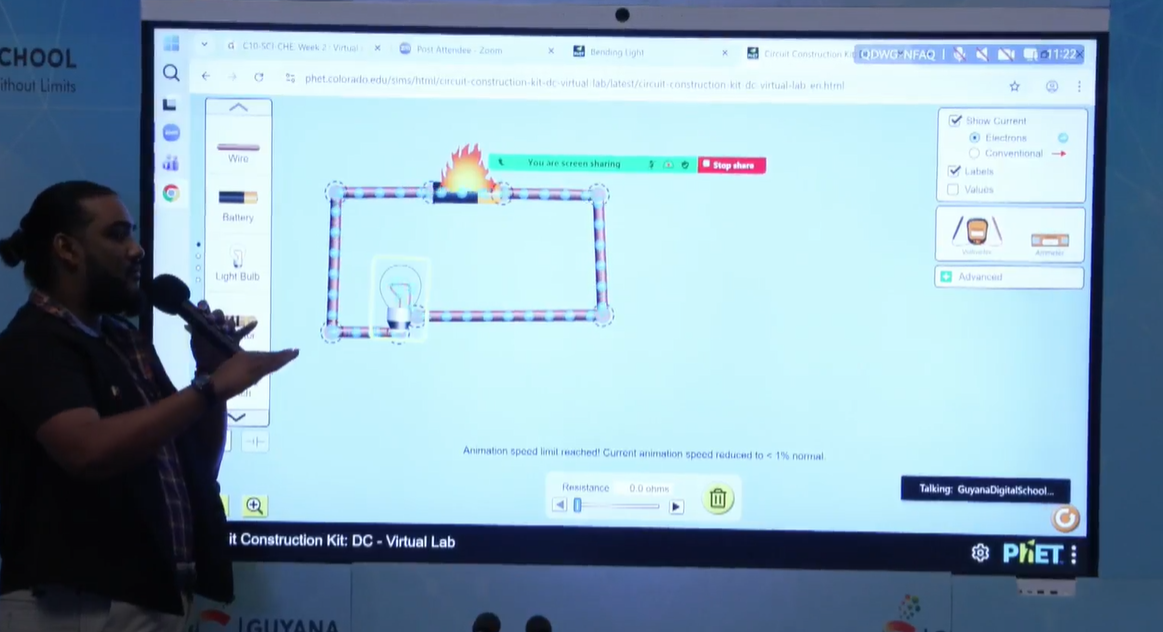
    In a landmark initiative for Caribbean education, Guyana has officially launched the Guyana Digital School with over 20,000 students already enrolled from across the region. The platform, inaugurated on December 5, 2025, represents a significant step toward equitable educational access throughout the Caribbean Community (CARICOM).

    Education Minister Sonia Parag revealed that 20,368 students from Grades 10 and 11 throughout Guyana and CARICOM member states have registered on the digital platform. The program is scheduled to expand to include Grades 7 through 9 by early 2026, creating a comprehensive digital learning ecosystem.

    President Irfaan Ali emphasized the platform’s strategic importance for disaster resilience in a region frequently impacted by natural disasters. ‘For a region that is susceptible to so many natural disasters… once electricity and communication services are restored, education is back up with the digital school,’ President Ali stated, highlighting the system’s capacity to minimize educational disruption during crises.

    The digital school employs a sophisticated four-quadrant approach that integrates technology, content, engagement, and hands-on experience into a cohesive learning model. The platform incorporates artificial intelligence elements and features an extensive library of on-demand digital resources, including textbooks for CXC and CSEC subjects. Minister Parag clarified that the initiative enhances rather than replaces traditional education: ‘This is not an abandonment of the traditional school methodology. It introduces new avenues for learning so that no child falls behind because of distance, circumstance or pace.’

    The initiative has received regional endorsement from Caribbean leaders. Barbados Prime Minister Mia Amor Mottley praised President Ali’s ‘bold and innovative vision,’ while Belize expressed interest in connecting their national digital system with the Guyana Digital School. Grenada’s Prime Minister Dickon Mitchell has directed his education minister to ensure active participation, expressing optimism about the platform’s potential to transform educational delivery throughout CARICOM.

    Beyond academic instruction, the digital school aims to bridge cultural divides and prepare students for the digital era across multiple sectors including transportation, finance, public services, and healthcare. President Ali noted the platform will enable students from across the region to conduct experiments and share experiences, ultimately working to break down cultural barriers.

    The initiative also addresses persistent challenges revealed during the COVID-19 pandemic, when educational systems struggled with digital transition due to untrained teachers, uncomfortable parents, and limited internet access. The Guyana Digital School now stands as a resilient partner for parents and educators during times of uncertainty, helping to mitigate learning losses that continue to affect educational systems across Guyana.

  • Entrepreneurship Forum : The BRH presents its program «Booster PME III»

    Entrepreneurship Forum : The BRH presents its program «Booster PME III»

    In a significant move to revitalize Haiti’s economy, the Bank of the Republic of Haiti (BRH) unveiled its latest initiative, ‘Booster PME III,’ during the 11th Entrepreneurship Forum in Cap-Haïtien on December 4th, 2025. BRH Governor Ronald Gabriel underscored the critical role of Small and Medium Enterprises (SMEs) as \”one of the most powerful levers for revitalizing the Haitian economy,\\” highlighting their contribution to approximately 25% of the nation’s GDP and their vital function in job creation.\n\nExecutive Riphard Sérent detailed the program’s ambitious scope, which targets support for 300 businesses across three distinct regions of Haiti. The initiative will focus on a diverse range of sectors deemed essential for economic growth, including agriculture, agribusiness, tourism, crafts, and the emerging digital services industry.\n\nThe comprehensive support framework of Booster PME III is built on multiple strategic pillars designed to foster sustainable business development. These include financial empowerment through facilitated access to capital, intensive training and technical mentorship for project leaders, and a strong emphasis on improving financial literacy in alignment with the National Education and Training Plan (PNEF). The program also prioritizes enhancing governance standards within SMEs and specifically champions businesses established or managed by women, addressing gender disparities in entrepreneurship.\n\nFurthermore, the initiative strengthens Haiti’s financial inclusion objectives under the National Financial Inclusion Strategy (SNIF) initiated in 2014, while also working to improve SME accessibility to formal financial markets. This third phase represents the culmination of a sustained effort by the BRH, which has been intensifying its support for Micro, Small, and Medium Enterprises (MSMEs) for over four years through training, financing, and sector-specific research.\n\nWith the successful deployment of all three Booster PME phases, the central bank projects that it will have supported nearly 500 MSMEs by the conclusion of the 2025-2026 fiscal year, demonstrating its ongoing commitment to delivering concrete solutions that stimulate local growth and contribute to Haiti’s broader socio-economic transformation.