
Cuban Foreign Minister Bruno Rodriguez has publicly reaffirmed his nation’s vigorous and systematic campaign against narcotics trafficking, while simultaneously leveling criticism at the United States for allegedly undermining bilateral cooperation. Through a statement on the social media platform X, Rodriguez detailed Cuba’s comprehensive governmental strategy designed to combat drug-related crimes through multi-faceted approaches. The minister highlighted that Cuba has entered into numerous intergovernmental agreements, demonstrating a steadfast commitment to fulfilling both these bilateral pacts and its obligations under international multilateral frameworks. Rodriguez specifically noted that such cooperative instruments include partnerships with various regional nations, explicitly mentioning the United States. However, he expressed profound regret, accusing the US—which he identified as the primary source of drugs reaching Cuban shores—of making a deliberate decision to halt and obstruct this crucial collaboration and the associated bilateral exchanges on narcotics control. This declaration underscores a significant diplomatic friction point between the two nations concerning a shared regional security challenge.
博客
-

PM explains what motivated him to make CXC exam fees free for all students
In a landmark decision aimed at dismantling financial barriers to education, the Prime Minister has officially declared the complete elimination of examination fees for all students undertaking Caribbean Examinations Council (CXC) tests. The policy, announced during a national address, is framed as a transformative investment in human capital and regional competitiveness.
The Prime Minister articulated that the primary impetus behind the sweeping initiative was direct, poignant feedback from constituents across the nation. He recounted numerous interactions with families who described the substantial financial strain of CXC fees, which often forced difficult choices between educational advancement and basic household necessities. This collective hardship, he stated, highlighted a pervasive inequity where a student’s academic potential was being stifled by economic circumstance rather than intellectual capability.
Beyond immediate financial relief, the government’s strategy is underpinned by a broader vision for long-term national development. The move is calculated to boost overall student participation and performance in these critical standardized assessments, which serve as fundamental gateways to higher education and skilled employment opportunities throughout the Caribbean community. By ensuring every student can sit for exams without fiscal fear, the administration aims to cultivate a more highly educated workforce, thereby stimulating economic growth and fostering greater social mobility.
The policy has been met with widespread acclaim from educators, parents, and student advocacy groups, who have long campaigned for such a measure. It represents one of the most significant educational reforms in recent years, fundamentally altering the accessibility of secondary education certification for an entire generation.
-

LETTER TO THE EDITOR: A cat in a tree and a lesson in public service – My experience with the Dominica Fire and Ambulance Service Station
In an inspiring demonstration of compassion transcending conventional emergency protocols, the Dominica Fire and Ambulance Service executed an unconventional rescue mission in Morne Bruce on December 6th, 2025. The incident began when local resident Yaritza Barbosa discovered a distressed feline trapped precariously high in a tree overlooking a steep cliff adjacent to a main roadway.
Despite initial attempts using personal equipment, the unstable terrain and deteriorating weather conditions rendered independent rescue impossible. The situation grew increasingly dire as rainfall intensified and daylight faded. Facing limited options, Barbosa’s son contacted local fire services—a decision made with hesitation given widespread assumptions about emergency priorities.
Contrary to expectations, the Roseau-based fire station dispatched a comprehensive response team within hours. A fire truck and support vehicle arrived carrying eight uniformed officers equipped with specialized gear including safety equipment and an innovative guiding apparatus. Their professional approach immediately alleviated any concerns about the legitimacy of the animal rescue request.
The rescue operation unfolded with remarkable coordination as officers established a secure perimeter while encouraging the frightened animal. In a dramatic descent, the cat navigated branches downward toward safety as firefighters provided vocal support and strategic guidance. The successful conclusion saw the unharmed feline returned to ground level without injury to personnel or animal.
Sub Station Officer Andre, who led the operation, articulated the service’s philosophy: all emergencies warrant professional response regardless of scale or species. This perspective highlights the evolving nature of public service that values compassionate intervention alongside traditional emergency response capabilities.
The episode serves as a powerful reminder that true community protection encompasses both human and animal welfare, challenging preconceived notions about emergency service priorities in modern society.
-
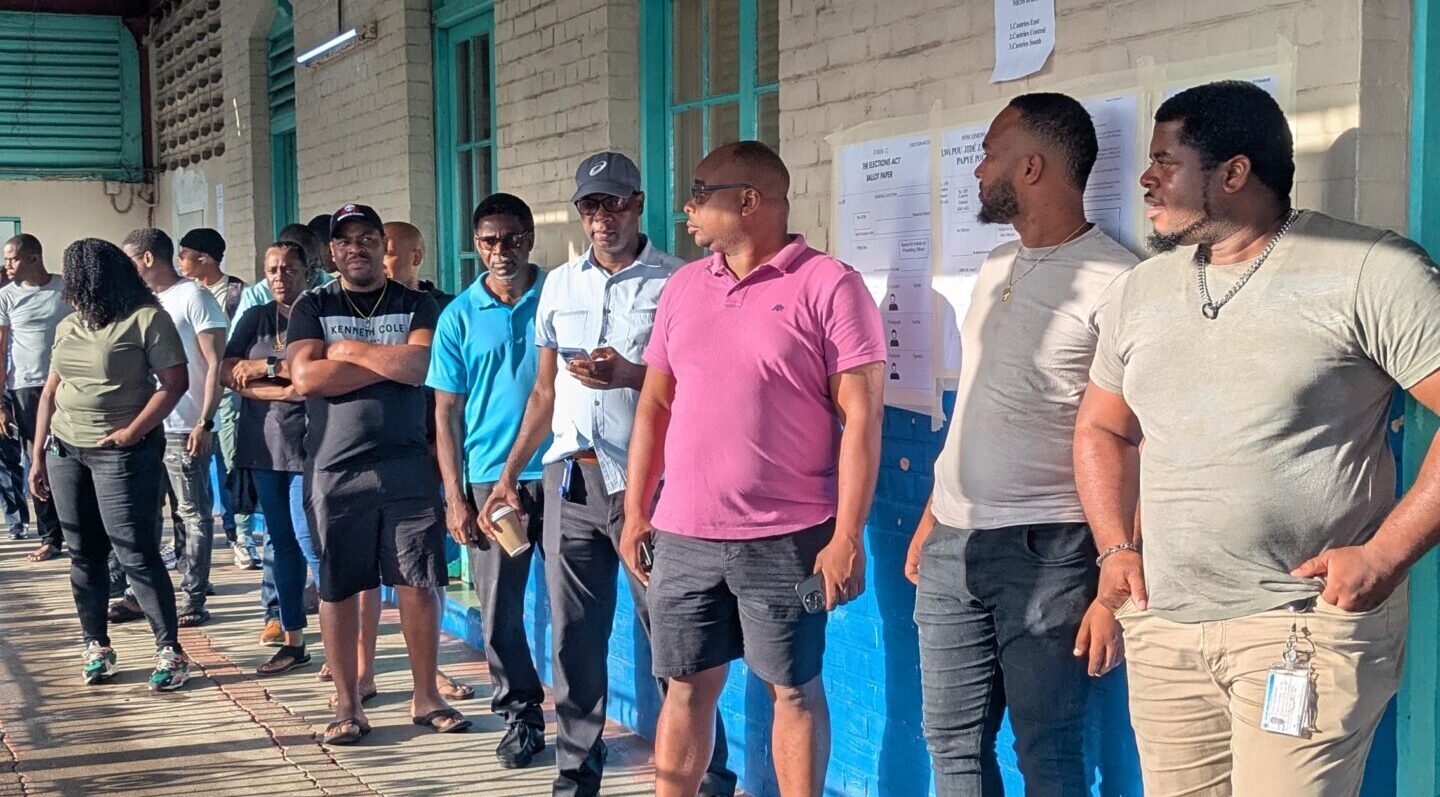
Turnout, results, rejected ballots: How Saint Lucians voted
The Saint Lucia Labour Party (SLP) has achieved a commanding victory in the December 1 general election, capturing 14 of the 17 parliamentary seats according to preliminary results released by the Electoral Department. The United Workers Party (UWP) managed to secure just one seat, while two independent candidates successfully retained their positions.
Voter participation data reveals that 89,448 registered electors exercised their democratic rights out of a total electorate of 184,654. However, election officials have expressed serious concern over a significant increase in rejected ballots, which climbed to 1,980 compared to 1,694 during the previous electoral process.
Herman St. Helen, head of the Electoral Department, characterized the situation as particularly troubling during a press briefing. “This is too many, way too many,” St. Helen stated, referencing the rejected ballots. He suggested that reverting to voting stamps instead of current marking methods could substantially reduce the number of invalidated votes in future elections.
Constituency-level analysis demonstrates several notable electoral outcomes. In Gros Islet, the nation’s largest voting district, SLP incumbent Kenson Casimir secured a decisive victory with 8,175 votes against challenger Marcella Johnson’s 3,861 votes. This constituency also recorded the highest number of rejected ballots at 314.
The Castries North constituency witnessed independent incumbent Stephenson King successfully defend his seat with 3,485 votes (66%) against four challengers. Meanwhile, SLP leader Philip J. Pierre achieved a landslide victory in Castries East, capturing 77.8% of the vote.
Micoud South emerged as the sole constituency where UWP leader Allen Chastanet maintained his party’s presence in parliament, defeating SLP candidate Shanda Harracksingh by 673 votes. The closest contest occurred in Dennery South, where SLP incumbent Alfred Prospere retained his seat by a narrow margin of just 59 votes following a recount.
Electoral participation varied significantly across constituencies, with turnout rates ranging from 40% in Castries Central to 56% in Dennery South. The overall election results signal a substantial political realignment in Saint Lucia’s parliamentary landscape.
-
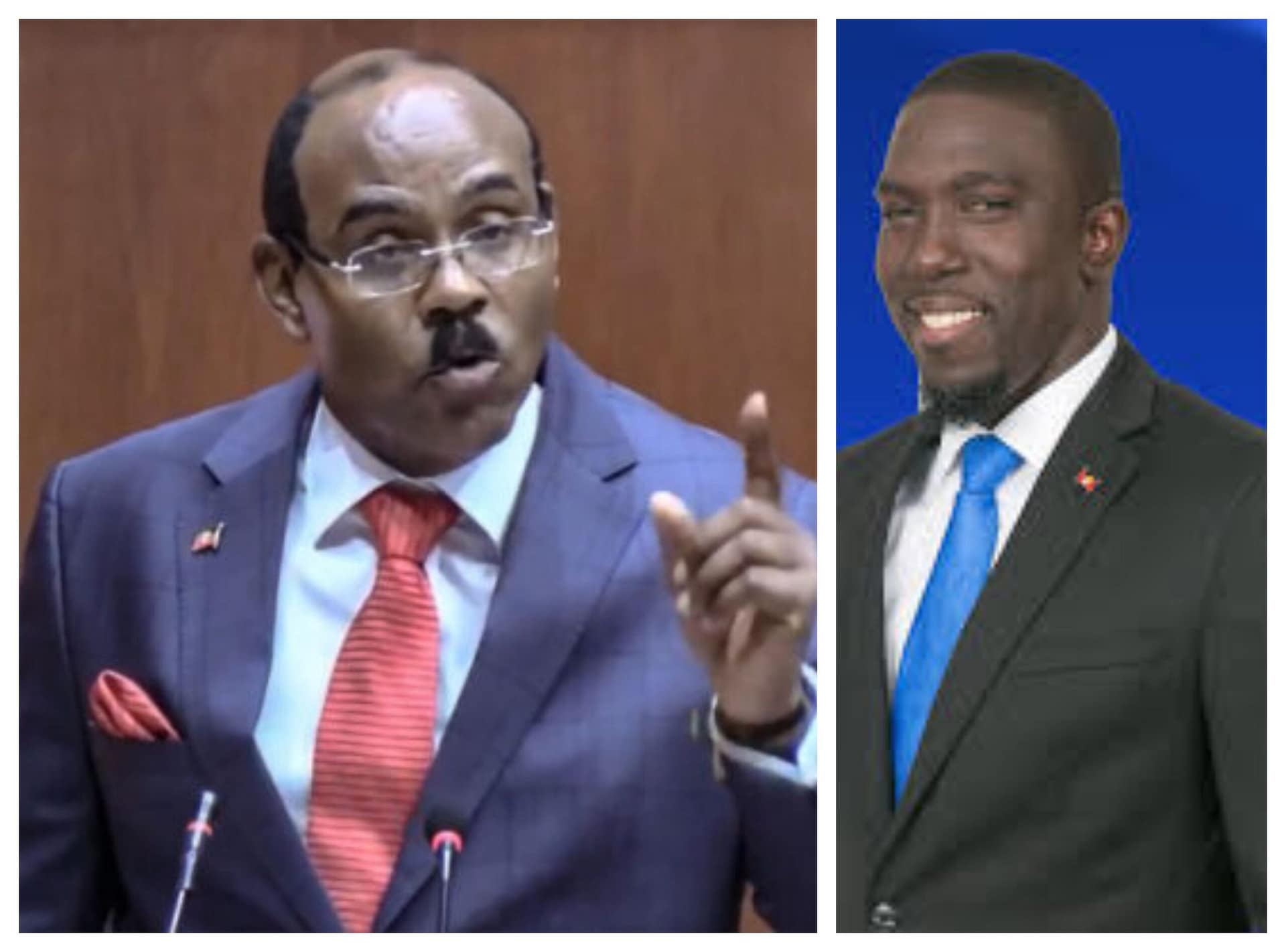
Polls conducted in 8 constituencies show swing towards ABLP ahead of the next general election
Recent polling data collected across eight strategic constituencies indicates a significant political shift favoring the Antigua and Barbuda Labour Party (ABLP) in the lead-up to the nation’s next general election. The comprehensive surveys reveal a notable swing in voter sentiment that could substantially alter the electoral landscape.
The findings suggest that the ABLP has successfully gained traction among undecided voters and made inroads in constituencies previously considered competitive or leaning toward opposition parties. This surge in support appears to be driven by multiple factors, including recent policy initiatives, economic developments, and strategic campaigning efforts that have resonated with the electorate.
Political analysts note that the timing of this swing is particularly crucial, as it comes during the critical pre-election period when voter opinions typically crystallize. The data demonstrates changing demographic patterns and geographic distributions of support that could prove decisive in determining the election outcome.
While opposition parties continue to maintain strongholds in certain regions, the polling suggests the ABLP has successfully expanded its coalition, potentially putting several additional constituencies within reach. The party’s messaging on economic stability, social programs, and infrastructure development appears to be connecting with voters across diverse demographic groups.
These polling results provide the most current snapshot of the evolving political landscape as the nation moves closer to election day, offering valuable insights into voter behavior and potential electoral outcomes.
-
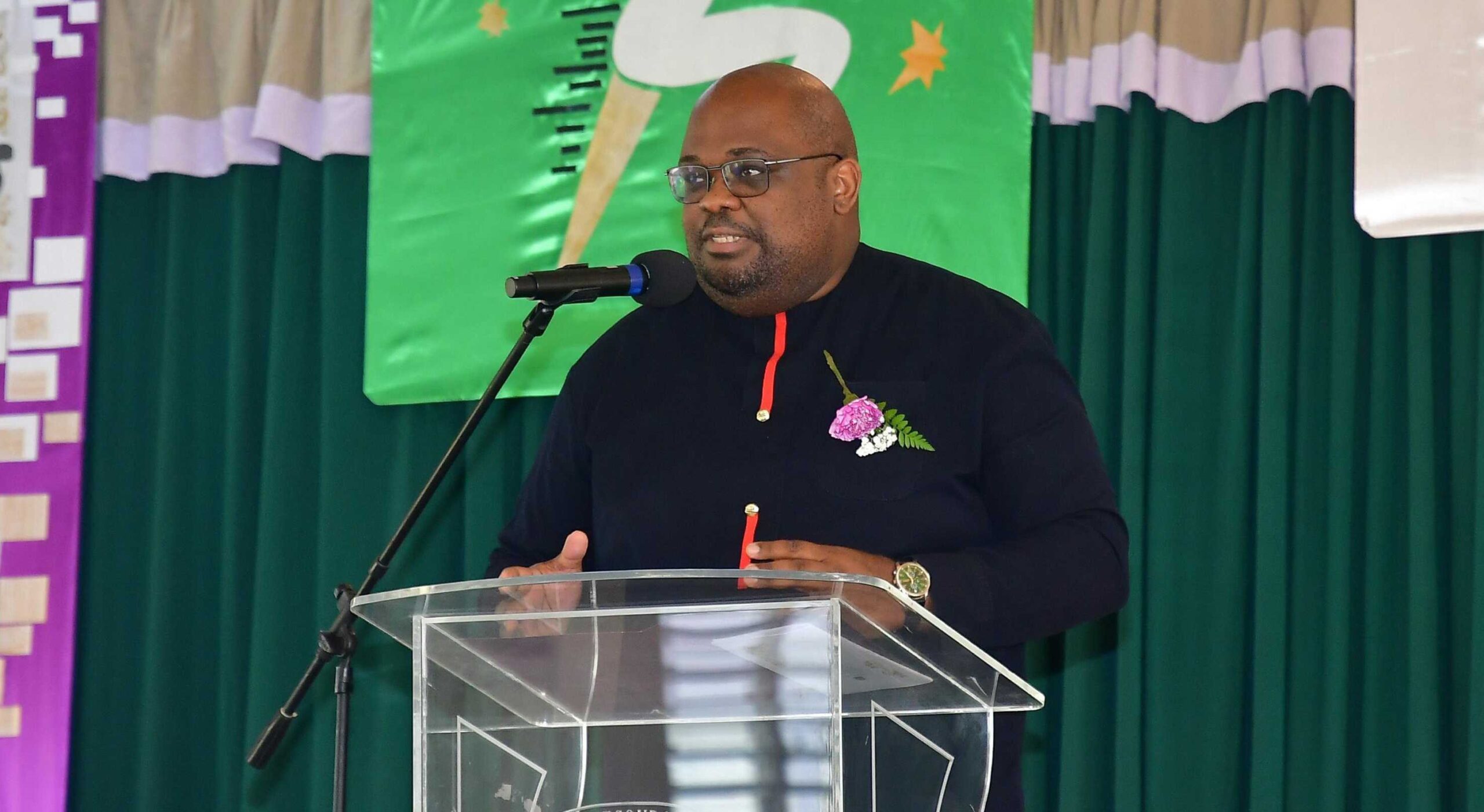
Respect grooming standards, minister tells students
Barbados is intensifying efforts to uphold discipline and appearance standards within its education system through a nationwide grooming policy initiative. Education Minister Chad Blackman has announced a collaborative campaign with student councils to visually demonstrate appropriate student deportment, responding to growing concerns over declining presentation standards among youth.
Addressing attendees at St George Secondary School’s Speech Day, Minister Blackman emphasized that educational institutions must remain environments of excellence where personal presentation reflects institutional values. “School is a place of discipline,” Blackman stated. “There is a time and season for everything. During vacations, students may express themselves freely, but within school premises, certain standards must be maintained.”
The minister addressed both female and male students specifically, acknowledging cultural hair textures while insisting on tidiness. “God has blessed us with a superpower called kinked hair—it grows up, not down. Natural hair is no problem, but students cannot simply roll out of bed and come to school looking inappropriate,” he remarked to audience applause.
Implemented in January 2023, the National School Grooming Policy establishes framework standards for public and private schools, permitting styles like cornrows and uncovered dreadlocks provided they remain neat. The policy has sparked substantial public debate, particularly on social media and radio programs, where concerns have emerged about hairstyles deemed too mature for female students and unkempt appearances among male students.
Blackman revealed plans to direct school principals to conduct compliance checks and will formally communicate enforcement protocols. The minister shared personal interventions, describing instances where he corrected students publicly for untidy uniforms and improper carrying of backpacks.
Emphasizing broader societal responsibility, Blackman called for collective action: “It cannot be the ministry alone—principals, boards, and teachers need support. The country must embrace education through discipline. Just as tourism is everybody’s business, education is our business.”
The minister further highlighted the connection between school discipline and workplace readiness, noting that the policy prepares students for global engagement beyond academic qualifications. He advocated for renewed emphasis on traditional values including punctuality and basic courtesies like “good morning” and “yes sir/ma’am,” describing these elements as fundamental to student development and future success.
-

Rising interest in policing as recruitment fairs draw positive response
The Barbados Police Service is experiencing a remarkable surge in recruitment interest, with officials reporting dramatically increased application numbers following a series of career fairs designed to attract new talent and bolster departmental ranks.
Acting Commissioner Stephen Herbert, overseeing Human Resources and Administration, characterized the recent recruitment event at Weymouth, St Michael as an extraordinary achievement. He noted substantially higher application volumes compared to previous recruitment cycles, interpreting this enthusiastic response as public endorsement of the service’s ongoing transformative initiatives.
“This growing momentum is tremendously encouraging for our organization,” Herbert stated during Saturday’s opening ceremony for another recruitment fair at Golden Square in Bridgetown. “It strengthens our confidence that Barbados’ policing future appears both bright and promising.”
The service currently seeks to fill approximately 250 vacancies spanning diverse operational areas including frontline policing, investigative divisions, community outreach programs, and administrative support functions. Herbert emphasized the critical nature of this recruitment campaign, directly addressing citizens: “The significance of this initiative cannot be overemphasized. Our nation requires your service. There exists a position for every dedicated individual within our ranks.”
The interactive weekend event enabled attendees to engage directly with officers from various departments, explore potential career trajectories, and gain firsthand perspectives about policing challenges and rewards. Among those participating was Acting Deputy Commissioner Sonia Boyce, who made history as the first female appointee to this senior position.
Reflecting on her groundbreaking achievement, Commissioner Boyce remarked: “We frequently hear discussions about shattering the proverbial glass ceiling. I believe I have genuinely entered that sphere and am profoundly grateful for this service opportunity at the highest level.”
The police service has announced additional recruitment fairs scheduled for early next year in Speightstown, St Peter and Six Roads, St Philip, continuing their comprehensive national outreach effort.
-
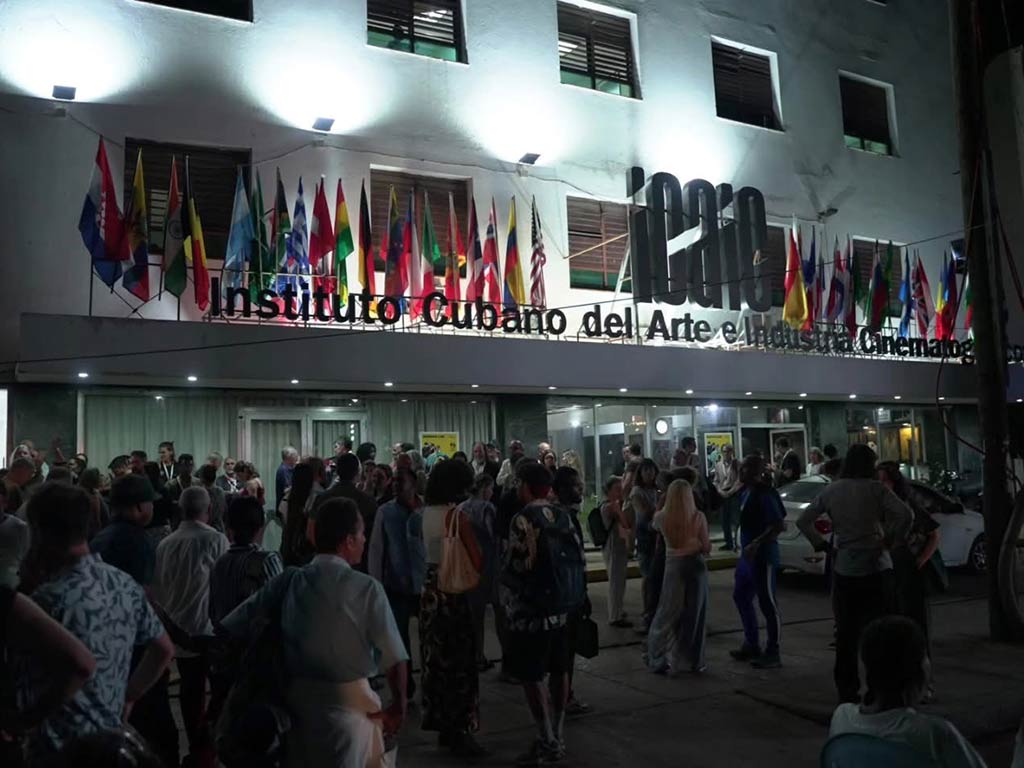
Film “Neurotica Anonima” pays tribute to Cuba and cinema
The Charles Chaplin movie theater recently hosted the premiere of “Neurotica Anonima or Sin Miedo a la Vida,” a 90-minute cinematic masterpiece that serves as both a tribute to Cuban cinema and international film artistry. The production, which garnered enthusiastic applause from audiences, represents a significant contribution to contemporary Cuban filmmaking.
Co-written by renowned Cuban actor Jorge Perugorria and acclaimed actress Mirta Ibarra—who also stars as the protagonist—the film follows the compelling narrative of Iluminada, an usherette at the neighborhood Cuba movie theater facing imminent closure by authorities. Ibarra, whose distinguished filmography includes landmark titles such as “Adorables Mentiras” (1991) and the internationally celebrated “Fresa y Chocolate” (1993), revealed in an exclusive interview with Prensa Latina that the film addresses two fundamental themes: the societal mistreatment of women and the urgent need for cinematic revitalization.
The production stands as a poignant homage to the late director Juan Carlos Tabio (1943-2021), who directed the influential “Plaff or Demasiado Miedo a la Vida” (1988). This intentional tribute inspired the film’s title, “Neurotica Anonima or Sin Miedo a la Vida” (Neurotic Anonymous or Not Afraid of Life), reflecting both continuity and evolution in Cuban cinematic tradition.
Featuring an ensemble of Cuba’s most distinguished acting talent, the film showcases Joel Angelino as the projectionist at the Cuba movie theater and Iluminada’s close friend. Angelino previously shared scenes with Ibarra in both the original play and the seminal film “Fresa y Chocolate.” The stellar cast further includes Fernando Hechavarria as an architect, Osvaldo Doimeadios as a psychiatrist, Andrea Doimeadios portraying the younger Iluminada, and Nestor Jimenez as the delegate. Additional performances are delivered by Paula Ali, Mireya Chapman, Tahimi Alvarino, Barbaro Marin, Mario Limonta, Hilario Pena, Felix Beaton, and Luis Silva.
This collaborative production brings together the Cuban Film Institute (ICAIC), Itaca Films, and An Ag Studios Company, with Ernesto Granado serving as director of photography. The musical landscape features original compositions by maestro Jose Maria Vitier complemented by additional music from Venezuelan record producer Andres Levin, creating an auditory experience that enhances the film’s emotional depth and cultural resonance.
-

Pope Leo XIV highlights value of music at 6th Concert with the Poor
In an unprecedented event at the Vatican’s Paul VI Hall, Pope Francis delivered a powerful message to over 8,000 attendees, declaring music “a divine gift accessible to everyone” rather than “a luxury for the few.” The historic concert, marking the first papal participation in such an initiative, emerged directly from the Pontiff’s vision according to organizers.
The event, orchestrated by the Dicastery for the Service of Charity under the artistic direction of Monsignor Marco Frisina, featured a remarkable collaboration between the Choir of the Diocese of Rome and international singing sensation Michael Bublé. The Canadian performer delivered a diverse setlist that spanned genres and eras, from his signature hit “Feeling Good” to soulful renditions of “Bring It On Home to Me” and “Always On My Mind.
Bublé paid special tribute to American composer Duke Ellington with a interpretation of “Don’t Get Around Much Anymore” before transitioning to Christmas classics. The emotional climax of the evening arrived with his performance of Schubert’s “Ave Maria” in Latin, creating a profound spiritual moment within the hallowed venue.
Following the musical program, the Vatican hosted a dinner for more than 3,000 individuals experiencing poverty and hardship, physically embodying the Pope’s message of inclusivity. “Yes, music can elevate our souls!” declared the Bishop of Rome, encapsulating the evening’s theme of artistic expression as a force for spiritual upliftment and social unity.
-

Honduran ruling party analyzes US interference in elections
The Honduran political landscape is reeling from what leaders are calling an unprecedented act of foreign intervention, prompting an emergency meeting of the LIBRE party’s National Coordinating Committee. Former Honduran President Manuel Zelaya (2006-2009), who currently leads the left-wing LIBRE party, convened the urgent session in Tegucigalpa to formulate a response to what he characterized as deliberately hostile acts by former U.S. President Donald Trump.
The crisis stems from multiple interventions during Honduras’s recent presidential elections. Seventy-two hours before polls opened, Trump published three separate messages endorsing Nasry Asfura, the presidential candidate of the right-wing National Party (PN). In a more direct intervention, Trump explicitly urged Honduran voters to reject LIBRE’s candidate, Rixi Moncada, and threatened to cut U.S. economic aid to Honduras if voters supported the left-wing party.
The situation escalated further when Trump announced on December 1st the pardon of former Honduran President Juan Orlando Hernández (2014-2022), who had been convicted by a New York court and sentenced to 45 years in prison for trafficking more than 400 tons of cocaine into the United States. This pardon, combined with the electoral interference, has been condemned as a direct attack on Honduran sovereignty.
Zelaya, communicating through his X account on December 3rd, asserted that these actions constituted serious harm to the Honduran people and demanded a firm, decisive, and patriotic response. The LIBRE party is now considering appropriate political, legal, and diplomatic actions to defend national dignity, democratic processes, and the integrity of the popular vote in Honduras.