博客

  • Protecting the future of our girls

    Protecting the future of our girls

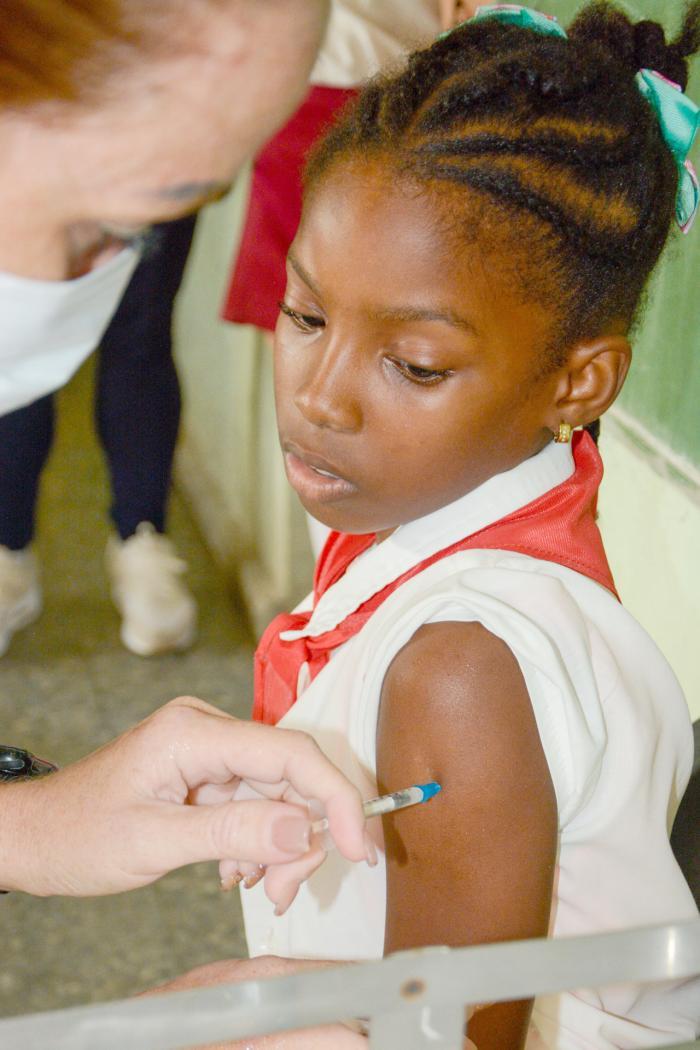
    In a significant public health advancement, Cuba has officially integrated the Cecolin HPV vaccine into its national immunization program with formal endorsement from the Pan American Health Organization and World Health Organization (PAHO/WHO). This strategic initiative, launched in October 2025, represents a crucial step toward eliminating cervical cancer through widespread preventive vaccination.

    The comprehensive vaccination campaign targets over 68,000 girls across the island nation, specifically focusing on those who have reached nine years of age. The Chinese-manufactured Cecolin vaccine, produced by Innovax, has received WHO prequalification, confirming its safety profile and immunological effectiveness. Medical authorities emphasize that the vaccine generates a more robust immune response than natural infection, ensuring durable protection against high-risk HPV strains.

    Health officials have addressed common parental concerns through detailed guidance. The vaccination protocol allows temporary postponement for girls experiencing acute infectious diseases but permits vaccination after recovery from conditions like dengue or chikungunya. The program will be administered through three primary channels: elementary schools with medical personnel present, polyclinic vaccination centers, and certified peripheral facilities in each region.

    The selection of nine-year-old recipients reflects scientific evidence demonstrating optimal vaccine effectiveness when administered before sexual debut and potential virus exposure. This approach creates both individual protection and community-wide herd immunity, significantly reducing viral circulation across population demographics.

    While the current phase exclusively targets female recipients due to cervical cancer representing approximately 70% of HPV-related cancers, health authorities note that high coverage in girls substantially reduces infection risks for males through indirect protection. The vaccine remains recommended even for individuals with previous HPV exposure, as it prevents future infection with high-risk types 16 and 18 despite not treating existing infections.
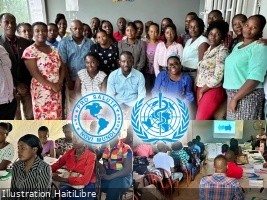

  • Great South : PAHO/WHO fights against maternal mortality

    Great South : PAHO/WHO fights against maternal mortality

    A significant multinational health initiative is underway in Haiti’s southern regions to combat the nation’s persistently high maternal mortality rates. The Pan American Health Organization/World Health Organization (PAHO/WHO), backed by the European Union’s Universal Health Coverage Partnership, is collaborating with Haiti’s Ministry of Public Health through its Family Health Directorate (DSF) to implement critical interventions across four southern departments.

    The comprehensive program has equipped 55 healthcare professionals with specialized training in Maternal Death Surveillance and Response (MDSR) systems, while simultaneously establishing seven dedicated committees within institutions providing emergency obstetric and neonatal care. This dual approach has enabled medical staff to better understand the root causes of maternal fatalities and implement evidence-based practices to enhance care quality.

    Parallel to these training efforts, medical teams have conducted detailed mortality reviews throughout the Grand Sud region, identifying specific risk factors and developing targeted corrective measures. The initiative has also revitalized departmental MDSR committees to improve monitoring of implemented recommendations and optimize coordination across different tiers of Haiti’s healthcare system.

    Notably in Grand’Anse department, the United Nations Population Fund (UNFPA) has provided co-financing for training activities, demonstrating crucial inter-agency cooperation in addressing Haiti’s maternal health challenges. This collaborative model aims to strengthen early detection of maternal risks and refine patient referral systems.

    The integrated strategy seeks to consolidate MDSR protocols at local levels, improve prenatal and obstetric care quality, and ultimately achieve sustainable reduction of Haiti’s maternal mortality ratio through coordinated action across all healthcare system levels.

  • Justice : Message by Martine Moïse on the assassination of President Jovenel Moïse

    Justice : Message by Martine Moïse on the assassination of President Jovenel Moïse

    In a powerful address to the Haitian nation and diaspora, former First Lady Martine Moïse has delivered a scathing indictment of Haiti’s judicial system, condemning its role in the political persecution and ultimate assassination of President Jovenel Moïse. The emotional statement marks 53 months since the controversial events that culminated in the president’s killing on July 7, 2021.

    Mrs. Moïse characterized Haiti’s justice system as a weaponized tool manipulated by a powerful minority to maintain control over the population. She asserted that the judiciary operates with complete impunity, serving oligarchs and corrupt politicians rather than the Haitian people. The system, she claimed, actively participated in destroying President Moïse’s character during his lifetime and continues to disrespect his legacy after his death.

    The former First Lady referenced specific events, including the February 7, 2021 judicial plot to overthrow the democratically elected president using fabricated court rulings and illegal warrants. She directly connected these judicial maneuvers to the eventual assassination, asking how the same system that participated in the crime could possibly deliver justice.

    Mrs. Moïse described an environment of extreme violence across multiple regions including Arcahaie, Montrouis, Saint-Marc, and Martissant, where citizens face brutal attacks without accountability. She invoked Haiti’s revolutionary heroes—Padrejean, Makandal, Boukman, Toussaint, and Dessalines—and their rallying cry of ‘Liberty or death!’ as inspiration for contemporary resistance.

    Despite the bleak assessment, the former First Lady maintained hope that justice would ultimately prevail, warning that ‘karma exists’ and there’s ‘a price to pay for every action.’ She concluded with a declaration that the Haitian people have reached their breaking point and that the current oppressive system must collapse.

  • Dominican Republic officially enters international padel circuit

    Dominican Republic officially enters international padel circuit

    In a landmark development for Caribbean sports, the Royal Dominican Padel Federation (RFDP) has achieved formal integration into the International Padel Federation (FIP) and Padel America. This strategic affiliation, finalized during the 35th FIP Assembly in Acapulco, Mexico, positions the Dominican Republic among over 100 member federations worldwide, marking a transformative moment for the nation’s sporting landscape.

    RFDP President Josep Isern heralded the achievement as a historic milestone that fundamentally integrates the Dominican Republic into padel’s global framework. This integration unlocks unprecedented opportunities for athletes, clubs, referees, and the broader sporting community, effectively connecting the nation to the sport’s international mainstream.

    The affiliation grants the Dominican padel community access to internationally sanctioned competitions, official FIP ranking systems, and professional development programs for judges, coaches, and players. This access is expected to significantly elevate the standard of play and administrative expertise within the country.

    This development coincides with padel’s explosive growth across the Dominican Republic. The sport has seen a remarkable surge in popularity in urban centers including Santo Domingo, Punta Cana, Bávaro, and Santiago, characterized by a rapid increase in dedicated courts, active players, and competitive tournaments. This domestic boom, heavily fueled by strong visibility and engagement on social media platforms, has now been matched with formal international recognition.

    The RFDP, as the national regulatory body for padel, oversees the racket sport that has captivated both young people and adults nationwide. This new international status is projected to strengthen the national high-performance pathway and pave the way for future Dominican success on the global padel stage.

  • Abinader orders Senasa to act as civil plaintiff to recover “Every last peso stolen”

    Abinader orders Senasa to act as civil plaintiff to recover “Every last peso stolen”

    SANTO DOMINGO – In a decisive move against systemic corruption, Dominican President Luis Abinader has mobilized the National Health Insurance (Senasa) as a civil plaintiff to reclaim billions of pesos allegedly embezzled through an elaborate fraud scheme. The announcement came Sunday following the unveiling of Operation Cobra, a sweeping prosecutorial initiative targeting corruption networks within the public health system.

    The investigation centers on former Senasa director Santiago Hazim and multiple associates who allegedly orchestrated a sophisticated embezzlement operation. President Abinader revealed that his administration initiated an immediate internal probe upon detecting preliminary signs of irregularities, which subsequently uncovered compelling evidence of serious corruption within the state health insurer.

    “I have instructed that every last peso stolen be recovered,” Abinader declared, emphasizing his commitment to applying “the full weight of the law” against those who defraud the state. The president expressed satisfaction that justice is now pursuing the implicated individuals while acknowledging additional suspects remain under scrutiny.

    Operation Cobra has already yielded eight arrests, including former director Santiago Marcelo F. Hazim Albainy and associates Gustavo Enrique Messina Cruz, Germán Rafael Robles Quiñones, Francisco Iván Minaya Pérez, Eduardo Read Estrella, Cinty Acosta Sención, Ramón Alan Speakler Mateo, and Ada Ledesma Ubiera. The Public Prosecutor’s Office confirmed the investigation remains active, with additional individuals and corporations potentially facing charges as evidence develops.

    The case represents one of the most significant corruption prosecutions in recent Dominican history, demonstrating the administration’s strengthened approach to combating graft within public institutions. Legal experts suggest the civil plaintiff strategy could establish important precedents for recovering stolen public assets through judicial channels.

  • With them, inside the chest

    With them, inside the chest

    Cuba has solemnly observed its annual tradition of paying homage to internationalist heroes who served in Angola, with nationwide ceremonies held on December 7. The commemorations included floral offerings from President Miguel Díaz-Canel and former leader Raúl Castro at Santa Ifigenia Heritage Cemetery, alongside a central political event and military ceremony at El Cacahual.

    The tradition, now firmly entrenched in Cuban national consciousness, honors the more than 300,000 Cubans who participated in the Angolan mission following Agostinho Neto’s call for assistance in preserving the nation’s independence. The day represents not merely remembrance of the fallen but celebration of living heroes—over 2,000 veterans who returned with vitality, identities, and the indelible mark of public service.

    Despite hurricanes, pandemics, economic limitations, and ongoing international pressure, the commemorations proceeded uninterrupted, demonstrating the resilience of Cuban national traditions. The ceremonies transform December 7 into a pilgrimage where families across Cuba visit pantheons containing immortal remains that continue to embody deeply rooted human values.

    The event featured emotional scenes of mothers, brothers, children, parents, grandparents, and neighbors pausing before niches of loved ones, offering flowers, contemplating images, and whispering reassurances that no hero is forgotten. The gathering served as a powerful expression of collective memory against the passage of time and potential oblivion.

    As Fidel Castro notably stated from El Cacahual during earlier commemorations: ‘The hundreds of thousands of Cubans who carried out internationalist military or civilian missions will always have the respect of present and future generations.’ This year’s ceremonies reinforced that enduring promise of perpetual respect and remembrance.

  • Regional Leaders Attend Swearing-In of Saint Lucia’s Prime Minister Philip J. Pierre

    Regional Leaders Attend Swearing-In of Saint Lucia’s Prime Minister Philip J. Pierre

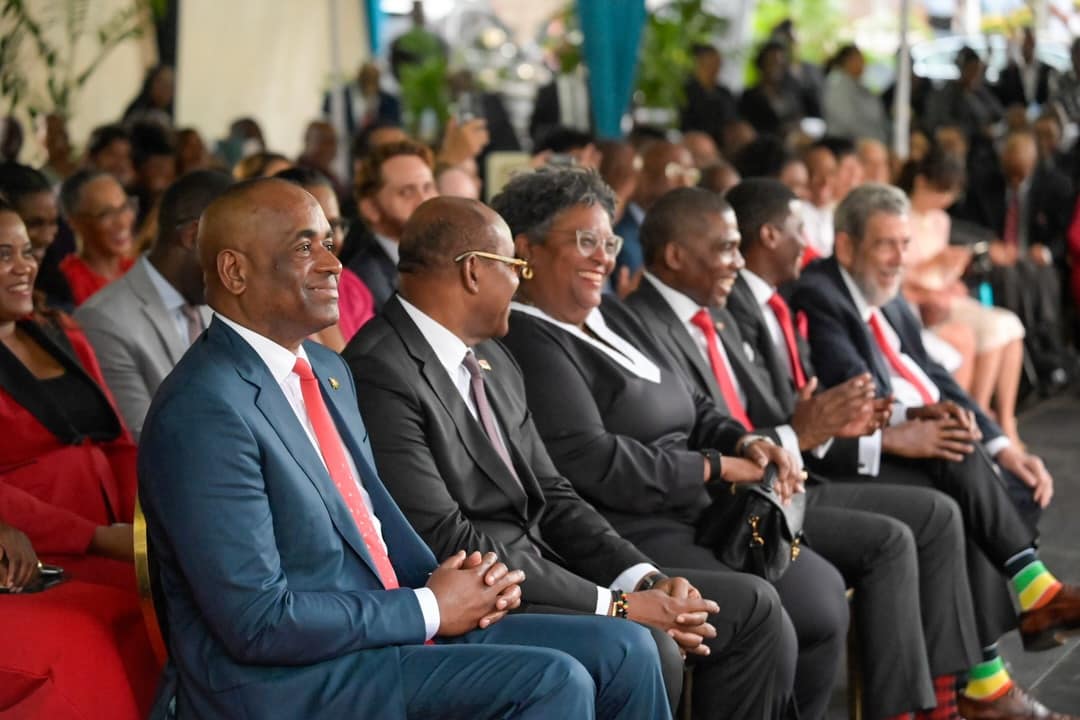
    Saint Lucia witnessed a significant political gathering as Prime Minister Philip J. Pierre formally commenced his second five-year term during a swearing-in ceremony attended by numerous Caribbean leaders. The event brought together prominent regional figures including Prime Ministers Gaston Browne of Antigua and Barbuda, Terrance Drew of St Kitts and Nevis, Dickon Mitchell of Grenada, Mia Mottley of Barbados, and Roosevelt Skerrit of Dominica, alongside St Vincent and the Grenadines’ opposition leader Dr. Godwin Friday.

    In his inaugural address, Prime Minister Pierre expressed profound optimism regarding Saint Lucia’s future trajectory, characterizing the occasion as both humbling and momentous. “I am excited and optimistic about the future of Saint Lucia,” Pierre declared before assembled dignitaries. “I pledge to do my best for the development of my country.”

    The newly sworn-in leader outlined his continued personal oversight of critical government portfolios including finance, national security, justice reform, constituency development, and citizen empowerment initiatives. His concluding invocation of “God bless our island Saint Lucia” underscored the ceremonial significance of the event.

    This inauguration marks the beginning of Pierre’s continued governance amid ongoing economic recovery measures and the advancement of key policy priorities including youth development programs, community infrastructure enhancement, fiscal stability mechanisms, and comprehensive justice system reforms.

  • Graduation : 100 young people with disabilities graduate in massage therapy and functional rehabilitation

    Graduation : 100 young people with disabilities graduate in massage therapy and functional rehabilitation

    Port-au-Prince witnessed a profoundly moving ceremony on International Day of Persons with Disabilities as 100 young Haitians with diverse disabilities—including visual impairments, mobility limitations, and other physical challenges—received professional diplomas in massage therapy and functional rehabilitation. These graduates successfully completed an intensive three-month vocational program designed to equip them with specialized healthcare skills.

    The Office of the Secretary of State for the Integration of Persons with Disabilities (BSEIPH) orchestrated this landmark event, which transcended conventional graduation ceremonies to represent a strategic advancement in Haiti’s national inclusion agenda. The occasion served as a powerful testament to human resilience, demonstrating how determination can overcome physical limitations and societal barriers. High-level government officials and international representatives attended, underscoring the ceremony’s significance within national development priorities.

    Secretary of State Génard Joseph articulated a transformative vision during his address, positioning persons with disabilities as active contributors to Haiti’s development trajectory. He emphasized that genuine inclusion requires moving beyond theoretical discourse to implement concrete measures including vocational education, psychological support services, employment accessibility, and facilitated civic engagement. The Secretary championed the concept of disabled individuals as valuable societal assets possessing professional expertise that benefits the broader community.

    The BSEIPH, in collaboration with its partner organizations, has committed to expanding these vocational training initiatives, creating additional pathways for young Haitians with disabilities to achieve professional certification, economic self-sufficiency, and meaningful social participation.

  • Niet visumvrij, maar wél een vijfjarenvisum voor Surinamers

    Niet visumvrij, maar wél een vijfjarenvisum voor Surinamers

    The longstanding discussion regarding visa-free travel for Surinamese citizens to Europe continues to linger just beyond reach, presenting an appealing yet currently unattainable prospect. While the idea of seamless travel to Schengen areas remains attractive, the reality dictates that such arrangements require unanimous European Union approval—a complex political undertaking in today’s climate of heightened migration scrutiny and border control concerns.

    Rather than fixating on this distant ideal, a more immediate solution exists within existing frameworks: the underutilized multiple-entry Schengen visa valid for up to five years. This operational mechanism already functions effectively for several third countries including Turkey, India, Qatar, and the United Arab Emirates. Through a graduated approach, successful applicants demonstrating consistent compliance with travel regulations can obtain progressively extended validity periods, ultimately reaching five-year standard visas.

    The United States already exemplifies this model effectively, granting Surinamese tourists five-to-ten year multiple-entry visas that eliminate annual application burdens. Adopting a similar Schengen-compliant framework would yield substantial practical benefits for diverse demographic groups. Families with children in the Netherlands, professionals pursuing continuing education, researchers attending conferences, and business entrepreneurs would all experience reduced administrative overhead and enhanced travel flexibility.

    Contrary to concerns about potential brain drain, extended visa validity does not equate to work or residence rights—these remain subject to separate regulatory procedures. The fundamental migration dynamics remain unchanged by visa duration, though the treatment of travelers would significantly improve, shifting from suspicion toward trust-based engagement.

    The path forward requires diplomatic focus on expanding existing provisions rather than awaiting unanimous EU policy shifts. Netherlands and other Schengen nations already possess the authority to implement these measures structurally. While visa-free travel may eventually materialize, the five-year visa solution remains immediately achievable through strategic advocacy and bilateral dialogue.

  • MP Shallow to serve out term as CWI president

    MP Shallow to serve out term as CWI president

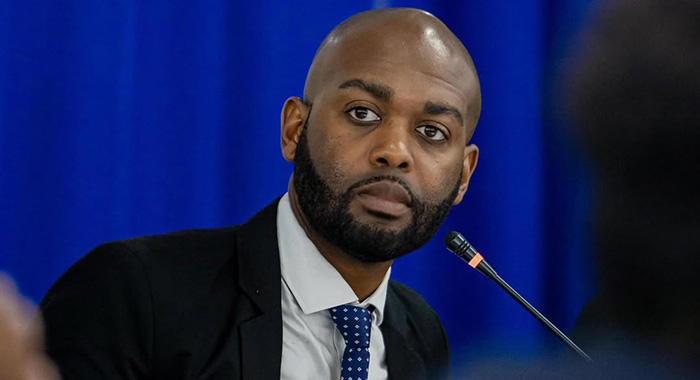
    Kishore Shallow, Minister of Tourism for St. Vincent and the Grenadines and President of Cricket West Indies (CWI), has firmly declared his intention to complete his current term leading the regional cricket body through 2027. The announcement comes amid growing scrutiny regarding his capacity to balance both high-profile positions simultaneously.

    In an exclusive interview with iWitness News, Shallow revealed he has received explicit endorsement from Prime Minister Godwin Friday, regional leaders, and the CWI board to maintain his presidential role. The minister, who also serves as parliamentary representative for North Leeward, was elected unopposed to his second consecutive three-year term in March, following a similar uncontested election previously.

    Addressing concerns about potential conflicts of interest, Shallow clarified fundamental misconceptions about the nature of the CWI presidency. “The position is not executive nor full-time,” he stated, explaining that the operational secretariat remains based in Antigua while he performs his duties remotely. The governing body is considering rebranding the role as ‘Chairman of the Board’ to better reflect its actual responsibilities.

    Shallow expressed confidence that his constituents overwhelmingly support his dual roles, attributing criticism to “a small minority with personal grievances” rather than genuine public concern. He guaranteed that his CWI responsibilities would not compromise his ministerial duties, pledging to resign immediately if workload conflicts emerged.

    The cricket administrator outlined compelling professional reasons for continuing his tenure, emphasizing the implementation of CWI’s 2024-2027 strategic plan. With approximately 70% of organizational reforms already achieved, Shallow aims to reach near-complete implementation before departing. Critical initiatives include financial stabilization through commercial operations restructuring, securing equitable revenue distribution from the International Cricket Council, and establishing a robust succession plan.

    Shallow noted that parliamentary representation in cricket governance is not unprecedented, citing current ICC board members who also hold legislative positions. His determination to continue stems from both board support and personal commitment to seeing through transformative changes he initiated, believing sustained leadership is essential for Caribbean cricket’s future stability.