博客

  • Lions District Governor Begins Official Visit with Courtesy Calls in Antigua

    Lions District Governor Begins Official Visit with Courtesy Calls in Antigua

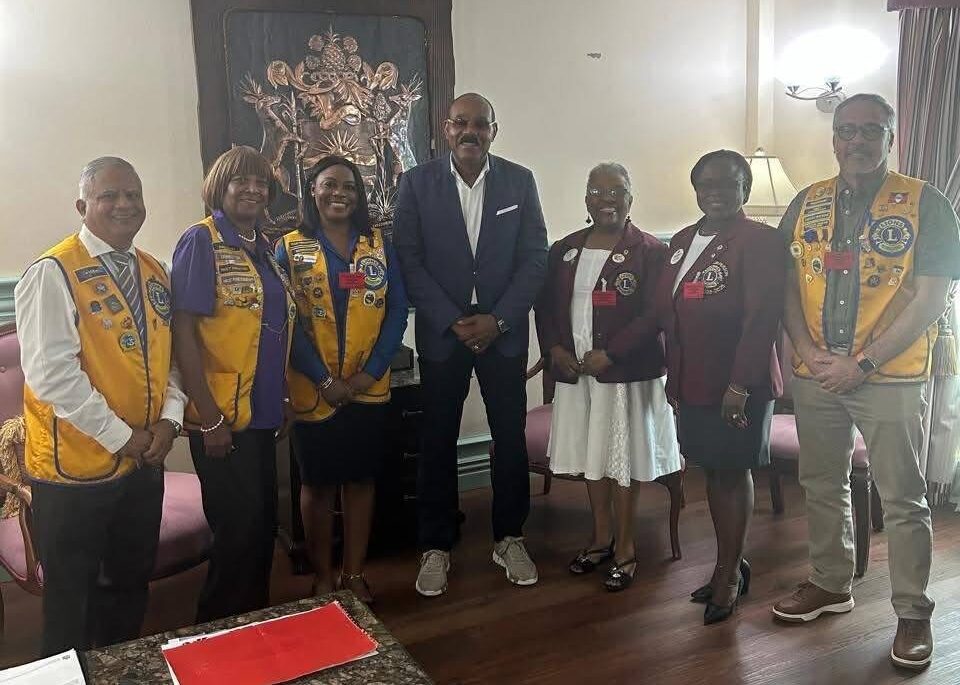
    Lions Clubs International District Governor Judy King, PMJF, has initiated her official tour of Antigua and Barbuda with high-level diplomatic engagements preceding planned visits to local chapters. The distinguished visitor, accompanied by Zone 2C Chairperson Lion Kim Joseph, PMJF, and representatives from the Antiguan Lions Club, embarked on a series of protocol meetings as part of her regional itinerary.

    The delegation conducted formal courtesy calls with two of the nation’s most prominent figures: His Excellency Sir Clare Roberts, KCN, KC, who serves as Deputy Governor-General, and Prime Minister Gaston Browne. These meetings mark significant recognition of Lions Clubs International’s humanitarian work and its collaborative relationship with Caribbean governments.

    This diplomatic outreach underscores the organization’s commitment to strengthening international partnerships and enhancing its community service initiatives throughout the region. The meetings likely focused on discussing ongoing philanthropic projects, potential areas for expanded cooperation, and strategies for addressing local community needs through the Lions Club’s global network of volunteers and resources.
  • Russia accuses EU of supporting rebellion attempt in Iran

    Russia accuses EU of supporting rebellion attempt in Iran

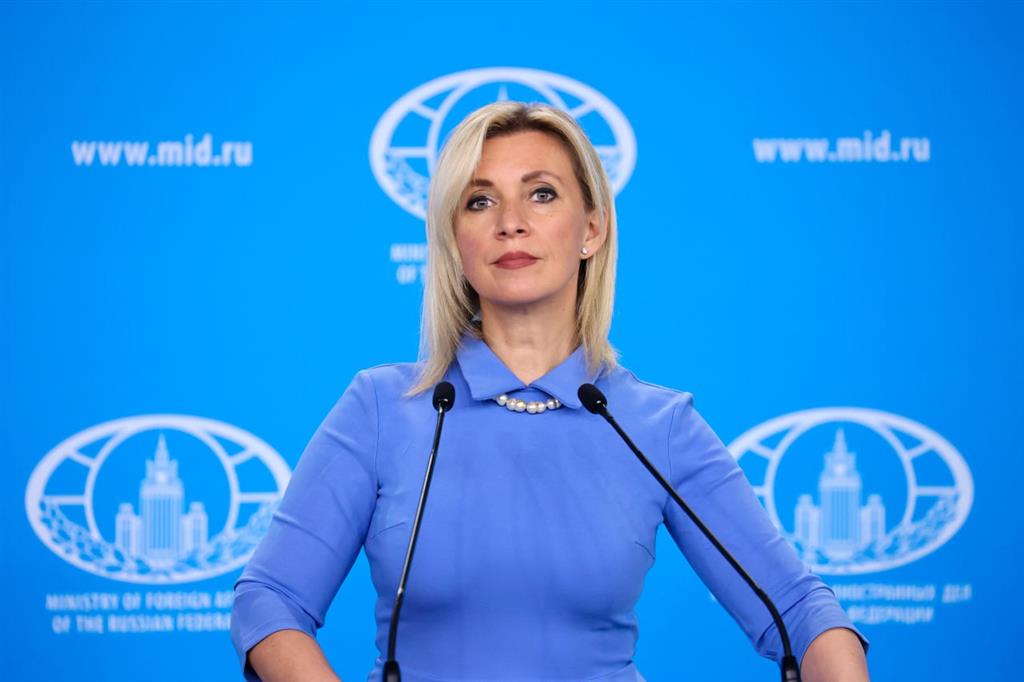
    Russian Foreign Ministry spokeswoman Maria Zakharova has launched a scathing critique against the European Union, accusing the bloc of openly endorsing anti-government activities within Iran through its dual approach of sanctions and human rights rhetoric. Speaking during a Wednesday broadcast on Radio Sputnik, Zakharova characterized the EU’s simultaneous imposition of sanctions against Tehran while advocating for freedom of expression and assembly as an act of profound cynicism.

    The Russian diplomat posed a rhetorical question that underscored her government’s position: ‘What level of cynicism must one possess—and this constitutes, in reality, a frontal and open assault—to arrive at such contradictory conclusions?’ Her remarks highlighted what Moscow perceives as fundamental hypocrisy in Western foreign policy.

    Zakharova further asserted that the EU’s current policy framework effectively amounts to overt support for rebellion against the Iranian government. She contended that this approach represents a deliberate dismantling of established international legal frameworks through the application of what Russia considers illegal pressure tactics. The spokeswoman’s comments reflect growing tensions between Moscow and Western powers over appropriate approaches to international diplomacy and intervention.

    This diplomatic confrontation emerges against the backdrop of ongoing protests in Iran and the West’s response to Tehran’s internal policies. Russia’s alignment with Iran and its vocal opposition to Western interventionism signals a continuing consolidation of anti-Western alliances in international geopolitics.

  • Rzeszow Airport in Poland reports unusual NATO concentration

    Rzeszow Airport in Poland reports unusual NATO concentration

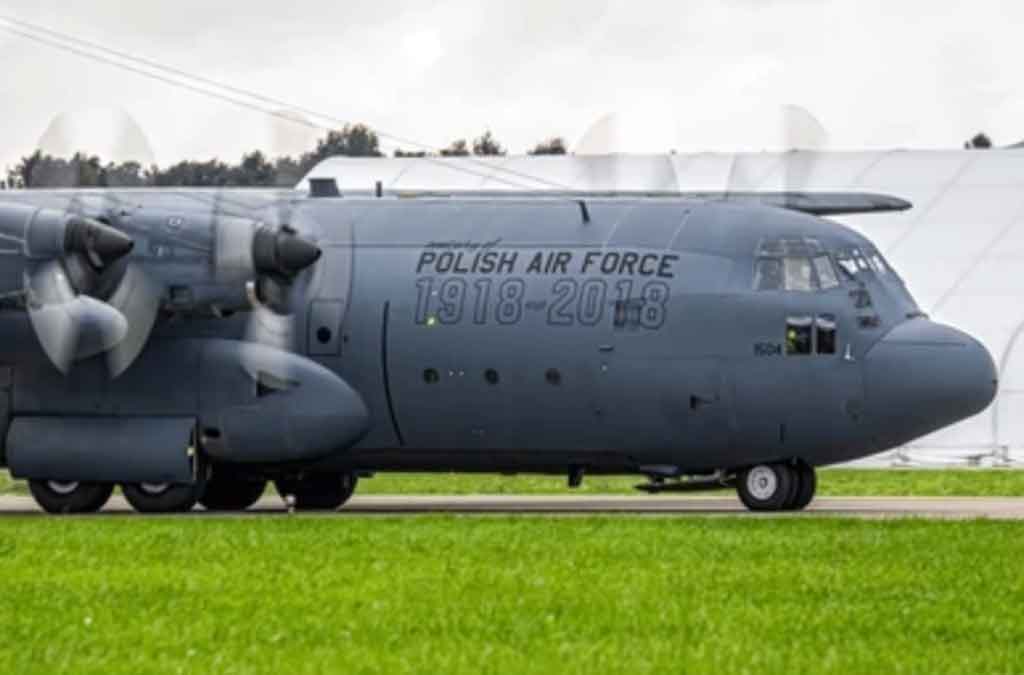
    Over the past 72 hours, Rzeszów-Jasionka Airport in southeastern Poland has witnessed a significant surge in military air traffic, with at least ten aircraft from NATO member states arriving at the strategic hub. Aviation observers reported landings by cargo planes from Belgium, Canada, France, Poland, and the United Kingdom, accompanied by two aerial refueling tankers enhancing operational range capabilities.

    This heightened activity occurs at what has become NATO’s primary logistical gateway for military assistance to Ukraine. The alliance is concurrently developing a complementary facility in Romania, representing a strategic shift toward diversifying supply routes and enhancing security for weapon transfers.

    Regional defense analysts interpret this aerial mobilization as potentially signaling either accelerated preparation timelines or the initiation of a new phase in military support operations. This development follows intensified Russian strikes targeting critical infrastructure in Ukraine’s Odesa region, which have placed considerable pressure on traditional ground supply corridors.

    While air transport presents operational challenges including higher costs and reduced cargo capacity compared to land alternatives, NATO appears to be prioritizing reliability and security. The increased aerial activity suggests a deliberate strategy to maintain uninterrupted materiel flow despite vulnerabilities in terrestrial routes, ensuring sustained support to Ukrainian forces amid evolving battlefield conditions.

  • Stardom Calypso Tent opens tonight at the Factory

    Stardom Calypso Tent opens tonight at the Factory

    The Factory on Valley Road prepares to host the grand opening of Stardom Calypso Tent tonight at 8:30 p.m., marking the commencement of Dominica’s premier 2026 Carnival season. As one of the island’s most revered cultural institutions, this legendary venue offers general admission at $40 with VIP seating available for $50.

    Peter Letang, artistic director of Swing Stars Band and chief organizer, emphasized the tent’s extraordinary pedigree in his pre-event remarks. “This opening celebrates the largest tent in Dominica – home to nine of the previous eleven monarchs, including our current champion, and five of the last seven world titleholders,” Letang proclaimed. He invited audiences to immerse themselves in an evening of rhythmic excellence ahead of Saturday’s quarterfinal competitions.

    With a heritage spanning generations, Stardom has established itself as the foundational pillar of Mas Domnik celebrations. The tent serves as both a showcase for accomplished artists and a developmental platform for emerging calypso talents. Its reputation as the primary training ground for the national Calypso Monarch competition has made it an indispensable feature of Carnival’s cultural landscape.

    The venue’s historical significance is matched by its roster of legendary performers. Icons including Scrunter, Hunter, Observer, Daddy Chess, Checker, and Intruder have graced its stage, while simultaneously nurturing successive generations of musical innovators. This year’s relocation to The Factory marks a new chapter following previous residencies at Anchorage Hotel and The Strip in Lalay Coco.

    Audiences continue to flock to Stardom for its unique blend of poetic sophistication, social critique, and dynamic musicality. The tent has also served as an institution for honoring cultural contributors, such as longtime drummer Marcel Cruickshank and other musical architects.

    Letang confirms tonight’s inauguration will establish the artistic standard for the entire season, promising an unforgettable celebration of Dominica’s rich calypso tradition.

  • Russian army takes Komarovka town in Sumi region

    Russian army takes Komarovka town in Sumi region

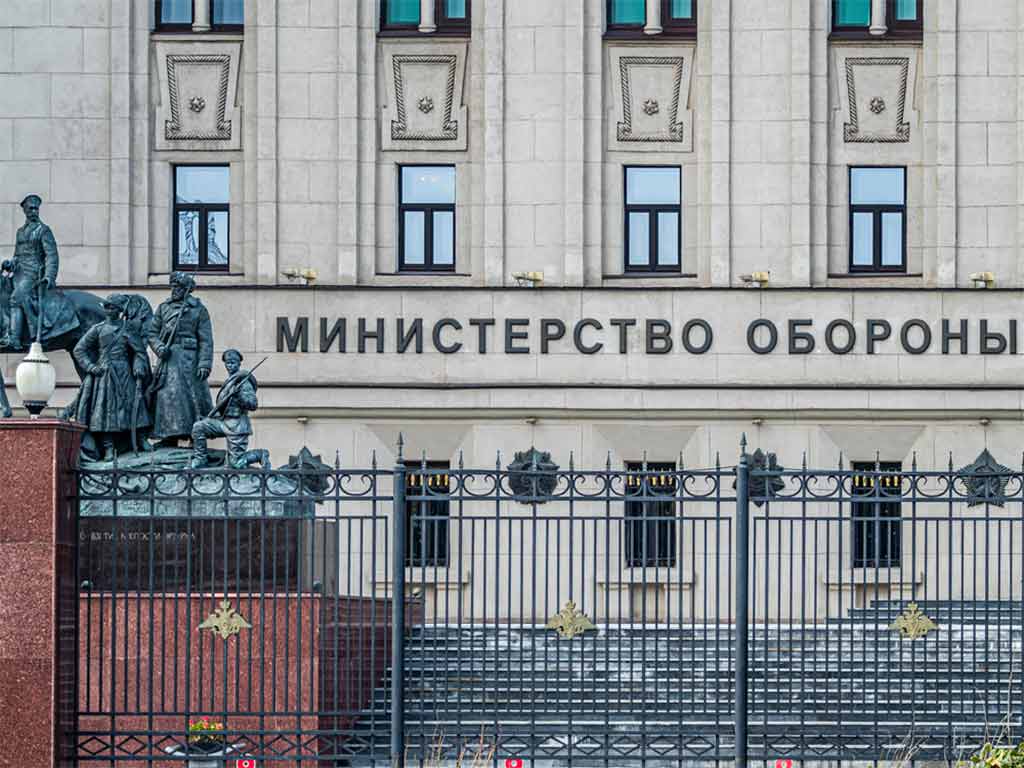
    Russian military officials announced significant battlefield developments on Wednesday, reporting the capture of Komarovka, a strategically positioned town in Ukraine’s northeastern Sumy region bordering Russia’s Kursk oblast. The operation was attributed to the Northern Troops Group, which described their tactical maneuvers as ‘active and decisive actions’ in an official statement disseminated via Telegram.

    Concurrent with this territorial advance, Russia’s Defense Ministry released comprehensive casualty figures purportedly inflicted upon Ukrainian forces within a 24-hour timeframe. The data, segmented by operational theaters, indicates substantial personnel losses across multiple fronts: approximately 190 soldiers attributed to the Northern Group’s operations, with additional casualties reported by other military divisions—up to 440 by the Central Group, over 300 by the Eastern Group, nearly 200 by the Western Group, around 125 by the Southern Group, and more than 55 by the Dnieper Group.

    The report further detailed extensive material losses allegedly suffered by Ukrainian troops, including the destruction of two main battle tanks, 26 armored combat vehicles, and 95 military transport vehicles. Ukrainian artillery capabilities were reportedly diminished by the loss of 11 pieces alongside one Czech-manufactured Vampire multiple rocket launcher system. Russian forces also claimed to have neutralized critical support infrastructure, encompassing five electronic warfare stations, one counter-battery radar station, one AN/TPQ-50 surveillance radar, and 14 ammunition and equipment storage facilities.

    In a notable assertion of aerial defense superiority, the ministry stated that seven precision-guided aerial bombs, six U.S.-supplied HIMARS rockets, and 260 unmanned aerial vehicles were intercepted and destroyed during the same operational period.

  • Italy Highlights Cuba’s firm resistance to US aggression

    Italy Highlights Cuba’s firm resistance to US aggression

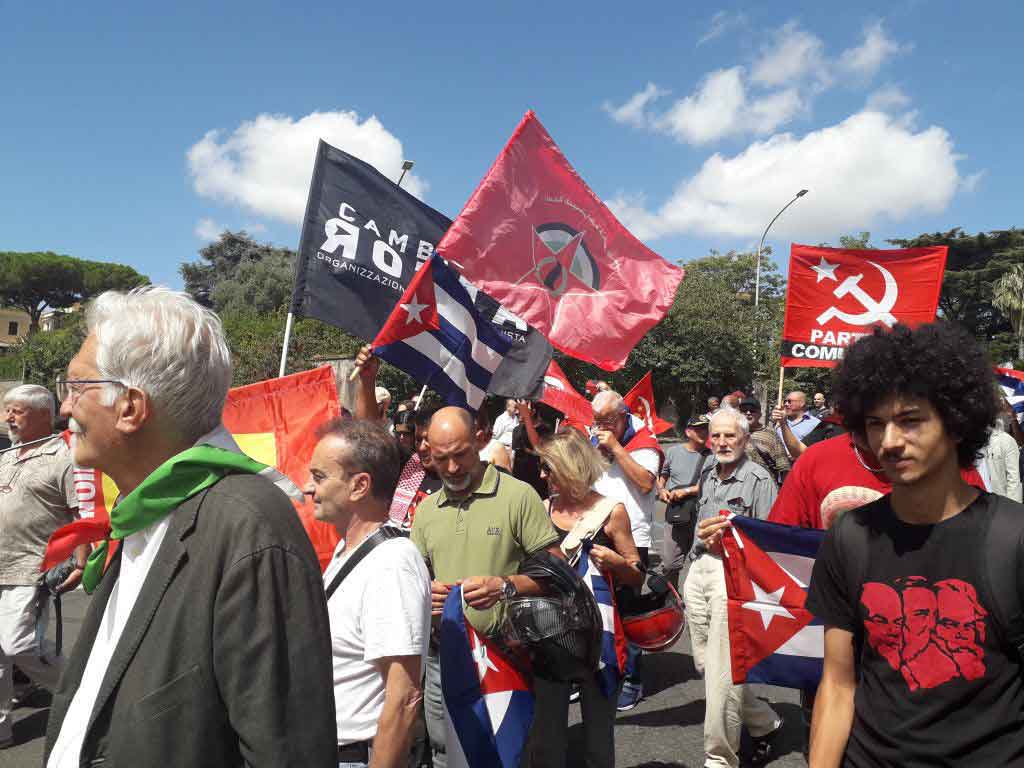
    In a penetrating geopolitical analysis, Italian economist and Network of Communists leader Luciano Vasapollo identifies Cuba as a persistent target of US imperialism due to its symbolic significance as an alternative societal model. The defense of Cuba, he argues, extends beyond military and diplomatic dimensions into a continuous multi-front conflict encompassing economic, cultural, symbolic, and social domains.

    Vasapollo, who co-founded the Italian chapter of the Network of Intellectuals in Defense of Humanity, contends that the escalating US aggression toward Cuba—particularly alongside concurrent attacks on Bolivarian Venezuela—represents neither historical coincidence nor temporary foreign policy divergence. This coordinated offensive against both nations instead exposes the fundamental character of the current geopolitical phase: imperial forces targeting regions where experiments in solidarity-based cooperation, social planning, and regional integration present viable alternatives to financial capital’s global market dominance.

    The analyst emphasizes that these nations face retaliation precisely because they have successfully challenged hemispheric hegemony despite internal contradictions and operational challenges. By constructing frameworks of cooperative solidarity, socially-oriented planning, and regional integration, they have established practical alternatives to the global capitalist market structure.

    This aggressive escalation, Vasapollo concludes, represents the logical manifestation of capitalism’s organic crisis. Drawing from Italian Marxist philosopher Antonio Gramsci’s theoretical framework, he characterizes this as a system that can no longer maintain control through ideological hegemony and increasingly relies on coercive measures to preserve its dominance.

  • Search continues for people after landslide in DRC

    Search continues for people after landslide in DRC

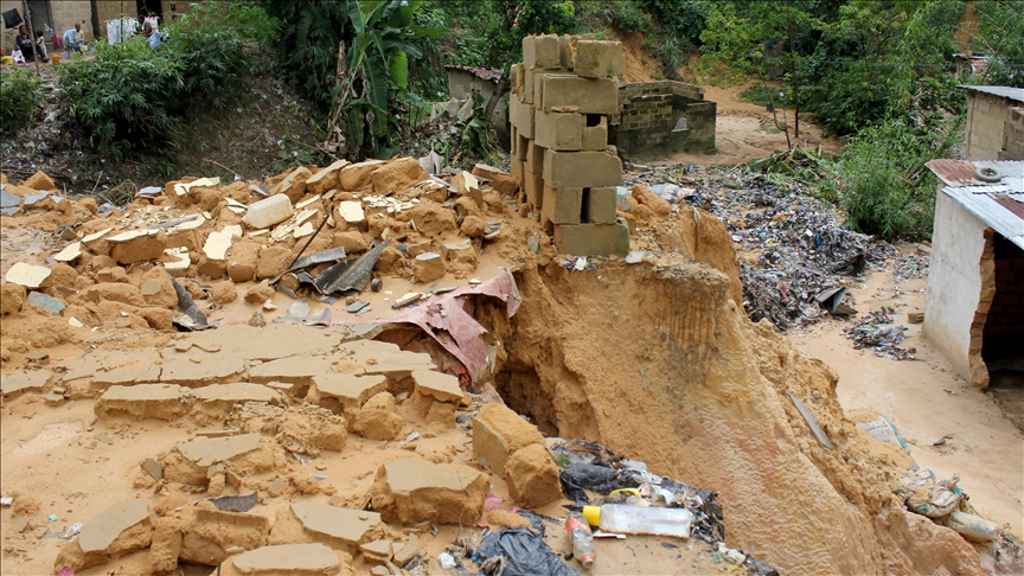
    A catastrophic landslide struck the Burutsi region of the Democratic Republic of Congo on Wednesday, resulting in a significant loss of life and widespread destruction. The disaster has so far claimed 19 lives and left four individuals with serious injuries. Rescue teams continue to work tirelessly as more than a dozen people remain unaccounted for, believed to be trapped beneath the rubble.

    During the ongoing rescue operations, the situation was further complicated when a local resident assisting with recovery efforts suffered a fall, resulting in a fractured left leg. This incident was confirmed by the administrative secretary of the Luberike group, the administrative division that encompasses Burutsi, in a statement to Actualité.CD.

    The landslide’s destructive path has rendered numerous homes uninhabitable, displacing a substantial number of residents. Those who have lost their dwellings are currently seeking shelter and refuge in local schools, which have been repurposed as emergency accommodation centers.

    In response to the crisis, local authorities have issued a heartfelt appeal for collective solidarity. They are urgently calling for public assistance to support the victims, intensify the search for the missing, and provide essential medical care for the injured. The community is mobilizing to address the immediate humanitarian needs arising from this tragic event.

  • James, Wahid crowned junior chess champions

    James, Wahid crowned junior chess champions

    In a display of strategic mastery, Justin James and Chelsea Wahid have successfully defended their national titles at the Saint Lucia Chess Federation’s National Junior Under-20 Championships. The tournament unfolded across two competitive days on January 4 and 11 at the Cocoville headquarters in Rodney Bay, Gros Islet, drawing a significantly larger field than previous years.

    Justin James, an 18-year-old scholar from Sir Arthur Lewis Community College, dominated the Absolute category with an impressive score of 5.5 points from 6 rounds. His victory marks a consecutive championship win, solidifying his status as the nation’s premier junior chess talent. The runner-up position was claimed by D’yorni Cilpa with 5 points, while Chelsea Wahid secured third place with 4.5 points.

    In the Female division, Women’s Candidate Master Chelsea Wahid demonstrated exceptional skill to retain her crown. The 17-year-old International School Saint Lucia student achieved a winning score of 4.5 points. Kiara Lambert followed in second position with 3.5 points, and Shekinah Leonce completed the podium with 2.5 points.

    The championship witnessed remarkable growth in participation, attracting 16 competitors from nine educational institutions—doubling the attendance from the previous year. Participants engaged in six rounds of classical chess under the Swiss system format, employing standard time controls of 60 minutes per player with a 30-second increment per move.

    The national chess calendar continues with the Senior National Championships, scheduled to commence on January 18 at the same venue. This elite competition will span four consecutive weekends utilizing a round-robin tournament structure.

  • China defends international law against US stance

    China defends international law against US stance

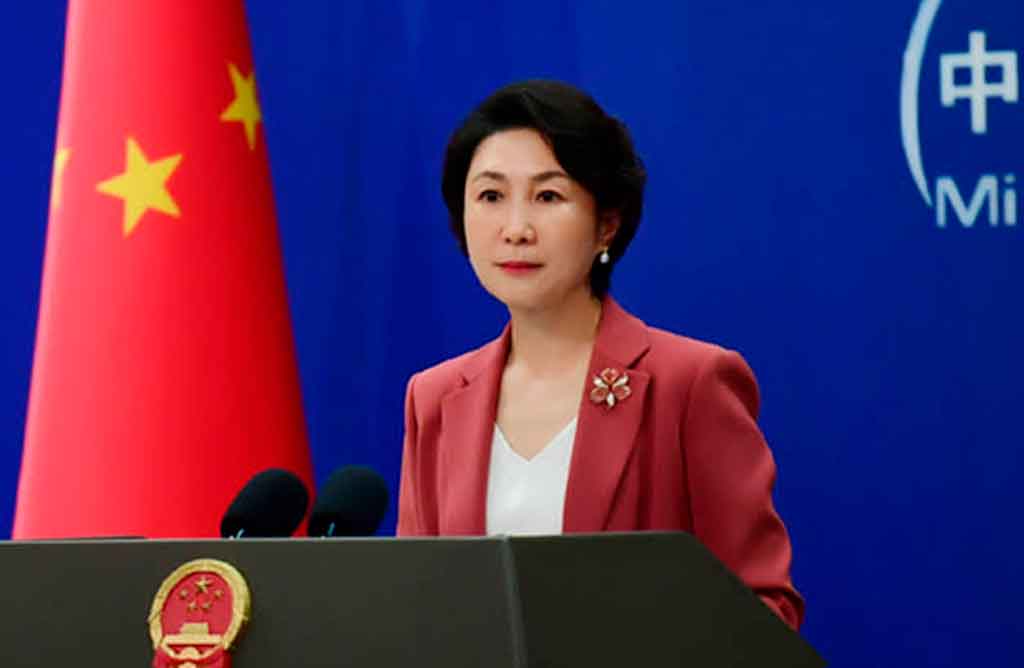
    In a striking diplomatic contrast, China has positioned itself as a defender of the international legal order while responding to recent statements from former US President Donald Trump that questioned the authority of global governance frameworks. Foreign Ministry spokesperson Mao Ning articulated Beijing’s firm position during a press briefing, emphasizing that international law remains an indispensable mechanism for peaceful dispute resolution among nations.

    The Chinese spokesperson presented a comprehensive vision of global governance centered on multilateral cooperation, stating that upholding international legal principles is fundamental to preserving international fairness and justice. This stance serves as a direct counterpoint to what Chinese officials characterize as unilateral and aggressive actions by the United States against sovereign nations including Venezuela and other countries that diverge from Washington’s strategic interests.

    Mao Ning further elaborated that major global powers bear special responsibility in demonstrating respect for the authority of international law and faithfully implementing their obligations under various international agreements. This perspective was reinforced by Chinese Foreign Minister Wang Yi, who emphasized that the sovereignty and security of all nations must receive comprehensive protection within the framework of international law.

    The emerging philosophical divide occurs against the backdrop of intensifying global debates regarding the future of multilateralism and the international system established following World War II. Beijing has explicitly rejected the concept of any single nation acting as the ‘world’s policeman’ or assuming the role of international judge, instead advocating for a collective approach to global governance through established international institutions and legal frameworks.

  • OP-ED: CARICOM faces a unity-defining moment

    OP-ED: CARICOM faces a unity-defining moment

    The Caribbean Community (CARICOM) confronts a severe foreign policy challenge following recent US military operations in Venezuela, exposing deep divisions among its 14 sovereign member states. Since September 2025, American military actions in the region have triggered contrasting responses that threaten the bloc’s cohesion.

    CARICOM leadership now navigates complex pressures stemming from the revived ‘Donroe Doctrine’ and concurrent US policy demands toward member nations. The organization faces the formidable task of formulating a unified foreign policy response to the Trump administration’s renewed emphasis on spheres of influence and strategic competition.

    Two distinct camps have emerged within CARICOM. Barbados exemplifies the traditional foreign policy approach, with Prime Minister Mia Amor Mottley delivering a blunt assessment of the January 3 US military action in Venezuela. Her position aligns closely with UN Secretary-General António Guterres, who termed the intervention ‘a dangerous precedent’ that risks regional instability and violates international norms.

    Conversely, Trinidad and Tobago has pursued a markedly different course, emphasizing regional peace concerns while simultaneously reaffirming commitment to Washington’s intervention logic. The nation’s prominent role in ‘Operation Southern Spear’ has raised eyebrows within CARICOM, particularly as US interventionism appears resurgent in Latin America and the Caribbean.

    The crisis unfolds against broader geopolitical shifts, with the United States withdrawing from numerous international organizations and treaties it previously established. This retreat from multilateralism particularly concerns CARICOM members, who rely heavily on UN-based international law and multilateral frameworks to protect their interests as small states.

    The upcoming Fiftieth Regular Meeting of CARICOM Heads of Government assumes critical importance as members seek common ground. While some unity exists on certain US policy aspects—such as hosting deported migrants—the fundamental question remains whether the bloc can overcome its divisions during this unity-defining moment.

    Dr. Nand C. Bardouille of The University of the West Indies observes that CARICOM leadership recognizes the summit represents a test the regional grouping cannot afford to fail, given the high stakes for Caribbean sovereignty and international law principles.