博客

  • Exporting doctors

    Exporting doctors

    In a surprising twist of medical workforce dynamics, Trinidad and Tobago faces the paradoxical situation of simultaneously experiencing a physician shortage and surplus. While healthcare facilities remain overwhelmed with patient demand, approximately 300 new medical graduates enter the system annually, with 7,345 doctors currently registered with the Medical Board.

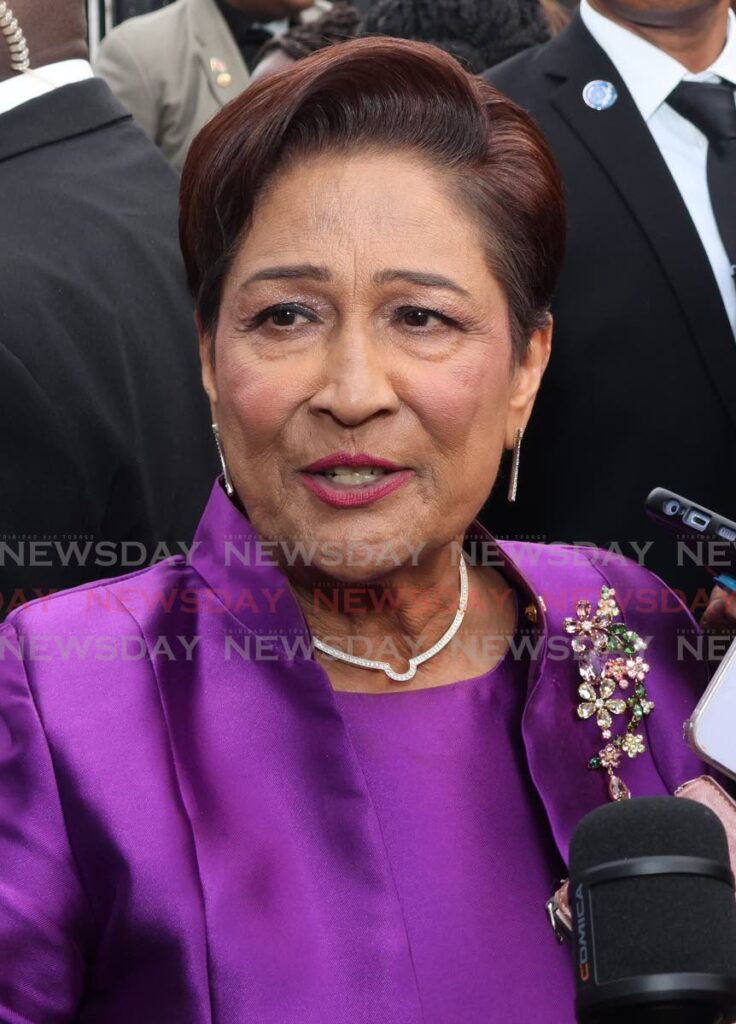
    Prime Minister Kamla Persad-Bissessar’s administration has proposed an innovative solution: establishing a partnership with Guyana that would enable 50 local doctors to practice there. This initiative, announced on December 7, represents a strategic approach to addressing structural issues within the healthcare sector.

    The core problem lies in the experience gap faced by recent graduates. Despite completing internships, these new physicians are often perceived as insufficiently experienced for full positions, creating a professional catch-22 where they cannot gain experience without employment opportunities.

    Beyond the graduate experience dilemma, systemic challenges persist. Health authorities have consistently failed to hire adequate medical personnel, despite the World Health Organization reporting that physician density per 1,000 people doubled between 2010 and 2020. This understaffing affects both doctors and nurses, with health facilities remaining insufficiently expanded to meet population demands.

    Additional complicating factors include the declining tradition of visiting local general practitioners, which has reduced opportunities for new graduates, and allegations of medical equipment worth $100 million being left to deteriorate at the Couva facility opened in 2015.

    The proposed Guyana partnership offers multiple benefits: providing employment for emerging practitioners, breaking the experience-employment cycle, advancing regional integration, and potentially reducing pressure on domestic healthcare systems. While 50 doctors may not solve the entire problem, it represents a meaningful step toward addressing complex healthcare workforce challenges.

  • Look toGuyana forfeedstock tosave forex

    Look toGuyana forfeedstock tosave forex

    A critical examination of Trinidad and Tobago’s foreign exchange allocation has revealed staggering financial commitments to poultry feed imports, prompting calls for strategic regional collaboration. Recent disclosures from Finance Minister Davendranath Tancoo indicate that poultry-related enterprises accessed over US$150 million in forex reserves between 2020 and mid-2025, representing a substantial national investment in sustaining imported animal feedstock.

    This revelation emerges alongside transformative agricultural developments in neighboring Guyana. The Caricom partner has successfully cultivated approximately 12,000 acres of corn and soya in 2024, with ambitious expansion targets of 25,000-30,000 acres by 2025-2026. Guyana’s strategic initiative aims not only at achieving self-sufficiency in livestock feed production but also at positioning itself as a grain exporter to fellow Caricom nations.

    The convergence of these developments presents a pivotal opportunity for Trinidad’s poultry industry. Industry analysts now question whether major integrators, feed millers, agricultural experts, and relevant government agencies have initiated formal engagement with Guyanese authorities. Such collaboration could establish long-term supply agreements for Guyanese corn and soya, potentially priced in mechanisms that gradually reduce Trinidad’s forex exposure.

    Parallel to negotiation efforts, an urgent domestic assessment appears necessary. Evaluating port infrastructure, storage capabilities, handling procedures, quality assurance protocols, and potential legislative adjustments would be essential for transitioning from distant suppliers to regional partnerships. This strategic pivot could transform Guyana’s agricultural emergence into a concrete, lower-risk intra-Caricom supply chain for poultry feed.

    The scale of forex expenditure on poultry feedstock demands more than routine reassurances—it necessitates a coordinated regional strategy where private sector initiative and government facilitation converge to maximize forex efficiency and regional economic integration.

  • Question onbaby challenge

    Question onbaby challenge

    A recent population growth proposal by Tobago’s Chief Secretary has ignited vigorous public discourse regarding parental capabilities and long-term child welfare. Farley Augustine, head of the Tobago House of Assembly, has formally encouraged residents to increase childbirth rates through a structured incentive program offering essential baby supplies including footwear, diapers, and complementary infant care products upon childbirth.

    The policy initiative, designed to address demographic concerns, has prompted critical examination from community members. Richard Lobo of Diego Martin has articulated substantial concerns regarding the program’s potential limitations. In a published editorial response, Lobo questioned whether material incentives adequately address the comprehensive requirements of successful child-rearing, emphasizing that nutritional support, educational opportunities, emotional development, and dedicated parenting represent fundamental components that extend beyond initial material assistance.

    The critique highlights apprehensions that without sufficient support systems ensuring children’s holistic development, society might eventually confront significant challenges stemming from decisions made by improperly nurtured youth. This exchange between government officials and citizens underscores the complex interplay between demographic policies and social responsibility, reflecting broader societal concerns about sustainable family support structures and intergenerational welfare planning.

  • Tabaquite Carollers keep an old tradition alive

    Tabaquite Carollers keep an old tradition alive

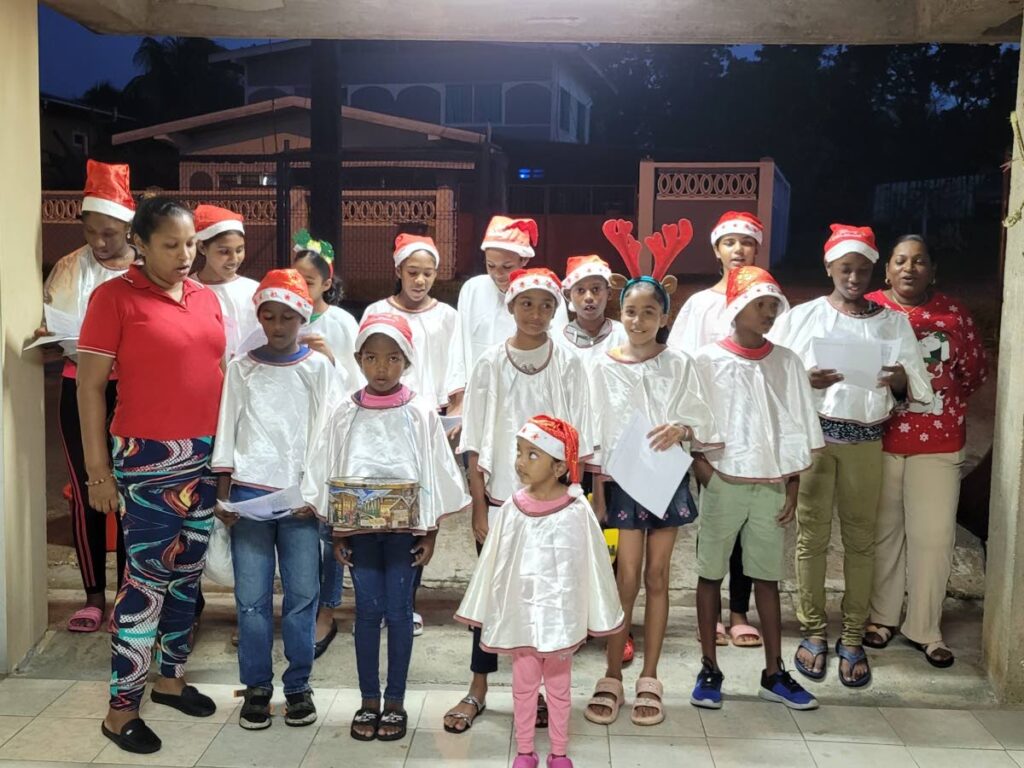
    For over fourteen years, the Tabaquite Carollers have revitalized the ancestral practice of Christmas caroling across their rural community, transforming December evenings into celebrations of faith and unity. This women-led initiative, coordinated by Reena Donna De Leon, represents both cultural preservation and spiritual ministry, blending traditional hymns with local parang music while nurturing the next generation’s moral development.

    The ensemble traces its origins to earlier community pioneers like Bernadette ‘Auntie Bunny’ Badal, formally organizing in 2011 to continue their legacy. Today, approximately 30 children aged 3-15 from diverse religious and socioeconomic backgrounds participate annually. The program transcends musical performance by emphasizing almsgiving, compassion, and evangelical outreach as core values.

    Throughout December, the carolers process along TPD Road, Manuel Junction, and recently expanded routes including Brothers Road, where residents enthusiastically receive them. Community engagement manifests through homemade treats and financial contributions, though De Leon stresses the initiative prioritizes spiritual enrichment over monetary gain. Remarkably, children reinvest collected funds into Christmas celebrations for 120 underprivileged youth and food hampers for struggling families.

    Despite challenges like limited parental involvement and safety concerns in isolated areas, the group maintains rigorous protocols with support from the Tabaquite Village Council and transportation assistance from community members. De Leon envisions this project as a pilot model for national revival of community-based traditions, advocating for renewed emphasis on moral stability amidst technological distractions.

    The coordinator’s fundamental message urges communities: ‘Embrace public expressions of faith. Guide youth toward positive values and courageous evangelism. Christmas’s true meaning must be lived through joyful fellowship and service.’

  • Trinidad and Tobago teams gear up for Jewels of the Caribbean

    Trinidad and Tobago teams gear up for Jewels of the Caribbean

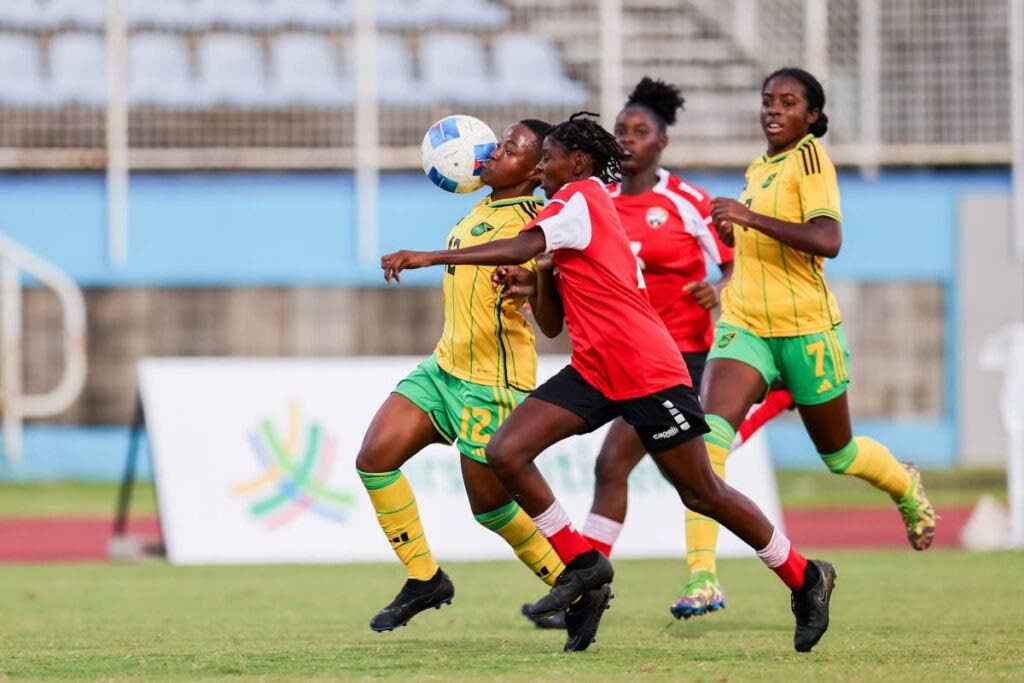
    Trinidad and Tobago prepares to showcase its emerging female football talent as the DecembHER Football – Jewels of the Caribbean tournament returns from December 15-21. The annual competition will feature both under-17 and under-20 categories, with host nation TT fielding two teams in each division alongside regional rivals Jamaica and United States-based club Indy Premier.

    Multiple venues across Trinidad will host matches throughout the week-long event, including the Hasely Crawford Stadium in Mucurapo, Ato Boldon Stadium in Couva, and Sangre Grande recreation ground. The tournament culminates with both category finals scheduled for December 21 at Hasely Crawford Stadium.

    The competition begins with TT’s under-17 teams facing Indy Premier and Jamaica in a December 15 double-header at Hasely Crawford Stadium, while the under-20 squads open their campaign with similar fixtures at Ato Boldon Stadium on December 16. Following round-robin play, the top two teams from each category will advance to the championship matches.

    Trinidad and Tobago Football Association (TTFA) president Kieron Edwards emphasized the tournament’s significance, stating: “Hosting Jewels of the Caribbean reflects our commitment to raising women’s football standards and providing meaningful international competition for our young female athletes. This represents an exciting period for TTFA as we continue growing programs that inspire the nation.”

    The tournament holds particular importance as preparation for TT’s upcoming 2026 Concacaf Women’s Under-17 Qualifiers scheduled for January 24-February 2. Trinidad and Tobago will compete in Group F alongside Barbados, Curacao, El Salvador, and Guadeloupe, with the top six group winners and two best second-place teams advancing to join regionally ranked powerhouses Canada, Mexico, Puerto Rico, and the United States in the final round.

    Historical context adds drama to this year’s competition: In the 2023 under-17 tournament, TT claimed victory with a 2-0 win over St Vincent and the Grenadines powered by Orielle Martin’s brace. The talented attacking midfielder continued her impressive form in the 2024 under-20 edition, scoring six goals to claim the golden boot award despite TT’s 2-1 finals loss to Jamaica.

    Team selections for TT’s Jewels of the Caribbean squads are expected to be finalized before week’s end, marking the beginning of an intensive period of development for the country’s rising female football stars.

  • Operations HQ lift inaugural Valiance 3×3 basketball crown

    Operations HQ lift inaugural Valiance 3×3 basketball crown

    In a nail-biting championship finale, Operations HQ secured the inaugural Valiance 3×3 Inter-Station Basketball Competition title with a hard-fought 5-4 victory over Port of Spain Prison on December 5. The thrilling conclusion unfolded at the Youth Transformation and Rehabilitation Centre (YTRC) Gymnasium, showcasing exceptional defensive prowess from both finalists.

    Tournament standout Michael Straker earned Most Valuable Player honors after delivering an impressive 24-point performance throughout the competition. The championship game saw Straker account for all five of his team’s points, demonstrating remarkable composure under pressure.

    The title match was characterized by strategic, deliberate play with both teams implementing disciplined defensive structures. Scoring opportunities proved scarce throughout the intense matchup, with each possession carrying significant weight. Operations HQ ultimately created a decisive late-game advantage to claim the historic victory.

    In the third-place playoff, host team YTRC delivered a resilient performance despite losing a key player to injury. The squad demonstrated exceptional collective effort and late-game composure to edge Garage 10-9 in another tightly contested battle.

    The two-day tournament (December 4-5) featured eight teams representing various divisions within the Trinidad and Tobago Prison Service. Following group stage matches on the opening day, all teams advanced to the knockout bracket phase.

    Assistant Commissioner of Prisons Ricardo Dass praised the event’s success, noting strong participation and engagement levels that met organizational objectives. He indicated the tournament has potential to become an annual fixture, possibly with multiple editions each year to support staff wellness and national qualification ambitions.

    Final tournament standings placed Operations HQ first, followed by Port of Spain Prison, Youth Transformation and Rehabilitation Centre, Garage, Administration, Golden Grove Prison, Maximum Security Prison, and Operations.

  • Steelpan Titans crush Soca Strikers by five wickets in U23 Cup

    Steelpan Titans crush Soca Strikers by five wickets in U23 Cup

    In a rescheduled second-round encounter of the Cricket West Indies/Trinidad and Tobago Cricket Board Under-23 Cup, Steelpan Titans clinched their inaugural tournament victory with a commanding five-wicket triumph over Soca Strikers Under-19. The match unfolded on December 9 at the National Cricket Centre in Balmain, Couva.

    Batting first after being sent in, Soca Strikers posted a competitive total of 144/9 within their allotted 28 overs. Their innings was propelled by aggressive batting displays from Darius Battoosingh, who smashed a rapid-fire 47 runs from merely 27 deliveries, and opener Salem Khan, who contributed a steady 43 from 49 balls.

    The Titans’ bowling attack proved exceptionally effective in containing the Strikers’ batting lineup. Calvin Loubon emerged as the standout performer, claiming an impressive four wickets for just 20 runs. Nick Ramlal demonstrated his all-round capabilities by securing three crucial wickets for 17 runs, while pace bowler Jane Agard supported effectively with two dismissals for 22 runs.

    In response, Steelpan Titans reached the victory target of 146 runs with five wickets in hand, achieving the total in just 26.3 overs. The chase was masterfully anchored by Nick Ramlal, who remained not out on a match-winning 56 runs. He received valuable support from opening batsman Riyaad Mohammed, who added 32 runs to the tally, and Jayden Kent, who contributed 20 runs to the successful pursuit.

    For the previously unbeaten Soca Strikers U19, this defeat marks their first loss in two matches. Their bowling efforts were led by Daron Dhanraj, who took two wickets for 13 runs, and Renaldo Fournillier, who captured two wickets for 31 runs.

    The U23 Cup competition continues on December 10 with third-round fixtures, featuring Steelpan Titans facing Scarlet Blazers at Brian Lara Cricket Academy in Tarouba, while Soca Strikers U19 will seek redemption against Cocrico Warriors at the National Cricket Centre.

  • Nakhid optimistic ahead of 2030 World Cup campaign

    Nakhid optimistic ahead of 2030 World Cup campaign

    Following Trinidad and Tobago’s unsuccessful bid to qualify for the 2026 FIFA World Cup, Parliamentary Secretary for Sport David Nakhid has called for comprehensive rebuilding efforts to secure qualification for the 2030 tournament. The national team finished third in their CONCACAF group behind Jamaica and Curaçao, with the latter securing automatic qualification to the 2026 World Cup hosted across the United States, Canada, and Mexico.

    Trinidad and Tobago’s football history shows only one World Cup appearance at the 2006 tournament in Germany, making the recent qualification failure particularly disappointing for the football-loving nation. Jamaica remains in contention through the intercontinental playoffs scheduled for March.

    In statements made outside parliament on December 9, Nakhid emphasized the necessity for structural improvements: “We must persevere and rebuild. As a nation with strong football traditions, our recent performance was inadequate. We cannot afford to consistently miss World Cup cycles. With proper development pathways and synchronization between our efforts and the Trinidad and Tobago Football Association’s vision, we can realistically target 2030 qualification.”

    Nakhid, who serves as parliamentary secretary at the Ministry of Sport and Youth Affairs, acknowledged some progress under current coach Dwight Yorke, who assumed leadership in November 2024 with the specific objective of World Cup qualification. However, Nakhid noted that the TTFA must evaluate whether the results achieved under Yorke’s tenure met expectations.

    The future of Yorke’s leadership remains uncertain with only six months remaining on his contract, raising questions about whether he will continue to guide the team through the rebuilding phase or if new leadership will be sought to pursue the 2030 qualification campaign.

  • Tragic domestic violence incidents spark outrage

    Tragic domestic violence incidents spark outrage

    Trinidad and Tobago faces a devastating surge in gender-based violence as the nation grapples with three separate femicide cases within two weeks, exposing critical failures in domestic violence protection systems. The recent tragedies have sparked national outrage and forced government officials to confront systemic inadequacies in safeguarding vulnerable women.

    The violence culminated with the December 8th murder of Angel Lutchman, a 42-year-old mother of two from Claxton Bay, who was brutally killed by her ex-boyfriend despite having an active restraining order against him. Shazard Mohammed, 29, allegedly stabbed and slit Lutchman’s throat before dying by suicide. The victim’s 12-year-old son made the horrific discovery upon returning home from a relative’s house.

    This tragedy follows the November 23rd murder-suicide involving UNC councillor Romona Victor, 36, killed by her husband Rodney Ramsumair, 45, at their Siparia residence. Just days later on December 7th, Nicole Ovid, 56, was found dead on a pavement in St. James following an alleged altercation with an acquaintance who subsequently surrendered to police.

    Prime Minister Kamla Persad-Bissessar, who had previously vowed to strengthen crisis support systems at Victor’s funeral, now faces mounting criticism. When questioned about concrete plans to address violence against women, the Prime Minister stated she had requested information from Gender Affairs Minister Vandana Mohit but provided no specific timeline or strategy.

    Homeland Security Minister Roger Alexander acknowledged fundamental flaws in the restraining order system, admitting: ‘I have always said that the programme does not work well. We are taking a look at it to see how best we can treat with it.’ He emphasized the need for educational initiatives starting at school level to address domestic violence prevention.

    Opposition leader Mickela Panday delivered a powerful social media statement condemning the cultural acceptance of gender-based violence. The attorney and daughter of former prime minister Basdeo Panday highlighted how ‘coercive control, monitoring, threats, financial manipulation, and isolation break a woman down until she doubts her own reality.’ She criticized victim-blaming tendencies and demanded perpetrator accountability, urging police to treat every report with urgency and properly enforce protection orders.

    Panday proposed comprehensive reforms including increased safe houses, financial support for women escaping abusive relationships, strengthened laws, rehabilitation programs for abusers, and relationship education in schools to break the intergenerational cycle of violence.

    As autopsies for Lutchman and Ovid proceed at the Forensic Science Centre, investigations continue while the nation confronts its gendered violence epidemic that has left multiple families shattered and communities demanding immediate action.

  • PM: Acting WASA CEO is Dain Maharaj

    PM: Acting WASA CEO is Dain Maharaj

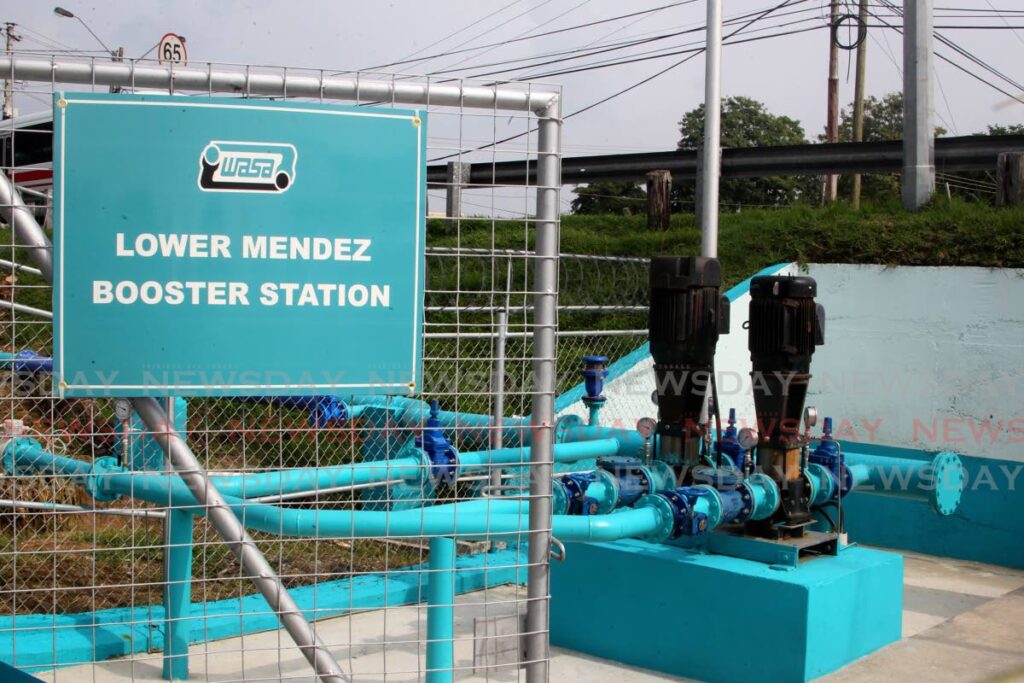
    In a significant development within Trinidad and Tobago’s public utility sector, Prime Minister Kamla Persad-Bissessar has officially confirmed the appointment of Dain Maharaj as the interim Chief Executive Officer of the Water and Sewerage Authority (WASA). The announcement came during the December 9 parliamentary session in response to pointed inquiries from Arouca/Lopinot opposition MP Marvin Gonzales.

    During the House of Representatives proceedings, the Prime Minister provided definitive clarification regarding the leadership transition at the state-owned water authority. “The individual designated to serve as acting CEO of WASA is Mr. Dain Maharaj, who remains a current employee of the organization,” Persad-Bissessar stated authoritatively.

    The parliamentary exchange grew notably contentious when Gonzales questioned the circumstances surrounding the departure of former CEO Jeevan Joseph, who had held the position for approximately five months. The Prime Minister firmly rejected the premise of the questioning, asserting that no administrative leave had been imposed regarding the previous acting CEO.

    “The previous interim CEO tendered a resignation based entirely on personal considerations,” Persad-Bissessar clarified. “Therefore, the foundational assumption of your inquiry is fundamentally inaccurate.” This response highlighted the government’s position that the leadership transition occurred through voluntary resignation rather than administrative action.

    The appointment comes at a critical juncture for WASA, which faces ongoing challenges in water distribution and infrastructure management across Trinidad and Tobago. Maharaj’s internal promotion suggests continuity within the organization’s operational framework during this transitional period.