博客

  • Agrarisch bedrijf Defensie krijgt impuls met nieuwe investeringen

    Agrarisch bedrijf Defensie krijgt impuls met nieuwe investeringen

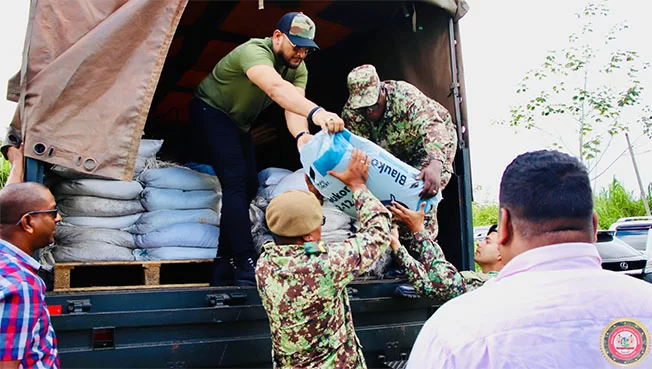
    In a significant move to bolster national food security and military self-sufficiency, Defense Minister Uraiqit Ramsaran personally oversaw the delivery of substantial agricultural resources to the Von Freyburg Defense Agricultural Enterprise in Saramacca on Tuesday. The deployment included fertilizers, operational equipment, and other essential supplies exactly one month after the minister’s initial inspection visit.

    The delivery fulfills Ramsaran’s previous commitment to modernize the defense agricultural sector. The occasion was marked symbolically by the planting of inaugural almond trees, initiating a comprehensive development project integrating recreation, education, and community engagement.

    ‘These represent not merely symbolic gestures but concrete investments toward establishing a modern, autonomous, and efficient agricultural center within our Defense infrastructure,’ Minister Ramsaran declared. ‘Today we advance further toward complete self-sufficiency—not as aspirational concept but as achievable objective through targeted actions and collective effort.’

    The minister outlined a vision for Von Freyburg to evolve into a multifunctional facility where both military personnel and civilians can learn, recreate, and take pride in developmental achievements. In collaboration with the Ministry of Agriculture, Livestock and Fisheries, greenhouse installations are scheduled for imminent implementation to facilitate modern, efficient cultivation methodologies.

    Ramsaran emphasized the triple focus on enhanced production output, superior quality standards, and increased operational independence. ‘Our objectives extend beyond agricultural production alone. We are creating an environment where recreation, education, and community development converge, thereby progressively building a stronger Defense institution,’ he concluded.
  • Briceño Defends Mai’s Resignation Once More

    Briceño Defends Mai’s Resignation Once More

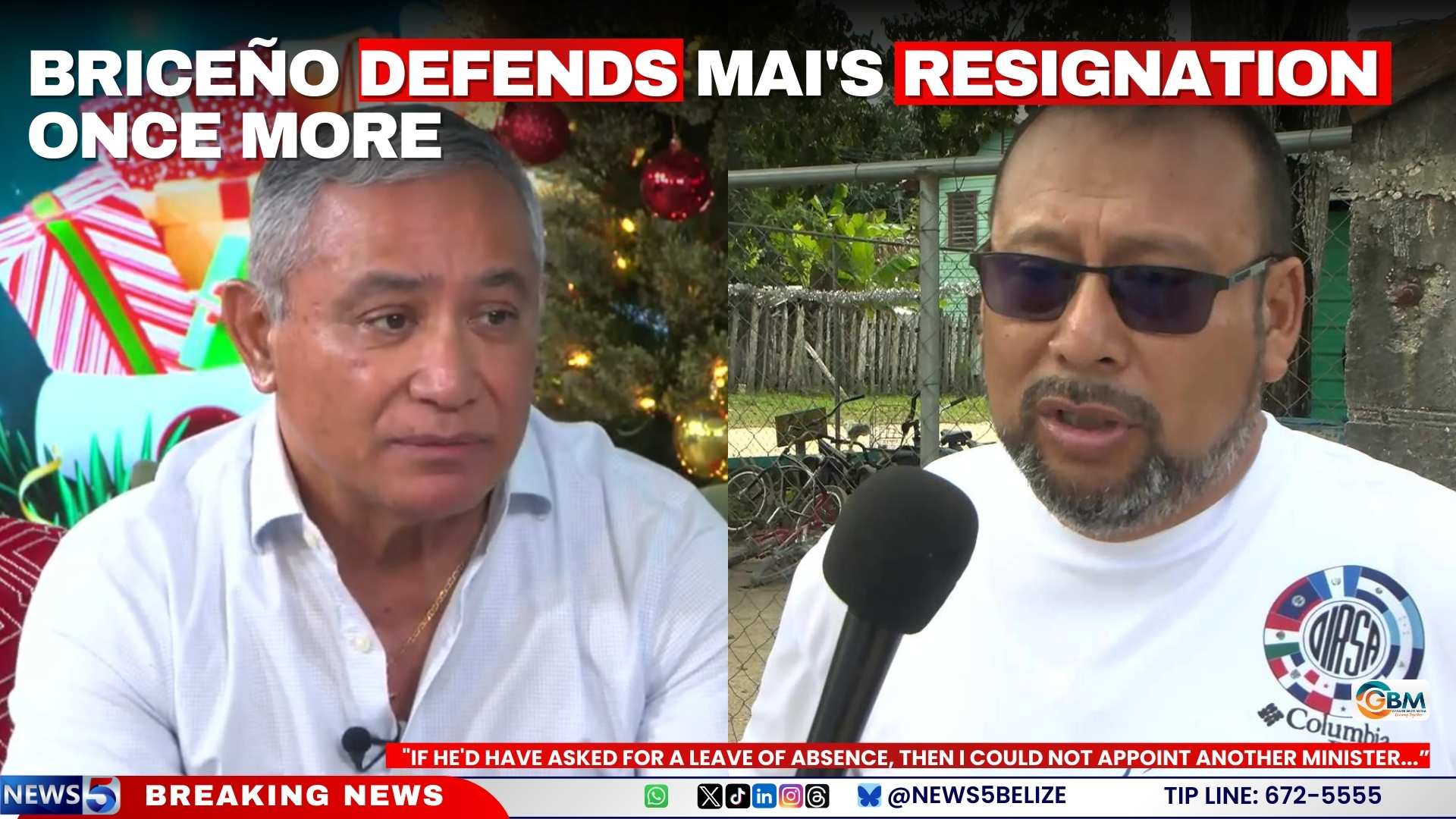
    Prime Minister John Briceño has once again publicly addressed the controversial resignation of former Agriculture Minister Jose Mai, seeking to quell ongoing speculation about the circumstances surrounding his cabinet departure several weeks ago.

    During a recent appearance on the ‘Open Your Eyes’ morning program, Briceño provided constitutional clarity regarding ministerial procedures, explaining that a formal resignation was necessary rather than a leave of absence. “Had he requested temporary leave, I would have been unable to appoint a replacement minister,” Briceño stated. “A leave of absence maintains ministerial status, necessitating a full resignation for cabinet restructuring.”

    The Prime Minister vehemently denied circulating allegations connecting Mai to cartel activities, dismissing them as “a narrative that lacks truth.” Despite persistent public scrutiny, Briceño maintained philosophical perspective: “We operate within a democratic framework where questioning is inevitable. Perhaps I should have permitted Minister Mai to personally articulate his reasons rather than attempting to provide explanations on his behalf.”

    Briceño further refuted claims that Mai’s oversight of the sugar portfolio influenced his departure, asserting the resignation “bears no connection” to these responsibilities. Instead, the Prime Minister highlighted Mai’s substantial contributions to agricultural development, describing him as “the most successful Agriculture Minister in the nation’s history” whose legacy is being overshadowed by current speculation.

    In a related development, Mai broke his silence during an exclusive interview this Tuesday, categorically denying all allegations against him. The former minister declared: “I have committed no wrongdoing or illicit activities, and no evidence exists to substantiate these claims.” Regarding potential political return, Mai expressed initial hesitation but suggested possible reinstatement within approximately twelve months following successful spinal surgery recovery.

  • DCA Demolishes Pringle Tent Amid Rising Tensions at Morris Bay

    DCA Demolishes Pringle Tent Amid Rising Tensions at Morris Bay

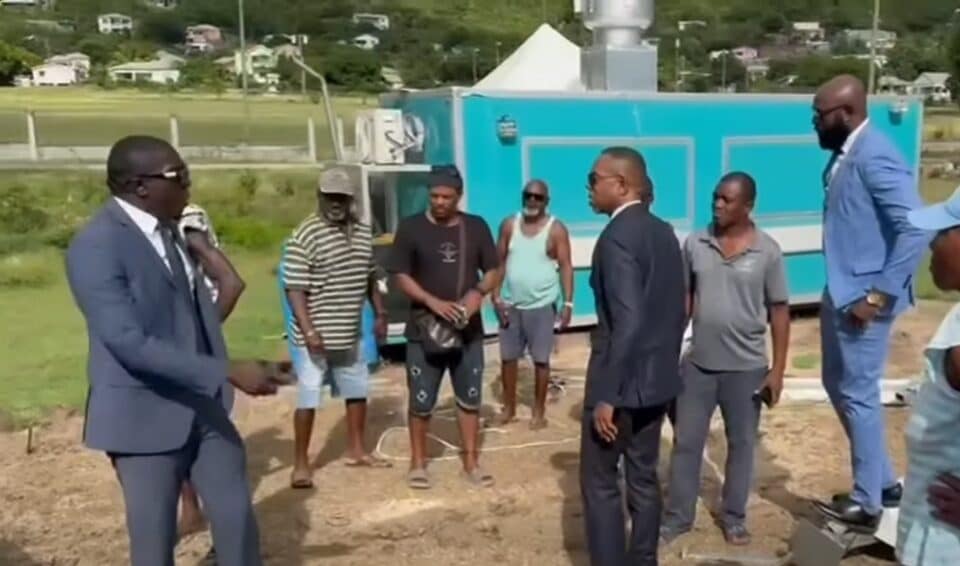
    Antigua’s political climate grew increasingly tense on Tuesday afternoon when state authorities dismantled a beachfront tent structure belonging to opposition parliamentarian Jamale Pringle at Morris Bay. The Development Control Authority (DCA), accompanied by police personnel, executed the removal operation while Pringle was engaged in parliamentary proceedings for the national budget debate.

    Eyewitness accounts confirm DCA officials arrived at the location shortly after noon and systematically disassembled the temporary structure without physical confrontation. The incident rapidly gained attention through community networks, drawing multiple opposition legislators to the scene where they consulted with gathered constituents.

    Local residents and vendor operators expressed profound apprehension following the demolition, interpreting the action as indicative of a broader regulatory crackdown on informal beachfront structures. Many voiced economic concerns, highlighting the potential threat to livelihoods dependent on coastal vending activities amidst current financial pressures.

    Neither the DCA nor law enforcement agencies have released official statements regarding the legal basis or timing of the enforcement action. The absence of public explanation has further intensified discussions regarding beach access regulations and property rights along Antigua’s coastline.

    The incident occurs against a backdrop of ongoing legislative discussions concerning public space utilization and commercial vendor regulations, highlighting escalating tensions between governance policies and community economic practices.

  • STATEMENT: CARICOM SG  Human Rights Day  ‘Human rights: our everyday essentials’

    STATEMENT: CARICOM SG Human Rights Day ‘Human rights: our everyday essentials’

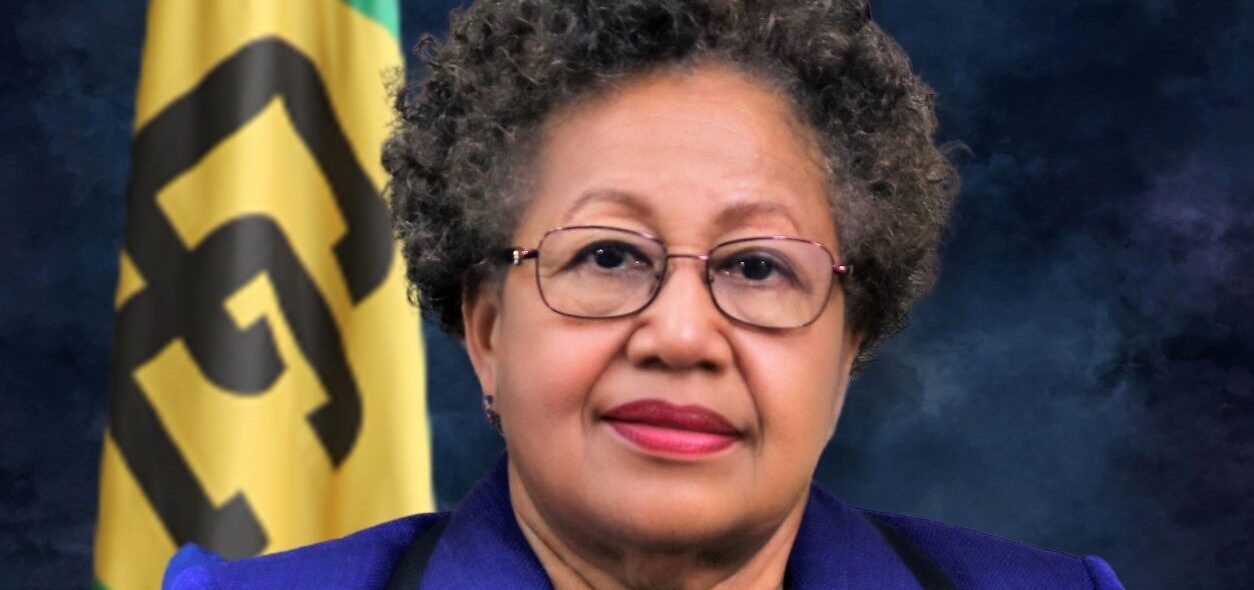
    On the occasion of Human Rights Day, CARICOM has issued a powerful reaffirmation of its dedication to upholding fundamental freedoms across Caribbean nations. Dr. Carla N. Barnett, representing the Caribbean Community, emphasized that the Universal Declaration of Human Rights (UDHR) continues to serve as the cornerstone document establishing essential entitlements including education, healthcare, and adequate living standards—critical components for societal advancement throughout the region.

    The declaration highlights that human rights principles are fundamentally rooted in equality, non-discrimination, and inclusion. While Caribbean nations have made significant strides in dismantling systemic barriers and enhancing participation among marginalized populations—including women, Indigenous communities, and persons with disabilities—persistent discrimination based on gender identity, sexual orientation, and economic status continues to impede the full realization of human rights for all citizens.

    CARICOM’s statement underscores the necessity of engaging younger generations in human rights advocacy, stressing that sustainable progress demands the active incorporation of youth perspectives in civic processes and decision-making frameworks at all governance levels.

    The organization also addressed emerging digital-age challenges, noting that the rapid expansion of information technology necessitates heightened focus on protecting privacy, combating online harassment and misogyny, and countering the proliferation of misinformation that threatens democratic values.

    This commemoration serves as both a reminder and call to action for the continuous global pursuit of dignity, freedom, and justice—elements intrinsically connected to human development and individual liberties. CARICOM maintains its unwavering commitment to promoting and safeguarding these fundamental rights as it works toward building a more equitable Community for all Caribbean peoples.

  • Alliances Francaises meeting held in Grenada to strengthen ties across region

    Alliances Francaises meeting held in Grenada to strengthen ties across region

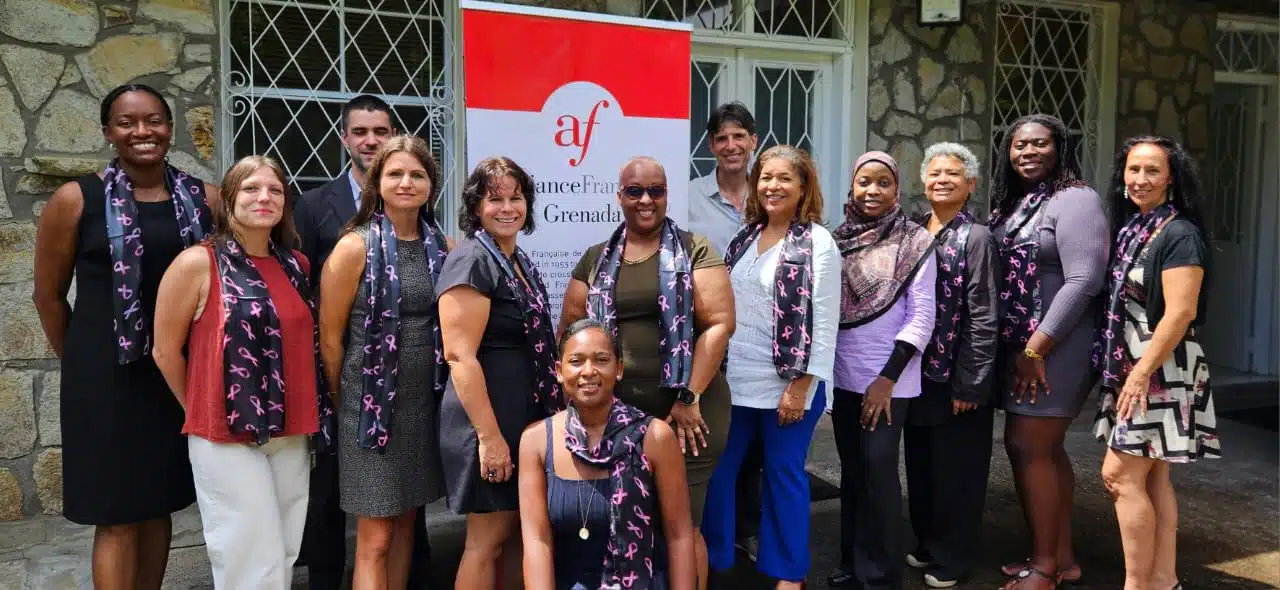
    Grenada recently hosted a landmark gathering of Alliance Française directors from across the English-speaking Caribbean, marking a significant step in strengthening cultural and linguistic cooperation throughout the region. The RÉZO seminar, held throughout October, brought together leadership from ten Caribbean nations under the supportive guidance of the French Embassy’s Service de Coopération et d’Action Culturelle (SCAC).

    The three-day summit served as a dynamic platform for enhancing collaboration between the extensive Alliances Françaises network and French diplomatic cultural services. Participants engaged in profound dialogue centered on listening and mutual cooperation, working collectively to develop innovative strategies and projects. Their shared vision focused on creating a more inclusive, modern, and accessible French-speaking Caribbean that fully embraces multilingual diversity.

    Christiane Bourgeois, Regional Counsellor for Cooperation and Cultural Action at the French Embassy, emphasized the crucial role these institutions play in fostering cultural, educational, scientific, and economic connections. She highlighted how French priorities—including cultural promotion, sustainability, and human rights—align closely with the specific needs of Caribbean nations. Bourgeois particularly stressed the fundamental importance of dedicated local individuals in bringing the vibrant French-speaking community to life throughout the region.

    The event featured significant symbolic gestures, including Bourgeois’s presentation of Pink October scarves, bracelets, and pins to Alliance directors. These items, in the signature pink colors, represented shared commitment and solidarity in the fight against breast cancer, demonstrating the network’s engagement with important social health issues.

    Jean-François Hans, Geographical Delegate at the Fondation des Alliances Françaises, joined remotely from Paris to reinforce the importance of maintaining continental cohesion and solidifying global presence. He underscored the Foundation’s role in upholding shared values, governance standards, and visual identity while supporting local teams to ensure consistent quality and ethics worldwide.

    The gathering notably addressed the unique challenges and opportunities within the Caribbean context, where logistical and human resource challenges are balanced against exceptionally rich cultural and linguistic diversity. Directors from Grenada, Saint Lucia, Barbados, Suriname, Saint Kitts and Nevis, Dominica, Trinidad and Tobago, Guyana, Jamaica, and Saint Vincent and the Grenadines shared insights on everyday operational challenges, local pride, and collective commitment to alliance strengthening.

    With origins dating back to 1883, the Alliances Françaises network now operates in over 135 countries with more than 820 branches globally, making it the world’s largest cultural network. In the English-speaking Caribbean alone, these ten alliances serve over 1,000 language learners annually while organizing hundreds of cultural events that promote French language and Francophone cultures throughout the region.

  • Venezuela sent a new ship to Cuba with humanitarian aid

    Venezuela sent a new ship to Cuba with humanitarian aid

    In a continued demonstration of regional solidarity, Venezuela has launched its fifth major humanitarian mission to Cuba, dispatching a vessel laden with critical supplies to assist in the island’s recovery from Hurricane Melissa. The shipment, which set sail on December 9, carries a cargo of household goods and construction materials essential for rebuilding efforts.

    This initiative falls under the framework of the Bolivarian Alliance for the Peoples of Our America-People’s Trade Treaty (ALBA-TCP), a bloc designed to foster cooperation among its member nations. The aid is specifically targeted at mitigating the extensive damage inflicted when Hurricane Melissa, a Category 3 storm on the Saffir-Simpson scale, made landfall on October 29.

    The Venezuelan government’s response was swift and multi-faceted. The relief operation commenced immediately after the disaster with an airlift delivering 26 tons of supplies. This was followed by a substantial maritime effort. On November 8, the ALBA ship transported 5,000 tons of aid alongside a brigade of electrical workers. Merely two days later, a second vessel departed with over 2,500 tons of humanitarian cargo, coinciding with the arrival of 22 Venezuelan specialists from the electricity, transport, and public works sectors to provide on-the-ground expertise.

    A significant third shipment, comprising more than 7,110 tons of aid, sailed from the international port of La Guaira on November 28. Its diverse cargo included 76 containers of food, heavy machinery like backhoe loaders, and specialized supplies for the reconstruction of housing and road infrastructure.

    Rander Peña, Executive Secretary of ALBA-TCP, provided a comprehensive tally to the press, revealing that the total aid sent to Cuba has now surpassed 12,000 tons. This immense contribution encompasses a wide array of necessities, including food, appliances, mattresses, medical supplies, construction and electrical materials, and even toys.

    Echoing the sentiment behind the mission, a high-ranking official stated on social media that providing vital supplies to the Cuban people honors the legacy of Fidel Castro, emphasizing that true solidarity is defined not by giving one’s surplus, but by sharing what one possesses.

  • Cuba pays tribute to Mariana Grajales at Day of History

    Cuba pays tribute to Mariana Grajales at Day of History

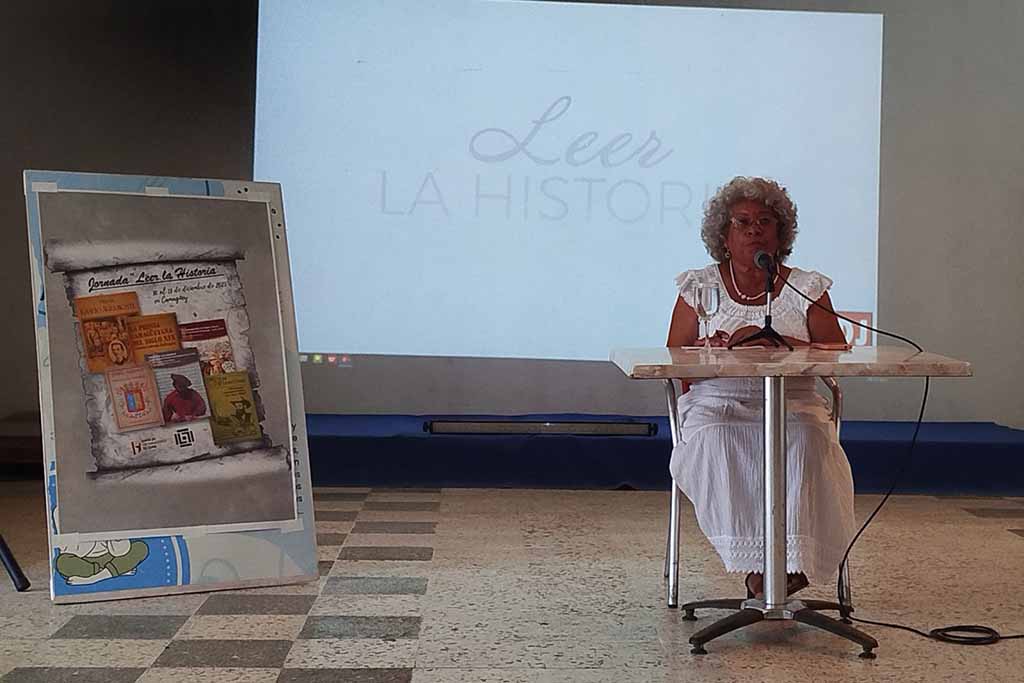
    An academic gathering of historians and researchers in Cuba has initiated a profound reevaluation of national heroine Mariana Grajales Cuello’s historical significance. The event commenced with a groundbreaking presentation by Dr. Damaris Amparo Torres of the University of Oriente, titled “From Mariana Grajales’ Lineage,” which challenged conventional historical narratives.

    Dr. Torres, a distinguished Santiago historian, identified a persistent pattern in Cuban historiography where Grajales’ monumental contributions have been consistently overshadowed by the fame of her sons, particularly independence hero Antonio Maceo. The academic emphasized the critical need to restore Grajales’ autonomous historical agency and recognize her distinct legacy separate from her familial connections.

    The presentation documented how post-revolutionary scholarship began rectifying this historical imbalance, citing pivotal works like “Mariana Grajales: 200 Years in History and Memory” as instrumental in establishing her proper historical standing.

    With meticulous academic rigor, Torres corrected longstanding biographical inaccuracies, definitively establishing Grajales’ birthdate as July 12, 1815, in Santiago de Cuba—a fact verified through baptismal records preserved at the Church of Santo Tomás Apostle. The researcher conclusively refuted theories suggesting Dominican origins, firmly reestablishing Grajales’ authentic Cuban heritage.

    The symposium further explored Grajales’ remarkable personal narrative as a mestizo woman who demonstrated extraordinary resilience after early widowhood. Despite confronting systemic discrimination and lacking formal education, she forged a new family with patriot Marcos Maceo, raising ten children who would predominantly dedicate their lives to Cuba’s independence struggle.

    Fernando Miguel Manzo Alonso, president of the Union of Historians of Cuba (UNHIC) in Camagüey, formally inaugurated the event. The location held particular historical significance as the province that hosted the first Constitution of the Republic in Arms in 1869, providing appropriate context for Grajales’ revolutionary legacy.

  • Series of Community Emergency Response Teams Training and assistance to Barbuda

    Series of Community Emergency Response Teams Training and assistance to Barbuda

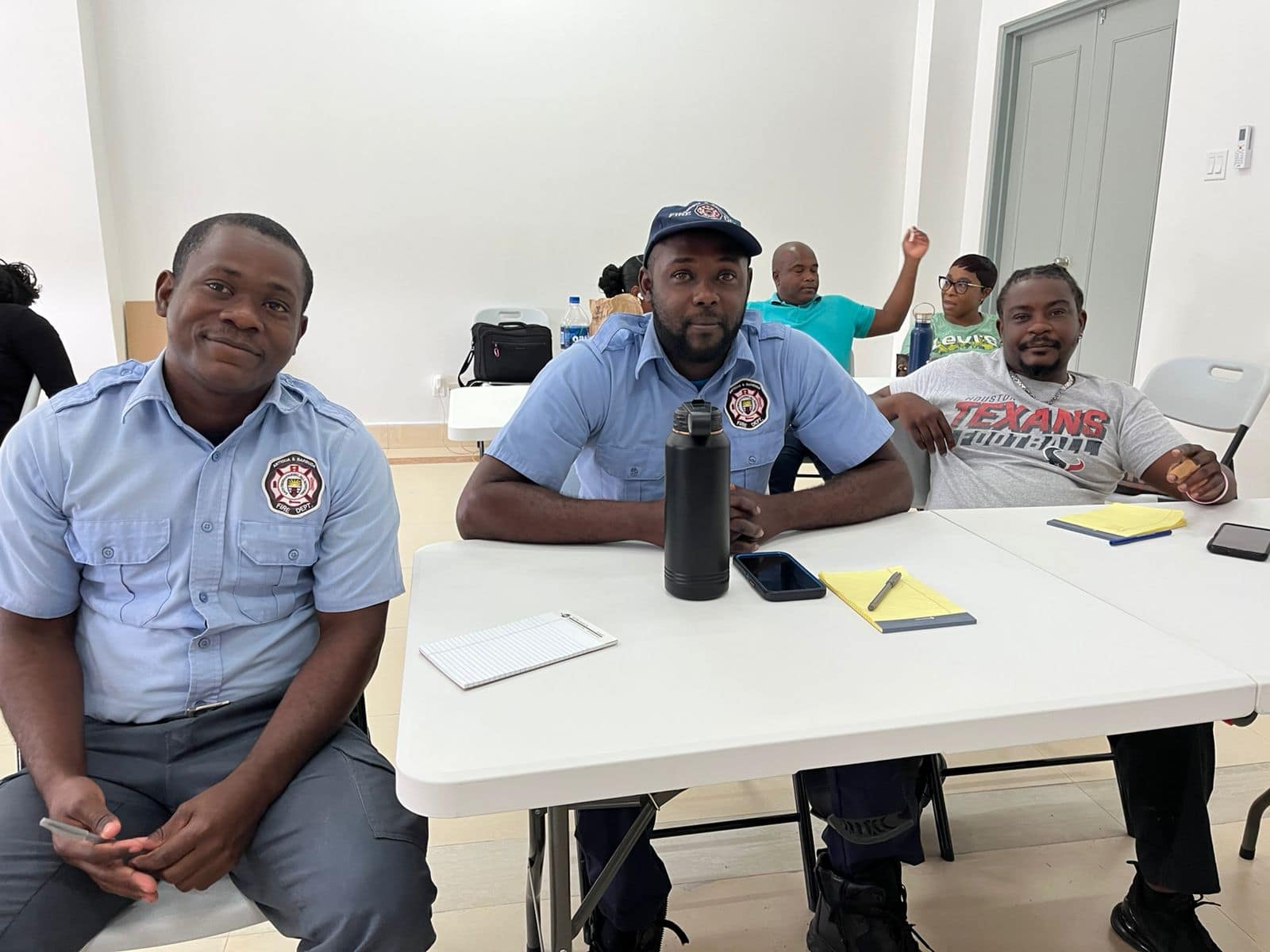
    The National Office of Disaster Services (NODS) is significantly amplifying its disaster preparedness capabilities through an extensive volunteer training initiative. A cohort of 25 participants from diverse districts is currently undergoing an intensive four-day Community Emergency Response Team (CERT) program, which commenced this Monday at NODS facilities.

    This comprehensive training curriculum equips community members with vital skills to provide critical assistance during emergencies before professional first responders arrive. The program encompasses essential modules including advanced disaster management protocols, fire safety techniques, search and rescue operations, and telecommunications training with emphasis on VHF radio systems.

    The current session represents the latest phase in NODS’ ongoing capacity-building campaign. Previous initiatives included a November training conducted over three consecutive weekends, followed by a specialized one-week certification program in Barbuda that successfully trained 20 participants last week.

    During the Barbuda deployment, NODS Director Sherrod James convened with key Barbuda Council representatives to reinforce institutional collaboration. The strategic meeting included Council Chairman John Mussington, Health and Disaster responsible chairman Wayde Burton, and Council Secretary Ann Cannegieter. This dialogue focused on enhancing council members’ disaster management capabilities and strengthening bilateral coordination mechanisms.

    Concurrently, NODS technical staff operationalized the newly constructed Barbuda Disaster Office by provisioning essential equipment and emergency supplies, ensuring the facility is fully equipped to handle crisis situations. This multi-faceted approach demonstrates Antigua and Barbuda’s proactive strategy in building community-level resilience against natural disasters and emergencies.

  • China en Latijns-Amerika: nieuwe samenwerking en duidelijke grenzen

    China en Latijns-Amerika: nieuwe samenwerking en duidelijke grenzen

    China has formally released its third comprehensive policy document outlining strategic engagement with Latin America and the Caribbean, emphasizing mutual cooperation in defending international justice and preserving the historical legacy of World War II victories. Vice Foreign Minister Cai Wei presented the framework on Wednesday, asserting that no external force can reverse the established course of history.

    The policy document establishes Taiwan matters as fundamental to China’s core interests, describing them as an absolute boundary that must not be crossed. It reaffirms China’s endorsement of the Latin American and Caribbean region as a Zone of Peace and supports nuclear non-proliferation efforts. The framework advocates for peaceful resolution of international disputes while explicitly rejecting external interference in regional affairs—an indirect reference to perceived U.S. involvement in Venezuela.

    This document continues the trajectory established by previous policy papers issued in November 2008 and November 2016, which significantly strengthened Sino-Latin American relations. President Xi Jinping has personally prioritized these ties, having visited the region six times while introducing innovative cooperation concepts and developmental initiatives.

    Current economic integration is substantial: 24 regional nations have joined China’s Belt and Road Initiative, with China standing as the second-largest trading partner for the region overall and the primary partner for nations including Brazil and Peru. As influential Global South actors, China and Latin American countries are collaborating to reform international governance systems and address pressing global challenges such as climate change.

    The new policy framework emerges amid unprecedented global transformations and emerging regional conflicts that introduce external uncertainties into China-Latin America relations. It outlines cooperative plans across forty domains including trade, investment, financial cooperation, scientific innovation, and climate response, serving as a strategic roadmap for a new era of partnership.

    China commits to supporting regional nations in pursuing independent development paths, emphasizing that these relationships are mutually beneficial, free from geopolitical manipulation, and not targeted against third parties. The document simultaneously rejects coercive diplomatic practices where nations impose their viewpoints pressure regional countries to take sides in international disputes.

  • PM John Briceño Labels Budna a “Monster”

    PM John Briceño Labels Budna a “Monster”

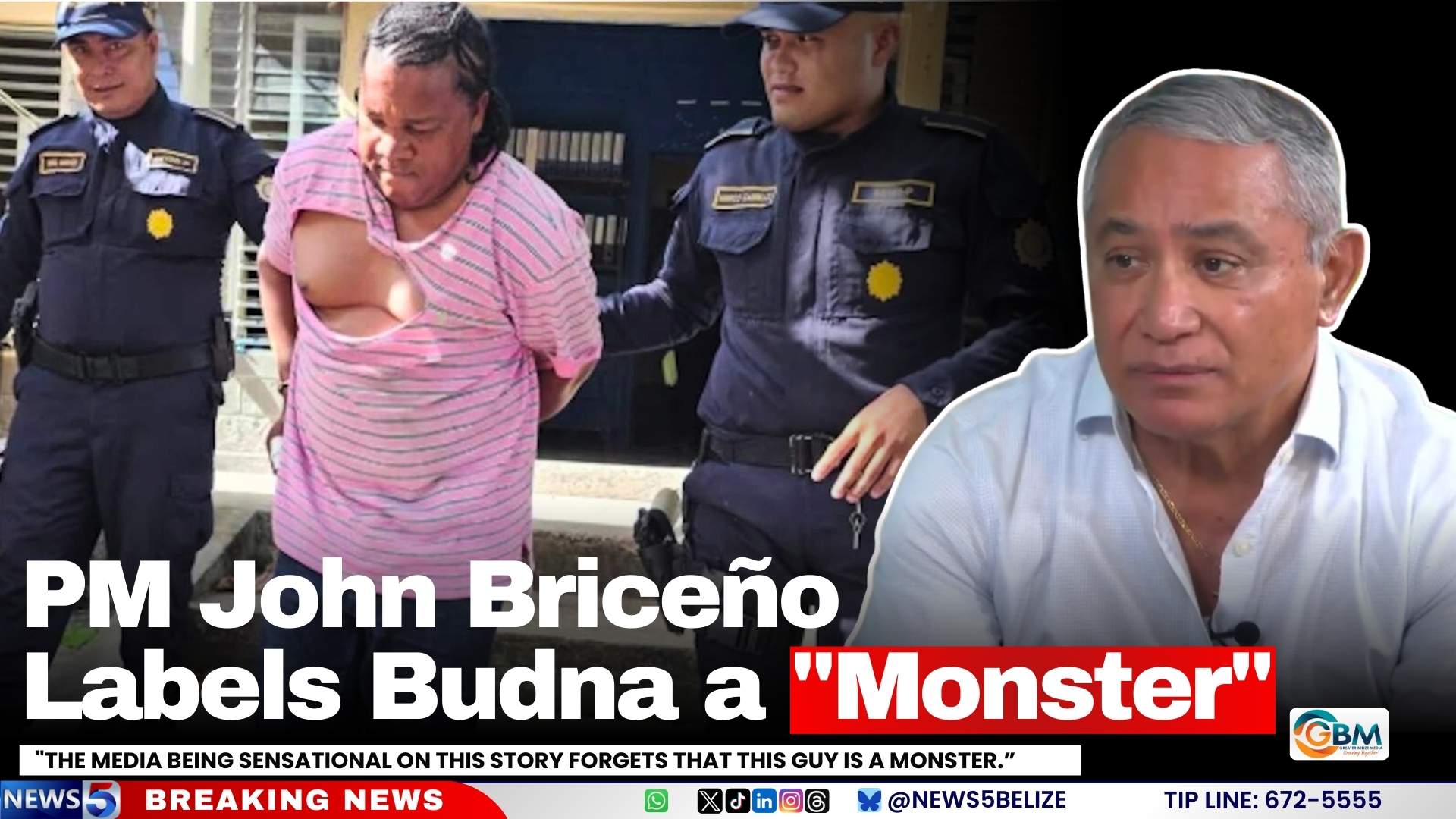
    Belize Prime Minister John Briceño has vehemently denied any governmental connection to the controversial abduction of convicted criminal Joseph Budna, while simultaneously characterizing the imprisoned man as a “monster” whose extensive criminal history has been largely ignored by media outlets. During a candid interview on Open Your Eyes, the national leader addressed the August 23rd incident that occurred near the Orange Walk Central police station within his own constituency, where Budna was forcibly taken before ultimately being transferred to a Guatemalan prison.

    Briceño confronted allegations that law enforcement personnel orchestrated what Budna himself has termed a state-sanctioned crime. When questioned about the incident’s occurrence within his electoral district, the Prime Minister drew parallels to historical criminal activities in previous administrations’ territories, asserting that constituency location shouldn’t imply personal responsibility for every unlawful act.

    The Prime Minister utilized the platform to highlight what he perceives as selective public outrage, recounting Budna’s alleged involvement in multiple serious offenses including the accidental killing of a sixteen-year-old and sexual assaults against young boys. Briceño expressed frustration that media attention has focused predominantly on the abduction rather than the victim’s previous criminal actions.

    Additionally, Briceño refuted claims by Opposition Leader Tracy Panton that he receives daily security briefings, clarifying that he only obtains weekly updates from National Security Director Ambassador del Cid. The Prime Minister further stated that reviewing surveillance footage of the kidnapping falls outside his official purview, emphasizing that the investigation remains solely with police authorities and the Director of Public Prosecutions.

    Briceño concluded by affirming that any individuals with proven involvement in the abduction would face legal consequences, while maintaining that his administration must allow law enforcement professionals to conduct their investigation without political interference.