博客

  • Will PLP Release GB Candidates Before End of 2025 as Promised?

    Will PLP Release GB Candidates Before End of 2025 as Promised?

    The ubiquitous presence of JavaScript-disabled warnings across modern websites underscores a persistent digital divide in web accessibility. While web technologies have evolved dramatically, many platforms continue to mandate JavaScript execution as a fundamental requirement for basic functionality and content delivery.

    This dependency creates significant accessibility challenges for users with older devices, limited bandwidth, or specific security configurations that restrict script execution. The standard visual cue—a simplified play button icon with #fff fill color and reduced opacity—has become the universal symbol of this technological barrier.

    Industry experts highlight the paradox: as web applications grow more sophisticated, they simultaneously exclude segments of users who cannot or choose not to enable client-side scripting. The debate continues between developers advocating for progressive enhancement and those prioritizing feature-rich experiences that require JavaScript.

    The persistence of these accessibility warnings reflects broader questions about inclusive design principles in an increasingly complex digital ecosystem. While alternatives exist, including server-side rendering and adaptive content delivery, many major platforms continue to implement JavaScript as a non-negotiable gateway to their content and services.


  • Police Probe Deadly East Street Hit-and-Run

    Police Probe Deadly East Street Hit-and-Run

    A critical web accessibility flaw is creating digital barriers for millions of internet users worldwide. The prevalent practice of JavaScript-dependent website design has effectively locked out users who rely on screen readers, older devices, or limited bandwidth connections.

    The core issue stems from modern web development frameworks that prioritize dynamic content and interactive features over fundamental accessibility principles. When websites require JavaScript execution merely to display basic content, they automatically exclude:

    1. Assistive technology users who navigate through screen readers
    2. Individuals with older devices or outdated browsers
    3. Users in regions with poor internet connectivity who disable JavaScript
    4. People with certain cognitive disabilities who require simplified browsing experiences

    Web accessibility experts emphasize that this trend violates both ethical design principles and legal requirements under the Americans with Disabilities Act and Web Content Accessibility Guidelines (WCAG). Major corporations have faced lawsuits over inaccessible websites, yet the problem persists across industries.

    Progressive Enhancement—the practice of building websites that function without JavaScript while enhancing the experience for those with it—has declined despite being a cornerstone of web development best practices. The solution requires developers to return to foundational principles: semantic HTML, server-side rendering, and graceful degradation.

    The implications extend beyond disability access to affect economic participation, educational opportunities, and essential service access. As more government services, healthcare portals, and banking platforms move exclusively online, JavaScript requirements create unintended digital discrimination.

    Technology leaders advocate for renewed focus on universal design principles that ensure web content remains accessible regardless of users’ technical capabilities or constraints.

  • Police Urge Pedestrians to Be Vigilant

    Police Urge Pedestrians to Be Vigilant

    A seemingly minor web element has revealed profound dependencies within modern digital infrastructure. The discovery centers on a disabled play button interface, graphically represented by the CSS class ‘.fp-color-play{opacity:0.65;}’ and SVG control elements with ‘fill:#fff;’ styling. This visual component, critical for user interaction with multimedia content, remains completely non-functional without JavaScript execution.

    The interface element, identified by the ‘play-sharp-fill’ icon, demonstrates how contemporary web experiences fundamentally rely on client-side scripting. The ‘Link’ prompt beneath the inactive control suggests potential fallback mechanisms, yet underscores a broader industry-wide dependency on JavaScript for core functionality.

    This technological paradigm highlights both the sophistication and fragility of modern web architecture. While enabling dynamic user experiences, this dependency creates accessibility challenges for users with disabled scripting and raises questions about progressive enhancement implementation across major web platforms. The situation reflects ongoing tensions between advanced functionality and universal access in digital product design.

  • Police Attribute Crime Decrease to God and Ramped Up Patrol

    Police Attribute Crime Decrease to God and Ramped Up Patrol

    A fundamental flaw in modern web design has come to light, revealing how millions of websites become completely inaccessible when users disable JavaScript. The widespread practice of relying on JavaScript for basic content rendering has created an alarming accessibility gap, leaving users with incompatible browsers, privacy concerns, or disabilities unable to access critical information.

    Web development experts are sounding alarms about this pervasive issue, noting that many major websites fail to implement basic progressive enhancement principles. The problem manifests as blank pages, broken navigation, and complete functionality failure when JavaScript is unavailable or fails to load properly.

    This dependency crisis affects numerous sectors including government services, educational platforms, and emergency information portals. Accessibility advocates emphasize that this violates web content accessibility guidelines (WCAG) and excludes users who rely on screen readers, older devices, or limited bandwidth connections.

    The emerging consensus among web standards organizations calls for a return to foundational web development principles where JavaScript enhances rather than enables basic functionality. Major browser developers and framework creators are now facing pressure to address this critical web accessibility failure that undermines the very principle of an open and inclusive internet.

  • National Security Minister Highlights Suicide Awareness in Parliament

    National Security Minister Highlights Suicide Awareness in Parliament

    A growing technical accessibility barrier is impacting web users globally as numerous websites now mandate JavaScript execution for basic content rendering and functionality. This development represents a significant shift in web design philosophy that prioritizes dynamic content delivery over universal accessibility.

    The core issue centers on websites employing aggressive JavaScript frameworks that completely suppress content display when scripts are disabled or fail to load properly. This creates an exclusionary browsing experience for users with outdated devices, limited bandwidth connections, or specific privacy/security configurations that restrict JavaScript execution.

    Technology analysts note this trend correlates with the rising adoption of complex web applications that function more like desktop software than traditional documents. While these applications offer enhanced interactivity, they frequently compromise on fundamental web principles of progressive enhancement and graceful degradation.

    The accessibility impact extends beyond convenience issues to affect users with disabilities who rely on screen readers and alternative navigation methods. Many assistive technologies struggle with dynamically injected content that doesn’t follow traditional document object model structures.

    Web development communities remain divided on this issue, with some advocating for stricter adherence to core web accessibility guidelines while others prioritize feature-rich experiences for modern browsers. This tension reflects broader industry debates about balancing innovation with inclusivity in digital experiences.

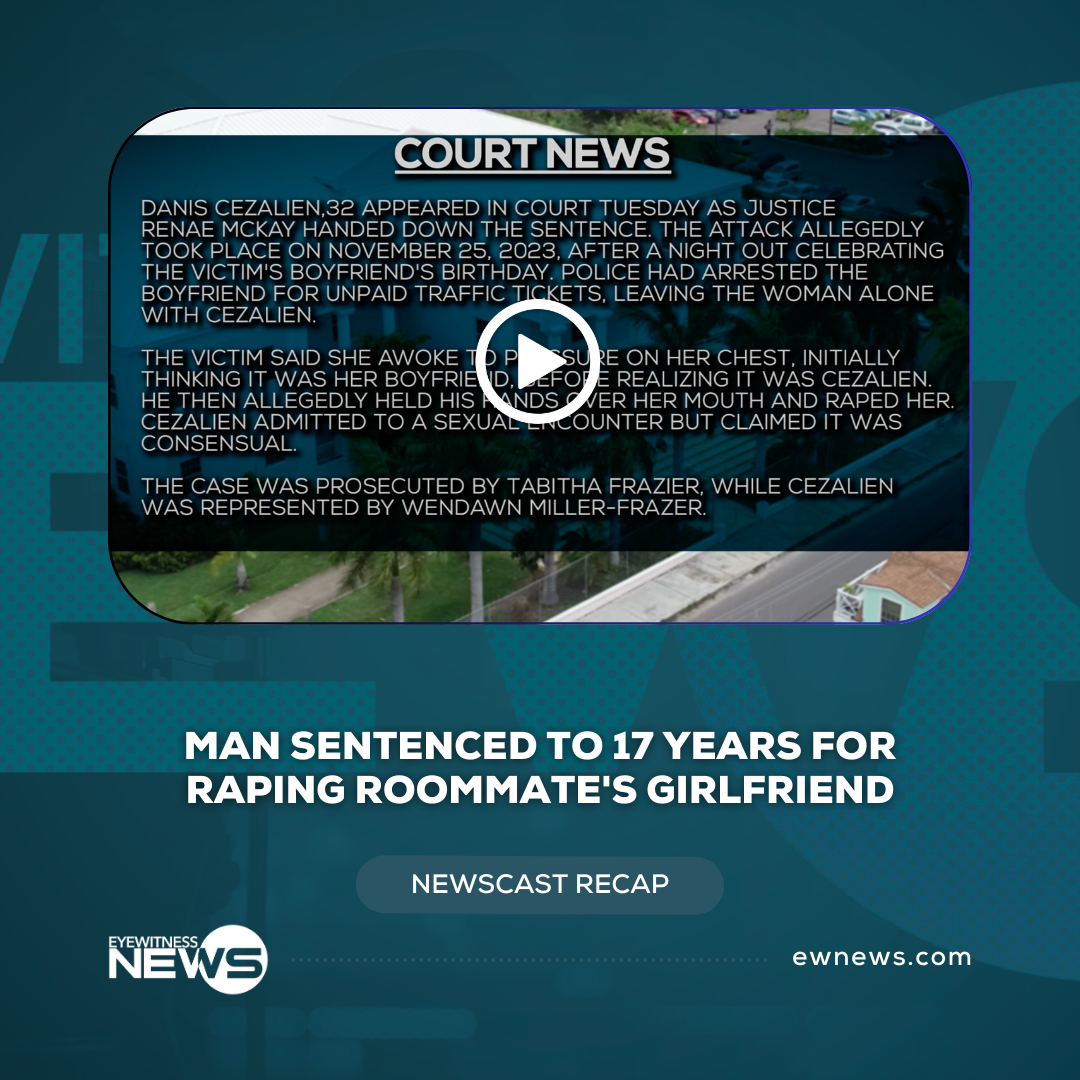
  • Man Sentenced to 17 Years for Raping Roommate&#039\;s Girlfriend

    Man Sentenced to 17 Years for Raping Roommate&#039\;s Girlfriend

    A growing digital accessibility crisis is emerging as websites increasingly mandate JavaScript execution for basic content delivery, creating insurmountable barriers for users with disabilities. This critical web development practice effectively excludes screen reader users, those with motor impairments, and individuals relying on assistive technologies that cannot process JavaScript-dependent content.

    The fundamental issue stems from web developers implementing JavaScript-reliant architectures without providing fallback mechanisms for accessibility tools. When websites require JavaScript simply to display primary content—rather than enhancing functionality—they violate core principles of digital inclusion established by the Web Content Accessibility Guidelines (WCAG).

    Legal experts warn this trend exposes organizations to potential litigation under the Americans with Disabilities Act and similar international regulations. The problem particularly affects educational resources, government services, and essential information portals where equal access is legally mandated.

    Accessibility advocates emphasize that JavaScript should progressively enhance rather than fundamentally gatekeep content delivery. They recommend implementing semantic HTML structures, ARIA landmarks, and alternative content delivery methods to ensure universal access regardless of scripting capabilities.

    As digital transformation accelerates globally, this accessibility gap highlights the urgent need for development teams to prioritize inclusive design principles from project inception rather than treating accessibility as an afterthought.

  • Wisselvallig weer met buien

    Wisselvallig weer met buien

    Suriname is experiencing variable weather conditions with locally intense rainfall and thunderstorms developing primarily during morning and early afternoon hours. The day commenced with widespread cloud cover across most regions, accompanied by scattered showers along the coastal stretch from Nickerie to Albina. Morning temperatures ranged between 24-26°C (75-79°F).

    In central and inland regions, substantial cloud formations began developing from late morning onward. These meteorological conditions are expected to evolve into organized lines of showers progressing eastward and southward. Particular areas including Para, Brokopondo and Sipaliwini districts face potential short but intense thunderstorm activity. These systems may produce gusty winds around early afternoon.

    Coastal areas will experience partial cloud reduction during afternoon hours, though isolated showers remain possible. Daytime highs will reach 31-33°C (88-91°F) combined with elevated humidity levels creating uncomfortable conditions.

    The evening forecast indicates predominantly dry conditions along coastal regions with temperatures around 27°C (81°F). Interior regions will maintain cloud coverage for extended periods with late showers remaining possible throughout the evening hours.

  • In Memoriam – Motilall ‘Baba en Mai’ Marhé

    In Memoriam – Motilall ‘Baba en Mai’ Marhé

    The cultural and linguistic landscape of Suriname has lost one of its most dedicated advocates with the passing of Ramon Motilall Marhé, affectionately known as Moti, who died on December 5, 2025, in The Hague at age 82. Marhé, whose honorary titles ‘Baba en Mai’ symbolized his commitment to cultural identity and heritage, emerged as the foremost champion for the Sarnámi language—much like linguist Hein Eersel was for Sranan—despite spending much of his life in the Netherlands.

    Born in Suriname, Marhé began his career as a headteacher with qualifications in English and multiple Hindi diplomas before relocating to the Netherlands in 1969. There, he pursued studies in Dutch language and literature at Leiden University, with Hindi as a secondary subject. His academic journey took him to India in 1976 and 1978, where he conducted research to better understand the linguistic and cultural evolution of Surinamese Hindustanis. This work positioned him as a pioneering force in advocating for Sarnámi as a vehicle for social change.

    Marhé’s advocacy extended beyond academia into public policy. He argued that the term ‘Surinamese’ should not be exclusive to one language or culture, insisting that all Surinamese languages be recognized as national languages with corresponding policy measures. He also advocated for the inclusion of these languages in geographic naming and government communications.

    In 1985, he published ‘Sarnámi Byākaran,’ an elementary grammar of Sarnámi, marking his first major contribution to the language’s formal recognition. His dedication never waned, even as health challenges emerged in his later years. Despite a muscle disease that robbed him of the ability to write, Marhé continued to voice his ideas through collaborators, publishing articles on linguistic equality until shortly before his death.

    His final public appearances included receiving an award at the Milan Festival in The Hague in summer 2023, celebrating 150 years of Hindustani immigration. Until the end, Marhé remained a critical voice urging the Surinamese government to implement the long-delayed Language Law based on recommendations from the Hein Eersel committee—a cause that now becomes part of his enduring legacy.

  • Opposition party accuses Environment Ministry of “selling” permits amid alarming volume

    Opposition party accuses Environment Ministry of “selling” permits amid alarming volume

    SANTO DOMINGO – The Dominican Republic’s political opposition has launched a severe indictment against the nation’s environmental authority, alleging systemic corruption and administrative failure within its permitting operations. Fuerza del Pueblo (FP), the primary opposition party, has publicly accused the Ministry of Environment of issuing an ‘astronomical’ and ‘operationally unviable’ total exceeding 6,000 environmental permits within an 11-month timeframe.

    Paino Abreu, the FP Secretary for Environmental Affairs, contends that the ministry possesses neither the technical infrastructure nor the administrative bandwidth to process such an immense volume of applications while simultaneously upholding mandated legal and ecological safeguards. The allegations extend far beyond numerical concerns, pinpointing a purportedly ‘distorted’ management framework. This model is accused of enabling data manipulation, diluting the rigor of environmental impact assessments, and fostering a network of intermediaries who allegedly expedite permits in exchange for illicit financial compensation.

    In a formal escalation, the party has submitted a comprehensive dossier labeled ‘Worrisome Licenses and Permits’ to relevant state bodies. FP is formally petitioning for an immediate forensic audit to be conducted by the Chamber of Accounts, the supreme audit institution. Furthermore, they have called for the urgent intervention of the Office of Ethics and Government Integrity (OEIG) to probe these grave accusations.

    The opposition’s critique also challenges the government’s environmental reporting, casting doubt on the authenticity of official statistics concerning national forest coverage and timber import data, which they claim are significantly inflated or misleading. Abreu additionally highlighted worsening working conditions for park rangers and a concerning pattern of institutional neglect towards protected areas, citing these as evidence of a broader degradation in environmental governance.

    Drawing stark parallels to historical corruption scandals, such as the infamous case involving the National Health Insurance (SeNaSa), Fuerza del Pueblo warned that confirmed irregularities would constitute a severe blow to both environmental sustainability and eroding public trust. The party is urging for swift, transparent, and decisive action from authorities, framing the situation not as a mere procedural failure but as a full-blown crisis in the nation’s environmental stewardship.

  • Finance Ministry earns dual ISO certification for anti-bribery and compliance management

    Finance Ministry earns dual ISO certification for anti-bribery and compliance management

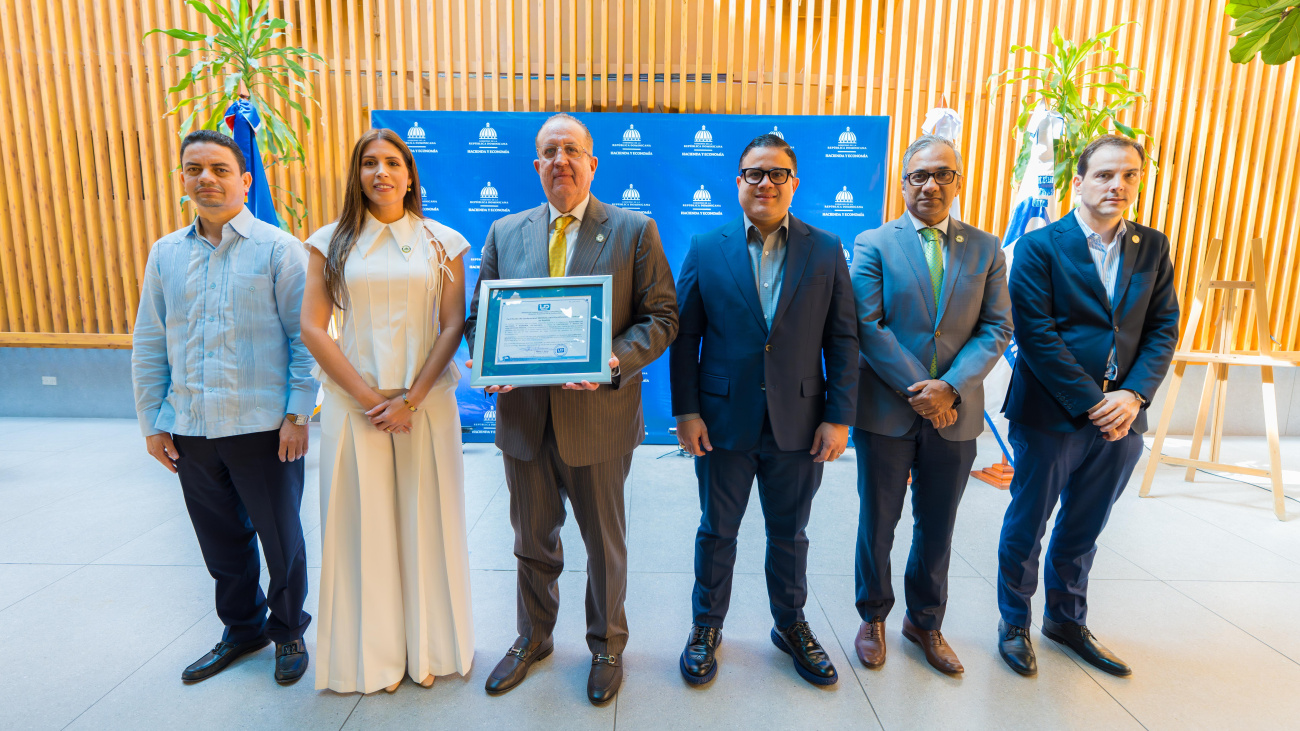
    In a landmark achievement for governmental integrity, the Dominican Republic’s Ministry of Finance and Economy (MHE) has obtained dual ISO certifications validating its anti-bribery and compliance management systems. The certifications, conforming to the rigorous international benchmarks of ISO 37001 (Anti-Bribery Management Systems) and ISO 37301 (Compliance Management Systems), signify a major advancement in the ministry’s institutional governance framework.

    The formal certification ceremony was presided over by Néstor Julio Matos, Director of the Dominican Institute for Quality (Indocal), with Finance Minister Magín Díaz formally accepting the accolades. Minister Díaz characterized this accomplishment as a testament to the ministry’s ‘mature and effective’ internal control mechanisms, underscoring a renewed dedication to ethical administration and public accountability.

    Independent auditors conducting the exhaustive evaluation reported exceptional findings, praising the ministry’s deeply embedded culture of integrity. The assessment commended the cohesive involvement across all departmental units, the clarity and implementation of policy directives, and the robustness of procedural compliance. Specific initiatives that drew acclaim included the comprehensive modernization of internal controls, enhanced safeguards for whistleblowers, and sustained educational programs focused on integrity standards.

    Looking forward, Minister Díaz outlined the ongoing challenge of not only preserving these elevated standards but also further embedding a zero-tolerance philosophy towards corruption within the institution’s ethos. He stated that the certification establishes the MHE as a ‘benchmark within the Dominican state,’ and confirmed the ministry’s unwavering commitment to the perpetual identification of compliance risks and the strengthening of reporting channels for misconduct.