博客

  • Lucia Cabrera Jones wins 2025 Colin Robinson Hard Head Award

    Lucia Cabrera Jones wins 2025 Colin Robinson Hard Head Award

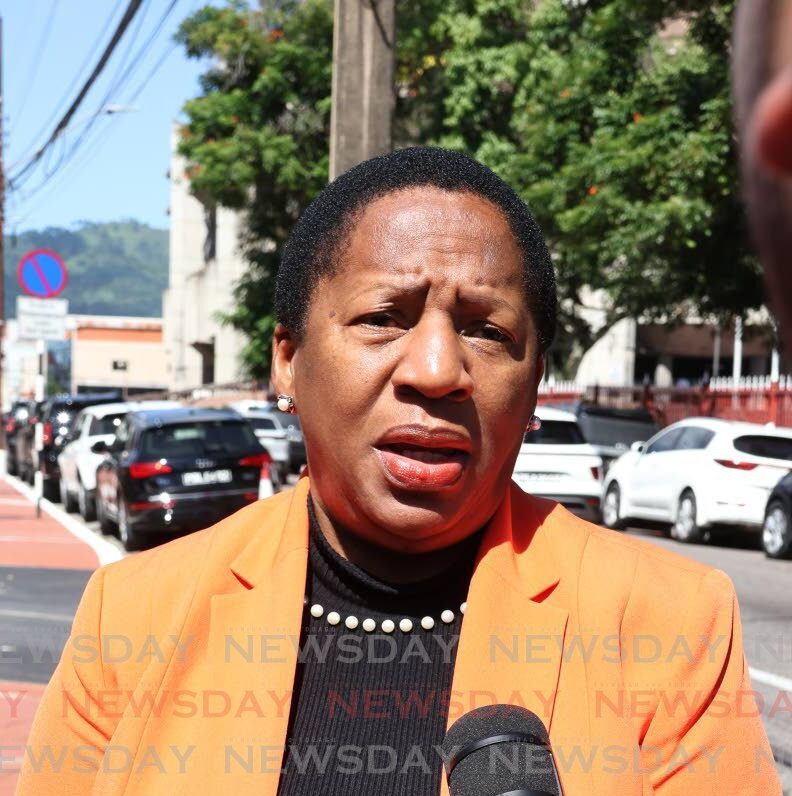
    In a ceremony held at ThinkArtWorkStudio in Port of Spain on December 6, women’s empowerment activist Lucia Cabrera Jones was declared the recipient of the fifth annual Colin Robinson Hard Head Award. The 52-year-old founder and CEO of Women Owned Media and Education Network (Women), herself a survivor of domestic violence, received recognition for her transformative work in underserved communities.

    Cabrera Jones’s innovative approach combines artistic expression, creativity, non-traditional training methodologies, and therapeutic storytelling to facilitate healing and empowerment. The award, organized by Caiso: Sex and Gender Justice, serves as a memorial to the organization’s late co-founder and director of imagination, Colin Robinson, who passed away following a brief battle with cancer in 2022.

    The selection process featured four additional distinguished finalists: community archivist and cultural heritage activist Avah Atherton; climate justice advocate and workers’ rights activist Princess Avianne Charles; feminist activist Jade Trim; and disability rights activist Kenneth Suratt, who serves as executive officer of the Blind Welfare Association. Among these exceptional candidates, Atherton and Suratt received special honorable mentions from the judging panel.

    This year’s nomination period, which ran from October 25 to November 12, yielded ten nominations spanning diverse areas of human rights and social justice advocacy. The submitted nominations represented fields including cultural activism, health policy and advocacy, LGBTQ+ rights, social media activism, and visual and performing arts-based activism.

    An independent award committee meticulously evaluated all nominations, ultimately shortlisting five finalists for adjudication. The distinguished judging panel comprised human rights advocate and political affairs professional André Blackburn, temporary Independent Senator and gender development specialist Dr. Deborah McFee, and Caiso director Omar Mohammed. The judges reached their final decision on December 2.

    In delivering the official citation, Blackburn and McFee praised the remarkable diversity and richness of civil society engagement demonstrated by all nominees. They particularly highlighted Atherton’s dedication to revitalizing the ancestral tradition of the griot and her philosophical conviction that memory constitutes a form of activism. Suratt received recognition for his purposeful determination and his unique ability to identify opportunities where others perceive only limitations.

    The judging panel ultimately selected Cabrera Jones for her “unwavering determination to create change even when resources are scarce, systems are resistant and the odds even.” The judges noted that her particular brand of “hard-headedness” has evolved into a comprehensive mission to establish access, equity, healing, and positive transformation for both local and migrant women and girls.
  • Weak West Indies leadership

    Weak West Indies leadership

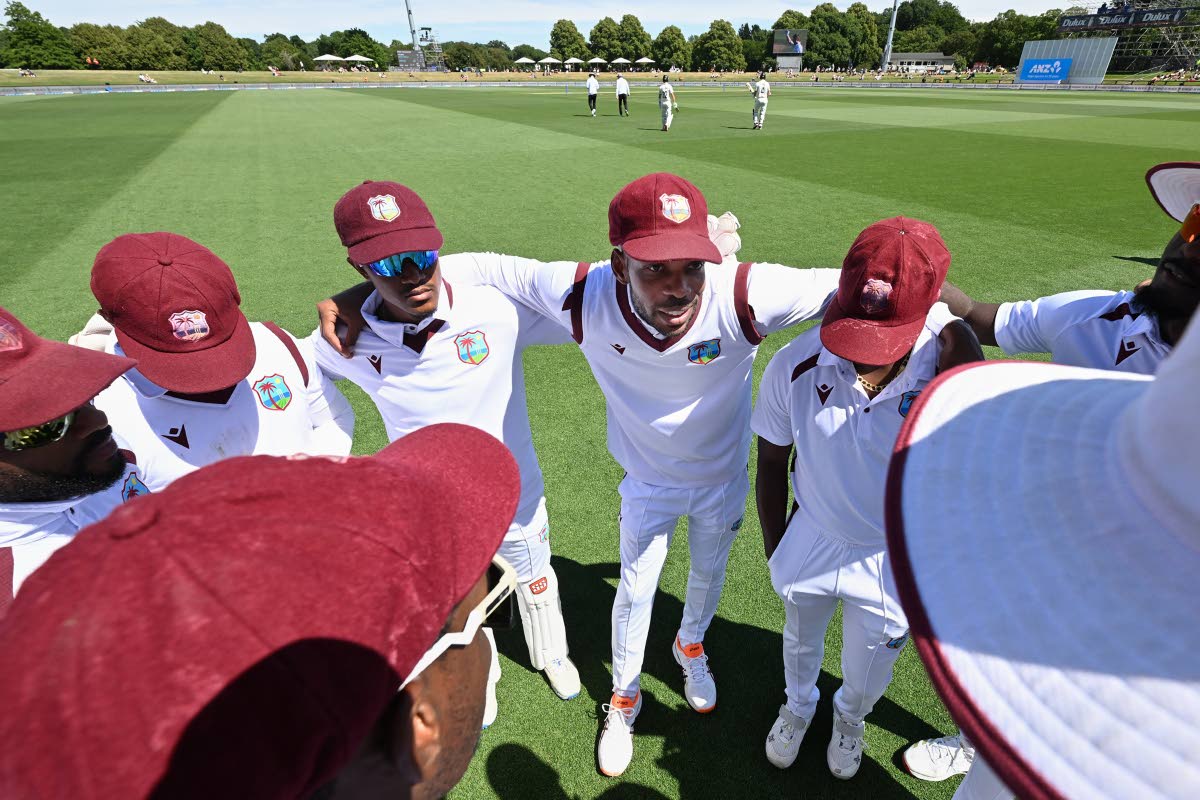
    The West Indies cricket team, once the undisputed monarchs of international cricket, now finds itself mired in profound institutional crisis. Current performances reveal a staggering decline from their legendary era of dominance, prompting serious questions about leadership competence within Cricket West Indies.

    President Kishore Shallow and his administration face mounting criticism for their apparent inability to diagnose or address the team’s systemic problems. This leadership vacuum has left supporters, well-wishers, and former players bewildered as the Caribbean squad continues its embarrassing descent in Test cricket rankings.

    The historical context makes this downfall particularly painful. Beginning their Test journey in 1928 with a 3-0 defeat to England, the West Indies gradually developed through dedication and technical refinement into the most feared team in world cricket for much of the 1970s and 1980s. Their current state represents a dramatic reversal from those glory days.

    Central to the controversy is coach Daren Sammy’s questionable retention despite overseeing historically poor performances, including the team being bowled out for a mere 27 runs last July at Sabina Park. Sammy’s strategic limitations appear particularly exposed in Test cricket, where complex tactical awareness separates competent coaches from exceptional ones.

    Equally puzzling is the appointment of Roston Chase as Test captain. Plucked from relative obscurity based on limited Caribbean Premier League leadership experience, Chase demonstrates concerning tactical naivety. His recent post-match analyses, where he simultaneously criticized batting conditions while praising bowlers’ performances on those same pitches, reveal fundamental logical flaws.

    The second Test against New Zealand exemplified these problems. After showing promising fight in the first match through Justin Greaves, Shai Hope, and Kemar Roach, the team delivered a profoundly disappointing performance that highlighted deeper structural issues beyond mere player execution.

    This crisis transcends individual matches, representing a fundamental breakdown in cricketing philosophy, strategic planning, and leadership accountability. Until Cricket West Indies addresses these core governance issues, the once-mighty Caribbean cricketing tradition risks permanent irrelevance.

  • Red party’s health scandal

    Red party’s health scandal

    A massive healthcare scandal involving approximately $180 million in wasted medical resources has ignited public outrage and demands for criminal accountability in Trinidad and Tobago. The controversy centers on two separate but equally alarming revelations that expose systemic failures in the nation’s healthcare management.

    According to explosive reports, approximately $80 million worth of pharmaceutical drugs were allowed to expire over the past decade while the red party held governmental power. These essential medications, funded by taxpayer dollars, reportedly sat unused in Health Ministry warehouses despite critical shortages affecting public healthcare facilities. Simultaneously, an additional $100 million in advanced medical equipment, including MRI machines, has been left to deteriorate at the mothballed Couva hospital facility—a project originally constructed by the opposing yellow party.

    The situation highlights the devastating human cost of political tribalism in healthcare governance. Patients across the nation face extended waiting lists for basic diagnostic services, with some reports indicating wait times so prolonged that injuries heal before imaging appointments become available. The CDAP program, designed to provide affordable medication to vulnerable populations, has reportedly seen beneficiaries expire while awaiting treatment.

    This revelation raises serious questions about the ethical responsibility of previous administrations. Critics demand to know why functional medical equipment from the unused Couva facility wasn’t redistributed to operational healthcare institutions rather than being left to decay. The deliberate neglect appears driven by political animosity rather than practical considerations for public welfare.

    Calls for justice include demands for financial restitution from the red party equivalent to the wasted $180 million in public funds. There are growing appeals for criminal investigations into former officials, including ex-prime ministers, health ministers, and permanent secretaries who may have been complicit in these decisions. The public sentiment reflects profound disappointment in leadership that prioritized political rivalries over human lives and responsible stewardship of national resources.

  • SGU donates Lord Pitt Collection to Grenada National Museum

    SGU donates Lord Pitt Collection to Grenada National Museum

    In a landmark event for cultural preservation, St. George’s University (SGU) has transferred stewardship of the invaluable Lord Pitt Collection to the Grenada National Museum. The formal handover ceremony, conducted on December 12th at SGU’s Chancellor Charles Modica Campus, united university officials and museum representatives to safeguard one of the nation’s most historically significant archives.

    The collection immortalizes the legacy of Lord Pitt of Hampstead, a pioneering Grenadian-born figure who achieved prominence as a physician, politician, and international advocate for social justice. His groundbreaking career included becoming the first Black chairman of the Greater London Council, and his work left an indelible mark on global discussions concerning equity and governance. The archive comprises extensive personal papers, correspondence, and professional documents that chronicle his profound intellectual and practical contributions.

    Dr. Oliver Benoit, Professor in SGU’s Department of Humanities and Social Sciences, highlighted the collaboration’s significance. He stated that the university had undertaken crucial steps in curating the materials and that their transfer to the museum is a pivotal move toward future public exhibitions. These initiatives aim to educate citizens about Grenadian heroes and the core values they championed.

    Accepting the donation on behalf of the Grenada National Museum, Chief Curator Lorna Dale L Charles described the act as more than a simple transaction of items. She emphasized it constitutes a profound transfer of memory, legacy, and responsibility. The museum pledges to preserve this record of a citizen whose influence resonated throughout the Caribbean, the Commonwealth, and worldwide dialogues on dignity and public service.

    SGU’s interim provost, Dr. Mark Clunes, expressed honor in celebrating Lord Pitt’s extraordinary life, noting his journey exemplifies how an individual’s impact can transcend continents. This donation underscores SGU’s deep-rooted commitment to Grenada’s historical narrative and ensures the legacy remains at the heart of the nation’s cultural heritage for generations to come. The partnership is hailed as a powerful model for institutional collaboration in strengthening national identity and historical authority.

  • Uber opens registration for taxi drivers in Saint Lucia

    Uber opens registration for taxi drivers in Saint Lucia

    Uber Technologies has initiated the registration process for licensed taxi operators in Saint Lucia, marking a significant step toward the official debut of its ride-hailing services on the island nation. The December 16 announcement confirms the platform will operate exclusively under the Uber Taxi framework, requiring all participating drivers to hold valid taxi licenses and certifications.

    Jorge Cordero, General Manager for Uber’s Saint Lucia operations, emphasized the strategic focus on leveraging technology to enhance earning potential for local drivers. “We’re seeking licensed taxi professionals who want to expand their client base through digital innovation,” Cordero stated. “This initiative specifically targets the growing demographic of tourists who already prefer the Uber ecosystem during their travels.”

    The company is implementing a dual approach to market entry: directly onboarding individual drivers through the Uber Driver application while simultaneously engaging with established taxi associations and transportation enterprises across the island. This collaborative model aims to integrate existing transportation infrastructure with Uber’s technological platform.

    Prospective drivers must undergo a comprehensive verification process, submitting documentation including valid driving credentials, taxi permits, insurance certifications, banking information, photographic identification, and completed background checks. The Uber Taxi model already operates successfully in multiple Caribbean markets including Barbados, Jamaica, and the Dominican Republic, demonstrating the viability of this approach in similar tourism-driven economies.

    Uber’s expansion strategy focuses on connecting licensed operators with both residents and visitors, particularly targeting the substantial tourist population already familiar with the application’s functionality. The company confirms that while driver onboarding is currently underway, an official service launch date will be announced following completion of preparatory phases.

  • Dominican Republic launches SciELO RD, its first national open-access scientific journal collection

    Dominican Republic launches SciELO RD, its first national open-access scientific journal collection

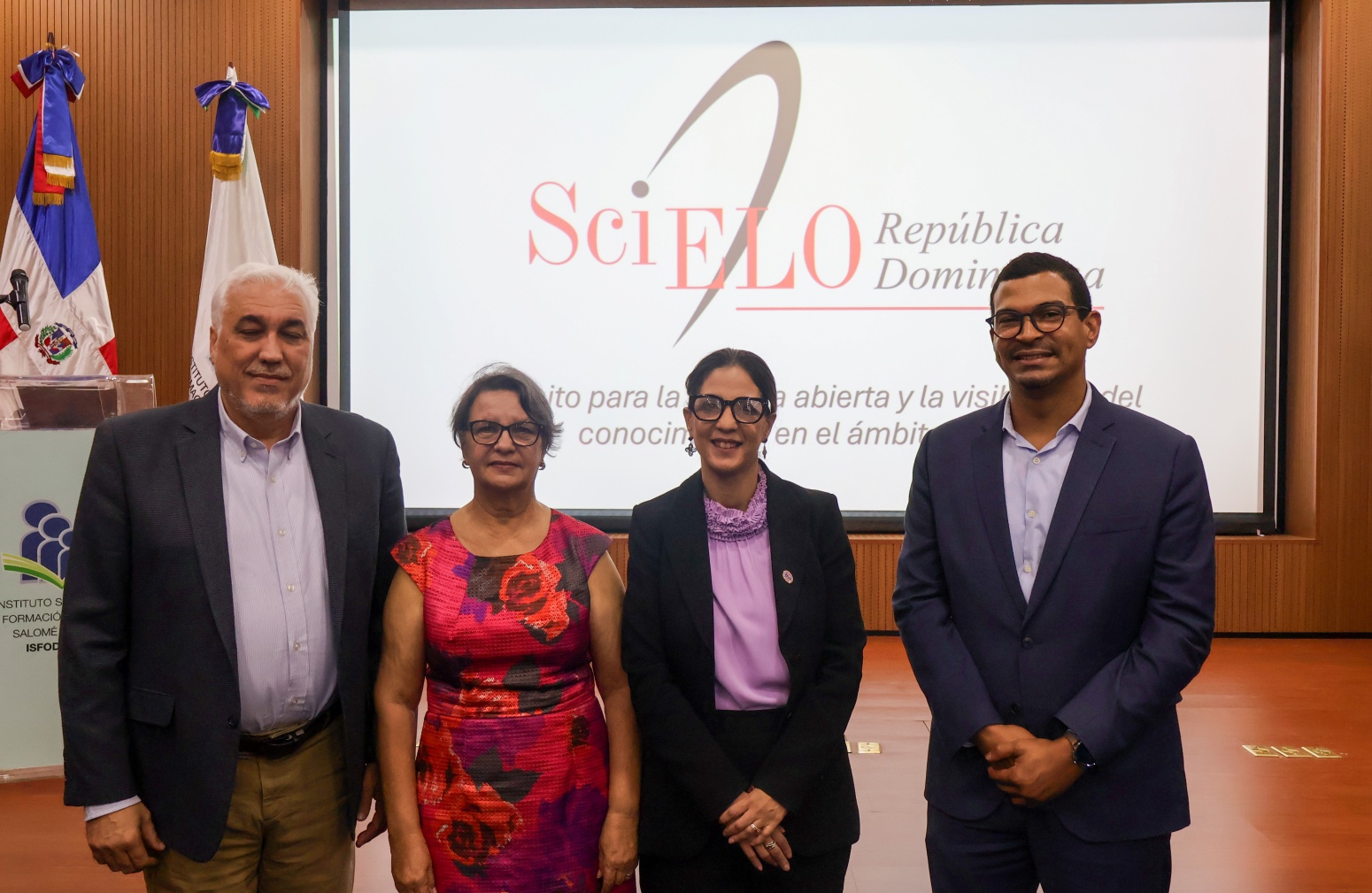
    SANTO DOMINGO – In a transformative move for its academic landscape, the Dominican Republic has officially inaugurated SciELO RD (SciELO República Dominicana), marking the establishment of the nation’s premier open-access scientific journal collection within the global SciELO network. This strategic initiative, unveiled through a collaborative effort between the Salomé Ureña Higher Institute for Teacher Training (ISFODOSU) and the Association of University Rectors (ADRU), is poised to dramatically enhance the international reach and accessibility of Dominican scholarly work.

    The newly launched portal represents a significant infrastructural investment in the country’s research capabilities. By integrating with the prestigious SciELO platform, Dominican journals gain entry into an ecosystem renowned for its rigorous peer-review standards and commitment to open data, effectively positioning local research alongside contributions from nations with more mature scientific infrastructures.

    Nurys del Carmen González, Rector of ISFODOSU, emphasized her institution’s pivotal role as the project’s technological and financial backbone, providing essential servers, specialized personnel, and sustained funding. This development aligns with broader institutional advancements, including increased investment in scientific productivity, the professionalization of academic publishing, and the strengthening of research collectives.

    ADRU President Odile Camilo characterized SciELO RD as a foundational policy instrument designed for long-term national research enhancement. Citing evidence from countries with established SciELO collections, Camilo pointed to measurable gains in editorial quality, global visibility, and research culture development. She advocated for stable governance, sustainable financing, and the formal recognition of SciELO-indexed publications in faculty evaluation systems and higher education policies.

    Vladimir Figueroa, ISFODOSU Research Director, detailed the portal’s operational framework during the presentation, hailing it as a watershed moment for open science and the global dissemination of knowledge originating from the Dominican Republic. This launch formally integrates the nation into a regional network dedicated to promoting editorial excellence and the unimpeded international flow of academic research.

  • Pierre outlines government priorities following decisive election victory

    Pierre outlines government priorities following decisive election victory

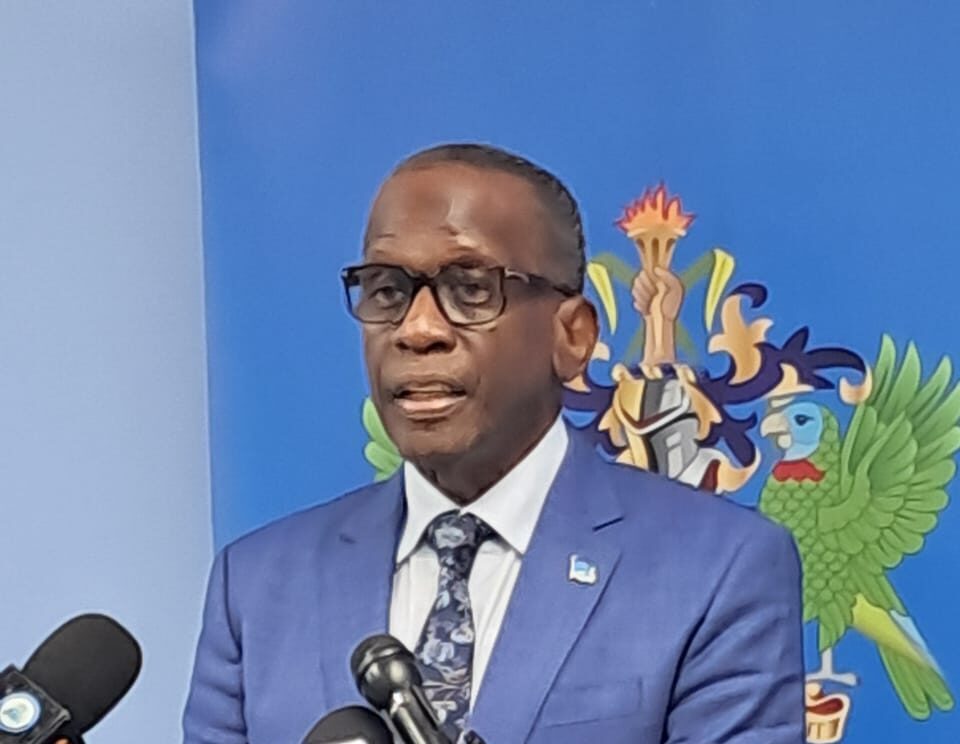
    Following a decisive electoral victory, Prime Minister Philip J. Pierre has committed to steering a government dedicated to inclusivity and public service. At his administration’s inaugural press conference, Pierre characterized the December 1st results as a powerful endorsement from the Saint Lucian populace, which he asserts imposes a solemn duty to govern in the nation’s best interests.

    The briefing served as a platform to detail an extensive national development strategy, with significant emphasis on advancing critical infrastructure projects. The redevelopment of Hewanorra International Airport remains a top priority, with the air traffic control tower construction and terminal modernization proceeding as planned. Prime Minister Pierre confirmed the conclusion of an international tender process, with bid evaluations currently underway. Project commencement is slated for early next year, while enhancements to runway and ancillary airside facilities will extend into 2026.

    Concurrently, the Gros Islet–Castries highway project is gaining momentum. With engineering designs in their final stages, the government anticipates issuing contractor tenders imminently. Pierre confirmed full funding is secured, with Phase One construction expected to initiate within the first quarter of the coming year.

    In the healthcare sector, equipment installation is ongoing at the new St Jude Hospital facility. While partial services have already transitioned, a full operational shift is projected for completion by the end of the first quarter of next year. The Prime Minister expressed considerable satisfaction with the project’s advancement, deeming the facility fully ‘fit for purpose.’

    Further public investments are progressing on schedule. The House of Justice project is anticipated to reach completion in 2027 after a two-year construction period. The new Gros Islet and Northern Police Headquarters are scheduled for occupancy in the upcoming first quarter. Educational infrastructure will also see enhancements, with school building extensions set for finalization by September, ensuring student access to improved facilities for the new academic year.

    Additional developments include preparatory work for the fifth wing of the Owen King EU Hospital, with construction beginning in the first half of next year. Projects for a new super administrative building and the Soufrière elderly home are also advancing, with construction starts planned in the coming months.

    Cabinet restructuring introduced a new ministry devoted to continuing education, special education, and early childhood development. The upcoming budget will feature concrete measures toward universal early childhood education, aiming to provide free access for every child at the earliest opportunity. The agriculture portfolio has been broadened to encompass climate change and nutrition, aiming to forge stronger connections between food production, public health, tourism, and school feeding programs.

    In a gesture of political unity, Prime Minister Pierre extended congratulations to Opposition Leader Allen Chastanet on his electoral retention, acknowledging it as a significant accomplishment. Pierre assured that Chastanet would receive all entitled protocols and privileges, firmly stating his administration’s commitment to respecting opposition figures.

    The government’s forthcoming budget will also prioritize human development, incorporating targeted initiatives for young men to counter frustration and foster engagement, with planned collaborations with institutions like the Centre for Adolescent Renewal and Education (CARE). Concluding his address, Pierre championed healthy debate and inclusive governance over intimidation, urging national unity and collective progress following the electorate’s clear verdict.

  • CARPHA and Small Arms Survey partner to advance Caribbean health and security frameworks

    CARPHA and Small Arms Survey partner to advance Caribbean health and security frameworks

    In a significant move to address regional security challenges, the Caribbean Public Health Agency (CARPHA) and the Small Arms Survey have formalized a three-year strategic partnership through a Memorandum of Understanding. This groundbreaking collaboration aims to enhance arms and ammunition management while mitigating risks associated with illicit small arms throughout the Caribbean region.

    The agreement represents a novel convergence of public health expertise and security research, combining CARPHA’s regional health leadership with the Small Arms Survey’s internationally recognized capabilities in arms monitoring and security analysis. This interdisciplinary approach seeks to develop comprehensive solutions to the complex interplay between armed violence and public health outcomes.

    CARPHA Executive Director Dr. Lisa Indar emphasized the critical nature of this collaboration during the signing ceremony, noting that violence and firearm-related injuries present escalating public health challenges across Caribbean communities. The partnership will enable strengthened surveillance systems, generate robust research data, and support member states through evidence-based policies designed to protect civilian lives and enhance community wellbeing.

    Dr. Nicolas Florquin, Head of Data and Analytics at the Small Arms Survey, welcomed the agreement as a strategic advancement in regional security response capabilities. The Geneva-based organization, an associated program of the Geneva Graduate Institute, brings decades of specialized experience in reducing illicit arms proliferation and armed violence through policy-relevant knowledge generation and capacity development.

    Under the agreement’s framework, the partners will pursue five key objectives: integrating firearm-related injury data into health surveillance systems; conducting joint studies on the health impacts of firearm violence; developing capacity-building materials for multiple government ministries; supporting evidence-based policymaking for Caricom governments; and facilitating public awareness campaigns using research findings.

    This innovative partnership marks a paradigm shift in addressing armed violence through public health methodologies, underscoring CARPHA’s commitment to regional health security while supporting member states in creating safer environments for Caribbean citizens.

  • Reach Within launches Joy Box Project

    Reach Within launches Joy Box Project

    In Grenada, the charitable organization Reach Within has initiated its annual Joy Box Project, calling upon community members to contribute to the welfare of at-risk youth during the holiday season. Since its establishment in 2003, the organization has dedicated itself to enhancing the lives of countless children and teenagers residing in foster care and residential homes across the island.

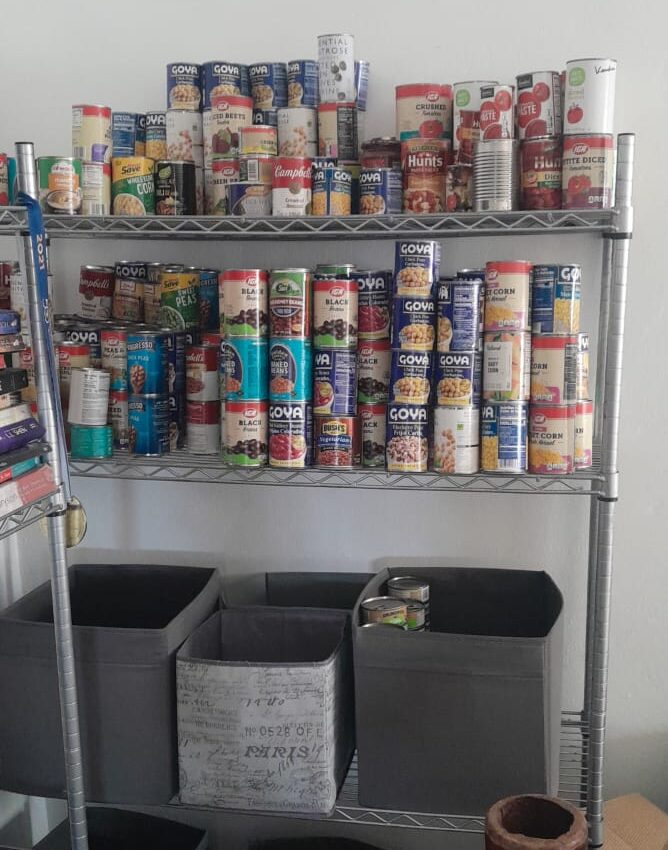
    The Joy Box Campaign represents a holistic approach to youth support, combining essential nutritional provisions with enriching experiences designed to foster emotional resilience, positive social connections, and practical life skills. Each donated box helps fund critical programs including therapeutic counseling, cultural activities like drumming and dance, swimming lessons, and educational toolkits, while simultaneously stocking the organization’s food pantry.

    A particularly pressing issue addressed by Reach Within is the transition of teenagers from state care upon reaching adulthood. With no transitional living facilities currently available in Grenada, many young adults face significant challenges when aging out of the child protection system at 18.

    The organization maintains a dedicated drop-in center on Lucas Street in St. George’s, offering comprehensive support services including bathing facilities, vocational training, life skills education, clothing resources, and a welcoming environment staffed by professionals who recognize every individual’s inherent dignity and potential.

    Community participation is encouraged through donations of nutritious food items such as fresh produce, grains, canned goods, eggs, and protein sources. These contributions will be assembled into special Christmas Joy Boxes, providing tangible support while conveying a powerful message of care and validation to vulnerable youth.

    The Reach Within Drop-In Centre will accept donations during specified hours on December 16th (5-7 PM), December 18th (4-6 PM), and December 19th (4-6 PM). Additional information regarding donation procedures and alternative support methods is available through General Manager Donnet Williams or via the organization’s official website.

  • Central Castries advance to two-day cricket final

    Central Castries advance to two-day cricket final

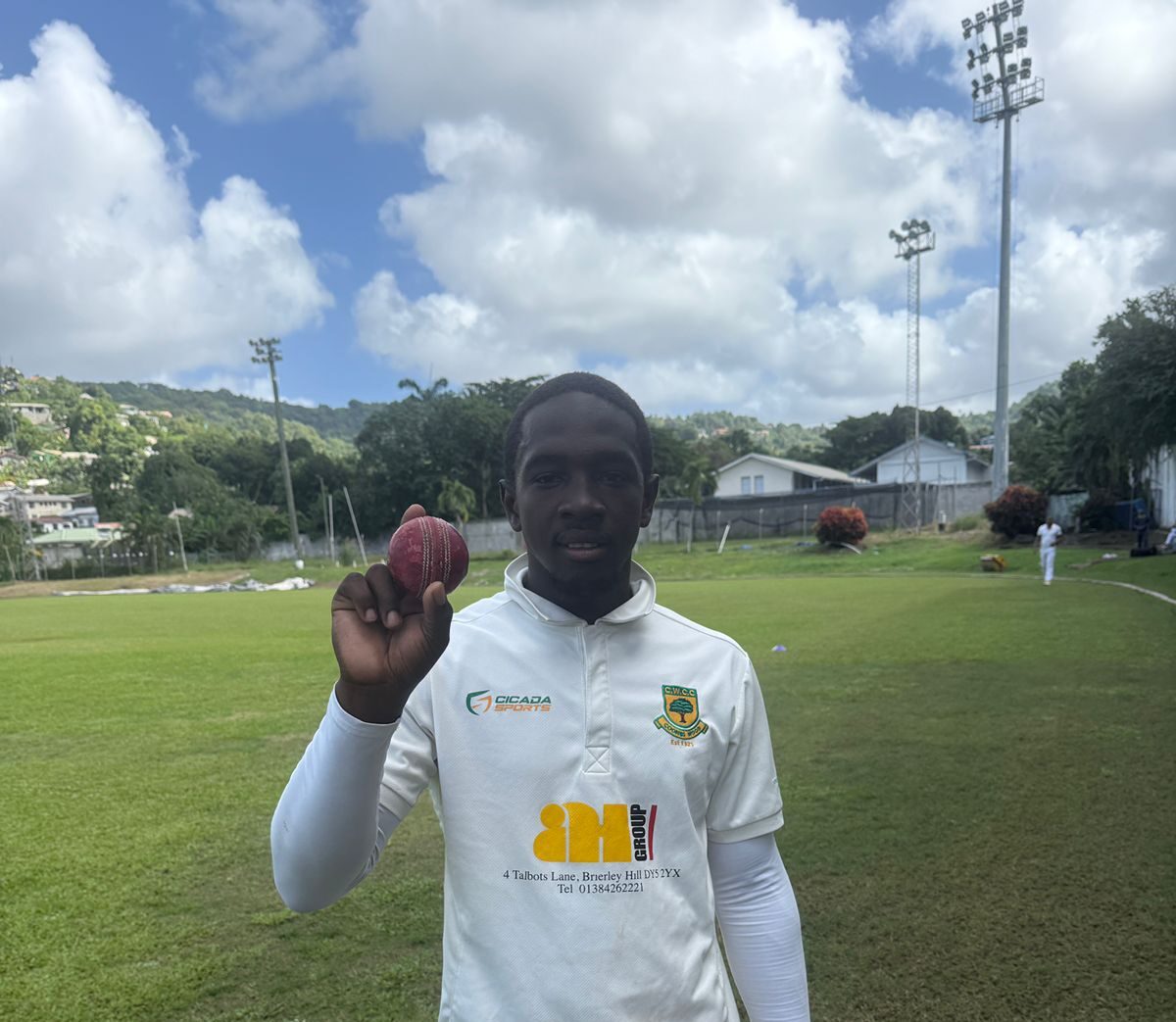
    Central Castries has decisively advanced to the championship match of the Saint Lucia National Cricket Association (SLNCA) Premier League Two-Day tournament, securing a seven-wicket victory against Babonneau in the semifinal clash at Mindoo Phillip Park. The team’s triumph was orchestrated by an extraordinary bowling performance from Kymani Sexius, complemented by critical batting contributions throughout the lineup.

    The match commenced with Central Castries winning the toss and electing to field—a decision that immediately paid dividends. Seamer Dillan John set the tone by dismissing opener Dane Edward for a duck on just his third delivery. This breakthrough initiated a spectacular collapse for Babonneau, primarily engineered by Sexius. The bowler’s devastating spell included taking four consecutive wickets, leaving the opposition reeling at a precarious 24-5 within the first innings. Shervon Joseph offered a brief counterattack with a 34-run knock, but Babonneau was ultimately bundled out for a meager 90 runs. Sexius finished with a remarkable first-innings figure of 6-20 from 8.5 overs.

    In response, Central Castries established a commanding position built on a formidable 87-run partnership between Theo Edward and Jamaal James. Edward, fresh from national Under-23 duties, played a dominant innings of 66 from 58 balls, while James provided sturdy support with 55 runs. Their efforts guided Central to a declaration at 209-9, securing a substantial 119-run first-innings lead. Shervon Joseph emerged as the most successful bowler for Babonneau, claiming 4-41.

    Facing a massive deficit, Babonneau displayed significantly improved resilience in their second innings. Shervon Joseph anchored the effort with a patient 70 from 164 deliveries, well-supported by Qwaine Henry’s 52. Their partnership helped post a more competitive total of 229, setting Central Castries a target of 111 for victory. Sexius again featured prominently with the ball, taking 3-65 to complete a match haul of nine wickets.

    The run chase encountered early turbulence as Central Castries lost three quick wickets. However, composure prevailed through Vernilius Gabriel and Stephen Naitram, who guided their team to the target with an unbroken partnership. Gabriel sealed the victory in style, hammering an unbeaten 40 from just 32 balls, while Naitram contributed a fluent 31 not out.

    Central Castries now prepares to challenge the defending champions, Gros Islet, in the tournament final scheduled for December 19-20 at the same venue, with the coveted title at stake.