博客

  • FLASH : Citizens of 34 countries affected by total or partial restrictions on entering the USA

    FLASH : Citizens of 34 countries affected by total or partial restrictions on entering the USA

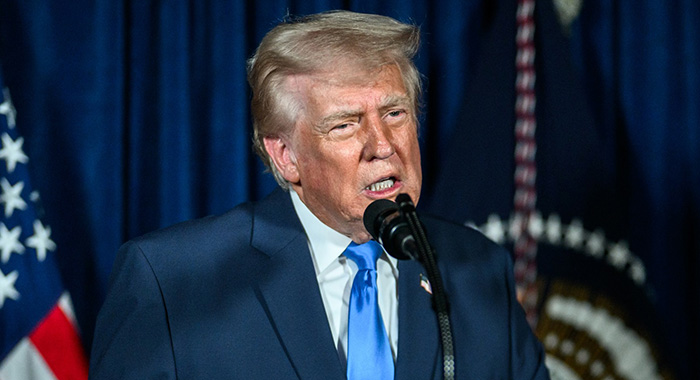
    In a significant expansion of immigration restrictions, the Trump administration has enacted sweeping travel limitations affecting citizens from 34 countries through executive action. The updated policy, implemented on December 16, 2025, introduces a comprehensive framework of entry prohibitions targeting specific nations based on security assessments and diplomatic considerations.

    The revised travel ban now imposes complete entry restrictions on nationals from 19 countries, including seven newly added nations: Burkina Faso, Laos, Mali, Niger, Sierra Leone, South Sudan, and Syria. This expansion builds upon existing restrictions initially implemented in June 2025, which previously targeted 12 countries including Afghanistan, Myanmar, Chad, the Republic of Congo, Equatorial Guinea, Eritrea, Haiti, Iran, Libya, Somalia, Sudan, and Yemen.

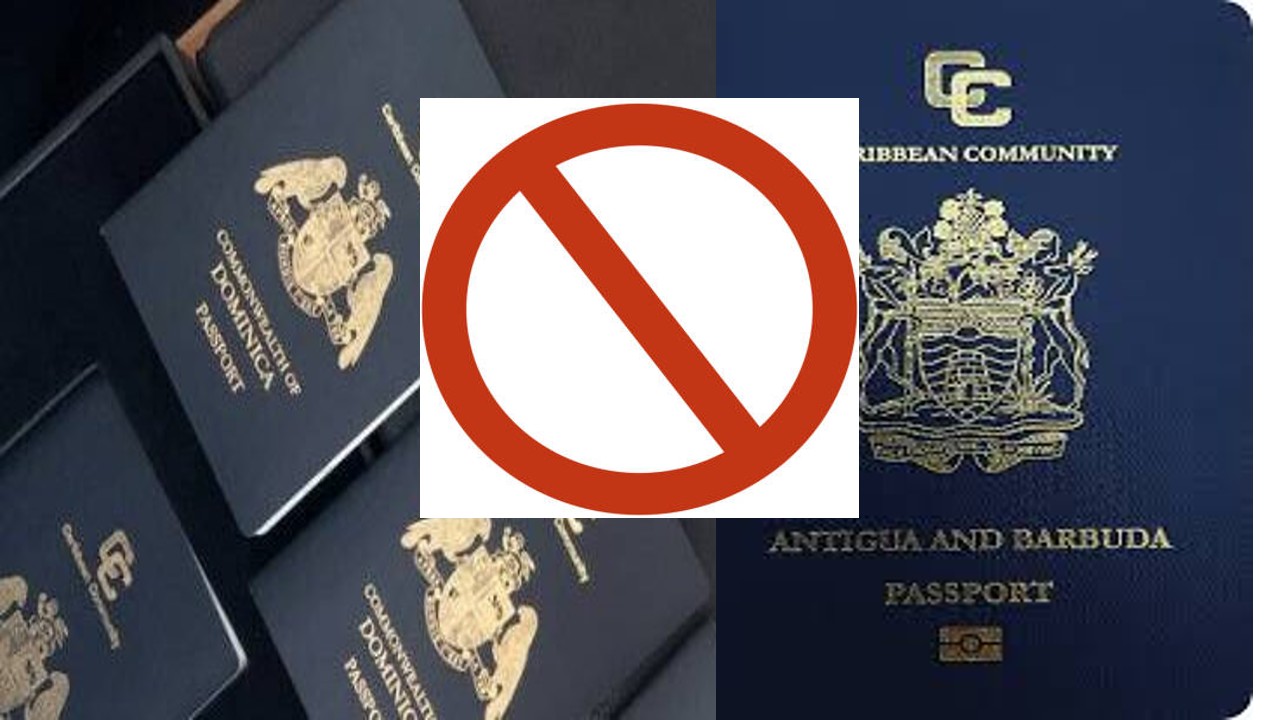
    Additionally, the executive order establishes partial travel restrictions for citizens of 15 countries: Angola, Antigua and Barbuda, Benin, Ivory Coast, Dominica, Gabon, Gambia, Malawi, Mauritania, Nigeria, Senegal, Tanzania, Tonga, Zambia, and Zimbabwe. These partial restrictions vary in scope and application based on visa categories and specific circumstances.

    Notably, the policy also prohibits entry to individuals holding travel documentation issued or endorsed by the Palestinian Authority, reflecting broader diplomatic considerations in the administration’s immigration framework.

    The expanded restrictions represent the most comprehensive travel ban implemented during President Trump’s administration, significantly altering entry protocols for affected nationals and generating substantial implications for international travel, diplomatic relations, and global mobility patterns. The policy continues to prioritize national security concerns while reshaping America’s immigration landscape through executive authority.

  • Israeli Embassy recognizes Dominican institutions for security cooperation

    Israeli Embassy recognizes Dominican institutions for security cooperation

    SANTO DOMINGO – In a significant diplomatic gesture, the Israeli Embassy in the Dominican Republic hosted a formal awards ceremony this Tuesday to honor multiple Dominican security institutions for their outstanding collaboration in protection operations. The event, organized by the embassy’s Security Division, brought together representatives from various branches of the Dominican security apparatus that have demonstrated exceptional commitment to safeguarding Israeli diplomatic interests.

    Israeli Ambassador Raslan Abu Rukun addressed attendees, emphasizing the critical nature of international security partnerships amid growing global security challenges. “The professionalism and unwavering dedication of Dominican authorities have been instrumental in maintaining the security of our diplomatic mission,” Ambassador Rukun stated, expressing profound appreciation for the collaborative efforts.

    The Embassy’s Head of Security provided additional context, noting that the coordinated response mechanisms and rapid intervention capabilities of Dominican institutions have created an effective protective shield against potential threats. This security partnership, he emphasized, transcends routine protocol and represents a deeper mutual commitment to protecting lives and maintaining stability.

    Distinguished units receiving recognition included the Ministry of Defense, National Intelligence Directorate, National Police, National Drug Control Directorate, Dominican Army, CESAC, and several specialized tactical units. The ceremony highlighted specific instances of successful cooperation that have enhanced security protocols for the diplomatic mission.

    The Israeli Embassy formally reaffirmed its commitment to expanding security coordination with the Dominican Republic, noting that such cooperation not only ensures physical protection but also strengthens the foundational bonds between the two nations. This bilateral security arrangement represents a model of international partnership that benefits both countries’ strategic interests while fostering greater diplomatic trust and operational synergy.

  • Dominica and Antigua added to U.S. entry restrictions under Trump proclamation

    Dominica and Antigua added to U.S. entry restrictions under Trump proclamation

    The United States has significantly expanded its travel restriction policies targeting several Caribbean nations, citing substantial national security vulnerabilities. President Donald Trump’s December 16th proclamation adds Dominica and Antigua and Barbuda to existing entry limitations previously imposed on Haiti and Cuba.

    The executive order specifically identifies weaknesses in foreign identity-management systems as creating unacceptable risks for American security agencies. According to the document, these deficiencies severely hinder the U.S. government’s ability to conduct thorough vetting procedures for travelers seeking entry into the country.

    Haiti continues to face comprehensive entry suspensions covering both immigrant and nonimmigrant travel categories. Cuba maintains its partial restrictions across similar visa classifications. The newly designated nations—Antigua and Barbuda and Dominica—now face specific limitations that bar their nationals from entering the United States as immigrants or on B-1, B-2, B-1/B-2, F, M, and J visas.

    A central concern highlighted in the proclamation involves Citizenship-by-Investment (CBI) programs operated by both newly added countries. These initiatives permit individuals to obtain citizenship through financial investment without establishing residency, creating potential pathways for citizens from restricted countries to acquire new passports and apply for U.S. visas under different nationalities.

    U.S. law enforcement and State Department assessments have historically identified CBI programs as vulnerable to exploitation, including identity concealment, asset hiding, and circumvention of existing travel and financial restrictions.

    Notably exempt from the restrictions are lawful permanent residents, dual nationals traveling on passports from non-designated countries, specific diplomatic and official visa categories, and individuals attending major international sporting events. Refugees and asylees already within the United States also remain exempt, with the proclamation explicitly preserving rights to seek humanitarian protections under U.S. law.

    The restrictions will become effective at 12:01 a.m. EST on January 1, 2026, with mandatory reviews scheduled every 180 days to assess whether measures should be continued, modified, or terminated. The U.S. government will concurrently engage with affected nations to improve screening, vetting, and information-sharing protocols.

  • US President bans and restricts entry of nationals from three Caribbean countries

    US President bans and restricts entry of nationals from three Caribbean countries

    In a significant immigration policy move, the Trump administration has announced stringent entry restrictions targeting nationals from three Caribbean Community (CARICOM) member states. Effective January 1, 2026, citizens of Antigua and Barbuda, Dominica, and Haiti will face either complete bans or limited access to the United States.

    President Donald Trump justified these measures as essential for national security, citing inadequate screening protocols and information-sharing deficiencies in these nations. The policy represents an extension of travel restrictions initially implemented during his first term, which were subsequently upheld by the Supreme Court.

    The administration specifically highlighted concerns regarding Citizenship by Investment (CBI) programs offered by Antigua and Barbuda and Dominica. These initiatives grant citizenship to foreign investors without requiring residency, creating potential security vulnerabilities according to U.S. officials. Trump’s executive order noted that such programs could enable individuals from already restricted countries to obtain secondary citizenship and bypass existing travel bans.

    Under the new regulations, consular officers will substantially reduce visa validity periods for nationals of these Caribbean nations to the maximum extent permitted by law. The restrictions apply comprehensively to both immigrant and nonimmigrant visas, including B-1, B-2, B-1/B-2, F, M, and J categories.

    The policy expansion also affects several additional countries beyond the Caribbean region. Afghanistan, Burma, Chad, Republic of the Congo, Equatorial Guinea, Eritrea, Iran, Libya, Somalia, Sudan, and Yemen will face complete entry restrictions. Meanwhile, Angola, Benin, Côte d’Ivoire, Gabon, The Gambia, Malawi, Mauritania, Nigeria, Senegal, Tanzania, Tonga, Zambia, and Zimbabwe will encounter partial limitations.

    The administration emphasized that these measures result from unsuccessful diplomatic engagements aimed at improving information-sharing practices and security protocols with the affected nations.

  • Agro-chemicals from Guyana allegedly smuggled into Suriname

    Agro-chemicals from Guyana allegedly smuggled into Suriname

    Surinamese authorities have apprehended a 63-year-old businessman identified by initials J.P. in connection with an illicit cross-border agro-chemical smuggling operation. The arrest occurred Monday at a storage facility on Ramawat Soechitweg in western Suriname following actionable intelligence received by local law enforcement.

    Police surveillance operations led to the discovery of ten containers of unauthorized herbicides concealed within a truck bed at the specified location. According to official statements from the Suriname Police Corps, the suspect confessed to transporting the regulated substances from neighboring Guyana utilizing unauthorized border crossing points known locally as ‘back track’ routes.

    Investigations reveal the detained individual intended to distribute the contraband chemicals through his agricultural supply retail establishment. Law enforcement officials have impounded both the chemical shipments and the transportation vehicle used in the operation.

    Following judicial review, the suspect remains in pretrial detention pending completion of the criminal investigation. This incident marks the second major smuggling case between the two South American nations within recent weeks, following last month’s interception of illegally transported fuel from Guyana destined for unauthorized sale in Suriname.

    The case highlights ongoing challenges in border security coordination between Suriname and Guyana, particularly regarding regulated agricultural materials that require proper certification and taxation for cross-border commerce.

  • US President bans, restricts entry to nationals of 3 Caribbean countries

    US President bans, restricts entry to nationals of 3 Caribbean countries

    The Trump administration has unveiled significant revisions to U.S. immigration policy, imposing comprehensive travel restrictions on multiple nations citing national security vulnerabilities. The executive order, issued in January 2025, specifically targets countries with citizenship-by-investment (CBI) programs and inadequate screening protocols.

    Antigua and Barbuda, Dominica, and Haiti feature prominently among the affected nations, with the administration identifying their immigration systems as particularly susceptible to exploitation. The policy directive suspends entry for immigrants and non-immigrants holding B-1, B-2, B-1/B-2, F, M, and J visas from these jurisdictions. Consular officials have been instructed to reduce visa validity periods to the maximum extent permitted by law.

    The administration’s justification centers on perceived security gaps in foreign screening and vetting systems. President Trump emphasized that despite previous diplomatic engagements, numerous countries continue to demonstrate insufficient information-sharing capabilities and immigration controls. The policy specifically highlights concerns about CBI programs that grant citizenship without residency requirements, creating potential avenues for individuals to conceal their identities or circumvent existing travel restrictions.

    Beyond Caribbean nations, the restrictions encompass a broad spectrum of countries including Afghanistan, Burma, Chad, Republic of Congo, Equatorial Guinea, Eritrea, Iran, Libya, Somalia, Sudan, and Yemen, which face comprehensive entry bans. Additional nations including Angola, Benin, Cote d’Ivoire, Gabon, The Gambia, Malawi, Mauritania, Nigeria, Senegal, Tanzania, Tonga, Zambia, and Zimbabwe will face partial restrictions and limitations.

    The administration asserts these measures are necessary to prevent terrorist infiltration, hate crime incitement, and exploitation of immigration laws for malevolent purposes. The policy represents a reinstatement and expansion of previous travel restrictions that were upheld by the Supreme Court during Trump’s first term.

  • VAT-free day set for December 22

    VAT-free day set for December 22

    In a significant economic move, the Saint Lucian Parliament has officially sanctioned a nationwide Value Added Tax (VAT) exemption day scheduled for December 22, 2025. This legislative action fulfills Prime Minister Philip J. Pierre’s campaign pledge made prior to the December 1 general elections, formally enacted during Parliament’s first post-election session through an amendment to the VAT Act.

    The approved legislation empowers the Inland Revenue Department to implement necessary adjustments, zero-rating most consumer goods purchased on the designated date from authorized businesses. Prime Minister Pierre explicitly clarified the broad scope of eligible items during parliamentary proceedings, stating, ‘So stoves, televisions, clothes, carpet, food, Christmas trees – everything that you buy locally… you pay no VAT.’

    However, the exemption excludes several specific categories including motor vehicles, petroleum products (gasoline, LPG, diesel), firearms and ammunition, tobacco products, alcoholic beverages, professional services, legal fees, restaurant supplies, rent payments, lottery tickets, phone cards, internet and cable services, tourism-sector sales, and all imported goods and services.

    Business participation remains voluntary, requiring formal application submission to the Inland Revenue Department. Acting Comptroller Felicia Ellie emphasized that only approved applicants may legally offer VAT-free sales, ensuring compliance with national tax legislation. The government plans to publish comprehensive lists of both eligible products and participating retailers ahead of the shopping event.

    This initiative provides consumers with an effective 12.5% discount on most purchases, though the total tax saving exceeds this amount as purchases remain subject to Saint Lucia’s additional 2.5% health and security levy. The current VAT rate represents a reduction from the original 15% implemented when the tax was introduced in 2012.

  • Gusto scores, but Pack lose in title matchup

    Gusto scores, but Pack lose in title matchup

    In a dramatic overtime finale at WakeMed Soccer Park, the University of Washington Huskies captured their first-ever NCAA Division I men’s soccer championship with a 3-2 victory over North Carolina State. The championship match, played in frigid 25-degree conditions, concluded just 1:54 into golden goal overtime when Harrison Bertos delivered the title-winning shot inside the penalty area.

    The unseeded Huskies established early dominance with a 2-0 advantage before NC State mounted a spirited comeback. Wolfpack striker Donavan Phillip ignited hopes in the 66th minute with an acrobatic finish for his 19th goal of the season – leading all Division I scorers and marking the program’s highest tally since 1982. The comeback gained momentum when senior midfielder Taig Healy equalized at 2-2 in the 87th minute, forcing the championship into extra time.

    Phillip, who had previously scored four goals in the NCAA tournament and five game-winners during the season, was unable to provide another decisive moment. The Castries-born forward now faces a career crossroads with one year of eligibility remaining at NC State. Despite being selected 62nd overall by Colorado in last year’s MLS SuperDraft, Phillip indicated strong inclination toward returning to college soccer under coach Marc Hubbard’s guidance.

    Reflecting on the emotional loss, Phillip acknowledged the departing seniors while expressing optimism about the program’s future: ‘I have one more year. I’m really feeling for those seniors that ended a little short, but they know they’re gonna leave the programme in a better place. I feel like there’s only up from here.’

  • 15 December Treasury Bill auction raises double projected revenue

    15 December Treasury Bill auction raises double projected revenue

    Grenada concluded its 2025 Treasury Bill offerings with a notably successful auction on December 15th, demonstrating robust investor confidence in the nation’s financial instruments. The Eastern Caribbean Securities Exchange (ECSE) reported that the 365-day Treasury Bill offering was substantially oversubscribed, attracting EC$10 million beyond the initial EC$10 million target.

    Utilizing a competitive uniform price methodology, the auction successfully raised EC$20 million at a discount rate of 4.76190%, notably below the maximum rate threshold of 5.0% initially established. This final auction of the year contributed to Grenada’s total 2025 securities market performance, where the government raised over EC$110 million through seven separate auctions comprising four 91-day and three 365-day Treasury Bills.

    Proceeds from these securities are strategically allocated toward refinancing existing Treasury bills and notes currently circulating in the market. This approach forms an integral component of the Government’s Debt Management Strategy, specifically designed to minimize borrowing costs by reducing dependency on overdraft facilities.

    Notably, investment yields from these instruments remain exempt from taxation, duties, or levies imposed by Participating Governments of the Eastern Caribbean Currency Union (ECCU). With the 2025 auction cycle now complete, market participants anticipate the forthcoming publication of the 2026 prospectus. Grenada maintains its traditional schedule of initiating each year’s securities auctions in February.

  • Ariza Credit Union Social Club Annual Christmas Hamper Distribution

    Ariza Credit Union Social Club Annual Christmas Hamper Distribution

    In a demonstration of seasonal generosity, Ariza Credit Union’s Social Club has orchestrated a comprehensive Christmas outreach program that brought essential supplies and festive joy to community members. The institution’s Annual Christmas Hamper Distribution, executed on December 13, 2025, saw volunteers from the Social Club personally distributing carefully curated packages containing both practical food staples and special holiday treats.

    The initiative represents the credit union’s deep-rooted commitment to community welfare beyond financial services. Social Club Vice President Kinesha Moses emphasized the program’s significance, stating: ‘This hands-on approach allows our staff to establish genuine connections with community members while providing meaningful support during the holiday season.’

    Credit union leadership including CEO Mervyn Lord praised the volunteer effort, noting that the Social Club’s dedication perfectly embodies the institution’s core values of compassion and community engagement. ‘Our impact extends far beyond financial services—it’s fundamentally about people and community wellbeing,’ Lord remarked.

    The successful hamper distribution forms part of Ariza Credit Union’s broader commitment to social responsibility and community support. As the year concludes, the institution has extended seasonal greetings to all community members, wishing them safety, joy, and prosperity in the coming year.