博客

  • Anticipation mounts for first meeting of Parliament under NDP

    Anticipation mounts for first meeting of Parliament under NDP

    Kingstown prepares for a pivotal constitutional moment as Saint Vincent and the Grenadines’ newly elected New Democratic Party administration convenes Parliament on December 23rd, precisely five days ahead of the constitutional deadline requiring assembly within thirty days following election writ returns.

    The political atmosphere remains charged with multiple unresolved questions dominating public discourse. Central to the speculation is Opposition Leader Ralph Gonsalves’ potential attendance, with the veteran politician stating he maintains “prayerful consideration” regarding whether he will participate in the ceremonial oath-taking proceedings. Gonsalves, representing North Central Windward since 1994, remains the sole surviving parliamentary member of the formerly governing Unity Labour Party after voters rejected all other ULP candidates in the November 27 elections.

    Administrative challenges further complicate the parliamentary opening. The High Court’s December 4th ruling quashed the 2023 appointments of Debra Alexander-Charles and Simone Williams-Huggins as clerk and deputy clerk respectively, declaring their appointments unlawful and procedurally improper. This development follows original candidate Celena McDonald’s union-backed legal challenge against the Public Service Commission. Government sources confirm the essential positions must be filled before Parliament can formally convene.

    Attention also focuses on cabinet appointments, with Prime Minister-designate Dr. Friday expected to announce key positions including the Speaker and Deputy Speaker of the House. Social media speculation has circulated regarding former NDP senator Vynnette Frederick potentially assuming the Speaker role, though sources suggest this speculation originates from those desiring a more combative parliamentary dynamic rather than reflecting the Prime Minister’s actual intentions.

    The opposition faces its own structural decisions, with Gonsalves carefully evaluating potential senate appointments from among the ULP’s defeated candidates. Notable among them is his son, former Finance Minister Camillo Gonsalves, who has signaled he will not seek reelection in East St. George, and former Agriculture Minister Saboto Caesar, who has returned to legal practice after seventeen years in politics. The opposition leader emphasizes he continues consultations regarding appointments, balancing private sector commitments with parliamentary responsibilities.

    Meanwhile, Prime Minister-designate Friday has maintained notable silence on parliamentary matters, with Senator Lavern King’s promise of an imminent press conference remaining unfulfilled as the PM instead engages in informal public interactions throughout Kingstown.


  • STATEMENT: Government of Dominica seeks clarification and dialogue with United States on presidential  proclamation

    STATEMENT: Government of Dominica seeks clarification and dialogue with United States on presidential proclamation

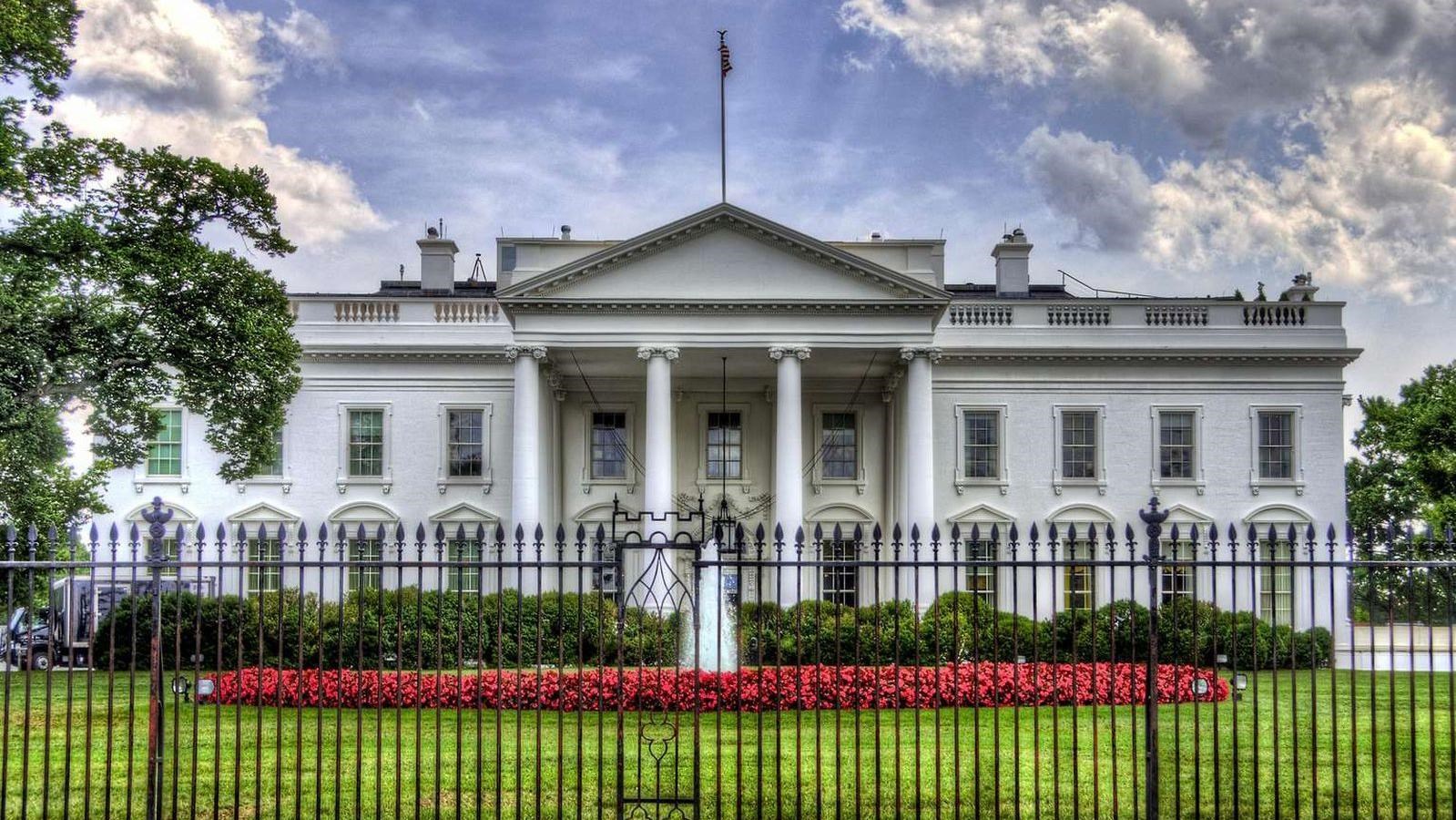
    The Commonwealth of Dominica has formally requested immediate diplomatic consultations with the United States government following the December 16, 2025 proclamation imposing partial entry restrictions on Dominican nationals. While acknowledging America’s sovereign right to implement national security measures, the Dominican government expressed profound concern about its inclusion in the travel restrictions given its extensive cooperation with U.S. authorities and substantial reforms to its Citizenship by Investment Program.

    Throughout 2024-2025, Dominican officials maintained continuous engagement with multiple U.S. agencies through various channels including the Prime Minister’s Office, Ministry of Foreign Affairs, and its Washington D.C. embassy. These collaborative efforts addressed all concerns raised by American officials regarding CBI operations, culminating in Dominica becoming the first Organization of Eastern Caribbean States member to enact comprehensive legislative reforms on October 14, 2025.

    The groundbreaking reforms introduced stringent new requirements including enhanced residency provisions, rigorous name-change controls, strengthened due diligence protocols, improved financial transparency measures, and the creation of an independent regulatory authority to ensure compliance with international standards.

    The Caribbean nation now seeks clarification regarding whether these implemented measures satisfy U.S. security requirements referenced in the proclamation. Dominican authorities have requested urgent dialogue before the restrictions take effect on January 1, 2026, consistent with the partnership spirit outlined in the proclamation itself.

    Emphasizing its long-standing bilateral relationship with the United States, particularly regarding maritime security and regional stability cooperation, Dominica reiterated that threats to U.S. security equally concern the Caribbean region. The government remains committed to transparent collaboration and shared security objectives while seeking resolution through constructive diplomatic engagement that reflects mutual respect between both nations.

  • I have a question: Where are they now?

    I have a question: Where are they now?

    In the aftermath of recent elections, public attention has turned toward several prominent figures whose positions and qualifications warrant examination. Individuals like Chevonne Stewart and Grace Walters now face public speculation about their return to government roles, raising questions about their reintegration into the civil service structures they previously seemed to transcend during their political campaigns.

    The phenomenon extends to other recognizable figures, including the once-vocal ‘Candy Man,’ who has resumed his duties as a civil servant while promoting local commerce. His rapid ascent, attributed more to political connections than demonstrated merit, invites scrutiny regarding the sustainability of such careers once electoral fervor subsides.

    Particular concern surrounds appointment 705, where managerial authority appears mismatched with educational qualifications. The current manager reportedly holds only a post-secondary diploma while supervising staff with undergraduate and postgraduate degrees—an imbalance that may contribute to persistent operational deficiencies and high staff turnover within the department.

    These observations echo timeless wisdom about the nature of qualifications and power. The proverbial notion that ‘dressing a pig in a suit’ cannot alter its fundamental nature serves as a caution against prioritizing political connections over substantive capability. Similarly, the adage that ‘he who pays the piper calls the tune’ underscores concerns about accountability structures within politically influenced appointments.

    The discourse concludes with restrained commentary on politically appointed diplomats, acknowledging the complex interplay between political patronage and institutional effectiveness that characterizes post-election governance landscapes.

  • Dominica National Conservation Trust Fund announces first grant recipients under conservation fund

    Dominica National Conservation Trust Fund announces first grant recipients under conservation fund

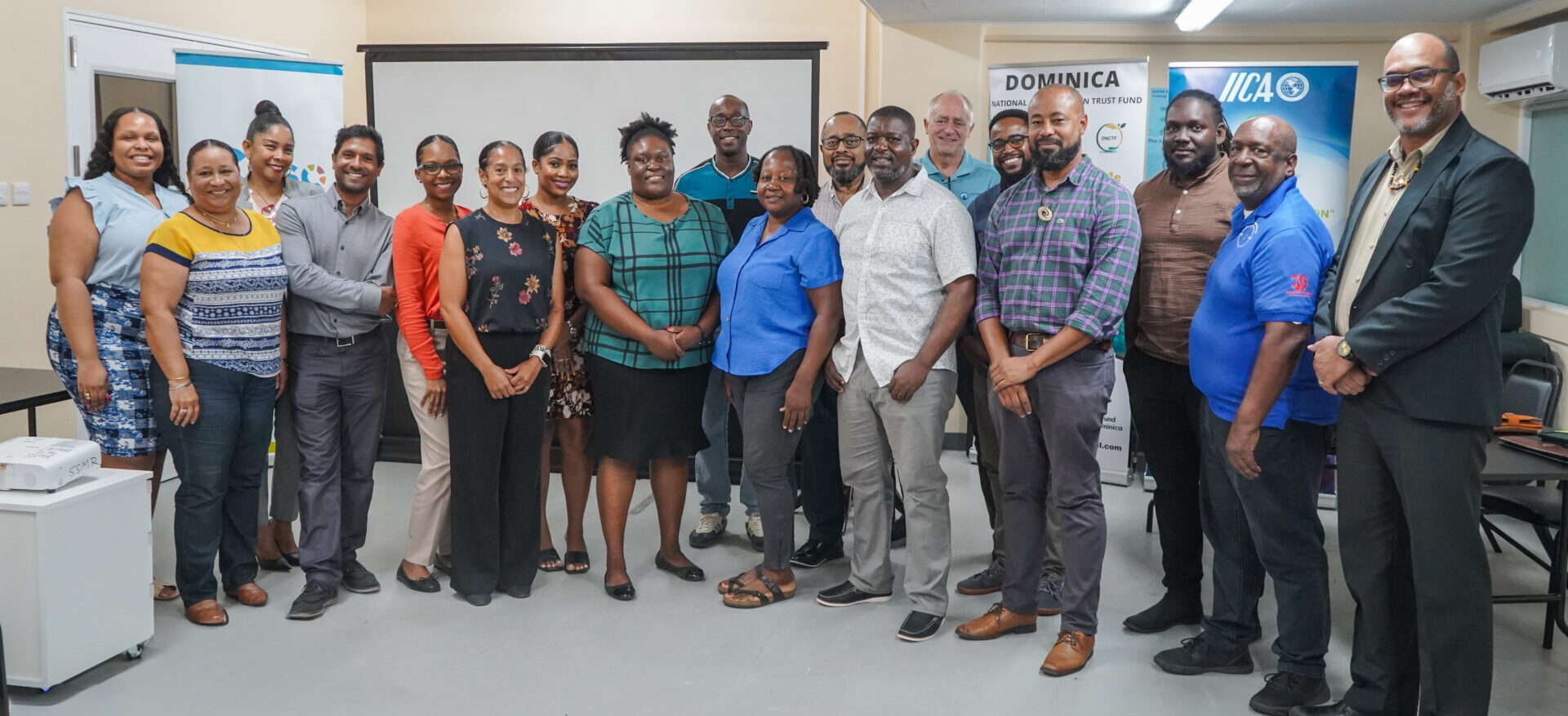
    In a historic move for environmental conservation, Dominica’s National Conservation Trust Fund (DNCTF) has officially launched its inaugural grant program, selecting two pioneering projects that merge ecological preservation with gender equality. The December 11th signing ceremony marked a transformative moment in Caribbean conservation financing, channeling support through the Gender Smart Facility—a specialized program under the Caribbean Biodiversity Fund’s CORE Project implemented with Global Affairs Canada.

    The selected initiatives, led by the Inter-American Institute for Cooperation on Agriculture (IICA) and the Anse Kouanari Tourism Association (AKTA), represent a dual approach to sustainable development. IICA’s project addresses Dominica’s dependency on imported livestock feed by establishing climate-resilient forage production systems at the Central Livestock Farm. Through distribution of drought-tolerant Brachiaria and Clitoria plant varieties to small-scale farmers, particularly those in the Dominica Livestock Cooperative and National Association of Youth in Agriculture, the project aims to reduce feed costs by up to 60% while rehabilitating degraded lands.

    AKTA’s initiative tackles the critical shortage of native plant species essential for reforestation and pollinator habitat restoration. The program will provide comprehensive training in plant propagation and nursery management to rural farmers, with special emphasis on women and youth participation. This approach not only addresses ecological needs but creates sustainable livelihood opportunities in marginalized communities.

    Dr. Rhonda Linton, CEO of DNCTF, emphasized the significance of these grants: ‘These first two grants represent a significant moment for Dominica’s conservation landscape. By funding projects that are both community-led and scientifically grounded, DNCTF is ensuring that conservation financing reaches the people and ecosystems that need it most.’

    The Gender Smart Facility specifically targets eight Caribbean nations, ensuring conservation and climate adaptation efforts actively promote women’s empowerment and inclusion of marginalized groups. Nayari Diaz, lead of the CORE Project, noted that ‘these projects restore ecosystems and challenge traditional barriers that have kept women out of agricultural decision-making and environmental leadership.’

    Canada’s support through Global Affairs Canada was highlighted by Ena Cimic, Second Secretary at the High Commission of Canada to Jamaica: ‘When women have equal opportunities in agriculture and environmental management, everyone benefits. This results in better-protected ecosystems, more resilient communities, and expanded economic opportunities.’

    These groundbreaking initiatives establish DNCTF as Dominica’s primary mechanism for financing biodiversity conservation, effectively connecting communities, government agencies, and international donors to foster enduring environmental and socio-economic resilience across the nation.

  • St Kitts and Nevis announces double salary for public workers and pensioners – CNW Network

    St Kitts and Nevis announces double salary for public workers and pensioners – CNW Network

    In a significant fiscal announcement, the Federation of St. Kitts and Nevis has declared a special double salary payment for its public sector workforce and pensioners ahead of the 2025 Christmas season. Prime Minister Dr. Terrance Drew, serving concurrently as Finance Minister, made the revelation during his parliamentary presentation of the 2026 National Budget Address.

    The extraordinary compensation measure, equivalent to one full month’s additional salary, is scheduled for distribution on December 19, 2025. This initiative encompasses civil servants, Government Auxiliary Employees (GAEs), participants in the Skills Training Empowerment Programme (STEP), and all pensioners across both the federal administration and the Nevis Island Administration.

    Prime Minister Drew characterized the payment as an acknowledgment of the dedicated service and ongoing support demonstrated by public workers and retirees throughout the nation. Notably, the bonus exclusion applies to government ministers, ministerial advisers, and specific categories of high-ranking officials.

    This financial gesture forms part of the government’s comprehensive budgetary framework for the 2026 fiscal year, strategically timed to alleviate economic pressures during the holiday period. The early disbursement aims to stimulate local economic activity while providing tangible recognition of public service contributions to national development.

  • Coca-Cola Foundation awards US$1 Million to strengthen plastic recycling

    Coca-Cola Foundation awards US$1 Million to strengthen plastic recycling

    The Coca-Cola Foundation has committed a substantial $1 million grant to the Pan American Development Foundation (PADF) to accelerate the Caribbean Plastics Recycling Project, marking a significant step in addressing the region’s escalating plastic pollution crisis. This strategic investment targets six Caribbean nations—Grenada, Suriname, St Vincent and the Grenadines, Trinidad and Tobago, The Bahamas, and Guyana—where waste management challenges have reached critical levels.

    According to World Bank data, over 320,000 tons of plastic waste remain uncollected annually across the Caribbean, severely damaging marine ecosystems and threatening vital economic sectors including tourism, fisheries, and shipping. The region’s unique geographical fragmentation, limited infrastructure, and complex regulatory frameworks have historically impeded effective recycling solutions.

    Carlos Pagoaga, President of The Coca-Cola Foundation, emphasized the project’s dual focus: “We’re strengthening local recycling systems while creating sustainable economic opportunities. This initiative represents our commitment to both environmental protection and community empowerment throughout the Caribbean.”

    The comprehensive program will implement three core strategies over its one-year timeline: identifying and supporting local ‘recycling champions’ to innovate collection methods, expanding waste collector networks to generate income opportunities, and establishing cross-border collaborations to reduce operational costs. Particular emphasis will be placed on creating economic opportunities for women, youth, and marginalized communities.

    This latest investment builds upon an existing partnership that since 2022 has already facilitated the collection of 2,300 tons of plastic while providing training and equipment to hundreds of waste collectors. Katie Taylor, Executive Director of PADF, noted: “Our continued collaboration with The Coca-Cola Foundation enables us to create lasting impact by building resilient communities and ecosystems through innovative recycling models.”

    The project represents a growing recognition that environmental conservation and economic development must be addressed simultaneously, particularly in regions where waste management challenges intersect with limited economic opportunities. Implementation will be handled by PADF in partnership with CircularPak, a circular economy consultancy specializing in sustainable waste management solutions.

  • Dominica, Antigua seek clarification of US travel restrictions

    Dominica, Antigua seek clarification of US travel restrictions

    The Trump administration has significantly broadened its controversial travel restrictions, adding 20 countries and the Palestinian Authority to its list of nations facing entry limitations. This policy expansion, announced Tuesday and set to take effect January 1, represents a substantial shift in American immigration and travel protocols under the guise of national security concerns.

    The updated restrictions implement comprehensive travel bans targeting citizens of Burkina Faso, Mali, Niger, South Sudan, and Syria, alongside individuals traveling with documents issued by the Palestinian Authority. Concurrently, partial limitations have been imposed on nationals from fifteen additional countries, including the Caribbean nations of Antigua and Barbuda and Dominica.

    The complete list of countries facing partial restrictions encompasses Angola, Benin, Ivory Coast, Gabon, Gambia, Malawi, Mauritania, Nigeria, Senegal, Tanzania, Tonga, Zambia, and Zimbabwe alongside the aforementioned Caribbean nations.

    Notably, the policy maintains exemptions for lawful permanent residents of the United States, individuals possessing valid visas, and specific visa categories including diplomats and international athletes. Furthermore, exceptions are granted to those whose entry is determined to serve American national interests.

    In reaction to this development, the governments of Dominica and Antigua and Barbuda have initiated urgent diplomatic communications seeking clarification. Dominica’s Ministry of Foreign Affairs issued a statement acknowledging the concerns the announcement may provoke while assuring citizens that the matter was being addressed with utmost seriousness. The ministry confirmed active engagement with officials at the United States Embassy in Bridgetown, Barbados, to obtain formal details regarding the scope, rationale, and specific implications for Dominican travelers and visa holders.

    Similarly, Antigua and Barbuda’s Prime Minister Gaston Browne revealed he had communicated directly with President Donald Trump and Secretary of State Mike Pompeo, offering full cooperation to address underlying concerns and facilitate the restoration of all visa categories. Both Caribbean Community (CARICOM) member states emphasized their ongoing diplomatic efforts to comprehend the practical impact these new measures will have on their citizens.

  • Streamlining VAT-free day with digital tools

    Streamlining VAT-free day with digital tools

    St. Vincent and the Grenadines is poised to make economic history this Friday with its inaugural VAT-free shopping day, an initiative generating unprecedented public excitement across the nation. The December 19 event represents a strategic economic intervention by the NDP administration designed to alleviate cost-of-living pressures while simultaneously stimulating local commerce during peak seasonal demand.

    This groundbreaking policy stands as one of the most practical, consumer-focused economic measures implemented in recent governmental history. As merchants nationwide prepare for anticipated customer surges, attention has turned to operational efficiency—specifically how digital transformation can optimize high-volume retail operations without substantial infrastructure investment.

    The core strategy involves deploying accessible digital tools to create agile, distributed transaction systems that replace traditional single-point checkout bottlenecks. This technological shift enables a seamless customer journey through mobile payment solutions and advanced communication platforms that require minimal implementation time.

    Key digital recommendations for businesses include:

    A specially developed VAT reduction calculator, created through collaboration between economic strategists and Layou Technologies, enables shoppers to compute savings in real-time while providing merchants with faster transaction processing. The tool exemplifies how local innovation can enhance everyday commercial experiences.

    Mobile point-of-sale (mPOS) systems empower staff to conduct transactions anywhere within retail spaces, dramatically reducing queue congestion and increasing transaction velocity during peak shopping periods.

    Pre-ordering systems utilizing WhatsApp Business or dedicated phone lines allow customers to submit advance orders with scheduled collection times, including curb-side pickup options. This approach requires completion of actual transactions on December 19 to maintain VAT-free eligibility while distributing customer flow throughout the day.

    Social media integration and shared digital spreadsheets provide real-time inventory visibility, parking availability updates, and wait time expectations, creating a transparent shopping ecosystem that reduces unnecessary crowding and manages consumer expectations effectively.

    This initiative demonstrates that in modern economies, strategic investment in digital systems often yields greater returns than simply increasing inventory capacity, positioning St. Vincent and the Grenadines at the forefront of innovative economic policy implementation.

  • Blue Marlins have record-breaking Trinidad meet

    Blue Marlins have record-breaking Trinidad meet

    The Blue Marlins Swim Club of St. Vincent and the Grenadines delivered an extraordinary performance at the Aquatics Sports Association of Trinidad & Tobago (ASATT) Invitational, held from December 11-14 at the National Aquatic Centre in Couva. Competing in a 50-meter long-course pool against 47 teams, the six-member Vincentian contingent achieved a remarkable 13th place overall finish while breaking multiple national records.

    The competition witnessed historic achievements from the young athletes. Hazen Da Briel demolished his own SVG National Long Course Record in the Male 15-16 200m Individual Medley, clocking 2:24.30, and secured a bronze medal in the 200m backstroke while achieving personal bests in 10 of his 12 events.

    Belle Adams continued the record-breaking trend by surpassing her own national mark in the girls 11-12 400m Individual Medley with a time of 6:32.63. Her performance earned three bronze medals across freestyle and butterfly events.

    In a family triumph, Zane Dabriel broke his brother Hazen’s Male 8-and-under backstroke National Record set in 2018, while also claiming bronze in the 50m breaststroke. Caghry Williams demonstrated consistency with two silver medals and one bronze in breaststroke events, achieving personal bests in 9 of 11 races.

    The entire team showed significant improvement, with Zoey May and Raya Adams delivering perfect performances by setting personal records in all their respective events.

    The delegation, managed by Marcus Da Briel with chaperone Bettie Jn Baptiste-Adams, received high praise from Head Coach Tamarah St. Hilaire, who expressed immense pride in the swimmers’ development and acknowledged the supporting parents and assistant coaches Kyle Dougan and Anwar Medjehed for their contributions to the team’s success.

  • Latijns-Amerika en Cariben delen nieuwe oplossingen duurzame schoolmaaltijden

    Latijns-Amerika en Cariben delen nieuwe oplossingen duurzame schoolmaaltijden

    In a landmark gathering in Brazil, Latin American and Caribbean nations unveiled groundbreaking strategies to revolutionize school feeding programs through sustainability, technology, and community engagement. The inaugural RAES exhibition of best practices in school nutrition, co-organized by the UN Food and Agriculture Organization (FAO), the Brazilian government, and the School Feeding Network, convened approximately 300 professionals from 20 nations across Latin America, the Caribbean, and Europe.

    Eleven countries demonstrated concrete initiatives linking school meals to sustainable agri-food systems. Chile introduced the PAE App pilot project, enabling schools to photograph served meals and compare them against planned menus while facilitating parental feedback. Brazil showcased its Food and Nutrition Education Journeys program, reaching over 11,000 schools since 2017 to integrate nutritional education into core curricula.

    Belize revealed how training school cooks alongside professional chefs transformed menus across 78 institutions serving 15,000 students. Paraguay’s Mbo’Eco project combined waste management with environmental education, while Suriname emphasized accelerated progress through international knowledge-sharing.

    Notable innovations included the Dominican Republic’s Optiwaste tool for measuring and reducing food waste, and school garden initiatives from Cuba, Guatemala, and Saint Lucia that enhanced nutrition, entrepreneurship, and special needs education. Uruguay reported a striking 22% reduction in student absenteeism following hygiene and nutrition interventions, while Colombia advocated for culturally adapted meals respecting indigenous communities’ culinary traditions.

    The RAES network—a collaboration of 18 countries implemented by Brazil’s Cooperation Agency (ABC), the National Fund for Education Development (FNDE), and FAO—demonstrated how regional cooperation is creating more transparent, inclusive, and environmentally conscious school nutrition systems.