博客

  • Grabba charged after allegedly rubbing under-aged girls’ thighs

    Grabba charged after allegedly rubbing under-aged girls’ thighs

    Prominent soca performer Keith Charles, professionally known as Grabba Finesse, is scheduled to stand trial on January 13, 2025, following serious allegations of indecent assault involving two adolescent girls. The 35-year-old musician from Barrouallie made his initial appearance at Kingstown Magistrate’s Court this Wednesday to address the criminal charges filed against him.

    According to prosecution documents, Charles stands accused of inappropriate physical contact with a 13-year-old minor by allegedly rubbing her right thigh without consent. A separate but similar charge involves a 15-year-old girl who reportedly experienced identical misconduct. Court records indicate both victims reside in a central leeward community, while the alleged incidents occurred in a South Leeward village between August 29 and November 19, 2025.

    The defendant entered a formal plea of not guilty to both counts and was released after posting composite bail set at EC$5,000 with one surety. The presiding magistrate imposed stringent pre-trial conditions, including the surrender of Charles’ travel documents and a requirement for judicial approval before any international travel. Additional measures include the placement of stop notices at all entry and exit ports, coupled with a mandate for the accused to report twice weekly to Layou police authorities.

    The case has been formally adjourned and transferred to the Family Court system, where proceedings will be conducted in-camera to protect the identities and privacy of the alleged victims.

  • Antigua and Barbuda Features in Record Year for Commonwealth Short Story Prize

    Antigua and Barbuda Features in Record Year for Commonwealth Short Story Prize

    The literary world is witnessing an unprecedented surge of global storytelling, with the 2026 Commonwealth Short Story Prize achieving a historic milestone. A remarkable 7,806 entries poured in from 54 Commonwealth nations, submitted by writers spanning an extraordinary age range from 18 to 95 years old.

    Twelve member nations, including the Caribbean twin-island nation of Antigua and Barbuda, set new national participation records. This achievement signals a powerful cultural shift: growing confidence among local writers and the rising prominence of Caribbean literary voices on the international stage.

    A particularly striking trend emerged in the prize’s linguistic diversity. Non-English submissions experienced a dramatic 36% year-on-year increase, underscoring the prize’s role in fostering cross-cultural narrative exchange. This surge demonstrates that compelling storytelling transcends linguistic boundaries and cultural barriers.

    Prize organizers highlighted the crucial ecosystem supporting this literary expansion. They credited dedicated support networks, panel judges, and previous winners for providing essential guidance that empowered thousands of writers worldwide. This mentorship structure proved particularly impactful for emerging literary communities, including first-time entrants from Antigua and Barbuda who contributed to this year’s record-breaking participation.

  • Luta, NDP hopefuls and Ms Press Secretary

    Luta, NDP hopefuls and Ms Press Secretary

    A provocative commentary has emerged from Saint Vincent and the Grenadines, delivering sharp critiques of recent political appointments and diplomatic behavior. The author, identifying as a progressive thinker and product of the country’s Education Revolution, positions themselves as an independent voice unaffiliated with either major political party—the New Democratic Party (NDP) or Unity Labour Party (ULP).

    The piece specifically targets a consul general referred to as ‘Luta,’ acknowledging his party loyalty while condemning his actions as ‘reckless and foolish.’ The commentary raises pointed questions about whether individuals who performed political songs received proper compensation and whether appropriate taxes were deducted through National Insurance Services (NIS) and Inland Revenue systems, applying this scrutiny equally to both major parties.

    Further criticism addresses political ambition within the NDP camp, where an individual reportedly seeks to replace Luta. The author cautions against such appointments, emphasizing that political representatives inevitably reflect upon their parties through their conduct, speech, and even social behaviors.

    The commentary expands to question the potential appointment of a family member to the position of governor general, invoking the principle of separation between church and state. Finally, the author addresses the recent appointment of a press secretary, characterizing it as fundamentally political and stressing that such roles demand vocal, unapologetic representation of party and prime minister.

    Throughout the piece, the author maintains that public figures must withstand rigorous scrutiny, emphasizing that political appointments carry significant consequences and should be made with careful consideration of how they reflect upon the parties and the nation.

  • UWI political expert urges focus on substance, not ‘election’ talk

    UWI political expert urges focus on substance, not ‘election’ talk

    Amid growing speculation about a potential snap election in Barbados, University of the West Indies political scientist Professor Don Marshall has rejected theories that Prime Minister Mia Mottley’s recent policy announcements signal early political maneuvering. Instead, Marshall characterizes the government’s public service reforms as long-overdue measures that should be evaluated on their substantive merits rather than perceived political timing.

    The political expert’s comments followed Prime Minister Mottley’s significant announcements regarding public sector improvements, including the restoration of term vacation leave for teachers potentially as early as next year and permanent appointments for approximately 2,000 public servants. These developments come against a backdrop of widespread conjecture about a possible first-quarter general election.

    Professor Marshall advocated for shifting public discourse away from electoral speculation and toward substantive policy evaluation. He emphasized that the administration’s recent initiatives align with necessary developmental objectives that have required attention for some time. The political scientist described the government’s approach as a welcome departure from conventional austerity measures typically associated with IMF programs.

    “I often wonder why, whenever we’re in an IMF programme, the instinct is always to move towards cutting the public service as opposed to repurposing the public service,” Marshall stated. He expressed strong support for initiatives that would strategically reposition the public service in accordance with the government’s developmental agenda.

    The UWI professor cautioned against excessive cynicism regarding governmental motives, noting that policy announcements often follow natural bureaucratic timelines rather than political calculation. He highlighted that the Christmas timing of these announcements might reflect predetermined scheduling rather than strategic election preparation.

    Marshall identified public service efficiency as the most critical metric for evaluating these appointments, predicting that improved worker satisfaction would naturally enhance productivity and attract more qualified professionals to essential services. He expressed particular optimism about ongoing negotiations with teachers’ unions, hoping for resolution of long-standing grievances regarding leave classification and compensation.

    The professor specifically endorsed improved conditions for essential service providers including teachers, police officers, and nurses, advocating for compassionate governance that addresses their unique professional challenges. Meanwhile, the House of Assembly advanced the Public Service (Appointments) Bill, with Prime Minister Mottley confirming productive discussions with both the Barbados Union of Teachers and the Barbados Secondary Teachers’ Union.

    The comprehensive reform package includes expanded compensation structures and enhanced service conditions for frontline workers, with a complete civil service regrading exercise anticipated to conclude next year. Mottley acknowledged that Barbados’s substantial civil service has faced challenges in timely human resource management under current structural constraints.


  • The price of a passport: CBI and the fate of Labour ideology

    The price of a passport: CBI and the fate of Labour ideology

    The Eastern Caribbean stands at a critical juncture where economic necessity confronts political principle. For over two decades, St. Vincent and the Grenadines maintained a distinctive position by rejecting Citizenship-by-Investment (CBI) programs that neighboring OECS states embraced as fiscal strategy. This resistance stemmed from Prime Minister Ralph Gonsalves’ philosophical conviction that citizenship constitutes a civic relationship grounded in shared obligation rather than a marketable asset.

    Gonsalves, a Labour intellectual who integrated political philosophy into governance, argued that certain attributes of political life lose meaning when assigned monetary value. His vision positioned citizenship as a public trust and condition of democratic participation—a concept rooted in Labour traditions that emerged from British social democracy and Caribbean anti-colonial struggles.

    Now, with changing political leadership and mounting economic pressures, St. Vincent faces a transformative decision. The nation must choose between aligning with regional development models driven by fiscal pragmatism or preserving its distinctive conception of citizenship. This choice transcends mere policy adjustment, touching upon fundamental questions about national identity and the normative foundations of Labour ideology.

    Across the OECS, CBI programs have reshaped economies and governance structures. Nations like Dominica, Grenada, and St. Kitts and Nevis adopted these initiatives responding to climate vulnerabilities, limited economic diversification, and global market instability. The consequences extended beyond revenue generation: agricultural lands transformed into luxury developments, policy planning became tied to application cycles, and institutional priorities shifted toward marketing citizenship rather than community development.

    International attitudes have simultaneously hardened. The European Union’s 2025 ruling against Malta established that citizenship—particularly when granting supranational rights—cannot be reduced to commercial transactions. This external pressure forces small states to recalibrate citizenship regimes to maintain international legitimacy, often emphasizing mobility advantages over cultural heritage in national branding.

    St. Vincent’s deliberation occurs within this complex landscape. Embracing CBI promises fiscal relief and regional alignment but risks gradual ideological erosion. Maintaining resistance preserves civic ideals but demands navigating economic constraints without this revenue stream. The outcome will determine whether citizenship remains a marker of equal standing or becomes stratified by wealth—a decision with enduring implications for Labour ideology and democratic participation.

  • Health Minister reports major rise in Specialist Doctors at SLBMC

    Health Minister reports major rise in Specialist Doctors at SLBMC

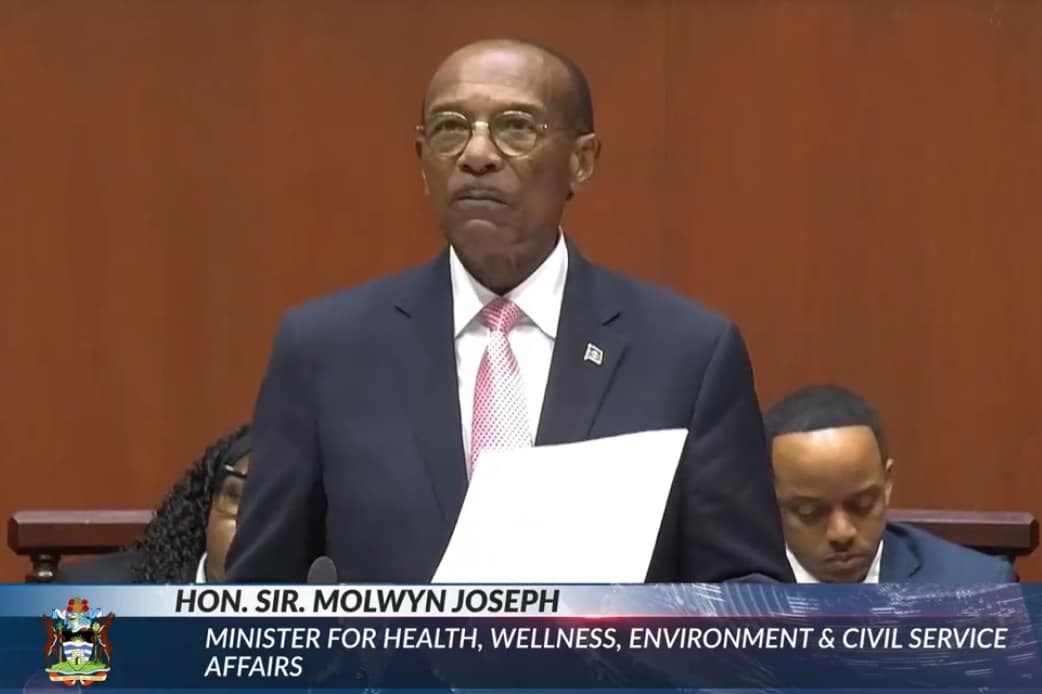
    In a significant demonstration of national healthcare advancement, Antigua and Barbuda has achieved remarkable growth in its medical specialist workforce through strategic government investment in human capital development. Health Minister Sir Molwyn Joseph revealed that the country’s primary public healthcare facility, the Sir Lester Bird Medical Centre, now boasts 151 specialist doctors—a dramatic increase from just 65 specialists recorded in 2014 when the current administration assumed office.

    The substantial expansion represents a 132% growth in specialist medical personnel over the past decade, fundamentally transforming the nation’s healthcare delivery capabilities. Notably, 99 of these specialists are Antiguan and Barbudan nationals, demonstrating the success of targeted localization strategies in the medical profession.

    Minister Joseph emphasized that this workforce transformation results from sustained governmental commitment to medical education and professional development. Currently, numerous doctors are pursuing advanced training through sponsored study leave programs, focusing on specialty areas identified as critical to addressing the nation’s healthcare requirements.

    This strategic approach to building domestic medical expertise represents a fundamental shift toward long-term healthcare system sustainability. By developing local talent rather than relying heavily on foreign medical professionals, the government is creating a self-sufficient healthcare model that promises improved medical services for citizens while retaining healthcare expenditure within the national economy.

    The significant increase in specialist physicians enables enhanced medical service delivery across multiple disciplines, potentially reducing the need for overseas medical referrals and improving healthcare outcomes for the population. This investment in human capital development underscores the administration’s commitment to achieving comprehensive healthcare reform and establishing a robust medical infrastructure capable of meeting contemporary health challenges.

  • Town hall meetings for 11-Plus in January 2026

    Town hall meetings for 11-Plus in January 2026

    The Ministry of Educational Transformation (MEdT) has unveiled an extensive public engagement initiative, scheduling twelve town hall meetings across Barbados throughout January 2026. These sessions are strategically designed to familiarize parents and guardians with the comprehensive administrative procedures governing the Barbados Secondary Schools’ Entrance Examination (BSSEE).

    The outreach program is timed to precede the official return of all BSSEE examination forms to the Ministry, ensuring stakeholders are fully informed before this critical deadline. The initiative underscores the government’s commitment to transparent communication and parental involvement in the island’s pivotal educational assessment.

    A detailed schedule of meetings has been released, featuring venues in multiple parishes to maximize accessibility. The itinerary commences on Saturday, January 3, 2026, with simultaneous sessions at Alexandra School on Queen’s Street, St. Peter, and Princess Margaret Secondary School at Six Roads, St. Philip, both commencing at 5:00 p.m.

    Subsequent meetings will follow a similar pattern throughout the month:
    – Tuesday, January 6: St. George Secondary School (Constant, St. George) and Lester Vaughan School (Cane Garden, St. Thomas)
    – Saturday, January 10: Grantley Adams Memorial School (Blackman’s, St. Joseph) and Deighton Griffith Secondary (Kingsland, Christ Church)
    – Tuesday, January 13: The Oceana Innovation Hub (Bay Street, St. Michael) and West Terrace Primary (West Terrace, St. James)
    – Saturday, January 17: Daryll Jordan Secondary School (Trents, St. Lucy) and A. Dacosta Edwards Primary School (Belleplaine, St. Andrew)
    – Tuesday, January 20: Mount Tabor Primary (Mount Tabor, St. John) and The St Michael School (Martindales Road, St. Michael)

    All scheduled sessions will maintain the 5:00 p.m. start time to accommodate working parents. This nationwide consultation represents one of the most comprehensive public education campaigns ever undertaken for the BSSEE process.

  • Four Antiguans Named in West Indies U19 World Cup Squad

    Four Antiguans Named in West Indies U19 World Cup Squad

    In an unprecedented development for Caribbean cricket, the Leeward Islands have secured remarkable representation with six young talents selected for the West Indies squad competing in the upcoming ICC Men’s Under-19 Cricket World Cup. This historic selection marks a significant milestone for the region’s cricket development program.

    The tournament, scheduled to commence on January 15th across Zimbabwe and Namibia, will feature exceptional players from the Leeward Islands comprising nearly half of the 15-member West Indies roster. This extraordinary representation underscores years of strategic development and investment in youth cricket throughout the islands.

    The selected athletes include Jewel Andrew, Tanez Francis, Micah McKenzie, and Matthew Miller from Antigua and Barbuda, alongside Isra-el Morton representing Sint Maarten, and Kunal Tilokani from St. Kitts. Their selection resulted from demonstrated excellence in performance, exceptional discipline, and outstanding character both on and off the field.

    Enoch Lewis, President of the Leeward Islands Cricket Board, characterized this achievement as a transformative moment for regional cricket. “This selection validates the commitment of these young athletes and underscores the effectiveness of our developmental systems,” Lewis stated. “These players embody not just their respective nations but represent the collective advancement of cricket throughout our island chain.”

    The Under-19 World Cup selection holds particular significance within West Indies cricket, serving as the foundational platform where future international careers are forged. This accomplishment positions these young cricketers among the Caribbean’s most promising talents while entrusting them with representing the region against world-class opposition.

    The Cricket Board acknowledged the collaborative effort involving territorial associations, coaching staff, educational institutions, local clubs, and family support networks that contributed to this success. This achievement demonstrates the power of structured development programs, sustained investment, and long-term belief in athletic potential.

    The Leeward Islands Cricket Board has reaffirmed its complete support for the players as they prepare for international competition while emphasizing continued commitment to developing cricket talent across all islands. This moment serves as both celebration of current achievement and inspiration for future generations of Leeward Islands cricketers.

  • Senator Quinn-Williams Disputes Government’s Claim of Budget Surplus

    Senator Quinn-Williams Disputes Government’s Claim of Budget Surplus

    A significant fiscal transparency debate unfolded in the Upper House on Wednesday as Opposition Senator Pearl Quinn-Williams directly contested the government’s assertion of achieving a budget surplus for 2026. During the heated Appropriations Bill deliberations, the senator presented a detailed counter-analysis suggesting the proclaimed surplus constitutes an accounting illusion rather than genuine fiscal health.

    Quinn-Williams systematically deconstructed the government’s financial narrative, emphasizing that the purported primary and overall surplus deliberately excludes substantial interest payments while simultaneously relying on extensive borrowing exceeding EC$1.6 billion. The senator articulated that authentic surplus conditions would necessitate complete expense coverage through revenue without requiring additional debt accumulation.

    The opposition legislator highlighted multiple inconsistencies between the surplus declaration and unresolved financial obligations, including outstanding public-sector back payments, pending salary upgrades, and deferred maintenance of government infrastructure. Quinn-Williams further reinforced her argument by referencing unpaid suppliers, landlords, and creditors, which she presented as contradictory evidence to the government’s robust fiscal health narrative.

    Government Senator Dwayne Williams interjected during the proceedings, accusing Quinn-Williams of public misinformation and defending the technical competence of Ministry of Finance personnel. The exchange prompted procedural interventions and points of order regarding parliamentary decorum.

    In her rebuttal, Quinn-Williams clarified that her critique targeted budgetary arithmetic and presentation methodologies rather than impugning the integrity of civil servants. She referenced official budget documentation and Hansard records to substantiate her analytical position. The Senate President ultimately ruled that numerical disagreements constituted legitimate parliamentary discourse rather than deliberate misinformation.

    The senator concluded by emphasizing that her interventions aimed to enhance fiscal transparency and ensure public accountability regarding borrowing practices, interest cost disclosures, and authentic revenue-expenditure balances. Legislative deliberations on the 2026 budget continued following this substantive exchange regarding the nation’s true financial standing.

  • Listening, adjusting, explaining Growth Fund Bill

    Listening, adjusting, explaining Growth Fund Bill

    In a significant response to mounting public concerns, Prime Minister Mia Mottley has introduced enhanced transparency measures for Barbados’ controversial Economic Diversification and Growth Fund legislation. The government’s move to incorporate additional oversight mechanisms demonstrates a notable shift toward addressing legitimate criticisms while maintaining the fund’s strategic objectives.

    The central amendment requires ministers to formally justify any deviation from recommendations made by the fund’s Advisory Committee or National Growth Council through parliamentary disclosure. This procedural safeguard directly addresses earlier concerns about ministerial discretion and accountability regarding the allocation of $225 million in public funds over three years.

    Criticism had emerged from multiple credible sources, including consumer advocate Tricia Watson, who initially raised alarms about potential foreign company benefits without adequate transparency. Academic experts Professor Don Marshall, Professor Troy Lorde, and economist Jeremy Stephen further questioned the legislation’s governance framework and developmental justification.

    Prime Minister Mottley firmly rejected characterization of the fund as a foreign corporate giveaway during her parliamentary address. She established clear criteria: beneficiaries must create substantial employment exceeding 100 jobs and generate foreign exchange for Barbados’ economy. Companies receiving support will pay taxes at a standardized 9% rate, addressing equity concerns.

    The administration contextualized the $75 million annual allocation against existing tax concessions totaling $875 million yearly across various sectors. Mottley emphasized this represents less than 10% of current waiver practices while aligning with international trends shifting from tax incentives toward direct investment support, citing OECD nations including the UK, Singapore, and United States.

    This development underscores the importance of robust public debate in policy formation. While the government’s responsive approach deserves recognition, the episode highlights the necessity for proactive consultation on major legislation involving substantial public resources. The iterative process between government explanation, critical challenge, and policy refinement ultimately strengthens economic governance and public trust.