博客

  • COMMENTARY: Barbuda’s Airport Must Serve the People Who Built It

    COMMENTARY: Barbuda’s Airport Must Serve the People Who Built It

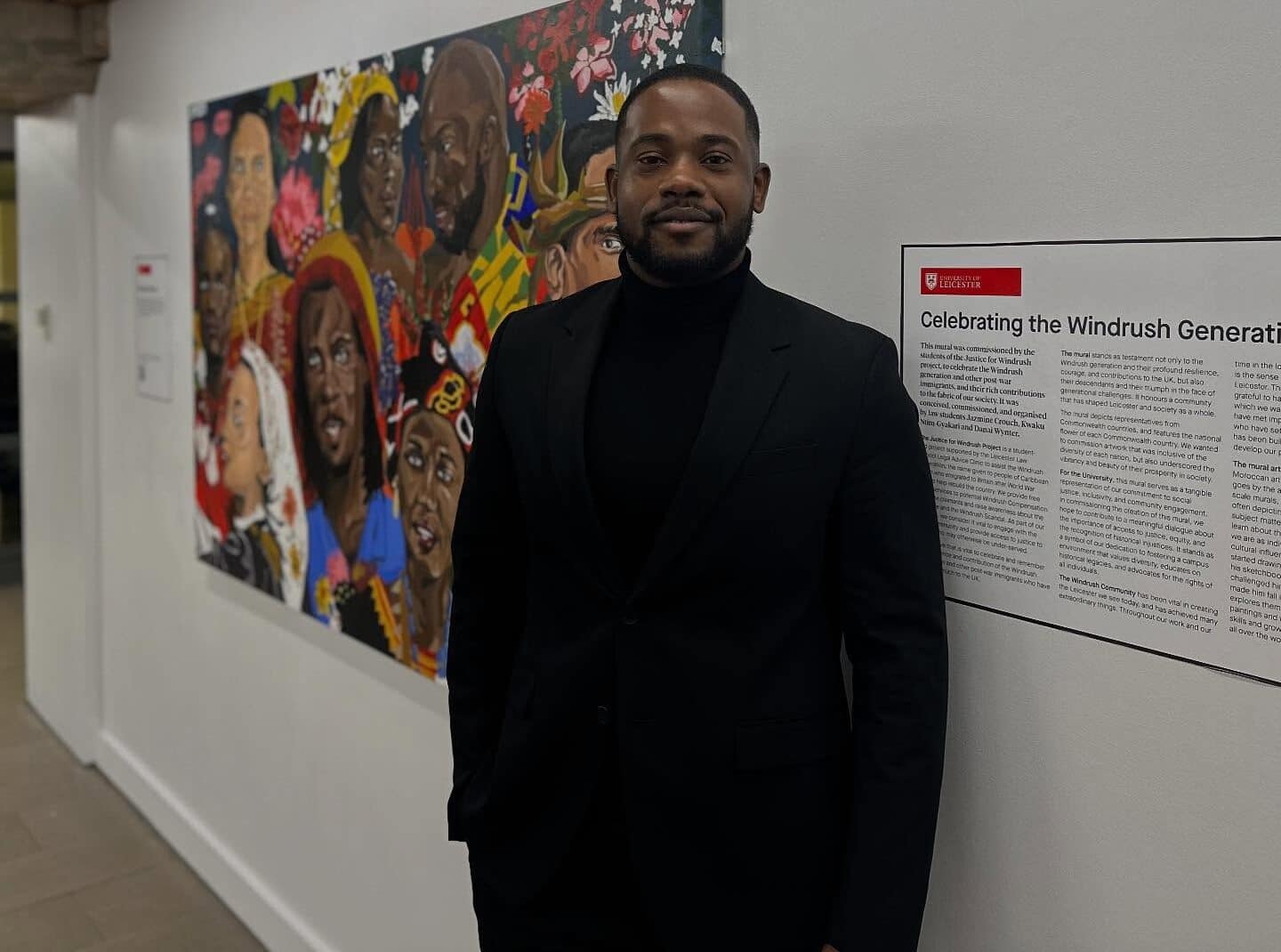
    A contentious development project on the island of Barbuda has become the focal point of a broader debate concerning local autonomy, post-colonial sovereignty, and economic equity. The recent inauguration of a new international airport terminal, funded and constructed by the central Antiguan government, is being met with significant resistance from a segment of Barbudans who view it as an imposition that disregards their historical land rights and self-governance.

    Critics of the project argue that the modernized facility, while promising enhanced tourism connectivity and economic stimulus, was advanced without meaningful consultation with the Barbudan people. The core of the opposition stems from the island’s unique communal land tenure system, a tradition upheld for generations that stands in stark contrast to the private land ownership model prevalent on the main island of Antigua. Many residents perceive the top-down development as a strategic move to erode this system, facilitating the sale of land to foreign investors and fundamentally altering the social and economic fabric of their community.

    Proponents, including Prime Minister Gaston Browne’s administration, champion the airport as an essential piece of national infrastructure critical for post-hurricane economic recovery and long-term prosperity. They posit that increased airlift capacity is indispensable for attracting high-end tourism, creating jobs, and fostering sustainable development that will benefit all citizens of the twin-island nation.

    The dispute transcends infrastructure, embodying a profound political struggle over who holds the authority to determine Barbuda’s future. It raises critical questions about the balance of power between a central government and its dependencies, the protection of cultural heritage in the face of modernization, and the true meaning of development—whether it is measured solely in economic metrics or also in the preservation of communal identity and rights. The unfolding situation on Barbuda serves as a potent case study of these enduring tensions within small island developing states.
  • Suriname zet stap richting gereguleerde integratie van traditionele geneeskunde

    Suriname zet stap richting gereguleerde integratie van traditionele geneeskunde

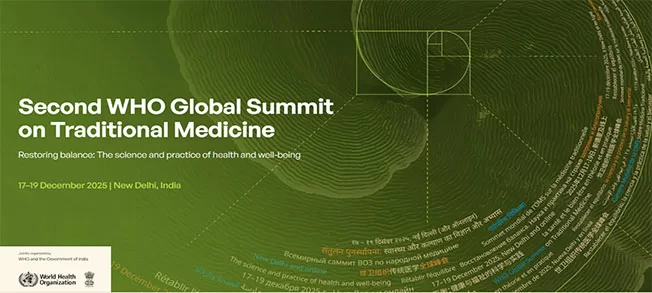
    Suriname has reinforced its commitment to incorporating traditional and complementary medicine into its national healthcare framework following participation in the World Health Organization’s second global summit on traditional medicine. The high-level gathering, convened in New Delhi, India, assembled delegates from over one hundred nations to advance the implementation of the WHO Traditional Medicine Strategy 2025–2034.

    The conference culminated in the adoption of the Delhi Declaration, which formally recognizes traditional medicine as both a shared bio-cultural heritage and an integral component of national health systems worldwide. This landmark document emphasizes evidence-based integration, rigorous regulatory standards, patient safety protocols, and meaningful engagement with indigenous communities and traditional knowledge holders.

    Suriname’s multidisciplinary delegation included officials from the Ministry of Health, Welfare and Labor, the Ministry of Foreign Affairs, International Trade and Cooperation, and the National Assembly. The nation used the platform to reaffirm its phased, responsible approach to integrating traditional, complementary, and integrative medicine within its healthcare architecture.

    On the sidelines of the summit, Surinamese representatives engaged in bilateral discussions with Indian counterparts to explore enhanced cooperation in traditional medicine. India has expressed willingness to provide technical support in regulatory development, capacity building, and knowledge exchange, with particular attention to Suriname’s multicultural demographic landscape.

    This participation signals accelerated parliamentary consideration of Suriname’s draft legislation on the Regulation and Development of Traditional and Integrative Medical Systems Industry. The move aligns with broader policy initiatives aimed at ensuring safe, regulated, and inclusive application of traditional medical practices across the nation’s diverse population.

  • St Kitts and Nevis welcomes Nigerian volunteers to enhance the island’s education sector

    St Kitts and Nevis welcomes Nigerian volunteers to enhance the island’s education sector

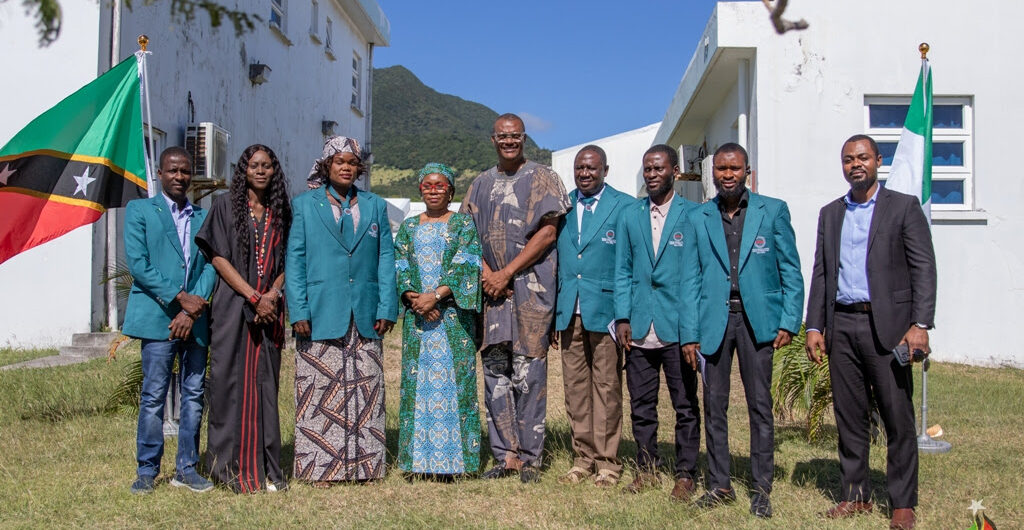
    In a significant bilateral cooperation effort, five education specialists from Nigeria’s Technical Aid Corps (NTAC) have arrived in Saint Kitts and Nevis to strengthen the Caribbean nation’s educational capabilities in mathematics and fundamental sciences. The volunteers were formally welcomed during a ceremony at the Joseph N. France General Hospital on December 29, 2025, by Deputy Prime Minister and Education Minister Dr. Geoffrey Hanley.

    This educational contingent forms part of a larger deployment of seventeen Nigerian volunteers, with twelve additional professionals designated for healthcare sector assignments across the twin-island federation. All volunteers will serve two-year terms supporting critical development initiatives.

    Dr. Hanley emphasized the strategic importance of this partnership, noting that the initiative exemplifies the enduring diplomatic relationship and mutual commitment to advancing educational and health outcomes for citizens of both nations. The ceremony was attended by Prime Minister Dr. Terrance Drew and Senior Minister Dr. Denzil Douglas, who oversees foreign affairs, highlighting the high-level governmental support for this international cooperation.

    Beyond the current volunteer deployment, officials revealed that expanded educational collaboration is under discussion between the two governments. Potential areas for future partnership include specialized support for autism education, disability programs, and scholarship opportunities for Kittitian and Nevisian students seeking higher education in Nigeria.

    The volunteer program represents a concrete implementation of South-South cooperation principles, where developing nations exchange technical expertise and resources to address common challenges without relying solely on traditional donor countries.

  • India expresses concern over attack on Putin’s residence

    India expresses concern over attack on Putin’s residence

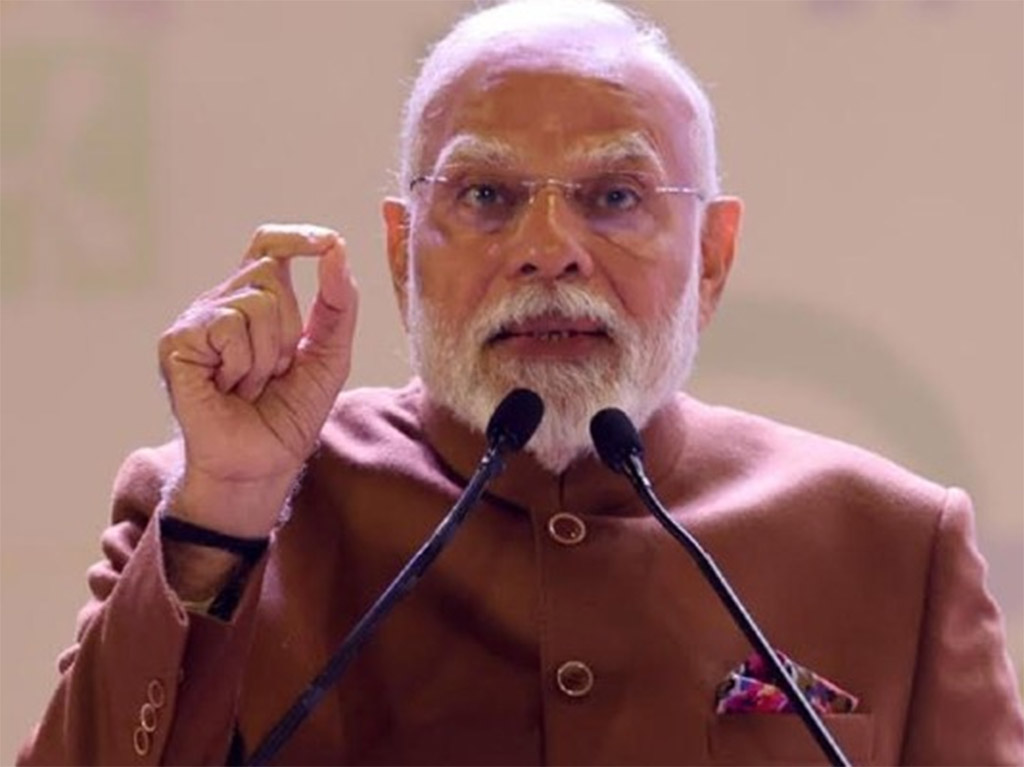
    Indian Prime Minister Narendra Modi has emphasized the critical importance of sustained diplomatic engagement to resolve ongoing hostilities and secure enduring peace in Eastern Europe. In a recent social media statement, the leader urged all involved nations to maintain focus on negotiation efforts and refrain from actions that could jeopardize these delicate peace processes.

    This appeal for calm coincides with serious allegations from Russian officials. Foreign Minister Sergey Lavrov reported that Ukrainian forces launched a significant aerial assault involving 91 long-range attack drones targeting President Vladimir Putin’s official residence in the Novgorod region during the night of December 28-29. According to Lavrov, Russian air defense systems successfully intercepted and destroyed all incoming drones, with no casualties or property damage resulting from falling debris.

    The timing of this alleged attack has drawn particular attention from Moscow. Lavrov highlighted that the incident occurred during intensive negotiations between Russian and American diplomats working toward a resolution to the Ukrainian conflict. In subsequent remarks, Russian Foreign Ministry spokeswoman Maria Zakharova delivered a strongly worded condemnation during an appearance on Rossiya 1 television. She characterized Kyiv’s leadership as ‘a genuine, bloodthirsty terrorist regime with neo-Nazi foundations’ and promised that Ukraine would face consequences for what she described as acts of terrorism.

    The juxtaposition of India’s call for diplomatic resolution with Russia’s accusations against Ukraine highlights the complex international dimensions of the ongoing conflict and the challenges facing peace negotiations.

  • The Oscars are moving to YouTube

    The Oscars are moving to YouTube

    In a groundbreaking move that ends a nearly 50-year broadcasting tradition, the Academy of Motion Picture Arts and Sciences has announced the Oscars will transition from ABC to YouTube beginning in 2029. This landmark multi-year agreement, spanning from the 101st Academy Awards through at least 2033, represents one of the most significant distribution shifts in entertainment industry history.

    The strategic partnership moves the prestigious awards ceremony from traditional broadcast television to YouTube’s digital platform, eliminating the cable subscription requirement in favor of a free, globally accessible live streaming experience. This fundamental restructuring of the Oscars’ distribution model specifically targets younger audiences who have increasingly abandoned traditional television viewing in favor of digital content consumption on mobile devices and computers.

    The transition reflects the Academy’s response to declining ratings for traditional awards shows amid intense competition from streaming services and social media platforms. YouTube’s extensive global reach, viral content capabilities, and real-time engagement features provide the Oscars with unprecedented access to international viewers and demographic groups that had become increasingly disconnected from the traditional broadcast model.

    This platform migration signifies more than merely changing broadcast partners—it represents a complete reimagining of how one of entertainment’s most iconic events connects with modern audiences in the digital age.

  • T20 World Cup maybe a defining moment for Sammy, says noted commentator

    T20 World Cup maybe a defining moment for Sammy, says noted commentator

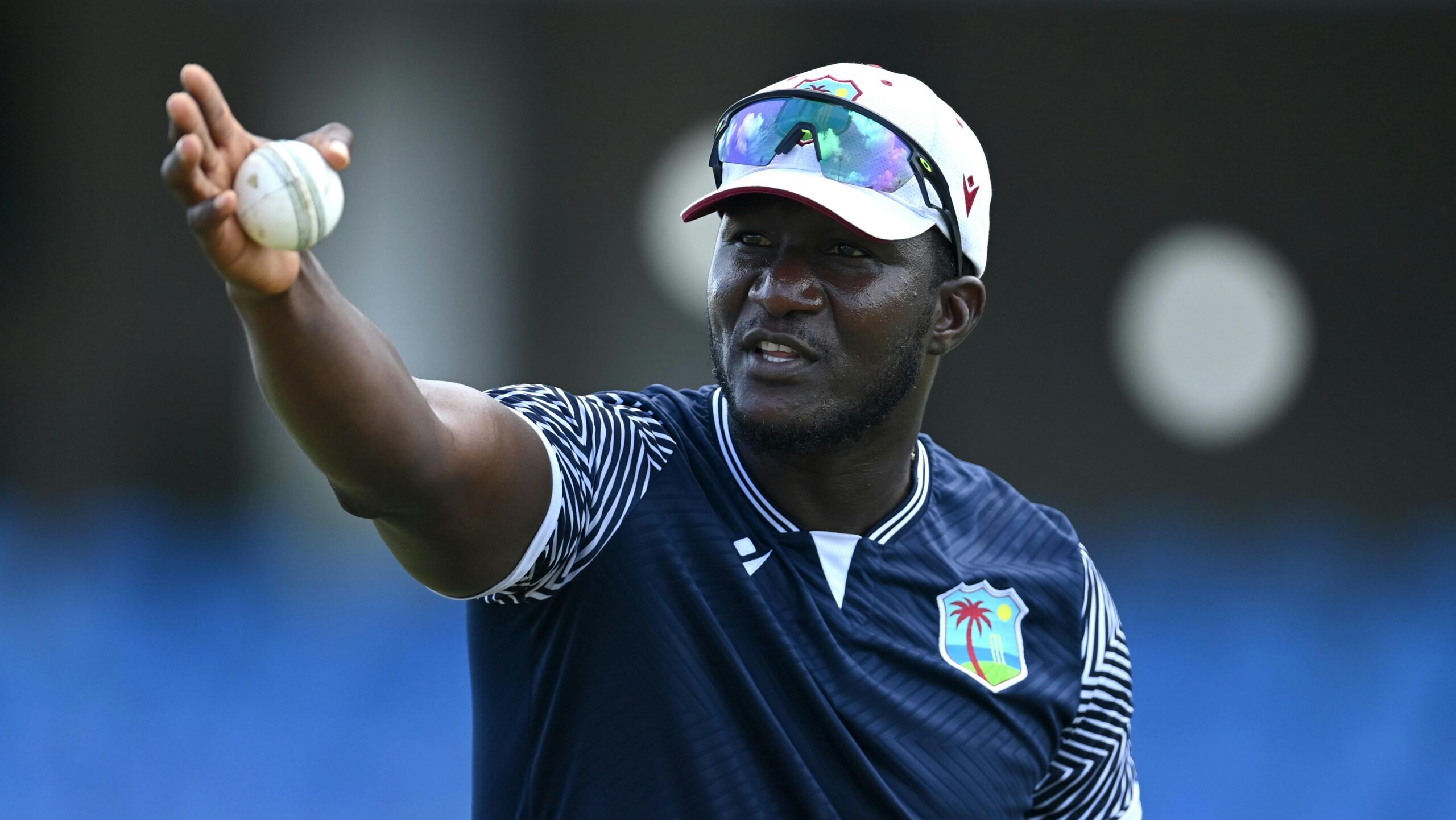
    Cricket analyst Ian Bishop has indicated that West Indies head coach Daren Sammy’s continued tenure may depend significantly on the team’s performance in the imminent T20 World Cup. The assessment comes amid mixed results for the Caribbean side under Sammy’s leadership since his appointment as all-format coach in April.

    Sammy, who previously captained the West Indies to two T20 World Championship victories, has experienced a challenging initiation into his coaching role. His notable achievements include a historic 2-1 One Day International series triumph against Pakistan in August and a comprehensive 3-0 T20I series whitewash of Bangladesh in October.

    However, these successes have been counterbalanced by disappointing outcomes across formats. The team suffered Test and T20I defeats to Australia, a Test series loss to India, and an ODI series setback against Bangladesh. Most recently, New Zealand dominated the Caribbean side across all three formats during their concluded tour.

    Bishop, speaking during a weekend interview on iSports i95.5 FM, acknowledged the particularly difficult nature of Sammy’s initial assignments. “The results so far are not going to be a pleasing reflection for Daren Sammy,” Bishop stated. “He started off with three very difficult series against Australia in the Caribbean, against India in India, and then against New Zealand in New Zealand—where we haven’t won since 1995.”

    The commentator emphasized that while Test performances have been disappointing, the true evaluation of Sammy’s coaching capabilities will come during the T20 World Cup scheduled for next year. Bishop highlighted the team’s batting potential while noting concerns about bowling resources, suggesting that the tournament outcome would serve as the primary metric for assessing Sammy’s effectiveness as coach.

  • Residents reflect on 2025, look ahead to 2026

    Residents reflect on 2025, look ahead to 2026

    As 2025 concludes, residents of Bridgetown, Barbados have been contemplating their most meaningful accomplishments and aspirations for the coming year. Rather than focusing on material achievements, their responses revealed profound appreciation for life itself, demonstrating remarkable resilience and forward-looking optimism.

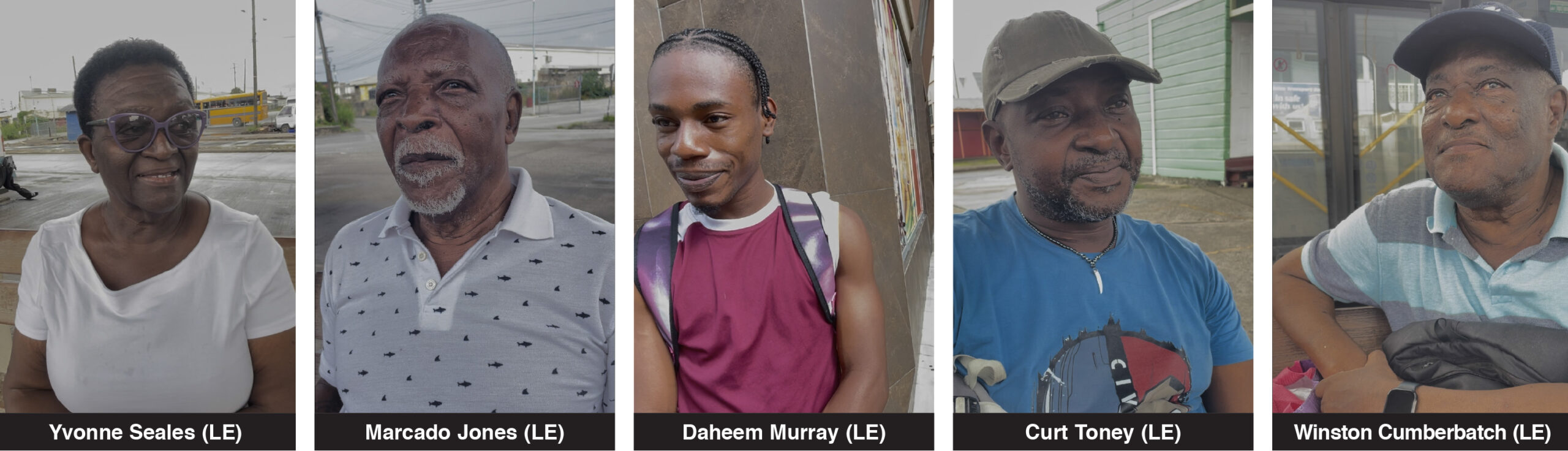
    Yvonne Seales, 71, celebrated reaching another milestone age as her proudest achievement. With another birthday approaching, she expressed hope for many more years ahead and pride in her grandchildren’s accomplishments, particularly one who is joining the police force next week.

    Daheem Murray marked a significant life transition, having relocated to Barbados from overseas. He identified embracing this new chapter as his most proud moment. For 2026, Murray has set clear entrepreneurial goals, aiming to become his own boss rather than working for others.

    The year brought sobering reflections for Winston Cumberbatch, who experienced a season of loss that deepened his appreciation for life’s fragility. After witnessing the sudden passing of acquaintances, he now embraces a philosophy of daily thankfulness, living one day at a time without projecting too far into the future.

    Marcado Jones expressed gratitude simply for surviving 2025 after battling illness throughout 2024 and 2025. He attributes his perseverance to divine intervention and maintains complete satisfaction with whatever path the Almighty dictates for his future.

    Curt Toney offered concise but determined aspirations for 2026, hoping simply to ‘complete the same thing’—implying continued perseverance and commitment to his current path.

    Collectively, these narratives from Bridgetown residents weave a tapestry of human resilience, demonstrating how Barbadians are approaching the new year with gratitude for survival through challenges and hopeful determination for continued strength in 2026.

  • Youth granted $8 000 bail in wounding case

    Youth granted $8 000 bail in wounding case

    A Barbados magistrate has granted bail to a 20-year-old man from Halls Road, St Michael, who stands accused of a violent assault against a woman in late December. Shiquon Shaheim Gale appeared before Magistrate Alison Burke facing allegations of intentionally harming Shania Clarke with the purported intent to maim, disfigure, or inflict serious bodily harm.

    During the bail hearing, Prosecutor Police Constable Cindy Greaves presented multiple grounds for objection, citing the severity of the alleged violence, the reported use of a flick knife, threats made by the accused, and the concerning prevalence of such offenses within society. The prosecution confirmed that the victim received medical treatment at Queen Elizabeth Hospital and was subsequently discharged.

    Defense attorney Romain Marshall successfully countered these objections by emphasizing his client’s previously clean criminal record, stable employment status, young age, and established support network. Marshall argued that while the court acknowledges the pattern of similar offenses, bail determinations must prioritize individual circumstances.

    Magistrate Alison Burke ultimately granted Gale release on $8,000 bail while adjourning the case until April 17, 2026. The court imposed specific conditions requiring the accused to maintain complete distance from the alleged victim throughout the judicial process. The defendant did not enter a formal plea during these preliminary proceedings.

  • Caribbean CBI schemes risk EU visa backlash

    Caribbean CBI schemes risk EU visa backlash

    A leading Caribbean economist has declared the demise of the region’s lucrative ‘golden passport’ programs, following intensified pressure from European nations and international regulatory bodies. Professor Don Marshall, Director of the Sir Arthur Lewis Institute of Social and Economic Studies at the University of the West Indies, warned that Caribbean nations must fundamentally rethink their economic strategies beyond citizenship-by-investment (CBI) schemes.

    The warning comes in response to the European Union’s escalating scrutiny of CBI programs, culminating in a landmark December 19th report that builds upon April’s European Court of Justice ruling against Malta’s program. The EU’s Eighth Report under the Visa Suspension Mechanism establishes that Caribbean nations must implement rigorous security safeguards or completely restructure their economic approaches to maintain visa-free access to European countries.

    Professor Marshall criticized what he described as a fundamental imbalance in global financial regulation, noting that while Caribbean nations face pressure to abandon CBI programs, EU countries themselves facilitate anonymous financial flows through their banking centers without facing similar international scrutiny. This disparity, he argued, stems from Western dominance within organizations like the OECD and Financial Action Task Force that set global financial standards.

    The academic traced the region’s economic trajectory since embracing neoliberal policies, noting how governments progressively lowered investment thresholds from $500,000 thirty years ago to approximately $200,000 today in a ‘race to the bottom’ competition for foreign investment. This approach, Marshall contended, has failed to stimulate meaningful economic diversification beyond real estate development and fossil fuel exploration.

    Referencing Barbados’ recently passed Economic Diversification and Growth Fund Bill, which allocates $225 million over three years to attract foreign investors, Marshall expressed skepticism about such initiatives. He argued that they reflect continued adherence to outdated assumptions about capital naturally flowing to productive sectors, when in reality most investment remains concentrated in property development and extractive industries.

    The professor concluded that meaningful economic transformation requires breaking from traditional capitalist structures and developing entirely new economic classes beyond the conservative enterprise culture that currently dominates business chambers and private sector lobbies across the region.

  • China uit ernstige onvrede over sloop van Chinees monument in Panama

    China uit ernstige onvrede over sloop van Chinees monument in Panama

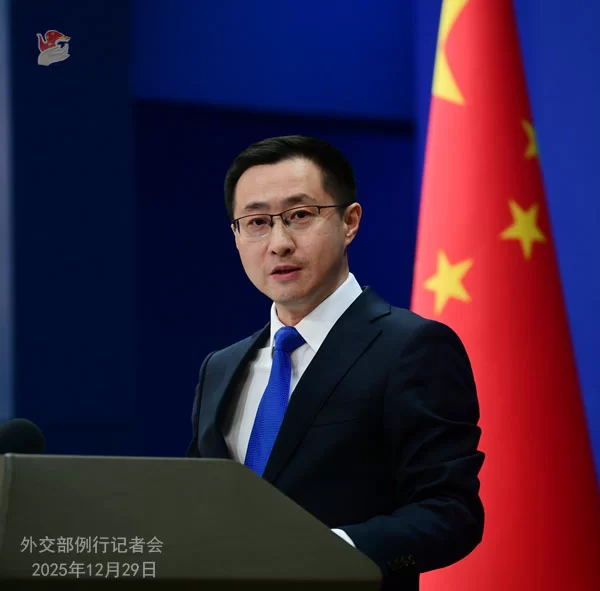
    China has formally expressed profound dissatisfaction regarding the demolition of a commemorative monument by local authorities in Panama’s Arraiján district, West Panama Province. The declaration came from Chinese Foreign Ministry spokesperson Lin Jian during a regular press briefing on Monday.

    The monument, originally erected to honor Chinese contributions to the construction and development of the Panama Canal—one of the world’s most vital maritime passages—was dismantled by local Panamanian officials citing safety concerns and the expiration of the land concession. The structure had stood for several years as a symbol of bilateral cooperation and friendship between China and Panama.

    The removal has sparked indignation among the local Chinese community and drawn criticism from Panama’s president. Spokesperson Lin Jian condemned the forced demolition as “highly undesirable,” emphasizing that the action severely hurt the sentiments of the Chinese diaspora in Panama and runs counter to the generally positive bilateral relations.

    The incident emerges amid ongoing efforts by both nations to strengthen collaboration across trade, infrastructure, and cultural exchanges. It remains unclear whether Panamanian authorities intend to relocate the monument or establish an alternative memorial site. The Chinese Embassy in Panama has reportedly initiated communication with local officials seeking a constructive resolution.

    This situation underscores the sensitivity surrounding symbols of international partnership and highlights the importance of preserving cultural and historical sites, particularly within the context of China’s expanding economic ties with Latin America.

    While no direct evidence links the monument’s removal to recent geopolitical statements—such as those from former U.S. President Donald Trump regarding China’s growing influence in the region—broader concerns over Chinese presence in Latin America may contribute to an atmosphere of political caution. Previous U.S. administrations have openly criticized China’s expanding role in countries like Panama, potentially heightening sensitivities around Chinese-sponsored symbols and investments.