博客

  • “Stronger Together: Building a Resilient Future for Antigua and Barbuda”

    “Stronger Together: Building a Resilient Future for Antigua and Barbuda”

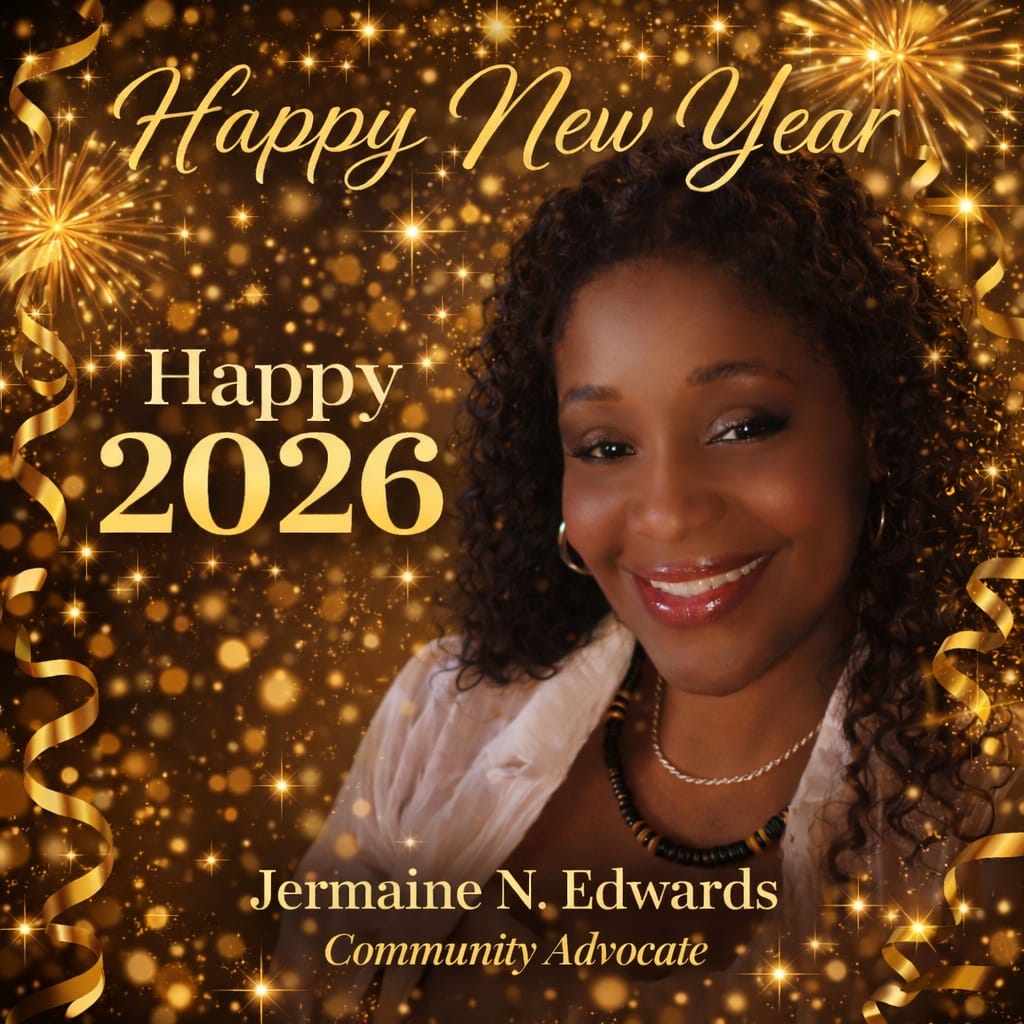
    In a profound New Year’s message addressing the nation, community advocate Jermaine N. Edwards has articulated a vision of collective resilience and purposeful action for Antigua and Barbuda. The statement, originating from St. John’s Rural South but resonating across the twin-island nation, moves beyond conventional seasonal greetings to offer a strategic framework for national perseverance.

    The reflection acknowledges the underlying anxieties that have characterized the past year, noting governmental transitions, regional instability, evolving global alliances, and pressing concerns regarding national security, food sovereignty, and transportation accessibility. For small island developing states like Antigua and Barbuda, these challenges underscore their particular vulnerability to external shocks and the critical importance of interdependency.

    The address proposes a dual approach to building national resilience. First, it emphasizes reconnecting with agricultural foundations through practical measures like backyard gardening, framing this not merely as a food security initiative but as an act of dignity and self-reliance. The philosophy that ‘little is much’ when combined with faith and determination serves as a guiding principle.

    Second, the message highlights the indispensable role of social cohesion. Resilience is portrayed as cultivated through knowing neighbors, mutual support systems, and community networks that facilitate sharing, trading, and collective upliftment. This community-first approach is presented as essential armor against uncertainty.

    The philosophical core of the address centers on compassionate action and theological pragmatism. While affirming divine presence, it equally stresses human responsibility—choosing empathy over judgment, unity over division, and preparedness over complacency. The reflection on life’s uncertainty serves as a powerful reminder that today’s hardship experienced by one could become tomorrow’s challenge for all.

    Looking toward 2026, the message concludes with an empowering declaration: the presence of breath signifies the persistence of purpose. It calls for courageous hearts, steadfast faith, and renewed commitment to intergenerational solidarity—uplifting youth as the nation’s promise while honoring seniors who built the foundation through sacrifice. The ultimate conclusion is that unified standing makes a nation unshakeable.

    The communication stands as both a spiritual meditation and a practical manifesto for national development through community action, collective faith, and purposeful unity.
  • COMMENTARY – Antigua and Barbuda Constitutional Reform

    COMMENTARY – Antigua and Barbuda Constitutional Reform

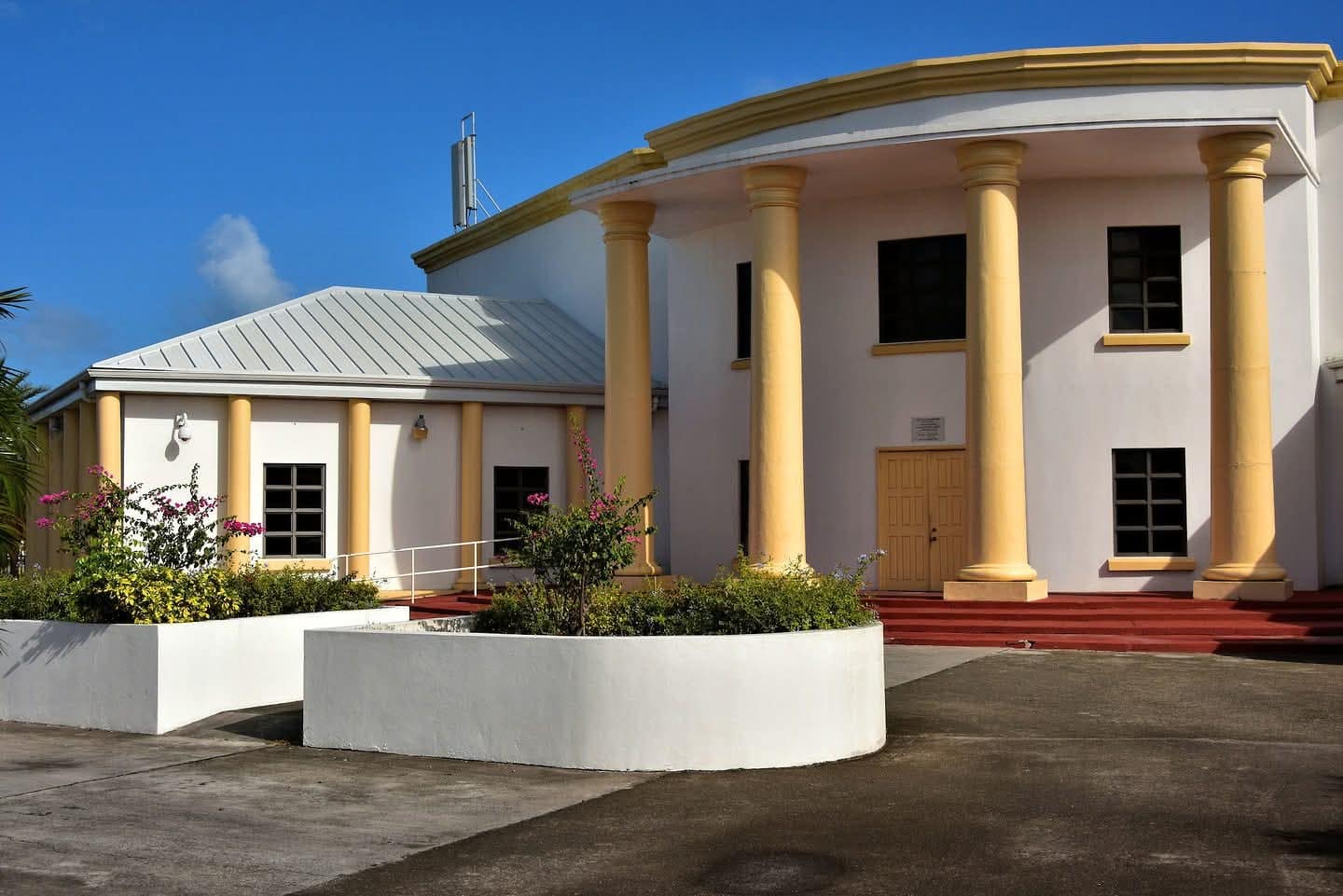
    Antigua and Barbuda has embarked on a significant constitutional modernization effort targeting its 44-year-old foundational document. Legal expert Yves Ephraim has initiated a comprehensive proposal series addressing what he describes as critical gaps in the current constitution’s protection mechanisms against state overreach.

    The reform initiative centers on establishing robust safeguards against potential government abuse, emphasizing that constitutional frameworks must account for human fallibility within leadership structures. Ephraim argues that blind trust in government officials is fundamentally misguided, noting that positions of power don’t transform individuals into infallible entities. This perspective shapes his proposed reforms targeting two primary areas of governance.

    The first major proposal concerns parliamentary leadership selection. Ephraim recommends fundamentally restructuring the appointment process for the Speaker of the House of Representatives, suggesting the opposition leader should nominate candidates requiring two-thirds majority approval. This approach aims to ensure broader consensus and prevent majority party domination. Additionally, he proposes transforming the Senate into a non-political body with members selected by civil society organizations including chambers of commerce, labor unions, and professional associations to serve as an effective check on parliamentary decisions.

    The second proposal addresses ministerial composition, recommending strict limitations on elected representatives serving in Cabinet positions. Ephraim highlights the inherent conflict of interest when parliamentarians simultaneously hold executive roles, citing the Bendals quarry case where constituents lost representation due to their representative’s cabinet allegiance. He suggests permitting no more than two elected MPs beyond the prime minister in Cabinet, arguing that ministerial positions should be allocated based on capability rather than as electoral rewards.

    These constitutional amendments aim to rebalance power dynamics, enhance representation safeguards, and create institutional mechanisms that prioritize national interest over partisan politics. The proposed reforms represent one of the most substantial reconsiderations of governance structures in the nation’s recent history.

  • NEW YEAR MESSAGE from the Incoming Chair of the Caribbean Community, Prime Minister of St Kitts and Nevis

    NEW YEAR MESSAGE from the Incoming Chair of the Caribbean Community, Prime Minister of St Kitts and Nevis

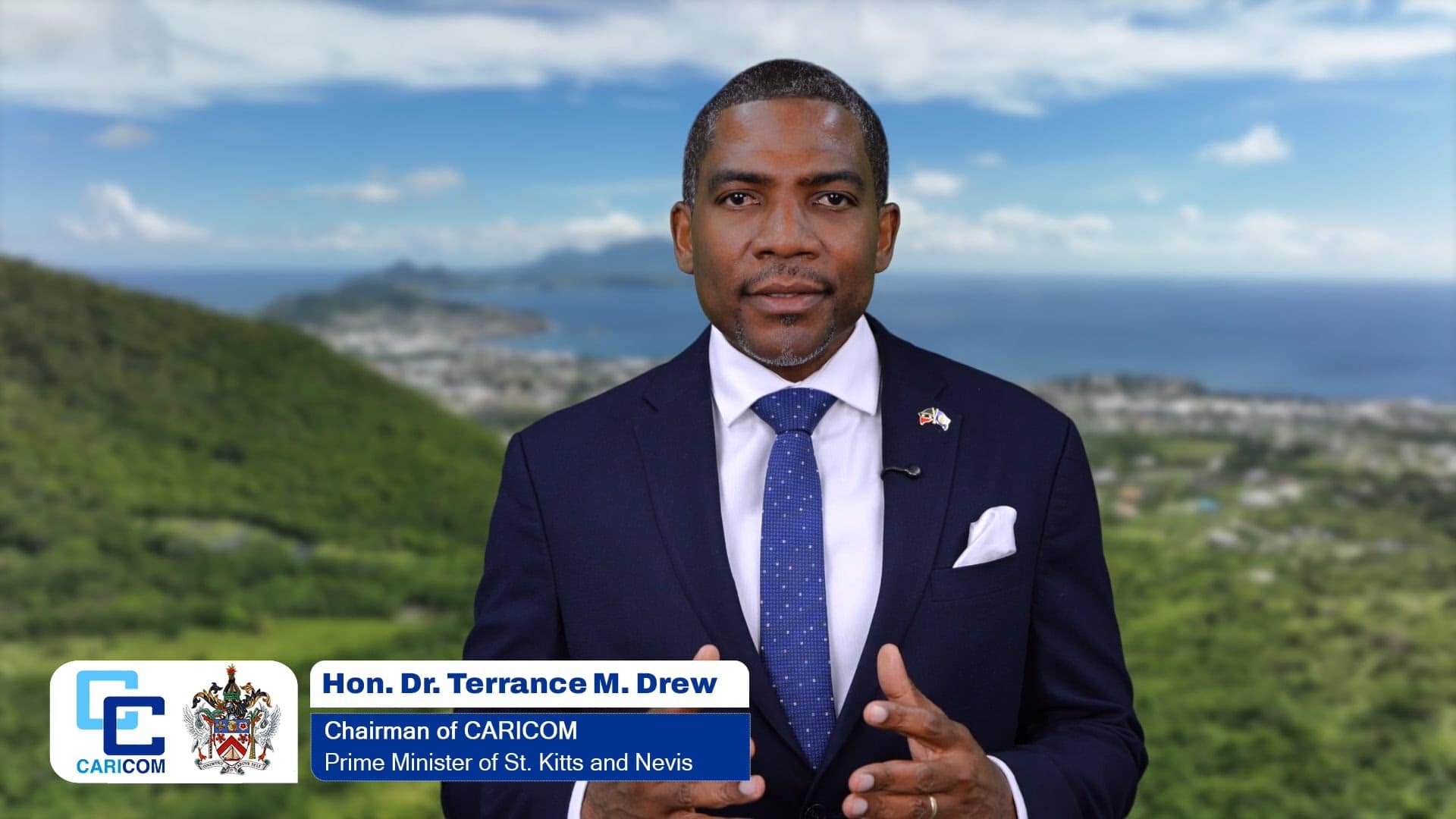
    Dr. Terrance Drew, Prime Minister of St. Kitts and Nevis, has officially assumed the rotating chairmanship of the Caribbean Community (CARICOM) on January 1, 2026, marking the beginning of his six-month tenure leading the regional bloc. His installation coincides with a comprehensive New Year’s address directed toward Caribbean citizens and diaspora communities worldwide.

    In his inaugural message as CARICOM Chairman, Dr. Drew commenced by extending gratitude to his predecessor, Jamaican Prime Minister Andrew Holness, for his stewardship during a period of regional instability. He further acknowledged the collaborative efforts of fellow CARICOM Heads of Government, the Secretariat, and regional leadership in fortifying the Community’s foundational objectives.

    The address reflected deeply on CARICOM’s historical context, noting its establishment in 1973 via the Treaty of Chaguaramas. This foundational agreement emerged from a strategic recognition by regional forebears that smaller, vulnerable states required collective action to navigate an evolving global landscape. The core mission—to foster economic integration, harmonize foreign policy, and amplify the Caribbean’s international voice—was characterized as an act of strategic foresight and regional self-confidence.

    Dr. Drew enumerated CARICOM’s tangible achievements, highlighting expanded markets through regional trade, enhanced mobility of skills and labor, and advancements in health systems, disaster management, education, and climate advocacy. He emphasized that in today’s volatile global environment, regional integration transcends choice and has become an imperative for sustainable development.

    The message also addressed pressing regional concerns, reaffirming CARICOM’s commitment to reparatory justice through its dedicated Commission and Ten Point Plan. Regarding Haiti, Dr. Drew confirmed the Community’s sustained engagement to support stabilization and rebuilding efforts, including through the Eminent Persons Group and implementation of UN Security Council resolutions.

    Celebrating the Caribbean’s profound cultural and intellectual contributions—from pioneering musical genres and literary movements to global sporting excellence—the Chairman framed these achievements as products of resilience and disciplined imagination rather than historical accident.

    Addressing recent public disagreements among Member States, Dr. Drew acknowledged that differences are inherent within a diverse community but stressed the necessity of managing dialogues with mutual respect and regional responsibility. CARICOM, he clarified, was designed not as a frictionless space but as a constructive forum for resolving differences internally, underpinned by the conviction that collective strength outweighs individual disputes.

    The Chairman concluded with a call for renewed commitment to CARICOM’s principles, stronger institutional coordination, and strategic maturity on the global stage. He announced St. Kitts and Nevis’ preparations to host the 50th Regular Meeting of the Conference of Heads of Government from February 24-27, 2026, extending a formal invitation to fellow leaders to collaborate on priority issues affecting regional welfare.

  • Couples raises US$455,000 for staff and communities after Hurricane Melissa

    Couples raises US$455,000 for staff and communities after Hurricane Melissa

    KINGSTON, Jamaica — In a significant corporate social responsibility initiative, Couples Resorts has channeled approximately US$455,000 through its philanthropic arm, the Issa Trust Foundation, to aid employees and local communities devastated by Hurricane Melissa. The resort group initiated the relief drive with a direct contribution of US$100,000, demonstrating its commitment to workforce welfare during natural disasters.

    The comprehensive recovery program addresses both immediate humanitarian needs and long-term reconstruction for staff members who suffered property damage or complete loss of their homes. Remarkably, the company maintained full wage payments and employment stability throughout the crisis period, ensuring financial continuity for affected employees.

    Initial disaster response prioritized urgent survival needs, with extensive distributions of care packages containing food, water, batteries, flashlights, and other essential supplies across storm-ravaged regions. The organization provided temporary accommodation for more than 100 displaced employees, enabling them to remain proximate to workplaces while navigating personal crises.

    A transparent disaster relief fund established in the hurricane’s aftermath attracted generous donations from returning guests, international partners, and global supporters. Resource allocation follows a needs-based methodology, with assistance distributed according to detailed damage assessments of each household.

    Paul Issa, Chairman of the Issa Trust Foundation, noted the strategic decision to expand the foundation’s typical pediatric healthcare mission: ‘Following Hurricane Melissa’s destruction, we prioritized rebuilding our staff’s damaged homes. Donor generosity has enabled active reconstruction efforts.’

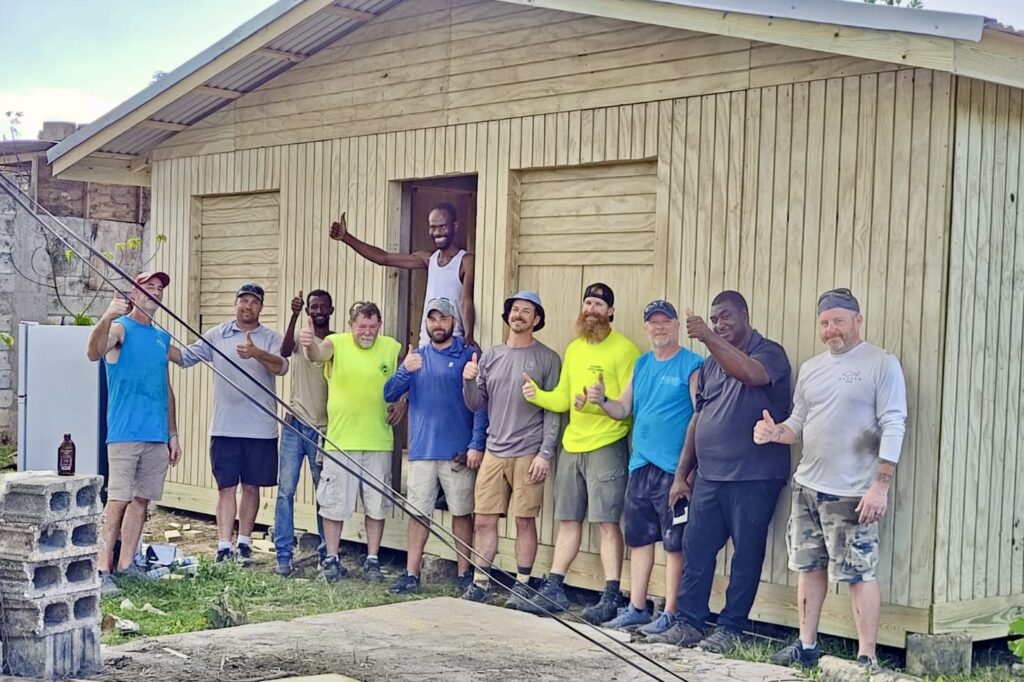
    Despite ongoing recovery operations, Couples Resorts resumed full guest operations on December 1. Reconstruction intensified through a volunteer construction initiative led by Dirk Bartolizzi of Wisconsin-based Bartolizzi Homes, alongside advisory board members Rob Barkema and Chris Panetta. Teams deployed primarily to Westmoreland parish, focusing on employees from the severely impacted Couples Negril and Couples Swept Away properties.

    Volunteers collaborated directly with affected families, delivering construction materials, performing structural repairs, and offering psychosocial support. Additional volunteer missions are scheduled for the new year to continue rehabilitation work.

    Diane Pollard, President and CEO of the Issa Trust Foundation, reflected on two decades of community engagement: ‘Jamaica’s resilience consistently shines through during adversity. Our volunteers arrived not merely as builders but as compassionate supporters during families’ most challenging periods.’

    Bartolizzi emphasized the critical importance of timely intervention: ‘Rapid reconstruction is essential when families lose their homes. We prioritize both structural safety and the restoration of personal security.’

    The four-property resort group indicates its hurricane response forms part of a broader strategic commitment to housing security, family stability, community resilience, and sustained investments in healthcare and education through its foundation. Organizational leadership affirms that rebuilding homes transcends physical construction—it fundamentally restores dignity, stability, and future optimism for impacted communities.

  • Police seize ammo on Dyke Road, Portmore

    Police seize ammo on Dyke Road, Portmore

    In an early morning operation on Friday, January 2, law enforcement officers from the St Catherine South Police Division made a significant ammunition discovery on Dyke Road, St Catherine. The incident unfolded approximately at 5:30 AM when patrol officers observed an individual behaving suspiciously along the roadway.

    According to official reports from the Portmore police, the suspicious male promptly fled the scene upon noticing the approaching police unit, abandoning a plastic bag he had been carrying. The law enforcement team retrieved the discarded bag and conducted a thorough search, uncovering a substantial cache of ammunition.

    The seizure included forty-three .22 cartridges, forty 9mm cartridges, six .38 cartridges, and four 12-gauge cartridges, totaling ninety-three rounds of various calibers. Despite the significant find, no arrests were made in connection with the abandoned ammunition.

    Police authorities have confirmed that investigations remain ongoing as they work to identify the individual involved and determine the origin and intended use of the confiscated ammunition.

  • Trump says US will ‘come to their rescue’ if Iran kills protesters

    Trump says US will ‘come to their rescue’ if Iran kills protesters

    PARIS, France (AFP)—A dangerous diplomatic confrontation escalated between the United States and Iran on Friday after President Donald Trump threatened military intervention if Iranian security forces violently suppressed peaceful protesters. The warning prompted immediate and severe pushback from Tehran, which declared any foreign interference would destabilize the entire region and jeopardize American interests.

    The exchange marks a significant hardening of rhetoric as Iran grapples with widespread civil unrest. The protests, initially triggered by shopkeepers striking in Tehran over soaring prices and a crippled economy, have now spread to numerous cities. Clashes between demonstrators and security forces on Thursday resulted in at least six fatalities, the first confirmed deaths since the movement gained momentum.

    Utilizing his Truth Social platform, President Trump issued a direct threat to the Iranian government. He stated that should Iran resort to its ‘custom’ of violently killing peaceful demonstrators, the United States would ‘come to their rescue,’ emphatically adding that the nation was ‘locked and loaded and ready to go.’

    The response from Iranian officials was swift and severe. Foreign Minister Abbas Araghchi condemned Trump’s statement as ‘reckless and dangerous,’ confirming that the nation’s armed forces were ‘on standby.’ Ali Larijani, head of Iran’s top security body, issued a stark warning that U.S. involvement in what he termed an ‘internal matter’ would lead to regional destabilization and the destruction of American assets, cautioning the American public to ‘be mindful of their soldiers’ safety.’

    Further amplifying the gravity of the situation, Ali Shamkhani, a key adviser to Supreme Leader Ayatollah Ali Khamenei, stated that any U.S. intervention would be met with a decisive response, identifying national security as an absolute ‘red line.’

    Interestingly, Iranian leadership, including President Masoud Pezeshkian, has recently sought to legitimize the economic grievances driving the protests. Acknowledging the nation’s profound economic despair—fueled by years of crushing international sanctions over its nuclear program—Pezeshkian even stated from a religious perspective that failure to address public hardship would damn his government to hell.

    However, this acknowledgment exists alongside promises of a firm official response to any instability. Iranian authorities, including a national police spokesman, have drawn a clear distinction between legitimate public dissent and what they label ‘destructive actions’ orchestrated by enemies seeking to create chaos. Judicial officials have warned that participation in illegal gatherings or actions disturbing public order will be treated with the ‘greatest firmness.’

    The international community has begun to react. The UN human rights chief urged Iranian authorities to respect freedoms of expression and peaceful assembly. Meanwhile, Venezuela, itself in a protracted crisis with the U.S., expressed solidarity with Iran and condemned Trump’s ‘confrontational’ rhetoric, calling for an end to interventionist policies.

    This new wave of civil discontent emerges as Iran contends with significant strategic setbacks for its allies across the Middle East in Gaza, Lebanon, and Syria, following a recent 12-day conflict with Israel that saw limited U.S. military involvement. While current demonstrations are assessed to be smaller in scale than the major 2022 uprising sparked by the death of Mahsa Amini, they represent a persistent challenge to the regime’s authority amid intense economic pressure.

  • UDC fireworks festival signals renewal for Black River

    UDC fireworks festival signals renewal for Black River

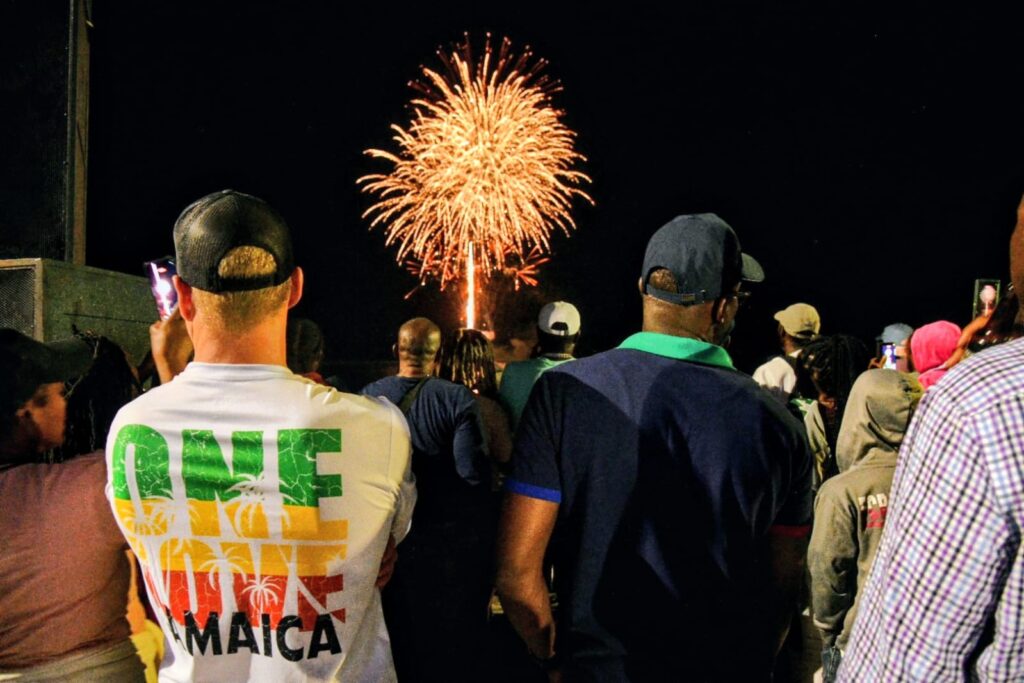
    The historic town of Black River in St Elizabeth parish has staged a triumphant comeback with its inaugural fireworks festival, serving as a powerful symbol of community resilience following the devastation of Hurricane Melissa. Organized by the Urban Development Corporation (UDC), the event formed part of nationwide New Year’s celebrations across five Jamaican locations including Kingston, Ocho Rios, Montego Bay, and Negril.

    UDC General Manager Robert Honeyghan characterized the festival as representing ‘renewal and rebirth’ for a community that has demonstrated remarkable fortitude. ‘We’ve gone really big and really broad this year,’ Honeyghan told journalists during Wednesday’s festivities. ‘Everyone has come out in renewal and rebirth after transcending significant challenges.’

    The family-oriented celebration featured dedicated children’s areas, amusement rides, and a vibrant food village while stimulating economic activity along the Black River waterfront. The strong turnout particularly impressed officials given the category-five hurricane’s severe impact on the region just months earlier.

    Local leaders emphasized the psychological significance of the event. Floyd Green, Minister of Agriculture and MP for St Elizabeth South West, noted: ‘Nothing can stop the people of St Elizabeth. The hurricane might’ve taken houses and businesses, but it cannot take our spirits.’

    Black River Mayor Richard Solomon described the festival as a ‘phoenix rising from the ash’ moment for the historic community. He commended the collaborative efforts between UDC, the St Elizabeth Municipal Corporation, and essential agencies that made the event possible while acknowledging first responders’ continued service throughout the hurricane crisis.

  • Magnitude 5.6 earthquake jolts St Lucia

    Magnitude 5.6 earthquake jolts St Lucia

    A significant seismic event measuring 5.6 on the Richter scale occurred near the eastern Caribbean nation of St. Lucia on Friday evening, according to regional monitoring authorities. The tremor, which struck at precisely 5:48 PM local time, originated at a substantial depth of 30 kilometers beneath the Earth’s surface.

    The Trinidad-based Seismic Research Centre (SRC) at the University of the West Indies confirmed the earthquake’s epicenter was positioned in proximity to multiple Caribbean territories. Residents across the region reported feeling the quake, including those in Fort-de-France, Martinique (65 kilometers northeast of the epicenter), Roseau, Dominica (87 kilometers southeast), and Castries, St. Lucia (114 kilometers north-northeast).

    This seismic activity follows a pattern of tremors observed across the Caribbean region during the initial days of the new year. The SRC had previously documented three separate earthquakes affecting various Caribbean territories earlier on Friday, though none resulted in structural damage or casualties. Seismologists continue to monitor the region’s activity closely, noting that the Caribbean’s complex tectonic environment makes it prone to such events.

    Emergency management officials across affected islands have confirmed no immediate reports of infrastructure damage, injuries, or tsunami alerts following the substantial tremor. The event serves as a reminder of the region’s vulnerability to seismic activity and the importance of robust disaster preparedness systems.

  • STEAM gifts for children in the west

    STEAM gifts for children in the west

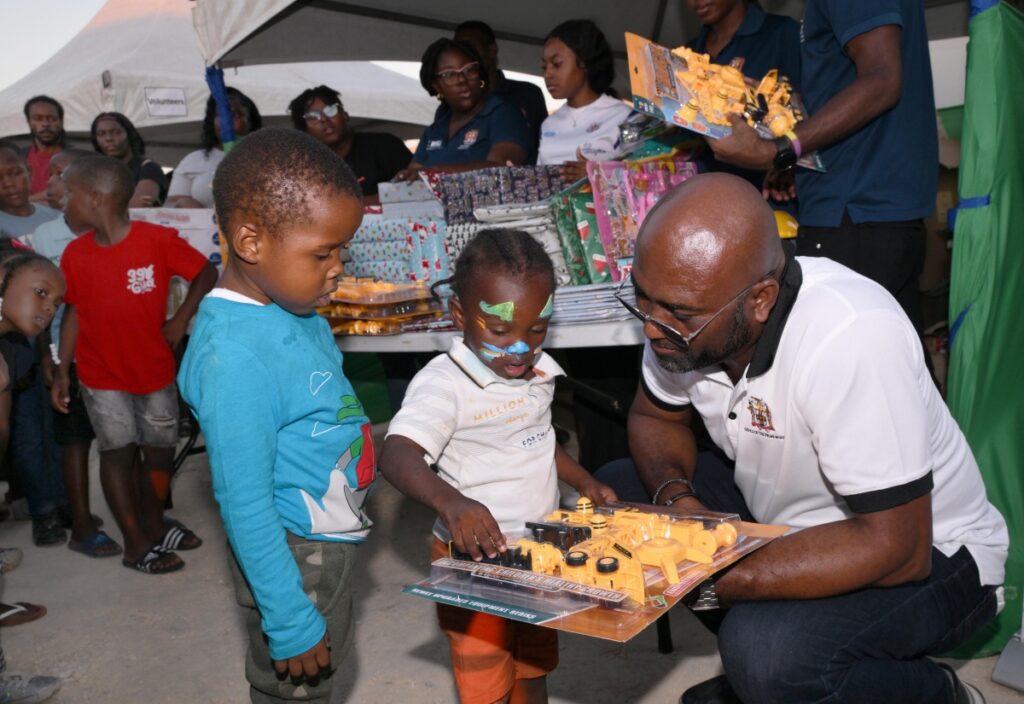
    In a significant educational outreach effort, Jamaican authorities have distributed approximately 1,400 STEAM (Science, Technology, Engineering, Arts, and Mathematics) educational kits to children across hurricane-impacted regions of Montego Bay, Negril, and Black River. The initiative, spearheaded by Minister Andrew Wheatley from the Office of the Prime Minister with responsibility for Science, Technology and Special Projects, represents a strategic shift from traditional Christmas gift-giving toward substantive educational support.

    The distribution occurred during the inaugural Black River Fireworks Festival’s Kiddies Treat segment on December 31, an event specifically designed to boost community morale following Hurricane Melissa’s devastation. Minister Wheatley emphasized that these carefully selected gifts—including science kits, biological kits, Lego sets, and chess boards—aim to stimulate cognitive development, creativity, and problem-solving skills among children aged 0-13.

    This comprehensive program operates through a collaboration between three key institutions: the International Commission on Science and Technology, the Scientific Research Council, and the National Foundation for Scientific Development. The minister highlighted the ongoing challenges faced by communities, noting that numerous schools sustained damage and many families remain displaced following the hurricane’s impact.

    The Black River Fireworks Festival itself, themed ‘Life, Love and Recovery,’ provided a family-oriented celebration to welcome the new year while addressing the psychological and educational needs of affected children. This initiative represents a dual approach to post-disaster recovery, combining immediate festive enjoyment with long-term investment in Jamaica’s future technological and scientific capabilities through youth engagement.

  • Errol Wizdom set to release Reggae Dancehall album

    Errol Wizdom set to release Reggae Dancehall album

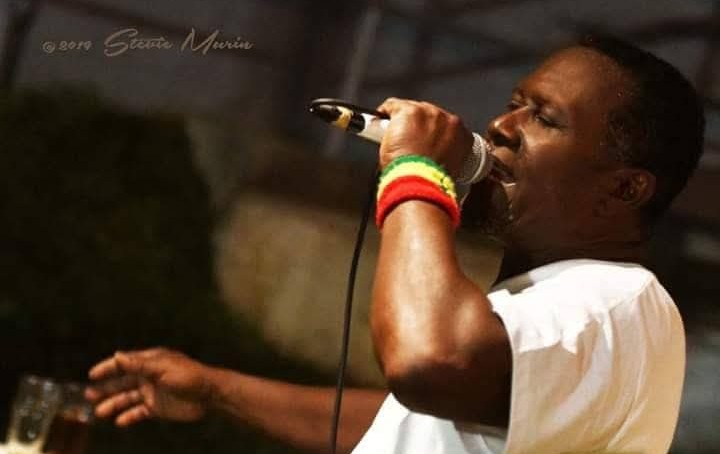
    KINGSTON, Jamaica — In a significant homecoming for the diaspora music community, Pittsburgh-based reggae artist Errol Wizdom has journeyed back to Jamaica’s capital to capture the authentic sound that defines his latest album, ‘Reggae Dancehall’. This strategic creative decision marks a deliberate departure from his previous stateside recording approach.

    The veteran singer-guitarist, whose given name is Errol Williams, specifically organized Kingston recording sessions featuring accomplished local musicians, including his sons George Williams and Errol Williams. This familial collaboration adds a deeply personal dimension to the project, scheduled for release later this year.

    Wizdom’s previous album, ‘Rivers of Love’, was entirely recorded in Pittsburgh, where he has resided for over three decades. However, the artist expressed artistic dissatisfaction with the final product, noting it lacked the genuine cultural resonance he sought. This realization prompted his determined return to Jamaican studios.

    ‘There are definitely great vibes and more prosperity and quality here. No matter what, I have to stick to my roots. I can’t change—Jamaica is my roots and the music as well,’ Wizdom emphasized in an interview with Observer Online.

    Three advance singles from the album—’Cherry of My Life’, ‘Jamming on The Mountain’, and the title track ‘Reggae Dancehall’—were released in 2025 to generate anticipation. The project also features collaborations with Pittsburgh-based Jamaican keyboardist Delroy Clarke and American soul singer Anni Mai.

    Wizdom’s musical legacy traces back to 1970s Kingston, where he began his career recording for producers Prince Tony and Junior Murvin as member of harmony trio The Potentials. Since founding the Errol Wizdom World Beat Reggae Band with American Greg Hampton in 1992, he has remained a foundational figure in Pittsburgh’s reggae scene.