博客

  • Grenada Sailing Week 2026 concludes with successful return to Carriacou

    Grenada Sailing Week 2026 concludes with successful return to Carriacou

    The 2026 edition of Pure Grenada Sailing Week concluded triumphantly on January 30th following six days of competitive racing and vibrant celebrations across Carriacou and Grenada. Sponsored by the Grenada Tourism Authority (GTA), this year’s regatta carried special significance as it marked a resilient return to Carriacou after the devastating impact of Hurricane Beryl, demonstrating the island’s recovery and enduring importance to the nation’s maritime heritage.

    The event commenced with the ‘Rum to Spice’ feeder race from Barbados Sailing Week, which brought eight racing yachts into Tyrell Bay. This preceded final registration and the official welcome ceremony for the 23 participating vessels. Competitors were formally greeted by Shanai St Bernard, Nautical Development Manager for GTA, while Race Officer James Beniot provided comprehensive briefings to all skippers regarding regulations and race details.

    Racing activities featured multiple challenging courses including the Island Water World Around Carriacou Race and the Clarke’s Court Boatyard & Marina offshore race from Carriacou to Grenada. After a scheduled lay day, competition resumed with Mount Gay Rum Race Day, featuring intense round-the-cans racing along the southern coastline. The week’s sailing concluded with the final Sea Hawk Paints race.

    Evening events and prize-giving ceremonies were hosted at prestigious venues including The Original Slipway in Carriacou, Le Phare Bleu Marina, and Camper & Nicholsons Port Louis Marina at Victory Bar & Restaurant. The closing ceremony took place at the newly inaugurated Merveilles Hub, Chez Louis by Ora Caribbean.

    Stacey Liburd, CEO of Grenada Tourism Authority, addressed participants during the final awards ceremony, emphasizing the event’s tourism significance: “Grenada Sailing Week is vital to our tourism landscape as sailors not only race but also explore and become part of our communities. The connections made here extend beyond the finish line, spreading Grenada’s story globally. This week has reinforced our reputation as a premier sailing destination.”

    Notable winners included Richard Szyjan’s Category 5 (Grenada) in CSA 1, Judd Tinius’s Galatea (Grenada) in CSA 2 Combined, and Chris Rundlett’s J/Star (Grenada) in the J/80 class.

    Endorsed by the Caribbean Sailing Association (CSA), the regatta remains a cornerstone event on the regional sailing calendar, attracting international competitors while showcasing Grenada’s optimal sailing conditions and renowned hospitality. Organizers have already confirmed future dates through 2029, maintaining the event’s position in the CSA racing series.

    Event organizers highlighted the collaborative effort required for success, noting that “without the sailing community, volunteers, and sponsors, Grenada Sailing Week wouldn’t happen.” The continued partnership with GTA reflects the growing importance of marine tourism to the destination’s long-term economic strategy.


  • GMC, Northern set up intriguing Bay Bay Cup finale

    GMC, Northern set up intriguing Bay Bay Cup finale

    In a dramatic Sunday showdown at the Francis Baba Lastic Playing Field, GMC United delivered a remarkable comeback to defeat previously unbeaten New Generation FC 2-1 in the Kenson Casimir Bay Bay Cup tournament. The February 8th match saw New Generation seize an early advantage when Yanic Noel capitalized on a defensive error in the 18th minute, putting the Group A leaders ahead.

    Despite trailing at halftime, the defending national club champions mounted a spirited second-half resurgence reminiscent of their midweek derby triumph over Dominators. GMC’s equalizer came through an extraordinary set-piece execution as Jayden Etienne curved a corner kick directly into the net. The turnaround was completed when captain Tonius Simon converted a decisive penalty, securing three crucial points for the Corinth-based squad.

    Meanwhile, defending Bay Bay Cup holders Northern United continued their dominant form in Group B, establishing a commanding 3-0 halftime lead against Police FC. Dorian Marcellin, Devonte Herman, and Nicholas Lawrence all found the net before the interval. Although Police’s Tarrique Phillip managed a consolation goal in the 68th minute, Justice Germaine restored Northern United’s three-goal margin just two minutes later with a fourth strike.

    The tournament landscape remains fluid as GMC United awaits Wednesday’s critical matchup between Gros Islet Youth and Dominators FC. While GMC currently holds second position in Group A, their semifinal qualification hinges on this pivotal fixture. In Group B, Police FC faces must-win circumstances against unbeaten Gros Islet Veterans to keep their advancement hopes alive.

  • Urgent Call Issued for Blood Donations for Villa Woman

    Urgent Call Issued for Blood Donations for Villa Woman

    Medical authorities in Antigua have issued an urgent plea for blood donations to assist Villa resident Iola Hill, also known as Kyah, who is currently facing a critical health emergency requiring immediate transfusion support. The appeal, circulated widely on Monday, indicates that Hill specifically requires either B-negative or O-negative blood types to address her pressing medical needs.

    According to the medical alert, eligible donors are being urgently directed to the Sir Lester Bird Medical Centre, where blood collection services operate from 9 a.m. to 6 p.m. throughout the Monday-to-Friday workweek. The family has characterized this as an exceptionally challenging period, emphasizing that timely blood donations could prove life-saving for their loved one.

    Health officials stress that compatible blood types are in critically short supply, creating an urgent situation where community response could directly determine patient outcomes. The medical centre has streamlined its donation procedures to accommodate the emergency needs, though all standard screening protocols remain in effect to ensure donor and recipient safety.

    Community members are being strongly encouraged to present themselves for donation without delay, as the window for effective medical intervention remains time-sensitive. This case highlights the ongoing importance of maintained blood reserves in regional healthcare systems and the critical role of voluntary donors in emergency medical situations.

  • St Michael Central hopefuls blessed as election draws near

    St Michael Central hopefuls blessed as election draws near

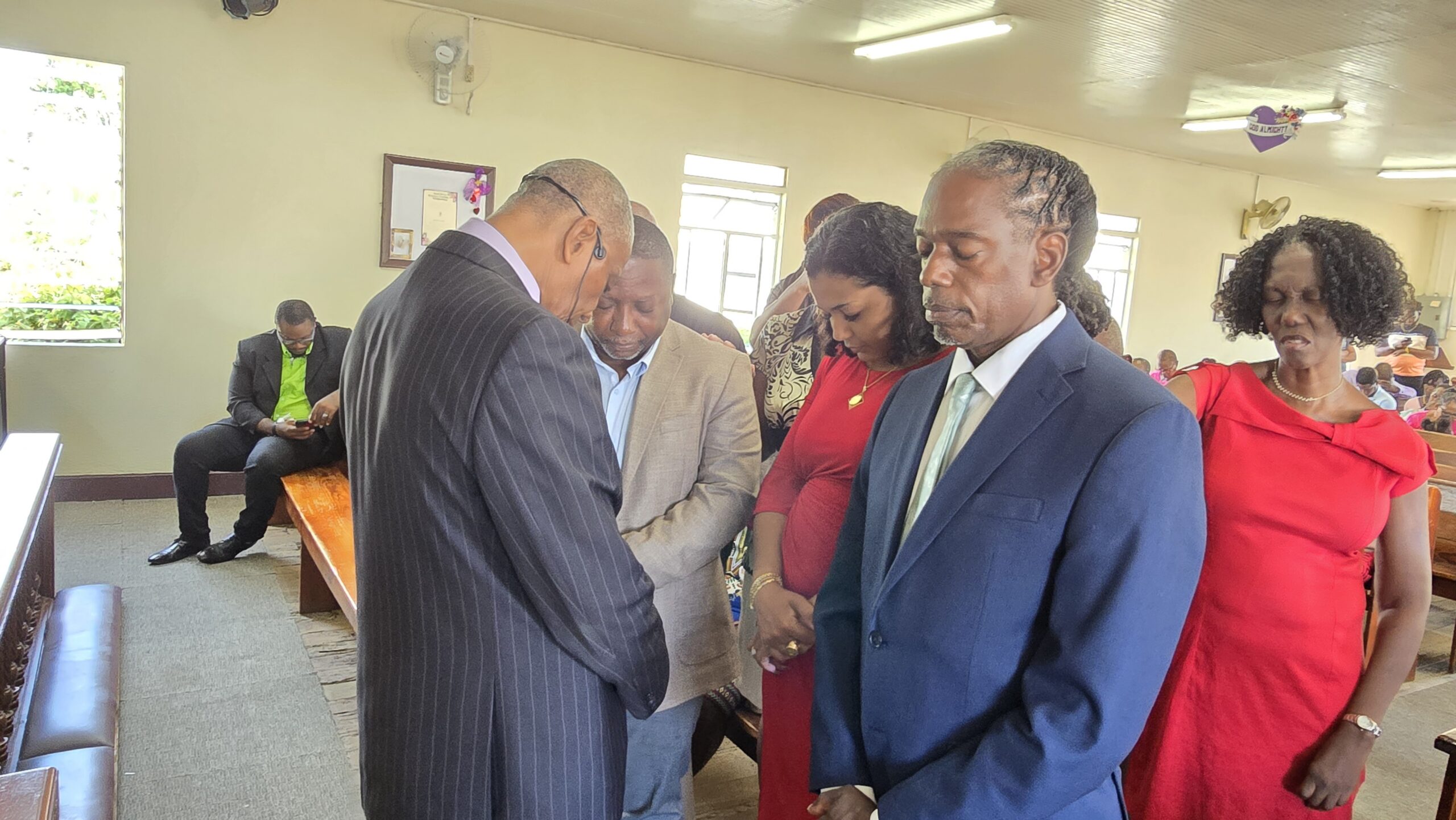
    In a rare display of spiritual unity preceding political competition, three parliamentary candidates for St Michael Central convened at the Better Life Assembly Christ Union Church this Sunday. Representatives from Barbados’s major political factions—Tyra Trotman (BLP), Raymond Wiggins (FOD), and Andre Worrell (DLP)—sought divine blessing and congregational support, outlining distinct policy priorities during a shared worship service.

    Bishop Joseph Atherley and Reverend Erskine Branch presided over the ceremony, offering prayers for the candidates before each addressed the Hindsbury congregation. The event highlighted how faith intersects with political campaigning in Barbadian democracy, though each candidate presented contrasting approaches to social development.

    BLP candidate Tyra Trotman emphasized her party’s tangible commitment to religious institutions, referencing a manifesto pledge of $5 million in funding for faith-based organizations. “This government recognizes the divine work you perform,” she declared, framing the financial commitment as evidence of a governance model “putting God first.” Trotman supplemented policy promises with personal testimony, describing her journey from “walking a very dark path” to redemption. Positioning herself as a testament to transformative grace, she urged youth to reclaim spiritual guidance as a moral compass.

    FOD contender Raymond Wiggins prioritized systemic reforms targeting youth vulnerability and elderly neglect. He proposed early psychological screening in primary schools to identify learning disabilities and mental health challenges, arguing intervention could “keep children out of prisons and funeral homes.” Wiggins advocated educational restructuring to integrate vocational training into secondary curricula, specifically referencing earlier access to programs at the Samuel Jackman Prescod Institute. For elderly care, he proposed repurposing underutilized community centers as intergenerational gathering spaces.

    DLP representative Andre Worrell called for collaborative partnerships between churches and elected officials. He envisioned religious institutions hosting youth development initiatives focused on sports and career readiness, while empowering seniors as mentors. Acknowledging constituent skepticism toward politicians, Worrell asserted his motivation stemmed from faith and communal concern: “I recognize that together we can achieve more.”

    Bishop Atherley concluded the service with a transcendant message, urging attendees to pursue aspirational goals grounded in divine trust. His homily encouraged moving beyond “limited, confined spaces” while recognizing spiritual sovereignty in temporal achievements.

  • Antigua and Barbuda Electoral Commission Pays Tribute to Mrs. Glendina McKay

    Antigua and Barbuda Electoral Commission Pays Tribute to Mrs. Glendina McKay

    The Caribbean nation of Antigua and Barbuda is mourning the passing of esteemed public servant Glendina McKay, who served with distinction on the Antigua and Barbuda Electoral Commission (ABEC). Mrs. McKay passed away on February 1, 2026, at the age of 83, leaving behind a legacy of democratic service.

    Nominated by the United Progressive Party (UPP), McKay dedicated nearly four years of exemplary service to the electoral body from August 1, 2013, to April 1, 2017. Throughout her tenure, she became known for her unwavering integrity, professional diligence, and profound commitment to democratic values that significantly strengthened the Commission’s operations.

    Her son, Victor McKay Jr., reflected on his mother’s deep sense of purpose during her service, noting she approached her responsibilities with both seriousness and genuine satisfaction in contributing to the democratic advancement of the twin-island nation.

    ABEC officials remembered McKay as a commissioner who brought both pride and meticulous attention to her role, particularly in advocating for and upholding transparent electoral processes. Her thoughtful insights and steadfast dedication helped fortify the institution’s credibility and effectiveness during her term.

    The late commissioner’s enduring legacy encompasses both her tangible contributions to electoral integrity and her embodiment of the highest standards of public service. Her work continues to be recognized as instrumental in shaping the democratic framework of Antigua and Barbuda, leaving an indelible mark on the nation’s governance structures.

  • Why Royal Caribbean’s Most Underrated Southern Caribbean Cruise Port Needs To Be On Your Itinerary

    Why Royal Caribbean’s Most Underrated Southern Caribbean Cruise Port Needs To Be On Your Itinerary

    While Royal Caribbean’s private island destinations typically draw crowds with their elaborate water parks and curated beach clubs, the undercapitalized port of Basseterre on St. Kitts offers a distinctly different Caribbean experience. As the capital of Saint Kitts and Nevis, this historic harbor city provides cruise passengers with immediate immersion into authentic island life rather than a manufactured tourist environment.

    Founded in the 17th century, Basseterre presents a compelling blend of colonial architecture, vibrant local culture, and accessible tropical beauty. Unlike more commercialized ports, the city maintains an unhurried atmosphere where visitors and residents share the same spaces—from colorful markets to casual cafés—creating a genuinely welcoming environment.

    The practical advantages of Basseterre as a cruise destination are significant. Ships dock directly at Port Zante, eliminating lengthy transfers and maximizing time ashore. The compact, walkable layout puts historical sites, shopping districts, and transportation hubs within easy reach. Shore excursions typically involve minimal transit time, allowing visitors to combine multiple experiences in a single day—from UNESCO World Heritage sites to pristine beaches and rainforest adventures.

    Cultural highlights include the imposing Brimstone Hill Fortress National Park, which offers panoramic views and historical insights, while nearby beaches like South Friar’s Bay provide ideal relaxation settings. The destination also supports more active pursuits including volcano hikes and ecological tours through lush rainforest terrain.

    Royal Caribbean enhances the Basseterre experience through well-designed shore excursions that accommodate various interests and time constraints. The cruise line’s curated offerings—from scenic railway journeys to fortress tours and beach access—provide structured exploration options while maintaining flexibility for independent discovery.

    Optimal visitation periods align with the dry season from January through April, though shoulder months offer reduced crowds and favorable conditions. Travelers should note seasonal considerations including hurricane patterns from June through November, though these periods may offer unique cultural events and reduced pricing.

    Basseterre represents an increasingly rare Caribbean port that prioritizes authentic experience over commercial development. Its combination of historical significance, cultural accessibility, and logistical convenience makes it particularly valuable for travelers seeking genuine connection with destination communities beyond the cruise terminal.

  • Guatemalans denounce US lies to attack Cuba’s example

    Guatemalans denounce US lies to attack Cuba’s example

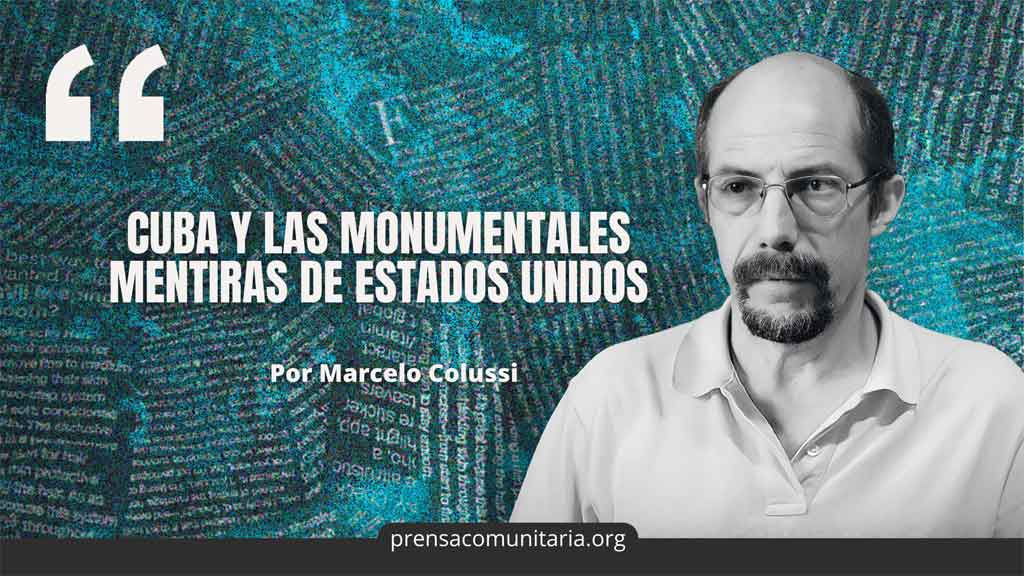
    In a penetrating analysis of U.S. foreign policy, psychologist and political commentator Marcelo Colussi examines the enduring American campaign against Cuba, revealing deeper motivations beyond conventional geopolitical interests. Colussi contends that Washington’s persistent hostility toward the Cuban revolution—spanning over six decades and multiple administrations—represents a unique case in the annals of imperial aggression.

    According to Colussi, the United States’ relentless pursuit to undermine Cuba’s socialist system defies typical patterns of imperial behavior where resource exploitation or business interests typically drive foreign intervention. Instead, Cuba presents an exceptional circumstance: a nation that has constructed a functioning socialist model demonstrating remarkable sovereignty and dignity directly within the sphere of American influence.

    The analyst documents how successive U.S. administrations, regardless of political affiliation, have consistently manufactured justifications for their imperial adventures. This pattern of constructing absurd narratives, Colussi argues, serves as a standard operating procedure in Washington’s foreign policy toolkit. Each fabricated pretext, no matter how logically untenable, effectively serves its purpose in legitimizing aggressive actions.

    Colussi particularly emphasizes the extraordinary nature of the ongoing economic blockade—a measure globally condemned yet persistently intensified. Despite worldwide repudiation and numerous United Nations resolutions demanding its termination, this coercive economic warfare continues to target the Cuban people. The psychologist notes that after exhausting countless tactics to destabilize the Cuban system, the current administration under Donald Trump has remarkably classified the island nation as an “unusual and extraordinary threat”—a designation that reveals more about American anxiety than Cuban aggression.

    This enduring confrontation, Colussi concludes, ultimately demonstrates Washington’s profound discomfort with any successful alternative to capitalist hegemony, especially when developed so close to its borders.

  • Call for ‘People-First’ Action at CANTO 2026

    Call for ‘People-First’ Action at CANTO 2026

    PORT OF SPAIN, TRINIDAD & TOBAGO (February 9, 2026) – The CANTO Connect 2026 conference concluded with a transformative vision for Caribbean telecommunications, asserting that digital infrastructure represents merely the foundation for regional progress. The consensus emerged that true global competitiveness will be determined by human capital development, strategic governance, and disciplined execution.

    Held under the theme “Elevate the Caribbean – From Connectivity to Global Competitiveness,” the four-day summit brought together telecommunications operators, regulatory authorities, policy makers, and industry partners to advance the region’s digital transformation beyond mere access toward tangible economic impact.

    The Human Resource Leadership Forum featured a pivotal address by Dominic Boon, Vice President of People at Liberty Caribbean (operators of Flow, Liberty Business and BTC), who emphasized the critical human and institutional dimensions of this transition. “HR must originate from business strategy before guiding people strategy,” Boon stated. “Leadership demands visible presence, unwavering advocacy, and vocal commitment to forge inclusive, accountable, and future-ready work environments.”

    Boon detailed Liberty Caribbean’s people-centric framework designed to cultivate regional leadership capabilities. This comprehensive approach incorporates continuous learning cultures, incentive structures focused on employee wellbeing, AI-powered workforce technologies, and collaborative playbooks to accelerate regional implementation.

    The executive highlighted compelling metrics: 85% of their leadership team comprises Caribbean talent, demonstrating intentional investment in local capability development, while gender parity sees women occupying 50% of leadership positions. “Diverse perspectives enhance decision-making quality and enable organizations to better reflect and serve their communities,” Boon explained. “This human-focused strategy transforms physical infrastructure into enduring competitive advantage.”

    With the workplace evolving at unprecedented speed, Boon stressed HR’s vital role in preparing workforces for forthcoming challenges through digital skill development, leadership pipeline reinforcement, and adaptive organizational cultures.

    Forum participants unanimously agreed that domestic talent cultivation, contemporary governance models, and people-oriented policies are indispensable for converting digital infrastructure into employment opportunities, innovation ecosystems, and inclusive economic growth.

    As the conference concluded, delegates expressed resolute optimism. With technical connectivity foundations established across the Caribbean, the subsequent phase of scaling talent, governance, and partnerships now requires coordinated, deliberate action between public and private sector stakeholders.

  • Cuba to host 2nd International Biennial of Political Humor

    Cuba to host 2nd International Biennial of Political Humor

    The National Council of Visual Arts (CNAP) of Cuba has officially launched its global call for entries for the 2nd International Biennial of Political Humor, inviting artists, illustrators, cartoonists, and humorists worldwide to submit works that critically examine globalization and its multifaceted impacts through satirical expression. The submission window remains open until March 31, offering a platform for creative commentary on contemporary global phenomena.

    Prospective participants must deliver their digital submissions in JPG format, meeting specific technical requirements of 300 dpi resolution with maximum side dimensions of 2400 pixels. All entries must be sent to the official biennial email address, bienalhumorpolitico2cuba@gmail.com, accompanied by comprehensive documentation including the creator’s full name, artistic pseudonym, country of origin, work title, complete residential address, email contact, and telephone number.

    An expert jury will evaluate all qualified entries to select three primary prize winners, with all decisions rendered as final. The most exceptional and representative pieces will receive prominent display in the main exhibition alongside complementary collateral shows throughout the event. Selected artworks may additionally feature in various promotional materials and official biennial publications, with full attribution to the originating artists and strict adherence to intellectual property protections.

    Organized through a collaborative effort between Cuba’s Ministry of Culture, the National Council of Visual Arts, and the cultural publication La Jiribilla, the biennial will incorporate both visual exhibitions and theoretical discussions. The programming will include specialized panels addressing pertinent issues within cartooning practice and the biennial’s thematic focus on globalization, creating a multidimensional dialogue between artistic expression and critical discourse.

  • Bolinda Baptiste receives part scholarship from Halo to further studies at UWI

    Bolinda Baptiste receives part scholarship from Halo to further studies at UWI

    In a significant investment in Antigua and Barbuda’s future workforce, The Halo Foundation has awarded a partial scholarship to Ms. Bolinda Baptiste to support her academic pursuits at the University of the West Indies (UWI) Global Campus. The scholarship presentation was formally conducted by Her Excellency Lady Williams, who personally handed over the educational funds to the recipient.

    Ms. Baptiste is currently advancing her professional capabilities through the Office Management program at UWI, where she is acquiring critical administrative competencies and career-enhancing skills. This educational pathway is strategically designed to equip her with the necessary tools for both academic achievement and long-term professional development.

    The scholarship allocation represents The Halo Foundation’s ongoing dedication to fostering educational opportunities and youth empowerment throughout the nation. As part of its philanthropic mission, the organization directs a portion of its surplus resources toward supporting ambitious individuals who demonstrate exceptional commitment to academic excellence and personal growth.

    This initiative reflects the foundation’s broader strategy of creating sustainable educational pathways that ultimately contribute to national development and human resource capacity building. Through targeted financial support, The Halo Foundation continues to remove barriers to higher education while encouraging professional advancement among Antigua and Barbuda’s youth population.