博客

  • Cuba denounces attack on Venezuela as an act of state terrorism

    Cuba denounces attack on Venezuela as an act of state terrorism

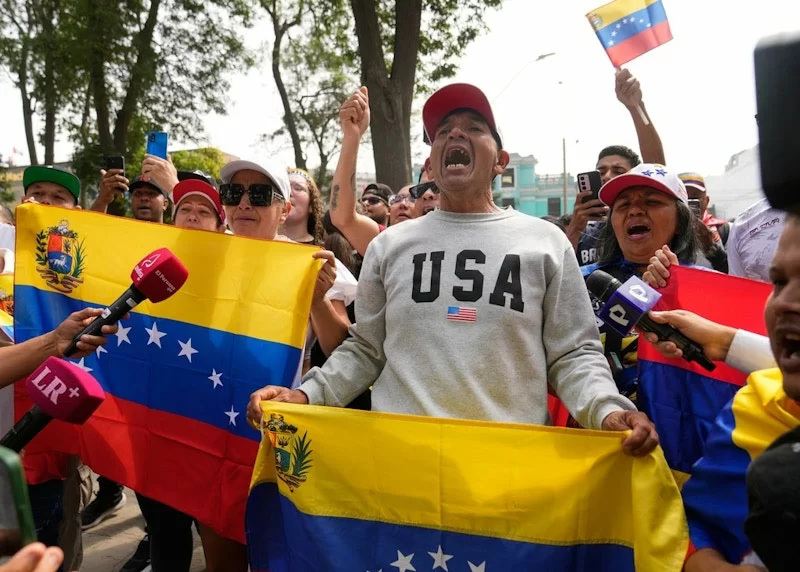
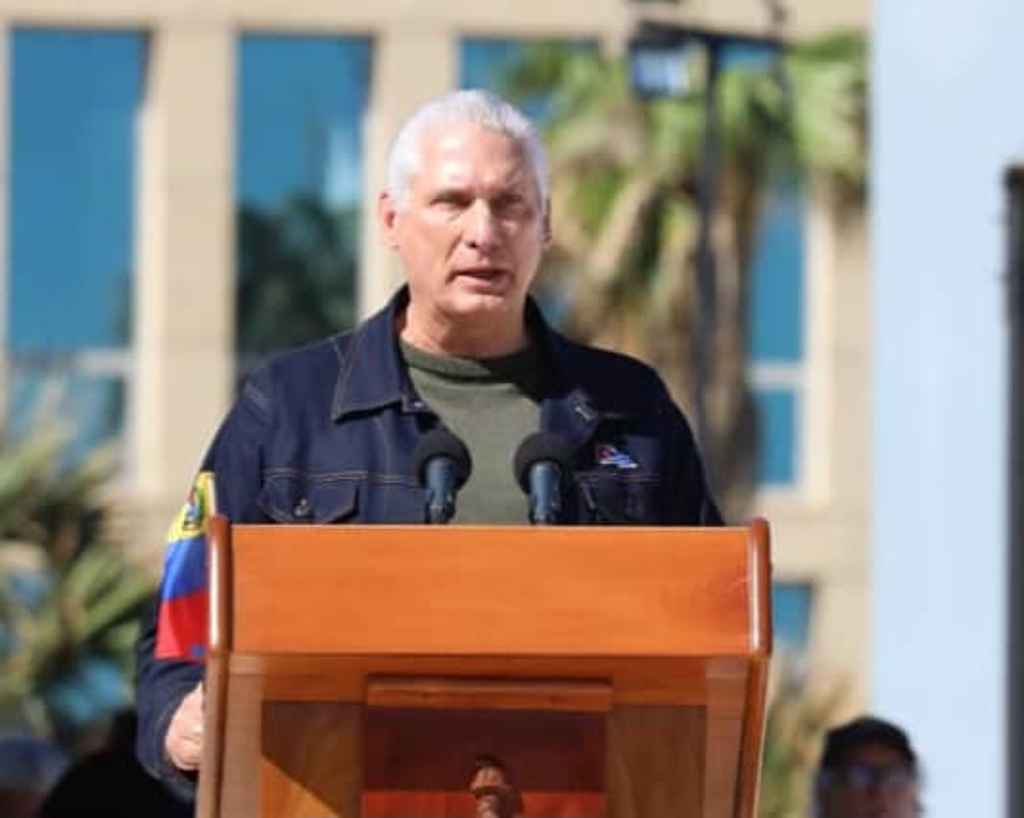
    During a significant address at Havana’s Anti-Imperialist Tribune, Cuba’s leadership delivered a vehement condemnation of a recent military operation conducted against Venezuela. The Saturday dawn incursion was characterized as a treacherous act forming part of a broader neo-fascist strategy designed to forcibly overthrow the Venezuelan government and appropriate the nation’s vast natural resources, with petroleum reserves representing a primary target.

    The Cuban head of state explicitly dismissed Washington’s justification of combating narco-terrorism as entirely disingenuous, asserting instead that the operation’s true objective involves dismantling the regional integration and resistance project initiated under former Venezuelan leader Hugo Chávez.

    In a firm rejection of hemispheric hegemony, the leader unequivocally denounced the Monroe Doctrine and all extraterritorial claims over Latin American territories. The address included a formal demand for the United States to provide immediate proof of life regarding Venezuelan President Nicolás Maduro and his spouse.

    Drawing stark parallels to contemporary global conflicts, the Cuban leadership compared the operation’s characteristics to crimes against humanity perpetrated by Israeli Zionism in Gaza, emphasizing numerous violations of international law and ethical standards.

    The warning extended beyond regional implications, with the statement characterizing the event not merely as an attack against Venezuela but as a genuine threat to global humanity. The address urgently called upon the international community to mobilize decisively against the advancement of modern fascism disguised as foreign policy.

    Concluding with a powerful declaration of solidarity, Cuba reaffirmed its readiness to defend, “with its own blood if necessary,” the independence and sovereignty of the Americas.
  • Trump Says US Will Run Venezuela Following Maduro’s Capture

    Trump Says US Will Run Venezuela Following Maduro’s Capture

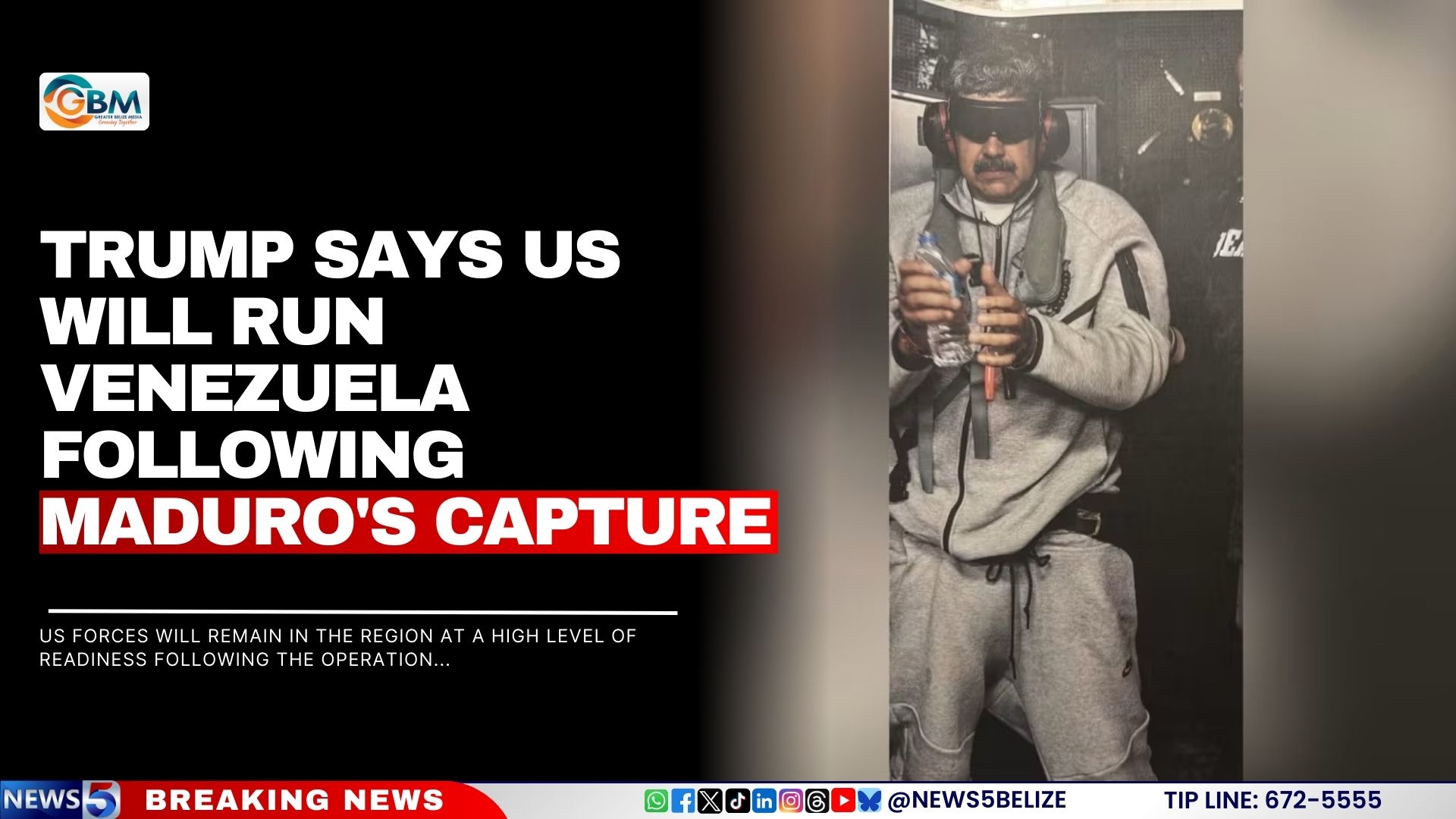
    In an extraordinary military operation of unprecedented scale, United States forces successfully captured Venezuelan President Nicolás Maduro in a meticulously planned overnight mission. The operation, codenamed ‘Operation Absolute Resolve,’ involved more than 150 aircraft deployed from 20 land and sea-based locations across the Western Hemisphere.

    Chairman of the Joint Chiefs of Staff General Dan Caine revealed that the mission required months of intensive preparation and coordination across all branches of the US military and intelligence community. Speaking from President Donald Trump’s Mar-a-Lago estate, Caine detailed how intelligence gathering included CIA operatives monitoring Maduro’s movements and routines throughout the summer.

    The extraction force encountered resistance during the operation, resulting in multiple defensive engagements. Maduro and his wife were successfully taken into custody by approximately 3:29 a.m. Eastern Time and transported to the USS Iwo Jima. They are currently en route to New York where Maduro faces federal charges from a 2020 indictment, with a superseding indictment unsealed Saturday.

    President Trump declared the mission a success and announced that the United States will assume control of Venezuela indefinitely to oversee a transition of power. ‘We’re going to run the country until such time as we can do a safe, proper and judicious transition,’ Trump stated, adding that he plans to authorize US oil companies to take over Venezuela’s energy infrastructure.

    The operation has already sparked domestic protests across major US cities under the banner ‘No War on Venezuela,’ while US forces remain in the region at heightened readiness levels. General Caine emphasized that any failure during the complex mission could have jeopardized the entire operation, noting that ‘failure is never an option for America’s joint force.’

  • Flight disruptions sweep Eastern Caribbean following U.S. strike on Venezuela

    Flight disruptions sweep Eastern Caribbean following U.S. strike on Venezuela

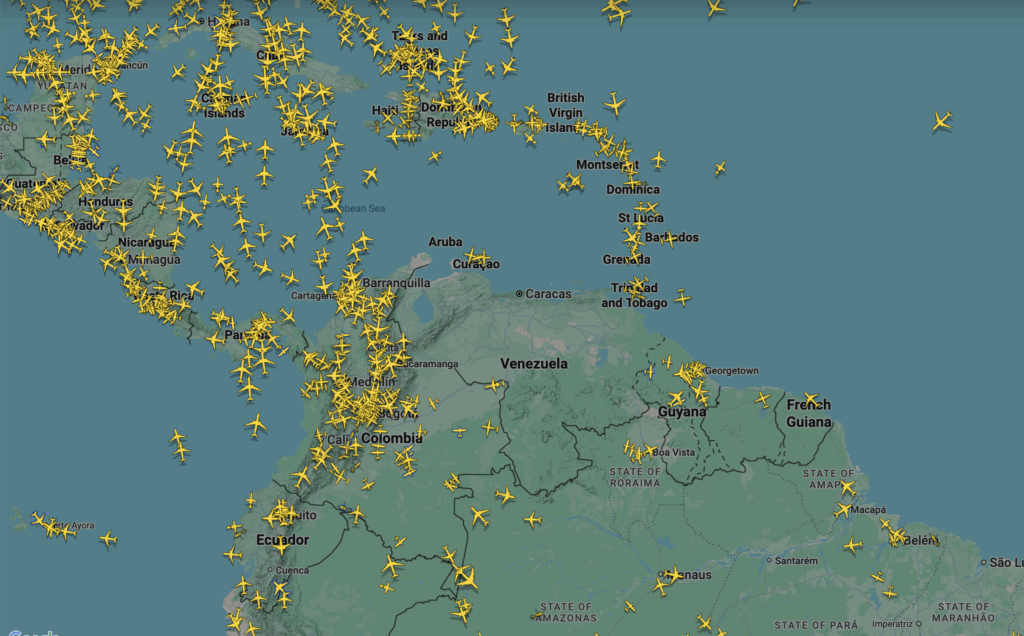
    Air travel across the Eastern Caribbean descended into chaos Saturday as escalating geopolitical tensions triggered widespread flight disruptions. Multiple international carriers suspended operations or adjusted routes following a U.S. military strike on Venezuela, creating a cascade of cancellations and delays that stranded thousands of passengers.

    Airports throughout the region reported severe schedule irregularities, particularly affecting U.S.-based carriers. Both inbound and outbound flights experienced significant disruptions, with some aircraft forced to return mid-flight while others were abruptly removed from schedules. JetBlue Flight 2017 to Port of Spain was among those compelled to turn back during its journey, according to Flight Radar 24 data.

    The operational chaos extended beyond American carriers. European airline KLM confirmed it could not operate scheduled flights to Curaçao, Aruba, and Sint Maarten due to airspace closures near Curaçao, affecting approximately 1,200 passengers across five flights. All aircraft already en route were safely returned to Amsterdam.

    Flight Aware data revealed 1,445 U.S. departures experienced delays Saturday with 599 cancellations. While no formal explanation was immediately issued, airline representatives at Trinidad’s Piarco International Airport cited the U.S. military action as the direct cause for disruptions.

    The disruptions followed a Federal Aviation Administration advisory warning of a ‘worsening situation and heightened military activity’ in Venezuelan airspace. The notice, effective until February 19, cautioned that threats could endanger aircraft at all altitudes during overflight, arrival, and departure phases.

    Six international carriers—TAP, LATAM, Avianca, Iberia, Gol, and Caribbean—have indefinitely suspended Venezuela flights, according to Marisela de Loaiza, president of the Airlines Association in Venezuela. Turkish Airlines will suspend operations from Monday through Friday.

    The aviation crisis unfolds amid heightened tensions between Washington and Caracas. The Trump administration has authorized at least 21 strikes on alleged drug-trafficking vessels since September, resulting in at least 83 fatalities. President Trump recently indicated he had ‘sort of made up’ his mind regarding further operations against Venezuelan leadership.

    In response, President Nicolás Maduro has deployed thousands of troops in preparation for potential conflict. The FAA noted that while Venezuela hasn’t expressed intent to target civil aviation, its military possesses advanced fighter aircraft, anti-aircraft artillery, and man-portable air defense systems capable of threatening commercial flights.

    Airlines urged passengers to monitor flight status through official channels as conditions continue evolving rapidly. Travel operators recommended contingency planning including flexible accommodation arrangements and alternative travel dates, with recovery timelines remaining uncertain.

  • Travel advisory: Maurice Bishop International Airport (MBIA)

    Travel advisory: Maurice Bishop International Airport (MBIA)

    The Grenada Airports Authority (GAA) has issued an official travel advisory indicating that airlines serving Maurice Bishop International Airport (MBIA) may implement temporary flight schedule modifications due to evolving airspace conditions and operational factors. This development requires heightened passenger vigilance regarding flight status verification.

    In response to these dynamic aviation circumstances, the GAA strongly recommends that all travelers confirm their flight arrangements directly with their respective airlines before departing for the airport. This precautionary measure aims to prevent unnecessary congestion at terminal facilities and ensure smoother travel experiences amidst potential scheduling disruptions.

    Aviation authorities in Grenada maintain continuous monitoring of the situation, with commitments to provide subsequent updates as operational conditions evolve. The GAA has formally acknowledged public cooperation and understanding regarding these necessary aviation adjustments, emphasizing the importance of passenger flexibility during this period of potential air travel variability.

    The notice concludes with standard media responsibility disclaimers common to public advisory communications, reinforcing that contributor opinions and statements don’t necessarily reflect organizational positions.

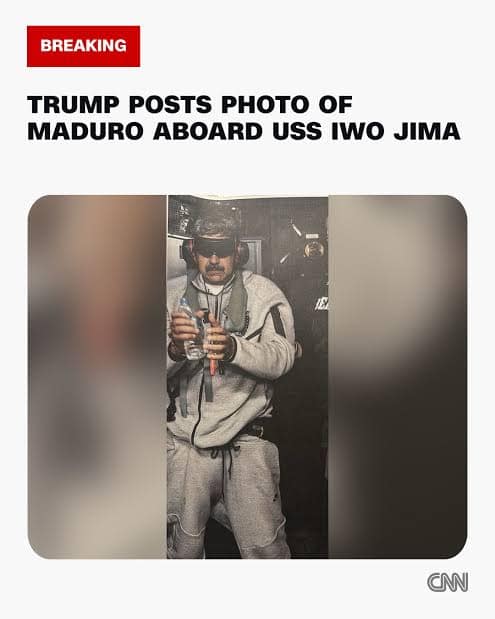
  • Trump posts first images of Maduro in handcuffs

    Trump posts first images of Maduro in handcuffs

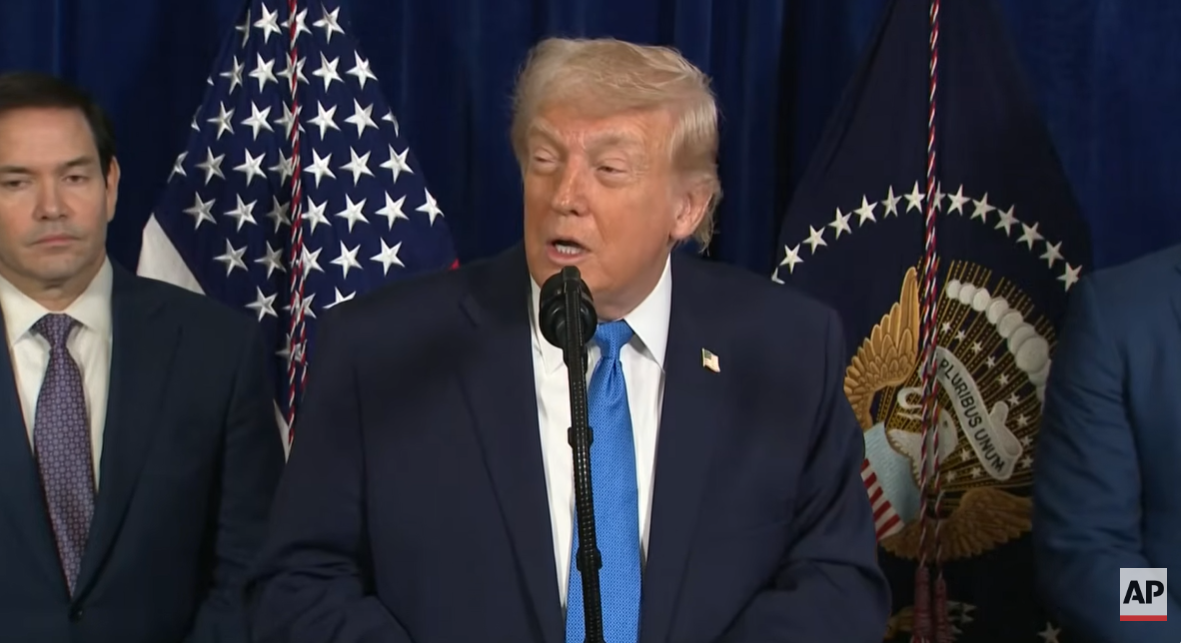
    In a significant address from his Mar-a-Lago estate in South Florida, former President Donald Trump publicly commended a recent US-led military operation targeting Venezuelan leadership. The operation, which resulted in the capture of Venezuelan President Nicolás Maduro, was characterized by Trump as an extraordinary tactical success.

    Trump emphasized the operation’s flawless execution, specifically highlighting the absence of American casualties and the complete preservation of US military assets. “Witnessing the operation unfold was profoundly impressive—a display of military precision where not one American service member was lost and not a single piece of US equipment was compromised,” he stated, suggesting the full details might remain classified from public view.

    The former president detailed the substantial scale of the involvement, noting the deployment of numerous helicopters, aircraft, and personnel. His remarks framed the mission as a testament to US military capability and strategic planning, underscoring a high-stakes international intervention achieved with maximum operational efficiency and minimal risk to American forces.

  • US to “run” Venezuela- Trump

    US to “run” Venezuela- Trump

    In a dramatic escalation of tensions, United States President Donald Trump announced on Saturday that the US would assume direct administrative control of Venezuela to oversee a “safe transition” of power. This declaration came hours after Venezuelan President Nicolás Maduro and his wife were captured and extracted from the country during a pre-dawn military operation involving missile strikes on multiple military installations in and around the capital.

    Addressing a press conference, President Trump stated that the United States would be “very strongly involved” in Venezuela’s crucial oil industry, signaling a significant shift in the nation’s economic control. “We’re going to run the country until such time as we can do a safe, proper and judicious transition,” Trump asserted, adding that the intervention aimed to prevent a recurrence of the political instability that has plagued Venezuela for years.

    The Maduros are reportedly being transported to New York where they will face indictment on unspecified charges. This development follows months of heightened tensions between the two nations, during which the US accused Maduro of involvement in drug trafficking and conducted more than twenty airstrikes in maritime areas near Venezuela since September—accusations that Maduro has consistently denied.

    In response to the intervention, Venezuela’s Defence Minister Vladimir Padrino Lopez declared that the country “will prevail … not negotiate … not give up.” The Venezuelan government has condemned the operation as an act of “military aggression” by Washington, claiming that both civilian and military installations across multiple states were targeted.

    The capture occurred despite Maduro’s indication just two days earlier that he was open to negotiating a deal with the US to combat drug trafficking, suggesting a rapid breakdown in diplomatic communications between the two nations.

  • WIN appeals for national unity to tackle threats from Venezuela after US strikes

    WIN appeals for national unity to tackle threats from Venezuela after US strikes

    In the wake of recent U.S. military actions that resulted in the ousting of Venezuelan leader Nicolás Maduro, Guyana’s principal opposition party We Invest in Nationhood (WIN) has issued a compelling call for national cohesion. The party, which secured 16 parliamentary seats in the September 2025 elections, cautioned that regime change in Caracas might unpredictably escalate existing tensions rather than alleviate them.

    WIN emphasized that Guyana continues to face sustained pressure and micro-aggressions stemming from Venezuela’s longstanding territorial claim over the Essequibo region. The party outlined multiple potential threats including increased cross-border movements, refugee influxes, retaliatory actions by Venezuelan operatives within Guyana, and heightened risks to citizens and critical infrastructure. These developments could particularly destabilize border and hinterland regions, creating both economic and security vulnerabilities.

    Highlighting recent security incidents, WIN referenced the simultaneous bombings of a police outpost and power facility earlier in 2025, for which three Spanish-speaking suspects remain at large. Additionally, the party recalled the tragic gas station explosion in Georgetown that involved both Venezuelan and Guyanese individuals.

    Rather than unilateral action, WIN urged the Irfaan Ali-led administration to engage in meaningful consultation with opposition forces through institutional mechanisms. The party specifically called for the immediate election of an Opposition Leader to activate the Parliamentary Oversight Committee on the Security Sector, arguing that comprehensive security policy review requires inclusive governance.

    WIN advocated for regional stability through diplomatic channels, international law, and mutual respect while stressing that domestic unity remains paramount. The party concluded that ‘national security is not a party matter’ but fundamentally ‘a Guyana matter,’ requiring transparent leadership and constitutional governance during this period of regional uncertainty.

  • Caribbean, World leaders react to US attack in Venezuela

    Caribbean, World leaders react to US attack in Venezuela

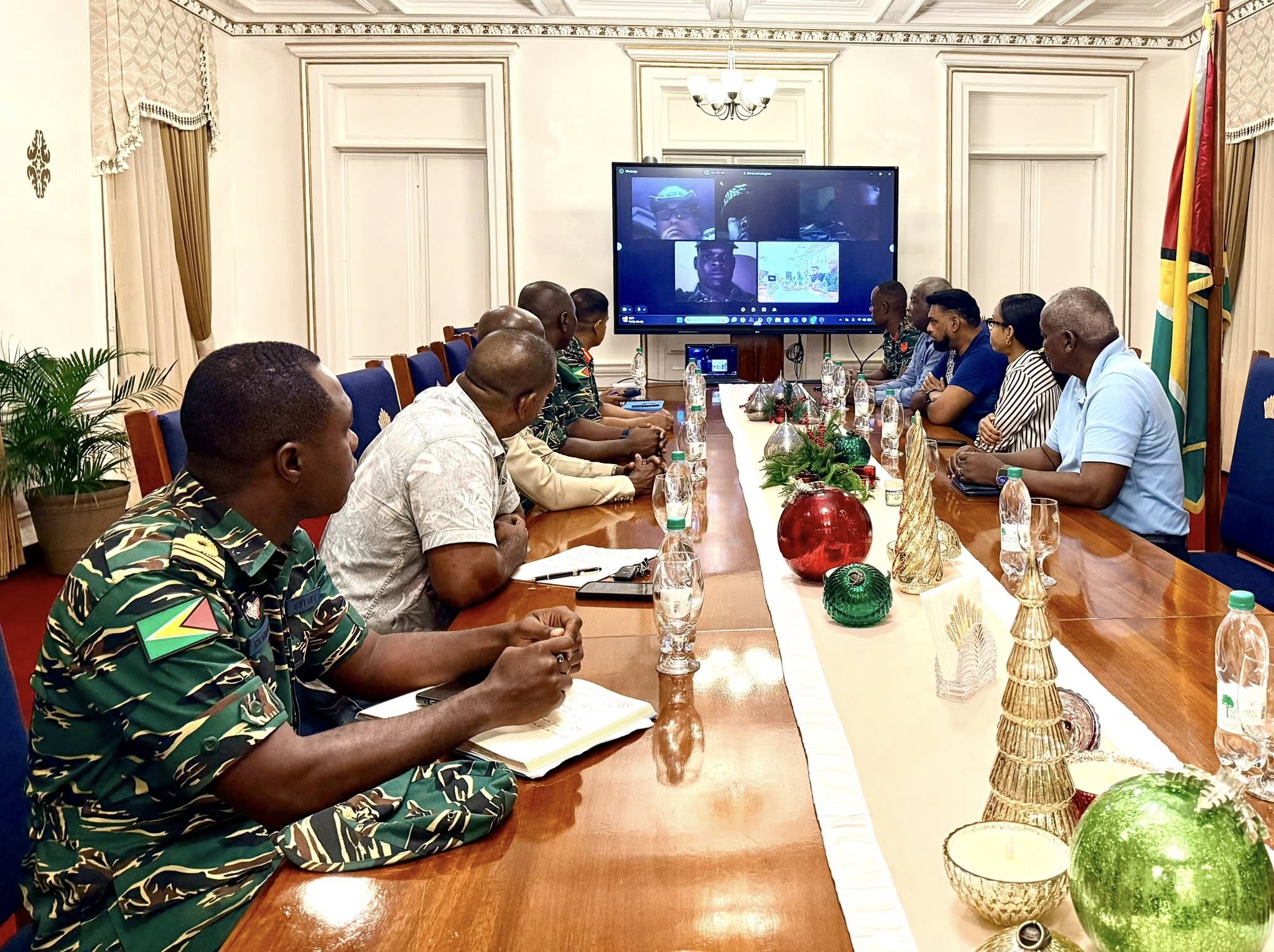
    International condemnation has swept across multiple continents following United States military operations in Venezuelan territory and the capture of President Nicolás Maduro and First Lady Cilia Flores. The unprecedented intervention, which occurred on January 3, 2026, has triggered urgent diplomatic responses from nations worldwide warning of severe regional destabilization and violations of international law.\n\nCaribbean nations demonstrated immediate concern given their geographic proximity to Venezuela. Guyanese Prime Minister Dr. Irfaan Ali convened an emergency session with the Defence Board and national security apparatus, highlighting heightened alert status amid existing regional tensions. Trinidad and Tobago’s Prime Minister Kamla Persad-Bissessar explicitly distanced her nation from the military operations, emphasizing continued peaceful relations with Venezuela despite the unfolding crisis.\n\nOpposition Leader Pennelope Beckles of Trinidad and Tobago characterized developments as \”deeply troubling,\” reaffirming commitments to maintain the Caribbean as a \”Zone of Peace\” while expressing particular concern for civilian safety and Trinidadian nationals in Caracas.\n\nLatin American powers delivered forceful responses. Brazilian President Luiz Inácio Lula da Silva condemned the bombings as crossing \”an unacceptable line,\” warning they established \”an extremely dangerous precedent for the entire international community.\” Mexican authorities issued firm condemnation of unilateral military action, urging immediate United Nations intervention to de-escalate tensions.\n\nEuropean leaders emphasized legal and humanitarian dimensions. European Commission Vice-President Kaja Kallas stressed that \”principles of international law and the UN Charter must be respected under all circumstances.\” European Council President António Costa called for de-escalation and resolution through proper legal channels, while Spanish officials confirmed their diplomatic personnel’s safety and offered support for peaceful solutions.\n\nRussia’s Foreign Ministry described the operation as \”an act of armed aggression against Venezuela\” lacking factual justification, though confirming no injuries among Russian citizens in Caracas.\n\nThe United States justified its actions through legal frameworks. Attorney General Pamela Bondi announced indictments against Maduro and Flores in the Southern District of New York, charging the Venezuelan leader with Narco-Terrorism Conspiracy, Cocaine Importation Conspiracy, and weapons-related offenses. Bondi characterized the operation as a \”highly successful mission\” ensuring the defendants would \”face the full wrath of American justice.\”\n\nVenezuelan Executive Vice President Delcy Rodríguez denounced the intervention as \”extremely serious military aggression\” and a \”flagrant violation of the UN Charter,\\” accusing Washington of attempting to seize Venezuela’s strategic resources while vowing resistance.

  • Bondgenoten VS juichen arrestatie Maduro toe

    Bondgenoten VS juichen arrestatie Maduro toe

    A dramatic US military operation resulting in the capture of Venezuelan President Nicolás Maduro has triggered polarized international responses, raising complex questions about sovereignty, interventionism, and regional stability. The operation represents Washington’s most direct military engagement in Latin America since the 1989 invasion of Panama.

    Venezuelan opposition leader María Corina Machado, a Nobel Peace Prize laureate who has been living underground since Maduro’s controversial July 2024 reelection, hailed the development as “the hour of freedom.” Through social media channels, she urgently called for immediate transfer of power to opposition candidate Edmundo González Urrutia, whom the opposition considers the legitimate winner of the presidential elections.

    European allies offered measured support. Italian Prime Minister Giorgia Meloni, a prominent ally of President Donald Trump, defended the operation as a legitimate defensive action targeting organized crime and drug trafficking networks. However, she notably emphasized that foreign military interventions should not become the standard method for ending dictatorships, reflecting the delicate balance between supporting regime change and respecting international law.

    Israel expressed unequivocal support, with Foreign Minister Gideon Sa’ar praising the United States as “leader of the free world” and expressing solidarity with the Venezuelan people who he said suffered under Maduro’s “illegal tyranny.” Israel anticipates restored democratic processes and friendly bilateral relations.

    The operation occurred amid mounting pressure on Maduro’s government, which faces allegations of corruption, political repression, and involvement in international drug trafficking. Venezuela has experienced years of severe economic crisis, massive refugee outflows, and intense political polarization.

    Neighboring countries Brazil and Colombia are closely monitoring developments due to potential impacts on regional stability and refugee movements. The Venezuela-Brazil border was temporarily closed during the initial escalation but has since reopened, with Brazilian authorities maintaining heightened surveillance. The region already hosts significant numbers of Venezuelan refugees, creating substantial humanitarian pressures.

    Legal and procedural questions emerge as the operation was conducted without prior congressional approval in the United States, raising concerns about its legal basis and legitimacy. Reports indicate the operation was originally planned for the Christmas period but was delayed due to other military priorities.

    The international community remains divided between supporting nations that view the action as necessary for democracy and those warning against escalation while emphasizing diplomatic solutions and respect for international law. The ultimate impact on Venezuela’s political future and broader regional stability remains uncertain.

  • Saint Lucia, Caribbean flights disrupted as US strikes close regional airspace

    Saint Lucia, Caribbean flights disrupted as US strikes close regional airspace

    A major aviation disruption swept across the Eastern Caribbean on January 3 as the US Federal Aviation Administration (FAA) implemented emergency airspace restrictions following military operations near Venezuela. The directive prompted immediate flight cancellations and significant schedule adjustments throughout the region.

    The FAA’s emergency Notices to Airmen (NOTAMs) effectively closed substantial portions of Eastern Caribbean airspace, creating a ripple effect across multiple island nations. Airports in Puerto Rico, Aruba, St Maarten, Barbados, Saint Lucia, Grenada, and the US Virgin Islands were among those experiencing substantial operational impacts.

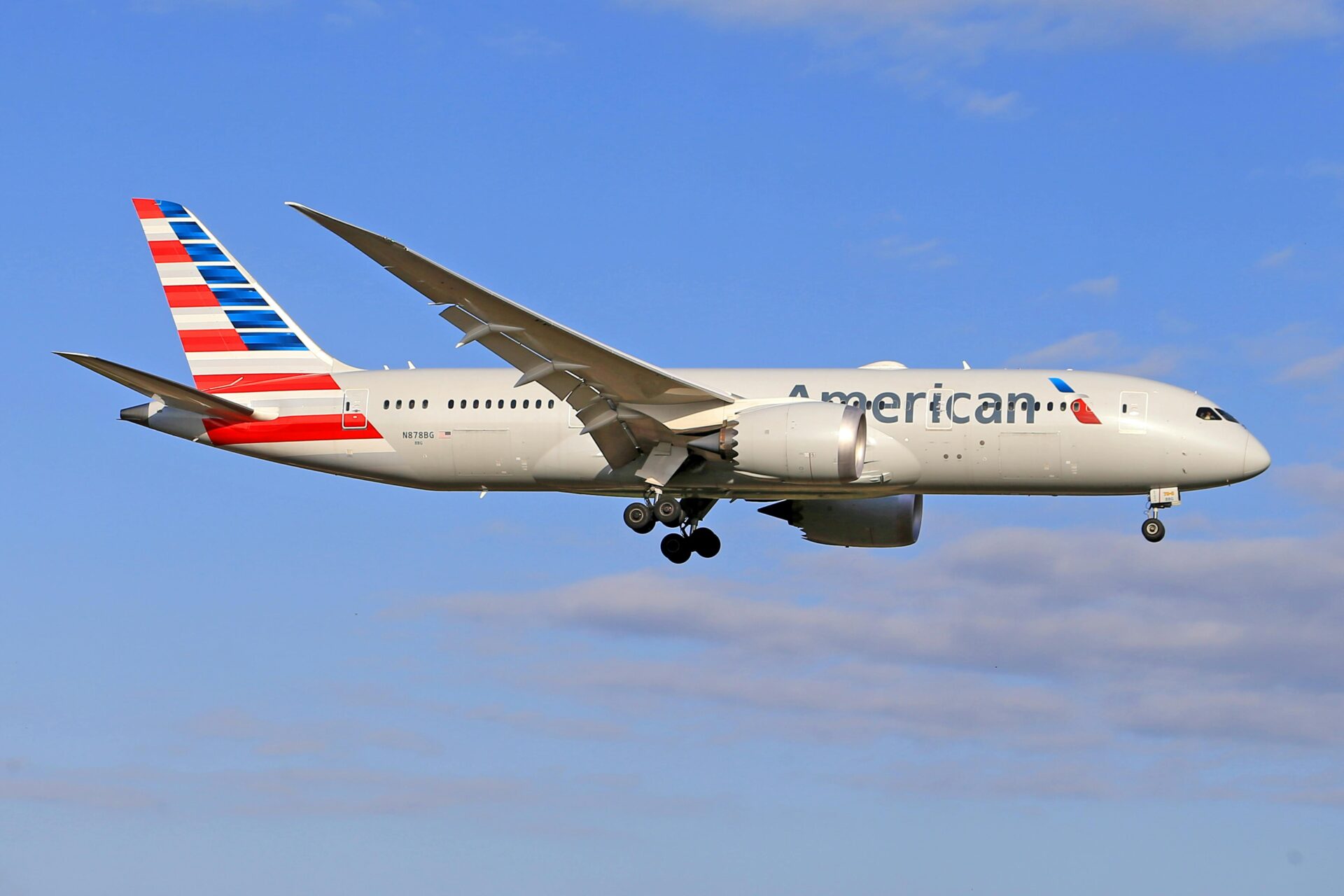
    JetBlue Airways, maintaining extensive regional operations, cancelled approximately 215 flights systemwide. American Airlines confirmed schedule modifications, emphasizing passenger and crew safety as their primary concern. Delta Air Lines specifically listed affected destinations including San Juan, Aruba, Barbados, Saint Lucia, and Grenada. Both United Airlines and Southwest Airlines reported similar cancellation patterns due to the restrictions.

    The Saint Lucia Air and Sea Ports Authority (SLASPA) confirmed significant disruptions to flight operations between the United States and Caribbean destinations, noting numerous services experienced either delays or outright cancellations.

    Travel chaos ensued as passengers found themselves stranded at airports with uncertain resumption timelines. Regional tourism officials expressed particular concern about the timing during peak winter travel season, traditionally the region’s busiest tourism period.

    The FAA indicated restrictions were initially scheduled to expire late January 3 but maintained possibility of extension based on ongoing security assessments. Airlines advised affected passengers to consult official channels for rebooking options and refund procedures. While US carriers haven’t operated direct flights to Venezuela since 2019 due to political instability, the current restrictions notably extend beyond Venezuelan airspace, affecting broader Caribbean transit routes.